Exploring Tokyo in a day is a thrilling challenge. It is a city where ancient traditions and futuristic visions coexist. This itinerary captures the city’s essence. It blends serene spiritual sites with soaring modern architecture. The day ends with a relaxing view from the water.
This journey takes you through the heart of Japan’s capital. It is designed for efficient exploration of iconic highlights. The day begins with quiet reflection. It then transitions to breathtaking heights. It ends with the gentle currents of Tokyo Bay. This offers a complete snapshot of the dynamic city.
Plan your trip with this Tokyo itinerary (1–7 days)
For more ideas, explore: 15 Best Things To Do in Tokyo
A Journey Through Time: Tokyo’s Sacred Shrines

Tokyo’s spiritual heart resides in its sacred shrines. They offer peaceful retreats from the urban hustle. These spaces are not just historical sites. They are active places of worship. Centuries of tradition are practiced here daily.
A visit provides a profound look into Japan’s cultural fabric. The experience begins when you step onto hallowed ground. The city’s noise fades. It is replaced by the crunch of gravel paths. You hear the whisper of wind through ancient trees. This transition from the secular to the sacred is part of the journey.
The morning is the best time to explore these sites. The air is cool and crowds are thinner. This allows for a more personal experience. Witnessing morning rituals offers a genuine glimpse into the city’s culture.
You can see the quiet prayers of locals. You can also see the meticulous care of the grounds by staff.
Two of Tokyo’s most significant shrines are Meiji Jingu and Senso-ji. They provide a powerful contrast and form the perfect start to a day of exploration.

Meiji Jingu Shrine: An Oasis of Tranquility
Meiji Jingu Shrine is a peaceful sanctuary. It is nestled within a sprawling evergreen forest. The shrine is dedicated to Emperor Meiji and Empress Shoken.
These figures guided Japan through its rapid modernization. The shrine itself was completed in 1920. It is a remarkable example of classic Shinto architecture.
It features natural materials and elegant simplicity. The approach to the main hall is a meditative walk. You follow a wide path shaded by over 100,000 trees.
The trees were donated from all over Japan. This dense forest isolates the shrine from the city. It creates a palpable sense of peace.
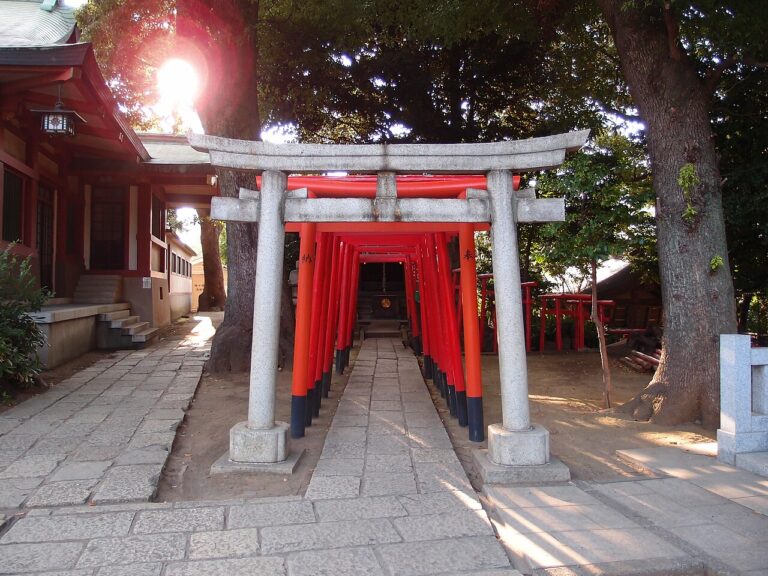
Before entering the main shrine complex, you pass under a massive wooden torii gate. It is one of the largest in Japan. It is customary to bow before passing through. This gesture of respect marks your entry into a sacred space. Further along the path, you find decorative barrels of sake and wine.
The sake barrels are offerings from Japanese brewers. The wine barrels were a gift from wineries in Burgundy, France. They symbolize the Emperor’s embrace of Western culture.
At the purification trough, you can perform the temizu ritual. You cleanse your hands and mouth before approaching the main hall to pray.
Related Experience: Meiji Shrine and Shinto Culture Walking Tour
Senso-ji Temple: A Vibrant Hub of Faith

Senso-ji Temple is in the historic Asakusa district. It offers a completely different spiritual experience. Yet, it is equally profound. It is Tokyo’s oldest temple, founded in the 7th century.
It is a vibrant center of Buddhist worship. Millions of visitors come here annually. The approach begins at the Kaminarimon, or “Thunder Gate.”
It has an iconic giant red lantern. Passing through this gate leads to Nakamise-dori. This is a bustling 250-meter-long shopping street. It has served pilgrims for centuries. Here, you can find traditional snacks, souvenirs, and crafts. This makes a lively introduction to the temple grounds.
At the end of Nakamise-dori stands the Hozomon Gate. It leads to the main hall and a five-storied pagoda. Before the main hall, you will see a large incense burner, the jokoro. Worshippers believe wafting the smoke over their body brings good health. The main hall is dedicated to Kannon, the goddess of mercy.
Inside, the atmosphere is thick with devotion. The intricate artwork, incense scent, and sound of prayers create a powerful experience. The temple grounds are open 24 hours. A visit at night is magical. The buildings are beautifully illuminated, and the crowds have dispersed.
Best Things To Do in Asakusa →
Reaching for the Sky: The Modern Marvel of Tokyo in a Day

After exploring old Tokyo, the journey continues. You will visit a symbol of modern identity: the Tokyo Skytree. This neo-futuristic tower pierces the skyline. It is 634 meters tall. This makes it the tallest structure in Japan.
Completed in 2012, it is a marvel of contemporary engineering. It was designed with advanced earthquake-resistant technology. A visit to the Skytree offers a dramatic shift in perspective. It lifts you high above the city’s intricate network of streets. The experience provides a breathtaking view. You understand the sheer scale of this metropolis.
The ascent itself is part of the adventure. High-speed elevators whisk you to the main observation deck in under a minute. The elevators have themed interiors that change with the seasons.
From the observation decks, the city unfolds in a stunning 360-degree panorama. On a clear day, the view can stretch to Mount Fuji. It is a majestic presence on the horizon. The tower is more than a viewpoint. It is an integrated entertainment complex. It has a mall, restaurants, and an aquarium at its base.
This makes it a comprehensive destination. You can easily spend hours exploring modern Japanese culture.
Tokyo Skytree and Oshiage Travel Guide
The Tembo Deck Experience
The main observation deck is the Tembo Deck. It is located 350 meters above the ground. It consists of three levels. Each offers unique ways to experience the view. The upper floor features wide, open windows. These provide the best panoramic vistas.
The middle floor has a restaurant and cafe. You can enjoy a meal or a drink with a city backdrop. The lowest floor has a glass floor section. It offers a thrilling look straight down to the streets below. This section is a favorite for photographers.
It is also great for those seeking extra excitement. The Tembo Deck is an engaging space. Interactive displays help you identify key landmarks.
The Tembo Galleria: A Walk in the Sky

For a more spectacular view, buy a combination ticket. This includes access to the Tembo Galleria. It is located at 450 meters. This is the highest point of the tower accessible to the public.
It is a sloping, glass-encased spiral skywalk. It winds up to a final viewing platform. The galleria’s design creates a unique sensation. You feel like you are walking in the sky.
The city is laid out beneath you like a map. The atmosphere here is often quieter than on the main deck. This allows for a more contemplative appreciation of the view.
The highest point is Sorakara Point. It offers an incredible sense of floating above the world. This makes the Tembo Galleria a truly exceptional experience.
A Serene Finale: The Tokyo Bay Cruise

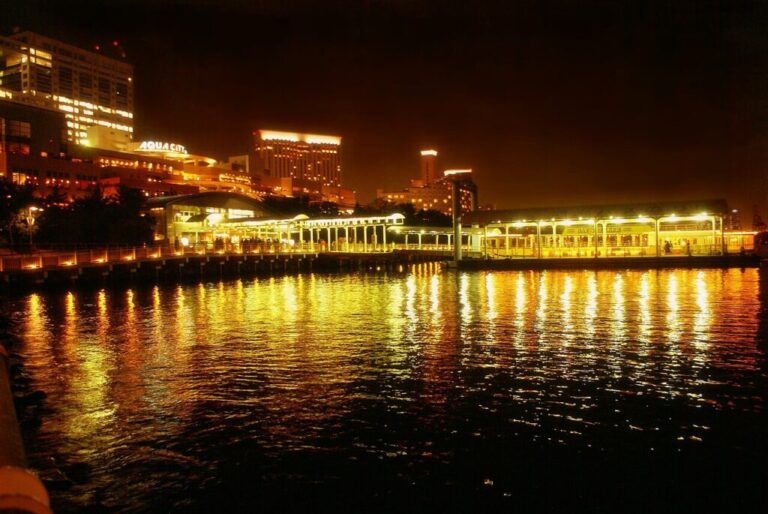
The day was spent on bustling streets and at dizzying heights. A Tokyo Bay cruise offers a perfect, relaxing conclusion. Seeing the city from the water provides a completely new perspective. The towering skyscrapers form a glittering backdrop to the bay.
A cruise lets you appreciate modern architecture. You see the elegant Rainbow Bridge. You also see the futuristic buildings of Odaiba. All from a tranquil vantage point. It is a moment to unwind. You can reflect on the day’s journey through Tokyo’s diverse landscapes.
Cruises vary in duration and style. Options include short trips on water buses. Or, you can take dinner cruises on traditional yakatabune houseboats. Many cruises depart from piers near Asakusa. This allows a seamless transition. You can go from exploring the historic district to a water adventure.
As the boat pulls away, the city’s energy takes on a different quality. The steady rhythm of the boat replaces the motion of the streets. The sea breeze softens the urban sounds. It is a peaceful and scenic way to experience the transition from day to night.
Related Experience: Scenic Bay Cruise on Private Boat
Views of the Modern Metropolis
A typical Tokyo Bay cruise highlights impressive modern landmarks. The journey often passes under the iconic Rainbow Bridge. It is a suspension bridge. It is beautifully illuminated at night. You will also get fantastic views of the Tokyo Tower.
This is the city’s classic broadcasting tower. It stands as a nostalgic counterpart to the modern Skytree.
The cruise gives a spectacular view of Odaiba. This artificial island has futuristic architecture. You can see the Fuji TV headquarters and the Tokyo Big Sight convention center.
Seeing these structures from the water is a magical experience. This is especially true as the sun sets and the city lights sparkle.

Dinner on a Yakatabune
For a uniquely Japanese experience, consider a dinner cruise on a yakatabune. These are traditional, low-slung houseboats. They are adorned with lanterns. This creates a charming and festive atmosphere. Onboard, you can enjoy a delicious Japanese meal. It often features tempura and sashimi. You can also take in spectacular night views of the city.
Guests typically sit on tatami mats. This adds to the authentic cultural experience. A yakatabune cruise is a social and relaxed affair. It offers a wonderful opportunity to enjoy Japanese hospitality. You float on the tranquil waters of the bay. It is an elegant and serene end. Your action-packed day exploring the facets of Tokyo in a day concludes beautifully.
Related Experience: Yakatabune Dinner Cruise
This journey through Tokyo is a story told in three distinct acts. It begins on sacred ground, steeped in history and quiet reverence. It then soars to the clouds, revealing the breathtaking scale of the modern metropolis from the Skytree. The experience finds its peaceful close on the water, with the glittering skyline reflected in the bay.
These three perspectives—earth, sky, and sea—are not just a checklist of sights. They combine to tell a single, compelling story. This itinerary proves that capturing the essence of Tokyo in a day is a truly rewarding experience.
You leave not just with photographs, but with a complete and lasting impression of a city that masterfully balances its ancient soul with its futuristic vision.

Start planning your trip with this Tokyo itinerary (1–7 days)
FAQs for Your Day in Tokyo
What is the most efficient way to travel between these locations?
Tokyo’s subway and train system is the most efficient way to travel. A prepaid IC card is highly recommended. Use a Suica or Pasmo card for convenience. It allows you to simply tap and go on most train and subway lines. For this itinerary, the Tokyo Metro Ginza Line and JR Yamanote Line will be very useful.
Can I complete this itinerary with children?
Yes, this itinerary can be adapted for families. The shrines offer wide-open spaces for children to walk. The Tokyo Skytree is exciting for all ages. You may want to book tickets in advance to minimize wait times. A shorter bay cruise on a modern water bus might be better for younger children than a long dinner cruise.
What should I wear for a day of sightseeing in Tokyo?
Comfort is key. You will be walking a lot, so wear comfortable shoes. It is also a good idea to dress in layers. Temperatures can vary between outside and inside locations. When visiting shrines and temples, it is respectful to dress modestly. Avoid overly casual or revealing clothing.
Do I need to book tickets for the Skytree and Bay Cruise in advance?
Booking tickets in advance is highly recommended, especially for the Tokyo Skytree. Pre-booking online can save you from long queues. It often offers a slight discount. For the Tokyo Bay cruise, booking ahead is also a good idea. This is especially true for popular dinner cruises during peak seasons.
How much money should I budget for this one-day itinerary?
The budget can vary greatly. Entry to Meiji Jingu Shrine and Senso-ji Temple grounds is free. The main expenses are Skytree tickets, the cruise, transport, and food. A reasonable estimate is 10,000 to 20,000 Japanese Yen per person. This excludes souvenirs. It should comfortably cover all activities and meals