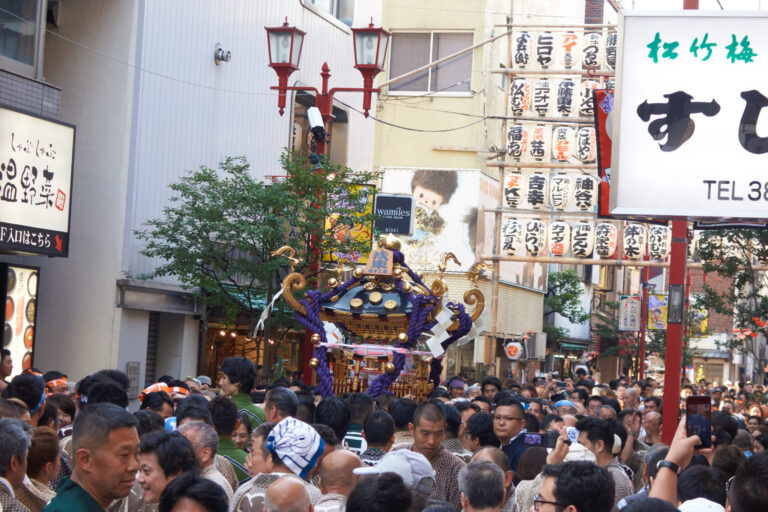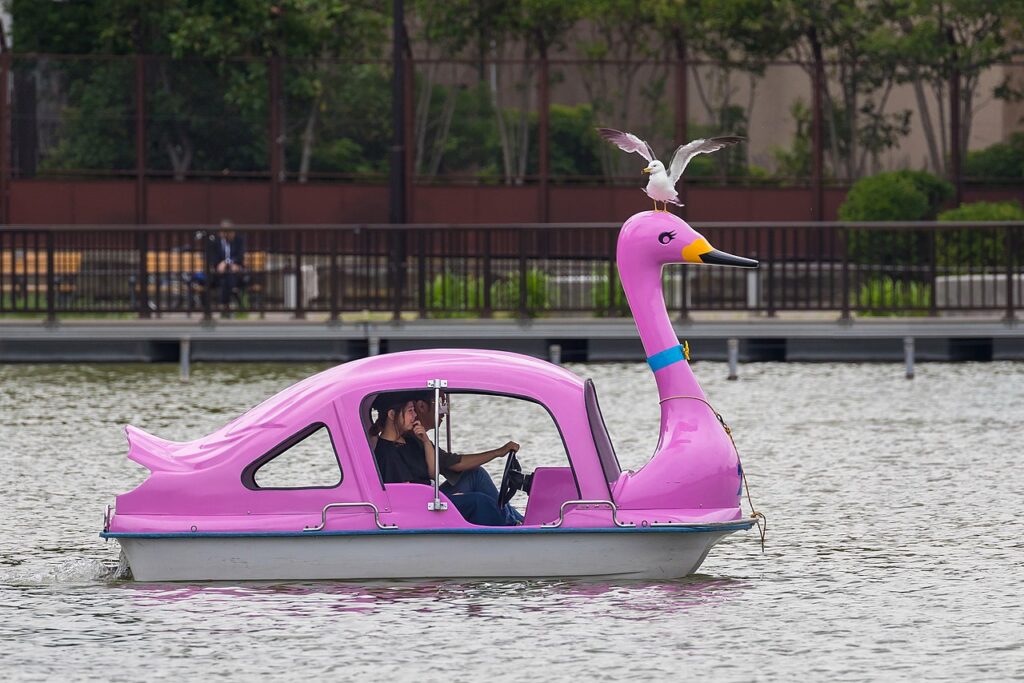
Tokyo balances ancient traditions with hyper‑modern technology. A single street might contain a centuries‑old shrine and a futuristic robot café. Crafting the right Tokyo itinerary helps you navigate this massive metropolis with confidence. This guide breaks the city into manageable geographic zones. Follow the full seven‑day plan or select specific days to fit a shorter trip.
For more ideas explore: 15 Best Things To Do in Tokyo
See Where to Stay in Tokyo to choose the best area.
Day 1: Shibuya & Harajuku — Tokyo’s Youth Culture
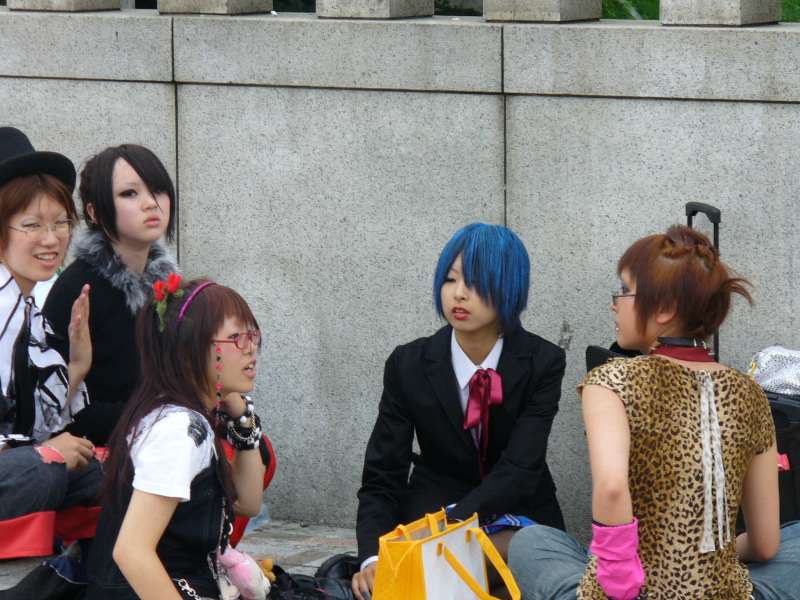
The first day introduces the energetic, youthful side of Tokyo—the version of Japan most people imagine before they arrive.
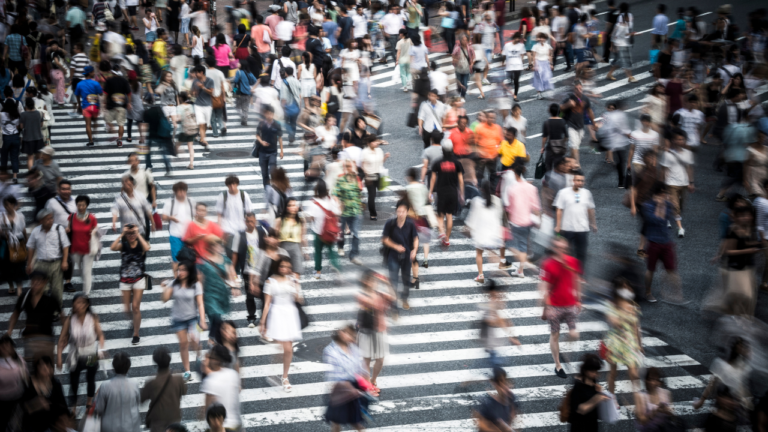
Cross the Shibuya Scramble Start at Shibuya Station and walk across the world‑famous Scramble Crossing. When the lights turn green, hundreds of people flow in every direction. After crossing, head to a nearby café for an elevated view of the organized chaos.
Walk Through Takeshita Street A short ride or 20‑minute walk brings you to Harajuku. Takeshita Street is the heart of “kawaii” culture—colorful shops, quirky fashion, and sweet crêpes fill the narrow lane.
Find Silence at Meiji Jingu Just steps from Harajuku Station, a forested path leads to Meiji Jingu, one of Tokyo’s most important Shinto shrines. The towering torii gates and quiet gravel paths offer a peaceful contrast to the surrounding city.
Related Experiences:
Day 2: Asakusa & Ueno — Tokyo’s Historic Heart
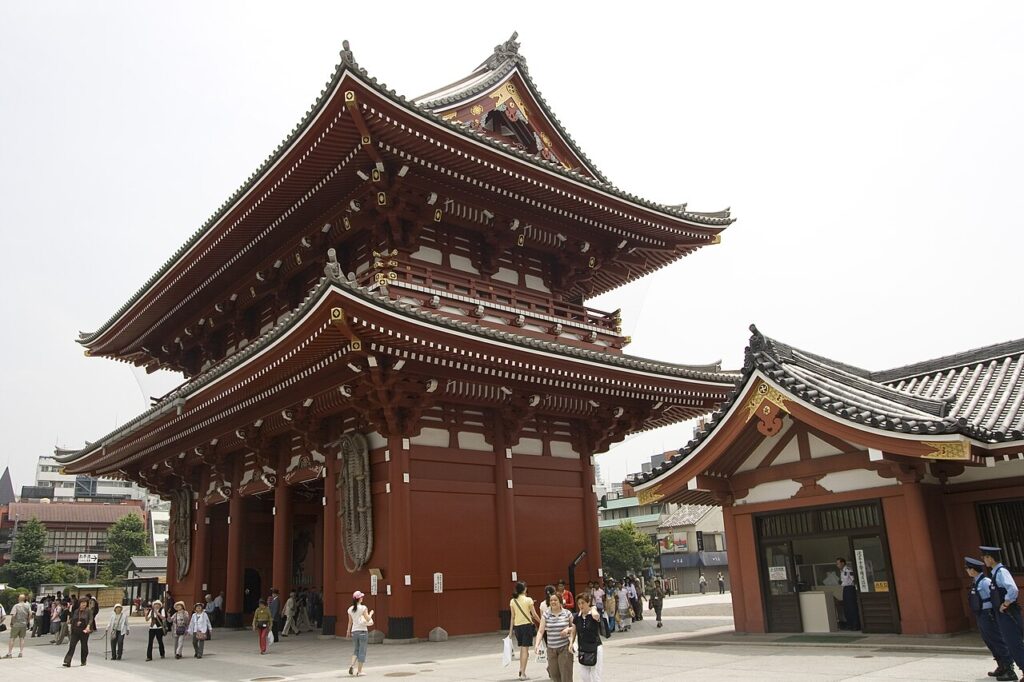
Day two shifts to the eastern side of Tokyo, where the atmosphere slows and tradition takes center stage.
Enter Through the Kaminarimon Asakusa is home to Senso‑ji, Tokyo’s oldest temple. The Kaminarimon, or Thunder Gate, marks the entrance with its iconic red lantern. Passing underneath leads to Nakamise Dori, a historic shopping street.
Explore Senso‑ji Temple Nakamise Dori is lined with stalls selling traditional snacks and souvenirs. At the end, the main hall of Senso‑ji fills the air with incense. The nearby five‑story pagoda adds to the temple’s dramatic skyline.
Visit Ueno Park A few stops away, Ueno Park offers museums, open spaces, and seasonal cherry blossoms. It’s a relaxing break from the dense streets of Asakusa.
Related Experiences:
Day 3: Odaiba — Future Tech & Bay Views
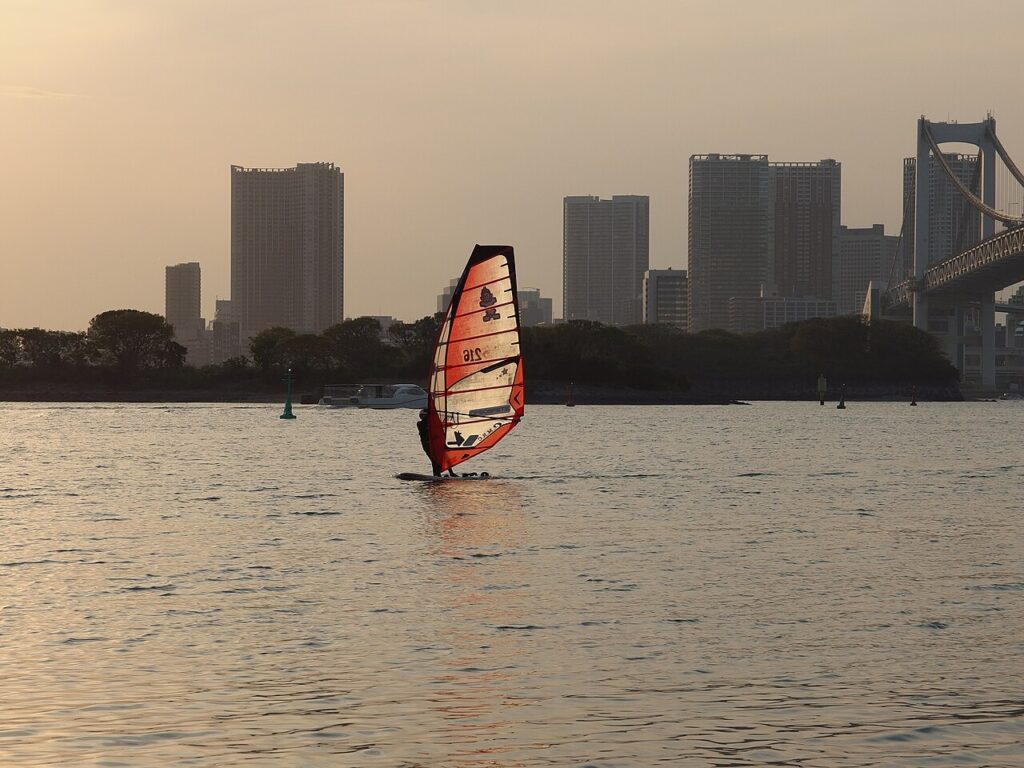
Odaiba is a man‑made island showcasing Tokyo’s futuristic side.
Ride the Yurikamome Line The driverless Yurikamome monorail glides across the Rainbow Bridge, offering sweeping views of Tokyo Bay. Sit in the front car for the best experience.
Immerse in Digital Art TeamLab Planets is a fully immersive digital art museum where you walk barefoot through water, mirrors, and interactive light installations.
See the Life‑Size Gundam Outside DiverCity Tokyo Plaza stands a massive Gundam statue that lights up and moves slightly at scheduled times.
Related Experience: Scenic Photo Walking Tour
Day 4: Ginza & Imperial Tokyo — Elegance and History
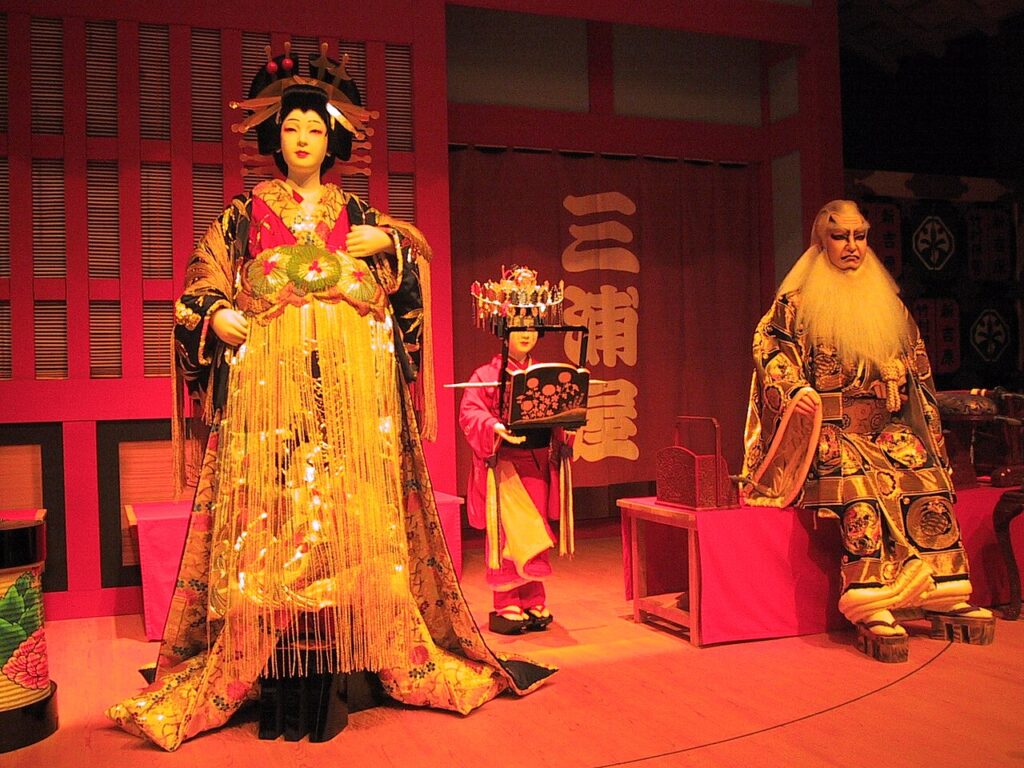
Central Tokyo blends imperial history with luxury shopping and refined architecture.
Wander the Outer Market Near the former Tsukiji market, the Outer Market remains lively with vendors selling seafood, snacks, and kitchen tools. It’s an excellent spot for a fresh sushi breakfast.
Stroll the Imperial Palace East Gardens The East Gardens offer a peaceful escape with stone walls, historic ruins, and manicured landscapes.
Window Shop in Ginza Ginza is Tokyo’s premier shopping district. On weekends, the main street becomes pedestrian‑only. Even without buying anything, the architecture and atmosphere feel upscale and polished.
Related Experiences:
Day 5: Shinjuku — Neon Nights & Urban Nature
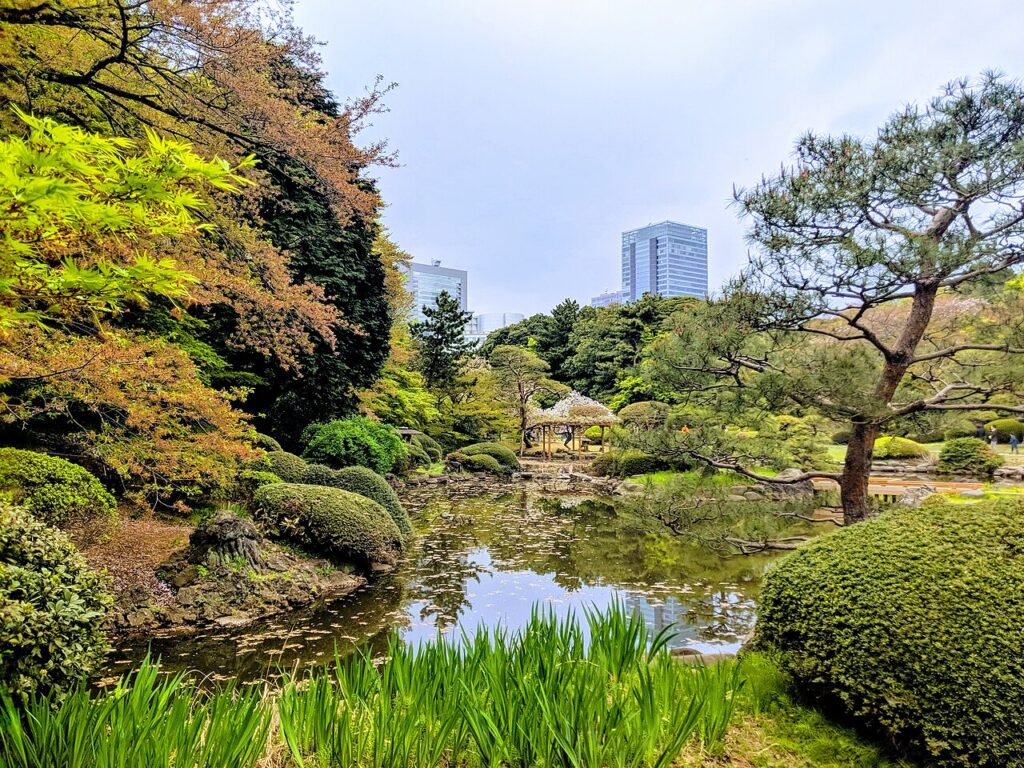
Shinjuku is a city within a city—chaotic, vibrant, and endlessly fascinating.
Relax in Shinjuku Gyoen This large park blends French, English, and Japanese garden styles. It’s ideal for a midday break, with skyscrapers rising dramatically above the trees.
View the City from Above The Tokyo Metropolitan Government Building offers free observation decks with panoramic views. On clear days, Mount Fuji appears on the horizon.
Eat in Omoide Yokocho As night falls, explore Omoide Yokocho (“Memory Lane”), a narrow alley packed with tiny yakitori stalls.
Related Experience:
Day 6: Kamakura — A Coastal Escape
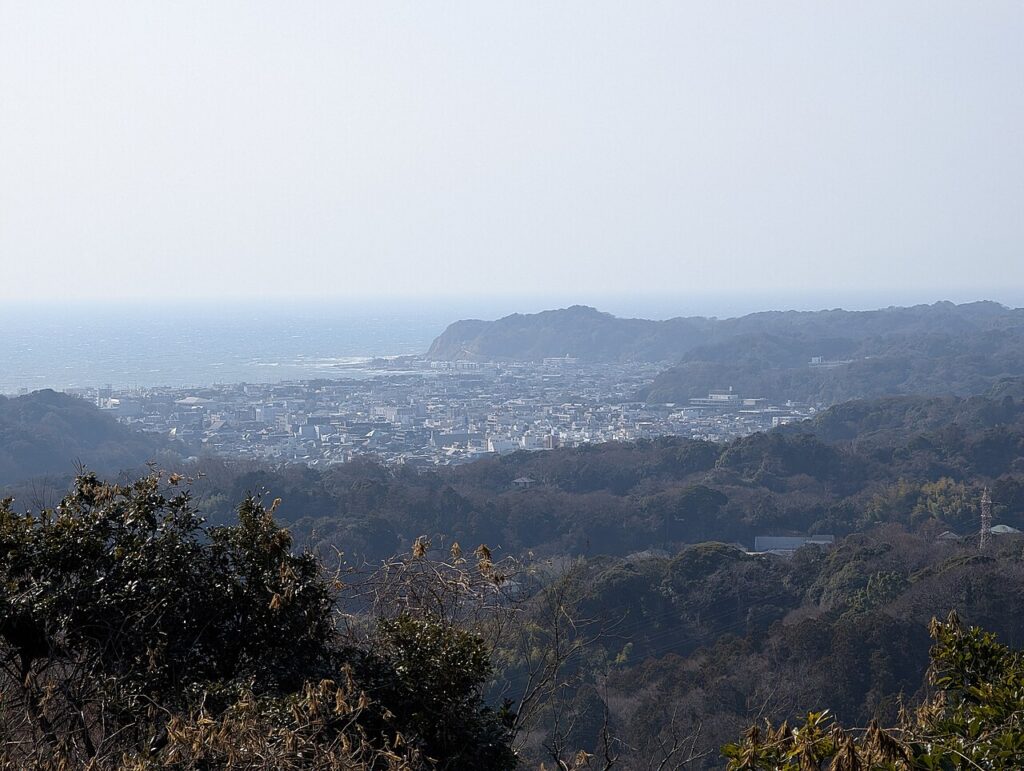
A Tokyo itinerary feels complete with a day trip. Kamakura offers temples, beaches, and a relaxed coastal vibe.
See the Great Buddha The Daibutsu at Kotoku‑in Temple is a massive bronze statue that has stood outdoors for centuries. You can even step inside the statue for a small fee.
Hike to Zeniarai Benten This shrine sits inside a cave and is famous for its “money‑washing” ritual. The short hike through wooded hills adds to the experience.
Related Experience: Kamakura Walking Tour – The City of Shogun
Day 7: Shimokitazawa — Local Life & Vintage Finds
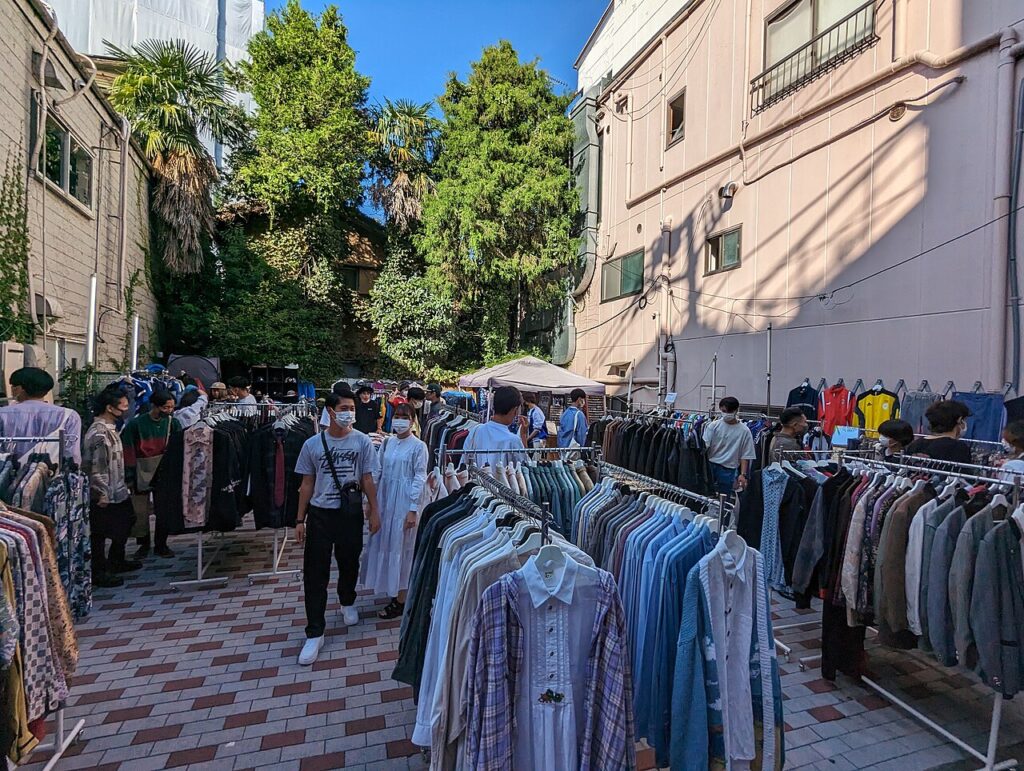
End your trip with a slower, more local experience.
Hunt for Vintage Treasures Shimokitazawa is known for its thrift shops and indie boutiques. The area feels creative, youthful, and relaxed—perfect for treasure hunting.
Enjoy Café Culture Independent cafés line the streets, offering cozy spaces to unwind. Grab a latte, sit outside, and enjoy the neighborhood’s laid‑back charm.
Related Experience:
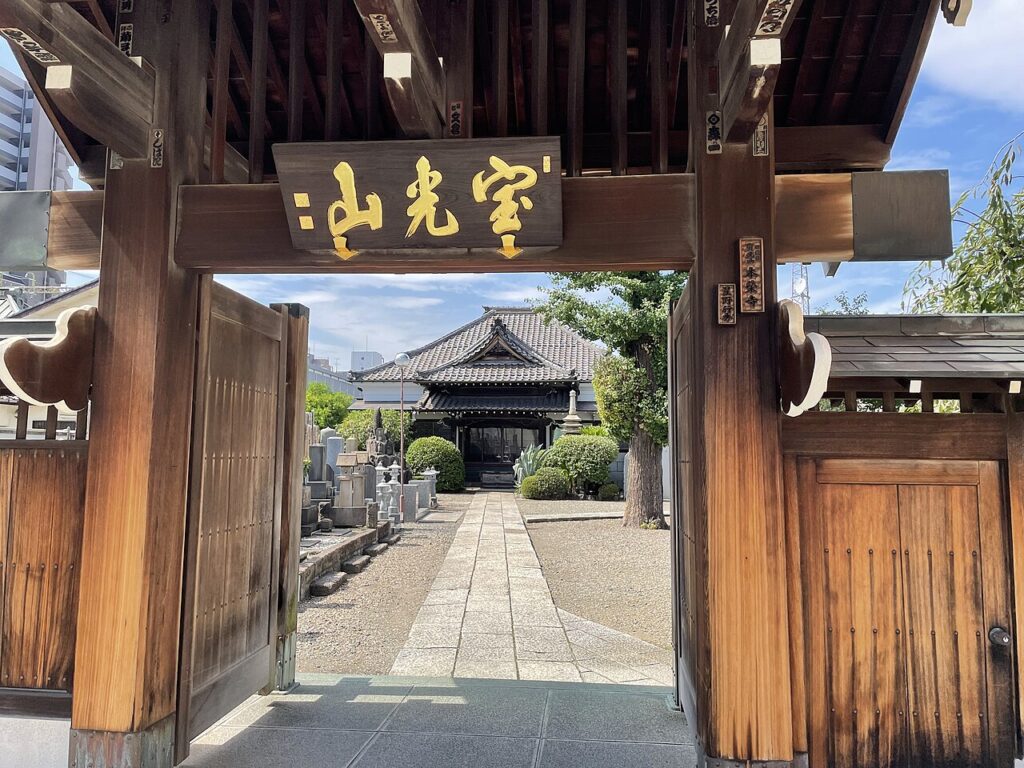
This Tokyo itinerary gives you a balanced look at the city’s many faces—neon streets, quiet shrines, futuristic art, coastal escapes, and local neighborhoods. Tokyo rewards curiosity, and while this plan provides structure, the best moments often come from wandering down an unexpected side street.
Choose the best area for your trip with Where to Stay in Tokyo.
Tokyo Travel Guide
FAQ
Do I need a rail pass for this itinerary? A JR Pass is usually not necessary if you stay within Tokyo and take a single day trip to Kamakura. A Suica or Pasmo card is more convenient.
Is this itinerary suitable for children? Yes. Odaiba and Ueno Park are especially family‑friendly, though Harajuku crowds and Shinjuku nightlife can be intense for very young kids.
Can I do this itinerary in reverse? Absolutely. The days are grouped by geography, so you can rearrange them based on weather or energy levels.
How much walking is involved? A lot. Expect 15,000+ steps on many days. Comfortable walking shoes are essential.
Do I need to speak Japanese? No. English signage is common in major stations and attractions, and translation apps help with menus and smaller shops.