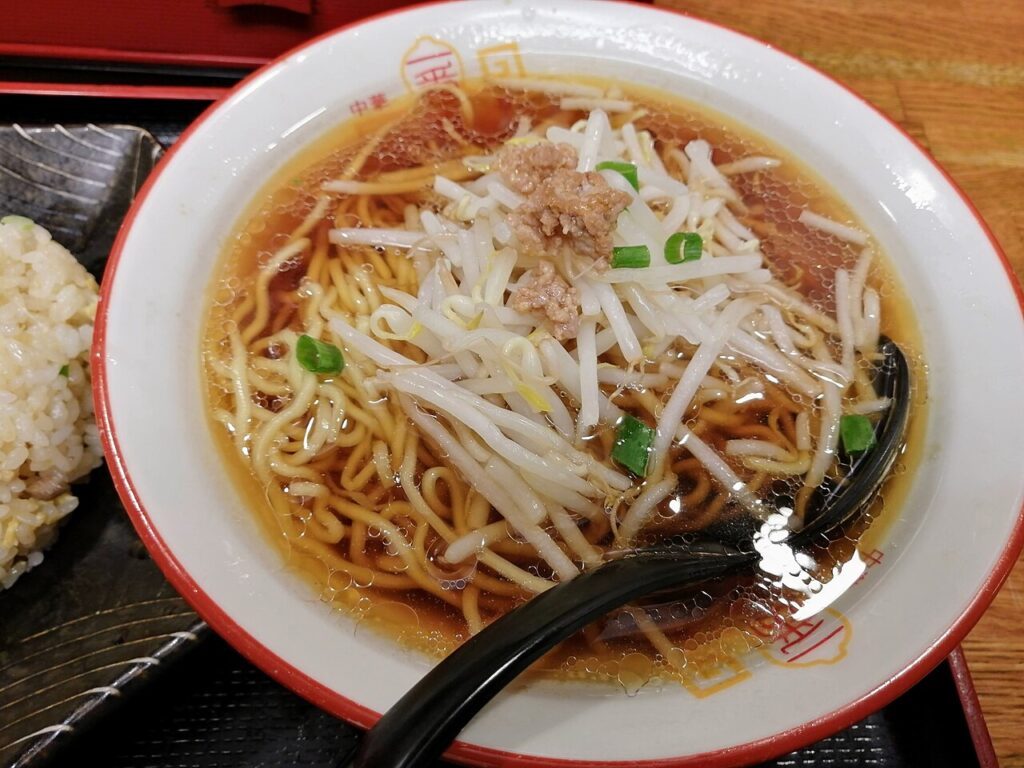
Ramen in Tokyo is more than a meal — it’s a cultural ritual, a neighborhood anchor, and a window into the city’s culinary identity. Every district has its own rhythm, and every shop has its own philosophy.
Some bowls are rich and heavy, built from hours of simmered pork bones. Others are clean and sharp, defined by soy sauce, salt, or dried fish. Some shops operate like quiet temples. Others feel like fast-moving machines where customers eat quickly and leave without ceremony.
This guide breaks down the major ramen styles found across Tokyo, the ordering systems that confuse first-time visitors, the etiquette that keeps shops running smoothly, and the neighborhoods where ramen culture thrives.
It’s designed to help travelers navigate the city’s ramen landscape with confidence — not just knowing what to order, but understanding how each bowl reflects the city around it.
Plan your trip with this Tokyo itinerary (1–7 days)
For more ideas, explore: 15 Best Things To Do in Tokyo
Understanding Tokyo’s Ramen Landscape
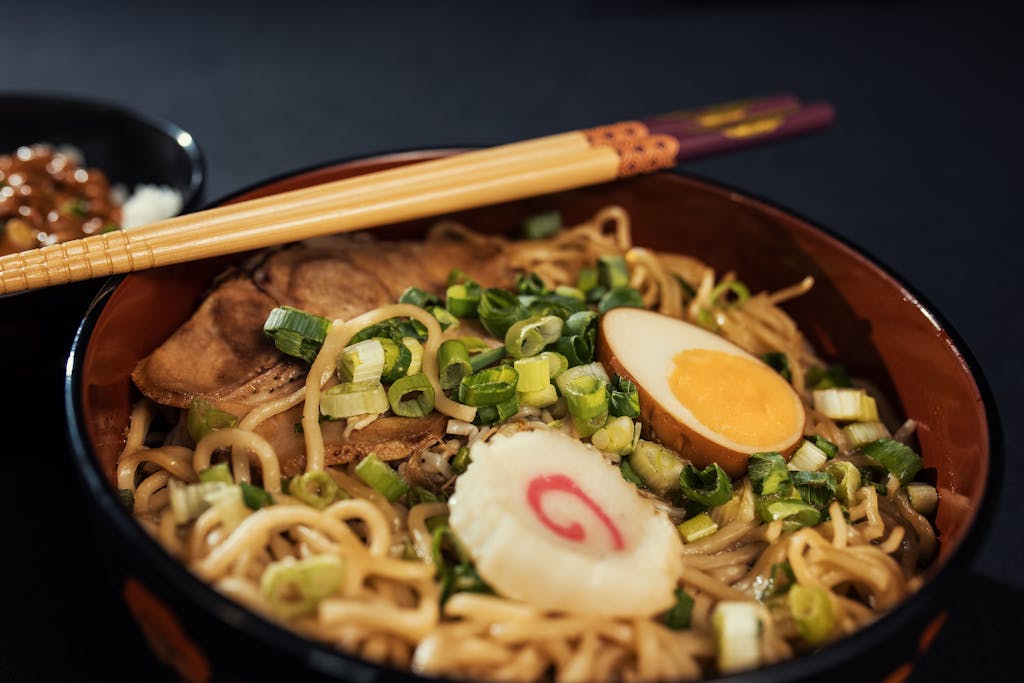
Tokyo’s ramen scene is vast. Thousands of shops operate across the city, each with its own approach to broth, noodles, toppings, and service. Understanding the core styles helps travelers choose bowls that match their preferences.
Shoyu Ramen (Soy Sauce)
Shoyu ramen is Tokyo’s classic style. The broth is clear to amber-colored, seasoned with soy sauce, and often built from chicken, pork, or fish stock.
The flavor is balanced, savory, and clean. Noodles are typically curly and medium-thin. Shoyu ramen appears in both traditional shops and modern specialty counters.
Shio Ramen (Salt)
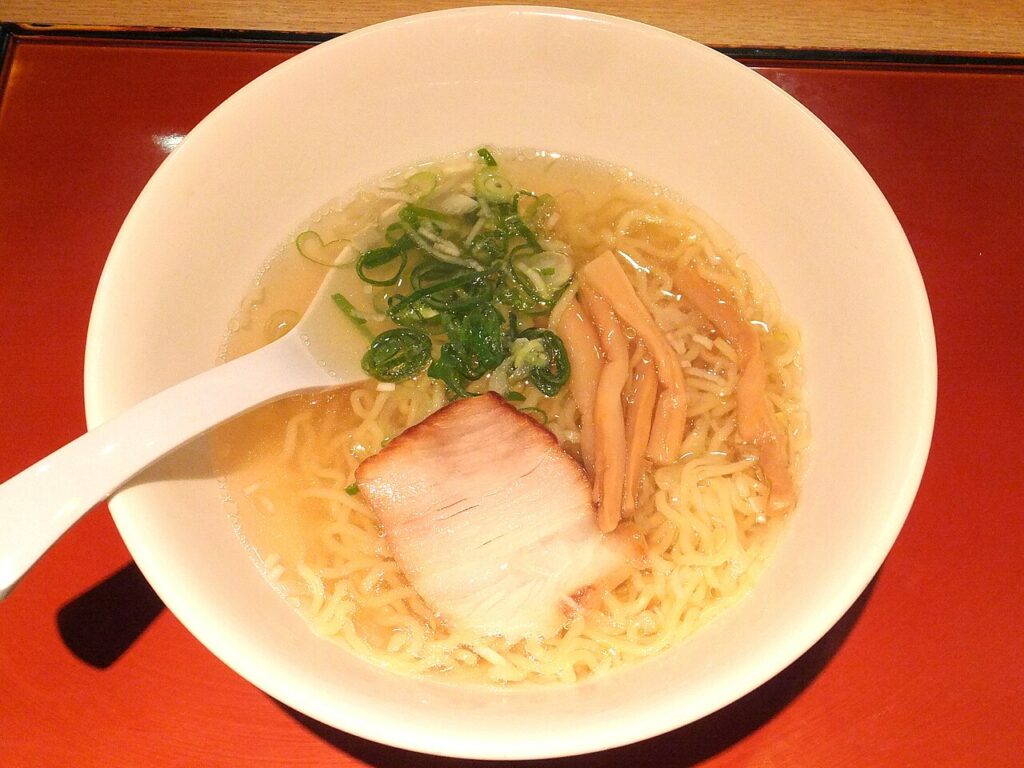
Shio ramen is lighter and more delicate. The broth is seasoned with salt rather than soy sauce, allowing the base ingredients to shine. Many shio shops use seafood stock, creating a bright, aromatic flavor. Noodles are often straight and thin. This style appeals to travelers who prefer subtlety over richness.
Miso Ramen
Miso ramen originated in Hokkaido but is widely available in Tokyo. The broth is thick, hearty, and slightly sweet, built from fermented soybean paste. Toppings often include corn, butter, bean sprouts, and ground pork. Miso ramen is ideal for cold days or travelers seeking a filling meal.
Tonkotsu Ramen
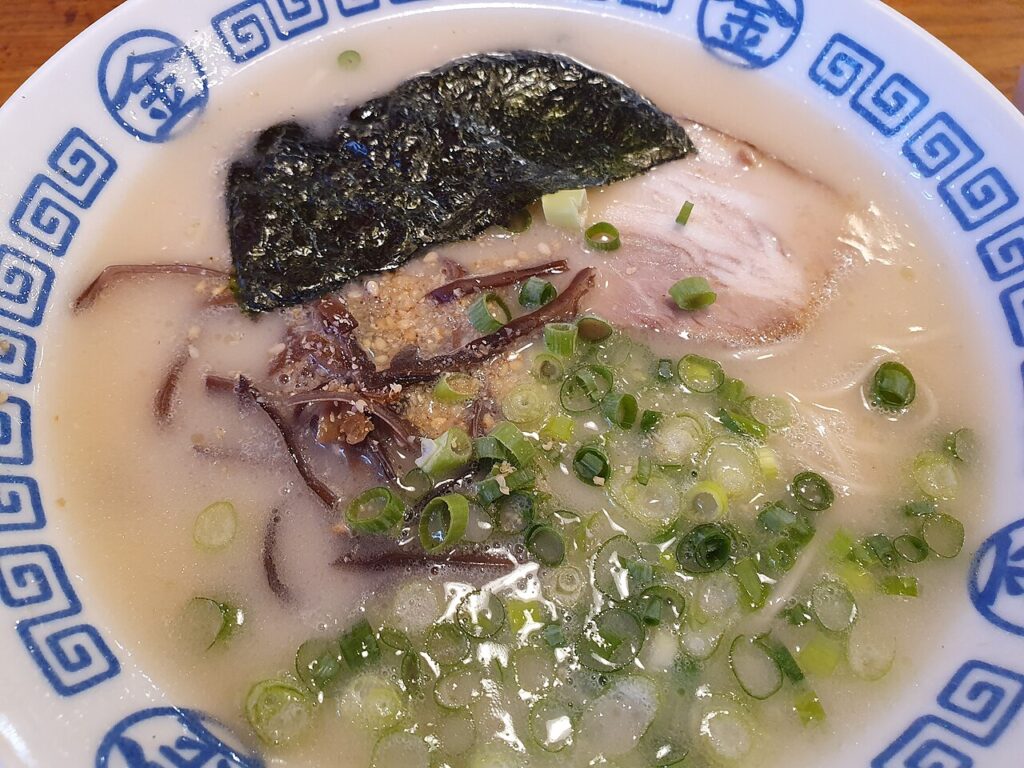
Tonkotsu ramen features a rich, creamy broth made from pork bones simmered for hours. The flavor is bold and intense. Noodles are thin and straight. Shops specializing in tonkotsu often offer customizable firmness levels. This style is popular in late-night districts.
Specialty Styles
Tokyo also hosts niche styles:
- Tsukemen — noodles served separately from a concentrated dipping broth
- Tantanmen — spicy sesame-based ramen inspired by Sichuan cuisine
- Niboshi Ramen — broth built from dried sardines, offering deep umami
- Chicken Paitan — creamy chicken-based broth, lighter than tonkotsu
- Tokyo Abura Soba — brothless ramen tossed with oil, tare, and toppings
Each style reflects a different culinary tradition, giving travelers endless variety.
Related Experience: Tokyo Ramen Tasting Tour
The Role of Regional Influence
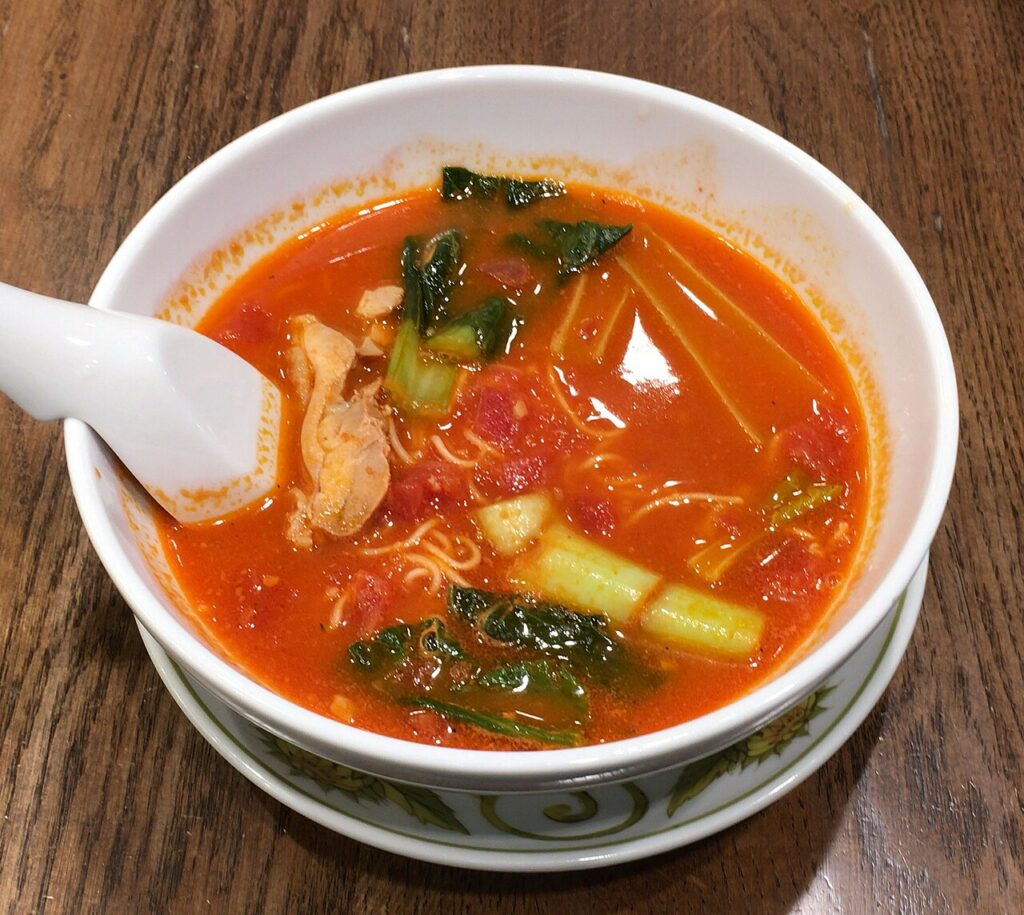
Tokyo’s ramen culture absorbs styles from across Japan. Shops specializing in Hakata tonkotsu, Sapporo miso, and Kitakata shoyu appear throughout the city. This diversity allows travelers to sample regional flavors without leaving Tokyo.
Best Food Experiences in Tokyo
How to Order Ramen in Tokyo
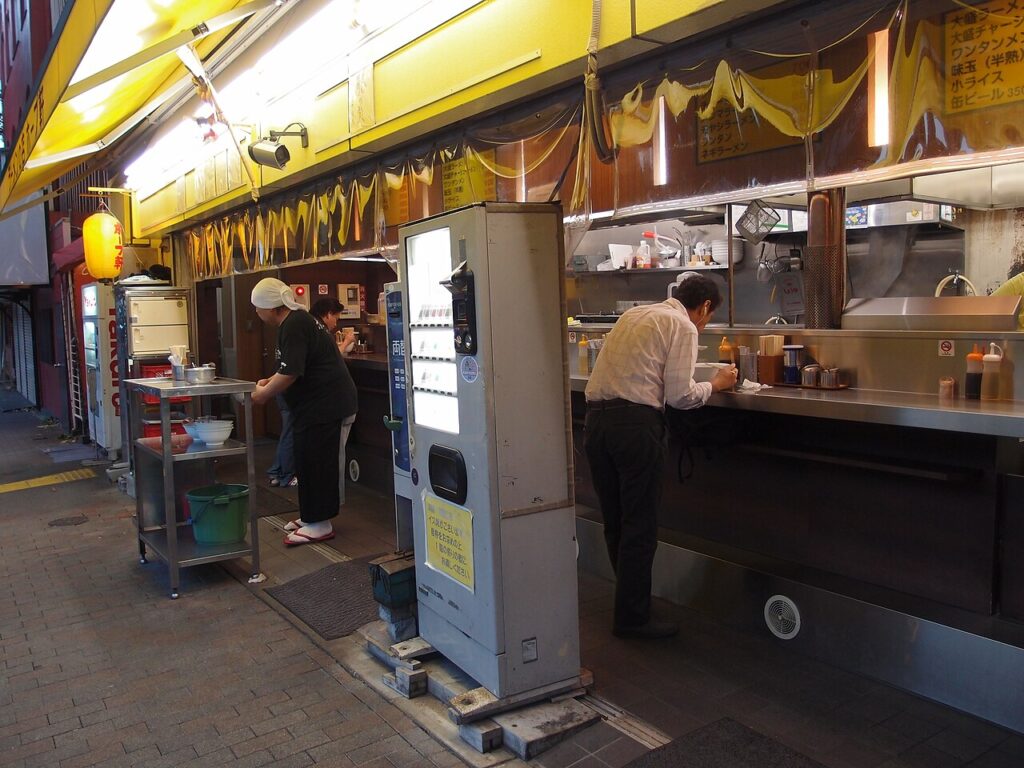
Ordering ramen in Tokyo is straightforward once travelers understand the system. Most shops use ticket machines, while others rely on counter ordering.
Ticket Machines
Ticket machines appear at the entrance of many ramen shops. Customers select their meal by pressing buttons with photos or text, insert cash or a transit card, and receive printed tickets. These tickets are handed to staff upon seating. Machines reduce wait times and simplify transactions.
Counter Ordering
Some shops use traditional counter ordering. Staff greet customers, take orders verbally, and prepare the bowls. Menus may be displayed on the wall or provided at the counter. Travelers should be ready to order quickly, as shops often operate at a fast pace.
Customization Options
Many shops allow customization:
- Noodle firmness — soft, regular, or firm
- Broth strength — light, regular, or rich
- Oil level — low, medium, or high
- Toppings — extra pork, egg, seaweed, green onions
Customization varies by shop, but staff guide customers through the process when needed.
Payment
Payment occurs before eating in ticket-machine shops and after eating in counter-order shops. Cash is widely accepted. Some modern shops accept IC cards.
Seating
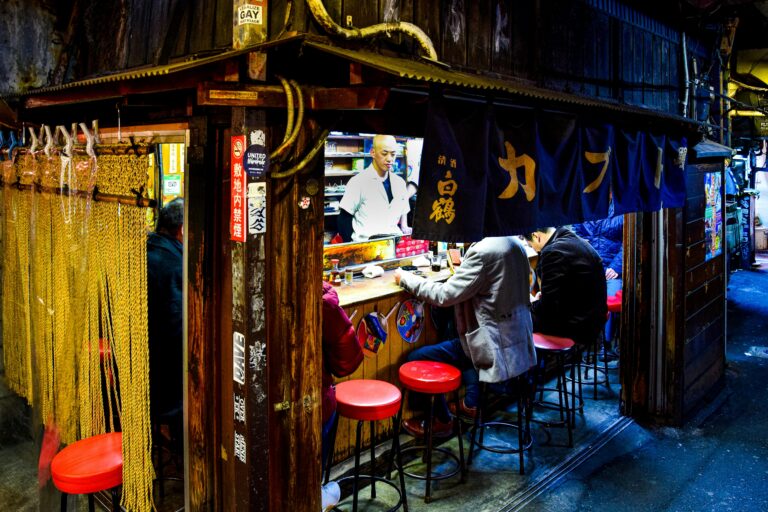
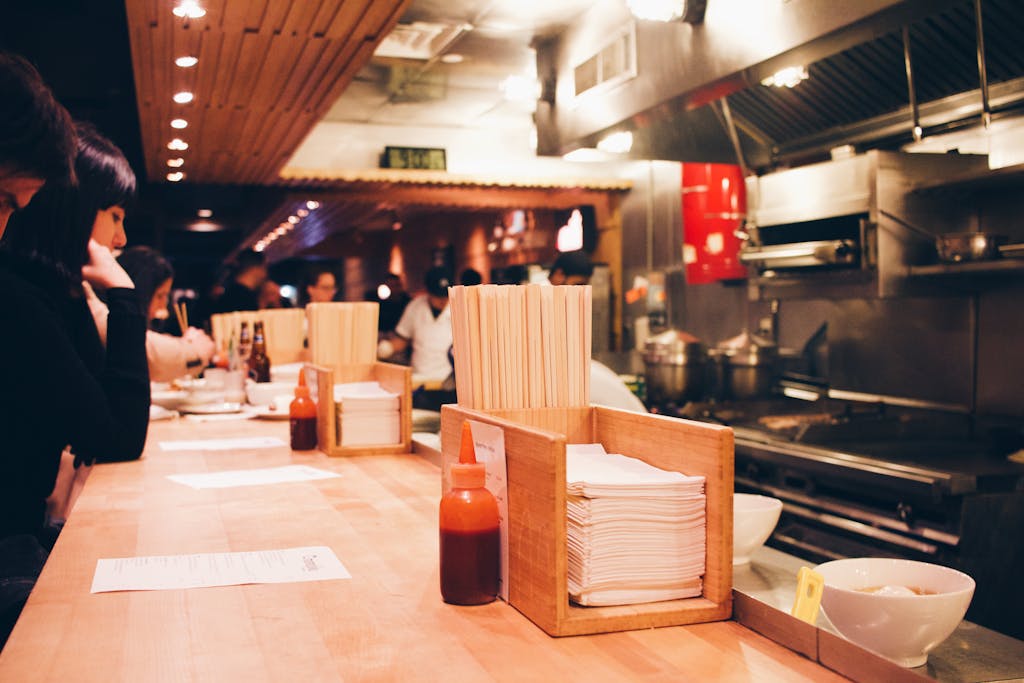
Ramen shops often have limited seating. Counter seats dominate, with small tables available in larger shops. Travelers should sit quickly when directed and avoid lingering after finishing their meal.
Queueing and Turnover
Lines form outside popular shops. Staff manage queues efficiently. Turnover is fast, and wait times are shorter than they appear. Travelers should remain attentive to staff instructions.
Ramen Etiquette: How to Eat Like a Local
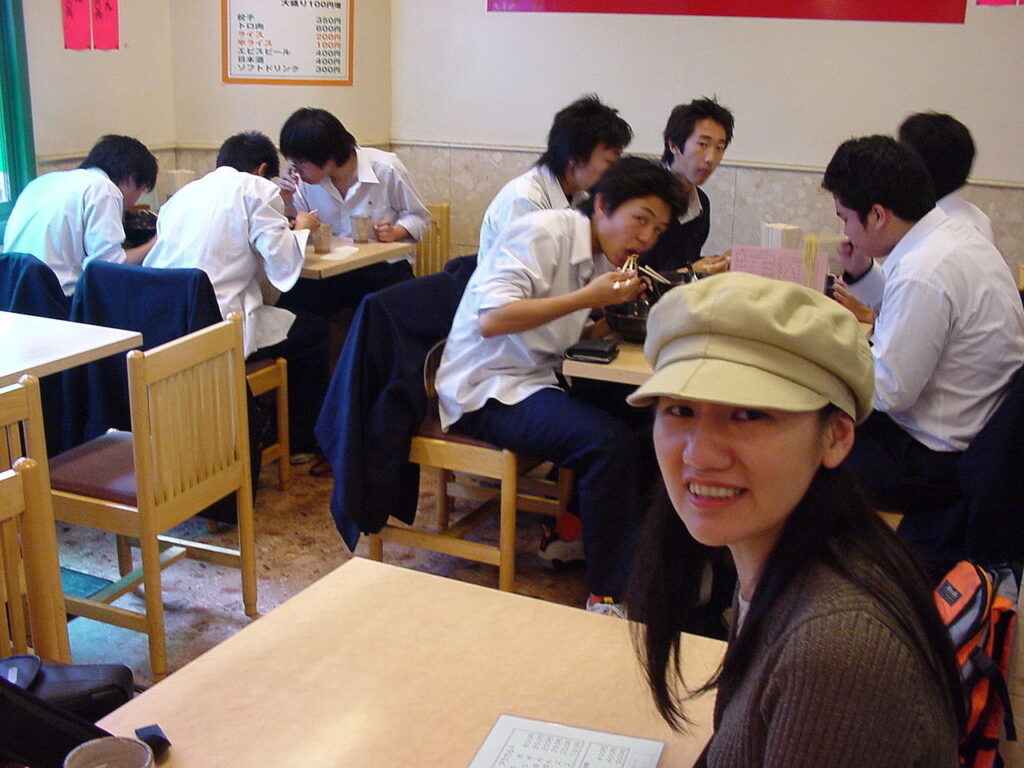
Ramen shops operate with efficiency. Understanding etiquette ensures smooth interactions and shows respect for the craft.
Eat Promptly
Ramen is served at peak temperature and texture. Noodles soften quickly, so eating promptly is expected. Lingering over a bowl disrupts the shop’s flow.
Slurping
Slurping is common and accepted. It cools the noodles and enhances flavor. Travelers uncomfortable with slurping can eat quietly, but loud slurping is not considered rude.
Using Chopsticks and Spoon
Chopsticks handle noodles and toppings. The spoon supports broth and smaller ingredients. Combining both tools allows for balanced bites.
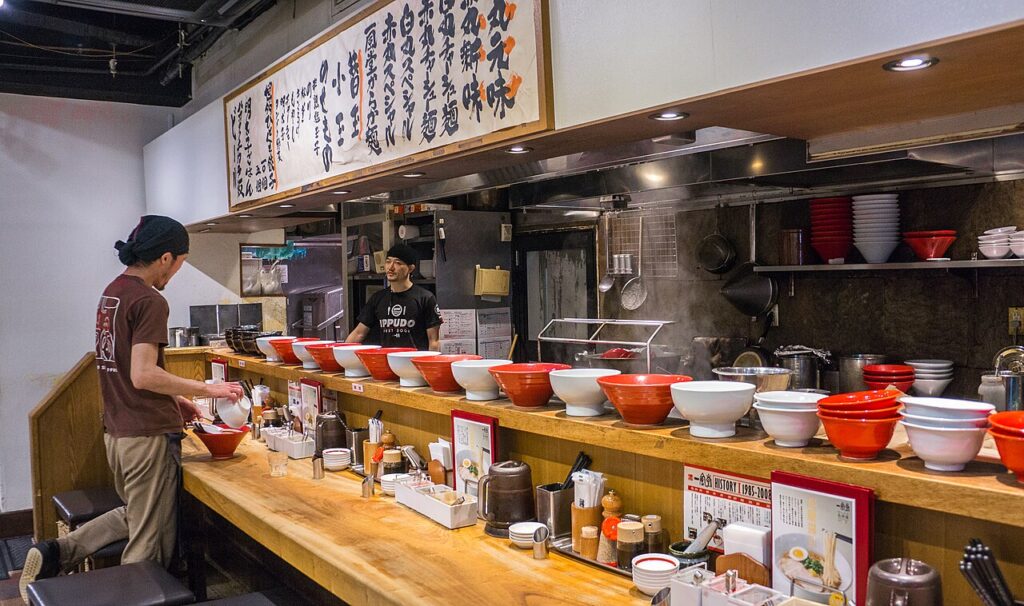
Finishing the Broth
Finishing the broth is optional. Some travelers enjoy the full flavor, while others stop after the noodles. Staff do not expect customers to finish every drop.
Respecting Space
Counter seating is tight. Bags should be placed under the counter or on hooks. Phones should be silenced. Conversations remain low.
Returning Items
Bowls and utensils remain on the counter. Staff handle cleanup. Travelers should avoid stacking dishes unless instructed.
Solo Dining
Ramen culture embraces solo diners. Many shops design seating for individuals. Travelers should feel comfortable eating alone.
Best Neighborhoods for Ramen in Tokyo
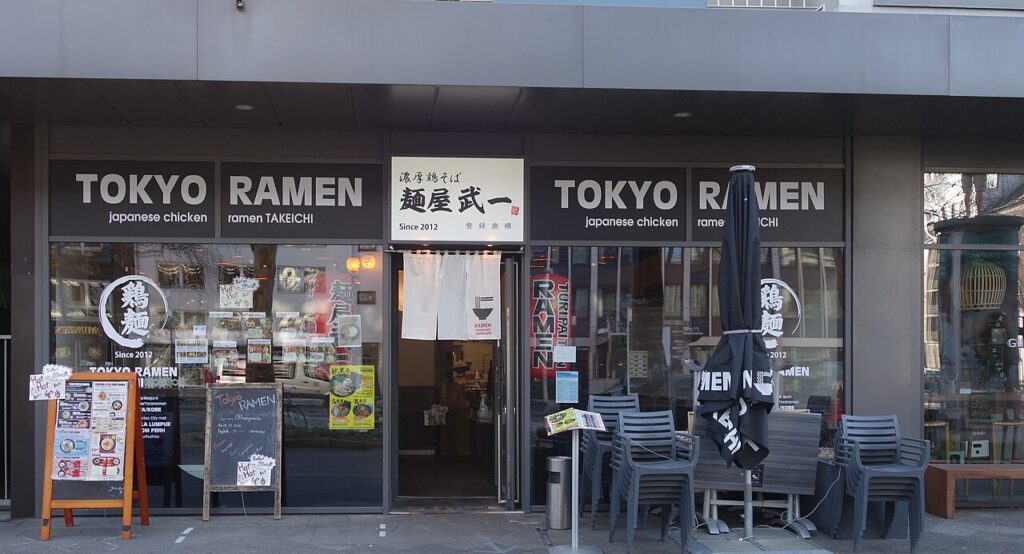
Tokyo’s ramen culture is shaped by its neighborhoods. Each district offers distinct styles, atmospheres, and shop densities.
Shinjuku
Shinjuku hosts some of Tokyo’s most famous ramen shops. The area around Kabukicho and the station’s west exit features tonkotsu counters, shoyu specialists, and late-night options. Lines form early at popular shops, but turnover is fast. Travelers can explore narrow alleys filled with steam, neon, and the sound of boiling broth.
Related Experience: Easy Ramen Making in Shinjuku
Shibuya
Shibuya blends modern and traditional ramen styles. Specialty shops offer tsukemen, chicken paitan, and creative fusion bowls. The area attracts younger crowds and travelers seeking variety. Ramen alleys near the station provide quick meals between shopping and nightlife.
Ikebukuro
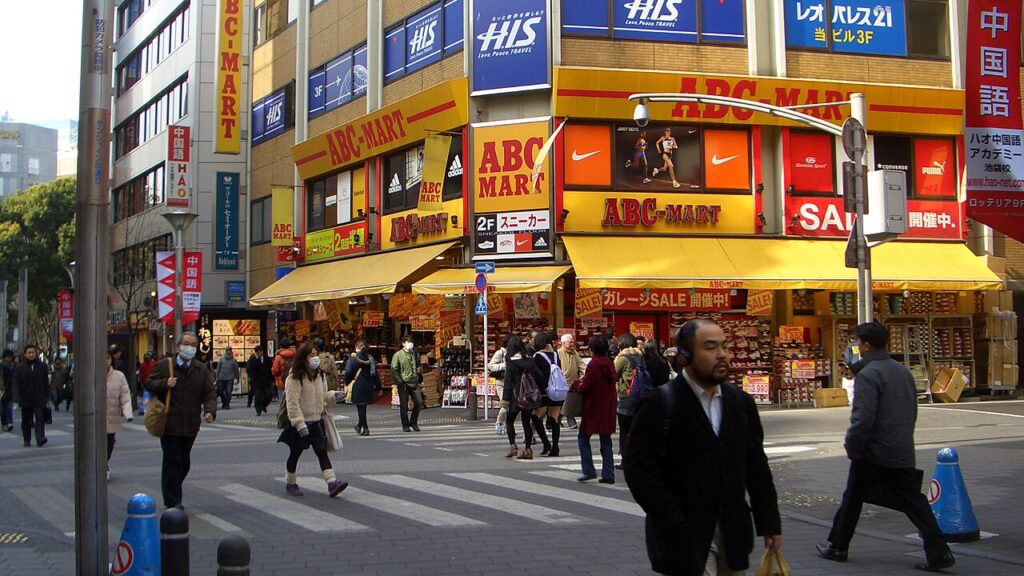
Ikebukuro is known for hearty, rich ramen. Many shops serve thick noodles and bold broths. The area’s ramen culture is competitive, with shops refining their recipes to stand out. Travelers find both classic and experimental bowls here.
Nakano
Nakano offers a mix of classic and niche ramen styles. The area’s backstreets host small, family-run shops with loyal local followings. Travelers seeking authentic, everyday ramen experiences find them here. Nakano Broadway’s surrounding streets add to the atmosphere.
Tokyo Station (Ramen Street)
Tokyo Ramen Street features curated shops representing different regions of Japan. It’s ideal for travelers seeking variety in one location. Lines move quickly, and menus are multilingual. The underground setting creates a focused, food-centric environment.
Asakusa
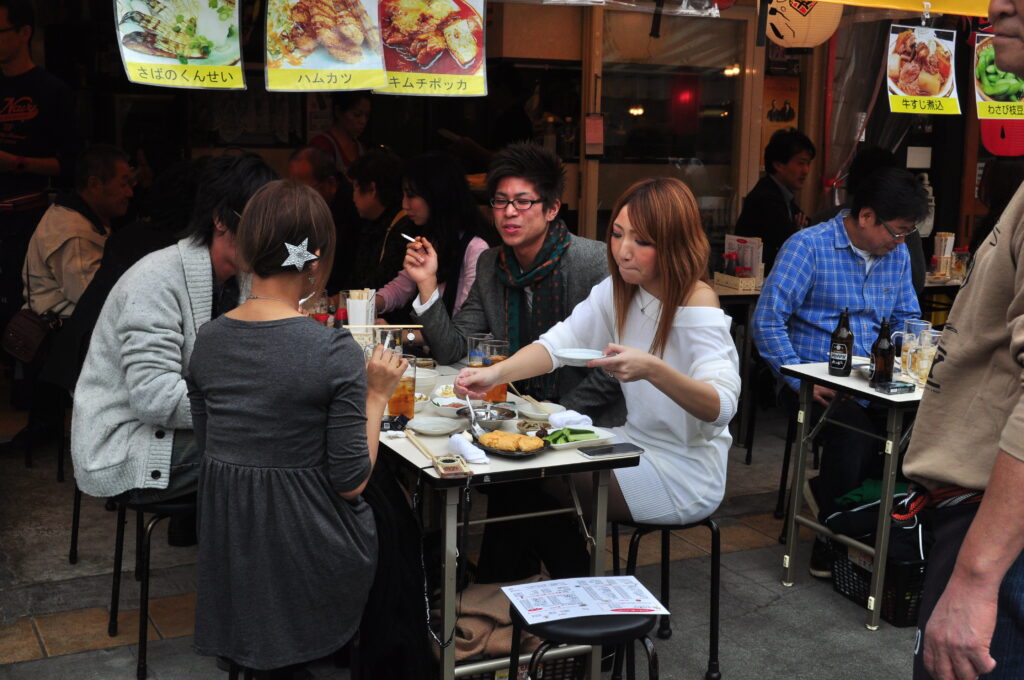
Asakusa blends tradition with modernity. Classic shoyu shops sit alongside specialty counters. The area’s slower pace allows travelers to enjoy ramen without the rush of major hubs. Many shops near Senso-ji serve bowls that reflect Tokyo’s older culinary traditions.
Koenji & Shimokitazawa
These youth-driven neighborhoods offer creative, independent ramen shops. Travelers find vegan ramen, spicy bowls, and experimental broths. The atmosphere is relaxed and artistic.
Regional Ramen Styles Found in Tokyo
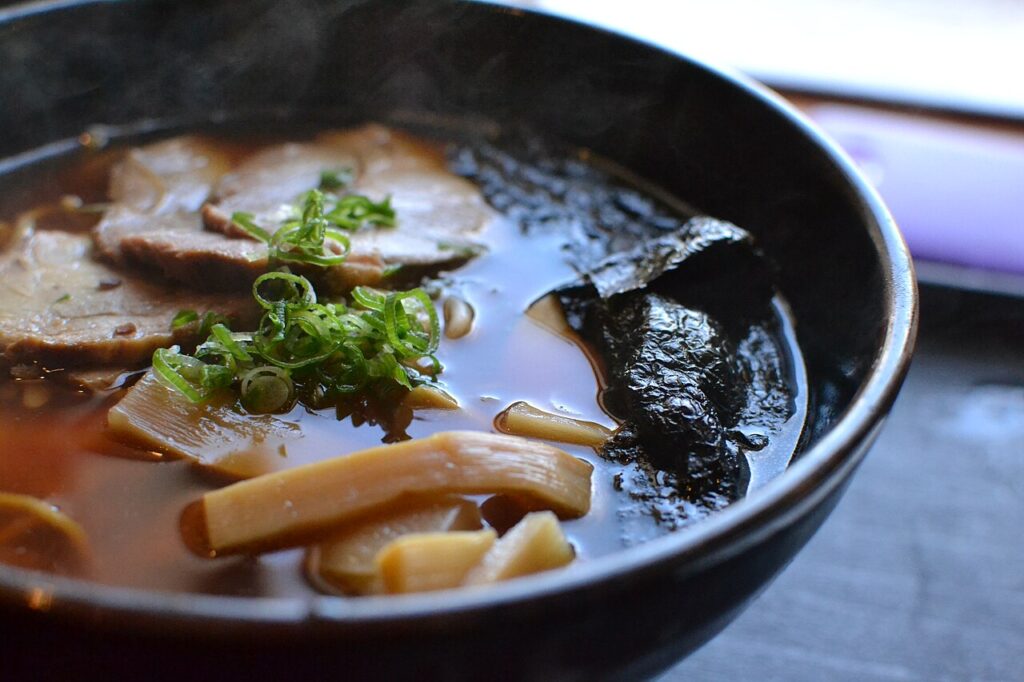
Tokyo’s ramen scene includes styles from across Japan. Travelers can sample regional bowls without leaving the city.
Hakata Ramen
Hakata ramen features thin noodles and rich tonkotsu broth. Shops often offer noodle refills (kaedama). This style is popular in nightlife districts.
Sapporo Ramen
Sapporo ramen is miso-based, hearty, and ideal for cold weather. Toppings include corn, butter, and bean sprouts. Many shops specialize in this northern style.
Kitakata Ramen
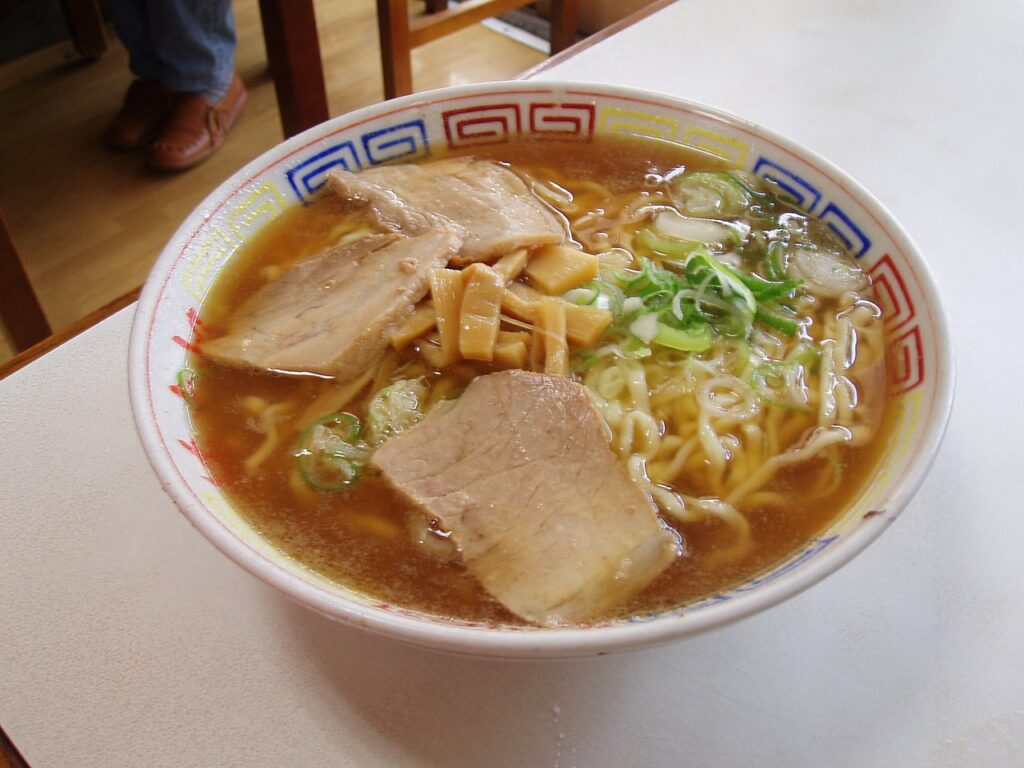
Kitakata ramen features thick, wavy noodles and a light shoyu broth. The flavor is mild and comforting. This style appeals to travelers seeking balance.
Wakayama Ramen
Wakayama ramen blends tonkotsu and shoyu, creating a rich, savory broth. It’s less common but available in select specialty shops.
Onomichi Ramen
Onomichi ramen features a soy sauce broth with pork back fat. The flavor is bold but not heavy. This style appears in modern ramen counters.
Kumamoto Ramen
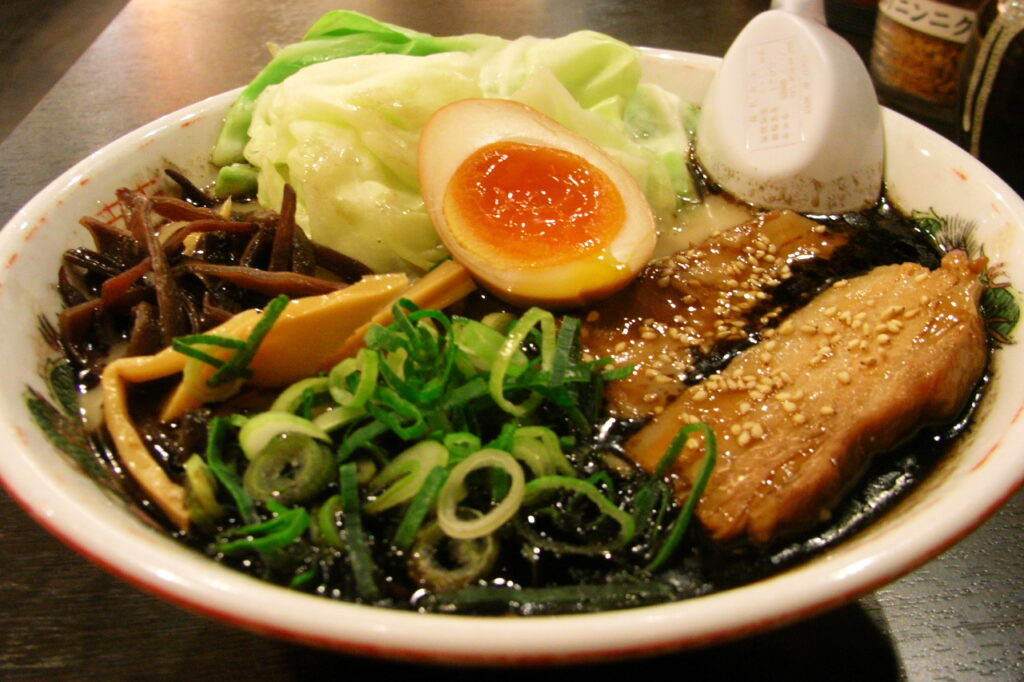
Kumamoto ramen is a variation of tonkotsu with roasted garlic oil. The flavor is deep and aromatic. Travelers seeking intensity enjoy this style.
Toppings, Noodles & Broth: How to Choose Your Perfect Bowl
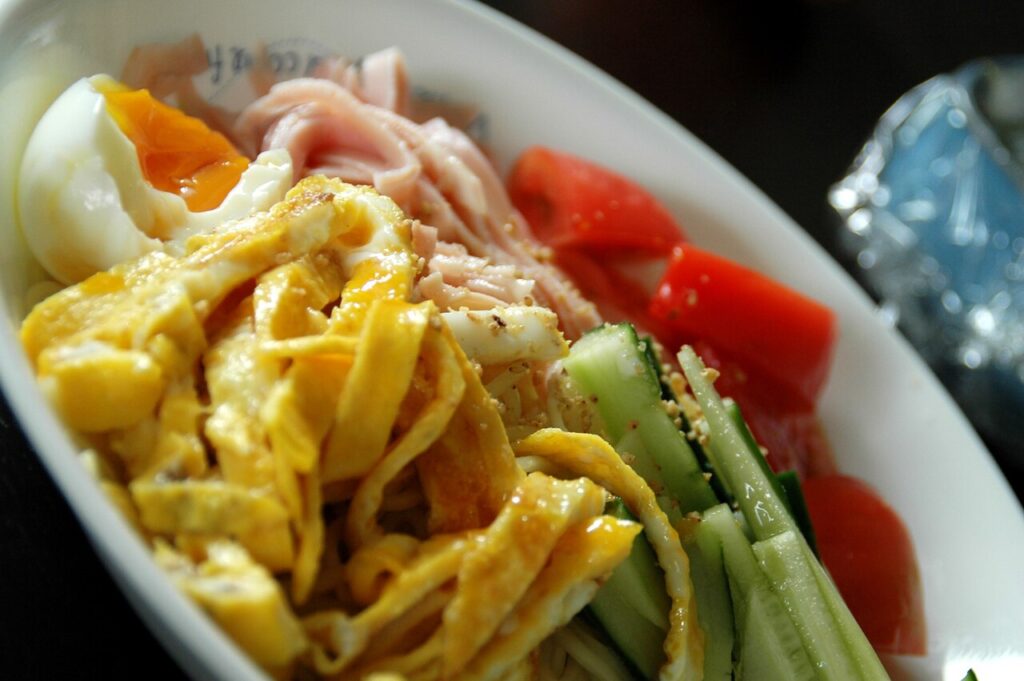
Understanding ramen components helps travelers choose bowls that match their preferences.
Broth Types
- Light broths — shio, shoyu
- Rich broths — tonkotsu, miso
- Specialty broths — niboshi, paitan
Broth determines the bowl’s overall character.
Noodle Styles
- Thin, straight noodles — common in tonkotsu
- Medium curly noodles — common in shoyu
- Thick, chewy noodles — common in miso and tsukemen
Noodle texture affects how broth clings to each strand.
Toppings
Common toppings include:
- Chashu — braised pork
- Ajitama — marinated soft-boiled egg
- Menma — bamboo shoots
- Negi — green onions
- Nori — seaweed
- Corn and butter — miso ramen
Travelers can customize toppings to create their ideal bowl.
Spice Levels
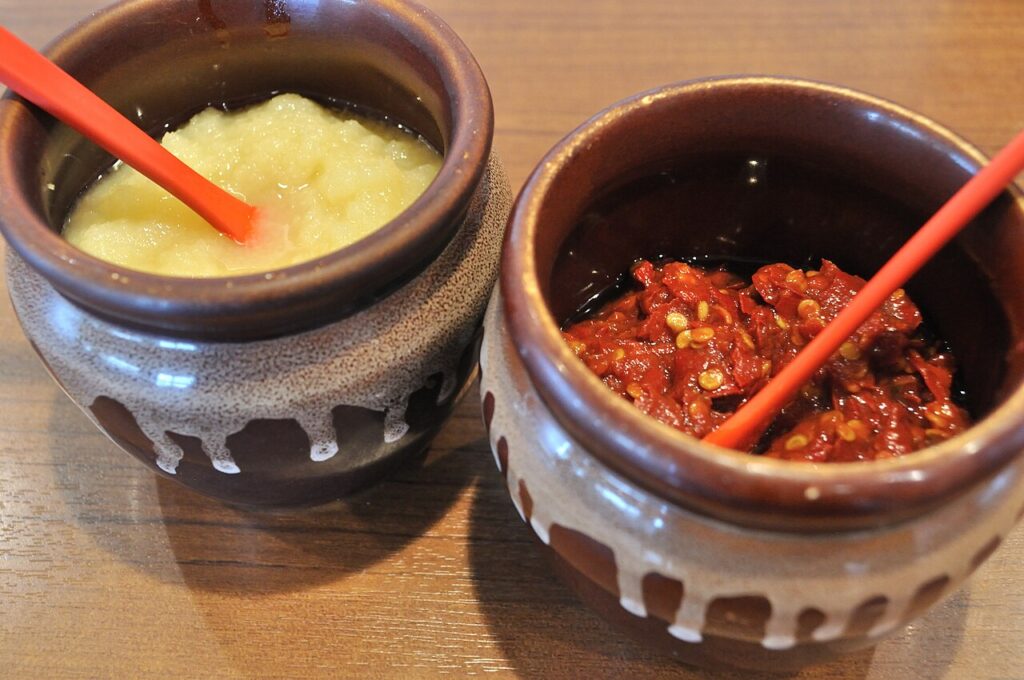
Some shops offer spicy variations. Spice levels range from mild heat to intense chili blends. Staff can guide travelers unfamiliar with Japanese spice profiles.
Portion Sizes
Ramen portions vary. Some shops offer small, regular, and large sizes. Tsukemen shops often serve larger noodle portions due to the dipping format.
Related Experience: Local-Hidden Taverns & Ramen in Ueno
Ramen for Every Budget
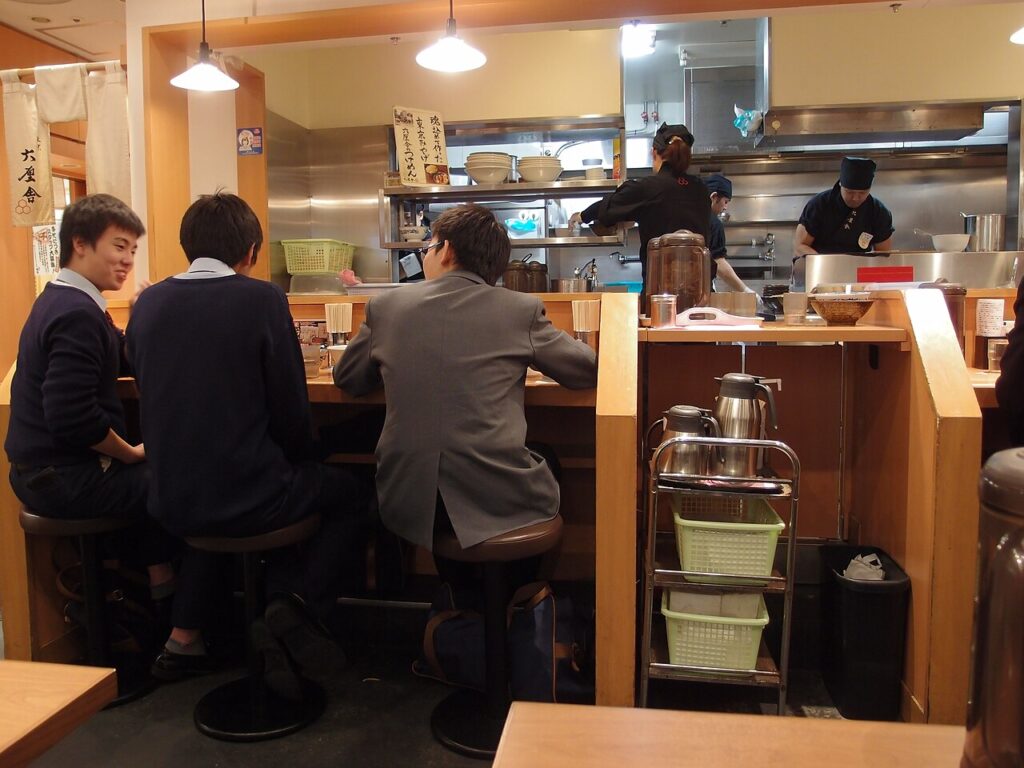
Ramen is one of Tokyo’s most affordable meals. Prices vary by style and location.
Budget Options
Many shops offer bowls for 700–900 yen. These bowls are filling, flavorful, and ideal for daily meals.
Mid-Range Options
Specialty shops charge 1,000–1,300 yen. These bowls feature premium ingredients and refined broths.
Premium Options
High-end ramen counters offer bowls for 1,500–2,000 yen. These shops focus on craftsmanship, rare ingredients, and unique flavor profiles.
Add-Ons
Extra toppings increase the price but enhance the experience. Travelers can build bowls that match their appetite and budget.
Value for Money
Even premium ramen remains affordable compared to high-end dining. Travelers can explore multiple shops without overspending.
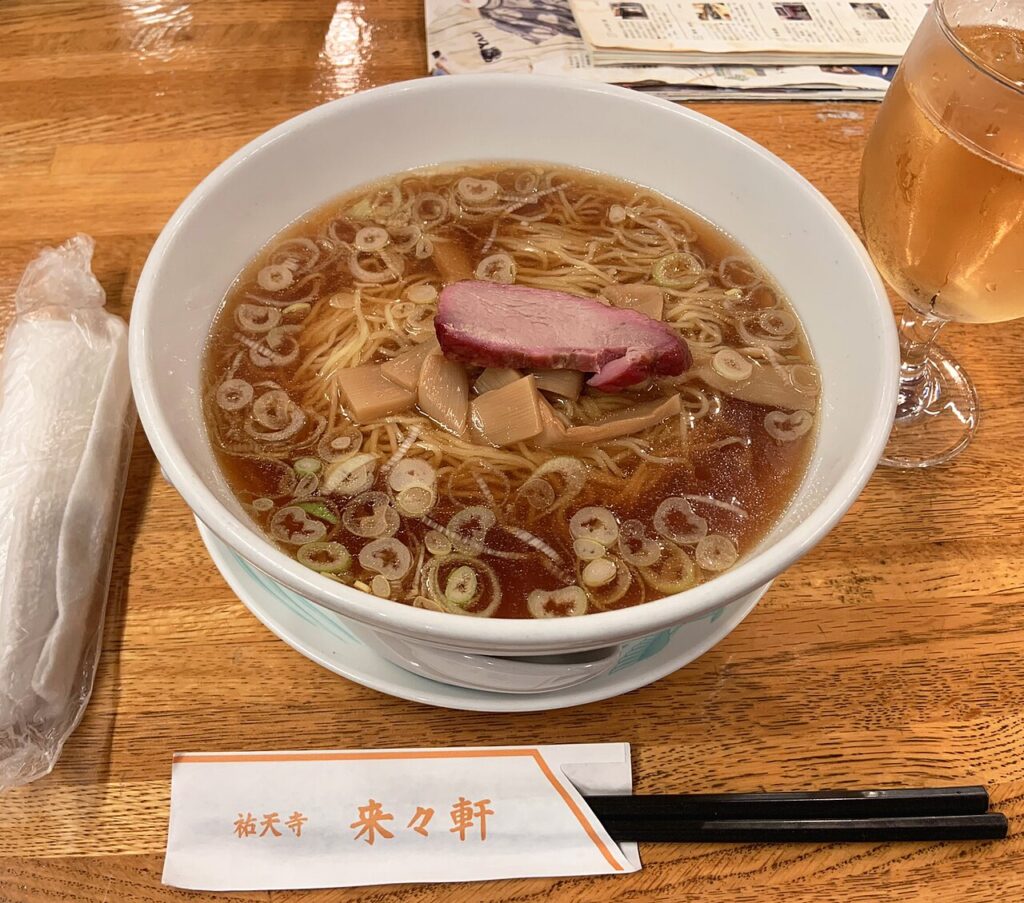
Ramen in Tokyo is a journey through flavor, craft, and culture. Each bowl reflects the neighborhood, the shop’s philosophy, and the city’s culinary evolution.
Travelers who understand the styles, ordering systems, and etiquette move through Tokyo’s ramen scene with confidence one steaming bowl at a time.
Start planning your trip with this Tokyo itinerary (1–7 days)
FAQ
Q: Are vegetarian ramen options available?
A: Yes. Specialty shops offer vegetable-based broths.
Q: Can I customize my ramen?
A: Many shops allow customization of noodles, broth, and toppings.
Q: Do ramen shops accommodate large groups?
A: Most shops have limited seating. Groups may need to split up.