Shibuya is one of Tokyo’s most recognizable districts, known for its large pedestrian scramble crossing, dense commercial zones, and concentration of youth‑oriented shopping and entertainment.
The district serves as a major transportation hub and a cultural center for fashion, nightlife, and media. For travelers, Shibuya offers a structured mix of retail, dining, and entertainment, supported by modern infrastructure and clear navigation.
This guide provides an authoritative overview of Shibuya, focusing on district structure, major attractions, shopping zones, dining, nightlife, cultural sites, transportation, accommodations, and practical considerations.
Note*** Shibuya is in the middle of a massive urban redevelopment project. Lot of construction going on so be mindful.
Plan your trip with this Tokyo itinerary (1–7 days)
For more ideas, explore: 15 Best Things To Do in Tokyo
District Structure
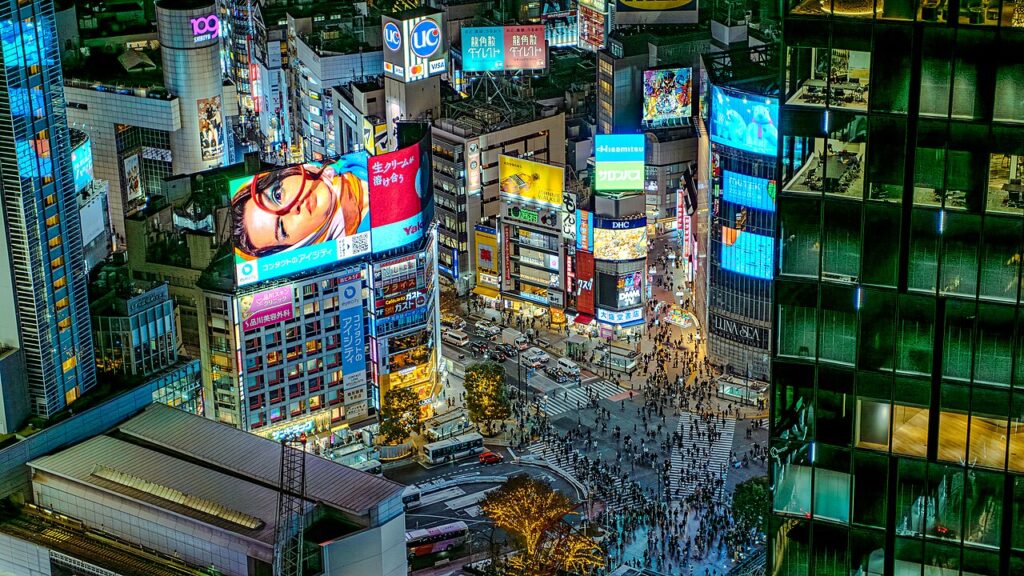
Shibuya is organized around Shibuya Station and the surrounding commercial corridors. The district’s layout is dense but navigable, with clear signage and multiple pedestrian pathways connecting major zones.
Shibuya Crossing Area
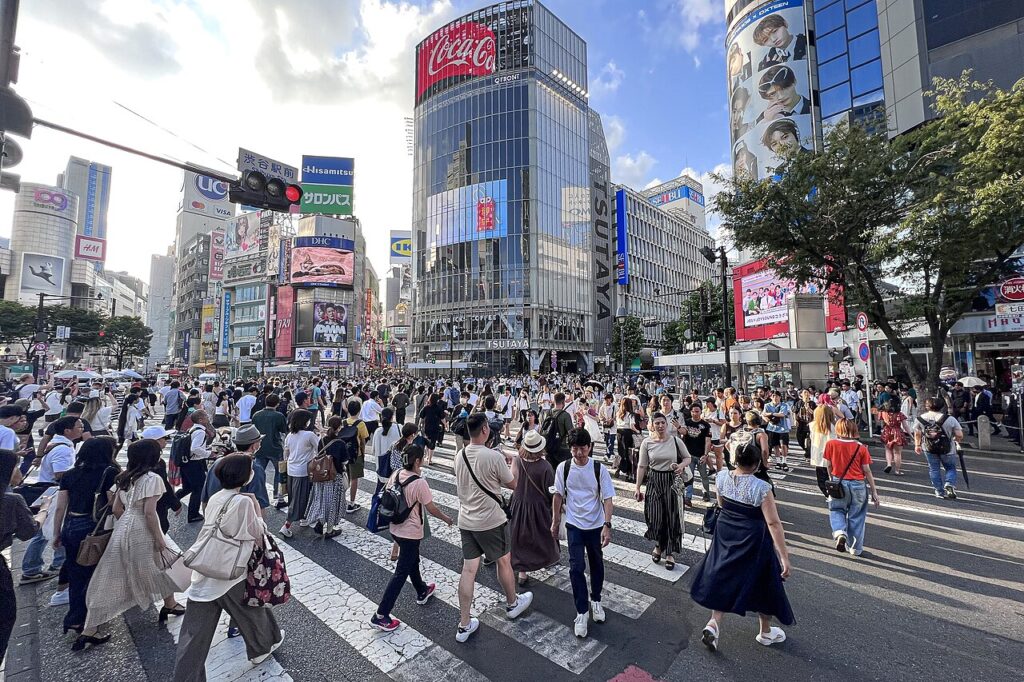
Shibuya Crossing is the district’s central landmark. The area around the crossing contains major department stores, retail complexes, and entertainment venues. The crossing serves as a central orientation point and a gateway to the district’s main shopping streets.
Center‑gai (Center Street)
Center‑gai is a narrow pedestrian street extending west from Shibuya Crossing. It contains youth‑oriented fashion shops, fast‑casual dining, arcades, and entertainment venues. The street is consistently crowded and reflects Shibuya’s role as a center of youth culture.
Shibuya Stream & Shibuya Scramble Square
Shibuya Stream and Shibuya Scramble Square are modern developments located south and east of the station. These complexes contain retail, dining, offices, and public spaces. The buildings emphasize clean design and structured navigation.
Miyashita Park
Miyashita Park is a multi‑level complex containing retail, dining, and a rooftop park. The facility provides open space and recreational areas within the dense urban environment. The surrounding streets contain additional shops and cafés.
Dogenzaka & Love Hotel Hill
Dogenzaka is a commercial corridor west of Shibuya Crossing. The area contains restaurants, entertainment venues, and hotels. Love Hotel Hill, located within Dogenzaka, contains themed hotels and nightlife venues.
Major Attractions
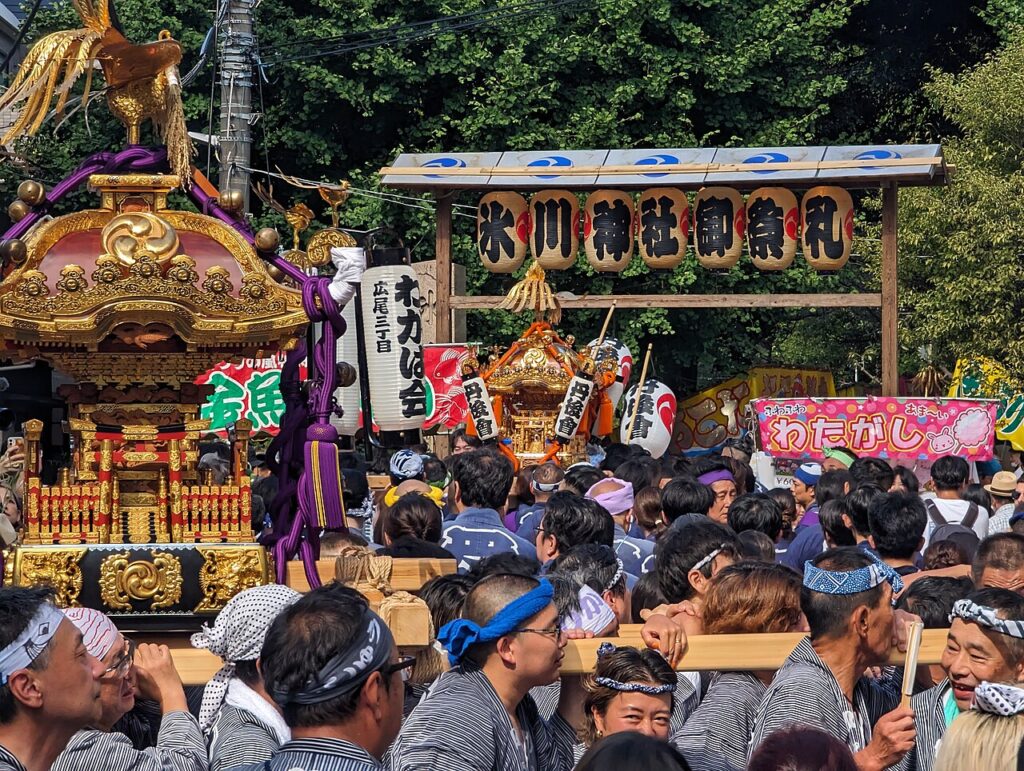
Shibuya’s attractions are concentrated around shopping, entertainment, and modern urban design. The district’s compact layout allows travelers to visit multiple sites efficiently.
Shibuya Crossing
Shibuya Crossing is one of the world’s busiest pedestrian intersections. The crossing is surrounded by large screens, retail complexes, and entertainment venues. Travelers can view the crossing from street level or from elevated viewpoints in nearby buildings.
Shibuya Sky (Observation Deck)
Shibuya Sky is an observation deck located at the top of Shibuya Scramble Square. The deck offers panoramic views of Tokyo, including Shinjuku, Tokyo Tower, and Tokyo Skytree. The facility includes indoor and outdoor viewing areas and provides structured visitor flow.
Tokyo Skytree & Oshiage Travel Guide
Hachiko Statue
The Hachiko Statue is located near Shibuya Station and serves as a popular meeting point. The statue commemorates the loyal dog Hachiko and is one of Shibuya’s most recognizable landmarks.
Miyashita Park
Miyashita Park is a multi‑level complex containing retail, dining, and a rooftop park. The rooftop area includes seating, recreational spaces, and event areas. The facility provides open space within the dense urban environment.
Shibuya Stream
Shibuya Stream is a modern development containing restaurants, cafés, and public spaces. The building’s design emphasizes clean lines and structured navigation. The surrounding area includes pedestrian pathways and riverfront seating.
Center‑gai
Center‑gai is a narrow pedestrian street containing youth‑oriented fashion shops, fast‑casual dining, and entertainment venues. The street is consistently crowded and reflects Shibuya’s role as a center of youth culture.
Shopping Overview
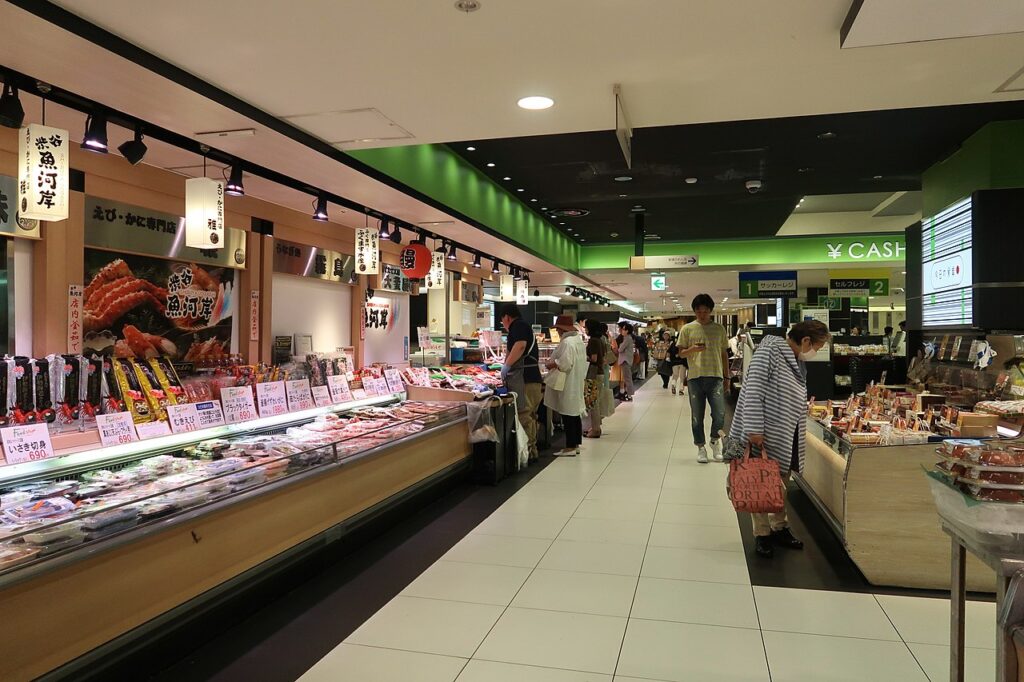
Shibuya is one of Tokyo’s most important shopping districts. The area offers a wide range of retail environments, from youth fashion to modern department stores.
Shibuya 109
Shibuya 109 is a landmark fashion mall specializing in youth‑oriented brands. The building contains multiple floors of boutiques targeting younger demographics. The merchandise is trend‑driven and changes frequently.
Shibuya Scramble Square
Shibuya Scramble Square is a modern retail complex containing mid‑range and high‑end brands. The building’s layout emphasizes clean design and structured navigation. The facility also contains Shibuya Sky.
Miyashita Park Retail
Miyashita Park contains a mix of fashion brands, lifestyle shops, and cafés. The building’s multi‑level design supports efficient movement and provides access to the rooftop park.
Shibuya Stream Retail
Shibuya Stream contains restaurants, cafés, and specialty shops. The building’s design emphasizes open spaces and clear navigation.
Center‑gai Shops
Center‑gai contains youth‑oriented fashion shops, accessory stores, and fast‑casual dining. The shops are small and designed for rapid turnover.
Dining Overview
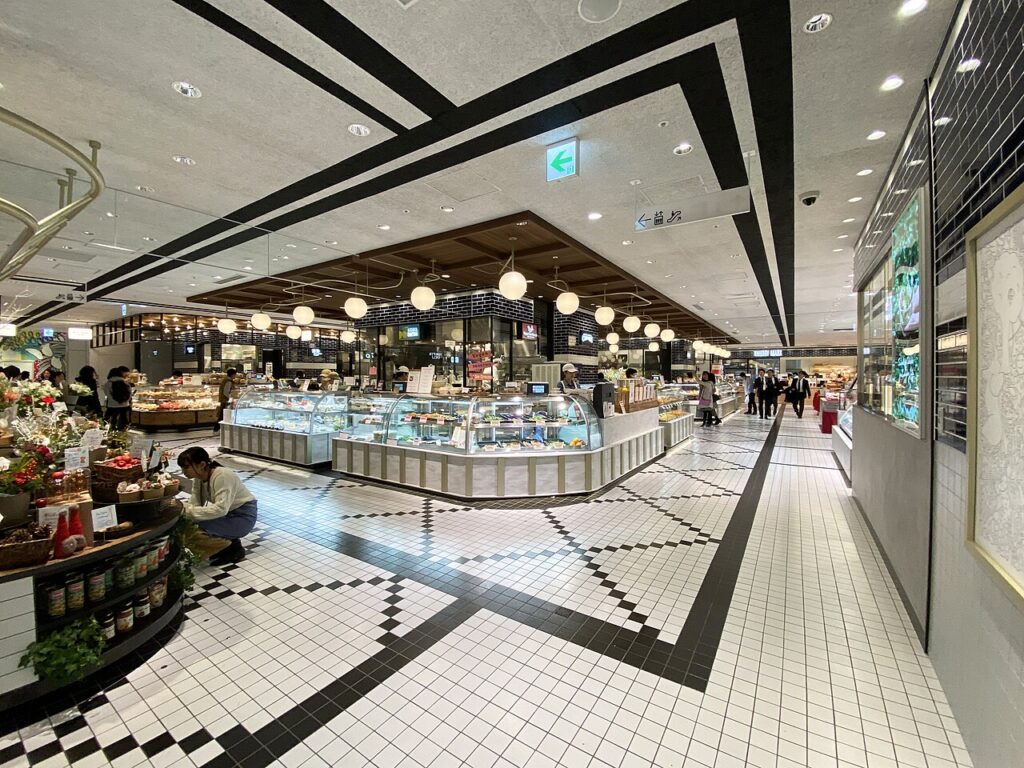
Shibuya’s dining environment is diverse and designed to accommodate high foot traffic. The district contains a mix of casual dining, specialty restaurants, and modern cafés.
Casual Dining
Shibuya contains numerous fast‑casual restaurants specializing in ramen, curry, gyudon, and other quick meals. These venues provide efficient service and are suitable for travelers seeking reliable, affordable food.
Izakayas
The district contains a high concentration of izakayas offering grilled dishes, shared plates, and drinks. The izakayas range from chain establishments to small local venues.
Modern Cafés
Shibuya contains numerous cafés offering pastries, coffee, and light meals. These venues are practical for breaks between shopping and sightseeing.
Shibuya Stream & Miyashita Park Dining
These complexes contain modern restaurants offering Japanese and international cuisine. The dining environments are structured and designed for comfort.
Best Food Experiences in Tokyo
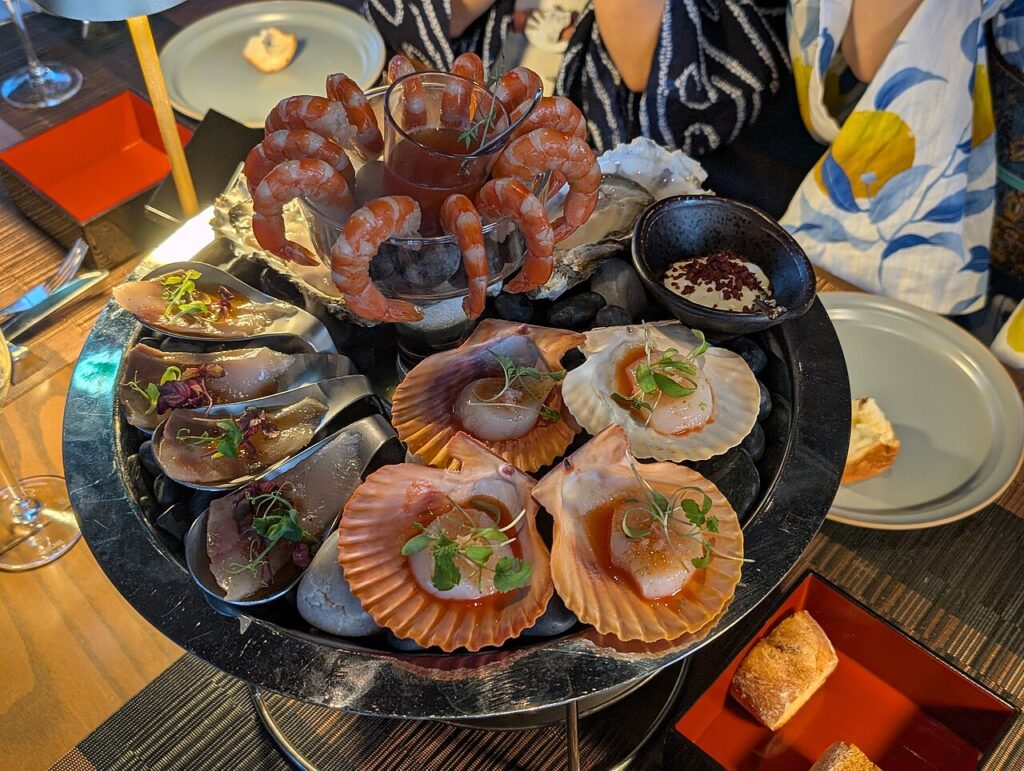
Department Store Food Halls
Shibuya’s department stores contain food halls offering prepared foods, sweets, and specialty items. These halls are practical for travelers seeking high‑quality meals without full restaurant service.
Related Experience: Shibuya Street Food & Local Eats Tour →
Nightlife Overview
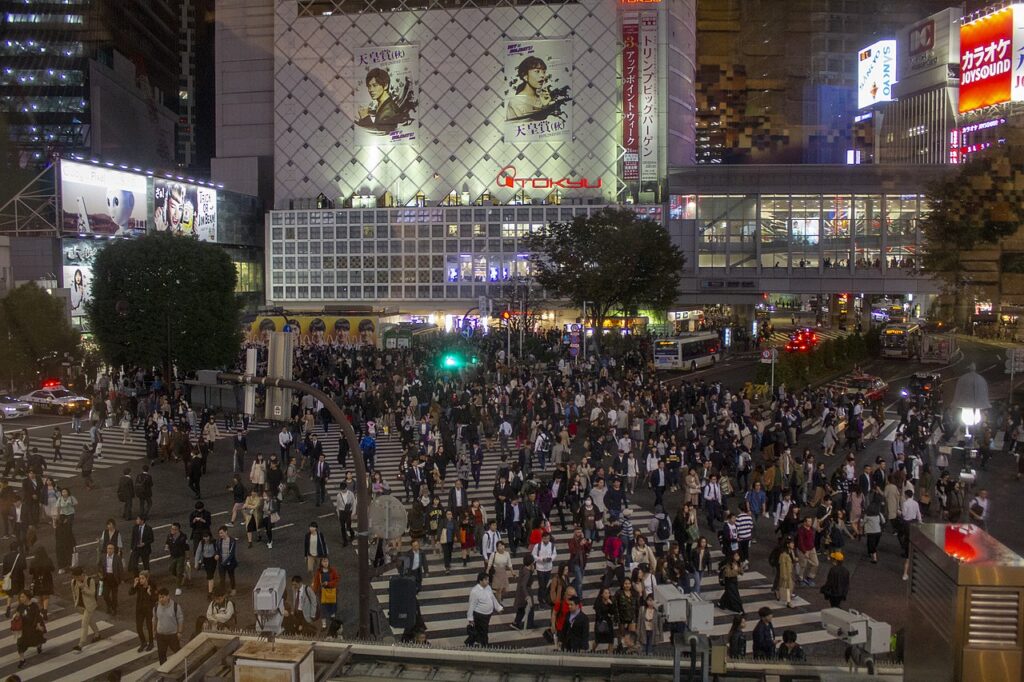
Shibuya is one of Tokyo’s most active nightlife districts. The area contains bars, clubs, izakayas, and entertainment venues.
Bars & Lounges
Shibuya contains numerous bars ranging from casual venues to modern lounges. The bars are concentrated around Center‑gai, Dogenzaka, and Miyashita Park.
Clubs
Shibuya is known for its club scene. The district contains several large clubs offering electronic music, hip‑hop, and live performances.
Izakayas
Shibuya’s izakaya scene is extensive and includes chain establishments, local venues, and standing bars. These venues are suitable for casual drinking and dining.
Late‑Night Dining
Shibuya offers numerous late‑night dining options, including ramen shops, curry restaurants, and convenience stores.
Related Experience: Shibuya Nightlife & Bar‑Hopping Tour
Cultural Sites & Experiences
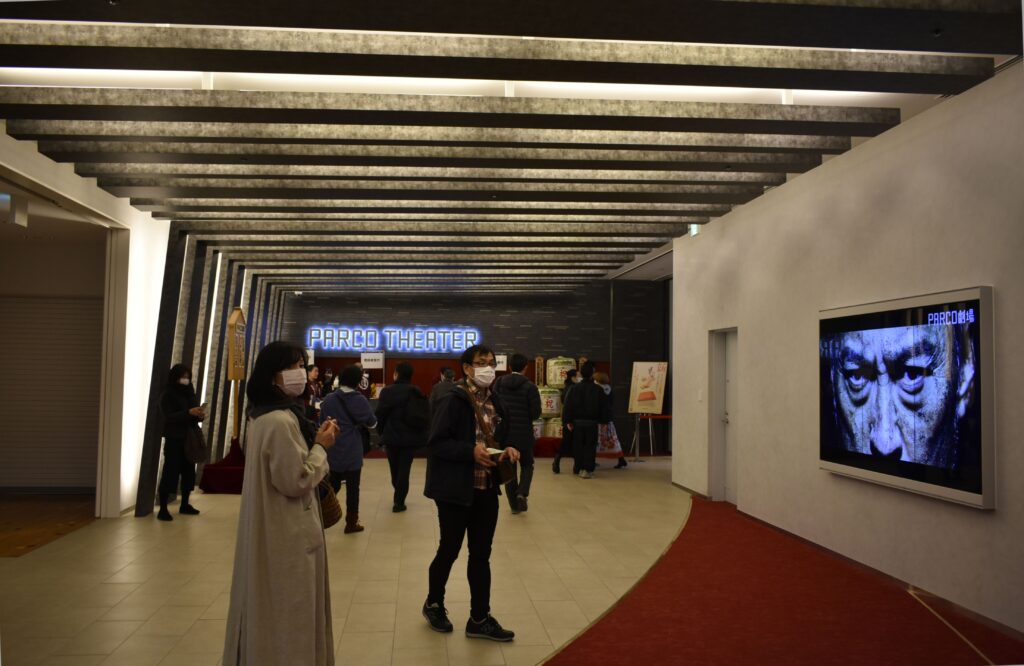
Shibuya’s cultural offerings complement its commercial environment. The district contains several landmarks and cultural spaces.
Hachiko Statue
The Hachiko Statue is a major cultural landmark and a popular meeting point. The statue commemorates the loyal dog Hachiko and provides historical context for the district.
Shibuya Sky
Shibuya Sky offers panoramic views of Tokyo and provides cultural displays and educational materials. The facility is designed for structured visitor flow.
Art Galleries & Creative Spaces
Shibuya contains several galleries and creative spaces showcasing contemporary art and design. These venues provide additional depth for travelers seeking cultural experiences.
Miyashita Park Events
Miyashita Park hosts seasonal events, exhibitions, and performances. The rooftop park provides open space for cultural activities.
Related Experience: Shibuya Highlights & Secret View Walking Tour →
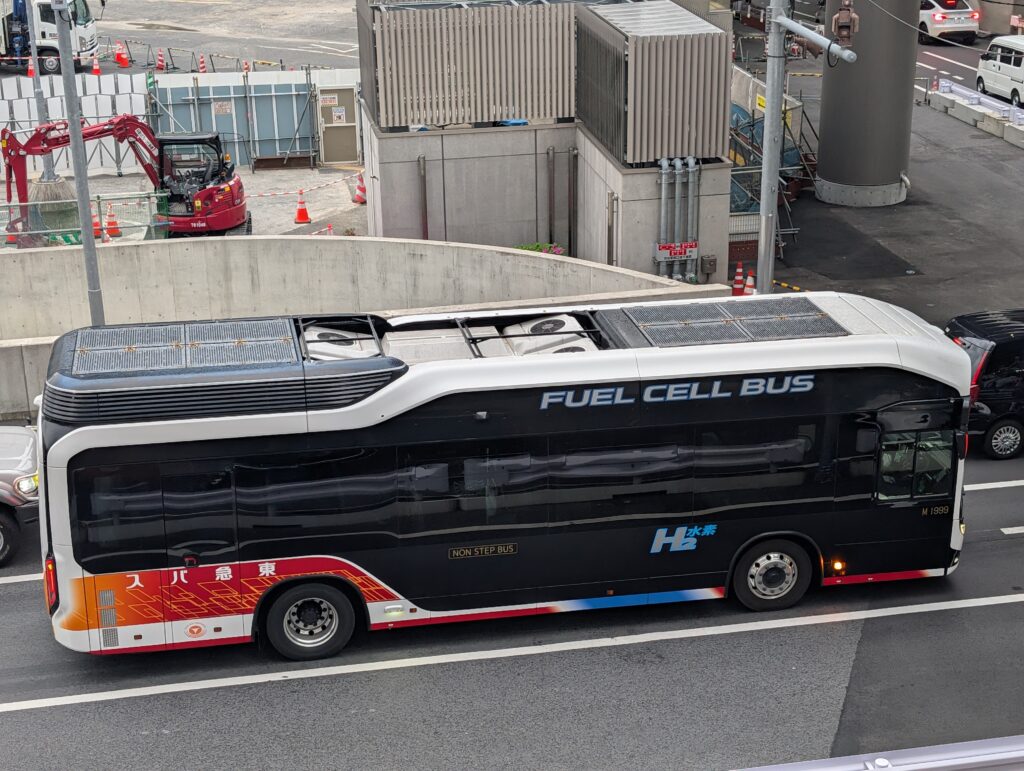
Shibuya is a major transportation hub. The station is large but navigable, with clear signage and multiple access points.
Rail Lines
Shibuya Station is served by the JR Yamanote Line, JR Saikyo Line, JR Shonan‑Shinjuku Line, Ginza Line, Hanzomon Line, Fukutoshin Line, and Tokyu Lines. These lines connect Shibuya to Shinjuku, Harajuku, Ginza, and central Tokyo.
Walking Routes
The district’s layout is dense but navigable. Shibuya Crossing serves as a central orientation point. The pedestrian pathways connecting Shibuya Stream, Miyashita Park, and Shibuya Scramble Square are clearly marked.
Crowd Management
Shibuya is consistently crowded, especially around Shibuya Crossing and Center‑gai. Travelers should visit earlier in the day to avoid peak congestion.
Where to Stay in Shibuya
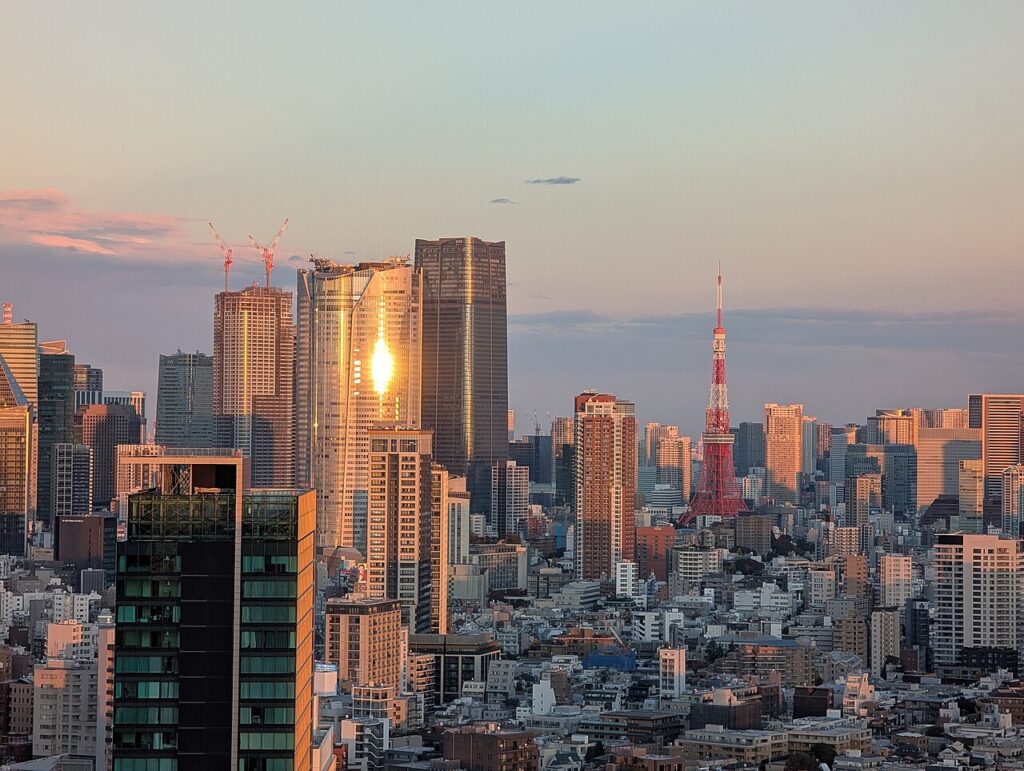
Shibuya is a practical base for travelers seeking a central location with strong transportation connections and access to shopping, dining, and entertainment.
Best Areas to Stay
Hotels near Shibuya Station provide immediate access to transportation and major attractions. The area near Miyashita Park offers quieter streets and modern facilities. The zone between Shibuya and Harajuku provides additional options.
Hotel Types
Shibuya offers modern hotels, business hotels, and mid‑range accommodations. Prices are comparable to Shinjuku and Ginza.
Related Stay: Hotels in Shibuya on Booking.com →
Practical Tips
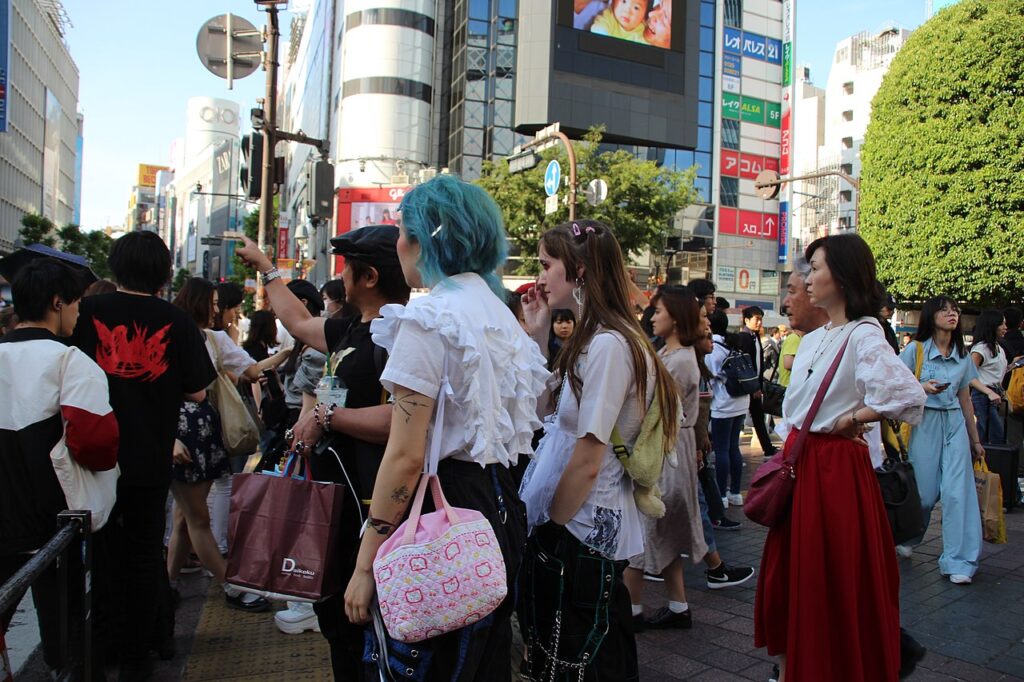
Shibuya is consistently busy but remains one of Tokyo’s most organized districts. Travelers should expect structured environments, clear signage, and consistent service. The district is safe and easy to navigate. Many restaurants and shops accept cash and card. Shibuya Crossing is busiest during evenings and weekends.
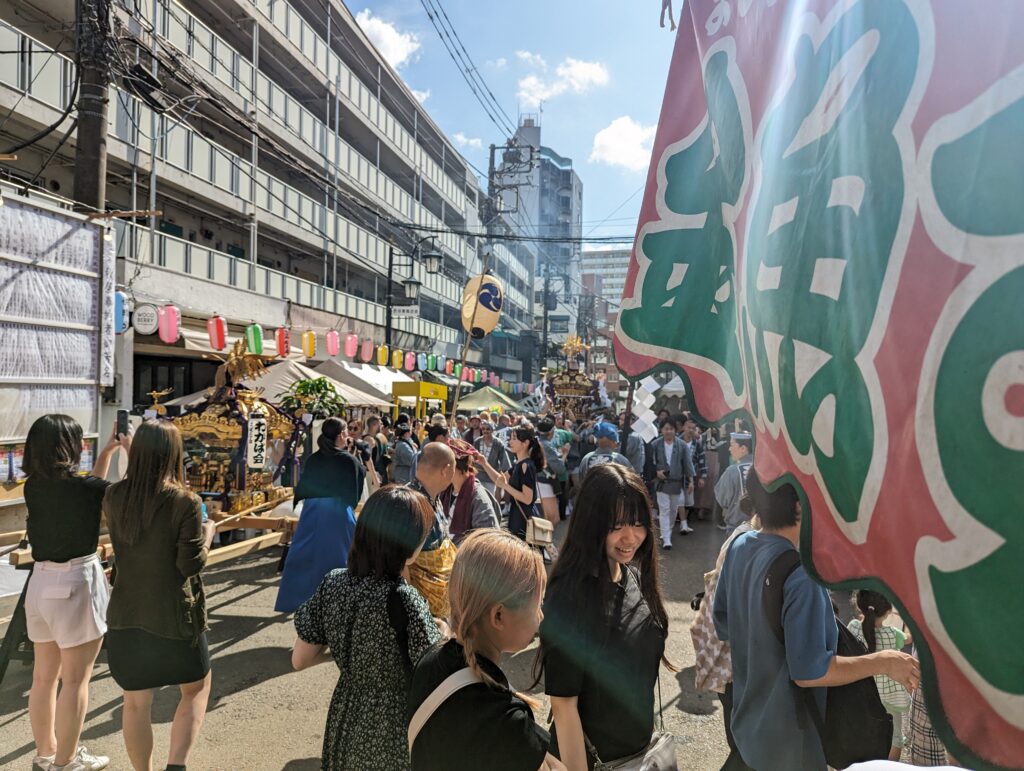
Shibuya is one of Tokyo’s most dynamic districts, offering a concentrated mix of shopping, dining, nightlife, and cultural experiences. Its compact layout and modern infrastructure make it a practical and rewarding destination for travelers. With clear navigation and structured planning, Shibuya can be explored efficiently and integrated into any Tokyo itinerary.
Start planning your trip with this Tokyo itinerary (1–7 days)