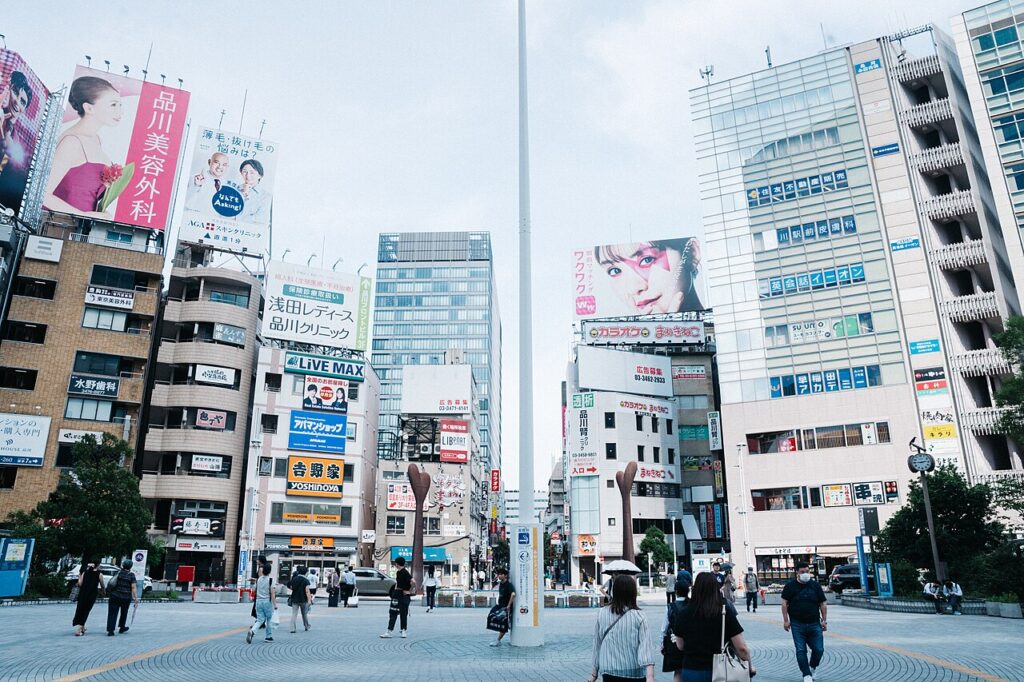
Shinagawa is one of Tokyo’s most important transportation gateways — a district defined by sleek business towers, waterfront promenades, historic temples, and a growing collection of dining and entertainment spaces.
While it lacks the neon spectacle of Shinjuku or the youth culture of Shibuya, Shinagawa offers something different: efficiency, convenience, and understated sophistication.
It is a district where business travelers, families, and international visitors converge, drawn by its major hotels, easy airport access, and strategic location on the Tokaido Shinkansen line.
Shinagawa’s identity is built on four pillars:
- Transportation and connectivity — one of Tokyo’s most important rail hubs.
- Business and hospitality — skyscrapers, corporate offices, and major hotels.
- Waterfront redevelopment — canals, promenades, and modern urban design.
- Cultural heritage — temples, museums, and historic sites tied to the Edo period.
This guide provides a complete, practical overview of Shinagawa’s structure, major attractions, waterfront zones, dining, shopping, navigation, accommodations, and practical considerations.
Plan your trip with this Tokyo itinerary (1–7 days)
For more ideas, explore: 15 Best Things To Do in Tokyo
1. District Structure
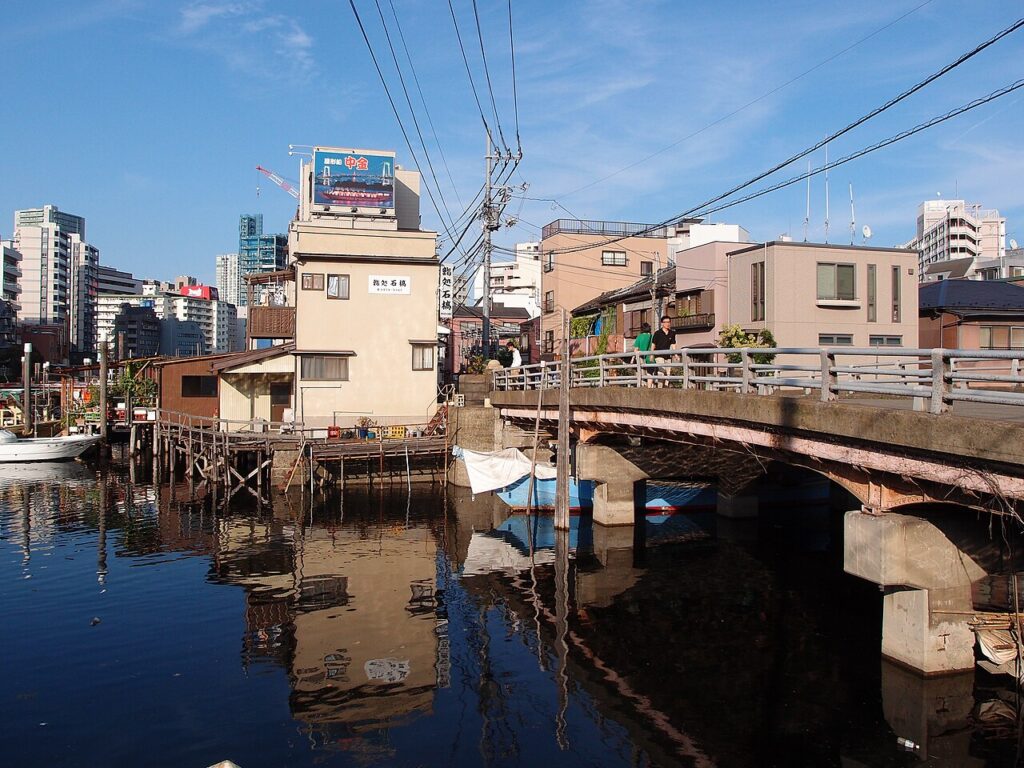
Shinagawa is organized around Shinagawa Station, one of Tokyo’s busiest transportation hubs. The district is divided into two primary zones — Takanawa and Konan — each with its own character, atmosphere, and purpose.
Beyond the station area, Shinagawa extends toward the waterfront, where Tennozu Isle and the canal district offer a quieter, more modern environment.
1.1 Takanawa Side (West Exit)
The Takanawa side of Shinagawa is defined by large hotels, traditional streets, and a more residential atmosphere. This area contains:
- Major international hotels
- Restaurants and cafés
- Access to Sengaku‑ji Temple
- Sloping streets and quieter neighborhoods
Takanawa feels more traditional than the Konan side, with older architecture, tree‑lined streets, and a slower pace. It is ideal for travelers seeking convenience without the intensity of central Tokyo.
1.2 Konan Side (East Exit)
The Konan side is Shinagawa’s modern business district — a landscape of glass towers, office complexes, and waterfront promenades. This area includes:
- Shinagawa Intercity
- Shinatatsu Ramen Street
- Canal Walk
- Corporate headquarters
- Modern shopping and dining
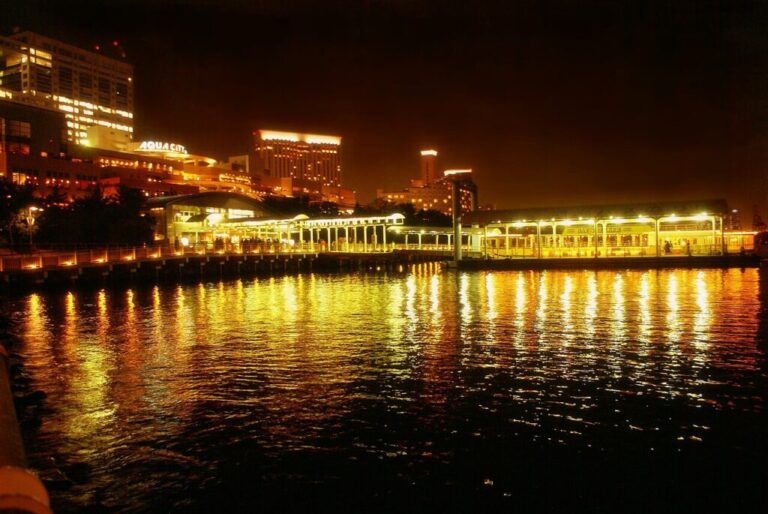
Konan is sleek, efficient, and designed for business travelers. Elevated walkways connect buildings, and the area is especially atmospheric at night when the towers reflect off the canal.
1.3 Tennozu Isle
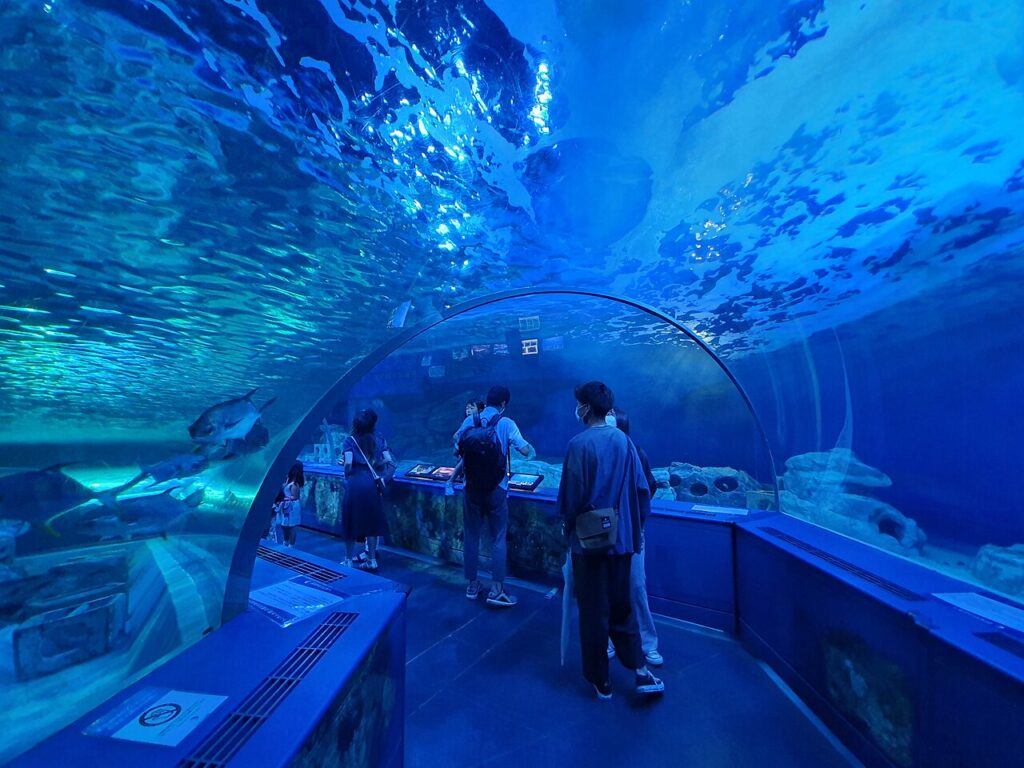
Tennozu Isle is Shinagawa’s waterfront cultural zone — a redeveloped island filled with art galleries, cafés, creative studios, and scenic boardwalks. It offers:
- Warehouse‑style galleries
- Canal‑side dining
- Outdoor art installations
- A relaxed, modern atmosphere
Tennozu Isle feels like a blend of Tokyo and a European waterfront district, making it one of Shinagawa’s most distinctive areas.
1.4 Gotenyama & Residential Hills
Northwest of the station lies Gotenyama, a quiet residential area with:
- Gardens
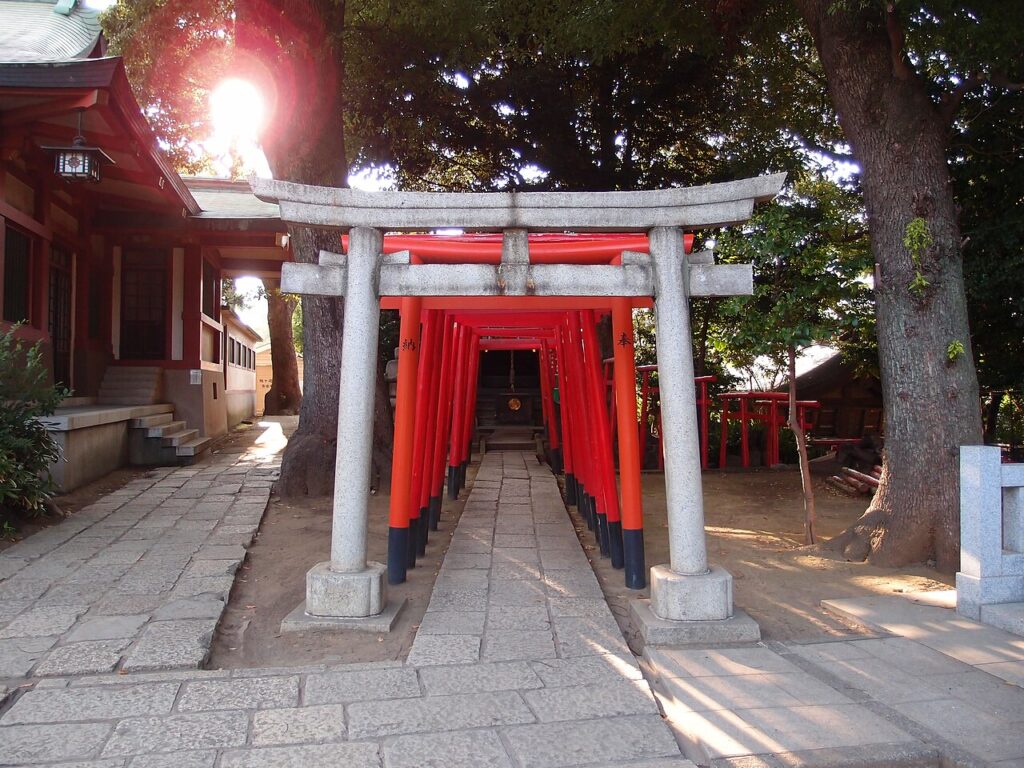
- Small shrines
- Traditional streets
- Local cafés
This area offers a peaceful contrast to the station’s bustle and reflects Shinagawa’s historical roots.
Shinagawa Sub‑District Comparison (Supporting Chart)
| Area | Atmosphere | Best For |
|---|---|---|
| Takanawa | Traditional, hotel-heavy | Families, first-time visitors |
| Konan | Modern, business-focused | Business travelers, dining |
| Tennozu Isle | Creative, waterfront | Art, cafés, photography |
| Gotenyama | Quiet, residential | Walks, gardens, local culture |
Odaiba Travel Guide: Tokyo’s Futuristic Waterfront
2. Major Attractions
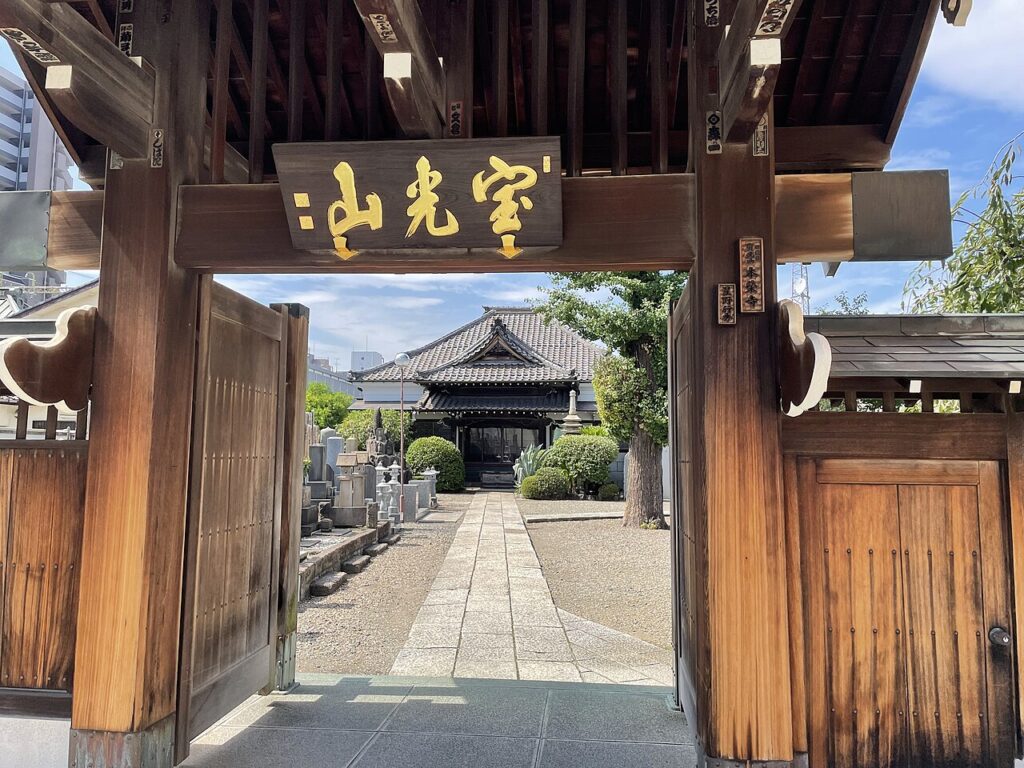
Shinagawa’s attractions are a mix of historical landmarks, modern developments, and waterfront spaces.
While the district is often associated with business and transit, it offers several cultural and scenic experiences that reveal its deeper character.
2.1 Sengaku‑ji Temple (47 Ronin Temple)
Sengaku‑ji is one of Tokyo’s most historically significant temples, known for its connection to the 47 Ronin, a famous tale of loyalty and honor from the Edo period. The temple grounds include:
- The graves of the 47 Ronin
- A museum dedicated to the story
- Traditional wooden halls
- Seasonal events and ceremonies
Sengaku‑ji offers a quiet, reflective atmosphere and provides insight into one of Japan’s most enduring legends.
2.2 Shinagawa Intercity
Shinagawa Intercity is a modern complex of office towers, restaurants, cafés, and public spaces. The area is designed for business travelers but is also popular with visitors seeking:
- Elevated walkways
- Nighttime city views
- Casual dining
- Open plazas
Intercity’s architecture and layout reflect Shinagawa’s role as a modern business hub.
2.3 Tennozu Isle Boardwalk
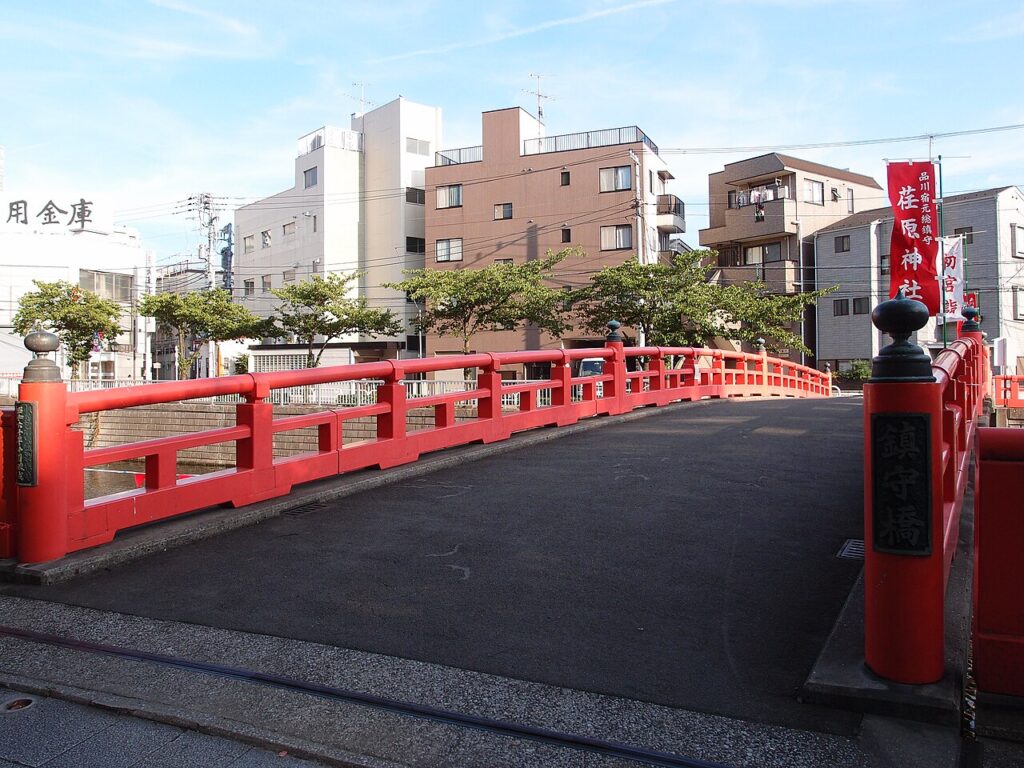
The Tennozu Isle boardwalk is one of Shinagawa’s most scenic areas, offering:
- Waterfront views
- Outdoor art installations
- Canal‑side cafés and restaurants
- A relaxed, creative atmosphere
The boardwalk is ideal for photography, leisurely walks, and quiet afternoons away from the station crowds.
2.4 Shinagawa Aquarium (Shinagawa Ward)
Located slightly south of the station, Shinagawa Aquarium offers:
- Dolphin shows
- Tunnel tanks
- Jellyfish exhibits
- Family‑friendly attractions
It is a popular destination for families and provides a break from the district’s business-oriented environment.
2.5 Maxell Aqua Park Shinagawa
Aqua Park Shinagawa is a modern, high‑tech aquarium located inside the Shinagawa Prince Hotel complex. It features:
- Digital light shows
- Immersive jellyfish displays
- Seasonal exhibitions
- Indoor attractions
Aqua Park blends technology and marine life, creating a unique, atmospheric experience.
Related Experience: Shinagawa-Juku Walking Tour
3. Waterfront & Urban Redevelopment
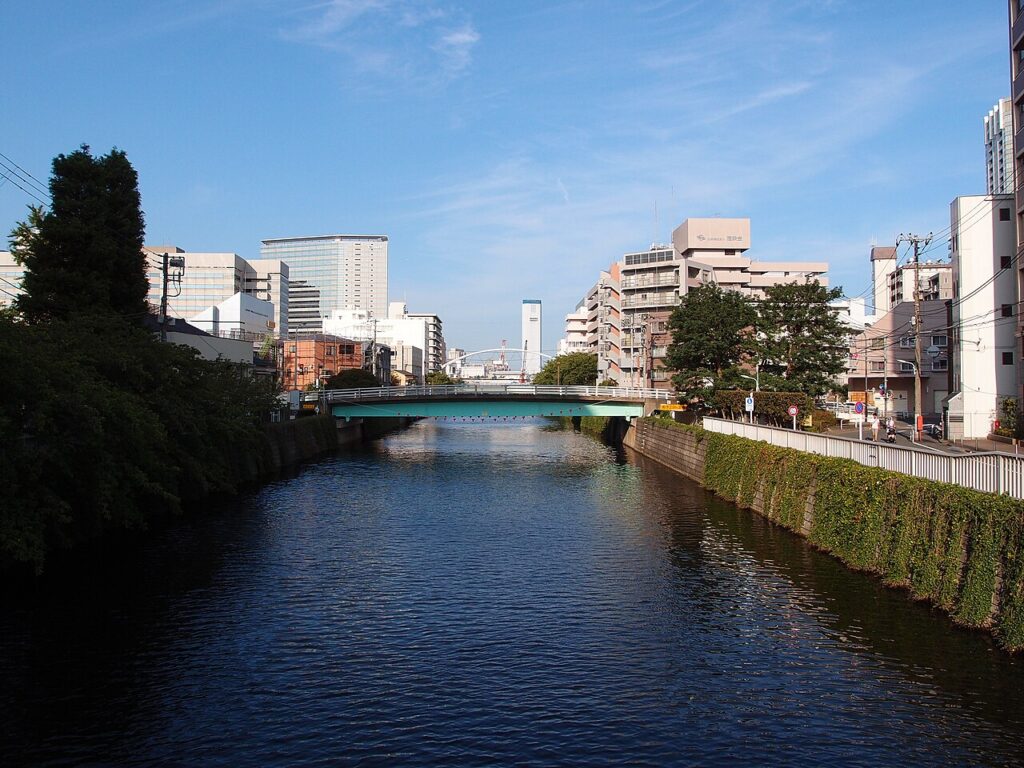
Shinagawa’s waterfront has undergone significant redevelopment, transforming former industrial zones into modern, walkable spaces.
These areas offer a quieter, more scenic side of the district, with boardwalks, cafés, and creative studios lining the canals.
3.1 Tennozu Isle Canal District
The canal district is the centerpiece of Shinagawa’s waterfront redevelopment. It features:
- Long boardwalks
- Outdoor seating
- Art installations
- Converted warehouse galleries
The area feels open and modern, with a slower pace than central Shinagawa. It is ideal for photography, café hopping, and evening strolls.
3.2 Bond Street & Warehouse Galleries
Bond Street is a creative corridor filled with:
- Art studios
- Design shops
- Independent galleries
- Creative agencies
The converted warehouses give the area a distinctive industrial‑chic aesthetic.
3.3 Canal Walk & Restaurant Row
Canal Walk is a scenic promenade lined with restaurants and cafés. It offers:
- Waterfront dining
- Outdoor terraces
- Evening illumination
- A relaxed, modern atmosphere
This area is especially popular at night when the canal reflects the lights of nearby buildings
Tokyo in a Day: Shrines, Skytree, and Bay Cruise
4. Dining in Shinagawa
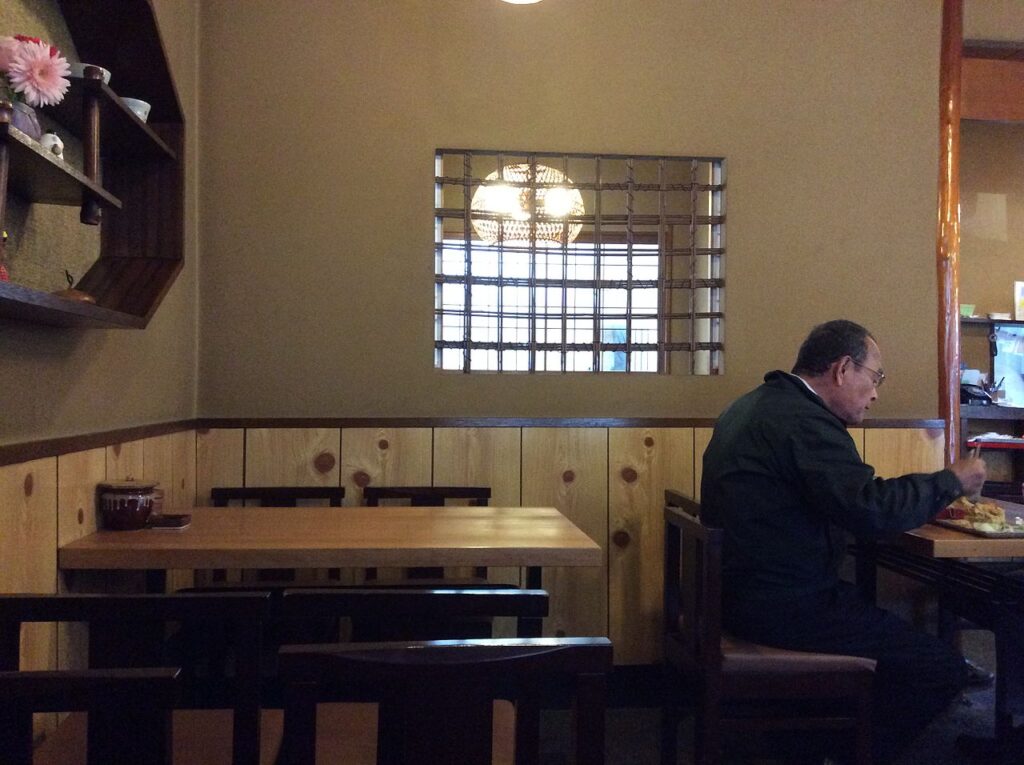
Shinagawa’s dining scene is shaped by its role as a business and transit hub. The district offers a wide range of options, from quick meals for commuters to upscale restaurants for business travelers. The waterfront areas add a more relaxed, atmospheric dining experience.
4.1 Shinatatsu Ramen Street
Shinatatsu is a cluster of ramen shops located near the Konan Exit. It offers:
- Regional ramen styles
- Specialty broths
- Quick, affordable meals
It is one of the best places in Shinagawa for casual dining.
4.2 Shinagawa Intercity Restaurants
Intercity contains a wide range of dining options, including:
- Japanese cuisine
- International restaurants
- Cafés and bakeries
- Business‑friendly lunch spots
The elevated walkways and open plazas create a pleasant dining environment.
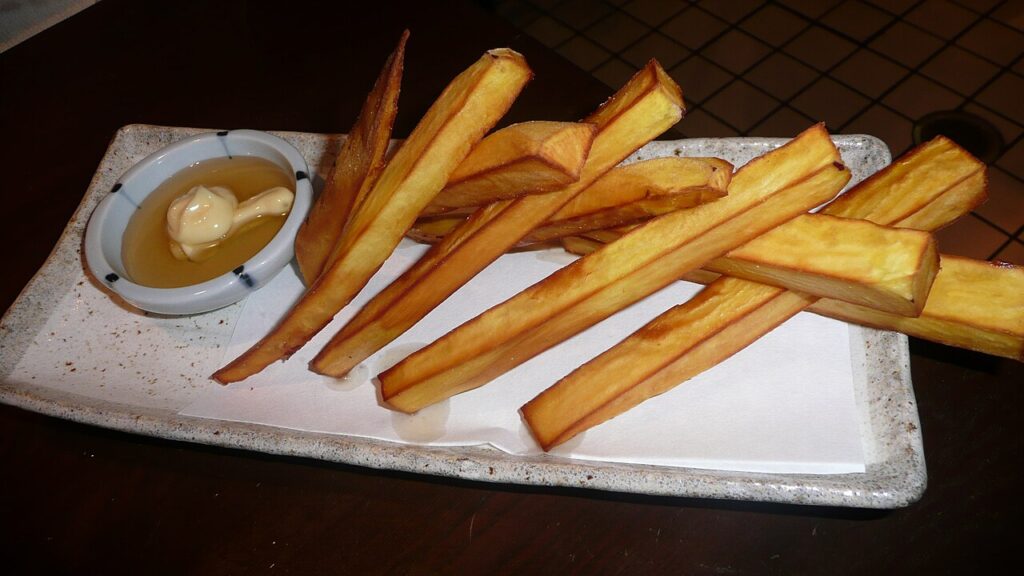
4.3 Tennozu Isle Cafés & Restaurants
Tennozu Isle offers a more atmospheric dining experience, with:
- Canal‑side cafés
- Brunch spots
- Creative fusion restaurants
- Outdoor terraces
This area is ideal for leisurely meals and evening drinks.
4.4 Hotel Dining
Shinagawa’s major hotels offer:
- Buffets
- Fine dining
- Lounge bars
- International cuisine
These venues cater to business travelers and families seeking convenience.
Best Food Experiences in Tokyo
5. Shopping in Shinagawa
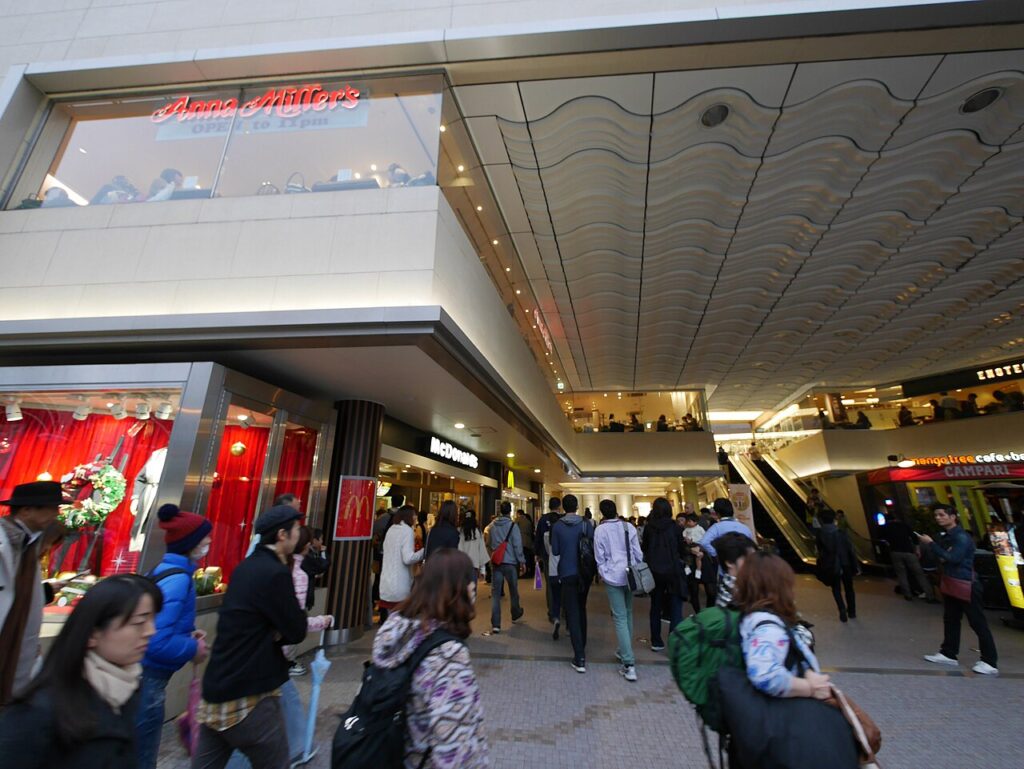
Shinagawa is not a major shopping district like Shibuya or Ginza, but it offers a curated selection of retail options that cater to travelers, commuters, and business professionals.
5.1 Atre Shinagawa
Atre is a shopping complex connected to the station, offering:
- Fashion
- Cosmetics
- Lifestyle goods
- Gourmet food
It is ideal for quick shopping and last‑minute purchases.
5.2 Shinagawa Intercity Shops
Intercity contains:
- Convenience stores
- Boutiques
- Bookstores
- Specialty shops
These stores cater to office workers and travelers.
5.3 Tennozu Isle Boutiques
Tennozu Isle offers:
- Design shops
- Art stores
- Independent boutiques
These shops reflect the area’s creative identity.
Related Experience: Official Street Go-Kart Tour – Shinagawa Shop
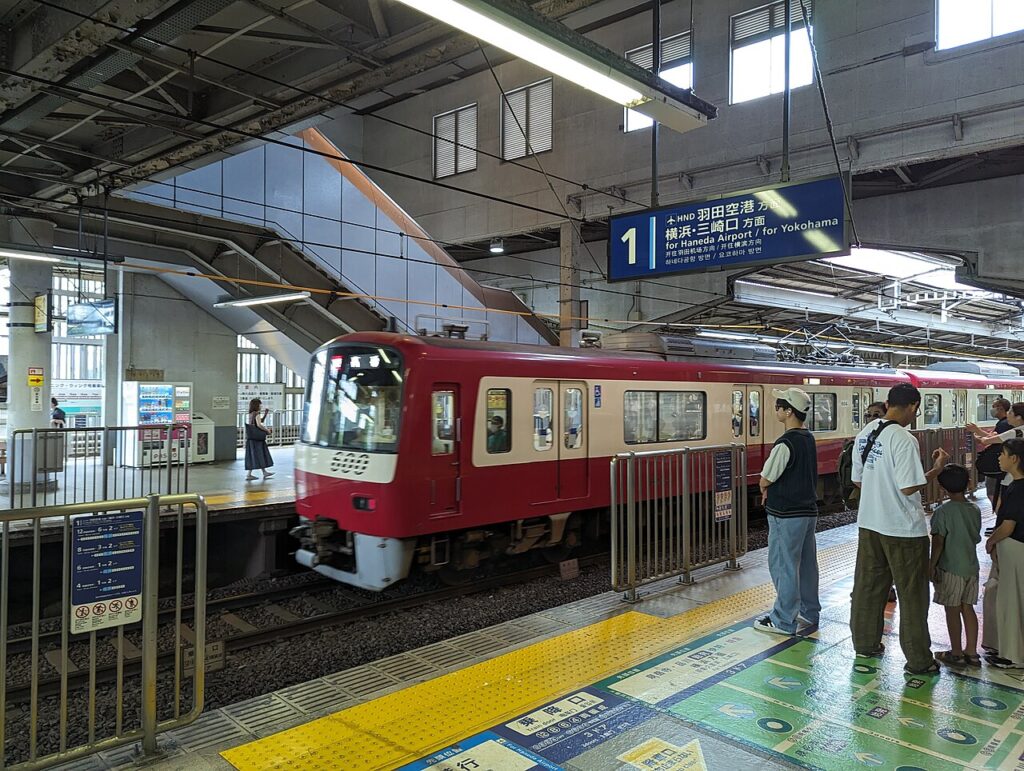
Shinagawa is one of Tokyo’s most important transportation hubs, offering excellent connectivity to the rest of the city and beyond.
6.1 Shinagawa Station
Shinagawa Station is served by:
- JR Yamanote Line
- JR Keihin‑Tohoku Line
- JR Tokaido Line
- JR Yokosuka Line
- Tokaido Shinkansen
- Keikyu Line (direct to Haneda Airport)
This makes Shinagawa one of the best bases for travelers who plan to explore multiple regions of Japan.
6.2 Walking Routes
A simple walking route for first‑time visitors:
- Start at Shinagawa Station (Konan Exit)
- Walk through Shinagawa Intercity
- Continue to Canal Walk
- Explore Tennozu Isle
- Return via Takanawa Exit
- Visit Sengaku‑ji Temple
This route covers the district’s major zones efficiently.
6.3 Airport Access
Shinagawa offers direct access to:
- Haneda Airport via Keikyu Line
- Narita Airport via transfer at Tokyo Station
This makes it one of the most convenient districts for international travelers.
Public Transit in Tokyo How to Navigate
7. Where to Stay in Shinagawa
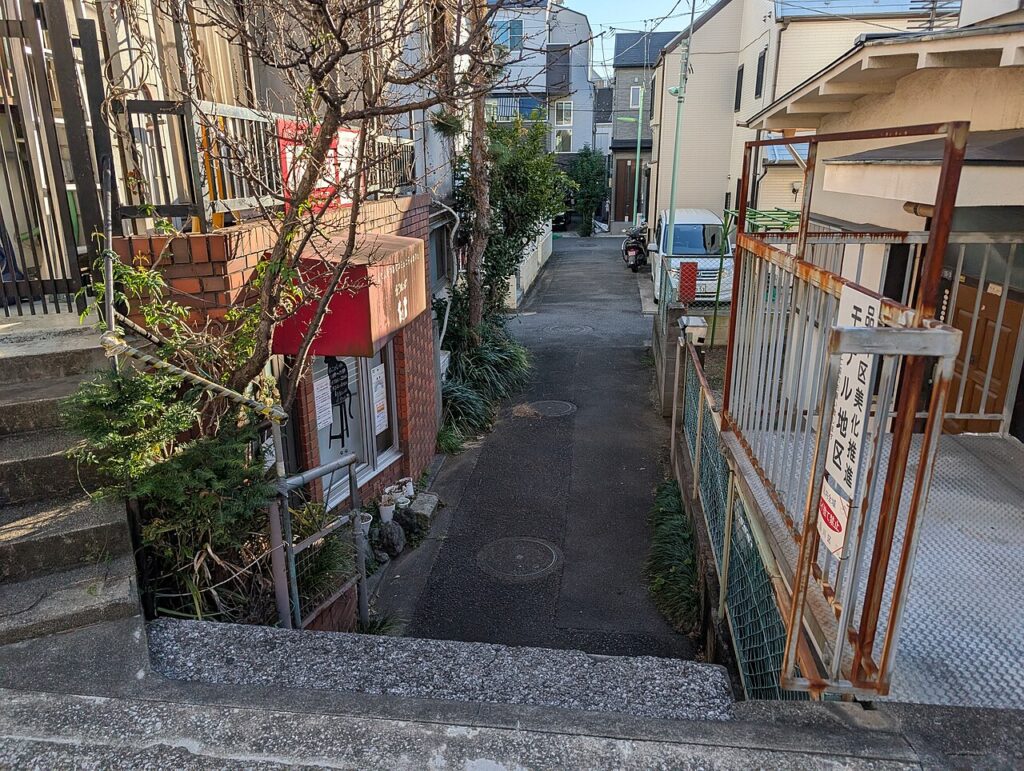
Shinagawa is one of Tokyo’s best districts for accommodations, offering a wide range of hotels that cater to business travelers, families, and international visitors.
7.1 Why Stay in Shinagawa?
Shinagawa offers several advantages:
- Direct access to the Shinkansen
- Easy airport connections
- Large, modern hotels
- Quiet streets compared to Shinjuku or Shibuya
- Excellent dining and transportation
It is ideal for travelers who value convenience and comfort.
7.2 Best Areas to Stay
The best areas to stay in Shinagawa include:
- Takanawa: Traditional atmosphere, major hotels
- Konan: Modern, business‑oriented, close to dining
- Tennozu Isle: Scenic, quiet, waterfront views
Each area offers a different experience, allowing travelers to choose based on their preferences.
7.3 Hotel Types
Shinagawa offers:
- Luxury hotels
- Business hotels
- Family‑friendly hotels
- Modern design hotels
These accommodations provide comfort, convenience, and easy access to transportation.
Related Experience: Find Hotels in Shinagawa
Shinagawa is one of Tokyo’s most versatile districts — a place where transportation, business, culture, and waterfront leisure come together in a clean, modern environment.
It may not have the neon spectacle of Shinjuku or the youth culture of Shibuya, but it offers something equally valuable: efficiency, comfort, and balance.
Shinagawa is a district built for movement, connection, and convenience, yet it also contains quiet temples, scenic canals, and creative spaces that reveal a softer, more reflective side of Tokyo.
Start planning your trip with this Tokyo itinerary (1–7 days)