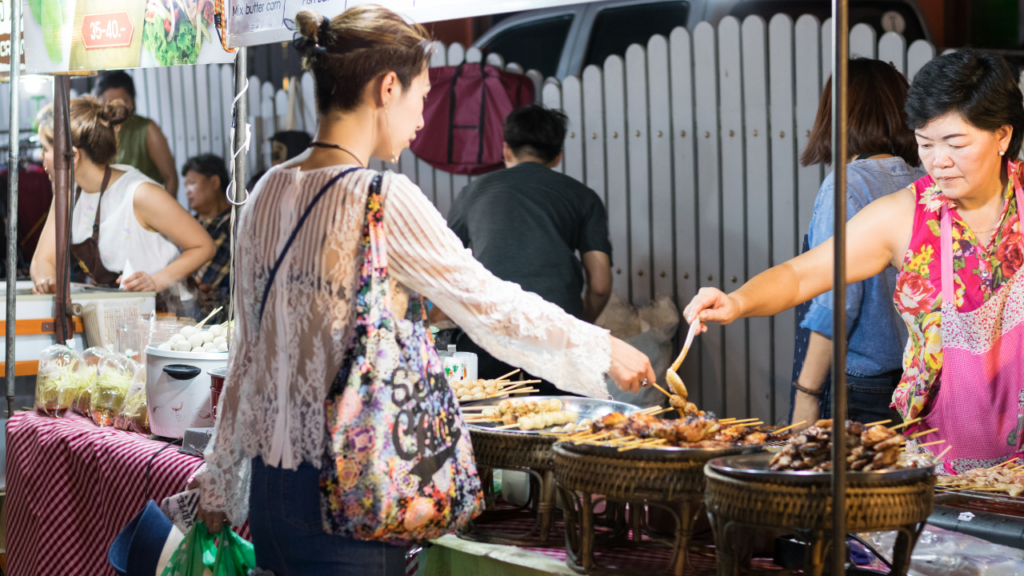
Tokyo is a city of refined, world-class dining. It holds more Michelin stars than any other metropolis. Yet, to find its true culinary soul, you must go to the streets.
Here, amid the rush of commuters and the energy of vibrant neighborhoods, a different kind of food story unfolds.
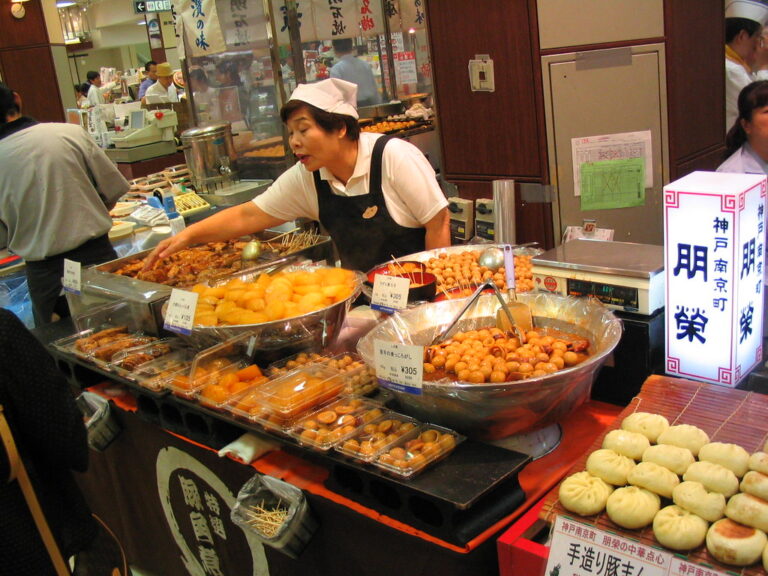
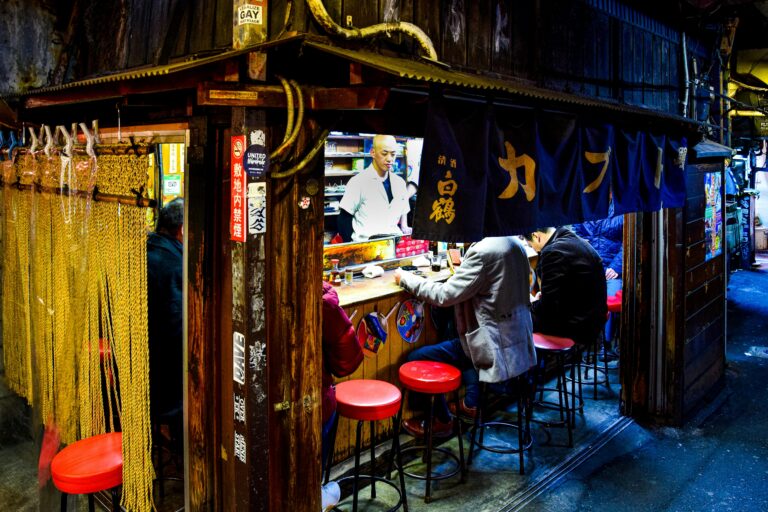
Tokyo’s street food is a dynamic experience of flavor and tradition. It is served from humble stalls, market stands, and tiny shop windows. This is food made with focus and eaten with joy.
It offers a direct and delicious connection to the city’s everyday life. Exploring this world is to taste Tokyo in its most honest and immediate form.
Experience Snapshot Table
| Experience | Exploring Tokyo’s Street Food Scene |
| Location | Various markets and neighborhoods across Tokyo |
| Best For | Casual Dining, Culinary Adventure, Cultural Immersion |
| Price | ¥100 – ¥1,500 per item |
| Time Commitment | 2-4 hours per location |
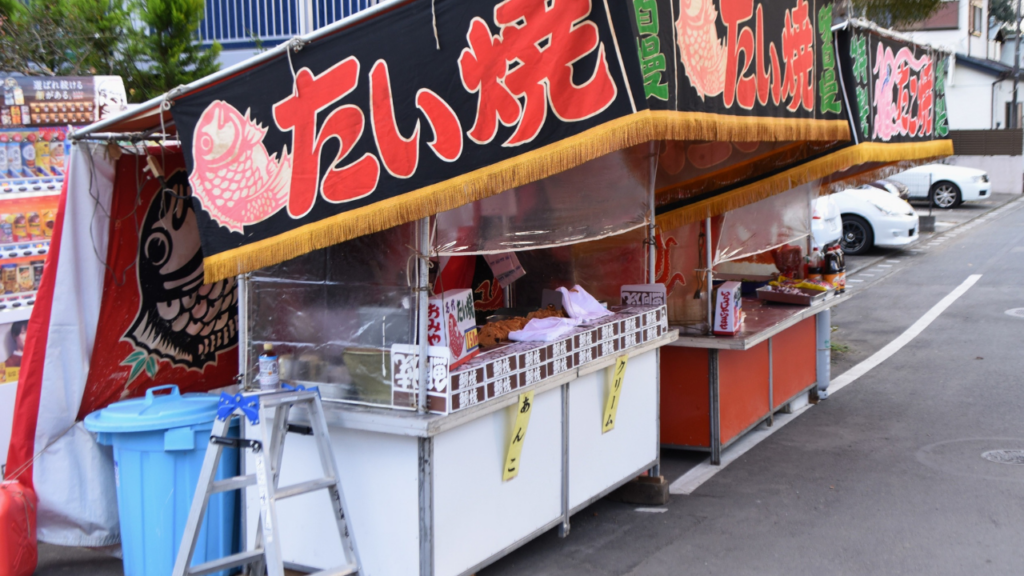
Tsukiji Outer Market
The famous inner wholesale market has moved. The Outer Market, however, remains a vibrant paradise for food lovers.
It is a sprawling network of narrow streets. Hundreds of vendors sell everything from fresh seafood to professional-grade kitchen knives.
The real experience is grazing your way through the stalls. You can sample bites of fresh tamagoyaki (rolled omelet) on a stick. You might try grilled scallops glistening with soy sauce and butter.
The air is filled with the calls of vendors and the aroma of fresh ingredients. It is a feast for the senses and a direct line to Japan’s love for quality seafood.
Ameya Yokocho (Ameyoko)
This bustling market street runs alongside the train tracks between Ueno and Okachimachi Stations. Ameyoko has a grittier, more energetic feel than other markets.
It began as a black market after World War II. Today, it is a whirlwind of shops and food stalls. You can find everything from discount cosmetics to fresh fish.
The food here is diverse and often influenced by various Asian cuisines. You can savor juicy kebabs, savory Chinese dumplings, and an array of fresh fruit on skewers.
The experience is loud, crowded, and incredibly exciting. It is a true taste of a different side of Tokyo.
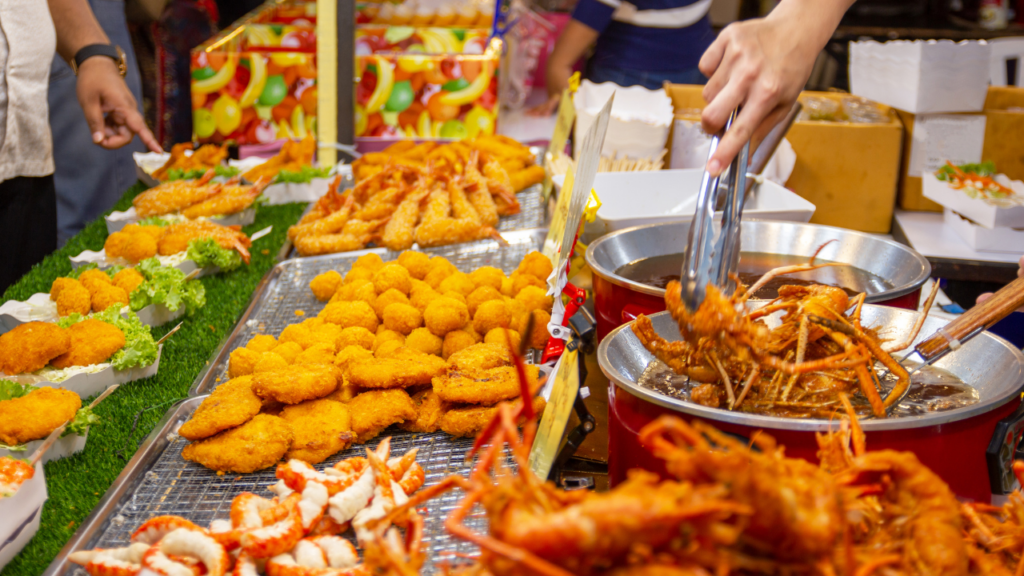
Yanaka Ginza
For a journey into old-world Tokyo, Yanaka Ginza is the perfect destination. This charming shopping street has a nostalgic, Showa-era atmosphere. It has largely resisted modern development.
The street is lined with small, family-run shops and food stalls. They sell traditional snacks and household goods.
Locals come here with their shopping baskets to buy groceries. The experience is slower and more personal.
You can enjoy a simple, delicious croquette or a sweet treat while observing the gentle pace of neighborhood life. It feels like stepping back in time.
Harajuku’s Takeshita Street
Takeshita Street is the vibrant heart of Japan’s youth and pop culture.
This pedestrian-only street is a kaleidoscope of colorful fashion boutiques, themed cafes, and, most importantly, trendy street food. The food here is designed to be photogenic and fun.
Giant, rainbow-colored cotton candy is a common sight. So are decadent crepes, filled with cream, fruit, and even whole slices of cheesecake. The latest trend might be super-long french fries or creative bubble teas.
The experience is less about tradition and more about playful, over-the-top indulgence. It is a colorful and sweet adventure.
Best Food Experiences in Tokyo
Must-Try Savory Street Foods
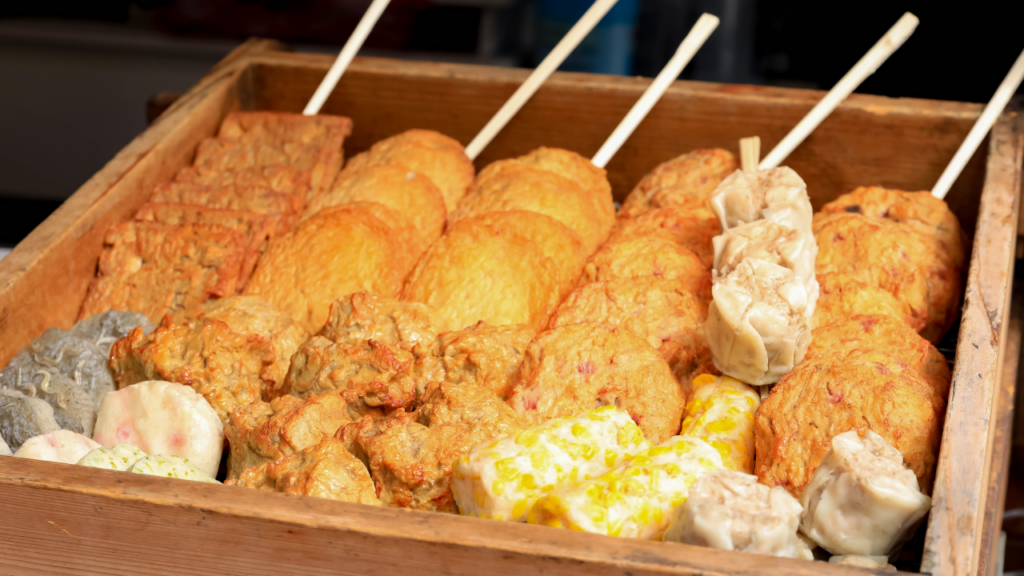
Takoyaki
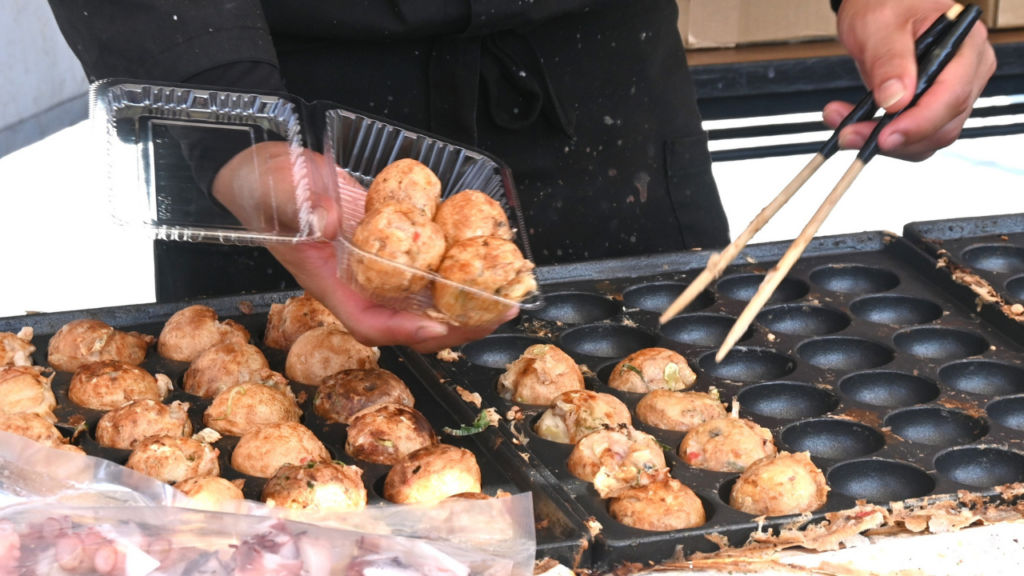
These are ball-shaped snacks made from a savory wheat-flour batter. Each ball contains a small piece of cooked octopus (tako), pickled ginger, and green onion.
Watching them being made is part of the experience. Chefs use special molded pans and deftly flip the balls with picks until they are golden brown and crispy.
They are then brushed with a tangy takoyaki sauce. A drizzle of Japanese mayonnaise follows. A final sprinkle of green laver (aonori) and dried bonito flakes (katsuobushi) completes the dish.
The bonito flakes appear to dance from the heat. The first bite through the crisp exterior to the molten, savory center is a classic street food moment.
Yakitori
Yakitori consists of bite-sized pieces of chicken grilled on a bamboo skewer. This is a staple of izakayas, but it is also a popular street food.
Stalls often specialize in grilling these skewers over hot charcoal. The smoke imparts a delicious, distinct flavor.
You can choose from various parts of the chicken, like thigh meat (momo) or chicken with green onions (negima). The skewers are seasoned with either a simple salt (shio) or a sweet and savory soy-based glaze (tare).
It is a simple, satisfying, and deeply Japanese flavor experience.
Okonomiyaki
Often described as a savory Japanese pancake, okonomiyaki is a more substantial street food meal.
The base is a batter mixed with a large amount of shredded cabbage. From there, you can add various ingredients like pork, shrimp, or squid. It is all cooked on a large flat-top grill.
Once cooked, it is topped with okonomiyaki sauce, mayonnaise, and dancing bonito flakes. In some regions, like Hiroshima, the dish includes a layer of fried noodles.
Finding a stall that makes it fresh in front of you provides both a meal and a show.
Menchi Katsu
This is a deep-fried breaded cutlet of minced meat, usually beef or a mix of beef and pork. The outside is a perfectly golden and crunchy panko crust.
The inside is a juicy, flavorful patty of seasoned meat. It is a humble but incredibly delicious snack. You can often find menchi katsu at butcher shops or specialty stalls in shopping arcades like Yanaka Ginza.
Eating a hot, freshly fried menchi katsu while standing on the street is a simple, comforting, and authentic local experience. It is Japanese comfort food at its finest.
Related Experience: Asakusa Highlights: Street Food Crawl Tour
Iconic Sweet Treats
Taiyaki
Taiyaki is a beloved Japanese cake. It is famously shaped like a sea bream (tai). The batter is poured into a fish-shaped mold. A filling is then added before the mold is closed and cooked.
The most classic filling is a sweet red bean paste called anko. Modern variations are also popular. You might find fillings like custard, chocolate, or even sweet potato.
The best taiyaki has a crisp, thin outer layer that gives way to a warm, generous filling. It is a comforting and iconic treat, especially on a cool day.
Imagawayaki
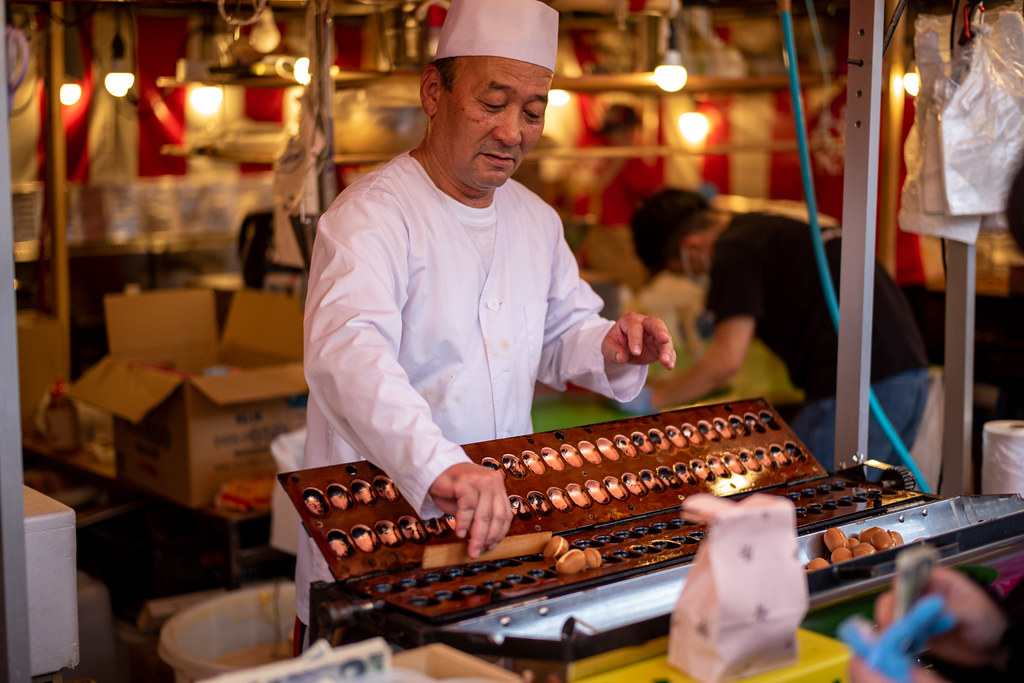
Similar to taiyaki in its ingredients, imagawayaki is a round, disk-shaped cake. It is made from the same kind of batter and often contains the same fillings, like red bean paste or custard.
The key difference is the shape and the texture. Because of its drum shape, the imagawayaki often has a slightly softer, more cake-like consistency all around. It is cooked in large, round cast-iron molds.
This treat is a classic festival and market snack. It has been enjoyed in Japan for centuries.
Dango
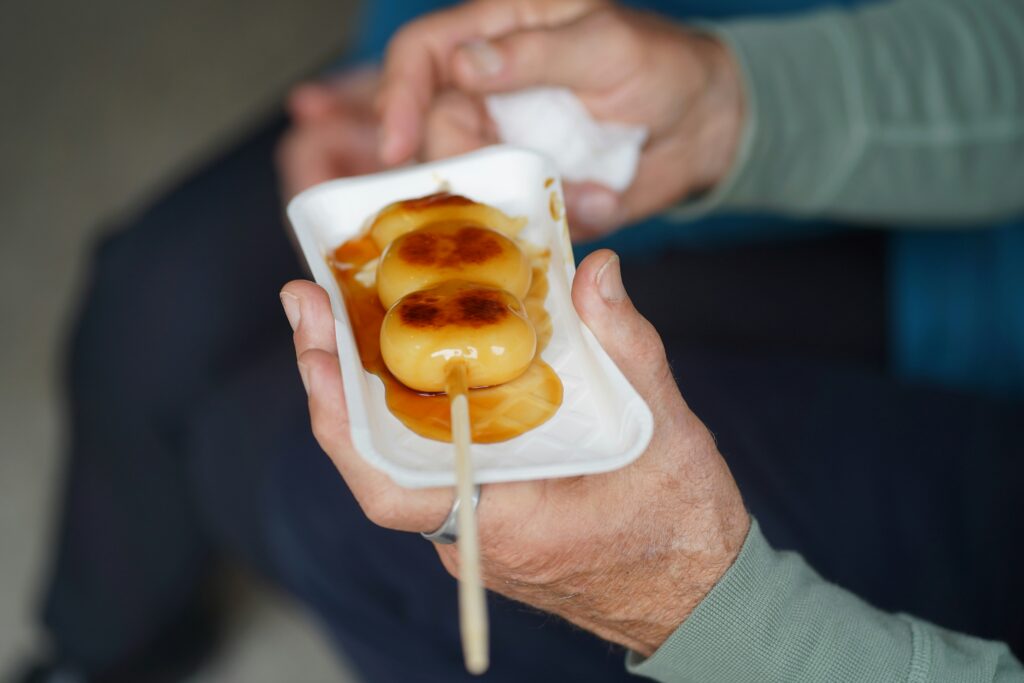
Dango are small, chewy dumplings made from rice flour (mochiko). They are usually served three to five to a skewer.
There are many varieties. One of the most common is mitarashi dango. These are grilled lightly until toasted. Then they are coated in a sweet and savory soy sauce glaze.
Another popular type is hanami dango, which has three colors: pink, white, and green. It is traditionally eaten during cherry blossom viewing season. The texture is uniquely soft and chewy. It is a simple sweet that is deeply connected to Japanese seasons and traditions.
Related Experience: Tokyo Allstar Food Tour
Best Time for This Experience
Street food in Tokyo can be enjoyed throughout the day, but different locations have their own optimal times.
Markets like Tsukiji Outer Market are best experienced in the morning, from around 9:00 AM to 1:00 PM, when the stalls are most active. Neighborhoods like Yanaka Ginza are pleasant in the afternoon for a relaxed stroll and a snack.
Bustling areas like Ameyoko and Harajuku come alive in the afternoon and early evening. Visiting during festivals, or matsuri, offers an expanded street food experience with many special stalls set up for the event.
Tokyo’s street food culture is a vital part of the city’s identity. It is a world away from formal dining, offering immediate satisfaction and a direct connection to local life. Exploring this scene is more than just a culinary tour. It is an act of discovery.
It is about engaging with the city on its own terms, one delicious, handcrafted bite at a time. This is where you find the true, everyday flavor of Tokyo.
Start planning your trip with this Tokyo Travel Guide
FAQ
Is it safe to eat street food in Tokyo?
Yes, Japan has incredibly high standards for food safety and cleanliness. Street food vendors are meticulous. You can eat with confidence from virtually any stall or market vendor.
Can I walk and eat at the same time?
Walking while eating is generally considered rude in Japan. Most street food vendors provide a small area near their stall where you should stand to finish your food. You should then dispose of any garbage in the provided bins before moving on.
How should I pay for street food?
It is best to carry cash, especially smaller bills and coins, as many small vendors do not accept credit cards.
What is the best way to find good street food stalls?
Look for places with a line of locals. A queue is almost always a sign that the food is high quality and popular. Exploring well-known food streets and markets is also a reliable way to find excellent options.
Are there vegetarian street food options available?
While Japanese street food is often meat or seafood-based, some options are available. You can find things like grilled sweet potatoes (yaki imo), cucumber on a stick (kyuri asazuke), and some sweets like dango. However, finding savory vegetarian meals can be more challenging.