In Tokyo, a fine-dining meal is a profound cultural immersion. It transcends the simple act of eating. It is a quiet performance where seasonality, precision, and artistry are the main characters.
Stepping into one of the city’s elite dining establishments is like entering a tranquil theater. Here, a master chef dedicates a lifetime to perfecting their craft.
The experience is not about elaborate sauces or overwhelming presentations. Instead, it is about the purity of an ingredient, the perfect texture of rice, and a deep respect for the changing seasons.
This is a journey into the heart of Japanese culinary philosophy, one exquisite course at a time.
Plan your trip with this Tokyo itinerary (1–7 days)
For more ideas, explore: 15 Best Things To Do in Tokyo
Experience Snapshot Table
| Experience | Japanese Haute Cuisine |
| Location | Intimate restaurants across Tokyo |
| Best For | Culinary Arts, Cultural Immersion, Special Occasions |
| Price | ¥15,000 – ¥80,000+ per person |
| Time Commitment | 2-3 hours |
The Art of Kaiseki: A Seasonal Symphony
What is a Kaiseki Meal?
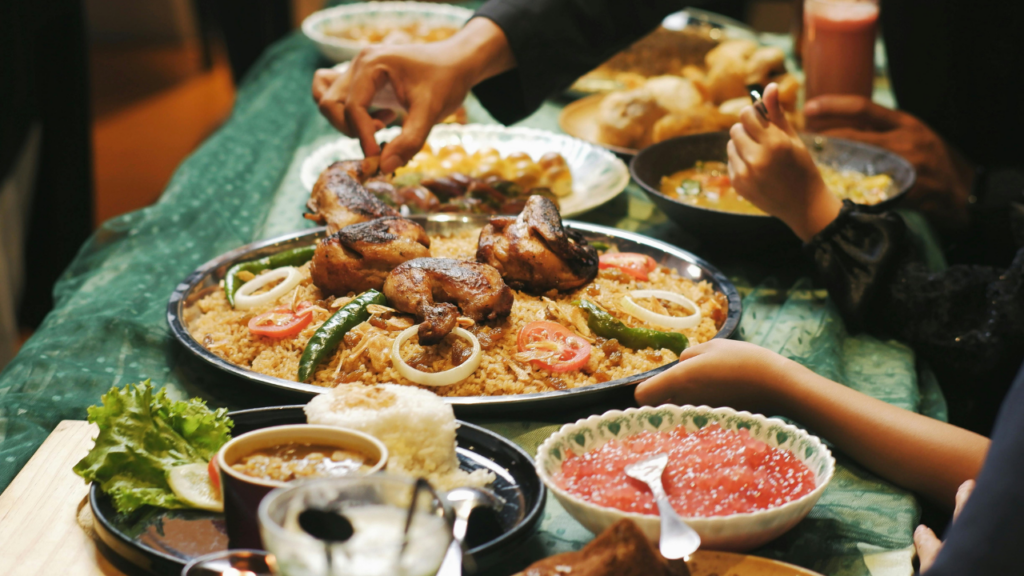
A kaiseki meal is the pinnacle of traditional Japanese dining. It is a meticulously structured multi-course dinner that reflects the season in every detail. The experience is a quiet narrative told through food.
Your meal unfolds over a series of small, beautifully crafted dishes. Each course is designed to highlight a specific cooking method.
You might begin with a small appetizer, followed by a delicate soup, a plate of pristine sashimi, and then a grilled dish. The progression is thoughtful and harmonious. It builds in flavor and texture.
The focus is on natural tastes and subtle elegance. You are not just eating a meal; you are witnessing the essence of a particular moment in the Japanese calendar.
The Atmosphere and Setting
The setting for a kaiseki meal is as important as the food itself. You are often guided to a private room with tatami mat flooring. A low table might overlook a small, perfectly manicured Japanese garden.
The decor is minimal and intentional. A single flower arrangement or a hanging scroll is all the decoration needed. The experience is designed to be serene and contemplative. It removes you from the noise of the outside world.
This allows all your senses to focus on the details in front of you. You notice the texture of the ceramic bowl, the aroma of the clear dashi broth, and the vibrant colors on the plate.
Appreciating the Details
During a kaiseki meal, your host, often a kimono-clad server known as a nakai-san, guides you through the experience. They present each course with a quiet explanation of the ingredients and their seasonal significance.
The tableware is a crucial part of the presentation. Each bowl, plate, and cup has been carefully chosen by the chef to complement the food it holds. Some pieces may be priceless antiques that are hundreds of years old.
Part of the experience is taking a moment to appreciate these objects. You hold the lacquerware soup bowl and feel its warmth. You admire the artist’s brushstrokes on the ceramic plate.
Trusting the Chef: The Omakase Experience
More Than Just Sushi
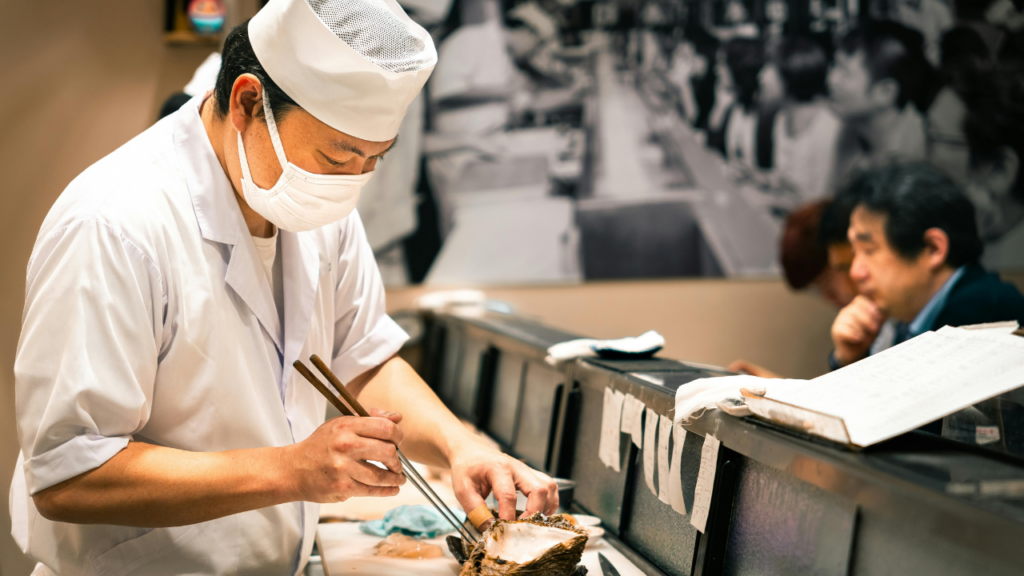
The word omakase simply means “I leave it up to you.” It is an experience built on trust between you and the chef.
While most famously associated with sushi, the omakase format can be found in tempura, yakitori, and other specialized restaurants. The journey begins when you give the chef complete control over your meal.
There is no menu to choose from. Instead, the chef presents a series of dishes based on the absolute best ingredients available that day. It is a spontaneous and personal dining experience.
You are placing yourself in the hands of a master. You are agreeing to be surprised and delighted by their skill and judgment.
Best Food Experiences in Tokyo
The Counter is the Stage
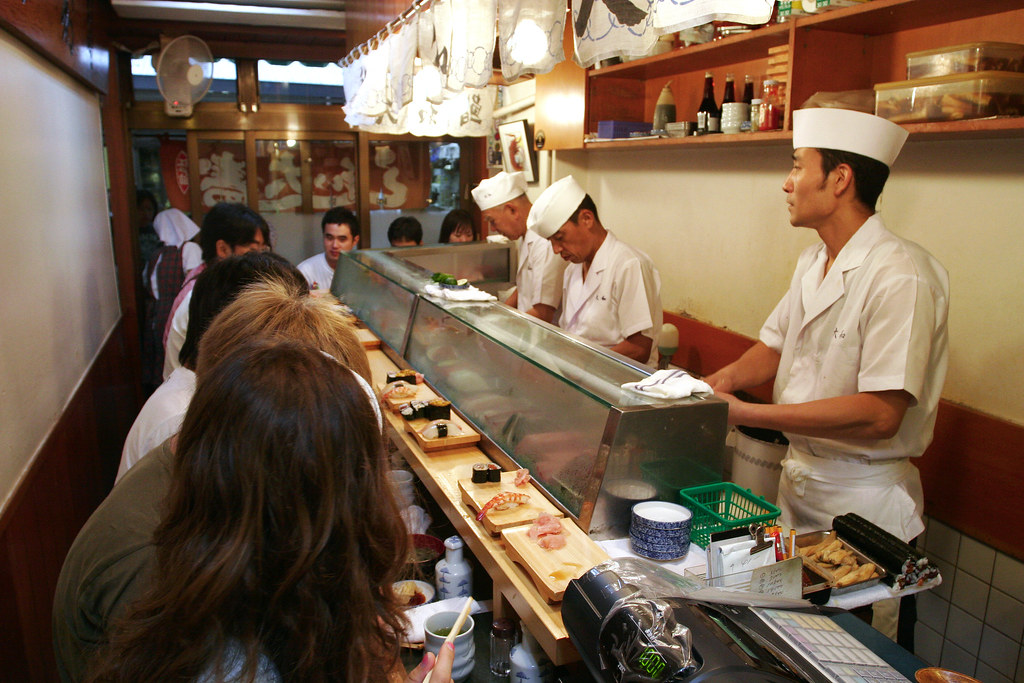
The quintessential omakase experience takes place at a smooth wooden counter. This intimate setting typically seats only a handful of guests.
The counter is the stage, and the chef is the star performer. You have a front-row seat to a display of incredible skill. You watch the chef’s graceful and precise knife work.
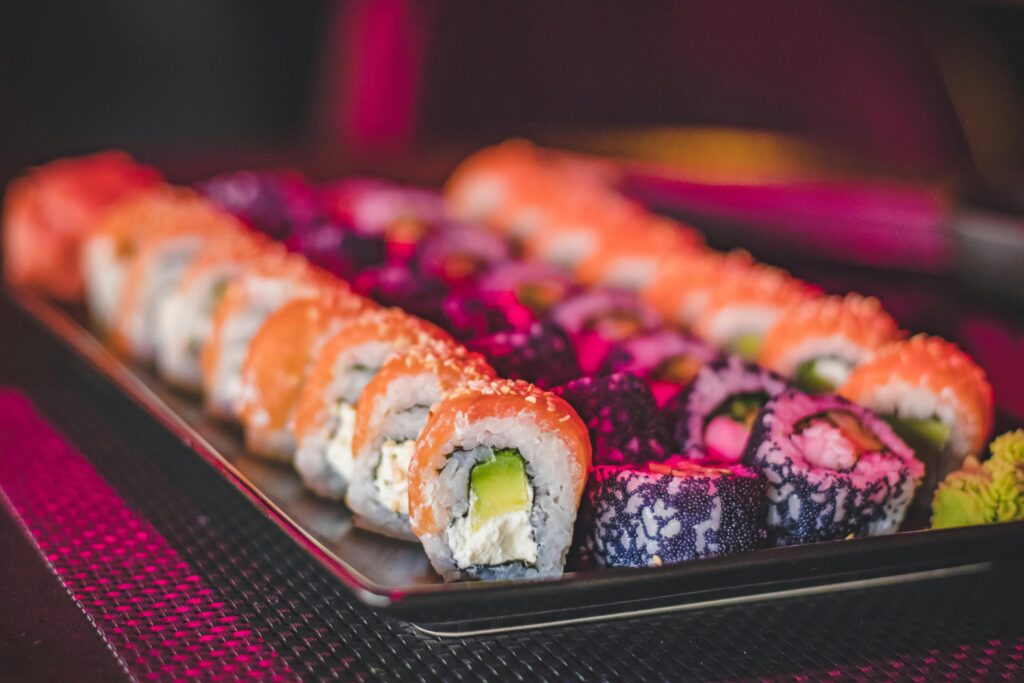
You see them form each piece of nigiri sushi with practiced, efficient movements. The chef places each creation directly in front of you, often explaining the type of fish and its origin.
It is served at the perfect temperature and is meant to be eaten immediately. This direct interaction creates a dynamic and engaging atmosphere.
Essential Omakase Etiquette
The omakase experience is one of respect for the chef’s craft. A few simple customs will enhance your visit.
- Eat as served: The chef has already seasoned each piece of sushi with the perfect amount of soy sauce or other condiment. No additional seasoning is needed.
- One bite: Each piece of nigiri is designed to be eaten in a single bite to enjoy the intended balance of flavors and textures.
- Pacing: The chef sets the pace of the meal. They observe you as you eat and prepare the next piece to be ready just as you finish the last.
- Engage respectfully: Feel free to ask the chef questions about the ingredients. Simple praise is always welcome. This is a conversation through food.
Related Experience: Best of Shinjuku: Izakaya Food Tour →
A World of Culinary Diversity
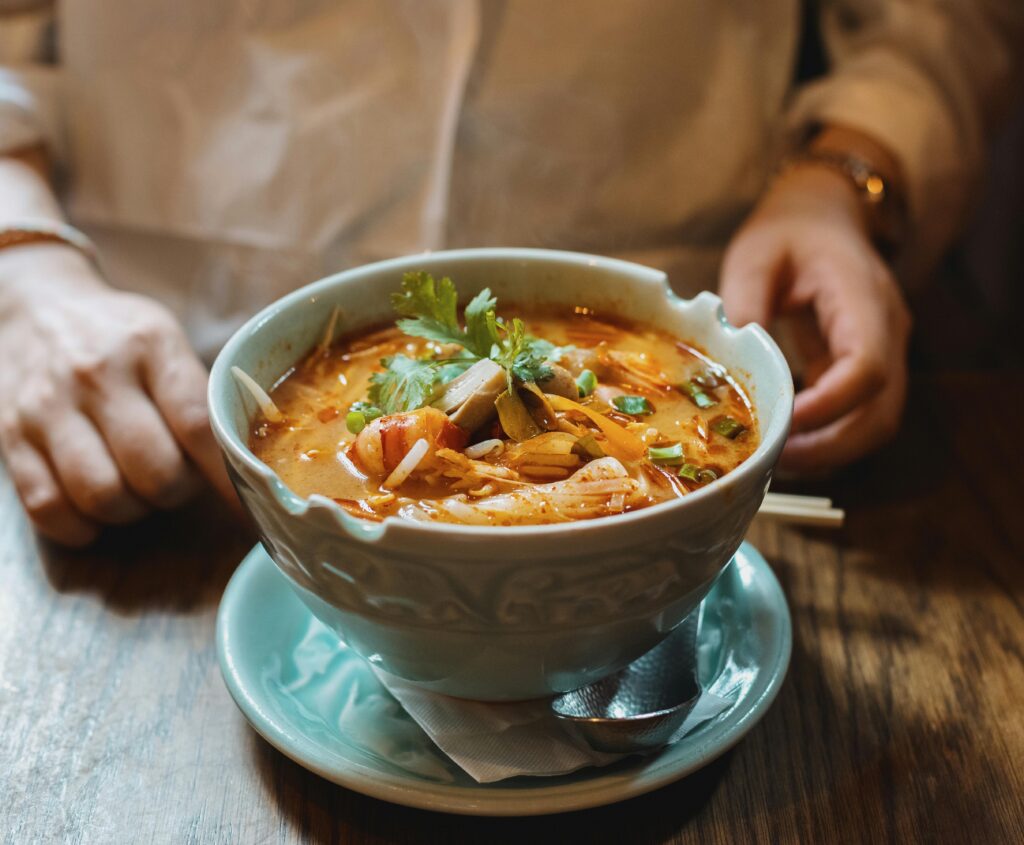
Tokyo holds the title for the city with the most Michelin-starred restaurants in the world. While this includes many exceptional Japanese establishments, it also highlights the city’s incredible culinary range.
Tokyo’s chefs are masters of global cuisine. You can have a three-star French dining experience that rivals anything in Paris.
You can find innovative Spanish or Italian restaurants that push culinary boundaries. The experience of dining at these establishments is about tasting world-class cuisine executed with a distinct Japanese sense of precision and a deep respect for ingredients.
Related Experience: Michelin Star Ramen Tasting in Shibuya
The Reservation Challenge
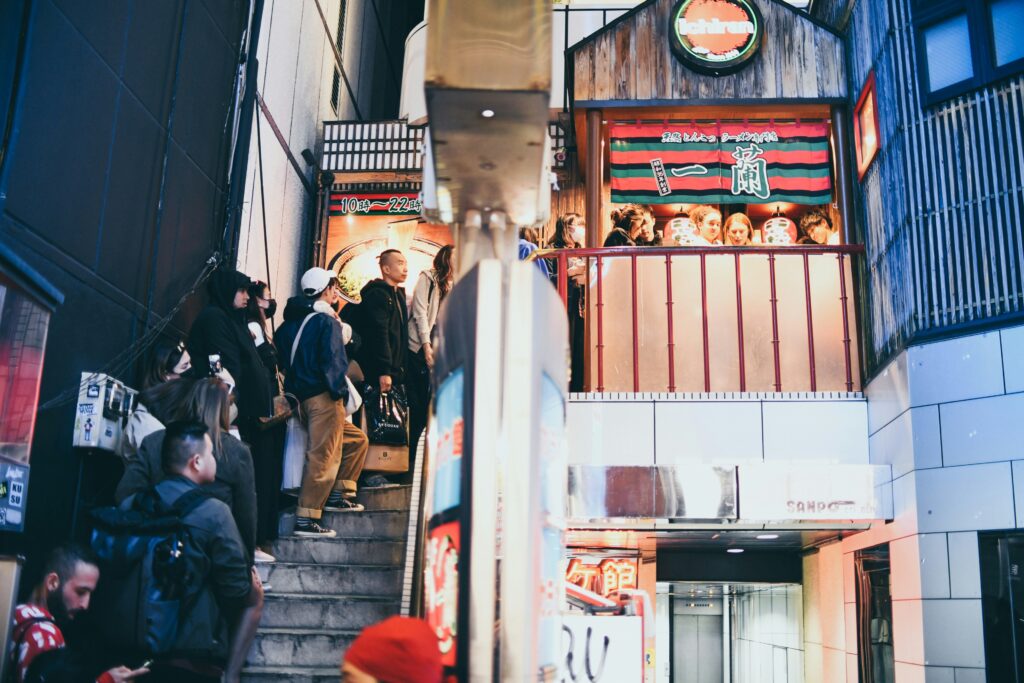
Securing a reservation at one of Tokyo’s top-rated restaurants is part of the experience itself. Many of the most famous establishments are notoriously difficult to book.
They are often small, with very few seats. Reservations may only open on a specific day of the month and are gone within minutes.
For visitors, the best approach is often to enlist the help of a luxury hotel concierge. They have established relationships and can often secure tables that are otherwise inaccessible.
The effort involved in booking your seat builds anticipation. It makes the final dining experience feel even more special.
Beyond the Three Stars
While the three-star restaurants get the most attention, Tokyo’s Michelin guide is full of incredible discoveries at all levels. The one and two-star categories are home to countless masterful chefs.
Here you can find phenomenal meals in a slightly more relaxed atmosphere. Do not overlook the Bib Gourmand selections.
These are restaurants recognized for offering exceptional food at more moderate prices. Exploring these establishments can provide some of the most satisfying and authentic dining experiences in the city.
They prove that in Tokyo, incredible food does not always require a top-tier budget.
Best Sushi Spots In Tokyo For Every Budget
Best Time for This Experience
Fine dining in Tokyo is a year-round affair, deeply tied to the four distinct seasons. Each season brings a new palette of flavors to the chef’s kitchen, making any time of year a unique time to visit.
- Spring (March-May): Menus are light and vibrant. They feature ingredients like tender bamboo shoots, mountain vegetables, and sakura (cherry blossom) infusions.
- Summer (June-August): Dishes are designed to be refreshing. You will find ingredients like sweet ayu river fish, cooling jellies, and perfectly ripe fruits.
- Autumn (September-November): The flavors become richer and earthier. Look for prized matsutake mushrooms, Pacific saury (sanma), and chestnuts.
- Winter (December-February): Courses are warming and deeply savory. Ingredients like fatty buri (yellowtail), snow crab, and hearty hot pots take center stage.
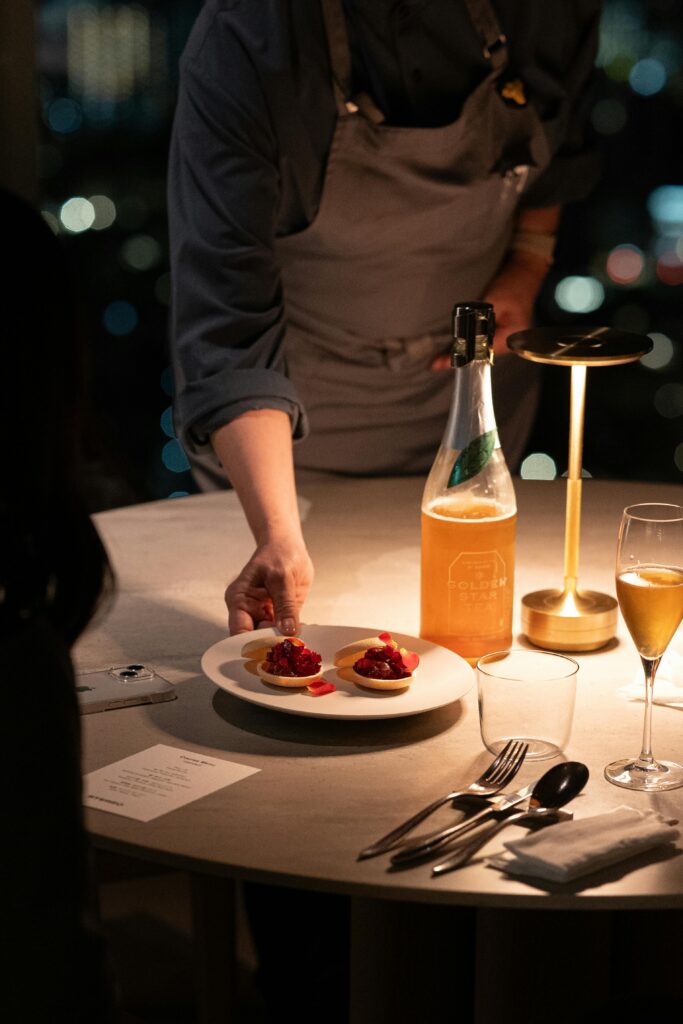
A fine-dining experience in Tokyo is a memorable journey into a culture that reveres food as art. It is about more than just tasting delicious things.
It is about appreciating the quiet dedication of a master chef and understanding the deep connection between food and nature. This is food that engages the senses, respects the past, and creates a lasting impression.
Plan your trip with this Tokyo itinerary (1–7 days)
FAQ
How far in advance do I need to book a fine-dining reservation?
For the most famous Michelin-starred restaurants, you should start planning three to six months in advance, or even earlier. For many other excellent establishments, one to two months is often sufficient.
What is the typical dress code for these restaurants?
The dress code is usually smart casual or business casual. While a jacket and tie are not always required for men, it is best to avoid shorts, sandals, and overly casual attire. It is a sign of respect for the chef and the establishment.
Is it acceptable to take photos of the food?
This varies by restaurant. Some chefs prefer that you focus on enjoying the meal at its optimal temperature. It is always best to ask permission quietly before taking any photos. Flash photography is never acceptable.
What should I do if I have dietary restrictions?
Serious dietary restrictions or allergies must be communicated at the time of booking. Because menus are set and ingredients are procured daily, restaurants may not be able to accommodate last-minute requests.
How long does a typical fine-dining meal in Tokyo last?
You should plan for the meal to last between two and three hours. The experience is meant to be savored at a leisurely pace. Rushing through a kaiseki or omakase meal would be missing the point of the experience.