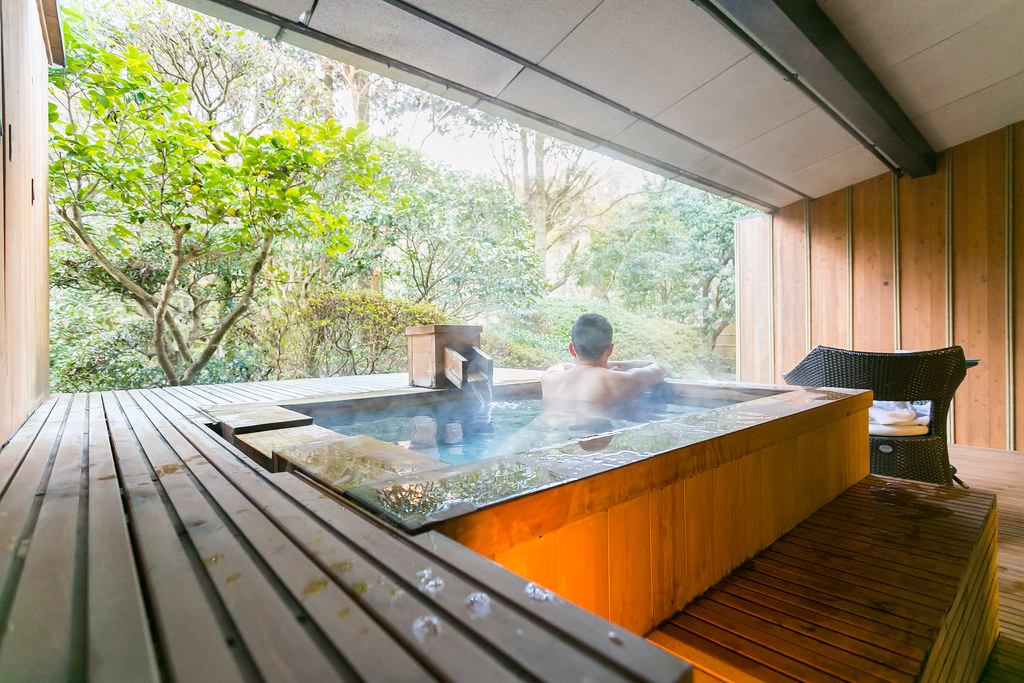
Tokyo is a city of exhilarating intensity. Its streets pulse with a relentless forward motion. Yet, deeply woven into its cultural fabric is an ancient and profound appreciation for tranquility and wellness.
This is where the spa and the onsen come in. They are Tokyo’s serene sanctuaries, places where the city’s frenetic energy dissolves into steam and silence. To experience this side of Tokyo is to understand the importance of balance in Japanese life.
It is a journey into a world of quiet indulgence, offering a necessary and beautiful contrast to the metropolis outside.
Plan your trip with this Tokyo itinerary (1–7 days)
For more ideas, explore: 15 Best Things To Do in Tokyo
Experience Snapshot Table
| Experience | Urban Wellness & Relaxation |
| Location | Spas and Onsen across Tokyo |
| Best For | Rejuvenation, Stress Relief, Cultural Immersion |
| Price | Day spa: ¥5,000-¥15,000, Luxury Hotel Spa: ¥25,000-¥100,000+ |
| Time Commitment | 2 hours to a full day |
The Ultimate Indulgence: Luxury Hotel Spas
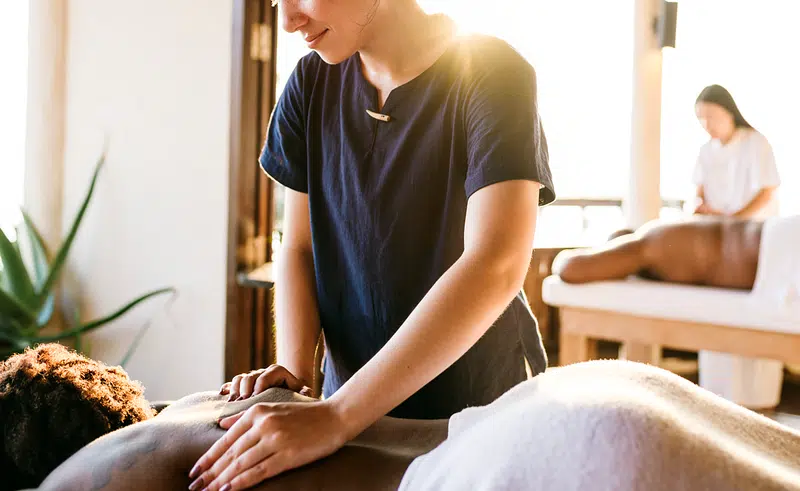
Sanctuaries in the Sky
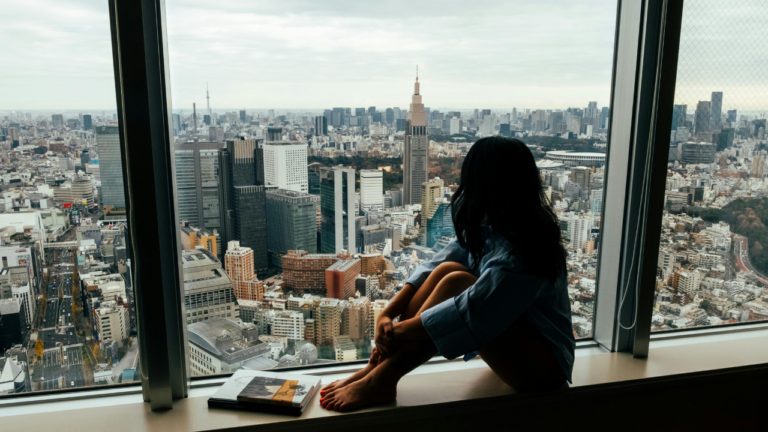
Many of Tokyo’s most exceptional spas are located on the highest floors of its luxury hotels. The experience begins when the elevator doors open to reveal a space of serene beauty, high above the city.
Here, world-class treatments are paired with panoramic views that are an integral part of the therapy.
Before your massage even begins, you might find yourself unwinding in a vitality pool or sauna, all while gazing out at the sprawling cityscape. These spas are comprehensive wellness destinations.
They feature extensive facilities like steam rooms, whirlpools, and beautifully appointed relaxation lounges where time seems to slow down.
East Meets West Treatments
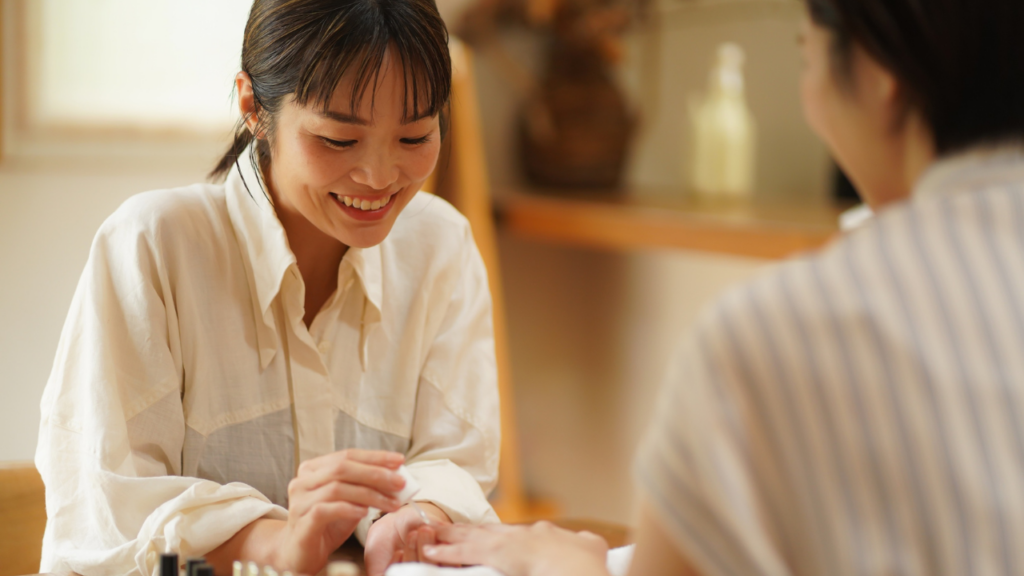
The treatment menus at these establishments are a sophisticated fusion of global techniques and Japanese wellness philosophies. Therapists are masters of both Western massage styles and traditional Japanese practices.
The most unique experiences incorporate distinctly Japanese ingredients. Imagine a facial using polished pearls or a body wrap infused with green tea and sake. Seasonal ingredients like yuzu citrus in the winter or cherry blossom extracts in the spring are often featured.
These signature treatments are designed to provide a deep sense of place, connecting your wellness journey directly to the culture of Japan.
The Complete Journey
A visit to a luxury hotel spa is about the entire journey, not just the time spent on the massage table. The experience is meticulously orchestrated from the moment you arrive.
You are welcomed with a cup of herbal tea and given a plush robe and slippers. You are encouraged to arrive early to make full use of the heat and water facilities. After your treatment, you are guided to a quiet relaxation lounge.
Here, you can recline with another cup of tea and a healthy snack while you slowly transition back to the outside world.
For a few hours, it feels like a private club dedicated entirely to your well-being.
Related Experience: Award-Winning Spa Treatments in Downtown Tokyo
The Onsen Experience in the City
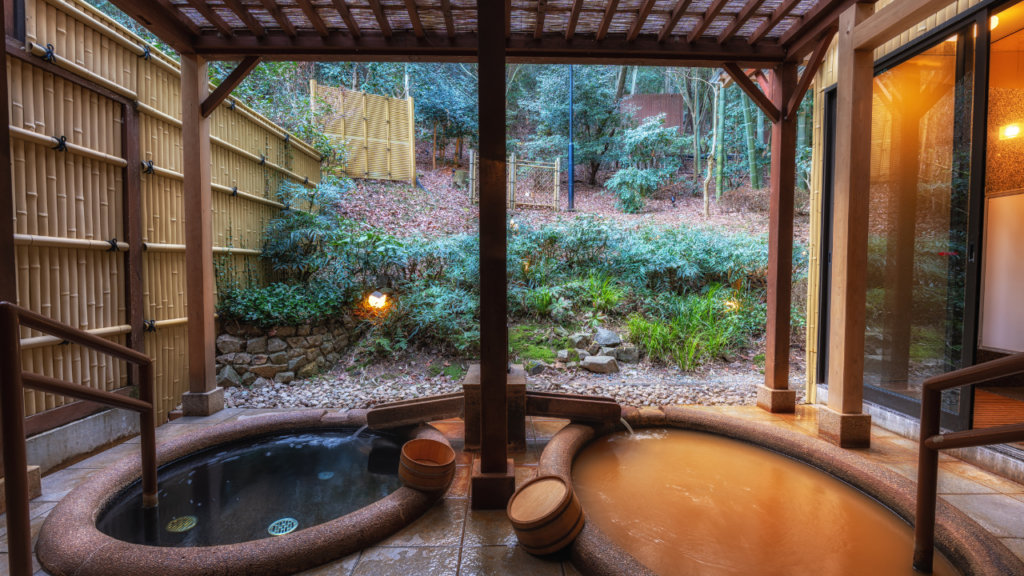
What is an Onsen?
An onsen is a Japanese hot spring. By definition, its water must be naturally heated geothermally and contain a specific concentration of natural minerals.
For centuries, the Japanese have believed in the healing and restorative properties of these mineral-rich waters.
The onsen experience is a deeply ingrained cultural tradition. It is a form of communal bathing focused on relaxation, health, and a connection to nature.
While many of the most famous onsen are in mountain resorts, Tokyo offers several ways to enjoy this authentic experience without leaving the city.
Modern Onsen Complexes
Tokyo is home to several large, modern onsen complexes. These facilities offer a theme-park-like approach to the bathing experience.
They often transport natural onsen water from famous spring regions across Japan. Inside, you will find a huge variety of baths.
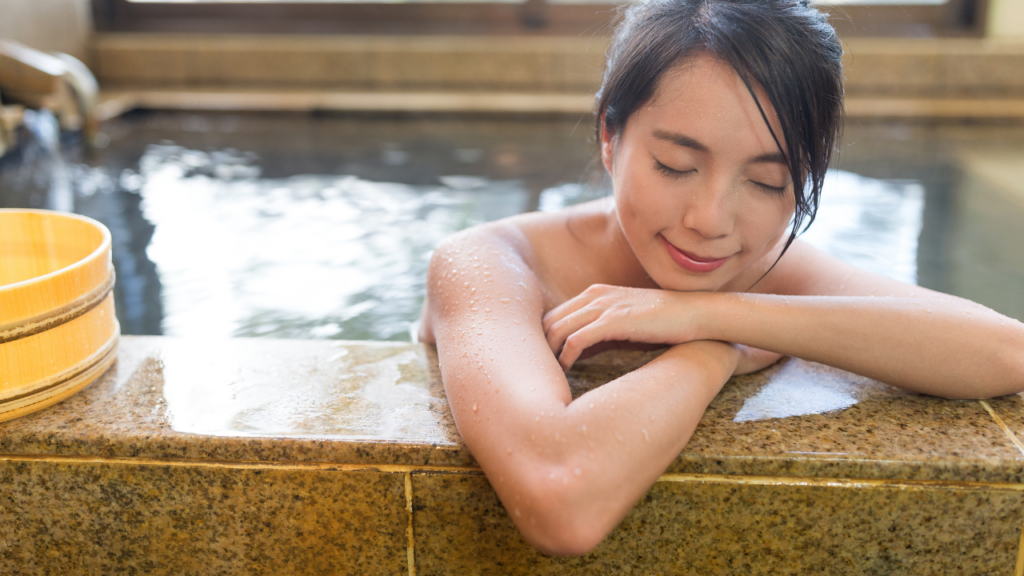
There are indoor baths of different temperatures, powerful jet baths, and often outdoor baths called rotenburo. These open-air baths are especially wonderful, allowing you to soak in the hot water while feeling the cool air.
Beyond the baths, these complexes feature restaurants, massage services, and large relaxation rooms with tatami mats where you can nap or read.
Onsen Etiquette for First-Timers
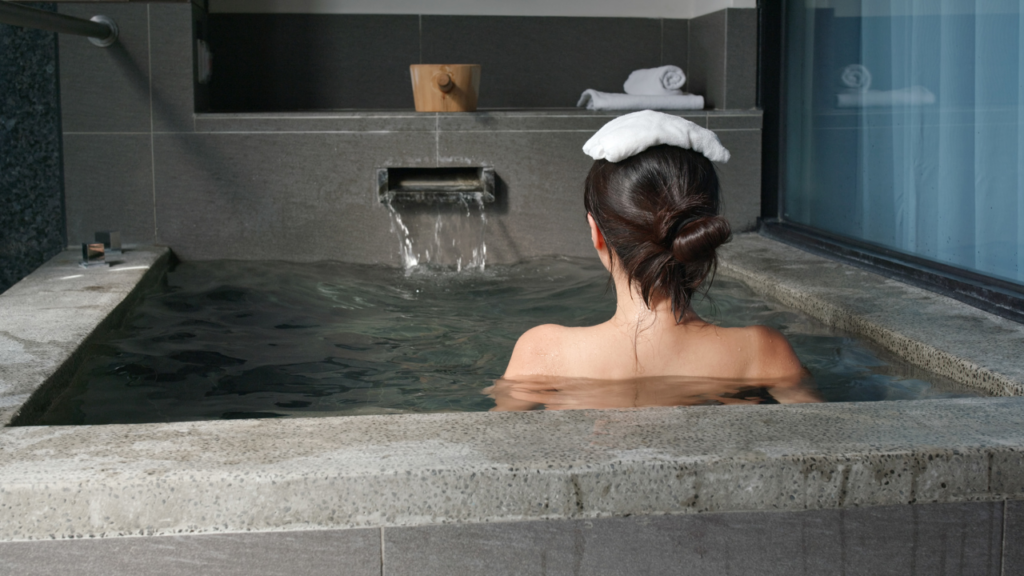
Navigating an onsen for the first time is easy if you know a few key rules. Observing these customs shows respect for the tradition.
- Wash Before Entering: Before you get into the communal baths, you must wash your entire body thoroughly. Small stools, faucets, and showers are provided in a dedicated washing area.
- No Swimsuits: Onsen bathing is traditionally done completely naked. The bathing areas are separated by gender.
- The Small Towel: You will be given a small towel. You can use this for modesty while walking around. When you are in the water, it should not go into the bath. Most people place it on their head or on the side of the tub.
- About Tattoos: Historically, tattoos have been banned in many onsen due to their association with organized crime. However, attitudes are changing. Many modern facilities in Tokyo are now more lenient. Some may ask you to cover small tattoos with a patch, which they often provide. It is always best to check the policy beforehand.
Related Experience: Tattoo-friendly open-air Onsen & drink
Accessible Rejuvenation: Day Spas & Local Sentos
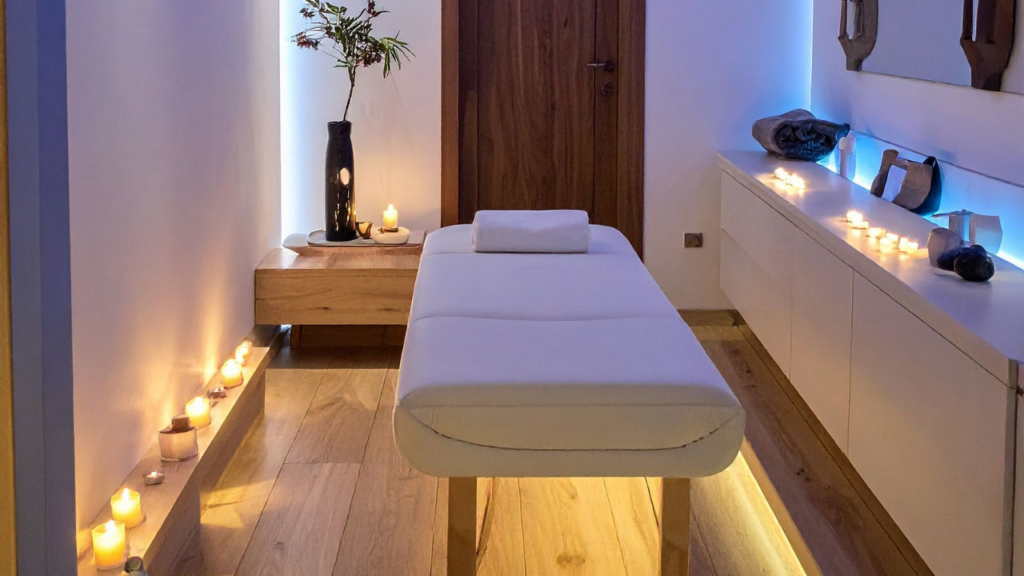
Specialized Day Spas
For a more focused treatment without the extensive facilities of a hotel spa, Tokyo’s day spas are an excellent choice. Many of these specialize in particular forms of therapy.
You can book an authentic shiatsu massage, a Japanese practice that uses finger pressure on the body’s energy points to relieve tension and restore balance.
Another uniquely Japanese experience is the “head spa” or heddo supa. This is a luxurious and deeply relaxing treatment that focuses on intensive scalp massage, cleansing, and conditioning. It is said to improve circulation and is a popular way to de-stress.
The Neighborhood Sento
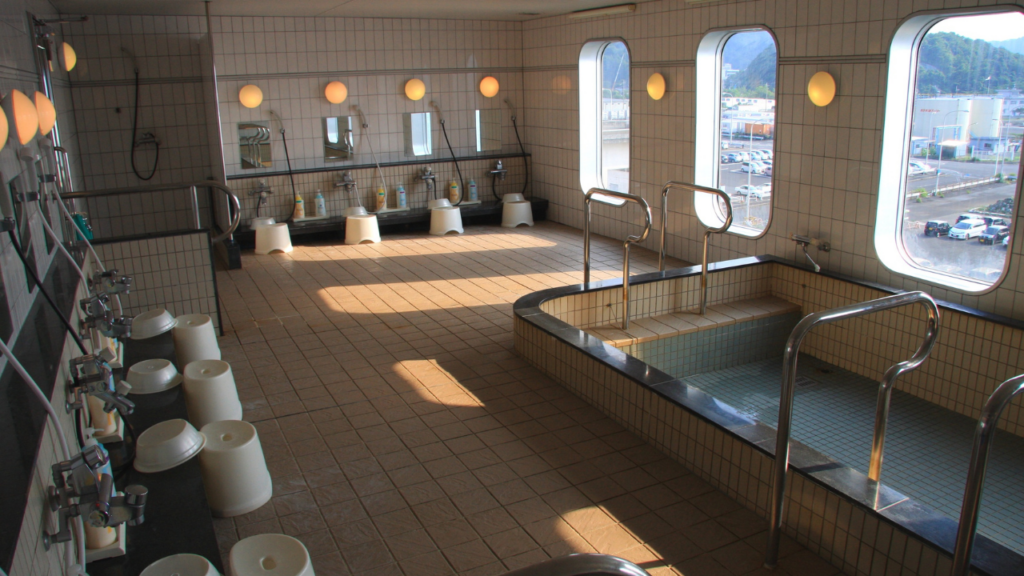
A sento is a public bathhouse. Unlike an onsen, a sento typically uses heated tap water rather than natural spring water.
For centuries, the sento has been a cornerstone of local neighborhoods, a place for community and daily relaxation. Visiting a sento offers a more down-to-earth and deeply authentic experience.
While some are old and rustic, a new wave of “designer sentos” has emerged. These are traditional bathhouses that have been renovated with beautiful, modern interiors. They offer a stylish way to participate in a cherished local custom.
Best Time for This Experience
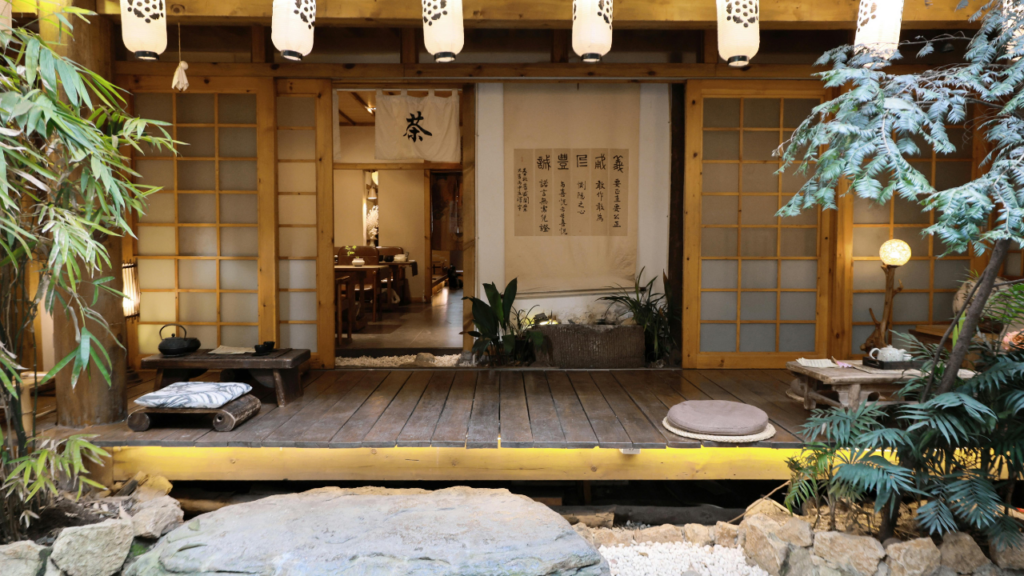
While a spa treatment is a wonderful indulgence at any time of year, the onsen experience is particularly special during the cooler months.
In autumn and winter, the contrast between the crisp, cold air and the steaming hot water is incredibly invigorating and deeply comforting. A visit to a spa or onsen is also the perfect antidote to jet lag after a long international flight.
It can help reset your body clock and ease muscle stiffness. Furthermore, it is an excellent activity for a rainy day, providing a warm and welcoming refuge from the weather.
Tokyo’s world of wellness offers a vital counterbalance to the city’s exhilarating pace.
Taking the time to immerse yourself in this culture of rejuvenation is more than just a simple pleasure. It is a way to connect with a deeper aspect of Japanese life.
It is an understanding that in one of the world’s busiest cities, moments of peace and tranquility are not just a luxury, but a necessity.
Start planning your trip with this Tokyo itinerary (1–7 days)
FAQ
What is the main difference between an onsen and a sento?
The primary difference is the water. An onsen uses naturally hot, mineral-rich geothermal spring water. A sento is a public bathhouse that uses heated tap water. Both offer a wonderful bathing experience.
I have tattoos. Can I visit an onsen or sento in Tokyo?
Policies are changing, but it varies by establishment. Many modern facilities in Tokyo now allow guests with tattoos or provide patches to cover them. It is always best to check the specific rules of the place you plan to visit online before you go.
Do I need to bring anything to a spa or onsen?
Generally, no. Onsen and sento facilities provide everything you need, including soap, shampoo, and towels, either for free or for a small rental fee. Luxury spas provide robes, slippers, and all necessary amenities.
Do I need to book my spa treatment in advance?
For luxury hotel spas and popular day spas, reservations are essential and should be made as far in advance as possible. For onsen complexes and local sentos, no reservations are needed; you can simply show up.