Tokyo can feel overwhelming at first. Neon towers, packed intersections, endless train stations, and flashing advertisements often dominate travel guides, making the city seem expensive and nonstop.
But many of the experiences Tokyo residents genuinely enjoy cost nothing at all.
Some of the city’s most memorable moments happen away from ticketed attractions and major landmarks.
Instead of rushing between tourist attractions, these experiences reveal quieter neighborhoods, local traditions, and the contrasts that make Tokyo one of the most fascinating cities in the world.
Plan your trip with this Tokyo itinerary (1–7 days)
For more ideas, explore: 15 Best Things To Do in Tokyo
Quick Snapshot
| Experience | Area | Best Time | Atmosphere |
|---|---|---|---|
| Tokyo Metropolitan Government Building | Shinjuku | Sunset | Skyline Views |
| Yoyogi Park | Harajuku | Sunday Afternoon | Social & Relaxed |
| Yanaka District | Taito | Morning | Traditional & Quiet |
| Meiji Jingu | Shibuya | Early Morning | Peaceful & Forested |
| Imperial Palace East Gardens | Chiyoda | Spring & Autumn | Scenic & Historic |
| Neighborhood Festivals | Various | Summer Evenings | Energetic & Cultural |
| Residential Shrines | Various | Anytime | Calm & Atmospheric |
| Odaiba Waterfront | Tokyo Bay | Sunset | Modern & Scenic |
Best Time to Explore Tokyo for Free
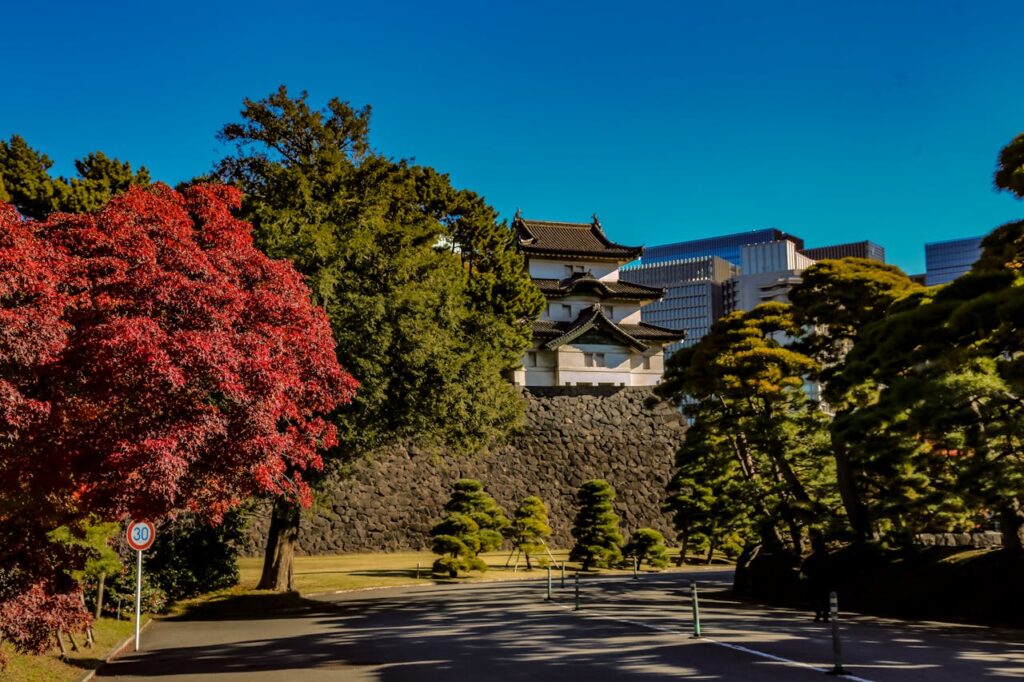
Spring and autumn are the best seasons for walking-heavy days around Tokyo. Cherry blossoms transform parks and shrine grounds in March and April, while autumn colors bring gardens and temple areas to life from late October through November.
Winter is underrated for sightseeing. Clearer air often creates the best skyline visibility of the year, especially from observation decks around Shinjuku and Bunkyo.
Summer can feel hot and humid, but it is also when Tokyo’s neighborhood festivals fill side streets with lanterns, food stalls, and evening celebrations.
Who This Guide Is For
These free Tokyo experiences are especially good for:
- Budget-conscious travelers
- Solo travelers exploring neighborhoods slowly
- Repeat visitors looking beyond tourist-heavy areas
- Travelers interested in local culture and atmosphere
- Visitors building a Tokyo itinerary on a budget
1. Watch the Skyline Change from the Tokyo Metropolitan Government Building
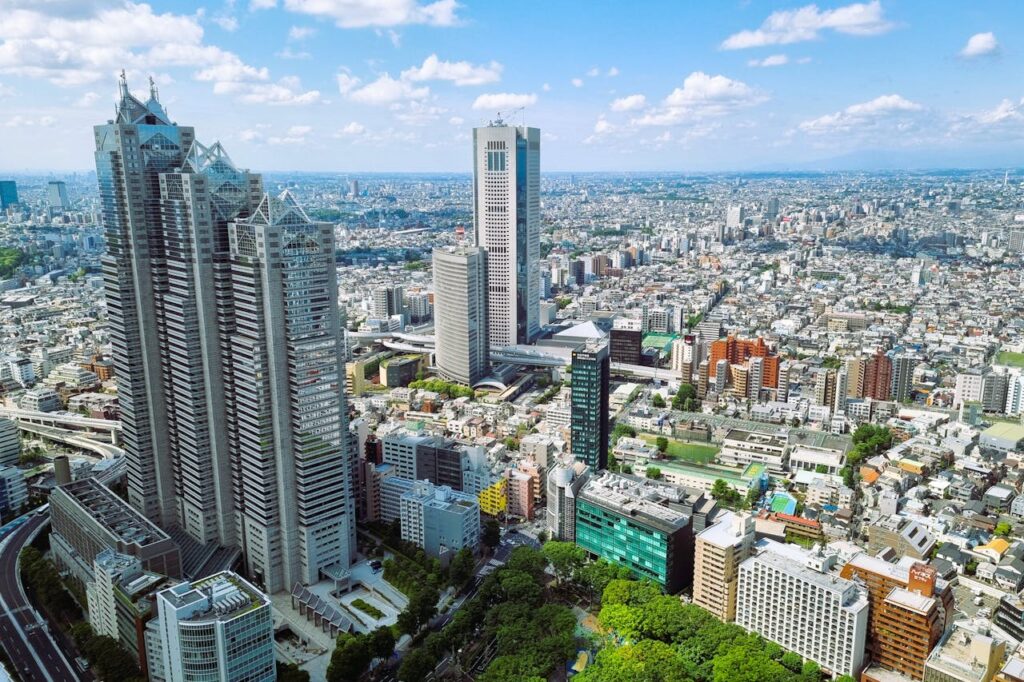
Most first-time visitors head toward Tokyo Skytree or Shibuya Sky for skyline views, but many locals skip the admission fees and use the free observation decks inside the Tokyo Metropolitan Government Building instead.
Located in western Shinjuku, the building rises above broad plazas and office towers that feel noticeably calmer than the entertainment districts surrounding Shinjuku Station.
The elevator reaches the 45th floor in under a minute, opening onto panoramic views stretching across the city in every direction.
Why It’s Worth Visiting
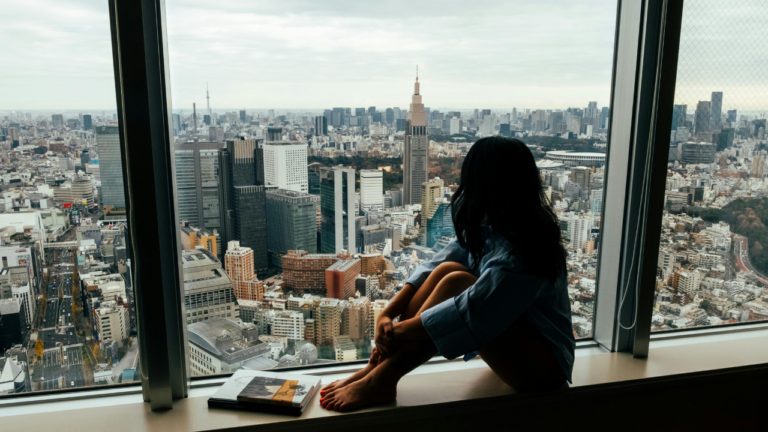
From above, Tokyo feels endless. Dense neighborhoods extend toward the horizon while train lines weave through the city below like illuminated threads.
On especially clear winter mornings, Mount Fuji appears beyond the skyline.
The view feels less curated and more practical than Tokyo’s paid observation decks, which is part of why locals continue returning here.
Best Times to Go
- Sunset for changing skyline colors
- Winter mornings for the clearest visibility
- Weekdays for smaller crowds
The South Observatory is especially good in the evening when city lights begin reflecting across the skyline.
Check out: Best Rooftop Bars & Skyline Views in Tokyo
2. Spend a Sunday Afternoon in Yoyogi Park
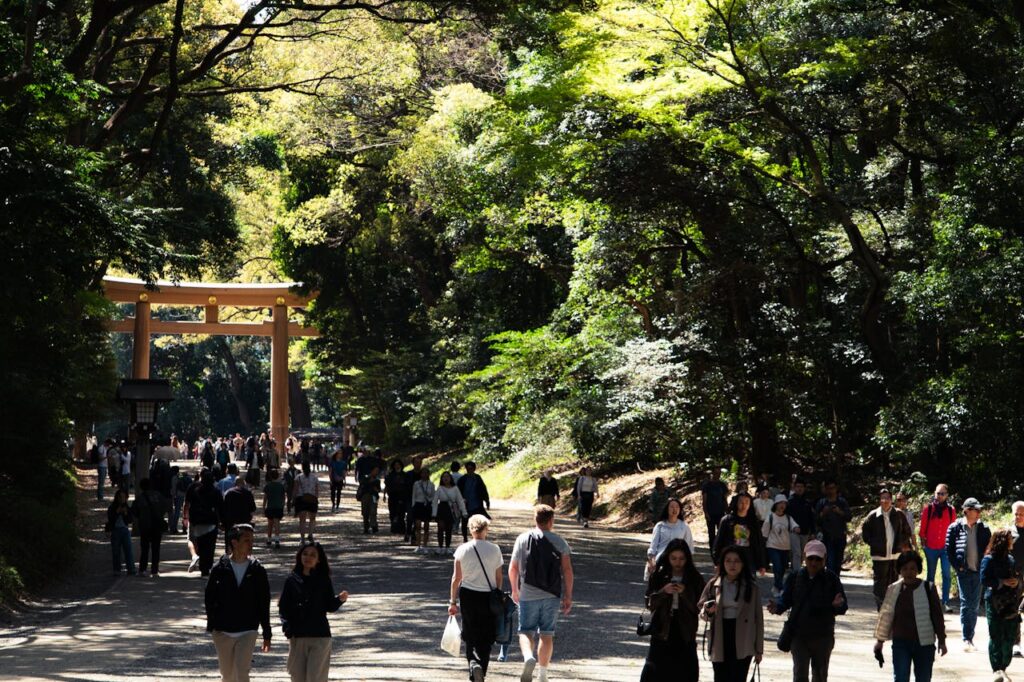
Yoyogi Park feels less like a tourist attraction and more like Tokyo’s communal backyard.
On weekends, especially Sundays, the atmosphere changes from one corner of the park to the next. Near Harajuku Station, rockabilly dancers perform beside portable speakers while photographers gather nearby. Students practice dance routines on open pavement while families spread blue picnic tarps across the grass.
Even with hundreds of people around, the park rarely feels hectic.
What Makes It Different
Unlike many famous city parks, Yoyogi is not centered around monuments or attractions. People come here simply to spend time outside.
That simplicity gives the park its character.
As you walk farther north, the atmosphere becomes noticeably quieter. Forested walking paths gradually replace the busier picnic areas near Harajuku.
Best Time to Visit
Sunday afternoons are the liveliest.
For quieter walks, weekday mornings feel almost completely different.
Explore more: Best Things To Do in Harajuku
3. Walk Through Old Tokyo in Yanaka
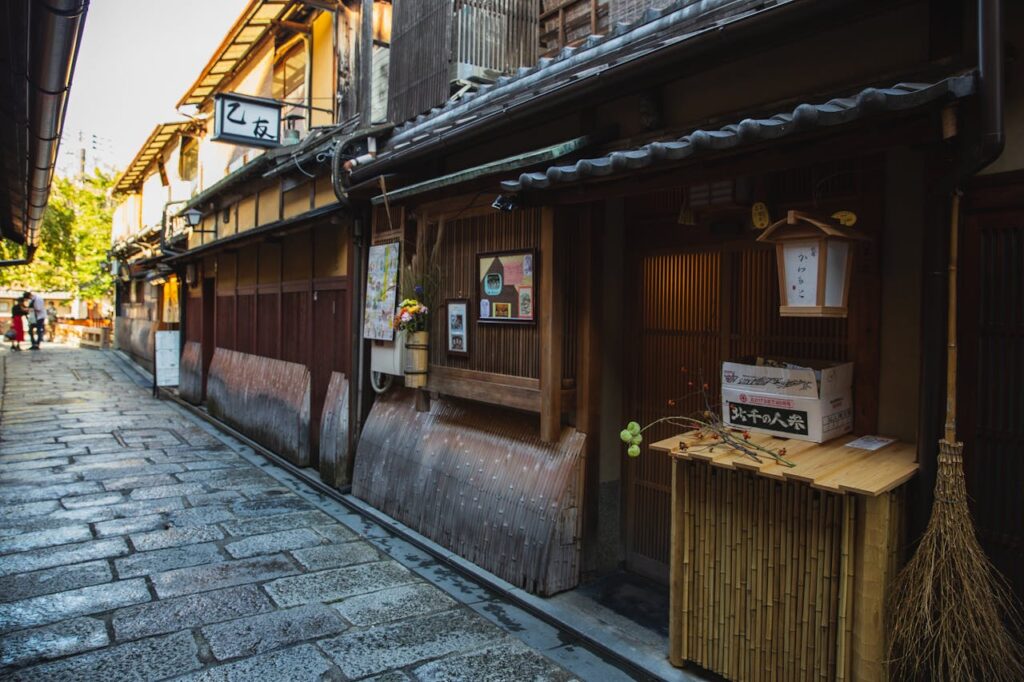
Yanaka is one of the few Tokyo neighborhoods where the city still feels low-rise, residential, and unhurried.
There are no giant video screens or massive commercial intersections here. Streets remain narrow, buildings stay modest in scale, and everyday life feels more visible.
You notice details more easily:
- potted plants outside homes
- cats sleeping beside temple stairways
- older residents cycling through side streets
The pace feels slower than central Tokyo. The street still feels functional for residents rather than heavily designed for tourism.
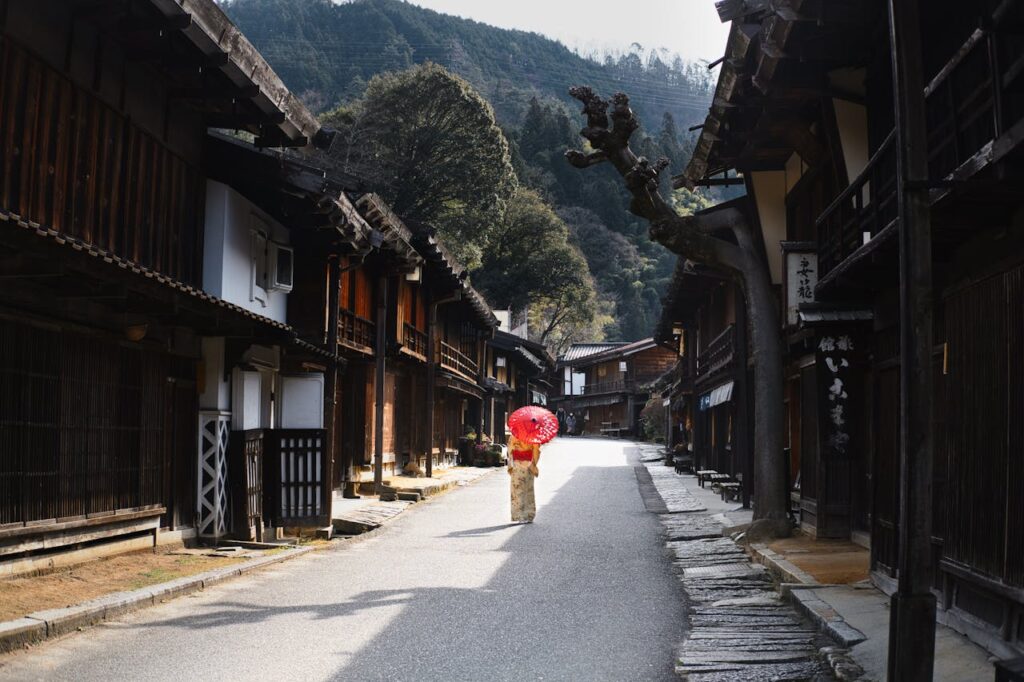
Explore Beyond the Main Street
The best parts of Yanaka are usually found away from the busiest pedestrian areas.
Small temples appear unexpectedly between homes while narrow alleyways lead toward quiet staircases, tiny cafes, and hidden shrines.
Recorded station jingles from nearby train crossings occasionally drift through the neighborhood in the distance.
Nearby Spots Worth Visiting
Yanaka Cemetery
More peaceful park than tourist attraction, especially during cherry blossom season.
Nezu Shrine
Known for its tunnel of red torii gates and calmer atmosphere compared to Tokyo’s busier shrines.
Best Time to Visit
Morning is ideal before larger crowds arrive and local shops become busy.
Explore more: Yanaka Travel Guide
4. Escape the City Noise at Meiji Jingu
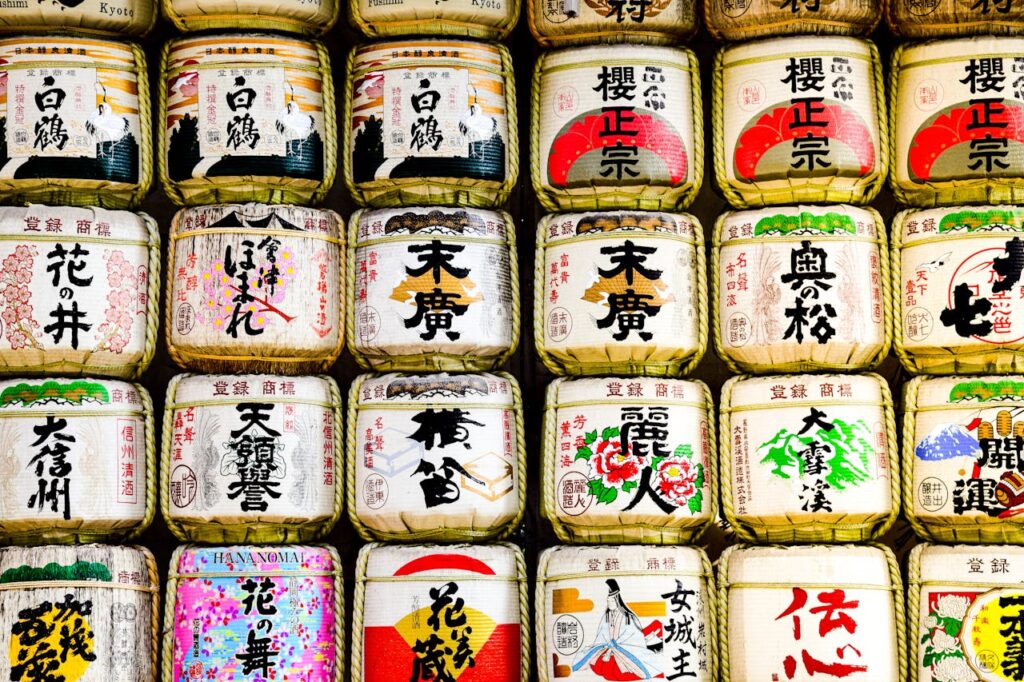
The transition into Meiji Jingu is part of what makes the shrine memorable.
One minute you are standing outside Harajuku Station surrounded by advertisements, traffic, and crowds. Ten minutes later, the sounds of the city feel distant beneath towering cedar trees and wide gravel paths.
The surrounding forest was intentionally created using trees donated from across Japan.
What Stands Out
The scale feels surprisingly large for central Tokyo:
- enormous wooden torii gates
- broad walking paths
- dense tree cover
- open shrine courtyards
Even during busy seasons, the grounds usually feel calmer than nearby shopping districts.
Go Early
Early morning is when Meiji Jingu feels most peaceful.
Joggers, dog walkers, and local residents quietly move through the forest before larger groups begin arriving.
In summer, the sound of cicadas becomes almost constant beneath the trees.
Pair It With
Meiji Jingu combines naturally with:
- Yoyogi Park
- Harajuku backstreets
- Omotesando architecture walks
Related: Harajuku Travel Guide
5. Slow Down in a Traditional Japanese Garden
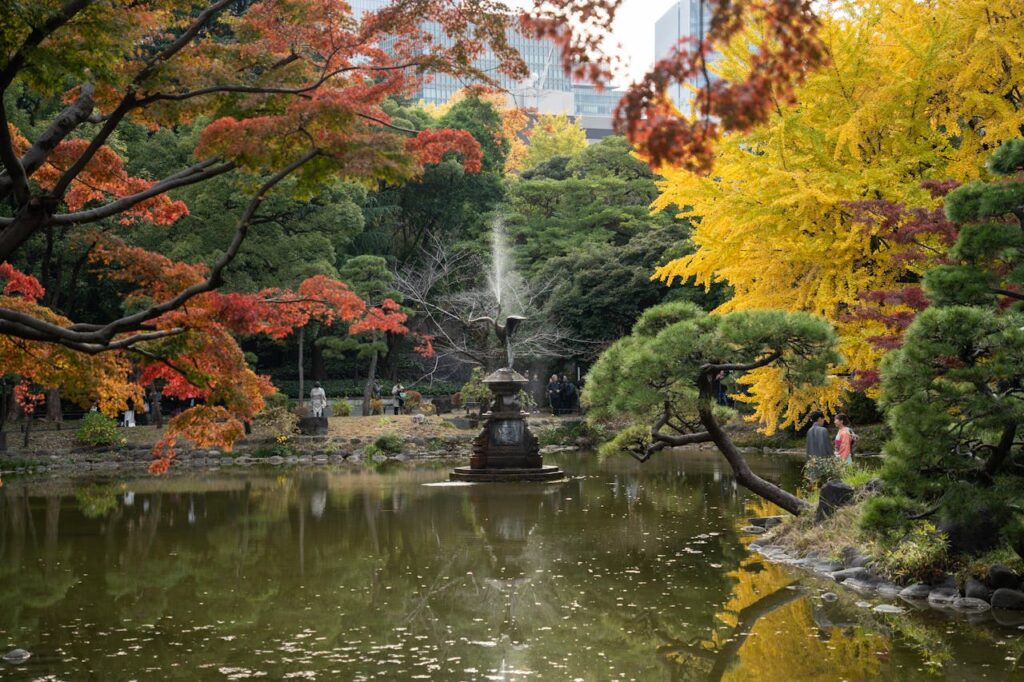
Tokyo’s gardens are designed around controlled perspective and gradual movement. Stone paths curve intentionally, views reveal themselves slowly, and small details become part of the experience.
These spaces feel intentionally quiet.
Imperial Palace East Gardens
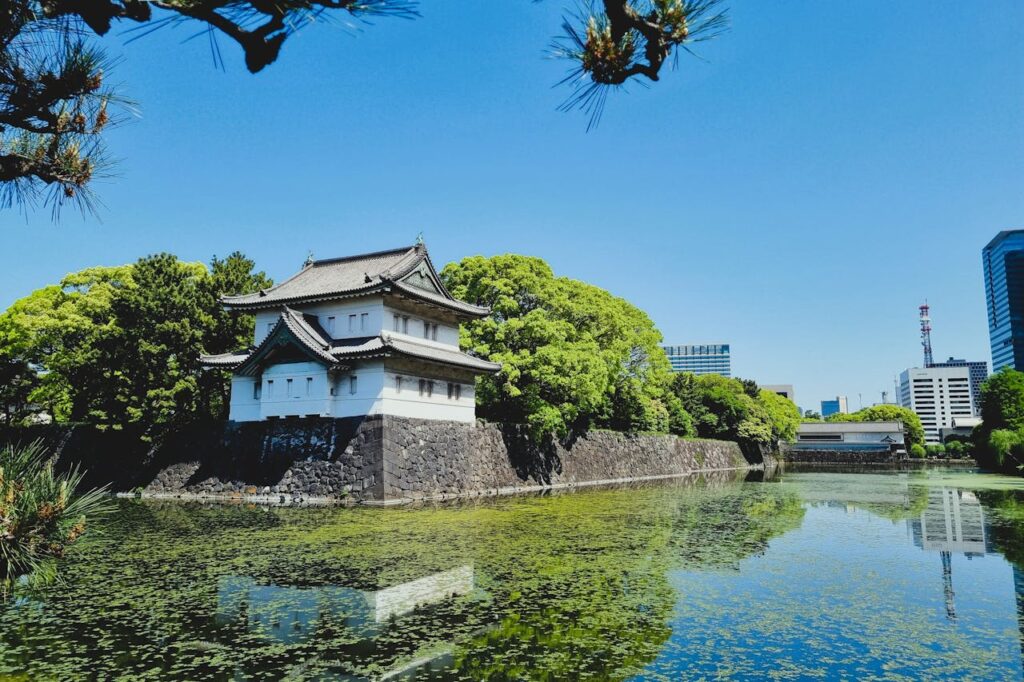
Built on the former Edo Castle grounds, these gardens combine historical ruins with wide open lawns and seasonal flowers.
Massive stone walls and castle foundations still remain, creating a contrast between nature and the scale of old Tokyo.
Hotel New Otani Garden
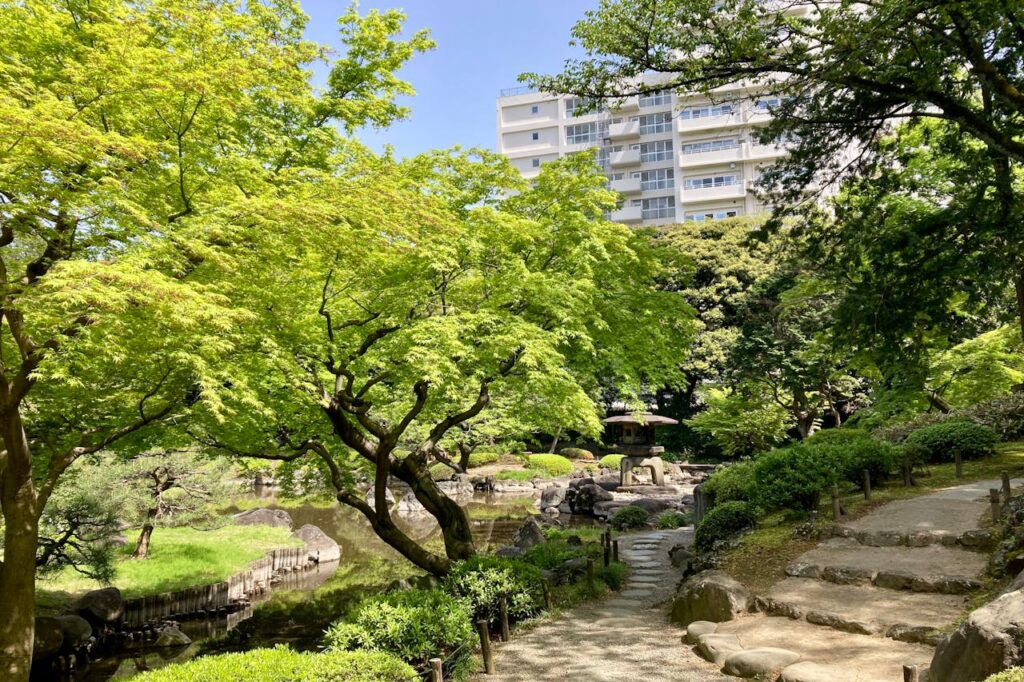
Hidden behind one of Tokyo’s largest hotels, this garden surprises many visitors with:
- koi ponds
- waterfalls
- red bridges
- lantern-lined pathways
At night, soft lighting reflects across the water and changes the atmosphere completely.
Happo-en Garden
Known for:
- bonsai displays
- teahouse scenery
- shaded walking paths
Happo-en feels smaller and more intimate than many larger Tokyo gardens.
Best Seasons
- Spring for cherry blossoms
- June for lush greenery after rain
- Autumn for maple foliage
- Winter for crisp air and quieter paths
Weekday mornings are consistently the calmest.
Photo guide: Best Photo Spots in Tokyo
6. Experience a Neighborhood Festival
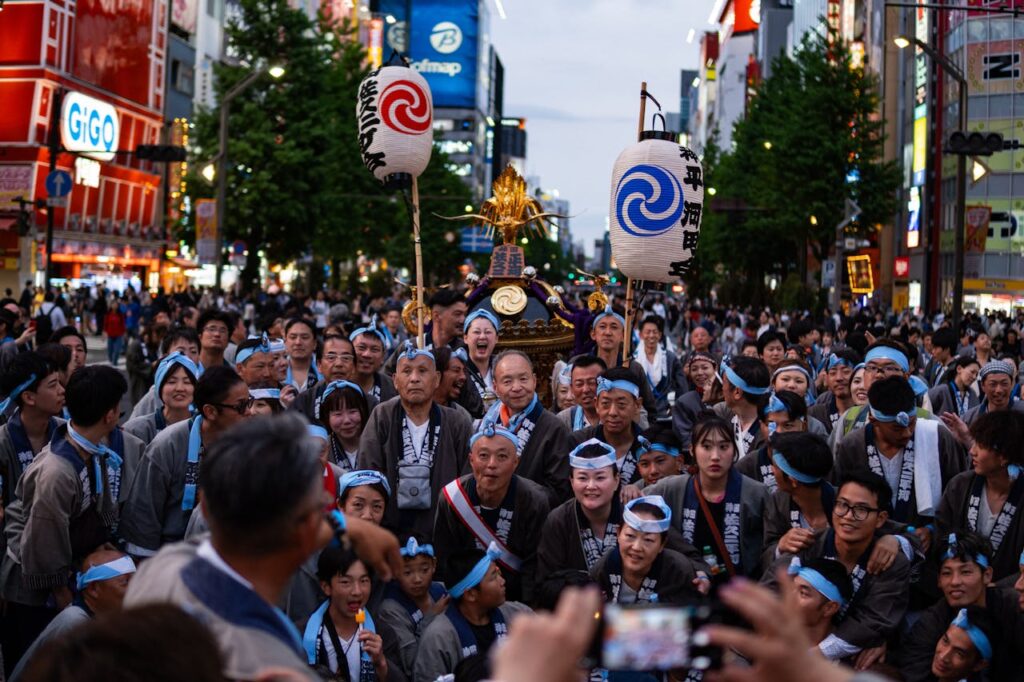
Summer festivals are one of the few times Tokyo’s quiet residential neighborhoods suddenly become loud.
Lanterns hang above side streets, taiko drums echo through the area, and temporary food stalls appear outside shrines and schools. Entire communities come outside together.
What You’ll See
Depending on the festival:
- portable shrine processions
- children wearing yukata
- traditional dancing
- taiko performances
- local games
The atmosphere feels communal rather than staged for tourism.
Sanja Matsuri
Asakusa’s Sanja Matsuri is Tokyo’s most famous festival, but smaller neighborhood matsuri often feel more personal and easier to explore slowly.s.
Local Tip
Arriving before sunset lets you watch neighborhoods gradually shift from ordinary daytime streets into illuminated evening festival spaces.
Neighborhood guide: Best Things To Do in Asakusa
7. Find Tokyo’s Quiet Residential Shrines
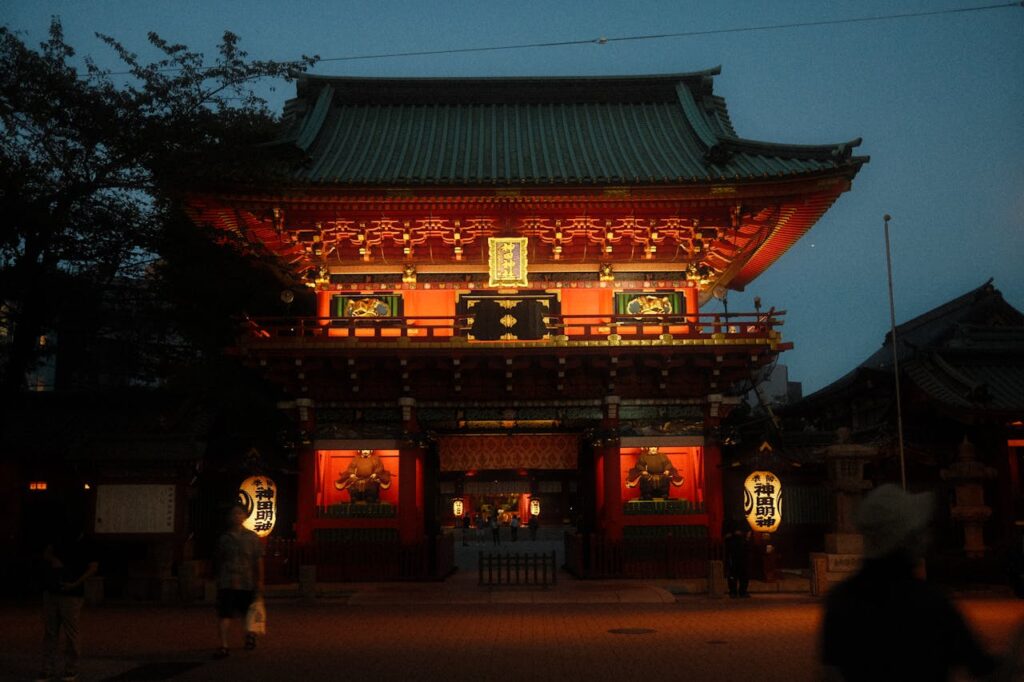
Some of Tokyo’s most memorable shrines are the ones people discover accidentally.
Small torii gates appear unexpectedly between apartment buildings, office towers, and residential side streets. Short staircases lead toward hidden courtyards filled with lanterns, ema plaques, and old trees.
These places feel connected to daily life rather than tourism.
What Makes Them Different
At neighborhood shrines, you are more likely to see:
- office workers stopping briefly before work
- local children walking home from school
- residents walking dogs nearby
- handwritten seasonal decorations
Vending machines and bicycles often sit just outside the shrine entrance, blending ordinary Tokyo life with traditional spaces.
Areas Good for Wandering
- Kagurazaka
- Yanaka
- Meguro
- Ebisu backstreets
- Residential Setagaya neighborhoods
Why They Matter
These smaller shrines quietly reveal how spirituality still exists within everyday life in Tokyo without demanding attention.
Visitor guide: Tokyo Safety & Etiquette
8. Watch Sunset Over Tokyo Bay in Odaiba
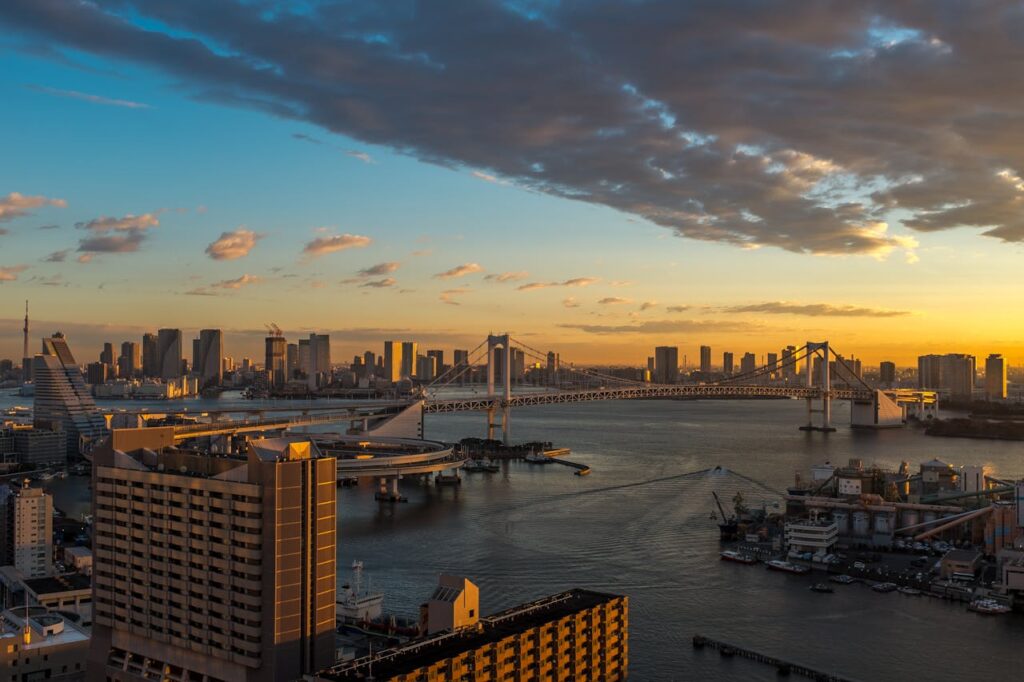
Odaiba feels unusually open compared to central Tokyo.
Wide waterfront walkways, sea air, and broad skyline views create a completely different atmosphere from the dense neighborhoods inland.
As sunset approaches, people gradually gather along the waterfront to watch the skyline change color over Tokyo Bay.
What Makes Odaiba Special
The area combines:
- modern skyline views
- bay reflections
- illuminated bridges
- open public spaces
- waterfront walking paths
At dusk, Rainbow Bridge slowly lights up while boats move quietly across the water below.
Walk the Rainbow Bridge
Few visitors realize the bridge includes pedestrian walkways.
Walking across it provides some of the best free panoramic views anywhere in Tokyo.
Best Season
Winter sunsets are often clearest and most colorful.
Easy Nearby Pairings
Odaiba works naturally alongside:
- Ginza
- Toyosu
- Tokyo Station area
- teamLab Planets visits
Another side of Tokyo: Tokyo Bay Adventures
Suggested Free Tokyo Day Route
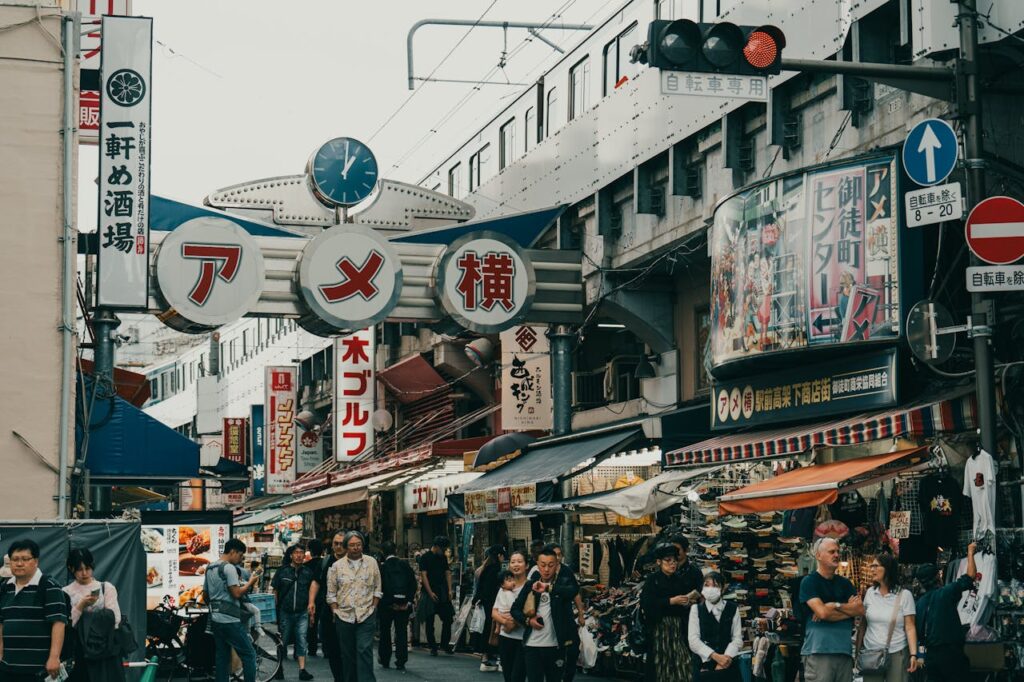
Morning
- Meiji Jingu
- Yoyogi Park
Afternoon
- Yanaka
- Harajuku
Evening
- Tokyo Metropolitan Government Building
- Sunset in Odaiba
This route combines:
- traditional Tokyo
- local neighborhoods
- skyline views
- parks
- waterfront scenery
Planning guide: Tokyo 5 Day Itinerary
Final Thoughts
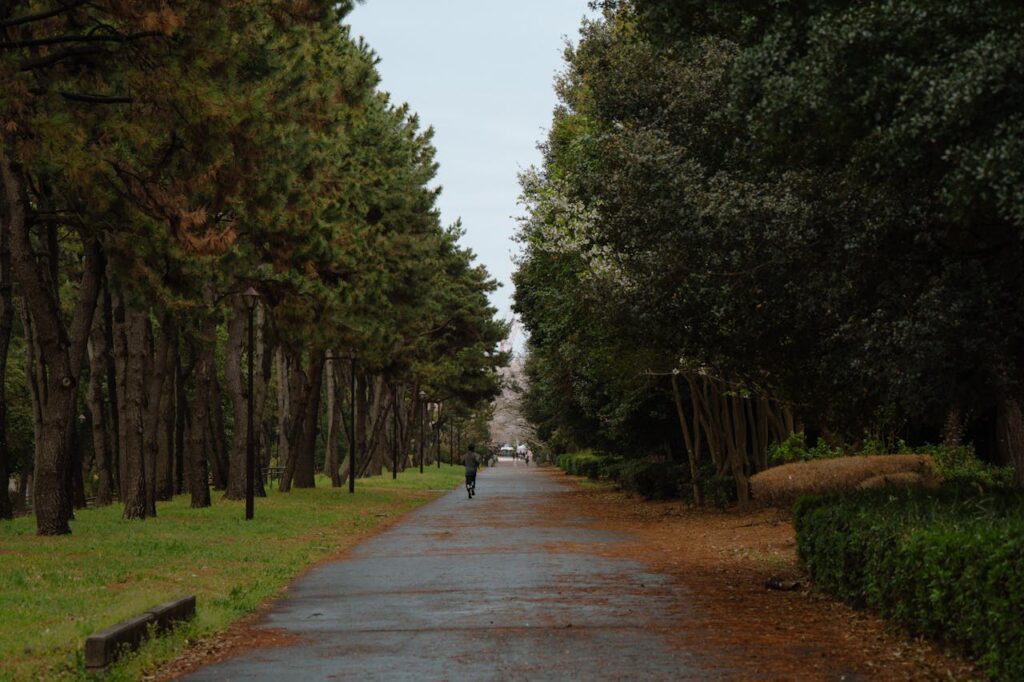
Tokyo rewards slower exploration.
Some of the city’s best experiences happen away from famous landmarks — inside neighborhood parks, beside quiet shrines, along residential side streets, or during ordinary moments that many visitors rush past.
The city changes dramatically from district to district. A crowded intersection in Shibuya can become a silent temple path within minutes. Modern office towers give way to old shopping streets and family-run businesses only a few train stops away.
That contrast is part of what makes Tokyo memorable.
And fortunately, many of those experiences remain completely free.
FAQ
What is the best way to get around Tokyo cheaply?
Tokyo’s train and subway network is the fastest and most affordable way to move between neighborhoods. Using a Suica or Pasmo card makes transfers simple.
What are the best free observation decks in Tokyo?
The Tokyo Metropolitan Government Building and Bunkyo Civic Center are two of the best free skyline viewpoints in the city.
Is Tokyo good for budget travelers?
Yes. Many of Tokyo’s most memorable experiences — parks, shrines, markets, neighborhoods, and skyline views — are completely free.
Which Tokyo neighborhoods feel the most traditional?
Yanaka, Kagurazaka, and parts of Asakusa preserve more traditional streetscapes and slower-paced residential atmospheres.
When is the best season for free activities in Tokyo?
Spring and autumn are best for walking and outdoor sightseeing, while summer is ideal for festivals and winter offers clearer skyline views.