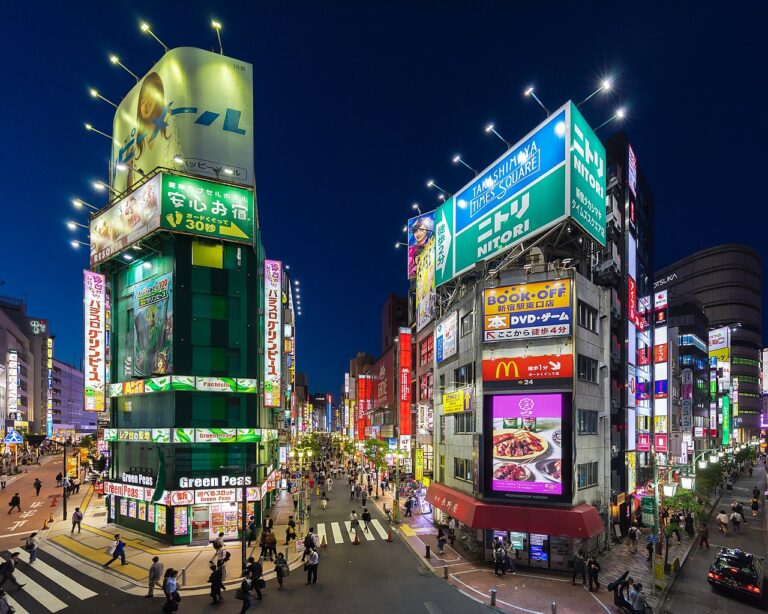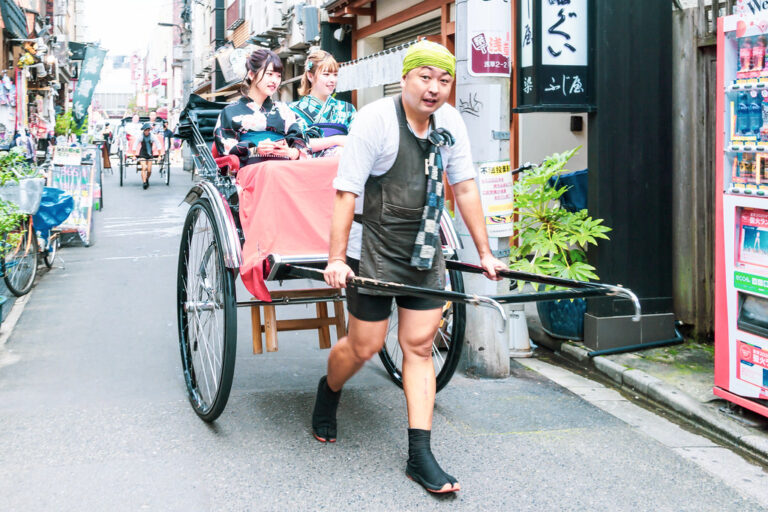

Akihabara is Tokyo’s most specialized commercial district, known globally for electronics, anime, gaming, and otaku culture.
What makes it different from places like Shinjuku or Shibuya is not just what it sells, but how it developed: from post‑war radio parts stalls to consumer electronics showrooms, then to PC parts, doujin culture, and finally to multi‑floor anime megastores and arcades.
Today, Akihabara is a compact, vertical district where multiple commercial eras coexist in a tight grid around Akihabara Station.
Akihabara is not just “the anime place” or “the electronics place.” It’s a dense ecosystem of big‑box electronics stores, micro‑shops, hobby complexes, arcades, themed cafés, and discount stores, all layered into a few city blocks.
Plan your trip with this Tokyo itinerary (1–7 days)
For more ideas, explore: 15 Best Things To Do in Tokyo
1. District Structure: How Akihabara Is Laid Out
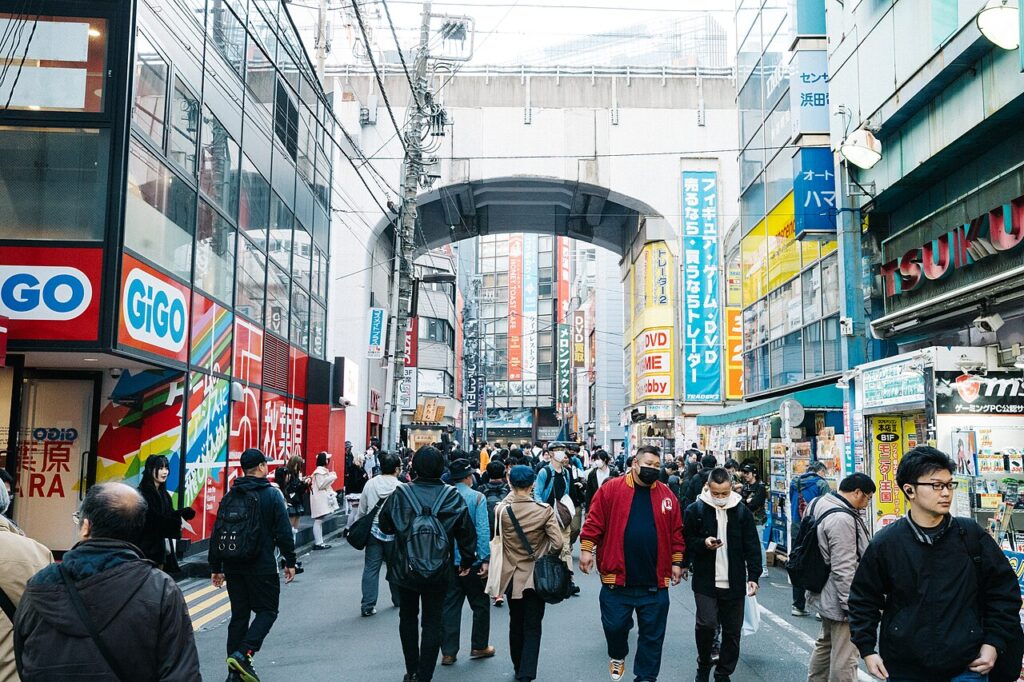
Akihabara is centered on Akihabara Station, with most of the activity concentrated within a 5–10 minute walk of the station exits. The district is small horizontally but extremely dense vertically—many buildings have 6–10 floors, each with different tenants.
1.1 Main Zones at a Glance
| Zone | Location relative to station | Primary identity | Typical experience |
|---|---|---|---|
| Chuo-dori | West of station, north–south main road | High-visibility retail | Big signs, megastores, arcades |
| Electric Town | West/southwest of station (Electric Town Exit) | Electronics & components | Narrow alleys, micro‑shops |
| East Side / UDX | East of station | Modern dining & offices | Plazas, restaurants, events |
1.2 Chuo-dori (Main Street)
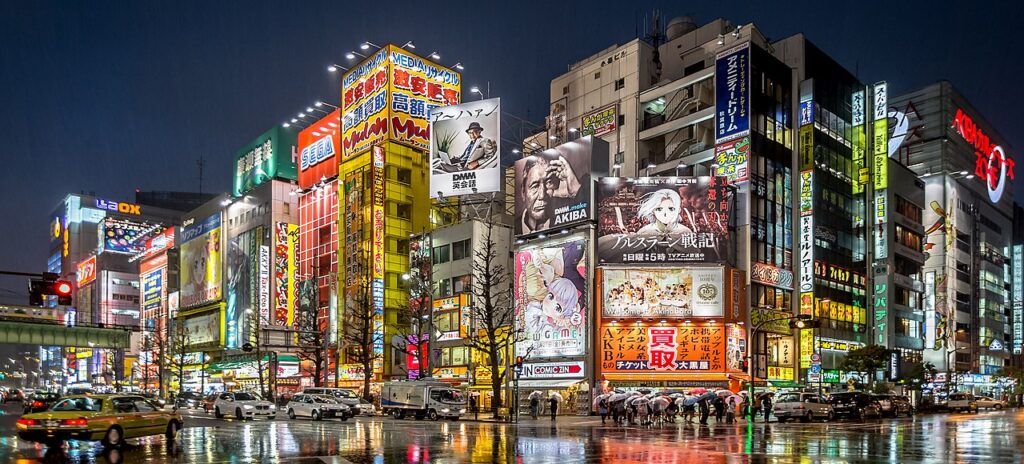
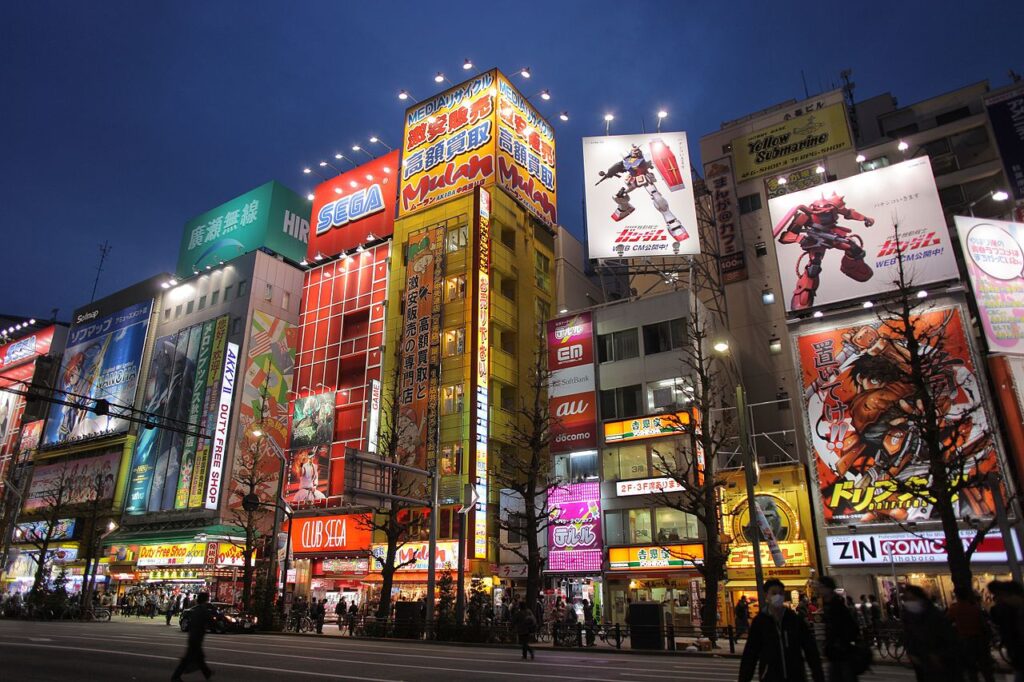
Chuo-dori is the main artery of Akihabara and the street most people picture when they think of the district. It runs north–south and is lined with large electronics stores, anime megastores, arcades, and multi‑floor hobby buildings.
On Sundays, it often becomes a pedestrian zone, which changes the feel of the area: instead of traffic, you get a wide, walkable corridor with people moving between stores and arcades.
For a first‑time visitor, Chuo-dori is the easiest way to “read” Akihabara. The signage is large, the brands are recognizable, and the buildings are clearly labeled.
Most of the major anime and gaming stores, as well as several arcades, are either directly on Chuo-dori or just off it.
1.3 Electric Town (West Side)
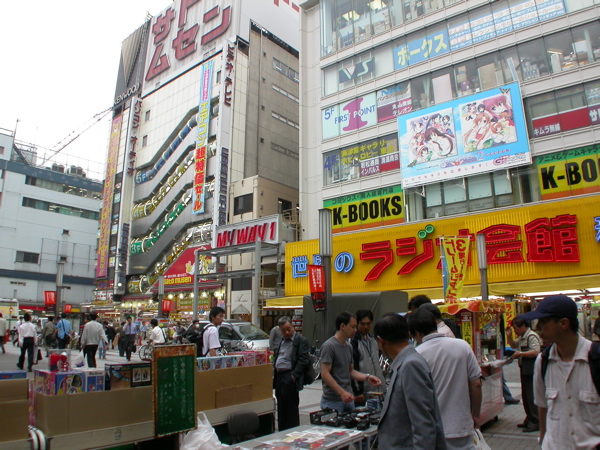
Electric Town is the historical core of Akihabara’s electronics identity. It’s accessed most directly from the Electric Town Exit of Akihabara Station. This area is more irregular than Chuo-dori: narrow streets, small buildings, and a mix of older and newer shops. Here you’ll find:
- Computer parts shops
- Cable and component vendors
- Retro electronics
- Niche hobby and tech stores
Electric Town is where Akihabara’s origins as a radio and electronics market are still visible. It’s less polished than the main street, but more interesting if you care about components, DIY electronics, or retro gear.
1.4 East Side / UDX / Akiba Ichi
On the east side of the station, Akihabara feels more modern and structured. The UDX complex and Akiba Ichi area contain restaurants, cafés, offices, and event spaces. This side is less about shopping for goods and more about:
- Dining in a calmer environment
- Attending events or exhibitions
- Using Akihabara as a base for transport
If Chuo-dori and Electric Town are about retail and subculture, the east side is about infrastructure and convenience.
Tokyo Shopping Guide: Best Districts, Malls and Unique Finds
2. Major Attractions and Anchor Buildings
Akihabara doesn’t have a single “landmark” in the way Tokyo Tower or Senso-ji does. Instead, it has anchor buildings—large, multi‑floor complexes that structure how visitors move through the district.
2.1 Yodobashi Camera Akiba
Located on the east side of the station, Yodobashi Camera Akiba is one of Tokyo’s largest electronics stores. It has multiple floors dedicated to:
- Cameras and lenses
- Computers and peripherals
- Home appliances
- Audio equipment
- Gaming consoles and accessories
- Toys and hobby items
The store is designed for clear navigation, with floor maps and category signage. For most travelers, Yodobashi is the most straightforward place to buy mainstream electronics with warranties and tax‑free options.
2.2 Akihabara Radio Kaikan
Radio Kaikan is a multi‑floor hobby building near the Electric Town Exit. It’s one of the most important destinations for anime, figurine, and model kit collectors. Each floor hosts different shops, often specializing in:
- Scale figures
- Model kits (including Gundam)
- Trading cards
- Hobby tools and supplies
- Niche anime goods
Radio Kaikan is dense but structured: floor directories make it possible to target specific categories without wandering aimlessly.
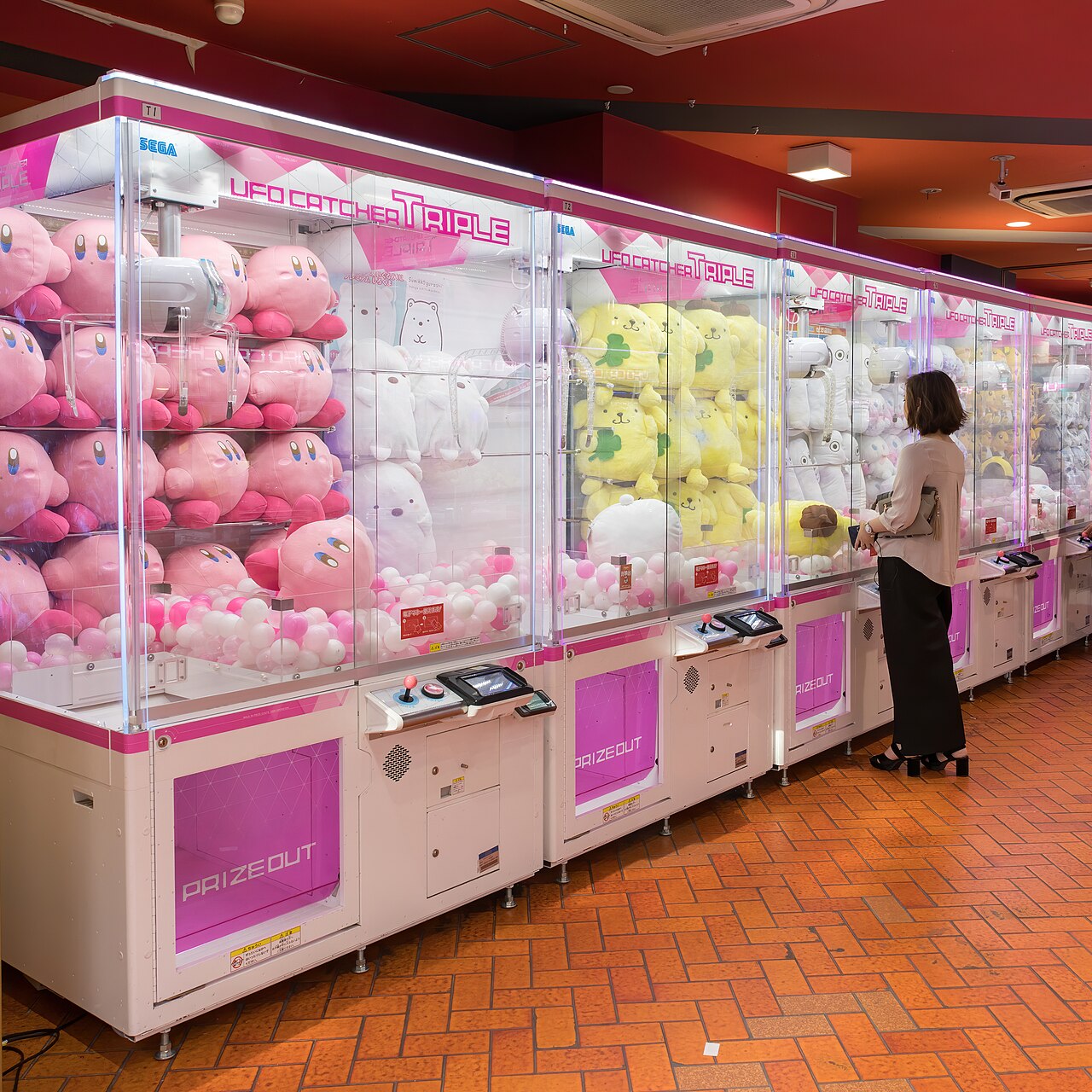
2.3 Arcades (SEGA/GiGO, Taito, Others)
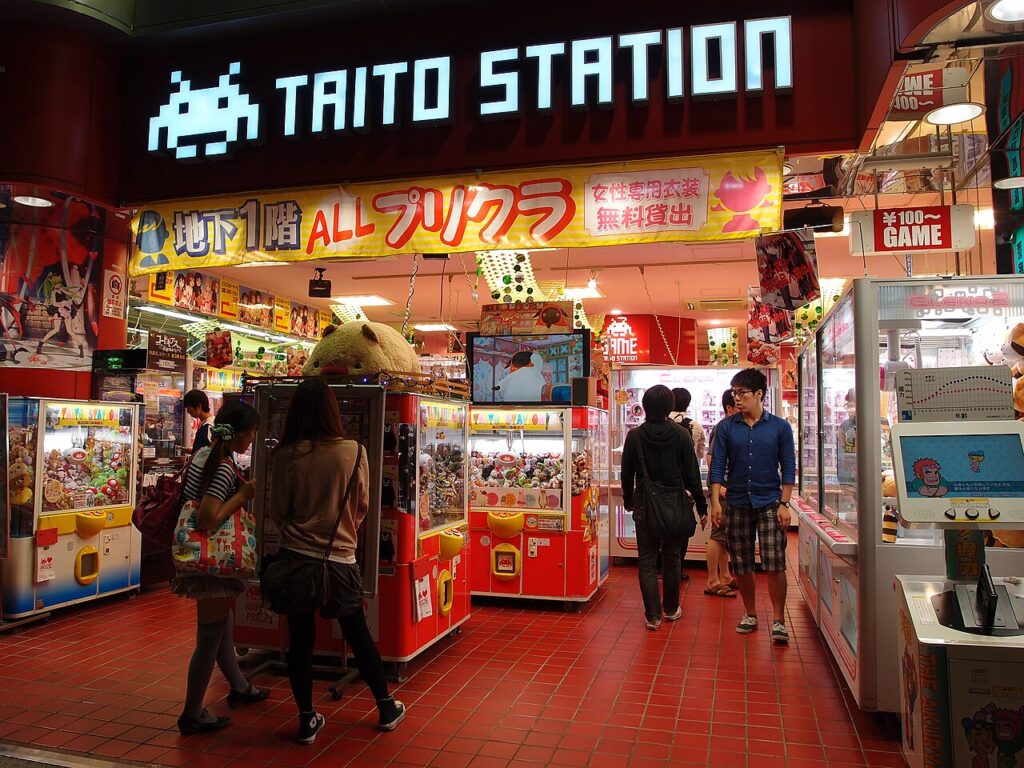
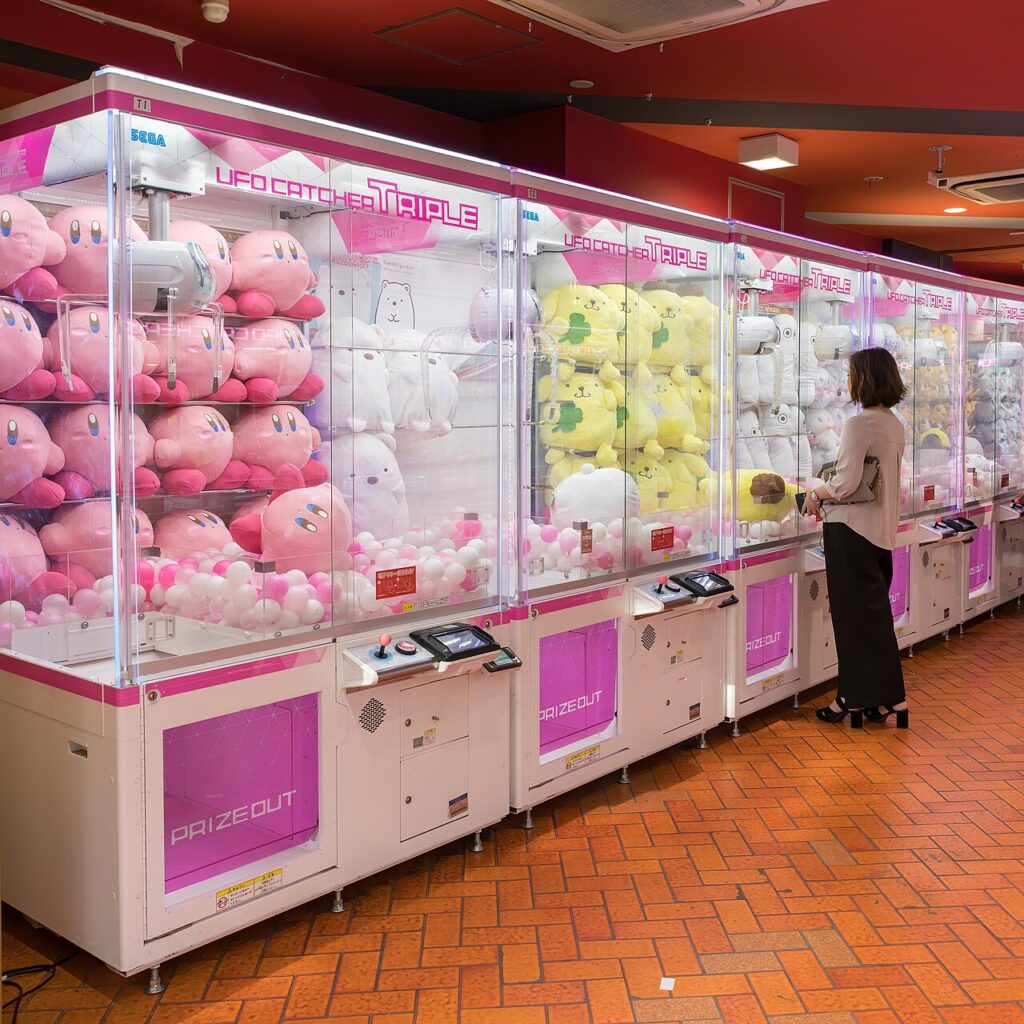
Akihabara’s arcades are multi‑floor entertainment centers. Typical floors include:
- Crane games (UFO catchers)
- Rhythm games
- Fighting games
- Prize machines
- Photo booths
These arcades are part of Akihabara’s identity as a gaming district. Even if you don’t play, walking through a few floors gives a clear sense of contemporary Japanese arcade culture.
2.4 Don Quijote Akihabara
Don Quijote is a discount store chain, and the Akihabara branch is a multi‑floor building with:
- Snacks and drinks
- Cosmetics and toiletries
- Souvenirs and novelty items
- Costumes and accessories
- Household goods
On an upper floor, it also houses the AKB48 Theater, which is significant for fans of the idol group. Don Quijote is useful for last‑minute souvenirs and everyday items.
2.5 Themed and Maid Cafés
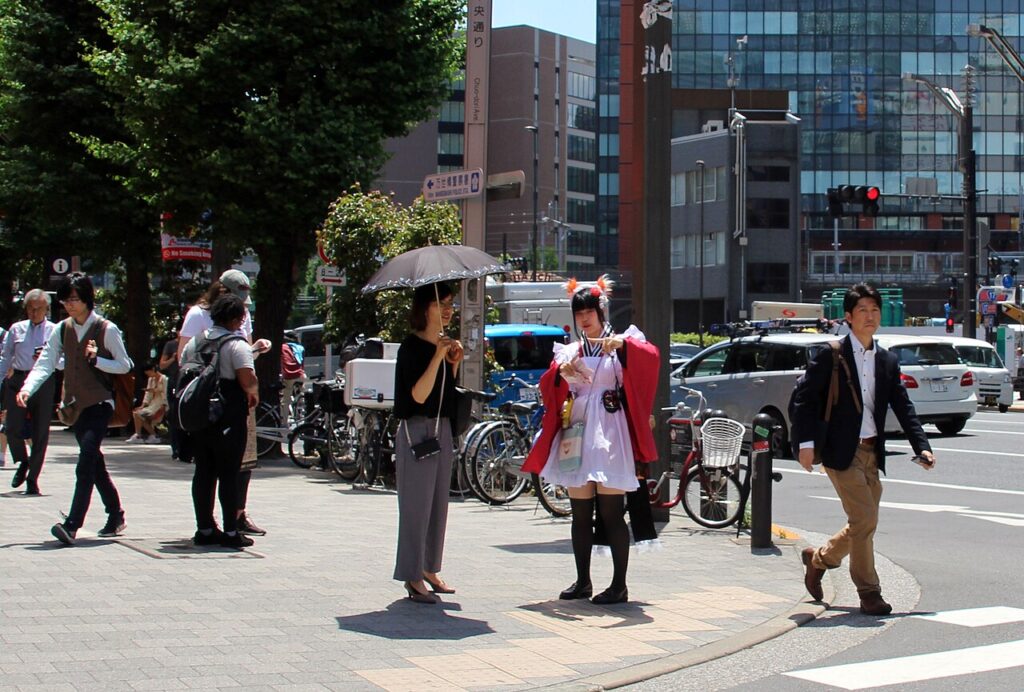
Akihabara is known for its maid cafés and themed cafés. These are structured experiences where staff in costumes provide table service, short performances, and photo opportunities. They typically:
- Charge a cover or table fee
- Have time‑limited seating
- Offer set menus or course options
They are not “normal cafés” in the Western sense; they are entertainment venues with food and drinks attached.
Related Experience: Akihabara Otaku Group Tour
3. Electronics Ecosystem: From Big‑Box to Micro‑Shops
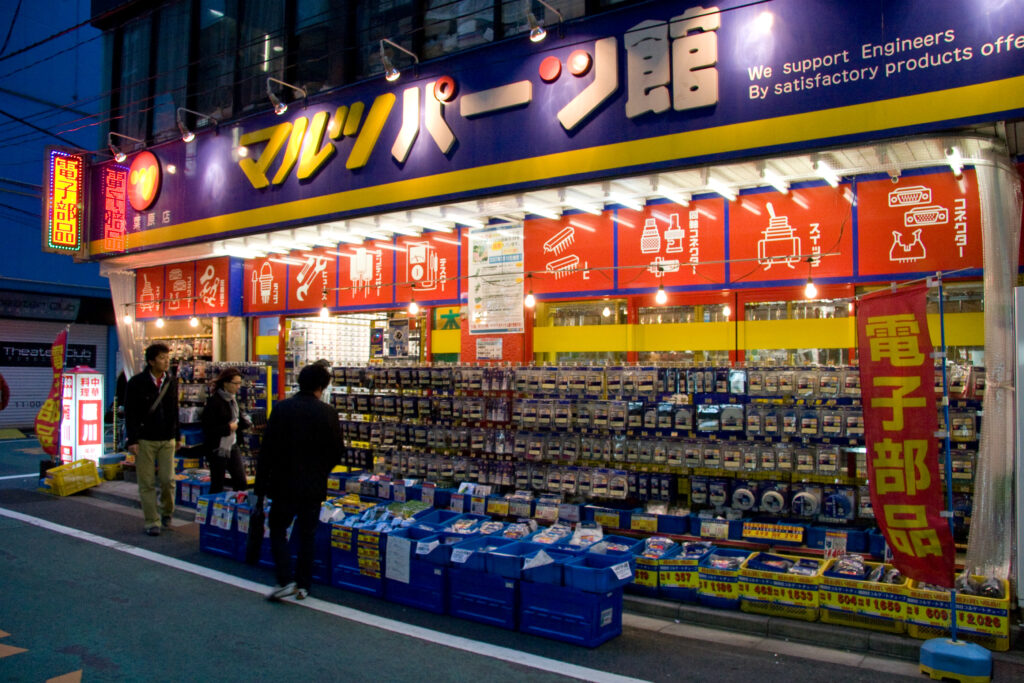
Akihabara’s electronics scene is not just “a lot of electronics stores.” It’s a layered ecosystem that ranges from big‑box retailers to tiny component shops.
3.1 Big‑Box Electronics Stores
These are the easiest for travelers to use. They include:
- Yodobashi Camera
- Sofmap branches
- Bic Camera (nearby, depending on current tenants)
They focus on:
- Cameras
- Laptops and desktops
- Tablets and phones
- Home appliances
- Gaming consoles
- Audio equipment
These stores are designed for general consumers. They have clear signage, tax‑free counters, and staff used to dealing with international visitors. If you want a new camera, a laptop, or a console, this is where you go.
3.2 Mid‑Size Specialty Stores
These stores sit between big‑box and micro‑shops. They often specialize in:
- PC parts (GPUs, CPUs, motherboards)
- Audio gear (headphones, DACs, amps)
- Gaming peripherals (keyboards, mice, monitors)
- DIY kits and tools
They are more targeted than big‑box stores but still reasonably accessible. Floor maps and signage help you find the right section, and staff are often knowledgeable about specific product categories.
3.3 Micro‑Shops in Electric Town
Electric Town is where you find the smallest, most specialized shops. These might focus on:
- Cables and connectors
- Capacitors and resistors
- Switches and sensors
- Robotics parts
- Retro electronics and repair components
These shops are not designed for casual browsing. They exist for people who know exactly what they’re looking for. For most travelers, they’re more interesting as a glimpse into Akihabara’s origins than as a practical shopping destination—unless you’re into DIY electronics.
3.4 Retro Electronics and Vintage Gear
Some shops in and around Electric Town focus on older electronics:
- Vintage audio equipment
- Older computers and peripherals
- Retro TVs and monitors
Inventory changes frequently, and prices can be high for rare items. These shops are more about discovery than targeted shopping.
4. Anime, Gaming & Hobby Culture
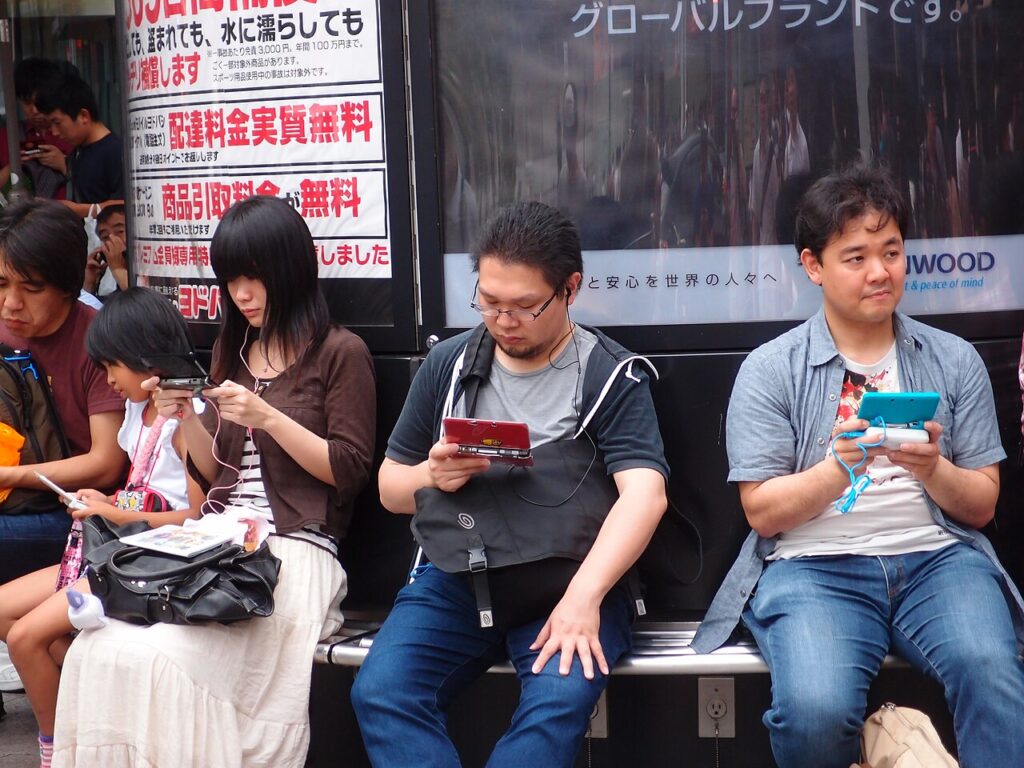
Akihabara is one of the world’s most important centers for anime and gaming retail. The key difference from other districts is the vertical structure: many buildings dedicate each floor to a different category.
4.1 Typical Multi‑Floor Anime Store Layout
Not every building is identical, but a common pattern looks like this:
| Floor | Typical focus |
|---|---|
| 8–9 | Limited editions, special events |
| 6–7 | Figurines and scale models |
| 5 | Model kits and tools |
| 4 | Manga and light novels |
| 3 | Artbooks and reference materials |
| 2 | Character goods and accessories |
| 1 | New releases and general goods |
This vertical structure allows stores to serve multiple sub‑audiences in one building. It also means you need to use elevators and stairs strategically—checking the floor directory at the entrance saves time.
Related Experience: Akihabara Gaming & Arcade Tour
4.2 Figurine and Model Kit Shops
Figurine and model kit shops are a major draw. They range from small specialty stores to large multi‑floor complexes. You’ll find:
- Scale figures from popular anime and games
- Garage kits and resin kits
- Gundam model kits and related tools
- Display bases and accessories
Inventory often includes limited runs and event exclusives. Prices vary widely based on rarity and condition.
4.3 Gaming Stores: Modern and Retro
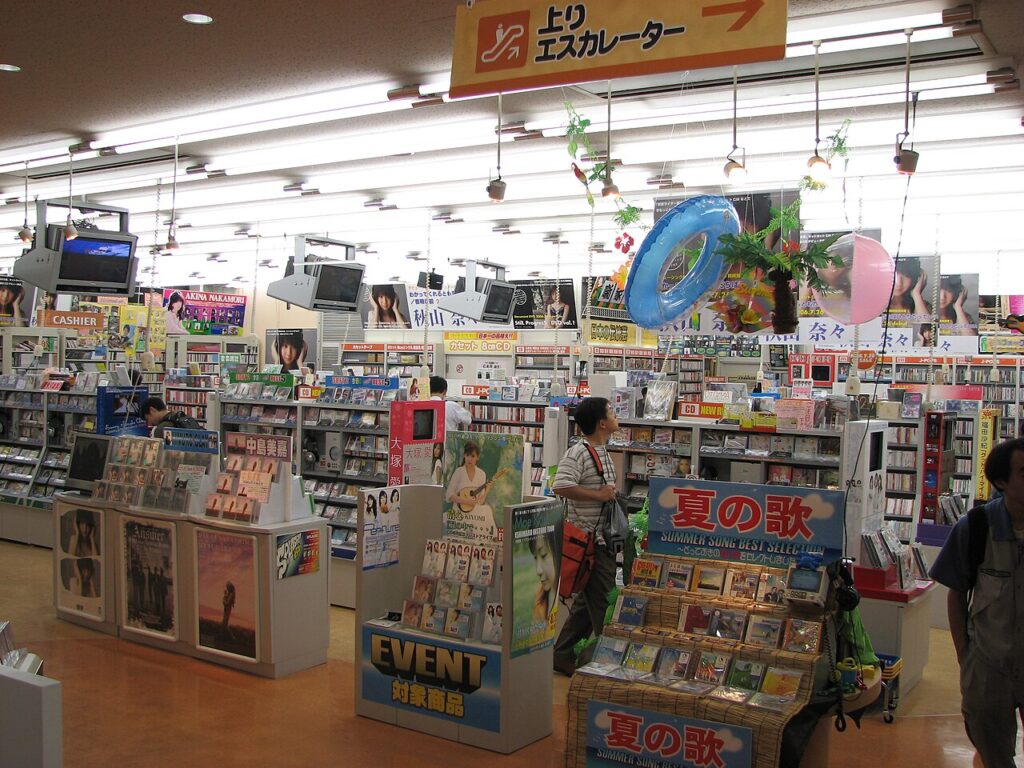
Akihabara’s gaming stores cover both current and retro markets:
- New games and consoles
- Used games and hardware
- Retro titles (Famicom, Super Famicom, Sega Saturn, Dreamcast, etc.)
- Handhelds and accessories
Retro shops are especially popular with collectors. Stock changes frequently, and rare titles can be expensive. For modern games, prices are often similar to other major retailers in Tokyo.
4.4 Trading Card Shops
Trading card shops are dense and specialized. They typically offer:
- Booster packs and sealed products
- Single cards in display cases
- Playmats, sleeves, and storage
- Space for in‑store play or tournaments
Popular games include Pokémon, Yu‑Gi‑Oh!, Magic: The Gathering, and various Japanese card games. Even if you don’t play, the way these shops are organized is a clear window into contemporary hobby culture.
4.5 Arcades as Part of the Ecosystem
Arcades in Akihabara are not just standalone entertainment; they’re part of the broader gaming ecosystem. They:
- Showcase new rhythm and fighting games
- Offer prize machines tied to current anime and game franchises
- Provide social spaces for players
Visiting a few floors of an arcade gives a sense of what’s currently popular in Japanese gaming culture.
Related Experience: Akihabara Tailor-made Private Tour for Anime Fans
5. Dining in Akihabara
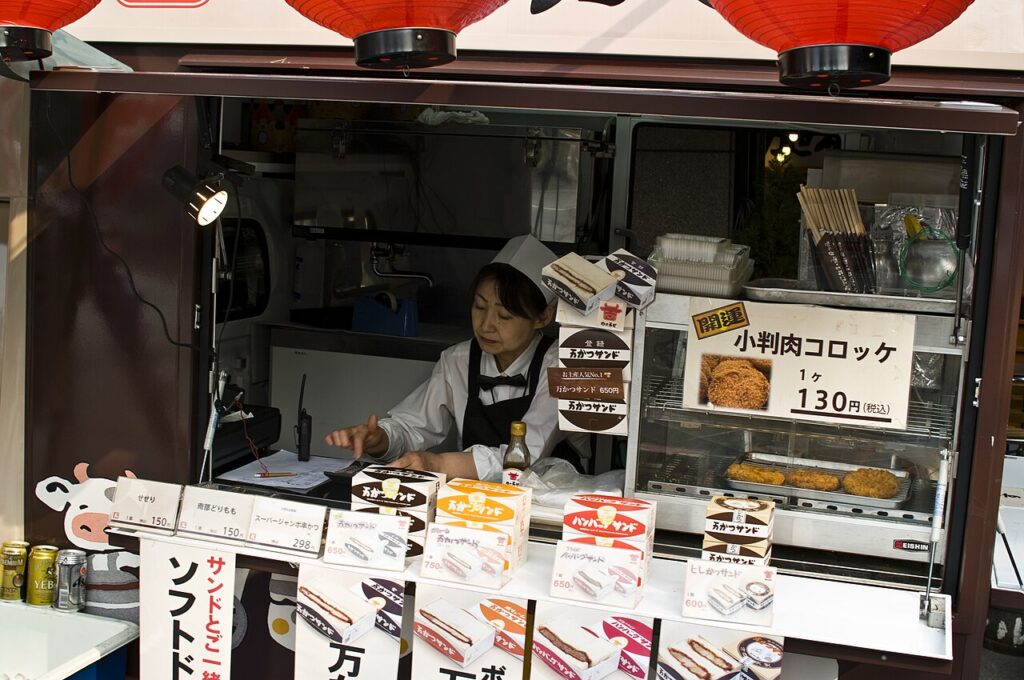
Akihabara’s dining scene is built around practicality and high turnover. Most visitors are there to shop or play, not linger over long meals, so the district leans heavily toward fast‑casual and themed experiences.
5.1 Fast‑Casual Japanese Chains
You’ll find many of the standard Japanese chains:
- Ramen shops
- Curry restaurants
- Gyudon (beef bowl) chains
- Tonkatsu (fried pork cutlet) restaurants
These places are efficient, affordable, and predictable. They’re ideal if you want a quick, reliable meal between stores.
5.2 Maid Cafés
Maid cafés are one of Akihabara’s most recognizable features. They are structured entertainment venues with:
- Themed service (maids addressing customers in character)
- Set menus and drink options
- Short performances or interactions
- Photo options (often at an extra charge)
Important practical notes:
- There is usually a table or time charge.
- Menus can be more expensive than standard cafés.
- Photography rules vary and are often restricted.
They are best approached as a specific type of experience, not as a place to “just grab a coffee.”
Related Experience: Akihabara Maid Café Experience
5.3 Other Themed Cafés
Beyond maid cafés, Akihabara hosts:
- Anime collaboration cafés (limited‑time themes)
- Game‑themed cafés
- Character cafés tied to specific franchises
These often require reservations or have timed entry systems, especially during popular collaborations.
5.4 Akiba Ichi and UDX Dining
On the east side, Akiba Ichi and the UDX complex offer a more conventional dining environment:
- Japanese restaurants (sushi, izakaya, set meals)
- International options (Italian, Chinese, cafés)
- Quieter seating and more structured layouts
If you want to step away from the noise and signage of Chuo-dori and Electric Town, this is the most comfortable area to eat.
Best Food Experiences in Tokyo
6. Shopping Strategy: How to Approach Akihabara Without Getting Overwhelmed
6.1 Decide Your Primary Focus
You don’t need to “do everything” in one visit. It’s more effective to choose one or two main goals:
- Electronics (camera, laptop, console, peripherals)
- Anime and figurines
- Retro gaming and hobby items
- Themed cafés and arcades
Once you know your focus, you can prioritize specific buildings and streets.
6.2 Use Floor Directories
Most multi‑floor buildings have a floor directory near the entrance. It’s worth spending 30–60 seconds reading it before going in. This helps you:
- Skip floors that don’t match your interests
- Go directly to the categories you care about
- Avoid wandering aimlessly through every level
6.3 Expect Turnover and Variation
Tenants change frequently in Akihabara. A building that was all figurines two years ago might now be mixed with trading cards and model kits. The district is stable at the macro level (electronics + anime + gaming), but individual shops and floors are fluid.
6.4 Cash vs Card
Many larger stores accept credit cards and offer tax‑free shopping. Smaller shops, especially in Electric Town, may prefer or require cash. It’s practical to have some yen on hand if you plan to explore micro‑shops or buy small components.
7.1 Train and Subway Access
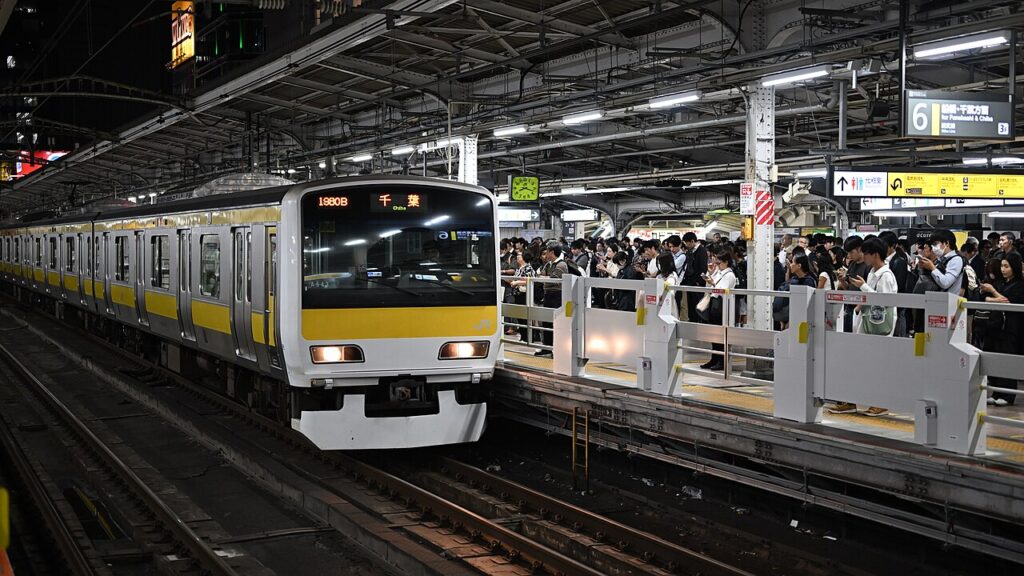
Akihabara Station is served by:
- JR Yamanote Line (loop line connecting major Tokyo hubs)
- JR Keihin‑Tohoku Line
- JR Sobu Line
- Tokyo Metro Hibiya Line (via nearby station)
- Tsukuba Express
This makes Akihabara a convenient stop from Shinjuku, Shibuya, Ueno, and Tokyo Station.
7.2 Key Exits
- Electric Town Exit: Best for immediate access to Electric Town, Radio Kaikan, and many anime/gaming stores.
- Central Exit / Showa-dori Side: Better for accessing the east side, UDX, and Yodobashi Camera.
Choosing the right exit saves a few minutes of backtracking.
7.3 Walking Patterns
A simple, efficient walking pattern for a first visit might be:
- Arrive at Electric Town Exit.
- Explore Radio Kaikan and nearby anime/gaming stores.
- Walk up and down Chuo-dori, visiting arcades and major buildings.
- Cross back toward the station and head to the east side for Yodobashi and dining at UDX/Akiba Ichi.
This covers the main zones without doubling back too much.
Public Transit in Tokyo: How to Navigate
8. Where to Stay in Akihabara
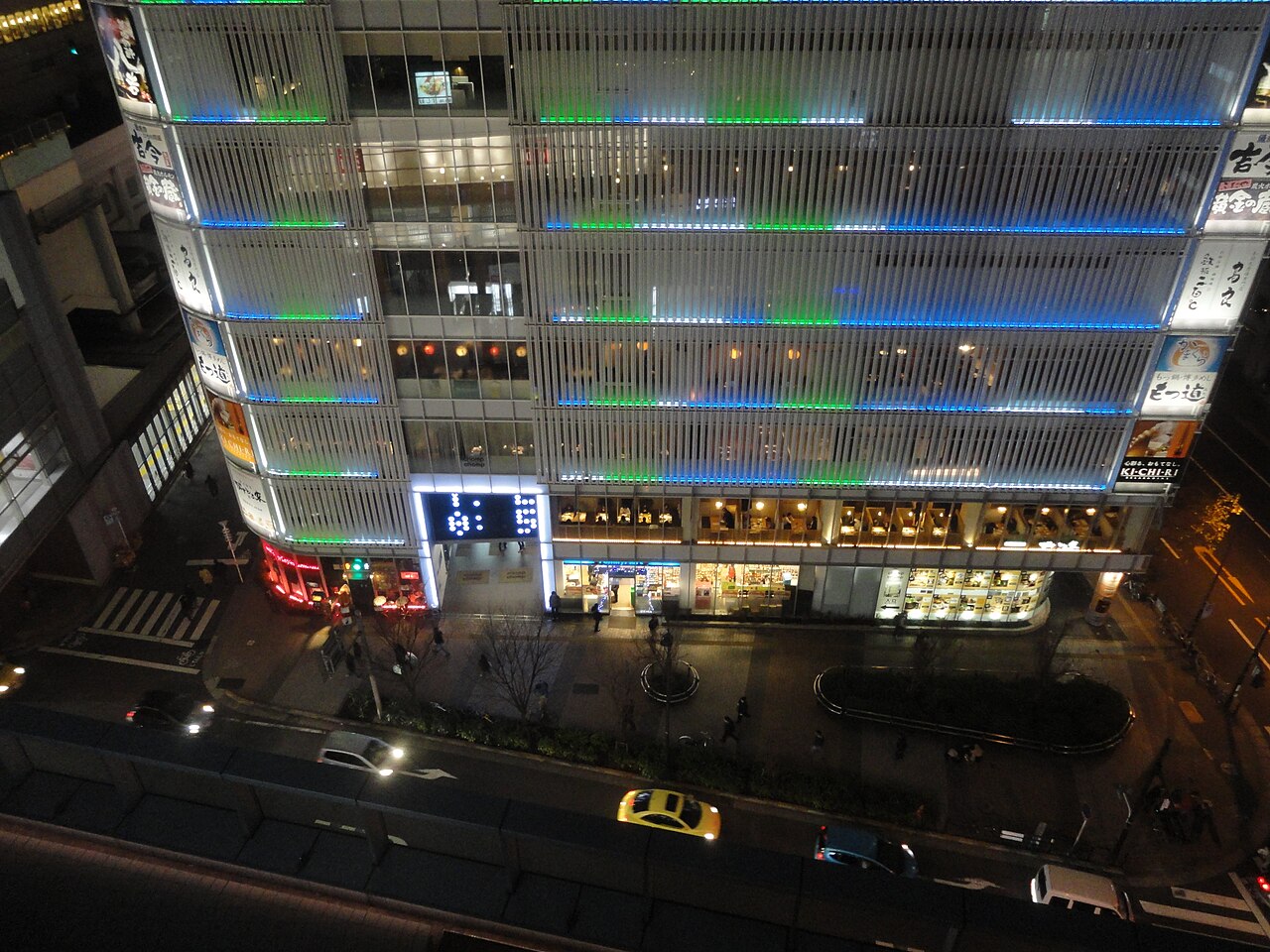
Akihabara can work as a base for a Tokyo trip, especially if you value rail access and don’t mind a district that’s more commercial than residential in feel.
8.1 Why Consider Staying in Akihabara?
- Strong rail connections via the Yamanote Line
- Easy access to Ueno, Tokyo Station, and Asakusa
- Plenty of convenience stores and late‑night options
- Good for travelers focused on electronics, anime, or gaming
The trade‑off is that it’s less “neighborhood‑like” than areas such as Asakusa or Nakameguro.
8.2 Best Areas Around the Station
- North and west of the station: Closer to Chuo-dori and Electric Town, more activity and signage.
- East side near UDX: Slightly quieter, closer to dining complexes and Yodobashi.
Both sides are walkable to the station in a few minutes.
8.3 Hotel Types
You’ll mostly find:
- Business hotels (compact rooms, efficient layouts)
- Mid‑range modern hotels
- Occasional themed or concept hotels
Prices are generally comparable to other central Tokyo districts like Shinjuku or Shibuya.
Find Places to stay in in Akihabara
9. Practical Tips for Visiting Akihabara
To make Akihabara more manageable and less overwhelming, a few practical points help.
9.1 Best Time to Visit
- Weekdays: Less crowded, easier to move through stores.
- Weekends: More energy, pedestrian zone on Chuo-dori (when active), but higher congestion.
If you dislike crowds, aim for weekday mornings or early afternoons.
9.2 Photography and Etiquette
- Many stores restrict photography, especially of merchandise and staff.
- Maid cafés and themed venues often have strict no‑photo rules except for paid options.
- Always check for signage or ask staff if unsure.
9.3 Budgeting
Akihabara can be as cheap or as expensive as you make it:
- Small items (keychains, gacha, snacks) are inexpensive.
- Figurines, model kits, and retro games can add up quickly.
- Limited editions and rare items can be significantly more expensive than standard goods.
It’s easy to overspend if you’re a collector, so having a rough budget in mind is useful.
9.4 Language
- Larger stores often have some English signage and staff used to foreign customers.
- Smaller shops may have little or no English, but transactions are usually straightforward.
- Floor directories are often bilingual or at least partially labeled in English.
9.5 Accessibility
- Many buildings have elevators, but some older ones may rely on stairs.
- Narrow aisles in micro‑shops can be challenging for mobility devices.
- The main streets and station area are generally accessible and well‑maintained.
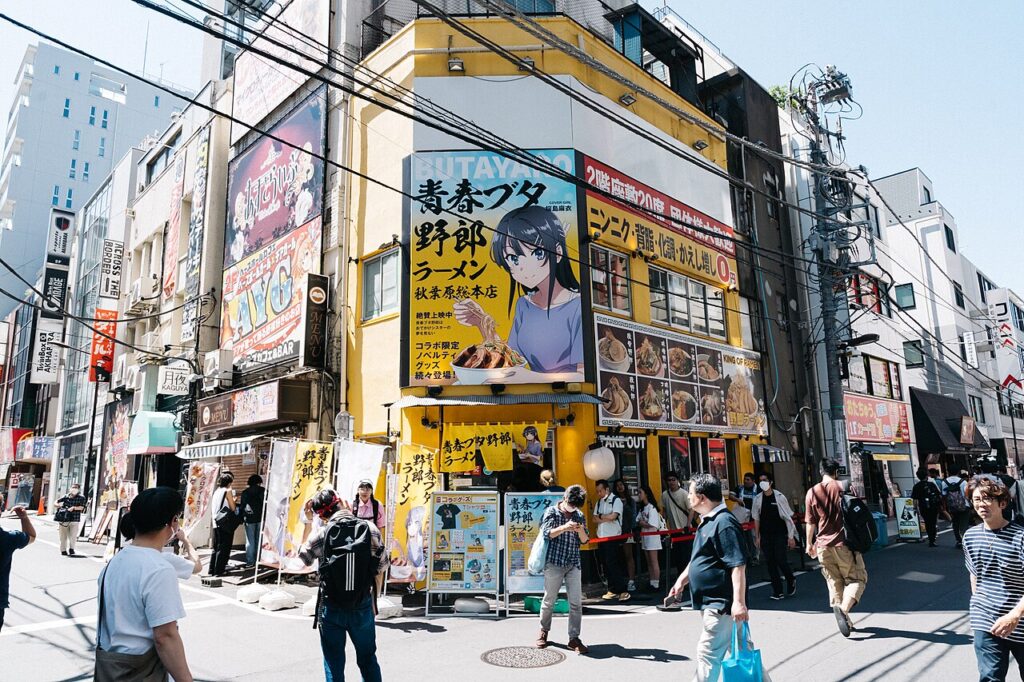
Akihabara is one of Tokyo’s most distinctive districts, not because it has a single iconic landmark, but because it compresses multiple commercial and cultural layers into a small, vertical space.
Electronics, anime, gaming, trading cards, arcades, and themed cafés all coexist within a few blocks around Akihabara Station.
For travelers, it offers a concentrated look at contemporary Japanese pop culture and consumer tech in a format that is dense but navigable with a bit of structure.
Start planning your trip with this Tokyo itinerary (1–7 days)