
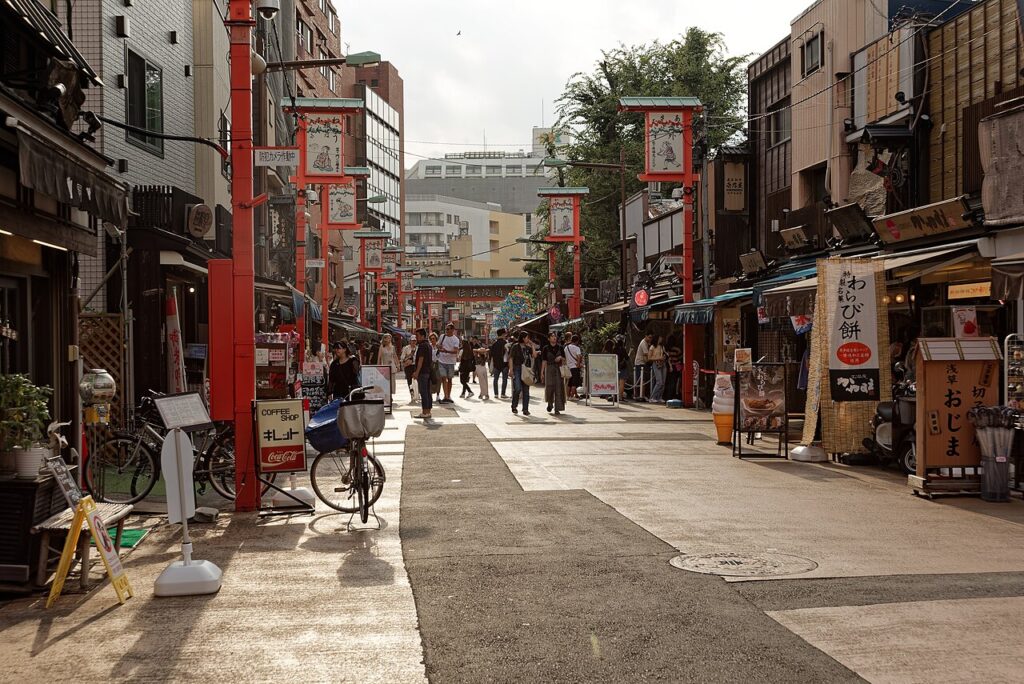
Asakusa is Tokyo’s most historically recognizable district, centered around Senso‑ji Temple and the traditional shopping streets that surround it. The area preserves architectural styles, street layouts, and cultural practices that predate Tokyo’s modern development, making it one of the city’s most important cultural zones. For travelers, Asakusa offers a concentrated mix of heritage sites, traditional food, riverfront views, and easy access to nearby districts such as Ueno and Tokyo Skytree. This guide provides a structured, authoritative overview of Asakusa, focusing on navigation, major attractions, food areas, shopping streets, cultural experiences, transportation, accommodations, and practical considerations.
FEATURED: 15 Best Things To Do in Tokyo →
District Structure
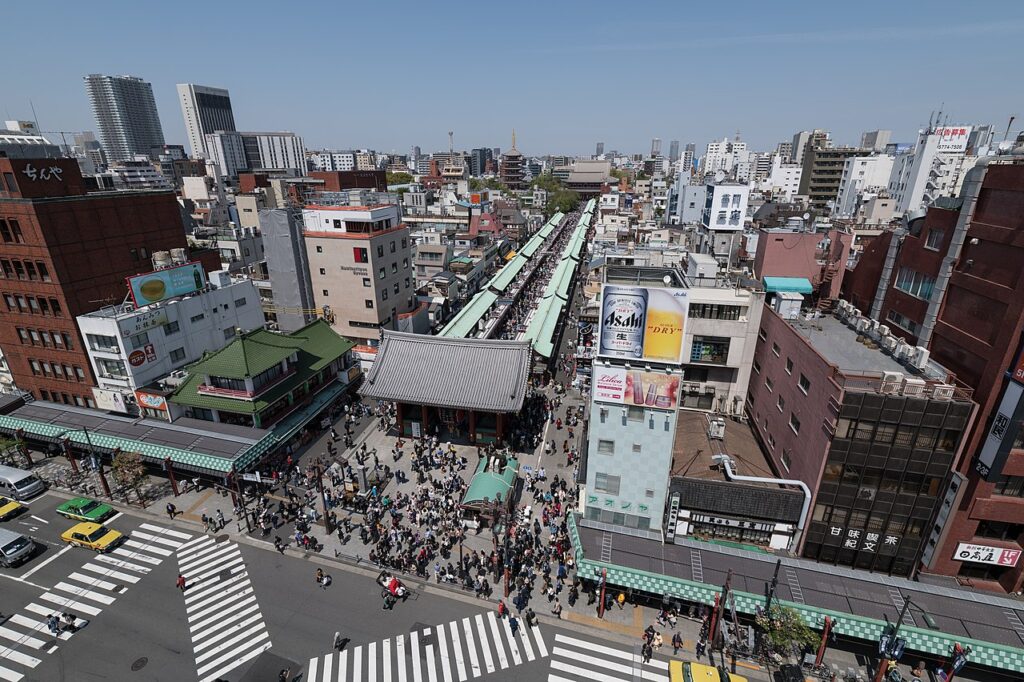
Asakusa is compact and easy to navigate. The district is organized around Senso‑ji Temple, with shopping streets radiating outward and the Sumida River forming its eastern boundary. Most attractions are within walking distance of each other, and the area’s layout is straightforward compared to larger districts like Shinjuku or Shibuya.
Senso‑ji Temple Area
The Senso‑ji complex is the core of Asakusa and the district’s primary landmark. The grounds include the Kaminarimon Gate, Nakamise Street, the Hozomon Gate, and the main hall. The temple’s layout is linear, making it easy for travelers to follow the progression from the outer gate to the inner structures. The area is consistently busy, but its wide paths and open spaces allow for steady movement even during peak hours. The temple grounds also include smaller shrines, gardens, and rest areas that provide additional points of interest.
Nakamise Shopping Street
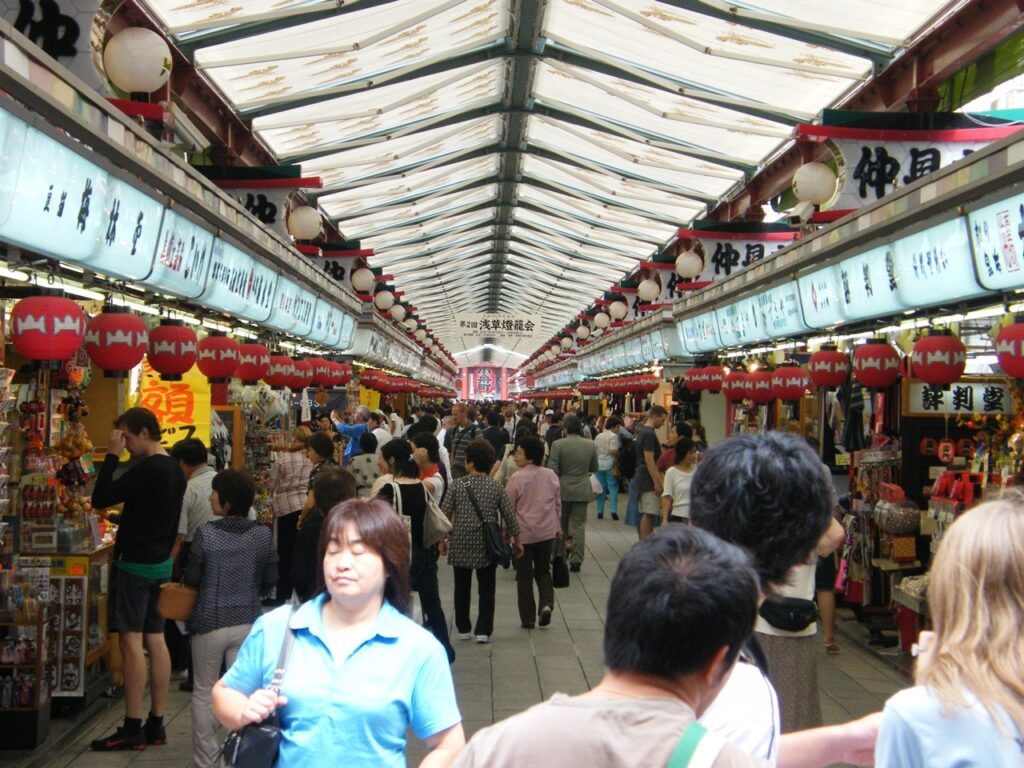
Nakamise is a straight, narrow shopping street leading from the Kaminarimon Gate to the Hozomon Gate. It contains traditional snack vendors, souvenir shops, and specialty stores. The street is one of Tokyo’s oldest commercial corridors and remains a central part of Asakusa’s identity. Its shops cater to both tourists and locals, offering items that reflect the district’s cultural heritage.
Asakusa Culture Zone
North and west of Senso‑ji are smaller streets containing traditional craft shops, local restaurants, and cultural venues. This area is quieter than Nakamise and offers a more local experience. The streets are narrower and less commercialized, making them suitable for travelers seeking authentic goods and traditional craftsmanship.
Book an Asakusa walking tour (Viator) → #
Backup: Klook → #
Related: Tokyo Travel Tips → #
Major Attractions
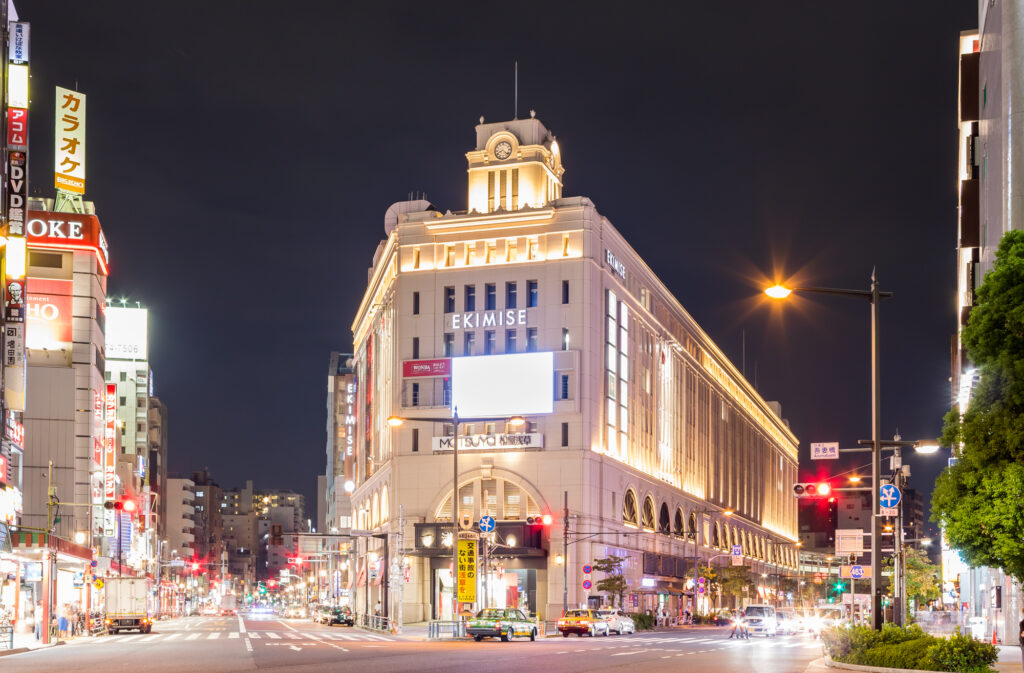
Asakusa’s attractions are concentrated around Senso‑ji Temple and the surrounding streets. The district’s compact size makes it easy to visit multiple sites in a single outing.
Senso‑ji Temple
Senso‑ji is Tokyo’s oldest and most visited temple. The complex includes multiple gates, a main hall, a five‑story pagoda, and several smaller structures. The temple grounds are open and accessible, with clear signage and designated walking paths. Visitors can observe traditional rituals, explore the surrounding gardens, and view the temple’s architectural details. The temple’s historical significance and central location make it a consistent anchor for Asakusa itineraries.
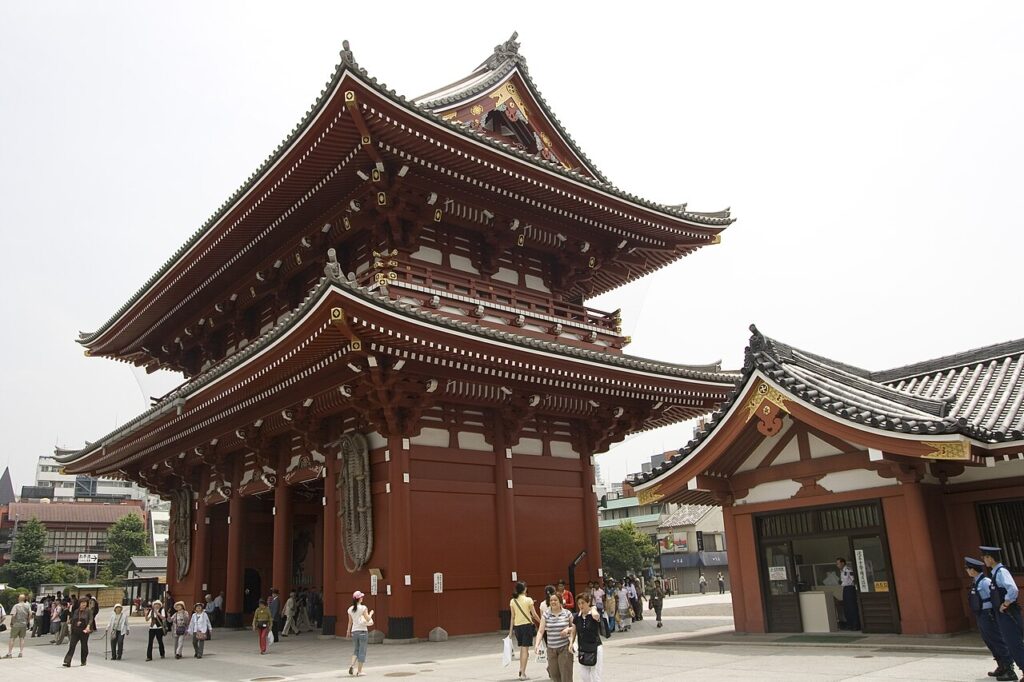
Kaminarimon Gate
The Kaminarimon Gate is the symbolic entrance to Senso‑ji and one of Tokyo’s most photographed landmarks. The gate’s large red lantern and statues make it a prominent meeting point and orientation marker. It serves as the starting point for most visits to the temple complex.
Hozomon Gate & Main Hall
The Hozomon Gate leads to the main hall of Senso‑ji. The area includes incense burners, offering boxes, and designated viewing areas. The main hall is accessible throughout the day and provides insight into traditional Buddhist practices. The surrounding structures and courtyards offer additional points of interest.
Sumida River & River Cruises
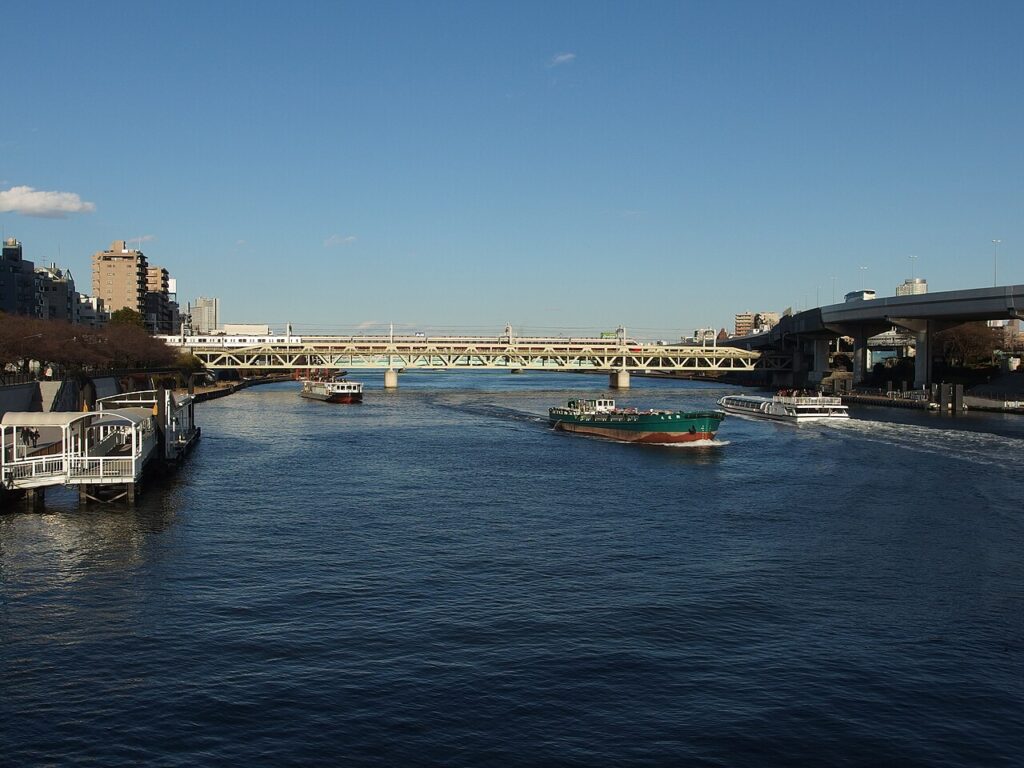
The Sumida River offers walking paths and river cruise departures. Cruises connect Asakusa to Odaiba, Hamarikyu Gardens, and other waterfront destinations. The riverfront is also a practical location for viewing Tokyo Skytree and transitioning between districts.
Book Asakusa attractions tour (Viator) → #
Backup: Klook → #
Related: Best Things to Do in Tokyo → #
Food Overview
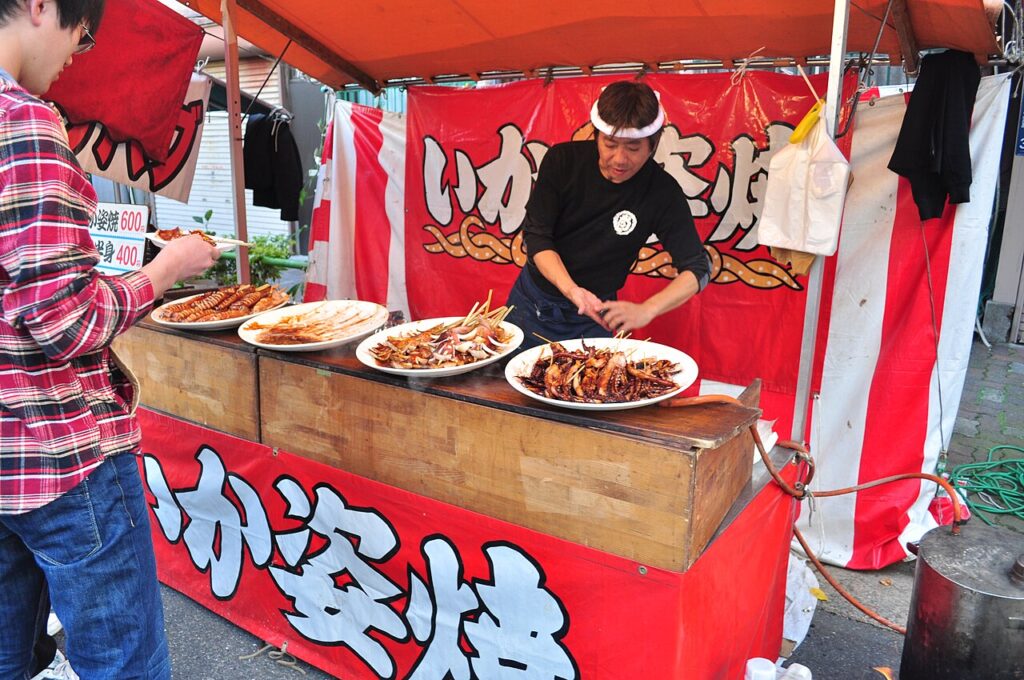
Asakusa’s food scene is defined by traditional snacks, long‑established restaurants, and specialty shops. The district offers a mix of quick bites and sit‑down meals, with many venues operating for decades.
Traditional Snacks
Nakamise Street contains numerous vendors selling traditional Japanese snacks. These items are practical for travelers seeking quick, inexpensive food while exploring the temple grounds. The snacks reflect Asakusa’s historical role as a commercial hub and provide insight into local culinary traditions.
Common snacks include:
- Ningyo‑yaki (small sponge cakes)
- Senbei (rice crackers)
- Taiyaki (fish‑shaped pastries)
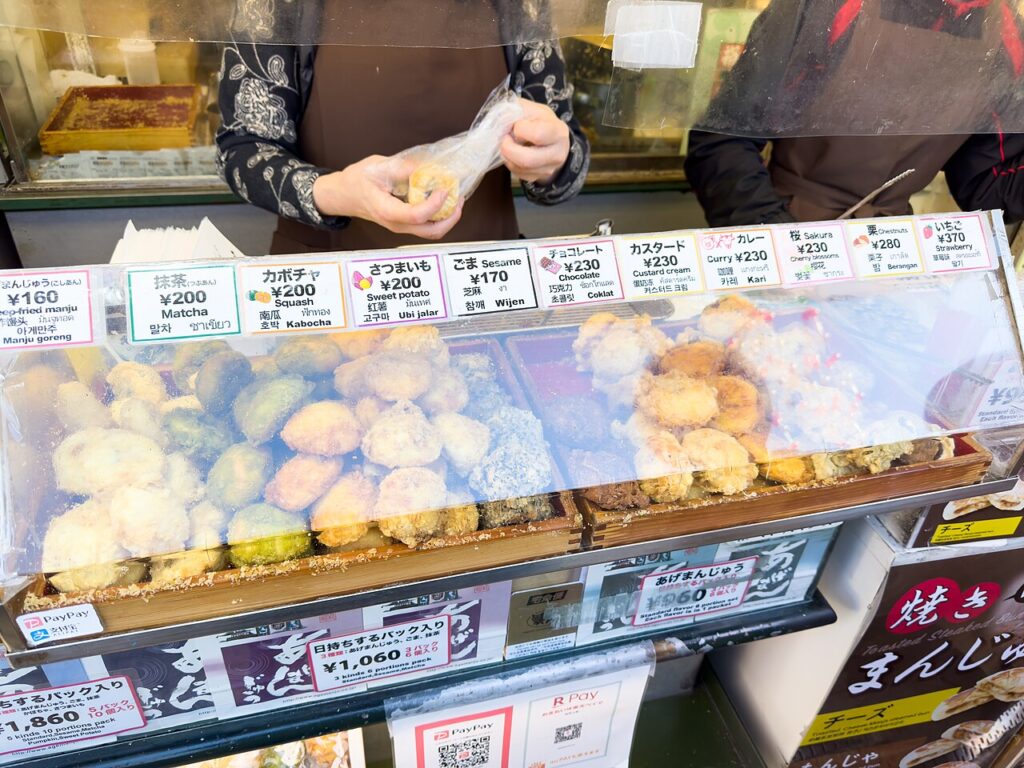
- Age‑manju (fried buns)
Tempura Restaurants
Asakusa is known for its historic tempura restaurants. These establishments often specialize in tendon (tempura over rice) and offer consistent quality. The restaurants are typically family‑run and maintain traditional preparation methods.
Soba & Udon Shops
The district contains several long‑running soba and udon restaurants. These venues provide reliable, traditional meals and are suitable for travelers seeking simple, well‑prepared dishes. The menus are straightforward, and service is efficient.
Street‑Level Cafés & Sweets Shops
Asakusa has a growing number of cafés offering Japanese sweets, matcha drinks, and light meals. These venues are practical for breaks between temple visits and riverfront walks. They also provide indoor seating, which is useful during peak travel seasons.
Kappabashi (Nearby)
A short walk from Asakusa, Kappabashi is Tokyo’s kitchenware district. It contains shops selling knives, ceramics, and food replicas. Travelers interested in cooking or Japanese craftsmanship will find this area particularly useful.
Book an Asakusa food tour (Viator) → #
Backup: Klook → #
Related: Best Street Food in Tokyo → #
Shopping Overview
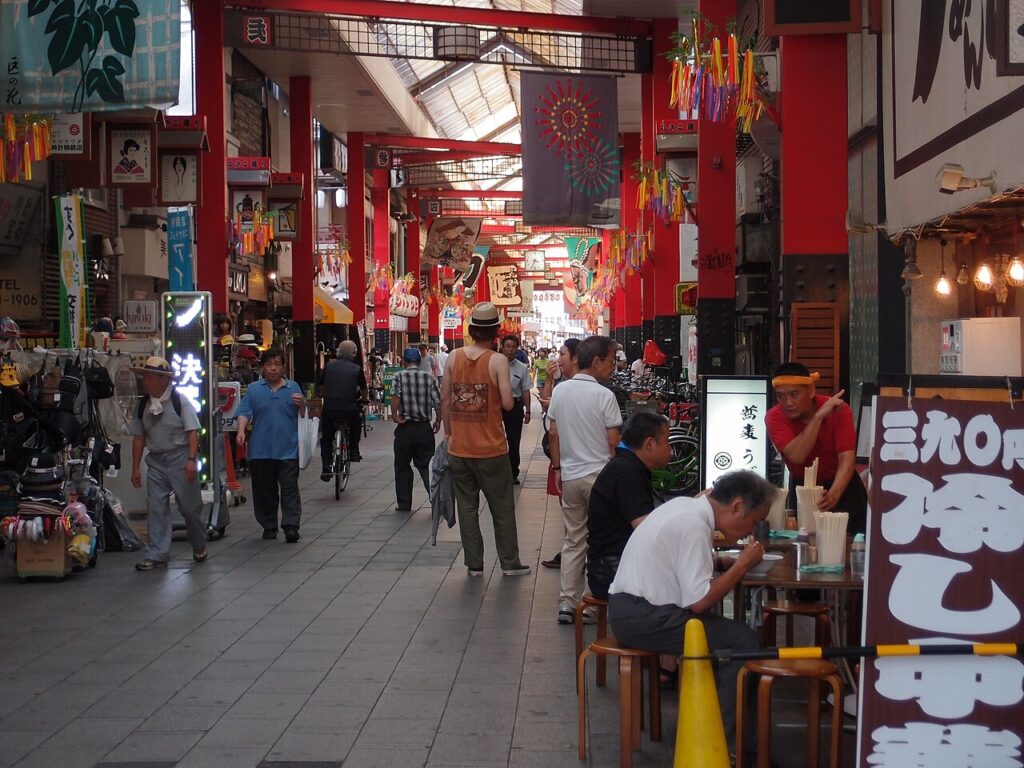
Asakusa’s shopping environment is defined by traditional goods, specialty crafts, and long‑established vendors. The district is one of the best places in Tokyo to purchase authentic souvenirs.
Nakamise Street
Nakamise contains shops selling snacks, crafts, and souvenirs. The street is ideal for travelers seeking traditional items such as fans, chopsticks, and small accessories. The vendors maintain long‑standing commercial practices, and many shops have operated for generations.
Craft Streets Around Senso‑ji
The smaller streets north and west of Senso‑ji contain shops specializing in ceramics, textiles, and handmade goods. These areas offer higher‑quality items than the mass‑produced goods found in some Nakamise shops. The shops are typically family‑run and focus on craftsmanship.
Kappabashi (Kitchenware District)
Kappabashi is a short walk from Asakusa and contains shops selling professional kitchen tools, ceramics, knives, and food replicas. It is a practical destination for travelers seeking durable, high‑quality items. The district is organized by product type, making it easy to locate specific items.
Book an Asakusa shopping tour (Viator) → #
Backup: Klook → #
Related: Tokyo Shopping Guide → #
Cultural Experiences
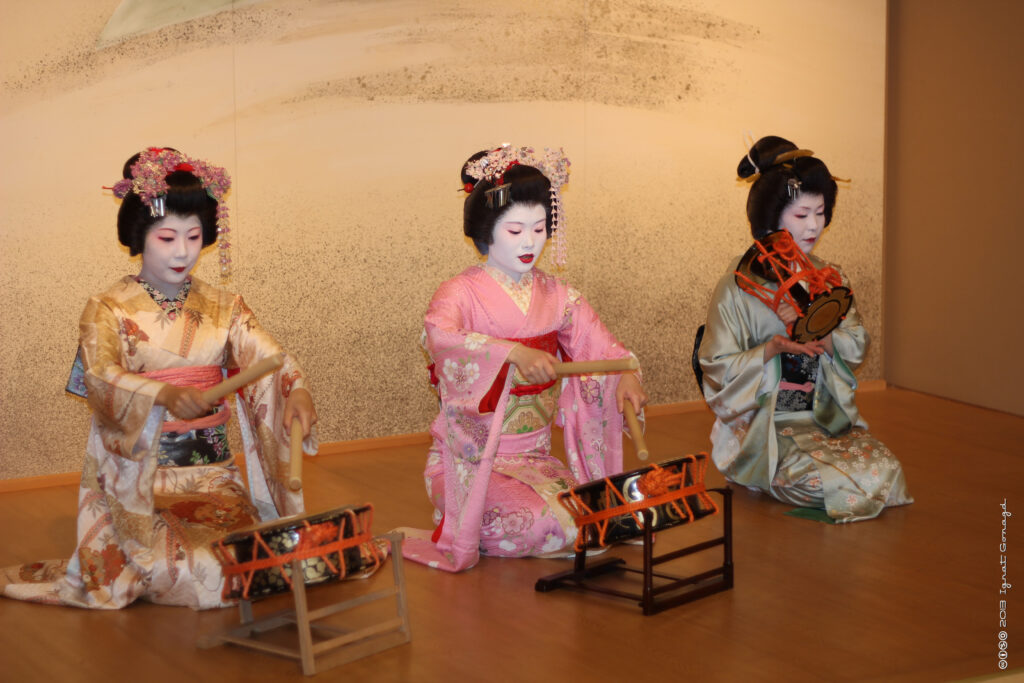
Asakusa is one of Tokyo’s most accessible districts for cultural activities. Many experiences are located within walking distance of Senso‑ji.
Kimono Rentals
Kimono rental shops are concentrated around the temple area. Rentals typically include dressing assistance, accessories, and optional photography packages. The district’s traditional architecture makes it a practical location for kimono walks.
Rickshaw Tours
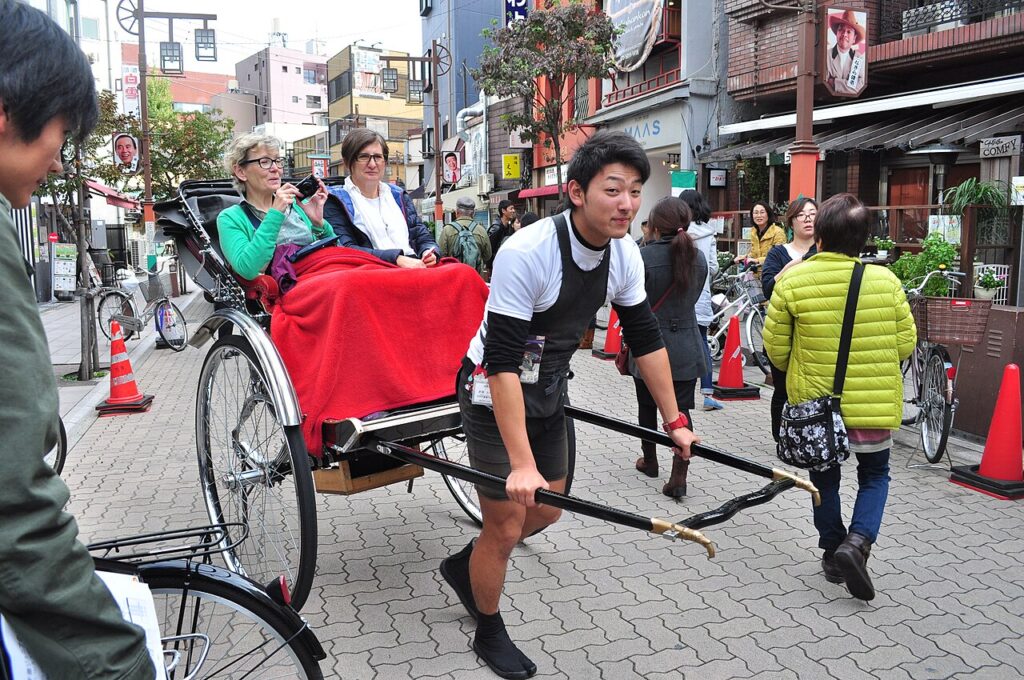
Rickshaw drivers operate around the Kaminarimon Gate and offer short tours of the district. These tours provide historical context and efficient navigation through Asakusa’s smaller streets. The routes are structured and cover key landmarks.
Tea Ceremonies
Several venues near Senso‑ji offer tea ceremony experiences. These sessions provide structured introductions to Japanese tea culture and are suitable for first‑time participants. The ceremonies are conducted in controlled environments and follow traditional protocols.
Workshops
Asakusa hosts workshops in traditional crafts such as fan‑making, calligraphy, and woodblock printing. These activities are practical for travelers seeking hands‑on cultural experiences. The workshops are typically led by experienced artisans.
Book Asakusa cultural experiences (Viator) → #
Backup: Klook → #
Related: Best Cultural Experiences in Tokyo → #
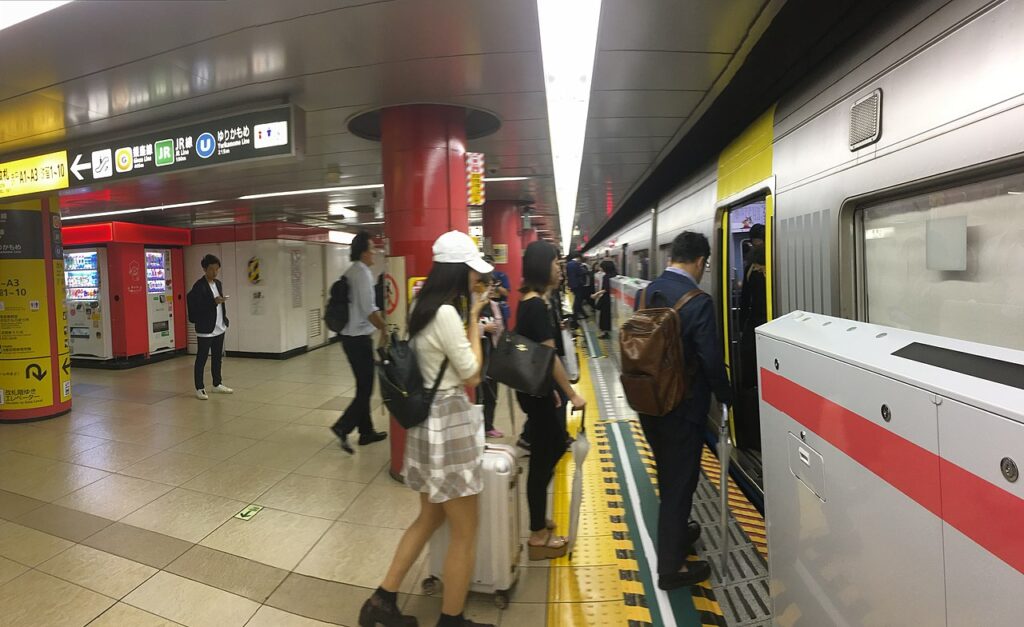
Image Suggestion:
Exterior of Asakusa Station with clear signage.
Asakusa is compact and easy to navigate. Most attractions are within a short walk of Asakusa Station.
Rail Lines
Asakusa Station is served by the Ginza Line, Asakusa Line, and Tobu Skytree Line. These lines provide direct access to Ueno, Ginza, Shibuya, and Tokyo Skytree. The station’s layout is straightforward, with clear signage and multiple exits leading to key areas.
River Cruises
The Sumida River cruise terminal offers routes to Odaiba, Hamarikyu Gardens, and other waterfront destinations. Cruises are a practical way to transition between districts and provide alternative views of the city.
Walking Routes
Asakusa’s streets are flat and walkable. The area around Senso‑ji is pedestrian‑friendly, with clear signage and designated paths. The district’s compact size makes it easy to explore without relying on public transportation.
Book an Asakusa transportation tour (Viator) → #
Backup: Klook → #
Related: Tokyo Transportation Guide → #
Where to Stay in Asakusa
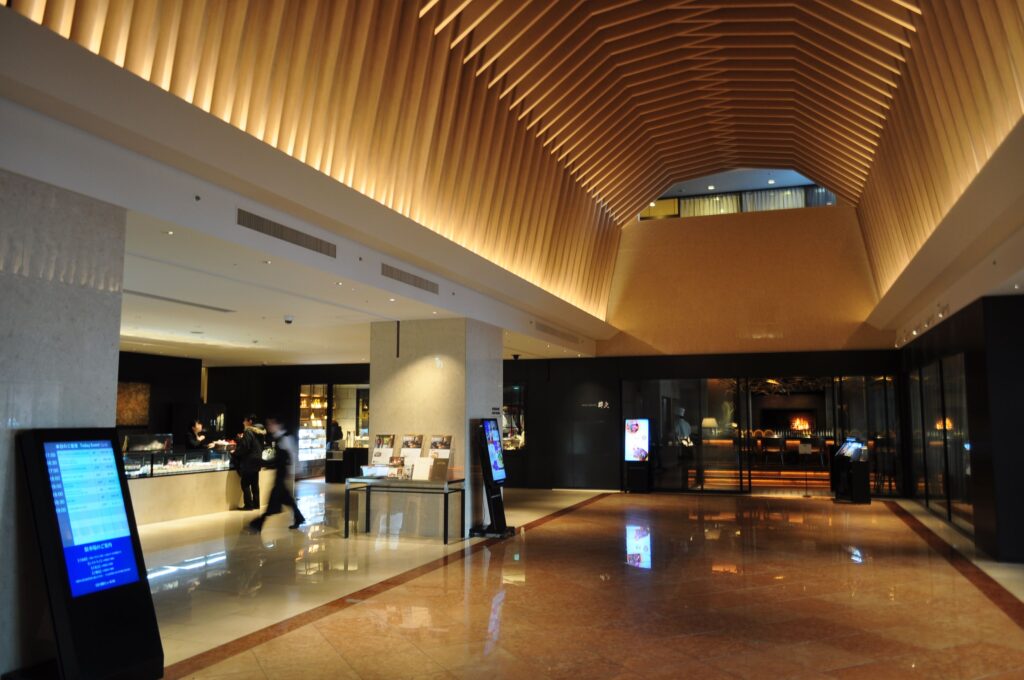
Asakusa is a practical base for travelers seeking a quieter environment with strong cultural appeal. The district offers a mix of modern hotels, traditional inns, and budget accommodations.
Best Areas to Stay
Hotels near Senso‑ji offer immediate access to the district’s attractions. The riverfront area provides quieter streets and views of Tokyo Skytree. The zone near Asakusa Station is the most convenient for transportation.
Hotel Types
Asakusa offers modern hotels, ryokan‑style inns, capsule hotels, and budget options. Prices are generally lower than in Shinjuku or Shibuya, making Asakusa a cost‑effective base.
Find Asakusa hotels on Booking.com → #
Related: Where to Stay in Tokyo → #
Practical Tips
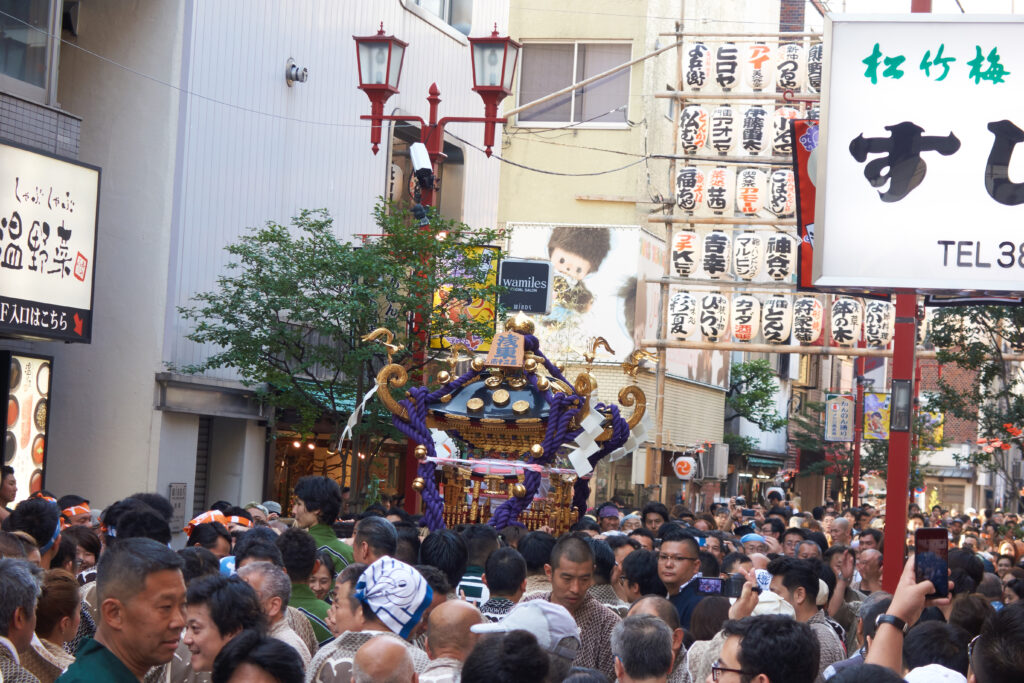
Asakusa is consistently busy, especially around Senso‑ji. Travelers should arrive early to avoid crowds. The district is safe and easy to navigate, with bilingual signage throughout. Many shops accept cash only, so travelers should carry small bills. The area is well‑lit at night, but most shops close earlier than those in Shinjuku or Shibuya.
Book an Asakusa essentials tour (Viator) → #
Backup: Klook → #
Related: Tokyo Travel Tips → #
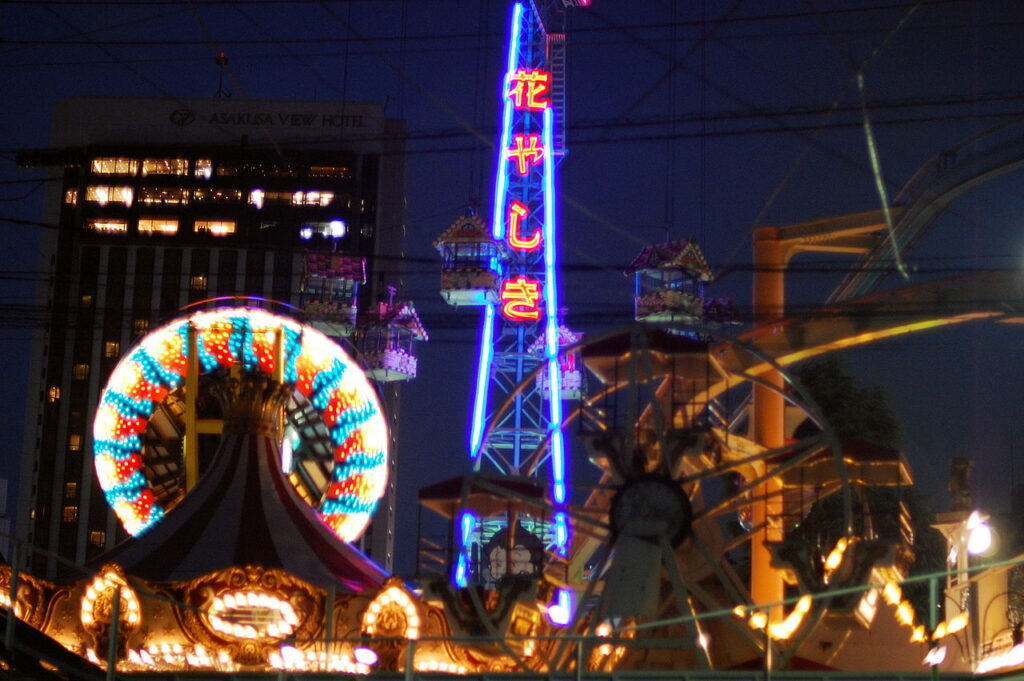
Asakusa is one of Tokyo’s most important cultural districts, offering a concentrated mix of heritage sites, traditional food, shopping streets, and riverfront views. Its compact layout and strong cultural identity make it a practical and rewarding destination for travelers. With clear navigation and structured planning, Asakusa can be explored efficiently and integrated into any Tokyo itinerary.