Ginza is Tokyo’s most refined district — a polished, architecturally striking neighborhood defined by luxury shopping, Michelin‑starred dining, art galleries, historic department stores, and a level of urban design unmatched anywhere else in the city. Unlike Shinjuku’s vertical chaos or Shibuya’s youth-driven energy, Ginza is built on precision, heritage, and elegance. It is the district where Tokyo’s commercial history meets its modern identity, blending traditional department stores with futuristic flagship buildings designed by world‑renowned architects. The result is a district that feels both timeless and contemporary, offering a curated experience that appeals to travelers seeking sophistication, culture, and design.
Ginza’s identity is built on four pillars:
- Luxury retail and flagship architecture — from global brands to Japanese heritage stores.
- Fine dining and Michelin‑starred restaurants — including sushi, kaiseki, and French cuisine.
- Art galleries and cultural institutions — showcasing contemporary and traditional works.
- Historic department stores and traditional craft shops — preserving Ginza’s legacy as Tokyo’s original shopping district.
This guide provides a complete, practical overview of Ginza’s structure, major attractions, shopping zones, dining, galleries, navigation, accommodations, and practical considerations.
FEATURED: 15 Best Things To Do in Tokyo →
1. District Structure
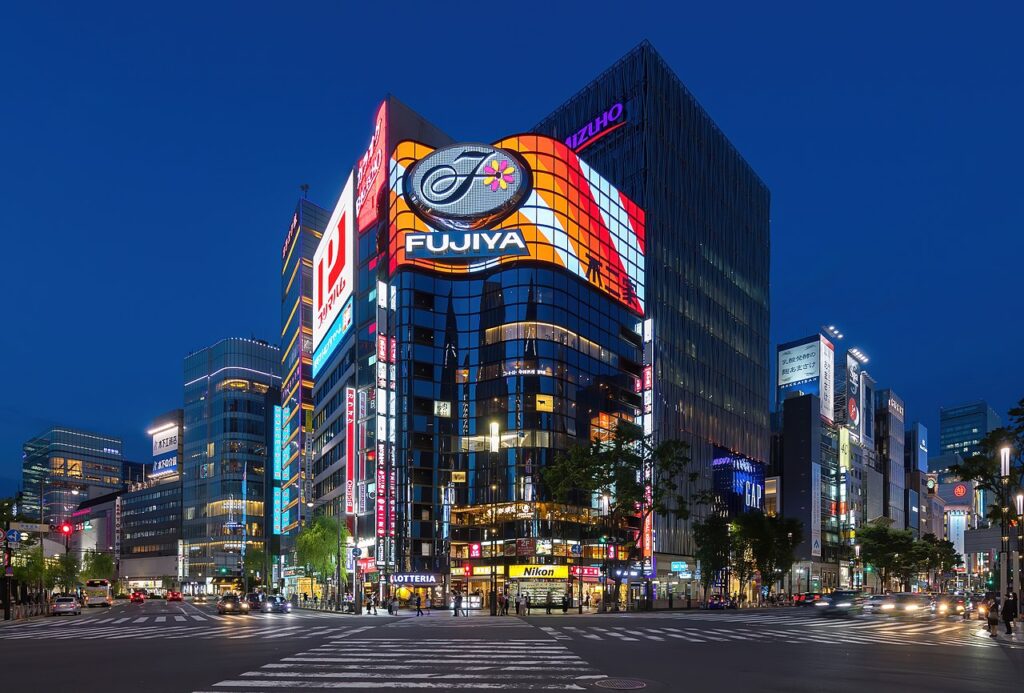
Ginza is organized around two major boulevards — Chuo-dori and Harumi-dori — with a grid of side streets filled with boutiques, cafés, galleries, and restaurants. The district is compact, walkable, and designed with a refined urban aesthetic that makes navigation intuitive. The streets are wide, the sidewalks are clean, and the signage is elegant, reflecting the district’s upscale identity. Ginza’s layout encourages exploration, with each block offering a mix of flagship stores, traditional shops, and hidden gems.
1.1 Chuo-dori (Main Boulevard)
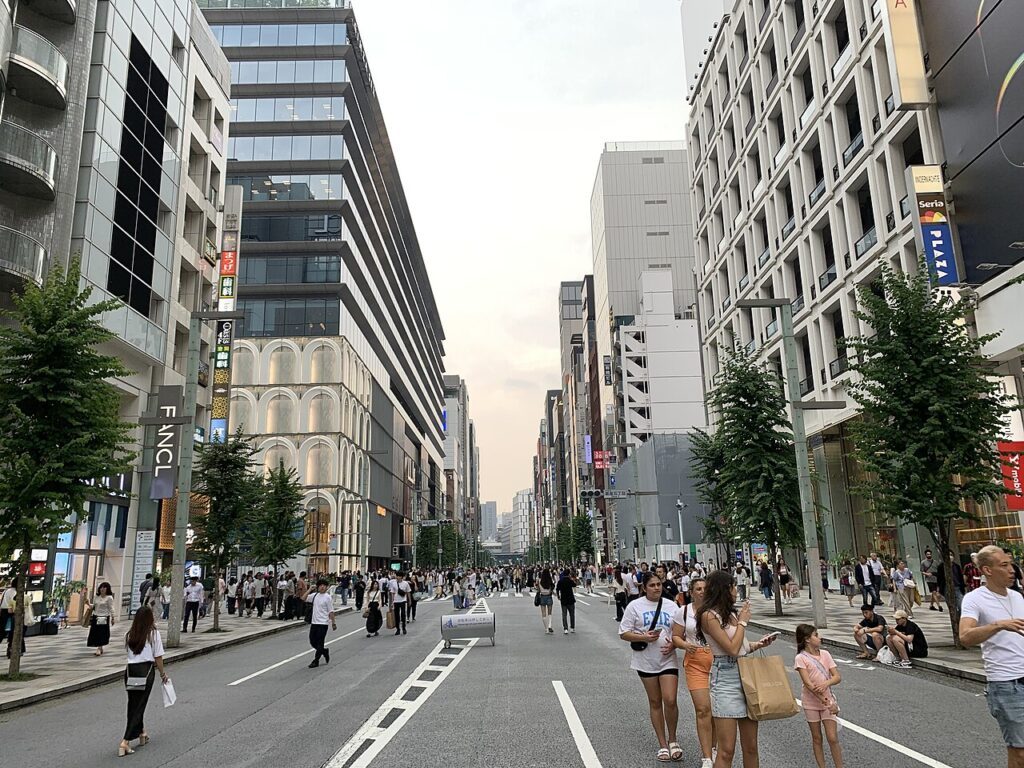
Chuo-dori is the heart of Ginza — a grand boulevard lined with luxury brand flagships, department stores, and architectural landmarks. The street is designed to showcase the district’s elegance, with wide sidewalks, polished storefronts, and a sense of openness that contrasts with the density of other Tokyo districts. On weekends, Chuo-dori becomes a pedestrian-only zone, transforming the boulevard into a relaxed, open-air promenade where visitors can stroll freely, take photos, and enjoy the atmosphere without traffic.
Chuo-dori is also where you’ll find some of Ginza’s most iconic buildings, including the Wako Department Store with its clock tower and the Mitsukoshi flagship. The boulevard’s architecture ranges from classic to ultra-modern, creating a visually striking environment that reflects Ginza’s blend of tradition and innovation.
1.2 Harumi-dori (Cross Boulevard)
Harumi-dori intersects Chuo-dori and serves as Ginza’s secondary axis, connecting the district to Tokyo Station, Yurakucho, and Tsukiji. This boulevard is lined with commercial buildings, restaurants, and department stores, making it an important part of Ginza’s shopping and dining landscape. Harumi-dori is slightly less polished than Chuo-dori but still maintains the district’s refined aesthetic. It is also home to several major intersections that serve as landmarks for navigation.
1.3 Ginza Six Area
Ginza Six is a modern luxury complex that anchors the southwestern side of the district. It is one of Ginza’s most significant developments in recent years, offering a curated mix of designer boutiques, art installations, fine dining, and a rooftop garden with panoramic views. The building’s architecture is sleek and contemporary, reflecting Ginza’s evolution into a global luxury destination. Ginza Six also hosts cultural events and exhibitions, making it a hub for both shopping and art.
1.4 Yurakucho Side Streets
The area between Ginza and Yurakucho Station offers a completely different atmosphere from the polished boulevards. Here, you’ll find narrow side streets filled with izakayas, small restaurants, and the famous Yurakucho Gado-shita, a series of eateries located under the railway tracks. This zone provides a casual, lively contrast to Ginza’s luxury core, making it a popular spot for after-work dining and drinks. It is also one of the best places to experience Tokyo’s traditional “salaryman” culture.
1.5 Kabukiza Theatre Area
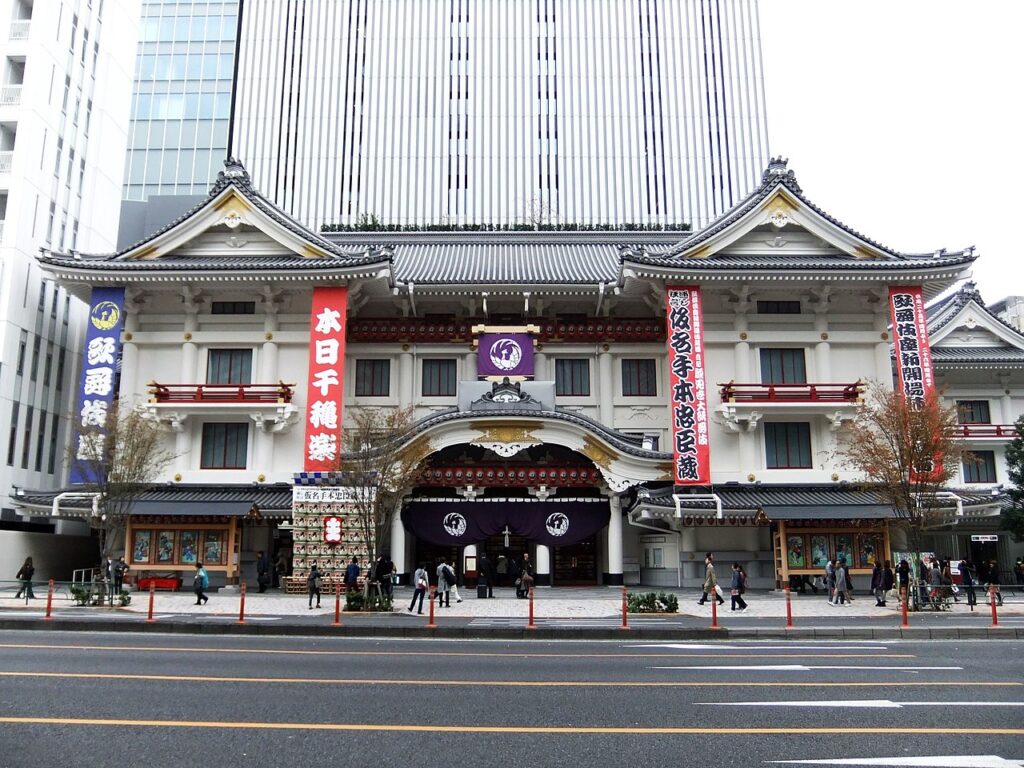
Located on the eastern edge of Ginza, the Kabukiza Theatre area is the cultural heart of the district. The theater’s ornate façade stands out among the modern buildings, offering a glimpse into Japan’s traditional performing arts. Surrounding the theater are craft shops, souvenir stores, and the Kabukiza Tower, which houses a museum, rooftop garden, and additional retail spaces. This area blends culture and commerce, making it an essential part of any Ginza itinerary.
Book a Ginza walking tour (Viator) → #
Backup: Klook → #
Related: Tokyo Travel Tips → #
2. Major Attractions
Ginza’s attractions are centered around shopping, culture, architecture, and dining. While the district does not have large-scale theme parks or museums like other parts of Tokyo, its attractions are deeply tied to its identity as a center of luxury, heritage, and design. Each landmark contributes to the district’s refined atmosphere, offering visitors a curated experience that blends tradition and modernity.
2.1 Kabukiza Theatre
Kabukiza is Tokyo’s premier kabuki theater and one of the most important cultural institutions in Japan. The building’s traditional façade stands in striking contrast to the modern skyscrapers surrounding it, symbolizing Ginza’s blend of old and new. Inside, visitors can attend full kabuki performances or purchase single-act tickets, which are ideal for beginners or travelers with limited time. The theater also houses a museum, craft shops, and a rooftop garden, making it a destination even for those who do not attend a performance.
Kabukiza’s significance extends beyond its architecture and performances. It represents the preservation of traditional Japanese performing arts in a district known for modern luxury. The theater’s presence anchors Ginza’s cultural identity, offering a counterbalance to the commercial energy of the surrounding streets.
2.2 Ginza Six
Ginza Six is one of the district’s most modern landmarks, offering a curated mix of luxury retail, art, and dining. The building’s interior is spacious and elegant, with high ceilings, polished surfaces, and art installations curated by the Mori Art Museum. The rooftop garden provides panoramic views of the district and serves as a peaceful retreat from the busy streets below.
Ginza Six is more than just a shopping complex — it is a cultural hub that hosts exhibitions, performances, and seasonal events. Its design reflects Ginza’s evolution into a global luxury destination, blending high-end retail with contemporary art and architecture.
2.3 Wako Department Store
The Wako Department Store is one of Ginza’s most iconic buildings, known for its clock tower and elegant façade. Inside, you’ll find luxury watches, jewelry, and lifestyle goods, all presented with meticulous attention to detail. Wako represents Ginza’s heritage as Tokyo’s original shopping district, offering a refined shopping experience that emphasizes quality and craftsmanship.
2.4 Mitsukoshi Ginza
Mitsukoshi is Japan’s oldest department store chain, and its Ginza flagship is one of the district’s most important retail destinations. The store offers a wide range of fashion, cosmetics, and lifestyle products, as well as a gourmet food hall that is considered one of the best in Tokyo. Mitsukoshi’s basement food floor is a must-visit for travelers seeking high-quality Japanese snacks, sweets, and prepared foods.
2.5 Ginza Sony Park (when open)
Ginza Sony Park is an experimental space that hosts rotating exhibitions, interactive installations, and pop-up shops. The park reflects Ginza’s blend of technology and culture, offering visitors a dynamic and ever-changing experience. While the park undergoes periodic redevelopment, it remains an important part of Ginza’s identity as a district that embraces innovation.
Book Ginza attractions tour (Viator) → #
Backup: Klook → #
Related: Best Things to Do in Tokyo → #
3. Shopping in Ginza
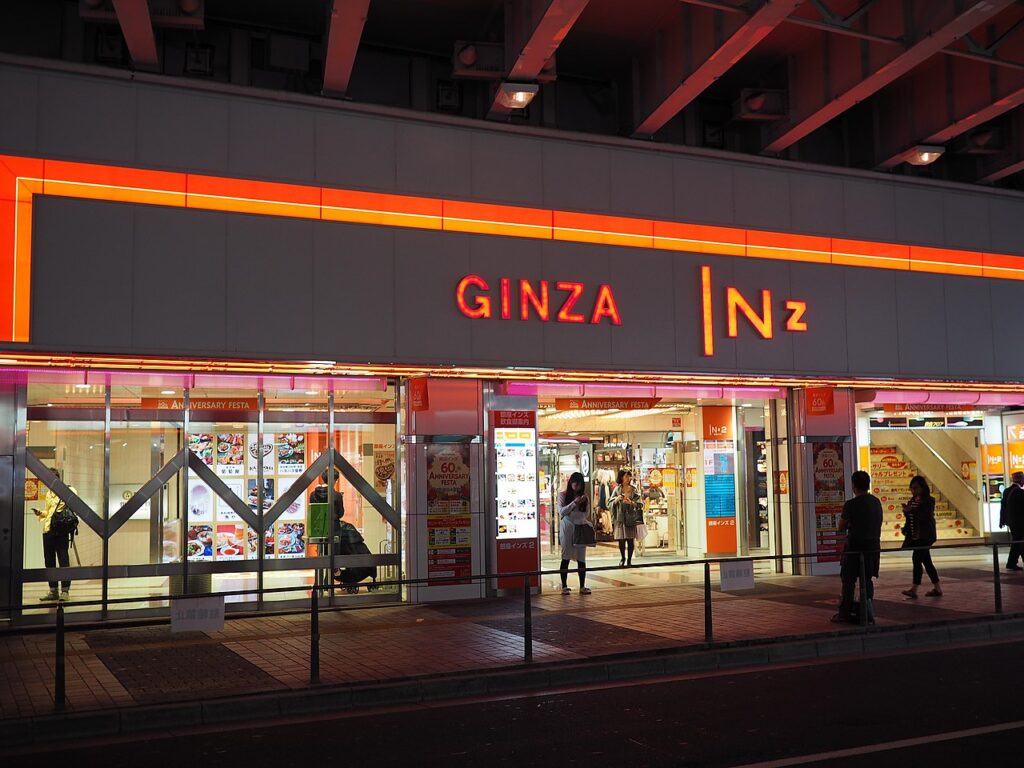
Ginza is Tokyo’s premier shopping district, offering everything from global luxury brands to Japanese heritage shops. The district’s retail landscape is defined by its architectural diversity, with each flagship store designed to make a statement. Shopping in Ginza is not just about purchasing goods — it is an experience that combines design, craftsmanship, and service.
3.1 Luxury Flagship Stores
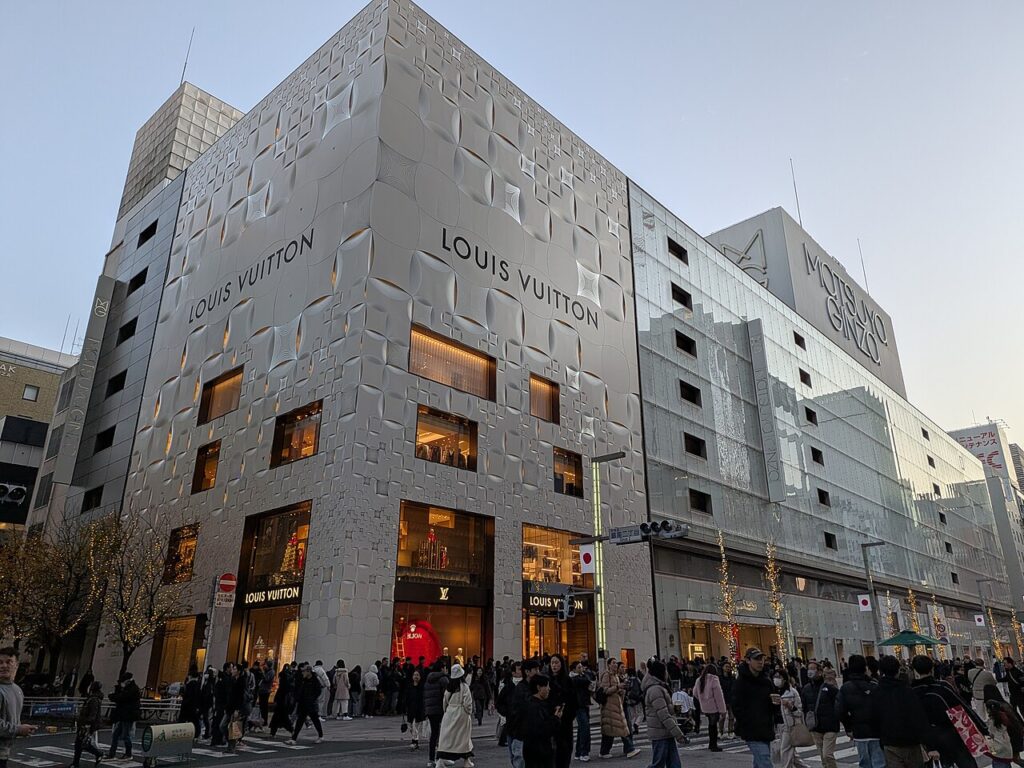
Ginza is home to flagship stores for many of the world’s most prestigious luxury brands, including Chanel, Louis Vuitton, Dior, Gucci, Hermès, and Cartier. These stores often feature exclusive items, limited-edition collections, and architectural designs that reflect the brand’s identity. The shopping experience is elevated by attentive service, elegant interiors, and a sense of exclusivity that sets Ginza apart from other districts.
3.2 Japanese Heritage Brands
In addition to global luxury brands, Ginza is home to several Japanese heritage brands that emphasize craftsmanship and tradition. Shiseido, Mikimoto, Wako, and Matsuya Ginza are among the most notable. These stores offer products that reflect Japan’s dedication to quality, from skincare and cosmetics to jewelry and traditional crafts. Shopping at these stores provides insight into Japan’s cultural values and aesthetic sensibilities.
3.3 Department Stores
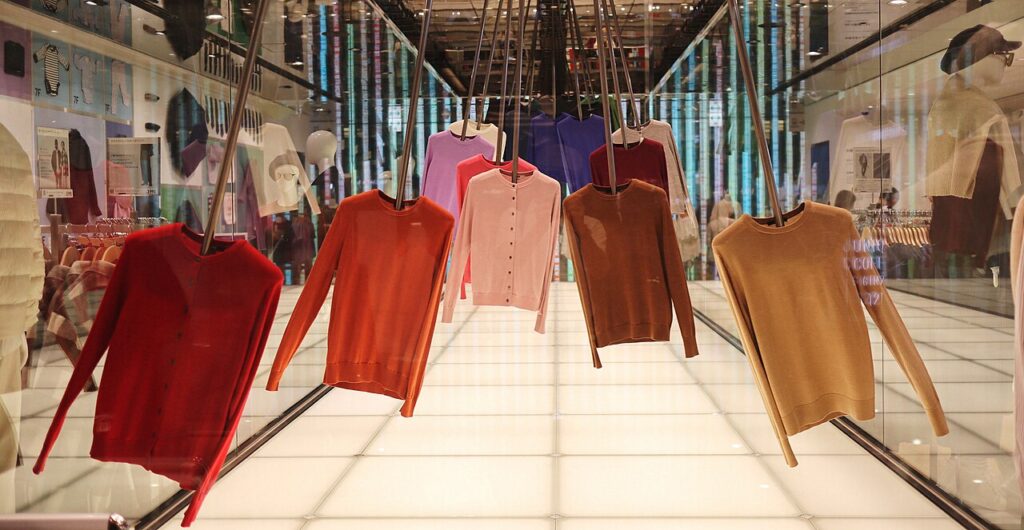
Ginza’s department stores are among the best in Tokyo, offering a curated selection of fashion, cosmetics, and lifestyle goods. Mitsukoshi, Matsuya, and Hankyu Men’s Tokyo each have their own identity and strengths. The basement food halls, known as depachika, are particularly impressive, offering gourmet foods, sweets, and prepared meals that showcase Japan’s culinary excellence.
3.4 Boutique Side Streets
The smaller streets branching off Chuo-dori contain independent boutiques, specialty shops, and artisanal goods. These areas offer a quieter, more curated shopping experience, with stores that focus on niche products and unique designs. Exploring these side streets reveals a different side of Ginza — one that values individuality and craftsmanship.
Book a Ginza shopping tour (Viator) → #
Backup: Klook → #
Related: Tokyo Shopping Guide → #
4. Dining in Ginza
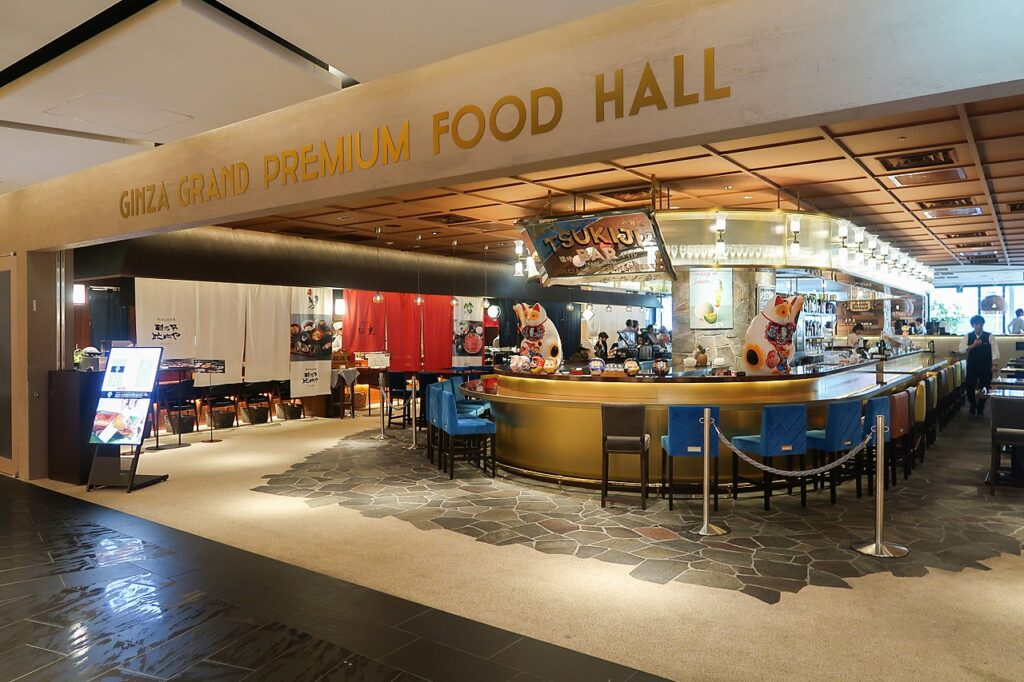
Ginza is one of Tokyo’s top dining districts, offering everything from Michelin‑starred restaurants to casual cafés. The district’s culinary landscape reflects its refined identity, with an emphasis on quality, presentation, and service. Whether you’re seeking a high-end omakase experience or a simple coffee break, Ginza offers options that cater to every taste.
4.1 Michelin‑Starred Restaurants
Ginza has one of the highest concentrations of Michelin‑starred restaurants in Tokyo, including sushi, kaiseki, French cuisine, tempura, and teppanyaki. These restaurants are known for their meticulous attention to detail, seasonal ingredients, and exceptional service. Many require reservations weeks or months in advance, reflecting their popularity and prestige.
4.2 Sushi in Ginza
Ginza is home to some of Tokyo’s most respected sushi restaurants, offering omakase experiences that highlight the artistry of Edomae sushi. These restaurants emphasize freshness, technique, and presentation, creating a dining experience that is both refined and memorable. Prices vary widely, but the quality is consistently high.
4.3 Casual Dining & Cafés
In addition to fine dining, Ginza offers a wide range of casual dining options, including coffee shops, bakeries, dessert cafés, and casual Japanese restaurants. These venues provide a relaxed break from shopping and sightseeing, offering high-quality food in a comfortable setting.
4.4 Yurakucho Gado-shita
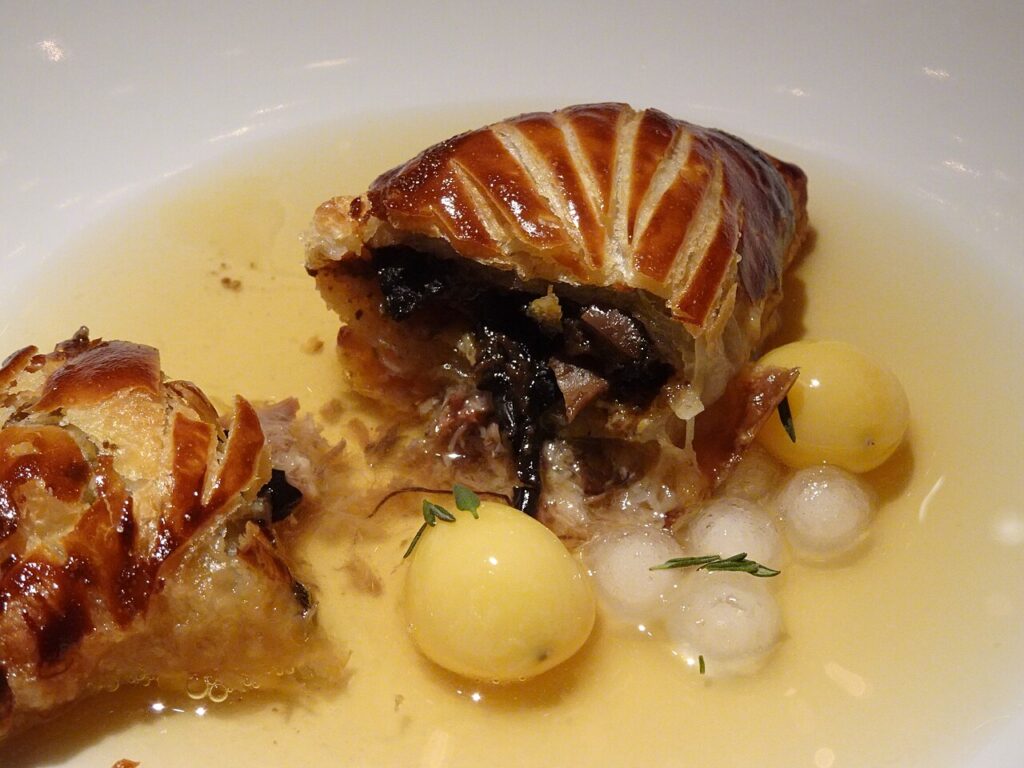
The Yurakucho Gado-shita area offers a lively, informal contrast to Ginza’s luxury atmosphere. Located under the railway tracks near Yurakucho Station, this zone is filled with izakayas, yakitori stalls, and casual bars. It is one of the best places to experience Tokyo’s traditional “salaryman” culture and enjoy affordable, delicious food.
Book a Ginza food tour (Viator) → #
Backup: Klook → #
Related: Best Food in Tokyo → #
5. Art & Culture in Ginza
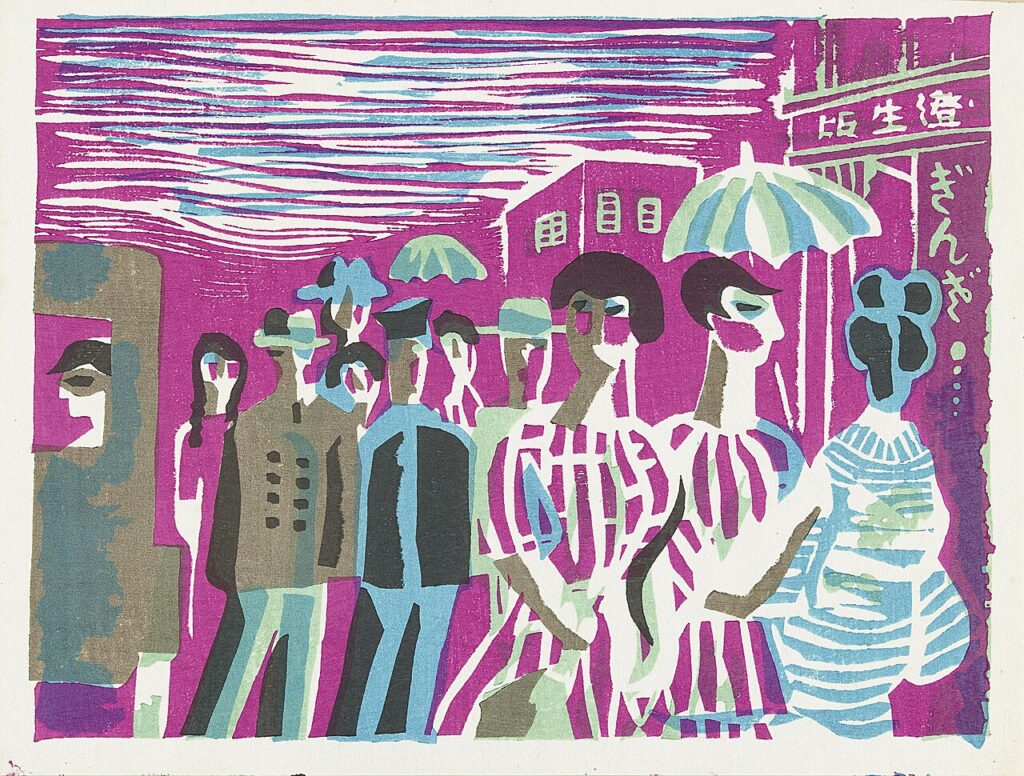
Ginza is one of Tokyo’s most important art districts, with a high concentration of galleries and cultural institutions. The district’s artistic identity is shaped by its blend of traditional and contemporary influences, offering visitors a diverse range of cultural experiences.
5.1 Art Galleries
Ginza’s galleries range from contemporary to traditional, including the Shiseido Gallery, Ginza Graphic Gallery, Pola Museum Annex, and Nichido Gallery. These galleries showcase works by both established and emerging artists, offering a curated selection of paintings, sculptures, photography, and graphic design. Many galleries are free to enter, making them accessible to all visitors.
5.2 Kabukiza Theatre
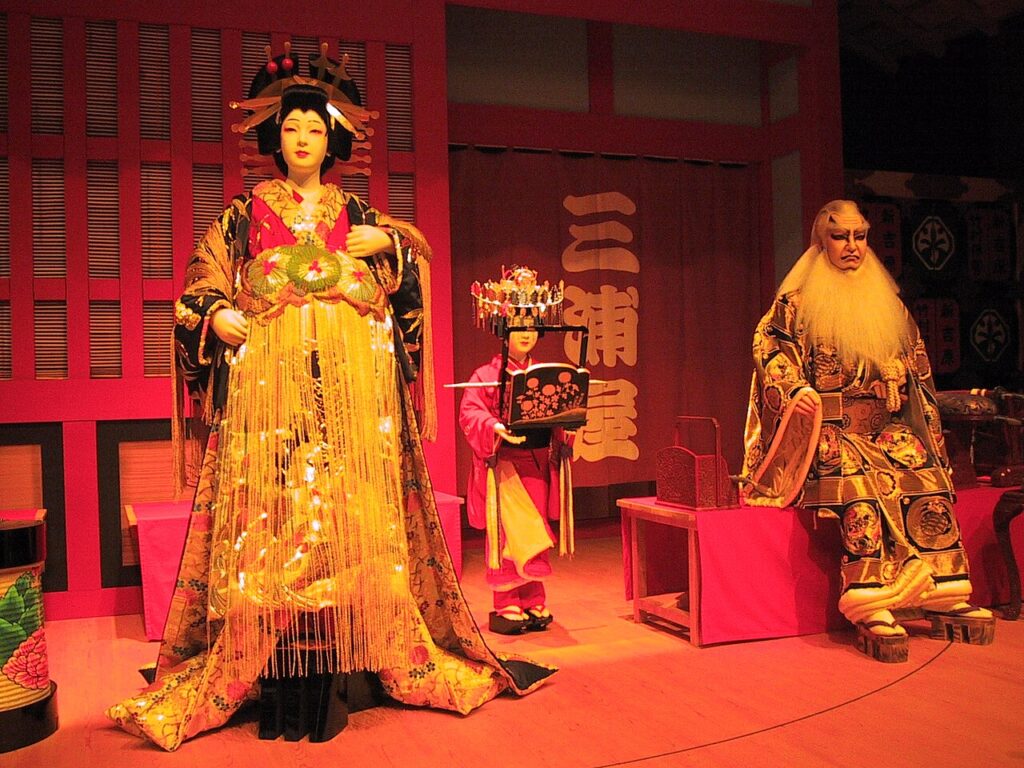
Kabukiza is not only a performance venue but also a cultural landmark that preserves Japan’s traditional performing arts. The theater offers full kabuki performances as well as single-act tickets, making it accessible to both enthusiasts and newcomers. The building’s architecture and interior design reflect the elegance and tradition of kabuki, creating a memorable cultural experience.
5.3 Ginza Sony Park
Sony Park hosts interactive exhibits, tech showcases, and pop-up events that reflect Ginza’s blend of culture and innovation. The park’s design encourages exploration and experimentation, offering visitors a dynamic and ever-changing experience.
Book a Ginza culture tour (Viator) → #
Backup: Klook → #
Related: Tokyo Art Guide → #
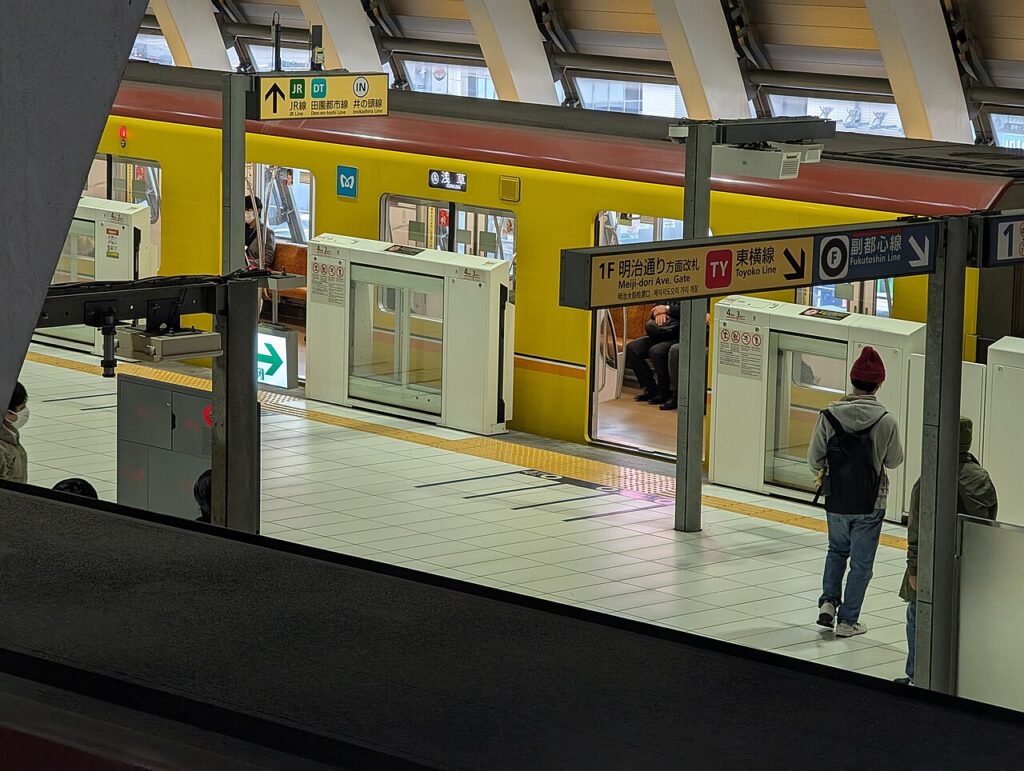
Ginza is centrally located and easy to navigate, with excellent public transportation and a walkable layout. The district’s grid-like structure makes it simple to explore, and the wide sidewalks and pedestrian-friendly streets enhance the experience.
6.1 Subway Access
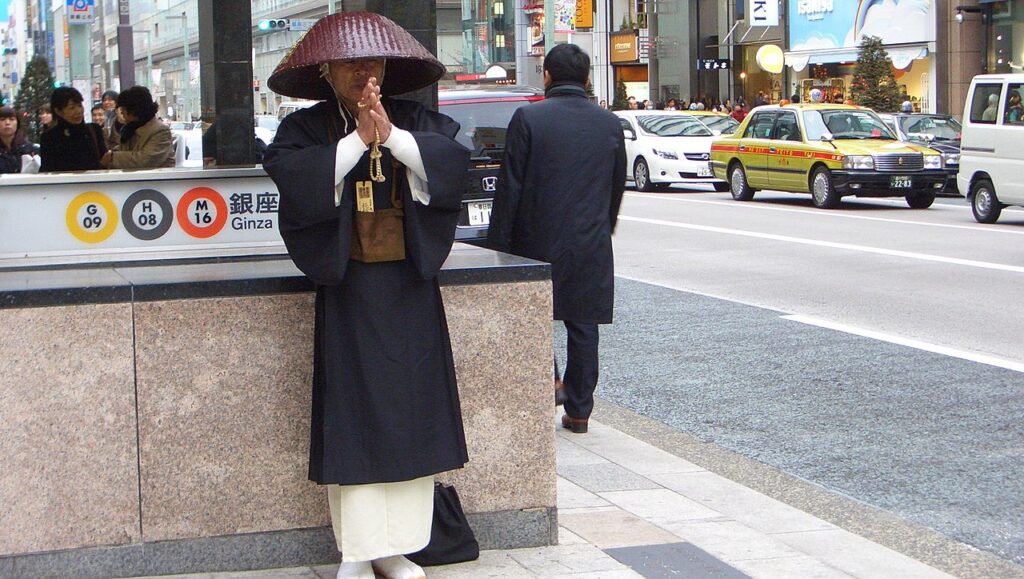
Ginza Station is served by the Ginza Line, Hibiya Line, and Marunouchi Line, providing direct access to major districts such as Shibuya, Shinjuku, and Tokyo Station. Nearby stations include Yurakucho, Higashi-Ginza, and Shimbashi, offering additional connections to the JR network and other subway lines.
6.2 Walking Routes
A simple walking route for first-time visitors includes starting at Ginza Station, walking along Chuo-dori, visiting Wako and Mitsukoshi, exploring Ginza Six, walking to Kabukiza Theatre, and ending in Yurakucho for dining. This route covers the district’s major attractions and offers a balanced mix of shopping, culture, and dining.
6.3 Pedestrian-Only Weekends
Chuo-dori becomes pedestrian-only on weekends, creating a relaxed shopping environment that encourages strolling and exploration. This is one of the best times to visit Ginza, as the atmosphere is lively but not overwhelming.
Book Ginza transportation passes (Viator) → #
Backup: Klook → #
Related: Tokyo Transportation Guide → #
7. Where to Stay in Ginza
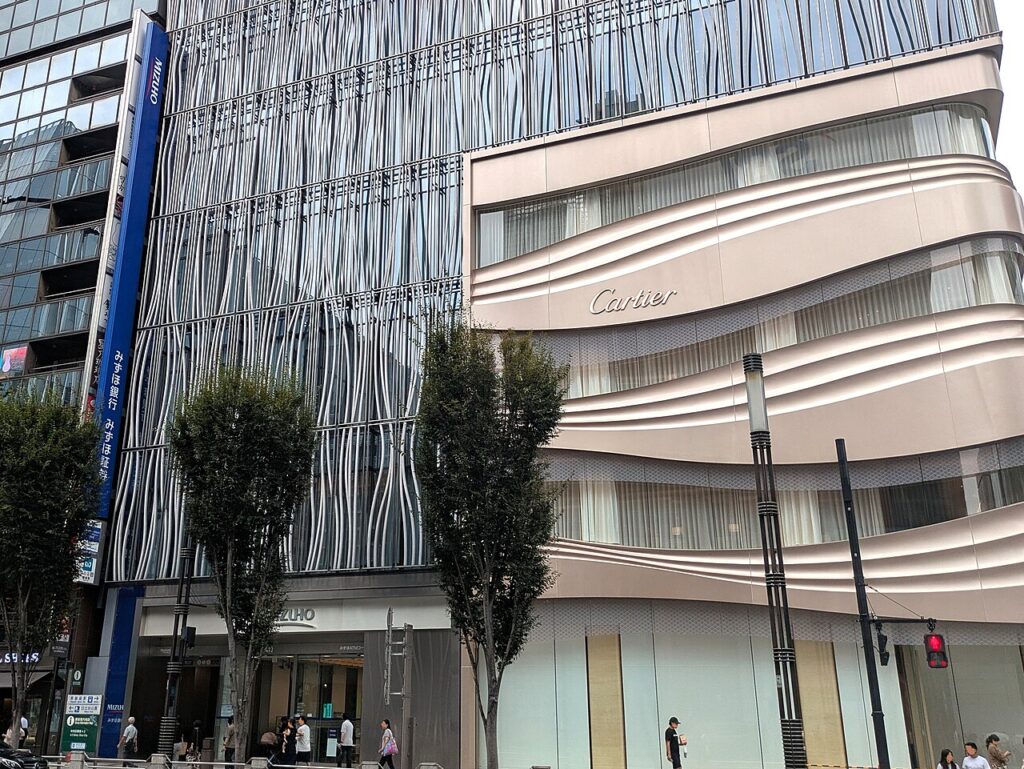
Ginza is an excellent base for travelers seeking convenience, luxury, and central access. The district offers a wide range of accommodations, from high-end hotels to boutique properties, all designed to provide comfort and style.
7.1 Why Stay in Ginza?
Staying in Ginza offers several advantages, including a central location, excellent dining options, luxury hotels, walkable streets, and easy access to Tokyo Station. The district’s refined atmosphere makes it ideal for travelers seeking a sophisticated experience, while its proximity to major attractions ensures convenience.
The best areas to stay in Ginza include the vicinity of Ginza Station for convenience, the area near Yurakucho for dining, and the zone near Higashi-Ginza for access to Kabukiza Theatre. Each area offers its own unique atmosphere and advantages, allowing travelers to choose based on their preferences.
7.2 Hotel Types
Ginza offers a variety of hotel types, including luxury hotels, boutique hotels, business hotels, and modern design hotels. These accommodations cater to different budgets and preferences, ensuring that travelers can find a comfortable and stylish place to stay.
Find Ginza hotels on Booking.com → #
Related: Where to Stay in Tokyo → #
8. Practical Tips
Ginza is a district that rewards thoughtful planning, with several practical considerations that can enhance your visit.
8.1 Best Time to Visit
Evenings are ideal for experiencing Ginza’s beautiful lighting, while weekends offer pedestrian-only streets that make exploration more enjoyable. Winter is also a great time to visit, as the district features stunning illuminations.
8.2 Budget Considerations
While Ginza can be expensive, there are ways to enjoy the district on a budget. Lunch menus at high-end restaurants are often more affordable than dinner, and department store food halls offer high-quality meals at reasonable prices. Side streets also contain casual dining options that provide excellent value.
8.3 Etiquette
Ginza’s refined atmosphere means that etiquette is important. Many boutiques offer personalized service, and photography may be restricted in some stores. Reservations are essential for fine dining, and it is important to be respectful of staff and other customers.
Book a Ginza essentials tour (Viator) → #
Backup: Klook → #
Related: Tokyo Travel Tips → #
Ginza is more than Tokyo’s luxury district — it is a living showcase of the city’s evolution, where tradition, refinement, and innovation coexist in a way that feels uniquely Japanese. Walking through Ginza reveals the layers that define modern Tokyo: the heritage of department stores like Wako and Mitsukoshi, the architectural ambition of Ginza Six and global flagships, the cultural depth of Kabukiza Theatre, and the creative pulse of its galleries and design spaces. It is a district that rewards slow exploration, where every block offers a different expression of craftsmanship, aesthetics, and urban sophistication.