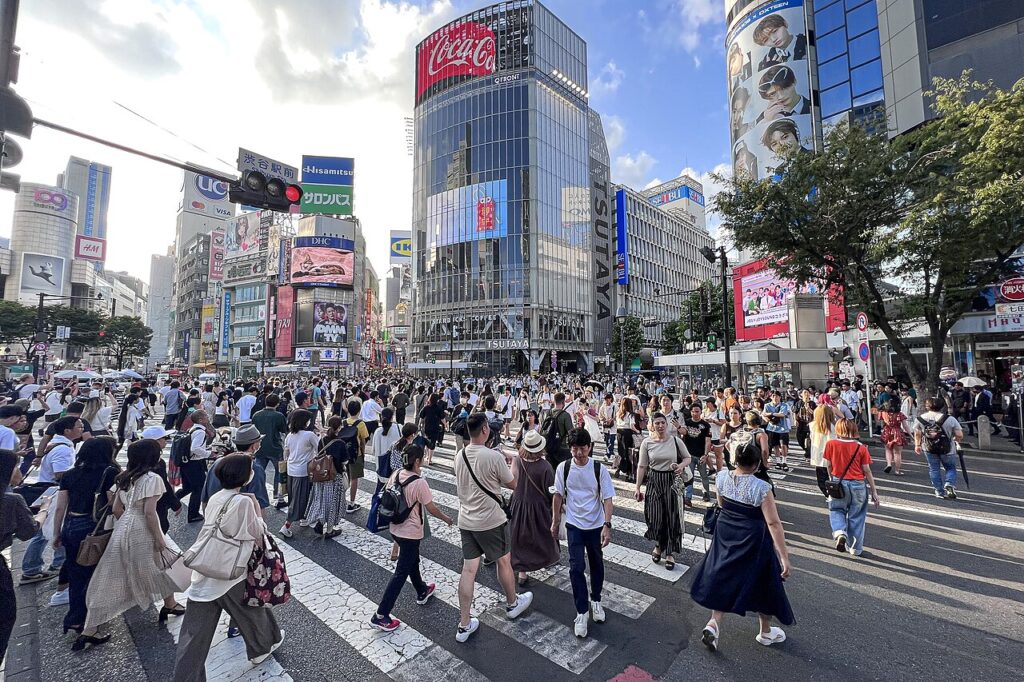
Tokyo’s crowds are legendary. For the unprepared traveler, they can be more than just an observation—they can be a genuine obstacle. The sheer volume of people flowing through its train stations and across its famous intersections can feel overwhelming, turning simple navigation into a daunting task.
But this constant, powerful pulse is not chaotic.
It has a rhythm, a set of unwritten rules, and a flow that can be understood and mastered. This guide provides a practical, clear-eyed approach to moving through the city, not as an outsider battling the current, but as a confident traveler.
Plan your trip with this Tokyo itinerary (1–7 days)
For more ideas, explore: 15 Best Things To Do in Tokyo
Understanding Tokyo’s Crowds
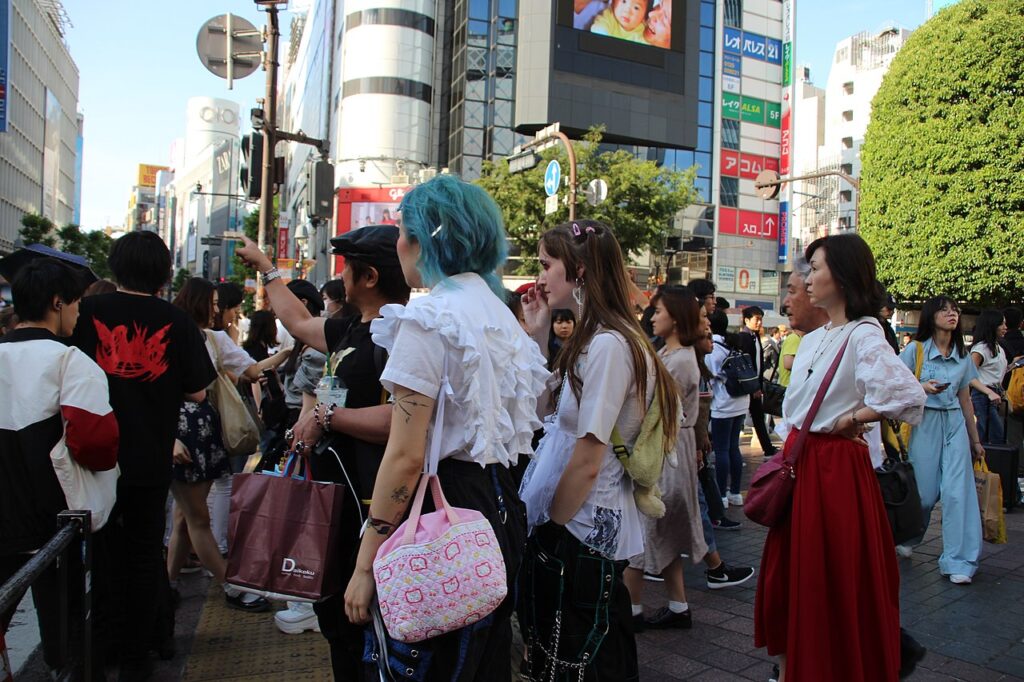
Why Tokyo feels crowded
Tokyo’s density is most apparent at its connection points. The city’s major train stations are vast, multi-level ecosystems. They serve millions of passengers daily. Sidewalks in popular districts like Shibuya and Shinjuku are rivers of humanity, especially in the evening.
Major tourist attractions naturally concentrate large numbers of people into small areas. The feeling of being in a crowd is a fundamental part of the Tokyo experience.
The key is understanding that it is almost always a crowd with a purpose, moving in a predictable and orderly fashion. It is organized, not chaotic.
The rhythm of the city
Tokyo operates on a distinct daily schedule. The morning rush, roughly from 7:30 AM to 9:30 AM, is the most intense period. This is when commuter trains are at their peak capacity. The lunch rush, from noon to 1:00 PM, fills restaurants and surrounding streets.
The evening rush, from 5:00 PM to 7:00 PM, sees another surge on public transit as people head home. A second wave follows as people go out for dinner and drinks.
Understanding this rhythm allows you to schedule your own movements against the main current, creating a smoother experience.
Districts with the heaviest foot traffic
Certain districts are epicenters of pedestrian flow. Shibuya, with its famous scramble crossing, is a constant hub of activity, especially for younger crowds. Shinjuku, particularly around the station’s east exit and the Kabukichō area, is intensely busy from afternoon until late at night.
Harajuku’s Takeshita Street is a concentrated river of people, especially on weekends. Ameya Yokocho market in Ueno is a bustling, narrow street packed with shoppers.
Knowing these hotspots helps you decide when to visit them and when to seek calmer alternatives.
Where to Stay if You Want Space, Calm, and Easy Transit
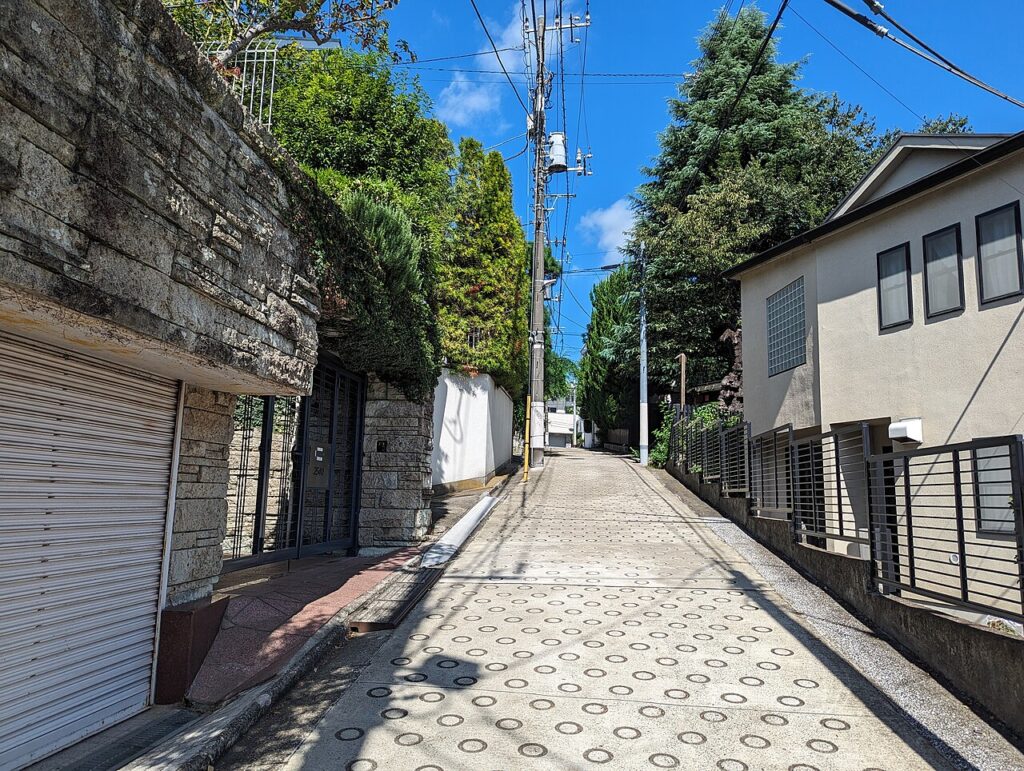
Ginza — Wide sidewalks, calm evenings, luxury hotels
Ginza offers a more refined and spacious experience. Its grand avenues have wide, uncluttered sidewalks. After the high-end shops close, the evenings become remarkably quiet and calm.
The area is home to many of Tokyo’s top luxury hotels. This provides a serene sanctuary to return to after a day of exploring. Excellent subway connections mean you can easily access busier neighborhoods while basing yourself in an oasis of order.
Marunouchi / Tokyo Station — Business-district calm + direct transit
The Marunouchi district, situated between Tokyo Station and the Imperial Palace, is a perfect example of modern calm. As the city’s primary business hub, it is meticulously planned.
On evenings and weekends, its plazas and walkways are quiet and spacious. Staying here gives you direct access to Tokyo Station. This is a major hub for Shinkansen bullet trains and local JR lines, making both city and day trips incredibly efficient.
The experience is one of supreme convenience without the residential density.
Shinjuku South Exit — Access without the chaos of Kabukichō
Shinjuku is a fantastic base, but choosing your spot is crucial. The area around the South Exit offers a more modern and slightly less chaotic experience than the East Exit.
It provides access to large department stores like Takashimaya and the verdant Shinjuku Gyoen National Garden. You get all the transit benefits of Shinjuku Station.
You are still close to the action. Yet your immediate surroundings feel more open and relaxed.
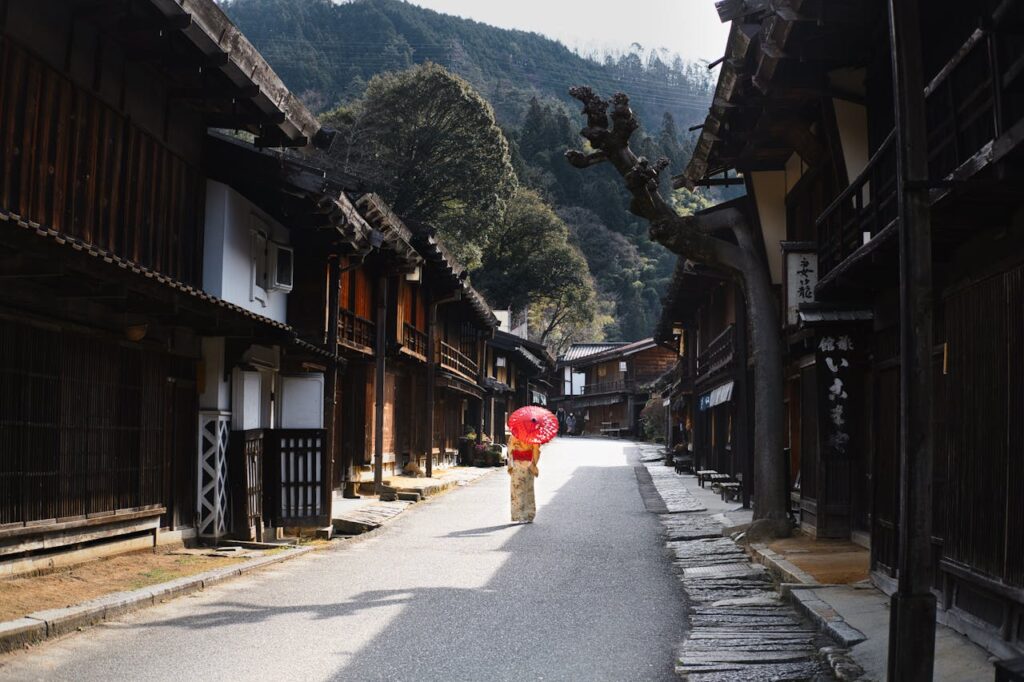
Shibuya Sakuragaoka / Daikanyama — Modern, quieter pockets
Just a short walk from the Shibuya scramble, these neighborhoods offer a different world. Shibuya Sakuragaoka is an area undergoing redevelopment, featuring new hotels and a more sophisticated atmosphere.
The adjacent neighborhood of Daikanyama is known for its chic boutiques, quiet cafes, and low-rise architecture. Staying here allows you to dip into Shibuya’s energy when you want, then retreat to a stylish, calmer residential area.
Odaiba — Waterfront space and open views
For true open space, Odaiba is an excellent choice. This man-made island in Tokyo Bay offers wide promenades, waterfront parks, and expansive views of the Rainbow Bridge and the city skyline.
The feeling here is completely different from central Tokyo. It is more relaxed and resort-like. While it is not as central, the Yurikamome transit line provides a scenic and efficient connection back to the heart of the city.
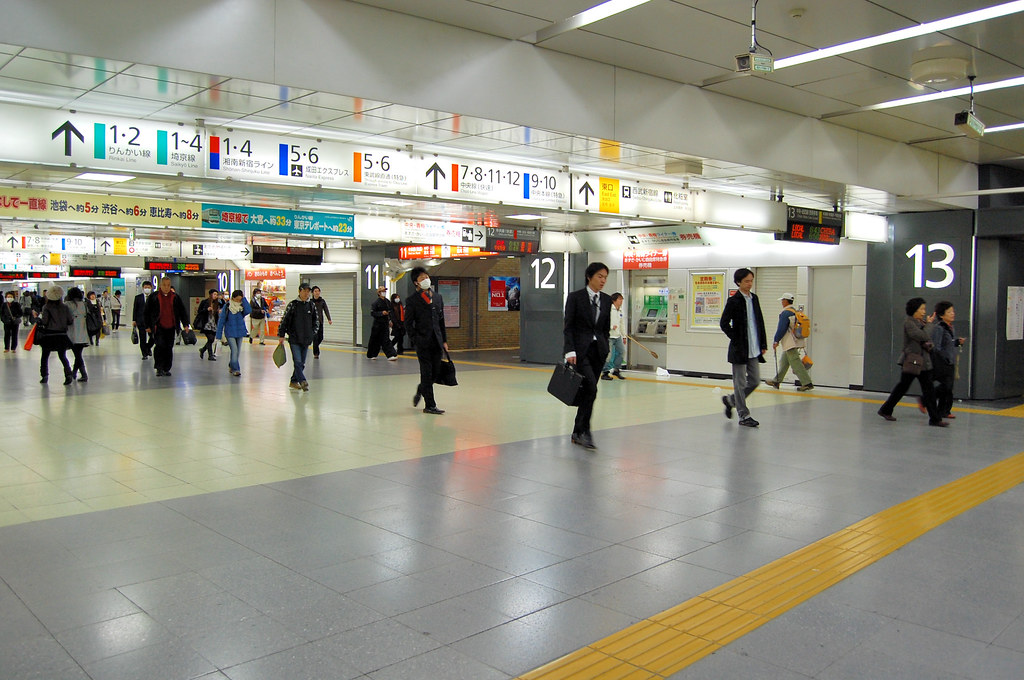
Mastering Train Stations
Using secondary exits: Major stations like Shinjuku have dozens of exits. The main exits are always the most congested.
Before you arrive, use a map app to find a secondary exit closer to your actual destination. This can help you bypass the worst bottlenecks completely.
Following crowd flow: The flow of people in a station is like a river. Do not try to swim against the current. Observe the paths people are taking. Follow the directional arrows on the floor and walls.
Stepping into the designated flow makes moving through even the busiest station much easier.
Avoiding bottlenecks at Shinjuku, Shibuya, Ikebukuro: These three stations are famously complex. To avoid getting stuck, try to make your train transfers at smaller, less crowded stations whenever possible.
If you must use a major station, give yourself extra time. Follow the signs for your specific line immediately upon exiting your train.
Public Transit in Tokyo How to Navigate
Moving Through Busy Streets
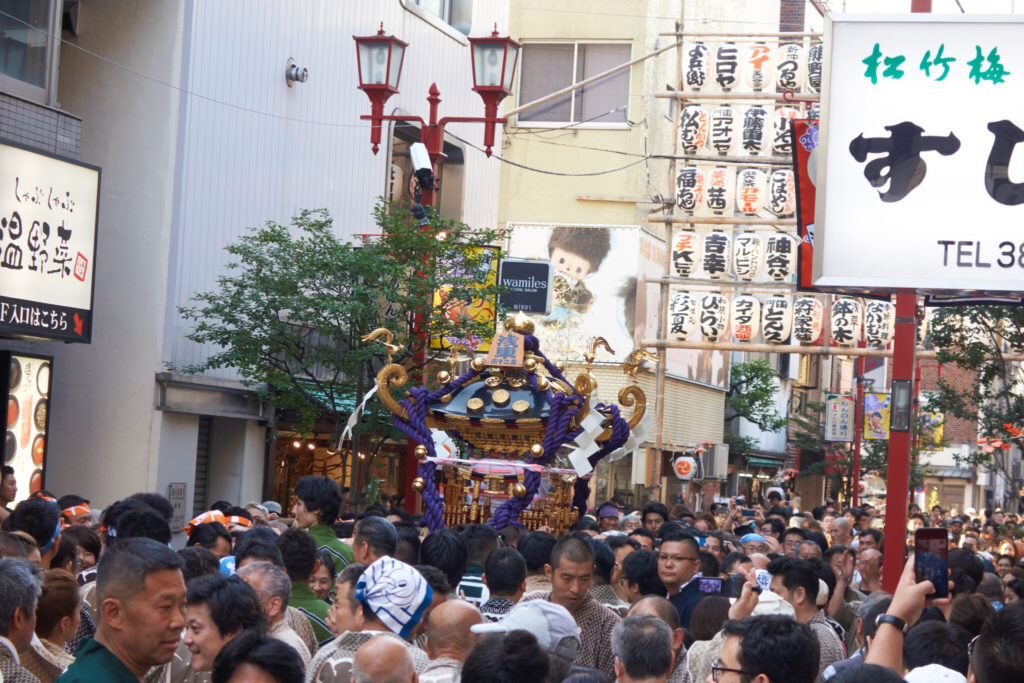
Walking pace: Tokyoites walk at a brisk, consistent pace. Try to match this pace to blend in with the flow.
Stopping suddenly in the middle of a crowded sidewalk can cause a pile-up. If you need to stop, check your phone, or look at a map, step to the side.
Side-street shortcuts: Directly parallel to many of Tokyo’s main, crowded thoroughfares are smaller, quieter side streets.
These often lead in the same direction. Ducking into one of these can be a welcome respite from the crowds and can reveal charming small shops and restaurants.
Crossing major intersections efficiently: At large crossings like the Shibuya Scramble, do not aim for the opposite corner directly. Instead, aim slightly to the side in the direction of your travel.
This diagonal path is often more efficient. Wait for the pedestrian signal, and move with the first wave of the crowd.
Using Transit to Avoid Crowds
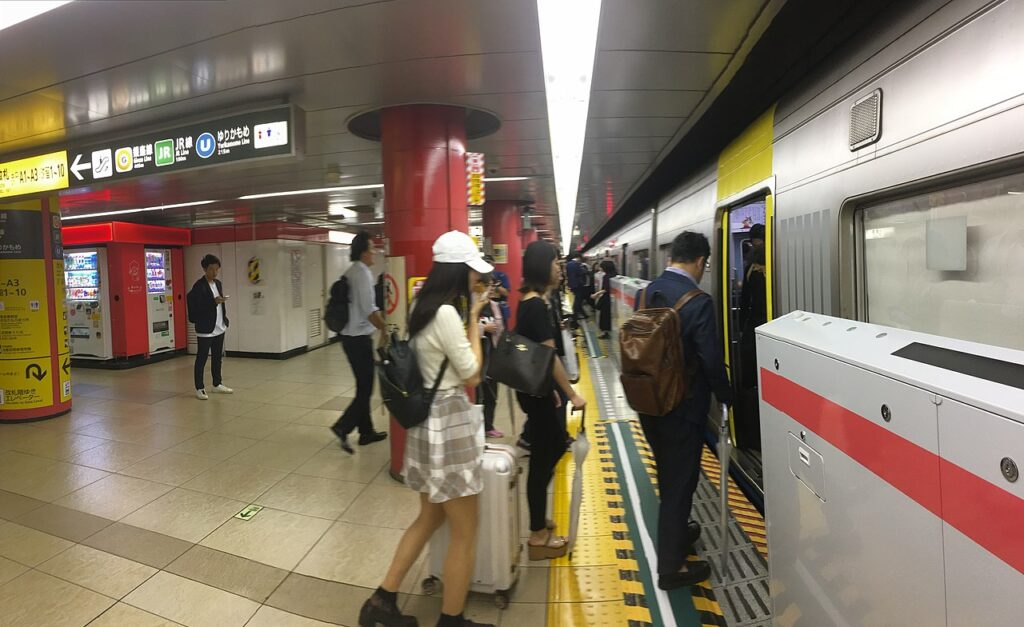
Off-peak travel windows: The best times to travel are between 10:00 AM and 11:30 AM, and from 1:30 PM to 4:00 PM. During these windows, trains are significantly less crowded. You will likely find a seat and have a much more relaxed journey.
Choosing JR vs Metro depending on time of day: During peak rush hours, different lines experience different levels of congestion. Sometimes the Tokyo Metro can be slightly less packed on a certain route than the parallel JR line, or vice versa. A navigation app with live transit data can help you make the smarter choice.
When taxis make sense: Taxis in Tokyo are expensive but spotlessly clean and reliable. They make the most sense for short trips, late at night when trains run less frequently, or when traveling with luggage. For a group of three or four, a short taxi ride can sometimes be cost-effective.
How to Avoid the Worst Crowds (Without Missing Anything)
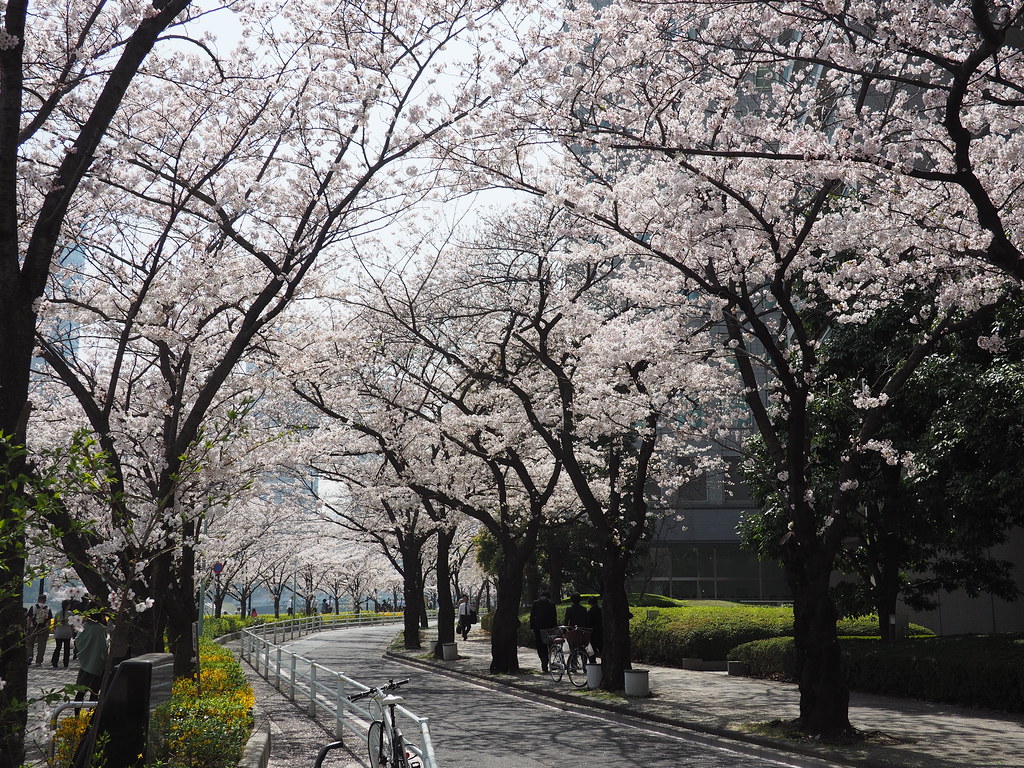
Early-morning strategies
Asakusa before 8 AM: The grounds of Senso-ji Temple are open 24 hours. Visiting in the early morning offers a magical, tranquil experience.
The Nakamise-dori shopping street is still quiet. You can appreciate the temple’s grand architecture without the dense crowds that arrive later.
Shibuya Sky at opening: Book the very first time slot of the day for the Shibuya Sky observation deck. You will ascend with a smaller group.
This allows you to enjoy the stunning 360-degree views and get those perfect photos without jostling for space.
Shinjuku Gyoen on weekday mornings: This beautiful, spacious park is a perfect urban oasis. On a weekday morning, shortly after it opens, you may feel like you have the sprawling lawns and themed gardens almost to yourself.
It is a peaceful way to start your day.
Late-evening strategies
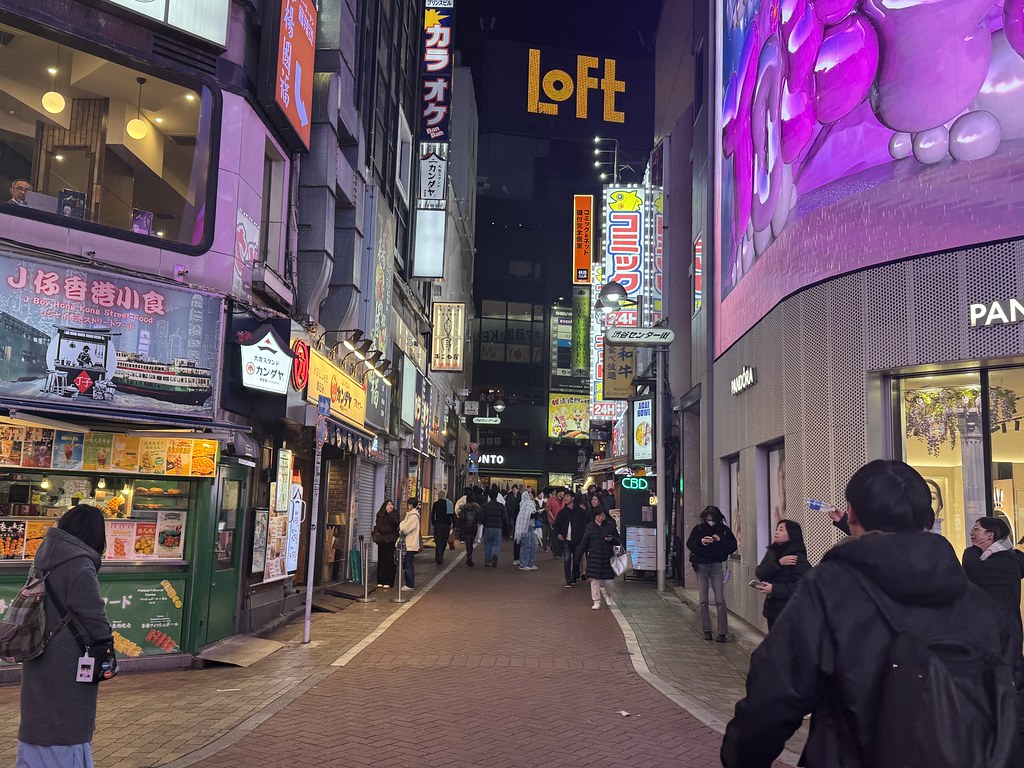
TeamLab after 7 PM: The popular digital art museums by teamLab can be very crowded. Booking a later entry time, especially on a weekday evening, often means fewer people. This gives you more space to immerse yourself in the incredible interactive exhibits.
Odaiba waterfront at night: As day-trippers head home, the Odaiba waterfront becomes a beautiful and peaceful spot. The illuminated Rainbow Bridge and the glittering skyline provide a spectacular backdrop for a quiet evening stroll.
Shibuya after the commuter rush: Shibuya remains busy late into the night. However, after about 9:00 PM, the commuter rush has subsided. The crowd that remains is focused on nightlife and entertainment, and the crossing feels slightly less frantic.
Weekday vs Weekend Patterns
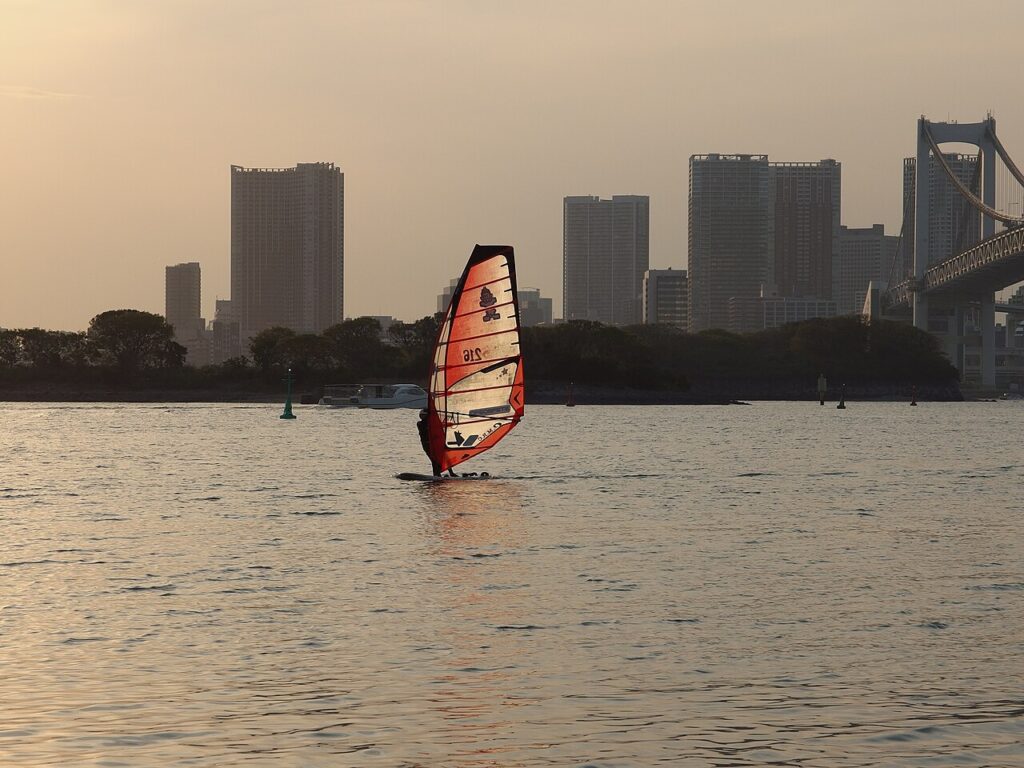
When locals go out: Popular shopping districts, themed cafes, and family attractions are busiest on Saturdays and Sundays. This is when local residents have their time off. Try to visit these places on a weekday if possible.
When tourists cluster: Major temples, famous landmarks, and museums tend to have a steady stream of tourists throughout the week. However, the crowds swell significantly on weekends as international and domestic tourists converge.
Related Experience: Tokyo Off the Beaten Path Private Tour
Where to Find Open Spaces and Breathing Room
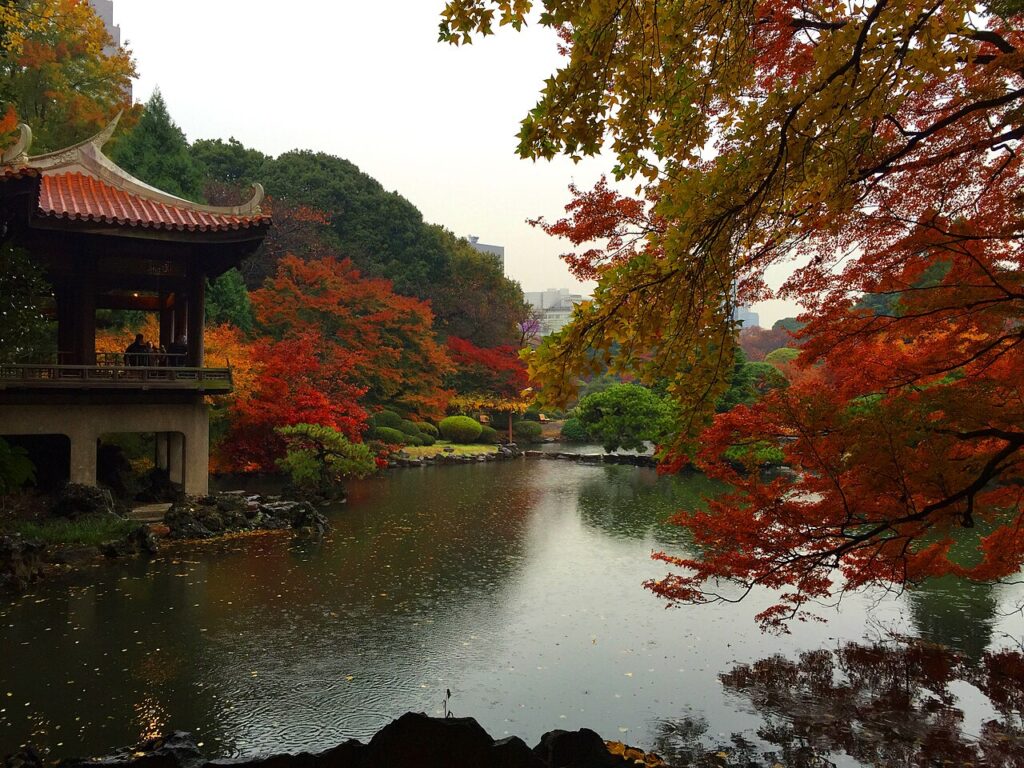
Parks and Gardens
Meiji Jingu forest paths: Beyond the main shrine buildings, Meiji Jingu is a vast evergreen forest. Its wide, shaded gravel paths offer a cool and quiet escape right next to the busy Harajuku district.
Hibiya Park: Located near Ginza, this Western-style park features fountains, flower beds, and open lawns. It is a popular spot for office workers to take a lunch break and a great place to find a quiet bench.
Kiyosumi Garden: This traditional Japanese strolling garden is a masterpiece of landscape design. Its pond, stepping stones, and teahouses create a serene atmosphere that feels a world away from the city.
Waterfronts and Promenades
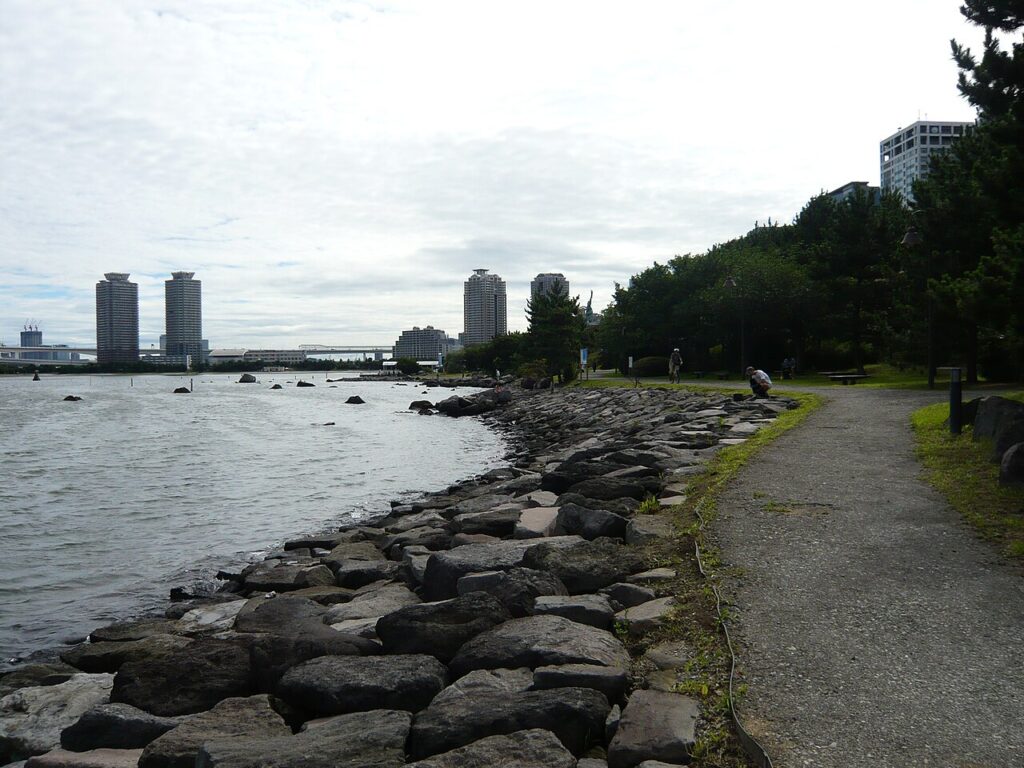
Toyosu Gururi Park: This large park wraps around the Toyosu peninsula, offering fantastic, unobstructed views of the waterfront and the Rainbow Bridge. It is a popular spot for jogging and cycling, with plenty of space.
Odaiba Seaside Park: This park features a sandy beach and a long promenade perfect for a relaxing walk. The views of the city skyline are among the best in Tokyo.
Sumida River promenade: Stretches of walkway run along the Sumida River, particularly in the Asakusa area. These promenades are perfect for watching the riverboats go by and enjoying a sense of openness.
Rooftops and Terraces
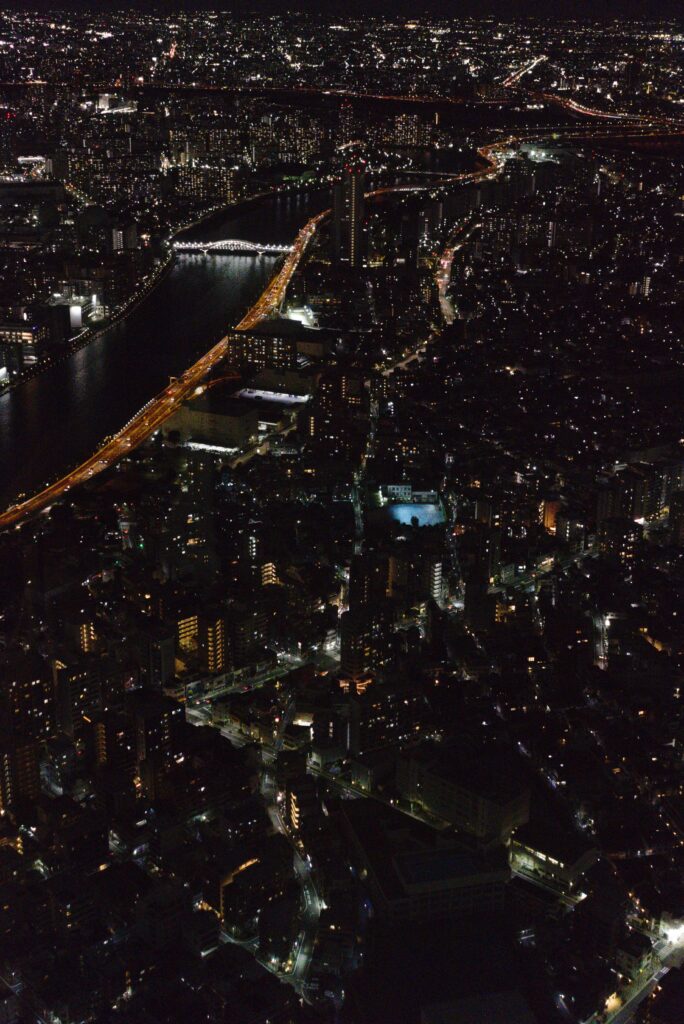
Ginza Six rooftop: The top floor of the Ginza Six department store features a large, beautifully landscaped rooftop garden. It is free to access and offers a unique view over the rooftops of Ginza.
Tokyu Plaza Omotesando Harajuku terrace: Known as Omohara Forest, this rooftop terrace is a popular and stylish oasis. Its wooden decking and trees create a relaxing space to sit above the busy streets.
Shibuya Scramble Square rooftop: The Shibuya Sky observation deck provides the ultimate rooftop experience. The sense of open space and the incredible panoramic view is the perfect antidote to feeling crowded.
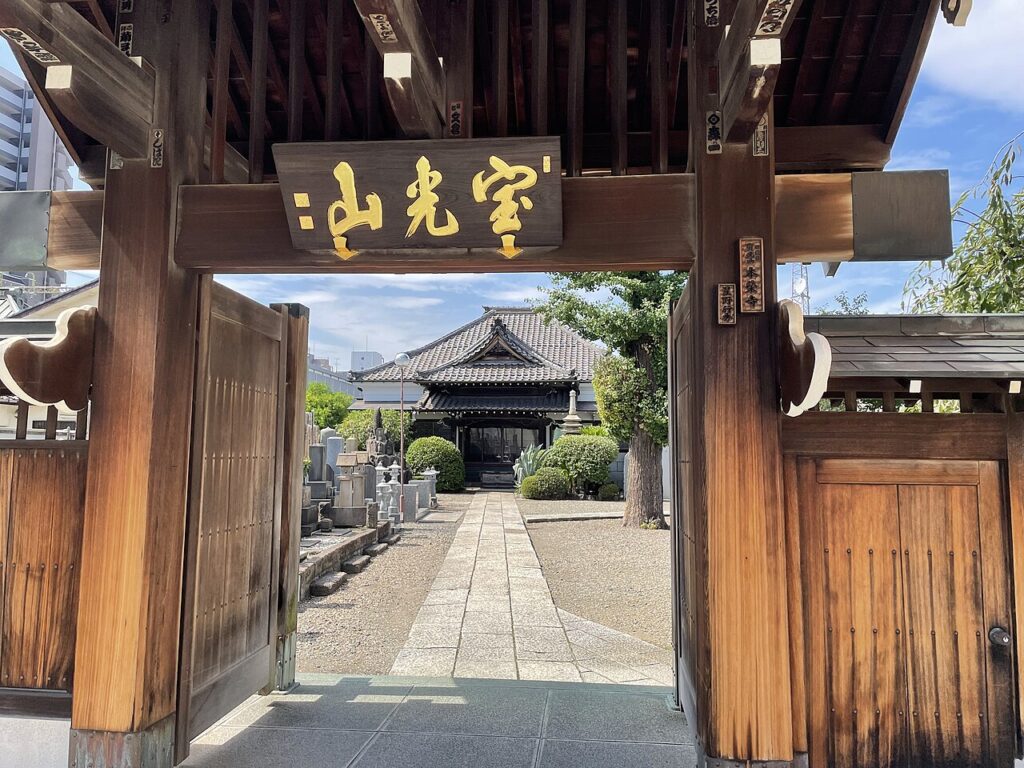
Navigating Tokyo is like learning a new dance. At first, the rhythm seems impossibly fast, and the movements are complex. But once you understand the steps, you begin to move with the city, not against it.
By choosing a calm home base, timing your travel, and knowing where to find pockets of tranquility, you transform your experience.
The city’s crowds are no longer an obstacle. They become part of the incredible, dynamic backdrop of your journey, a testament to the vibrant life of this amazing metropolis.
Start planning your trip with this Tokyo itinerary (1–7 days)
FAQ
Is it safe to be in such large crowds in Tokyo?
Yes, Tokyo’s crowds are overwhelmingly safe. There is a strong culture of order and respect for personal space. Crime rates are very low. The primary challenge is navigation, not a concern for personal safety.
Google Maps and Japan Transit Planner (Jorudan) are excellent for routing. Google Maps often includes live congestion data, indicating how crowded a particular train line is in real-time, which can be very helpful.
How do you manage large luggage in busy train stations?
Avoid traveling with large luggage during peak rush hours. Use luggage forwarding services (takkyubin) to send your bags from the airport to your hotel, or from one hotel to the next. It is an affordable and incredibly convenient service.
Keep a firm hold on your child’s hand at all times. In very dense crowds, consider having them walk in front of you. Pointing out landmarks on station signs can turn navigation into a game. Many stations have elevators, which are easier to use than escalators with a stroller.
How do locals feel about tourists in their crowded spaces?
Locals are generally accustomed to tourists. As long as you are respectful of local etiquette—like being quiet on trains, not stopping in the middle of the sidewalk, and queueing properly—your presence will be welcomed.