
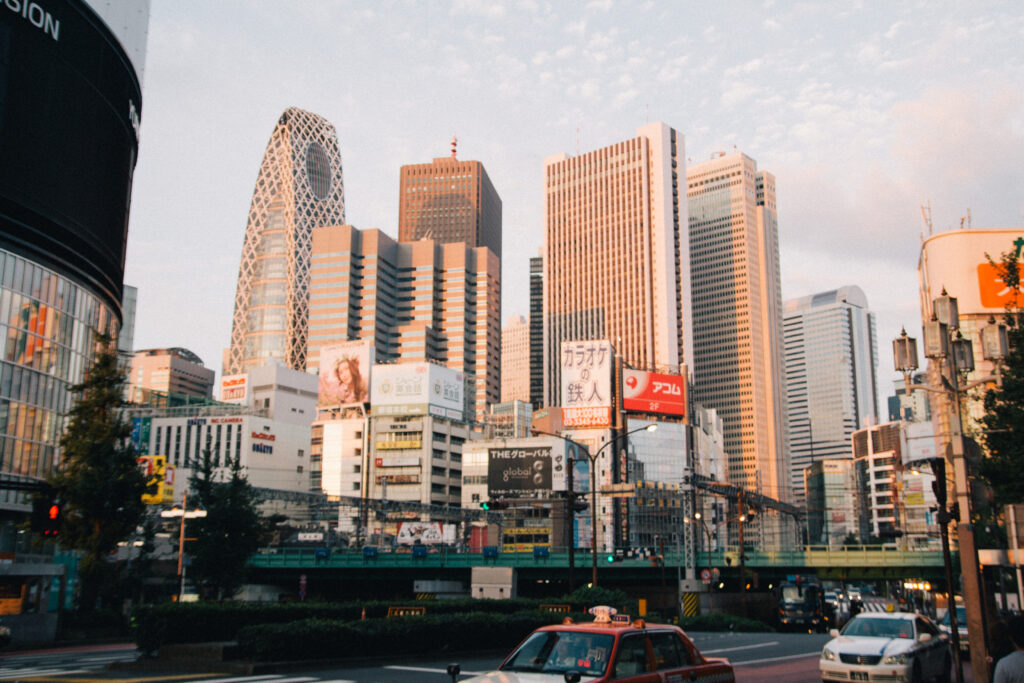
Shinjuku is one of Tokyo’s largest and most multifunctional districts. It operates simultaneously as a major transportation hub, a commercial center, a business district, and one of the city’s most concentrated entertainment zones. For travelers, Shinjuku offers a high density of activities, dining options, shopping complexes, and transit connections, making it a strategic base for exploring Tokyo. This guide provides a structured, authoritative overview of the district, focusing on navigation, major attractions, food areas, shopping zones, nightlife, transportation, accommodations, and practical considerations.
FEATURED: 15 Best Things To Do in Tokyo →
District Structure
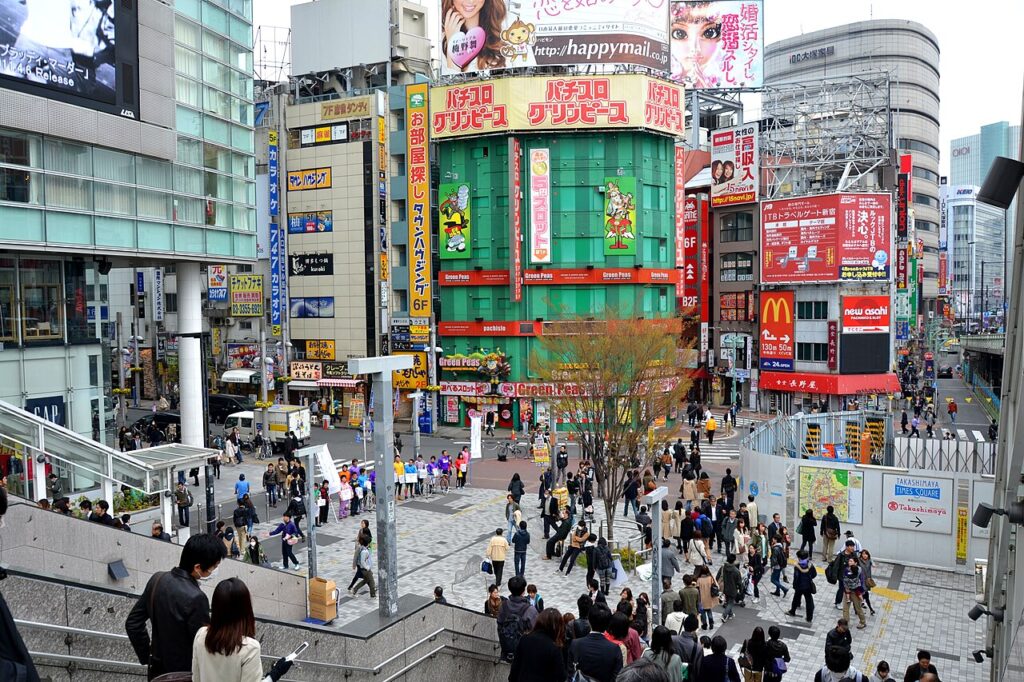
Shinjuku is divided into several sub‑districts that each serve distinct purposes. Understanding these areas allows travelers to navigate efficiently and plan activities without unnecessary backtracking.
West Shinjuku (Nishi‑Shinjuku)
West Shinjuku is the district’s business and skyscraper zone. It contains the Tokyo Metropolitan Government Building, several major hotels, and a concentration of corporate headquarters. The streets are wide and organized, designed to handle high foot traffic during business hours. Elevated pedestrian walkways connect many of the buildings, allowing movement between towers without navigating street‑level congestion. This area is quieter than the eastern side and is the best location for panoramic viewpoints and modern architecture.
East Shinjuku
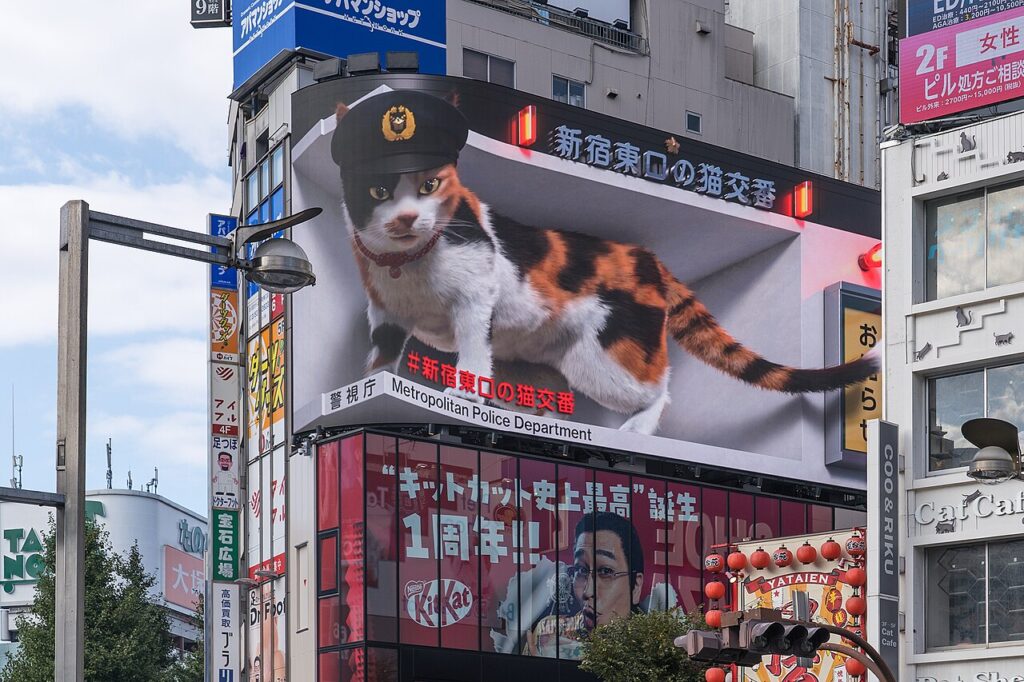
East Shinjuku is the district’s primary entertainment and retail core. It includes Kabukicho, Golden Gai, Omoide Yokocho, and several major department stores. The streets are narrower, signage is more concentrated, and the overall environment is more energetic. This is the busiest part of Shinjuku and the area most travelers explore first due to its concentration of restaurants, nightlife venues, and shopping corridors.
South Shinjuku
South Shinjuku is a modern, well‑organized zone that includes Shinjuku Gyoen National Garden, Takashimaya Times Square, and NEWoMan. It also contains the district’s major bus terminals, making it a key departure point for day trips and airport transportation. The area is easier to navigate than East Shinjuku due to wider sidewalks, clearer signage, and more open space. It is a practical area for shopping, dining, and accessing transportation.
North Shinjuku
North Shinjuku includes Shin‑Okubo, Tokyo’s Korea Town. This area is known for its concentration of Korean restaurants, cafés, and specialty shops. It also contains residential streets and smaller local businesses. Travelers seeking international cuisine or a break from Japanese food will find this area particularly useful.
Book a Shinjuku walking tour (Viator) → #
Backup: Klook → #
Related: Tokyo Travel Tips → #
Major Attractions
Shinjuku contains several high‑value attractions that appeal to a wide range of travelers. These locations represent the district’s core experiences and are commonly included in Tokyo itineraries.
Shinjuku Gyoen National Garden
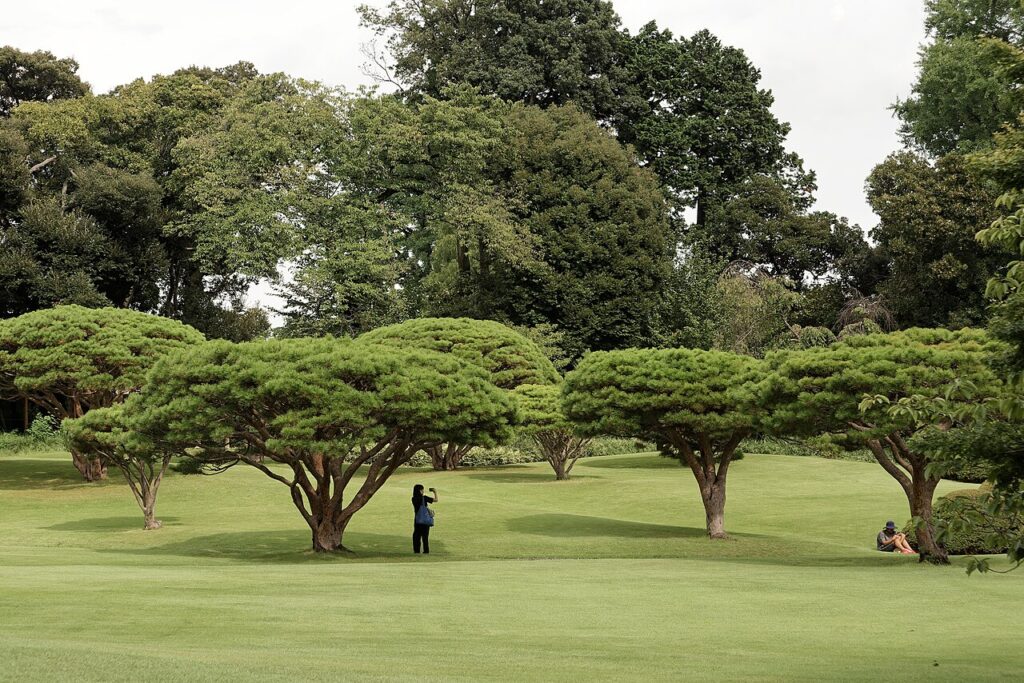
Shinjuku Gyoen is one of Tokyo’s most significant green spaces. The garden combines Japanese traditional landscaping with French and English garden styles, creating a large, varied environment suitable for extended walks. It is particularly popular during cherry blossom season and autumn foliage, but it remains a reliable option year‑round for travelers seeking a quiet break from the district’s dense urban environment. The garden’s size allows it to absorb crowds without feeling congested, making it a practical stop even during peak travel periods.
Useful details:
- Entry fee is modest
- Closed on Mondays
- Best visited in the morning or midday
Tokyo Metropolitan Government Building Observation Deck
The Tokyo Metropolitan Government Building offers one of the best free observation decks in the city. The views include Shinjuku’s skyscrapers, central Tokyo, Tokyo Tower, Tokyo Skytree, and, on clear days, Mount Fuji. Because the observation deck is free, it is a cost‑effective alternative to paid viewpoints elsewhere in the city. The building’s location in West Shinjuku makes it easy to combine with visits to nearby hotels, parks, and shopping areas.
Kabukicho
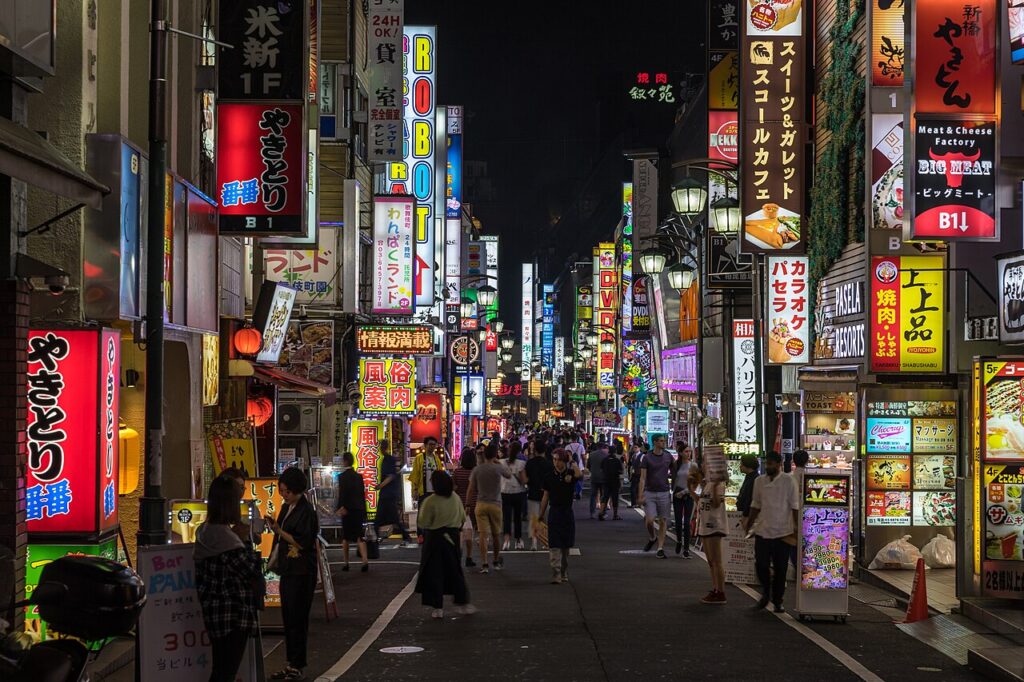
Kabukicho is one of Tokyo’s most active entertainment districts. It contains a dense concentration of restaurants, bars, arcades, and themed venues. The area is visually distinctive due to its neon signage and high foot traffic. While Kabukicho is busy late into the night, it remains safe and accessible for travelers. It is a practical area for dining, nightlife, and general exploration.
Golden Gai
Golden Gai is a compact nightlife zone consisting of narrow alleys lined with small bars. Each bar has its own theme, regular clientele, and seating capacity, often limited to fewer than ten people. The area is known for its unique atmosphere and is a common stop for travelers seeking a distinctive nightlife experience. Some bars charge a cover fee, while others do not, so travelers should check signage before entering.
Omoide Yokocho
Omoide Yokocho is a narrow alley filled with small eateries specializing in yakitori and casual izakaya dishes. The area retains a traditional aesthetic and offers a practical option for quick meals. Due to its proximity to Shinjuku Station, it is a convenient stop for travelers arriving in or departing from the district.
Book Shinjuku attractions tour (Viator) → #
Backup: Klook → #
Related: Best Things to Do in Tokyo → #
Food Overview
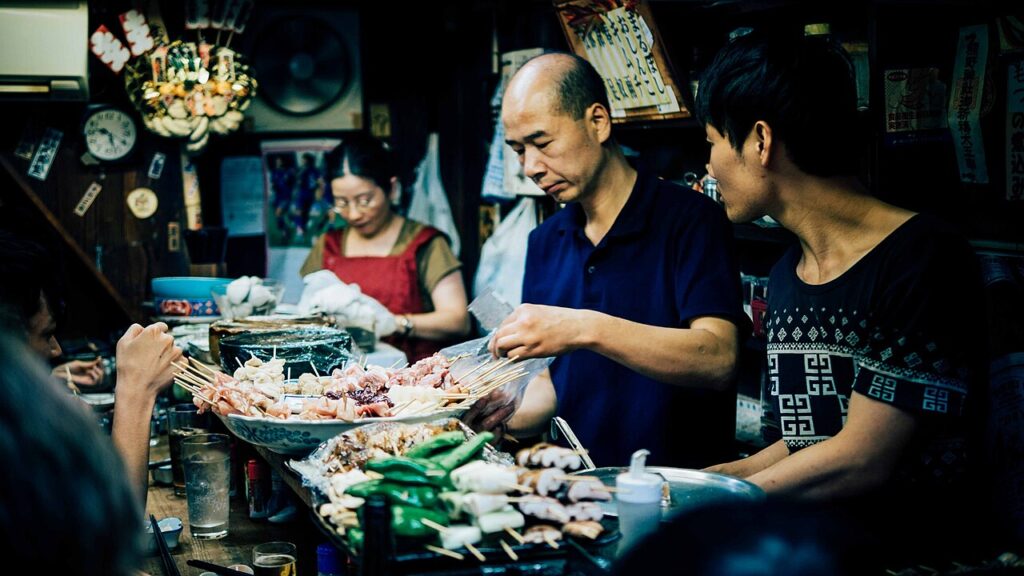
Shinjuku offers a wide range of dining options across multiple price points. The district is known for its concentration of ramen shops, yakitori alleys, izakayas, and international cuisine. This section outlines the district’s primary food categories and where to find them.
Ramen
Shinjuku contains several well‑known ramen shops offering tonkotsu, shoyu, miso, and tsukemen styles. These shops are distributed throughout the district, with clusters near the station’s east and west exits. Lines are common, especially during lunch and dinner hours, but turnover is fast due to the efficiency of ramen service. Travelers seeking a reliable, quick meal will find ramen to be one of the most practical options in Shinjuku.
Common ramen styles you’ll find:
- Tonkotsu (pork broth)
- Shoyu (soy sauce)
- Miso
- Tsukemen (dipping noodles)
Yakitori
Omoide Yokocho is the district’s primary yakitori area. The alley contains numerous small eateries specializing in grilled chicken skewers, vegetables, and other simple dishes. Seating is limited, and the environment is compact, but the area offers an efficient and affordable dining experience. It is particularly useful for travelers seeking traditional Japanese bar food.
Izakayas
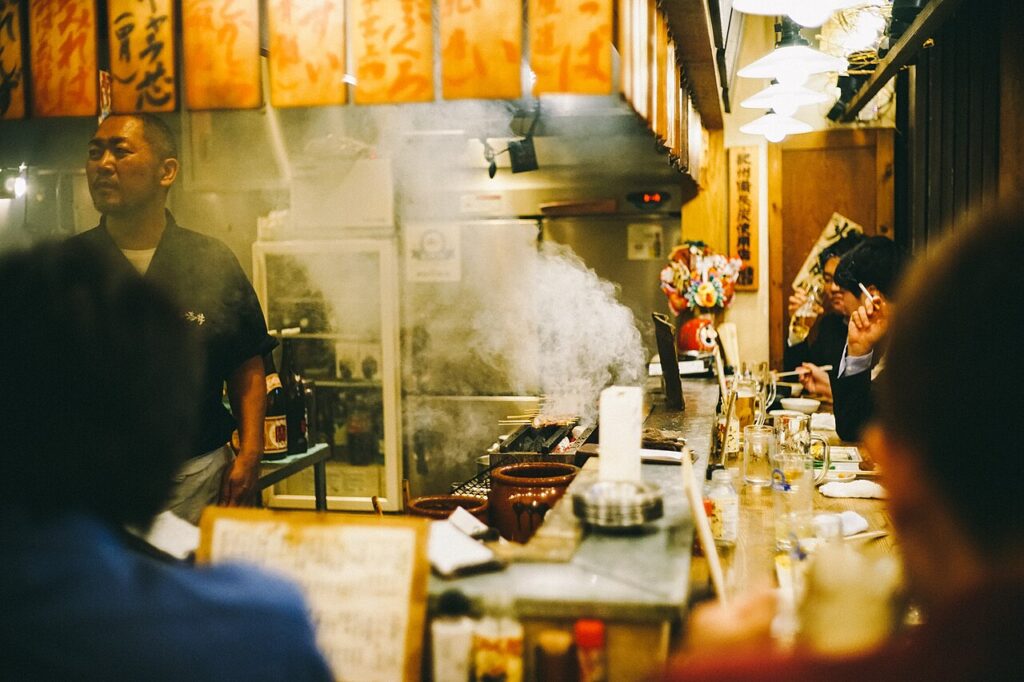
Shinjuku has a high density of izakayas, ranging from multi‑floor chains to small local establishments. These venues offer a wide range of dishes, including grilled items, fried foods, sashimi, and shared plates. Izakayas are suitable for groups and provide a flexible dining environment for travelers who want to sample multiple dishes.
Korean Food
Shin‑Okubo, located in North Shinjuku, is Tokyo’s Korea Town. It contains a large number of Korean BBQ restaurants, fried chicken shops, street food vendors, and themed cafés. This area is a practical option for travelers seeking international cuisine or a break from Japanese food.
Late‑Night Dining
Shinjuku is one of Tokyo’s most reliable districts for late‑night dining. Options include ramen, curry, gyudon, convenience store meals, and 24‑hour chains. This makes Shinjuku a practical base for travelers with flexible schedules or those returning late from day trips.
Book a Shinjuku food tour (Viator) → #
Backup: Klook → #
Related: Ramen in Tokyo → #
Shopping Overview
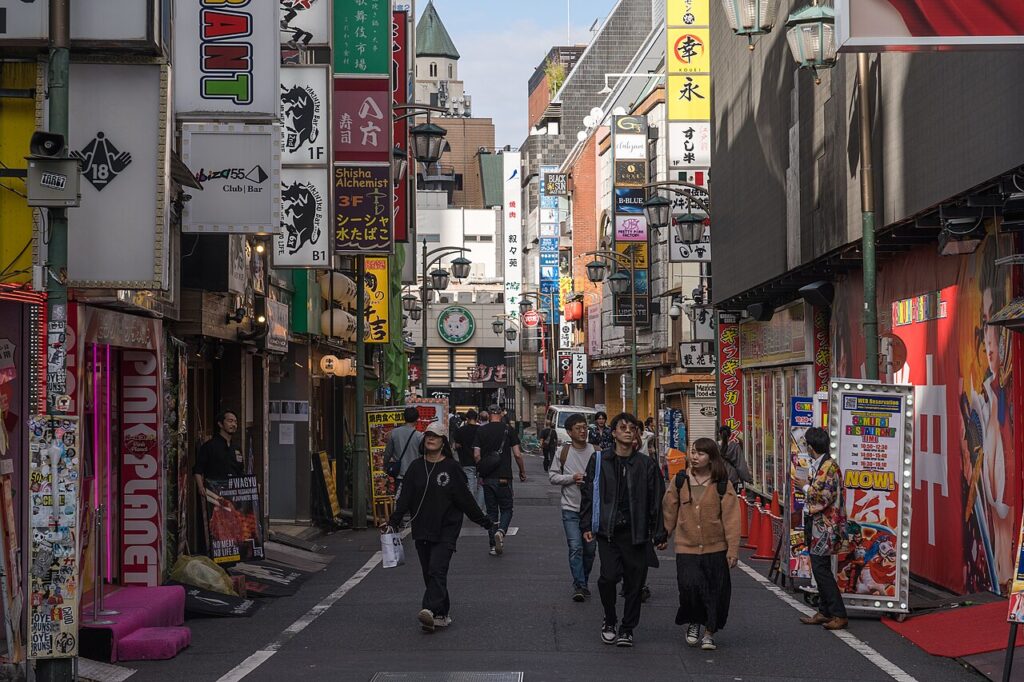
Shinjuku is a major shopping district with a mix of department stores, electronics retailers, fashion malls, and discount shops. The district’s retail environment is diverse and suitable for a wide range of budgets.
Department Stores
Shinjuku’s department stores include Isetan, Takashimaya, Odakyu, and Keio. These stores offer fashion, cosmetics, home goods, and extensive food halls. They are reliable locations for high‑quality products and provide a consistent shopping experience.
Electronics
Yodobashi Camera and Bic Camera are the district’s primary electronics retailers. They carry cameras, computers, appliances, and accessories. These stores are useful for travelers seeking electronics or travel adapters.
Fashion & Lifestyle
South Shinjuku contains NEWoMan, Lumine, and Takashimaya Times Square. These malls offer mid‑range and upscale fashion brands, lifestyle goods, and specialty shops. The area is modern and easy to navigate.
Discount Shopping
Don Quijote in East Shinjuku offers cosmetics, snacks, souvenirs, and household goods. It is open late and caters to travelers seeking affordable items.
Book a Shinjuku shopping tour (Viator) → #
Backup: Klook → #
Related: Tokyo Shopping Guide → #
Nightlife Overview
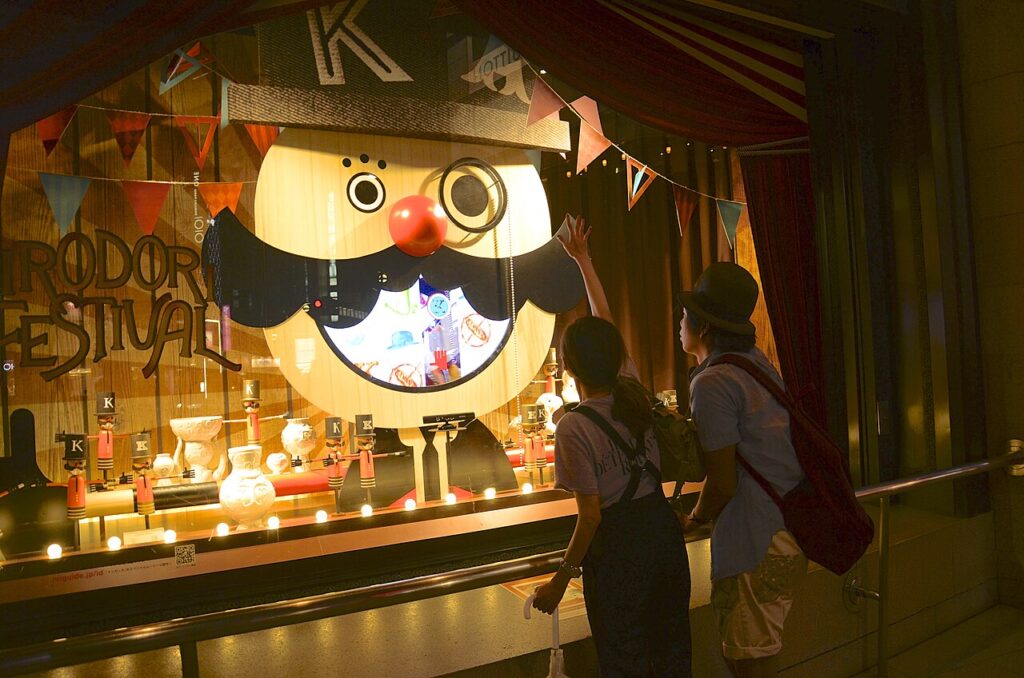
Shinjuku is one of Tokyo’s most active nightlife districts. The area offers a wide range of venues, from small bars to large entertainment complexes.
Golden Gai
Golden Gai contains numerous small bars with distinct themes and limited seating. The area is compact and offers a unique nightlife environment. Some bars charge a cover fee, while others do not.
Kabukicho
Kabukicho offers bars, clubs, karaoke venues, and arcades. It is busy late into the night and provides a wide range of entertainment options. Travelers should expect high foot traffic and bright signage.
Izakayas
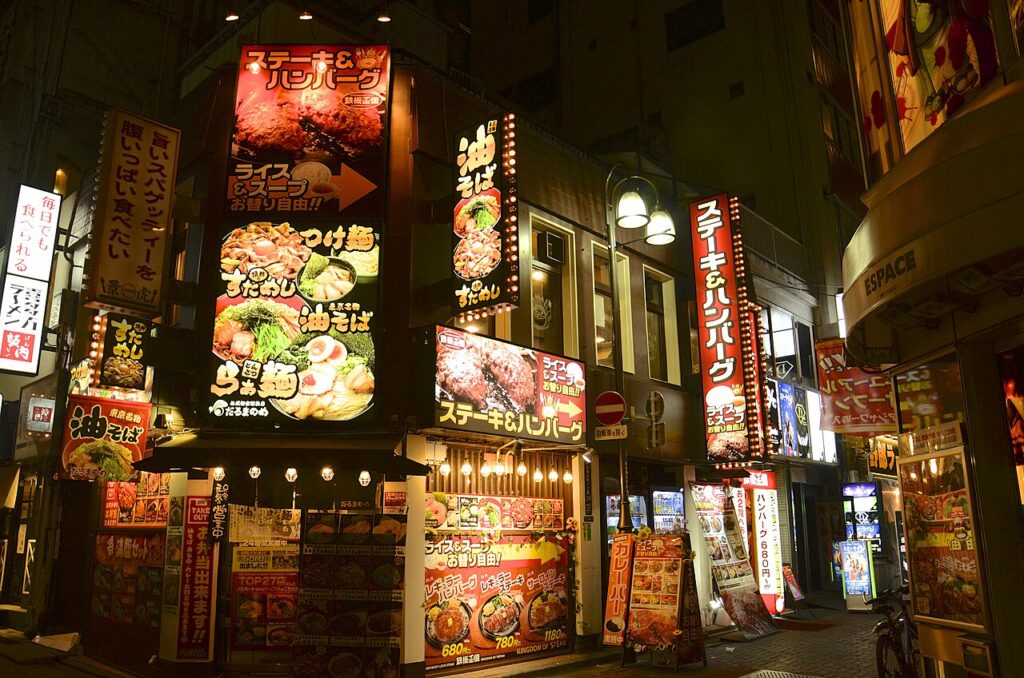
Shinjuku’s izakaya scene includes chain establishments, local venues, and standing bars. These venues are suitable for casual drinking and dining.
Karaoke
Multiple karaoke chains operate in Shinjuku, offering private rooms, food service, and hourly rates. Karaoke is a common group activity and widely accessible.
Book a Shinjuku nightlife tour (Viator) → #
Backup: Klook → #
Related: Best Nightlife in Tokyo → #
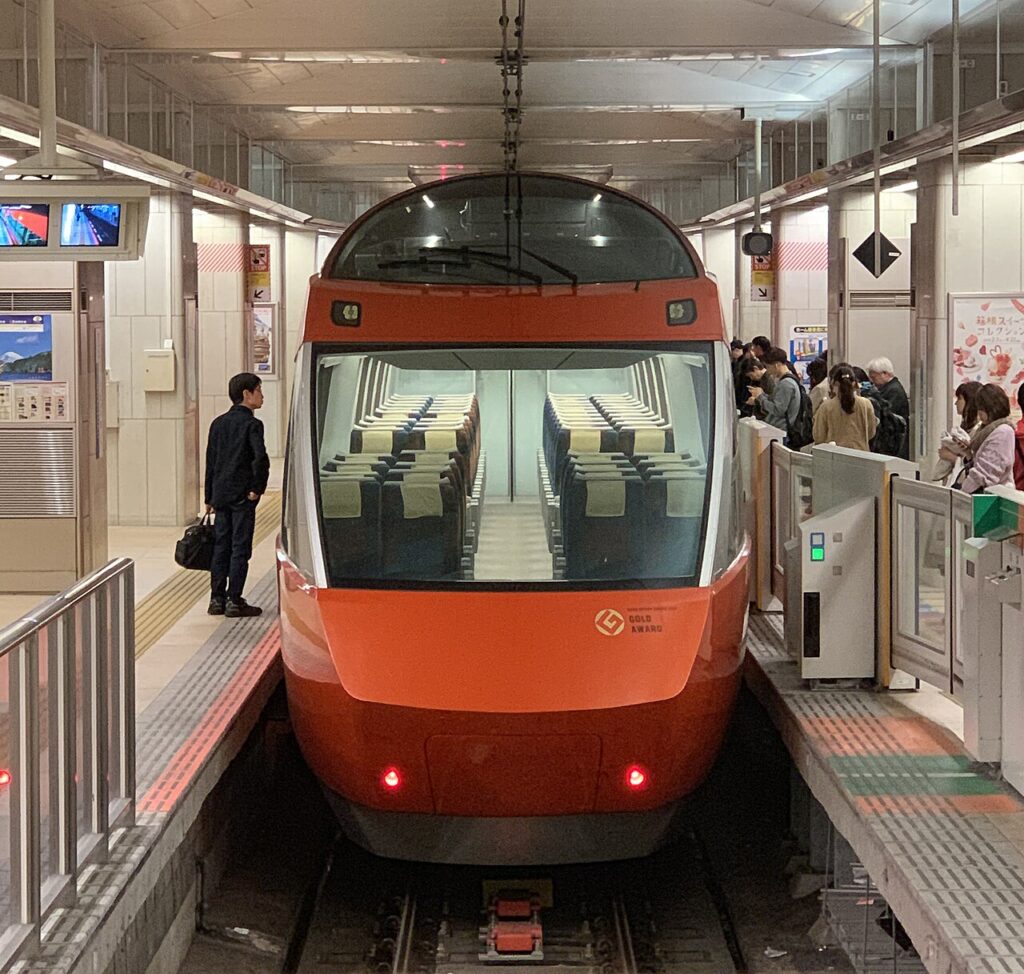
Shinjuku Station is one of the most complex transit hubs in the world. Understanding its structure improves efficiency and reduces confusion.
Rail Lines
Shinjuku Station serves the JR Yamanote Line, JR Chuo Line, JR Shonan‑Shinjuku Line, Odakyu Line, Keio Line, Marunouchi Subway Line, Oedo Subway Line, and Shinjuku Subway Line. This makes Shinjuku a strategic base for citywide travel.
Bus Terminals
South Shinjuku contains highway bus terminals, airport bus stops, and day‑trip departure points. This area is useful for travelers planning excursions outside Tokyo.
Station Exits
Key exits include the East Exit (shopping and nightlife), West Exit (skyscrapers and hotels), South Exit (NEWoMan and Takashimaya), and Central East/West exits (department stores). Identifying the correct exit before navigating reduces confusion.
Book a Shinjuku transportation tour (Viator) → #
Backup: Klook → #
Related: Tokyo Transportation Guide → #
Where to Stay in Shinjuku
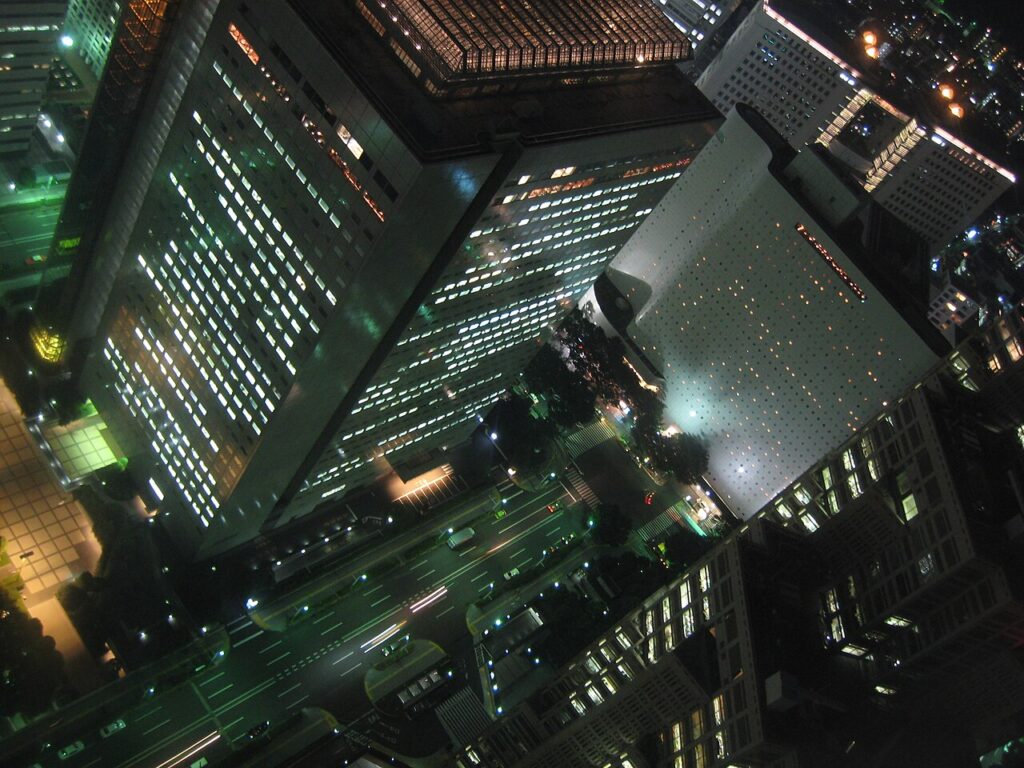
Shinjuku is a practical base for travelers due to its transit connections and concentration of amenities.
Best Areas to Stay
West Shinjuku offers quiet streets and proximity to major hotels. South Shinjuku provides modern shopping and easy access to transportation. East Shinjuku is close to nightlife and restaurants.
Hotel Types
Shinjuku offers luxury hotels, business hotels, capsule hotels, and mid‑range chains. Availability is generally high, but prices fluctuate seasonally.
Find Shinjuku hotels on Booking.com → #
Related: Where to Stay in Tokyo → #
Practical Tips
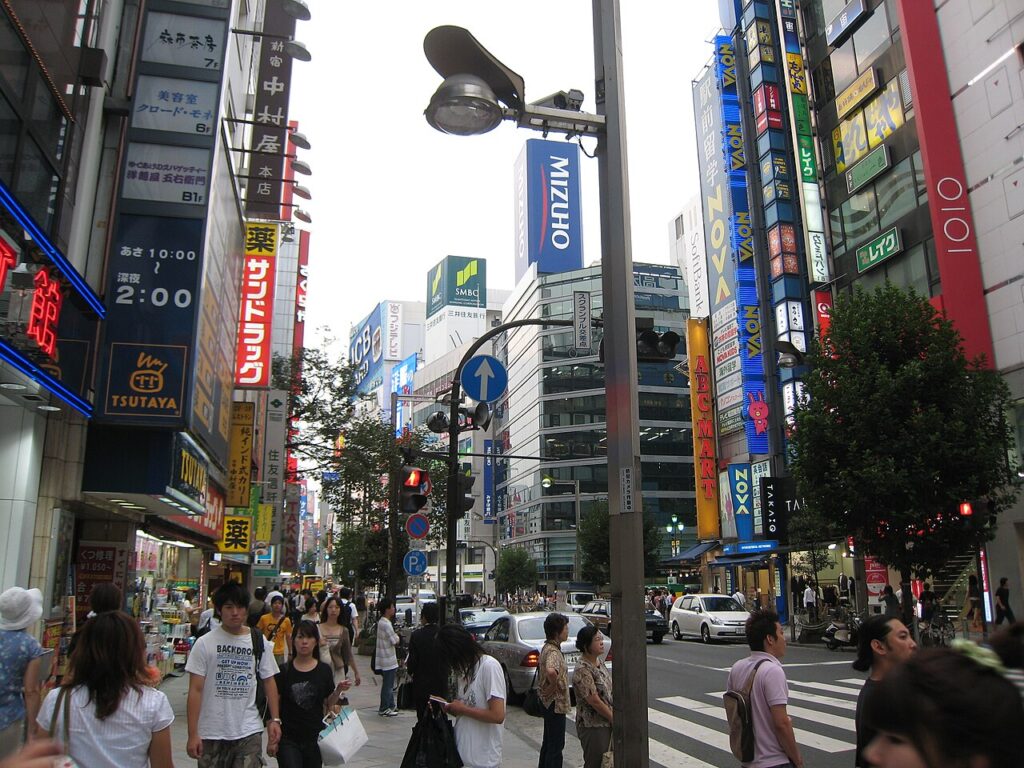
Shinjuku is consistently busy. Travelers should avoid peak commuter hours, use overhead signage, and follow directional arrows. The district is safe, but Kabukicho can be crowded late at night. Convenience stores offer reliable ATMs for foreign cards. Most signage is bilingual, and staff in major stores can assist in English. Shinjuku Station has elevators, but navigation may require extra time.
Book a Shinjuku essentials tour (Viator) → #
Backup: Klook → #
Related: Tokyo Travel Tips → #
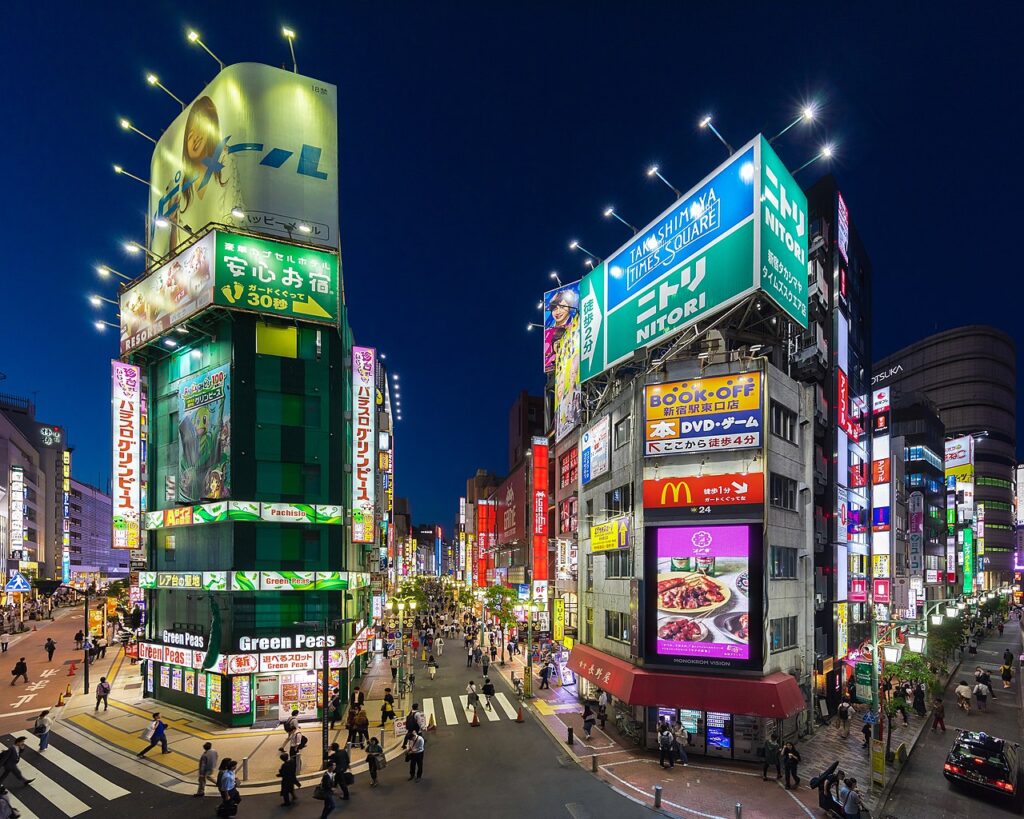
Shinjuku is one of Tokyo’s most important districts, offering a wide range of activities, dining options, shopping areas, and transportation connections. Its combination of skyscrapers, nightlife zones, green spaces, and commercial corridors makes it a versatile base for travelers. With clear navigation and structured planning, Shinjuku can be explored efficiently and integrated into any Tokyo itinerary.