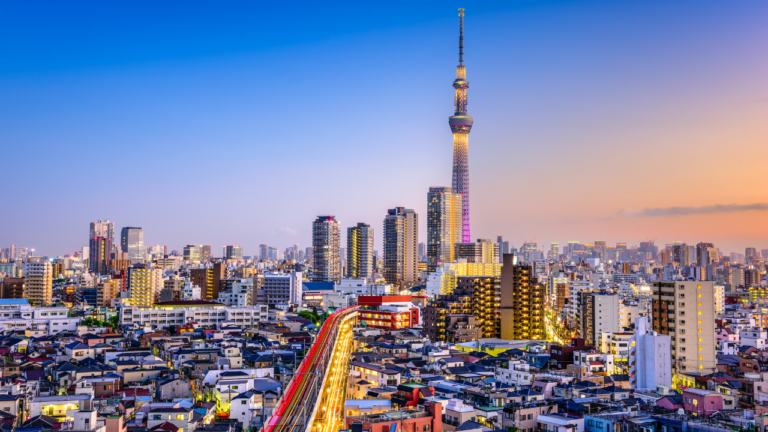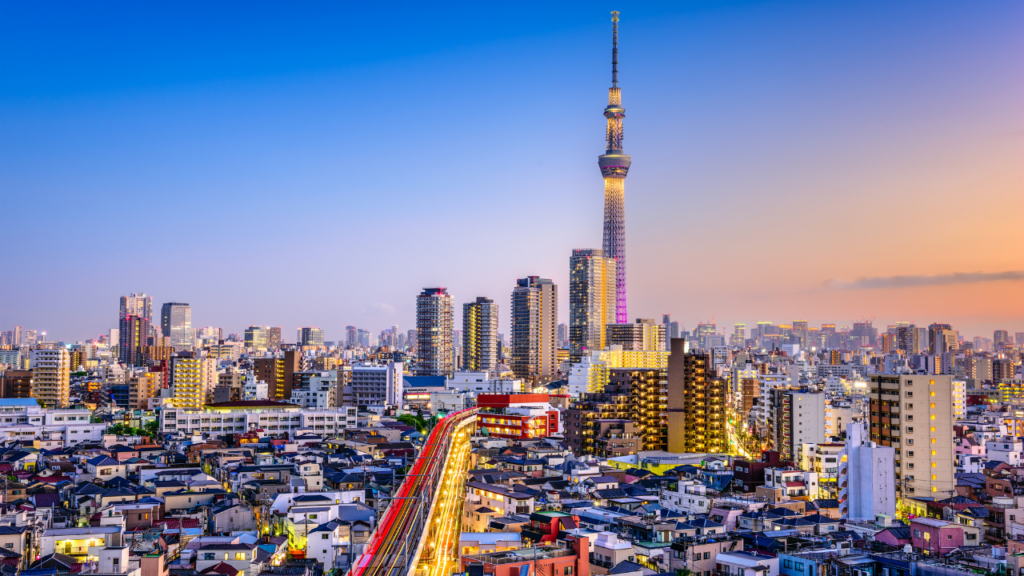
Tokyo is not one city. It is a collection of moments, a metropolis where ancient traditions and futuristic visions occupy the same space.
A single day can take you from quiet temple grounds to neon-drenched streets. Navigating this vast urban landscape can feel daunting. This itinerary is designed to guide you through Tokyo’s complex identity by treating it as a journey through time.
Each day focuses on a distinct era of the city’s history. Explore the lingering spirit of Old Edo. Experience the creative energy of post-war modernity. Witness the cutting-edge technology that defines Tokyo’s future.
This itinerary organizes the city into a clear narrative. It allows you to understand how Tokyo became the incredible place it is today. Prepare to walk through centuries in just three days.
Start planning your trio with this full Tokyo itinerary (1–7 days)
For more ideas, explore: 15 Best Things To Do in Tokyo
3-Day Tokyo Itinerary Overview
| Day | Theme | Key Locations |
| 1 | Echoes of Old Edo | Yanaka, Ryogoku, Kagurazaka |
| 2 | The Rise of Modern Tokyo | Jimbocho, Koenji, Shinjuku Golden Gai |
| 3 | Visions of the Future | Aoyama, Daikanyama, Shibuya Sky |
Best Time to Follow This Itinerary
Spring and autumn offer the best weather for this itinerary, with mild temperatures ideal for walking. Summer is hot and humid, while winter is colder but typically clear.
Who This Experience Is Best For
- First-time visitors wanting a structured plan
- Travelers interested in neighborhoods beyond major tourist spots
- Those comfortable with full days and walking
See Where to Stay in Tokyo to choose the best area.
Day 1: Echoes of Old Edo
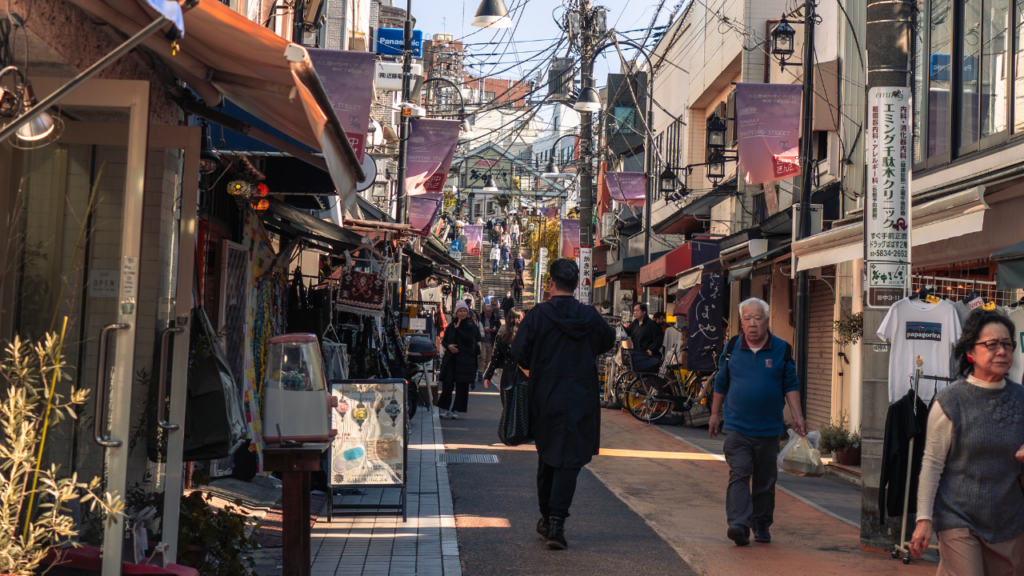
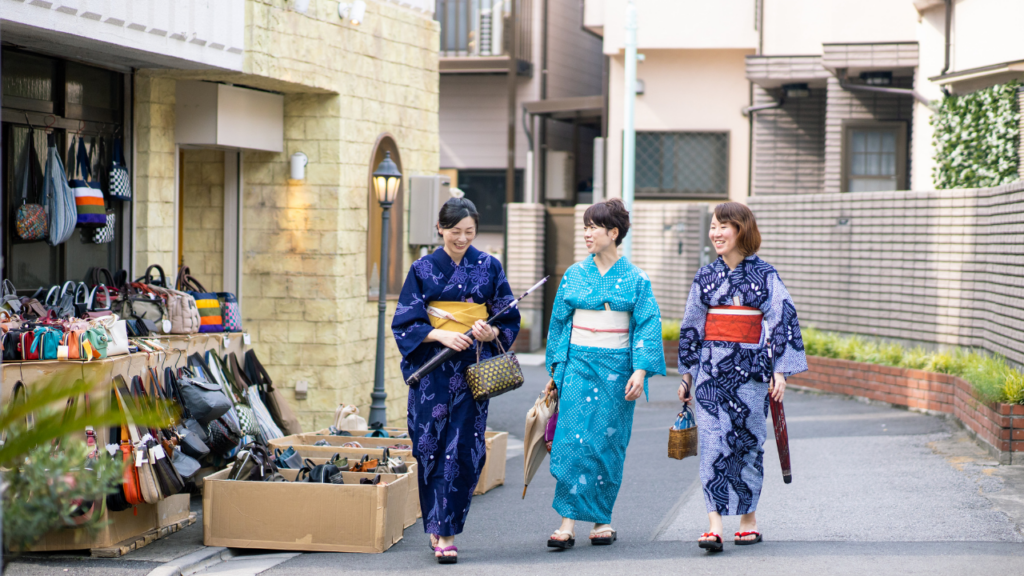
The first day is a step back in time. You will explore neighborhoods where the atmosphere of Old Edo, Tokyo’s former name, still lingers. This is a day of quiet temples, sumo traditions, and elegant, lantern-lit alleys.
Morning in Yanaka
Highlights:
- Yanaka Ginza street food
- Yanaka Cemetery walk
- Local shops and snacks
Your journey begins in the Yanaka district. This area miraculously survived the bombings of World War II. Its streets retain a distinct Showa-era charm. Walk down the Yanaka Ginza shopping street.
This is a slice of old-world Tokyo. Small, family-run shops sell traditional snacks and crafts. Find the local butcher, Niku no Suzuki. Order a hot menchi-katsu, a deep-fried meat cutlet. It is a simple, delicious local experience.
From the shopping street, head towards Yanaka Cemetery. This is not a somber place. It is a peaceful park where locals stroll. The cherry blossoms here are beautiful in the spring.
You can find the tomb of Tokugawa Yoshinobu, the last shogun of Japan. The atmosphere is quiet and respectful. It provides a stark contrast to the city’s usual pace.
Afternoon in Ryogoku
Highlights:
- Sumo Museum visit
- Ryogoku Kokugikan
- Chanko nabe lunch
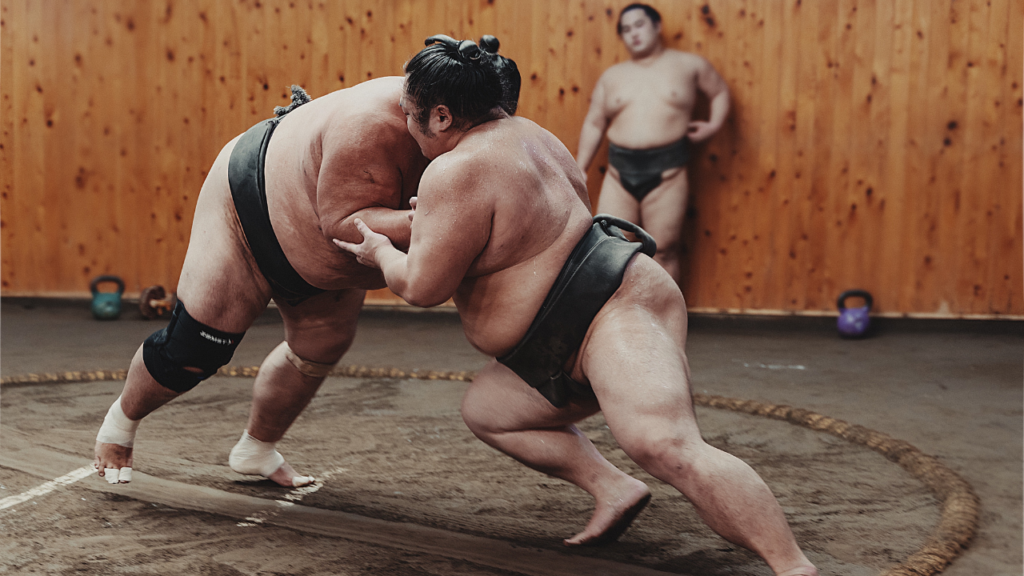
Next, you will travel to Ryogoku, the heart of professional sumo wrestling. The entire neighborhood feels dedicated to this ancient sport. Even the station is filled with sumo-related art. Your destination is the Ryogoku Kokugikan, the city’s main sumo stadium.
While tournaments are infrequent, you can visit the attached Sumo Museum. Admission is free. The museum offers a fascinating look at the history and rituals of sumo through its collection of portraits and ceremonial aprons.
For lunch, you must try chanko nabe. This is the traditional hot pot meal that sumo wrestlers eat to build their physique. Restaurants like Chanko Tomoegata, run by a former wrestler, serve massive, flavorful portions.
The dish is a hearty mix of meat, seafood, and vegetables in a rich broth. Eating it in Ryogoku connects you directly to the local culture.
Join a guided sumo experience for deeper insight into the culture.
Evening in Kagurazaka
Highlights:
- Stone-paved alleys
- Traditional ryotei dining
- Lantern-lit streets
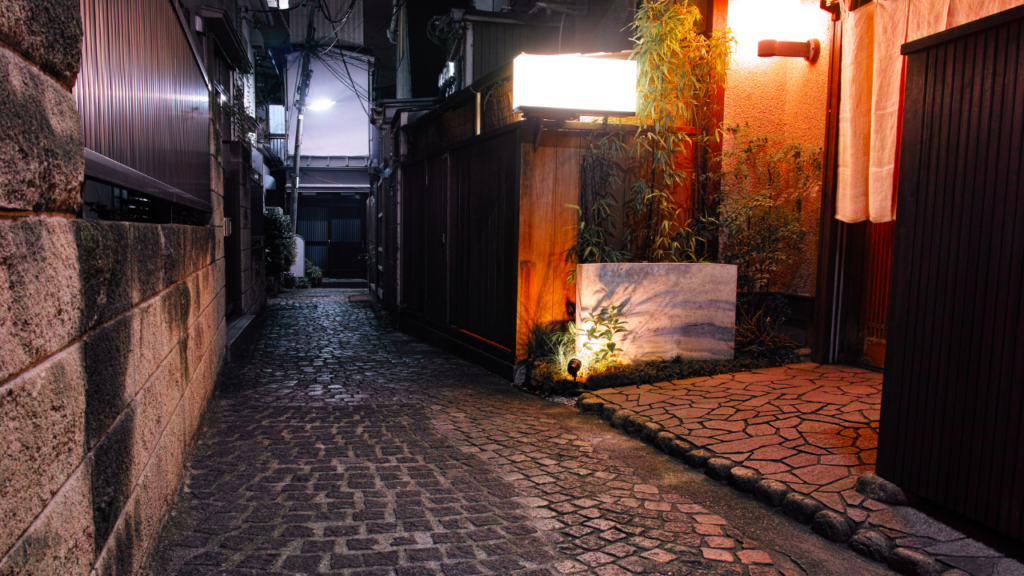
As evening approaches, make your way to Kagurazaka. This neighborhood is known for its sloping, stone-paved alleys and history as a geisha district. Today, it has a unique blend of Japanese tradition and French influence, earning it the nickname “Little Paris.”
The main street is lively, but the real magic is in the side alleys. Explore Hyogo Yokocho, a picturesque lane lined with traditional black-walled ryotei restaurants. The soft glow of lanterns makes the atmosphere feel cinematic.
It is the perfect place for a thoughtful dinner, whether you choose a high-end kaiseki meal or a cozy French bistro.
Explore more areas in the Tokyo Neighborhoods Guide to find what fits your travel style.
Day 2: The Rise of Modern Tokyo
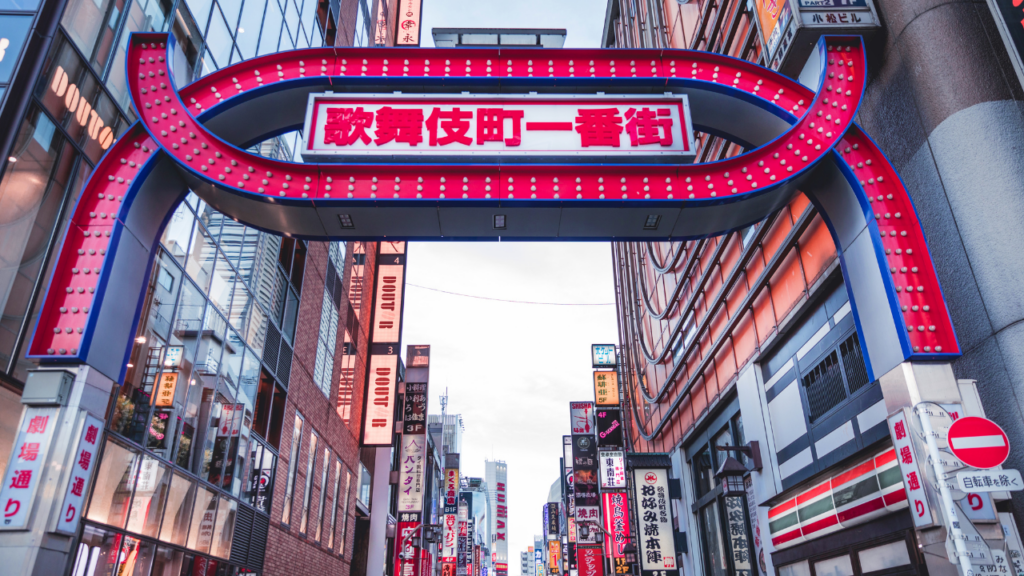
Day two moves forward into the 20th century. You will explore the neighborhoods that shaped Tokyo’s post-war identity. This was a period of rapid change, intellectual growth, and creative rebellion.
Today is about books, coffee, vintage fashion, and hidden bars. You will discover the subcultures that give Tokyo its gritty, independent spirit. This is the city of thinkers, artists, and dreamers.
Morning in Jimbocho
Highlights:
- Secondhand bookstores
- Antique book shops
- Classic kissaten cafes
Begin your day in Jimbocho, Tokyo’s “Book Town.” The air here seems to smell of old paper and roasted coffee. Over 170 bookstores are clustered in this area. It has been the city’s intellectual hub for generations.
You can find everything from rare manuscripts to modern manga. Visit an institution like Kitazawa Bookstore, which specializes in antique English-language books. The simple act of browsing the shelves feels like a cultural activity.
Jimbocho is also famous for its kissaten, or old-fashioned coffee houses. These are relics of the Showa era. Take a break at Sabouru or its neighbor, Ladorio. Their dark, wood-paneled interiors and quiet atmospheres feel like a time capsule.
This is where students and writers have gathered for decades. Ordering a coffee and relaxing here connects you to the neighborhood’s intellectual soul.
Afternoon in Koenji
Highlights:
- Vintage clothing shops
- Covered shopping arcades
- Indie music scene
From the quiet world of books, dive into the vibrant counter-culture of Koenji. This neighborhood west of Shinjuku is Tokyo’s hub for all things vintage and alternative. T
Walk through the covered PAL and Look shopping arcades. They are lined with furugi, or second-hand clothing stores. Explore unique shops like Sokkyou, known for its expertly curated collection. Sifting through racks of clothes is a treasure hunt.
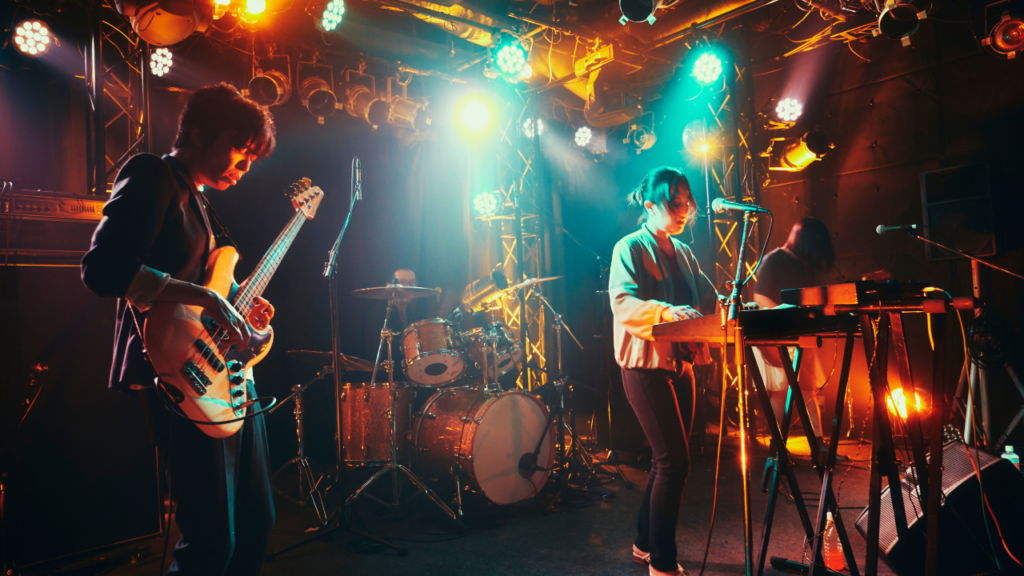
Koenji is not just about fashion. It is also a major center for Tokyo’s indie music scene. Small record shops and live music venues are tucked away on side streets.
The neighborhood has a raw, independent spirit that stands apart from the polished image of central Tokyo.
Evening in Shinjuku Golden Gai
Highlights:
- Narrow bar alleys
- Tiny themed bars
- Nightlife atmosphere
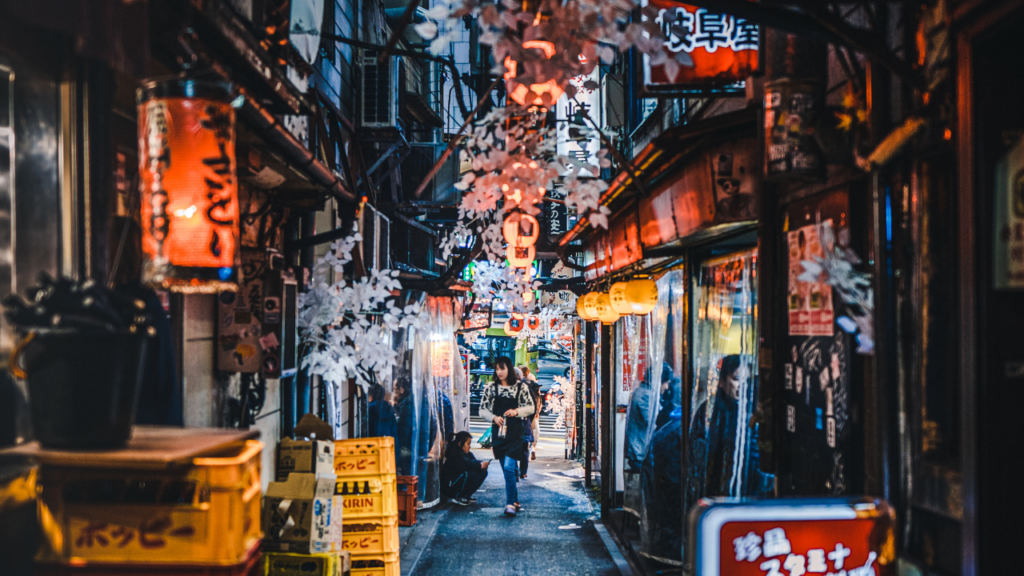
End your day in one of Tokyo’s most atmospheric locations: Shinjuku Golden Gai. This is an architectural time capsule. Six narrow alleys are packed with over 200 tiny, ramshackle bars.
It is a stark contrast to the gleaming skyscrapers of the surrounding Shinjuku area. Walking through these alleys feels like stepping onto a movie set. Each bar is unique, often with a specific theme and seating for only a handful of customers.
Many bars have a small cover charge. Some are more welcoming to tourists than others. A well-known spot like Albatross G is a great choice for first-timers. The experience is intimate and social.
You will find yourself striking up conversations with the bartender and other patrons. It is a fantastic way to experience Tokyo’s nightlife on a human scale.
Browse top-rated Tokyo tours and experiences to enhance your itinerary.
Day 3: Visions of the Future
Your final day brings you into the 21st century. Today is about engaging with the cutting-edge technology, art, and architecture that define modern Tokyo. You will see buildings designed by world-famous architects.
You will visit neighborhoods known for their chic, contemporary style. The day culminates with a breathtaking view of the entire metropolis. This is Tokyo as a global leader in design and innovation.
Morning in Aoyama
Highlights:
- Nezu Museum and gardens
- Modern architecture
- Designer storefronts
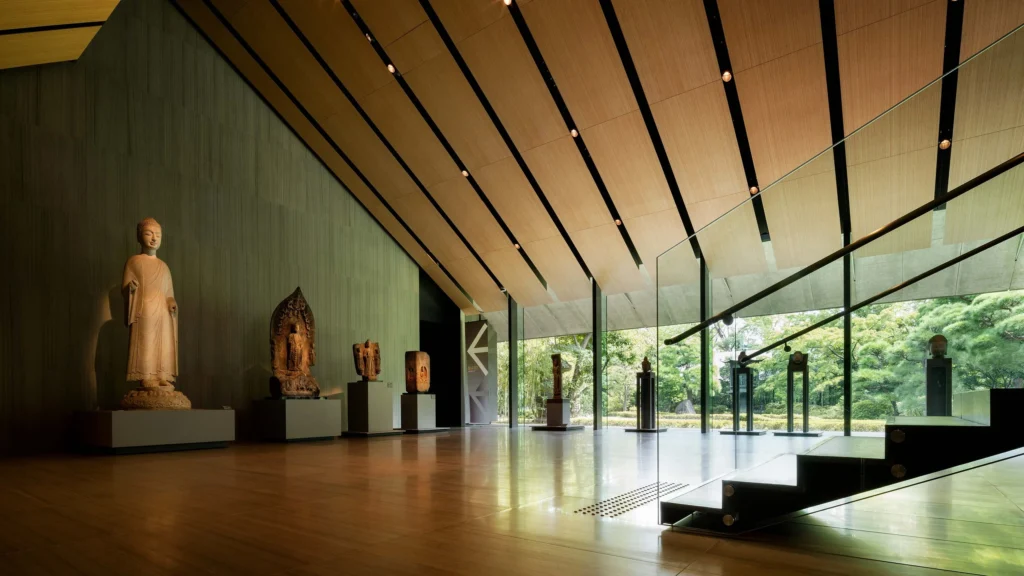
The final day of your itinerary starts in Aoyama. This sophisticated neighborhood is an open-air museum of contemporary architecture. Simply walking the streets is an inspiring experience.
The main destination is the Nezu Museum. While it houses traditional Japanese art, the building itself is a modern masterpiece redesigned by Kengo Kuma.
The long entryway, lined with bamboo, creates a feeling of serene transition. The museum’s extensive traditional garden is a peaceful oasis in the city.
After the museum, wander through the surrounding streets. Marvel at the unique facades of global fashion brands. The diamond-faceted glass walls of the Prada Aoyama building are an iconic sight.
Nearby, the Miu Miu Aoyama store looks like a minimalist, half-opened metal box. These buildings are not just stores; they are architectural statements.
Afternoon in Daikanyama
Highlights:
- Daikanyama T-Site
- Boutique shopping
- Cafes and quiet streets
Next, take a short trip to the stylish and modern Daikanyama district. The atmosphere here is more relaxed and residential than Aoyama, but just as chic. The centerpiece of the neighborhood is the Daikanyama T-Site.
This is a bookstore complex often called one of the most beautiful in the world. Its three interconnected buildings are a celebrated example of contemporary design. It is more than just a place to buy books. It is a cultural hub with a cafe, a lounge, and a music section.
Explore the area’s independent boutiques and upscale cafes. The neighborhood is thoughtfully designed, with green spaces and interesting architecture throughout. It offers a glimpse into modern, affluent Tokyo life.
It is a pleasant place to slow down and simply enjoy the sophisticated urban environment.
Evening at Shibuya Sky
Highlights:
- Observation deck views
- Shibuya Crossing from above
- Sunset city skyline
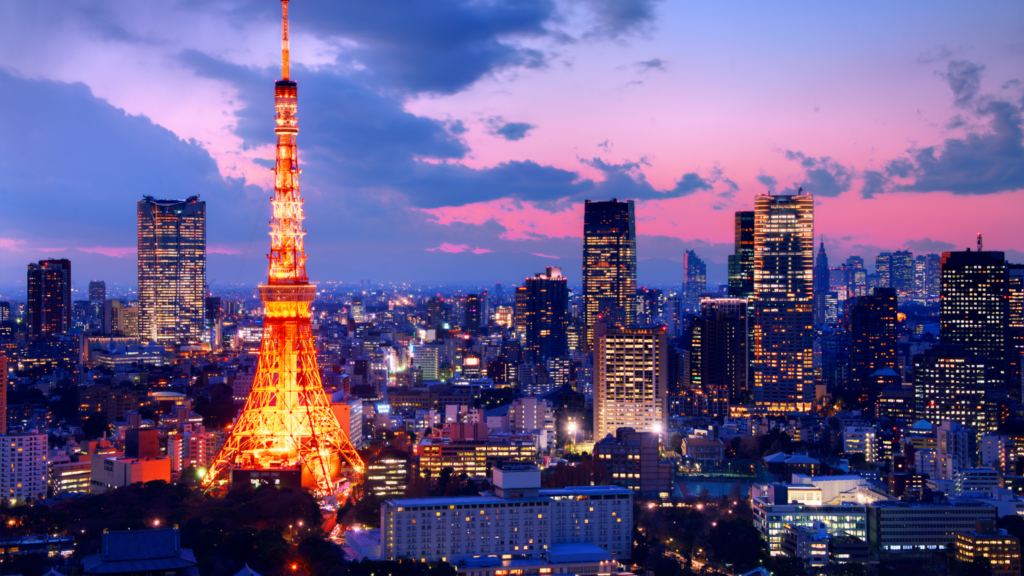
Your three-day journey culminates with the ultimate view of the city. Head to Shibuya Sky, an open-air observation deck atop the Shibuya Scramble Square building.
The experience begins with the ride up in a futuristic elevator. Once you reach the top, you are greeted with a stunning, 360-degree panoramic view of the sprawling metropolis.
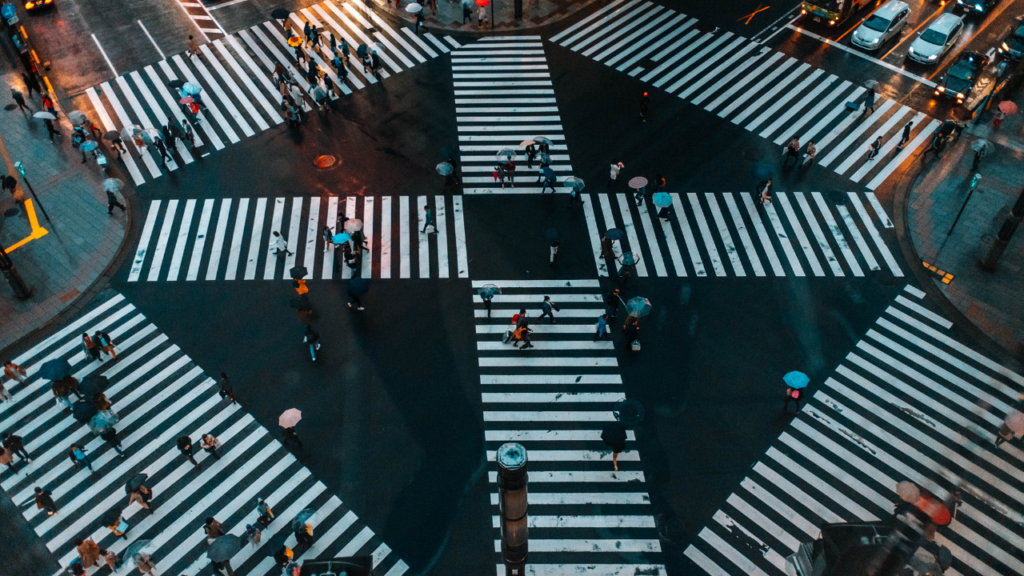
From here, you can see all the districts you have visited. The famous Shibuya Crossing looks like an intricate, pulsing organism from this height.
Booking your tickets online in advance is highly recommended. Aim to arrive before sunset. Watching the city transition from day to night is a powerful experience.
As the lights of Tokyo begin to sparkle below, you will gain a true appreciation for the immense scale and energy of the city.
It is the perfect final impression of your journey through time.
Tip: Book Shibuya Sky tickets in advance to secure a sunset time slot.
This three-day journey offers more than just a tour of Tokyo. It provides a narrative. By experiencing the city through its distinct historical layers you gain a deeper understanding.
Tokyo’s identity is a complex blend of past, present, and future. Following this itinerary leaves you with a deep appreciation for the many worlds that exist within this incredible metropolis.
Choose the best area for your trip with Where to Stay in Tokyo.
Tokyo Travel Guide
FAQ
Is this itinerary easily walkable?
No, this itinerary is designed around using Tokyo’s excellent public transport system. Each day’s locations are clustered geographically, but you will need to take trains between them. A Suica or Pasmo card is essential for seamless travel.
What kind of clothing is best for this trip?
Comfortable walking shoes are the most important item. You will be on your feet for most of the day. Otherwise, dressing in layers is a smart strategy. This allows you to adapt to changing temperatures between the outdoors and indoor spaces like museums and trains.
Can this itinerary be done on a tight budget?
It can be adapted for different budgets. Many of the experiences, like exploring neighborhoods and visiting the Sumo Museum, are free. You can save money by eating at smaller, casual restaurants and limiting your spending in bars and shops. The biggest costs will be museum admissions and evening entertainment.
How much time will I spend on trains each day?
You should plan for approximately 60 to 90 minutes of total travel time each day. This will be broken into several shorter trips as you move from one neighborhood to the next. The train rides themselves are a great opportunity to observe local life.
Is it necessary to speak Japanese for this itinerary?
It is not necessary. Major train stations, museums, and tourist areas have English signage. However, learning a few basic phrases like “Sumimasen” (Excuse me) and “Arigato” (Thank you) is polite and will be greatly appreciated by locals.