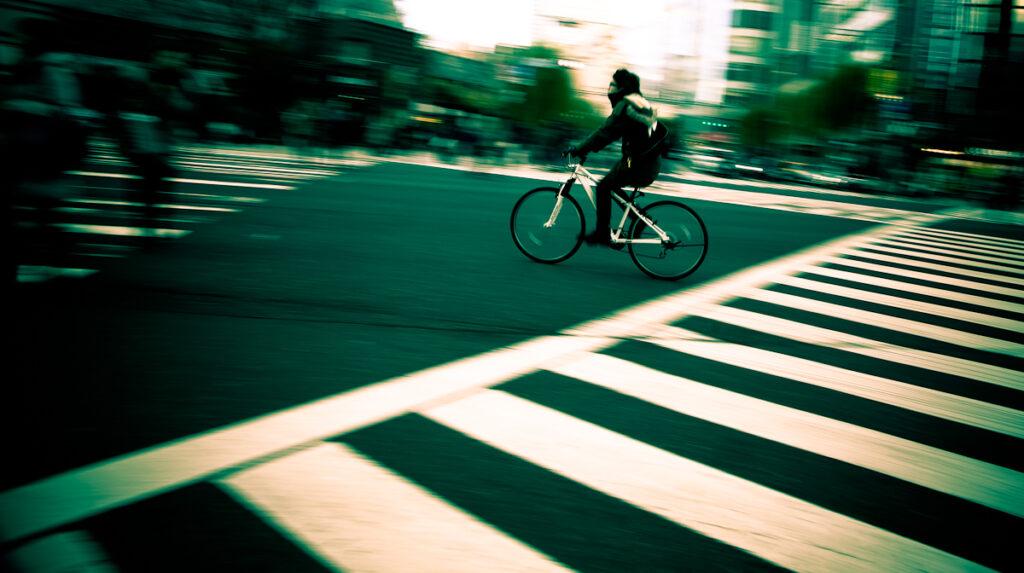
Tokyo often looks overwhelming at first glance. Towers fill the skyline and rail lines carry millions of people every day. The scale of the city can feel difficult to absorb.
Cycling changes that perspective immediately.
A bicycle moves at the ideal pace for exploring Tokyo. You travel faster than walking but slow enough to notice the details that define each neighborhood. Small shrines appear between apartment buildings. Street food stalls sit beside quiet residential lanes. Riverside paths open wide views of the skyline.
The city also surprises many visitors with how manageable it feels on two wheels. Drivers remain cautious, residential streets stay calm, and river paths create long stretches of uninterrupted riding.
Cycling allows travelers to move naturally between districts without relying on train schedules. A single ride can connect historic neighborhoods, modern shopping streets, and peaceful waterfront areas.
For visitors who enjoy active exploration, cycling reveals Tokyo in a deeper and more personal way.
Plan your trip with this Tokyo itinerary (1–7 days)
For more ideas, explore: 15 Best Things To Do in Tokyo
Tokyo Cycling Experience Snapshot
| Category | Details |
|---|---|
| Experience Type | Urban cycling and scenic river rides |
| Best Areas | Sumida River, Arakawa River, Odaiba waterfront |
| Skill Level | Beginner to intermediate |
| Typical Ride Time | 1–4 hours |
| Best Time of Day | Morning or sunset |
| Atmosphere | Relaxed urban exploration |
| Highlights | River paths, skyline views, neighborhood discoveries |
Why Cycling Works So Well in Tokyo
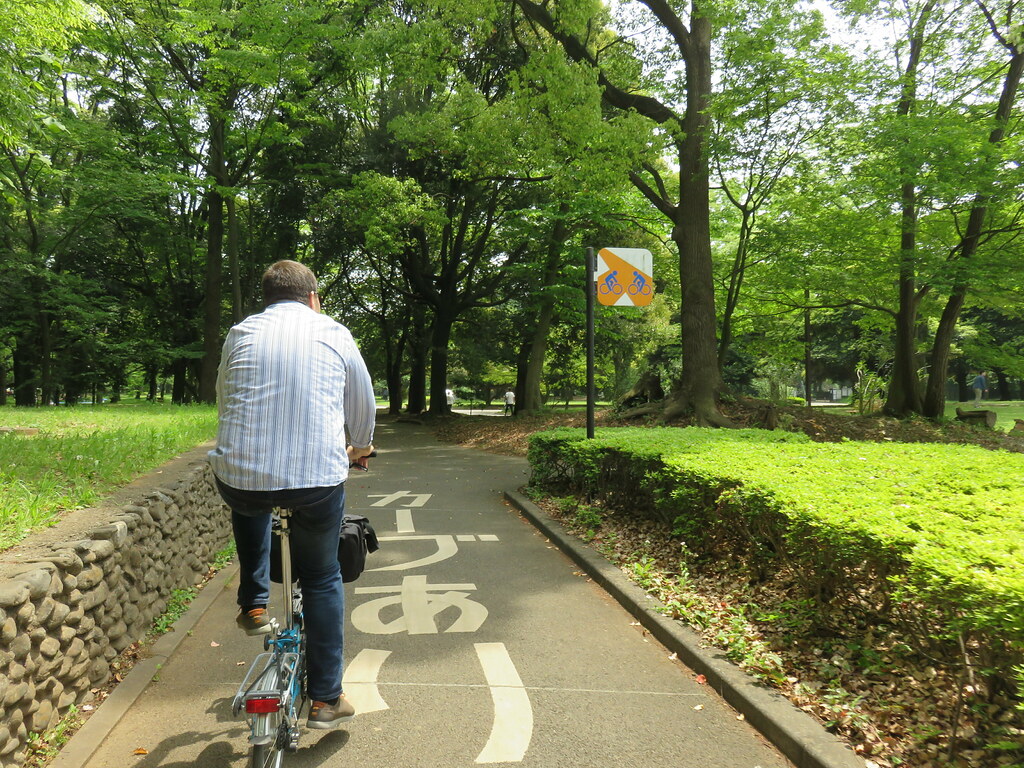
Tokyo’s structure makes cycling surprisingly practical. Many neighborhoods developed around train stations, which created compact districts filled with restaurants, shops, and services.
Compact Neighborhood Structure
Districts in Tokyo often sit only a few kilometers apart. A rider can travel between several neighborhoods during a single outing.
A typical ride might pass through:
- Asakusa’s historic streets
- Ueno’s cultural district
- Akihabara’s electronics area
- Ginza’s modern avenues
The scenery changes quickly. Old temples sit beside new skyscrapers. Quiet lanes connect with lively shopping streets.
Quiet Local Streets
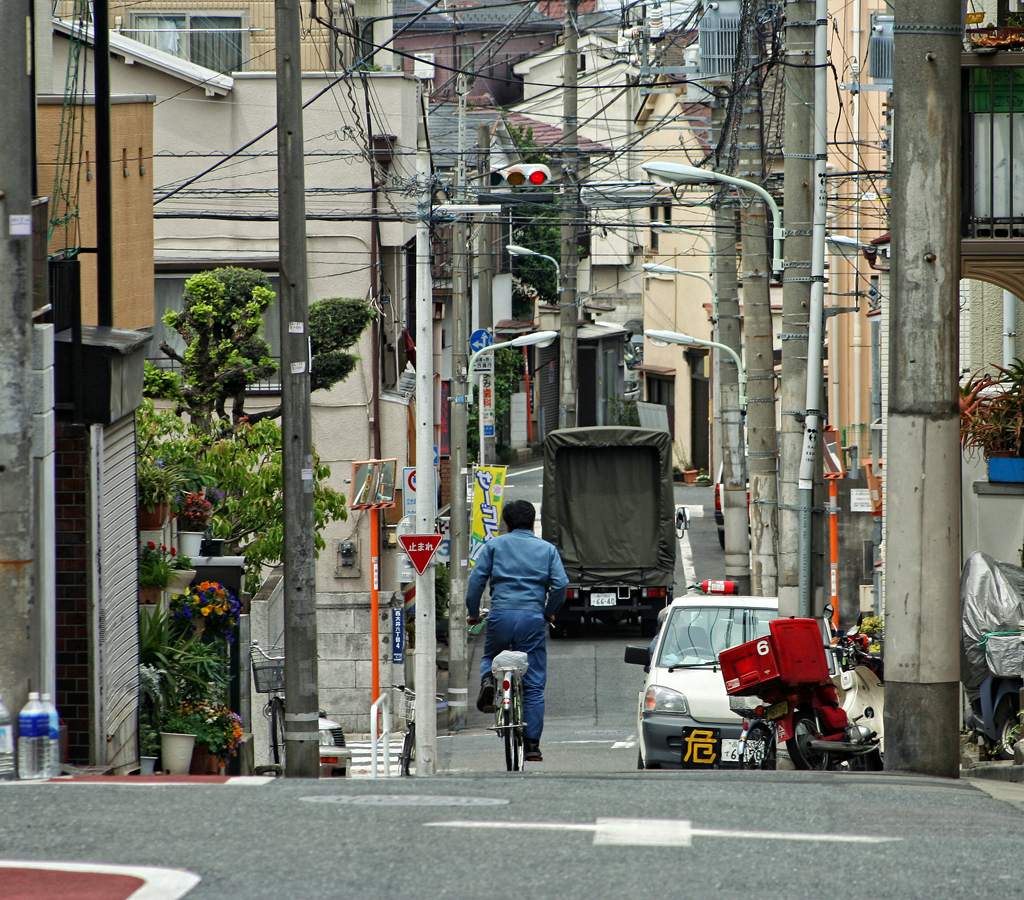
Many Tokyo streets carry very little traffic. These smaller roads form the backbone of most cycling routes.
The atmosphere feels relaxed and predictable. Cyclists pass local bakeries, family restaurants, small parks, and neighborhood shops.
These streets reveal everyday Tokyo life that visitors often miss.
Everyday Cycling Culture
Bicycles are part of daily transportation in Tokyo. Parents carry children in bike seats. Students ride home from school. Office workers cycle short distances to train stations.
Drivers are used to sharing the road with cyclists, which helps create a safer riding environment.
Related Experience: Tokyo Downtown and Backstreets Bike Tour
Best Scenic Cycling Routes in Tokyo
Several cycling routes stand out for scenery and comfort. These paths combine smooth surfaces with excellent views of the city.
Sumida River Cycling Path
The Sumida River path offers one of the most visually interesting rides in Tokyo. The route runs beside the river through several historic districts.
Cyclists ride beneath a series of bridges that span the water at regular intervals. Each bridge features a different design, which creates changing views along the route.
Tokyo Skytree gradually rises above the skyline as riders move north. Riverside parks appear along the path and provide places to rest beside the water.
The ride feels calm despite being near central Tokyo.
Arakawa River Cycling Road
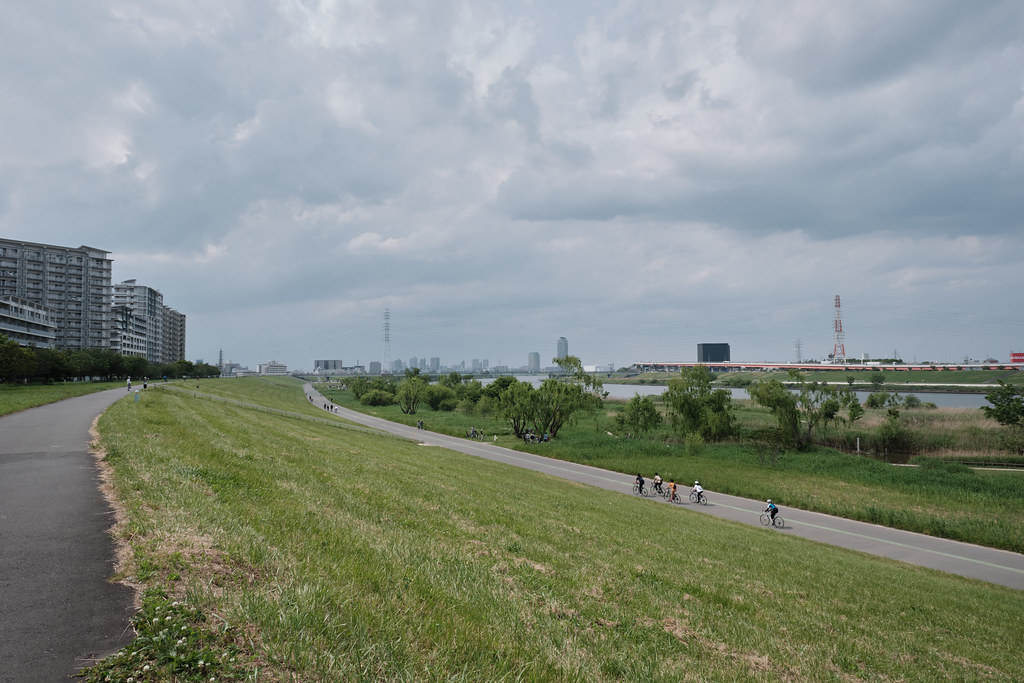
The Arakawa River route offers one of the longest continuous cycling paths in the city. The path stretches along wide riverbanks designed to control seasonal flooding.
Open grassy fields replace dense urban blocks. The sky feels larger and the horizon expands across the floodplain.
Cyclists often travel long distances here because the path rarely intersects with vehicle traffic.
Imperial Palace Loop
The road surrounding the Imperial Palace creates a scenic cycling loop in central Tokyo.
Massive stone walls border the palace grounds while deep moats reflect the skyline. Wide roads and tree-lined sections provide shade and open space.
Early mornings bring especially calm riding conditions.
Neighborhood Cycling Experiences
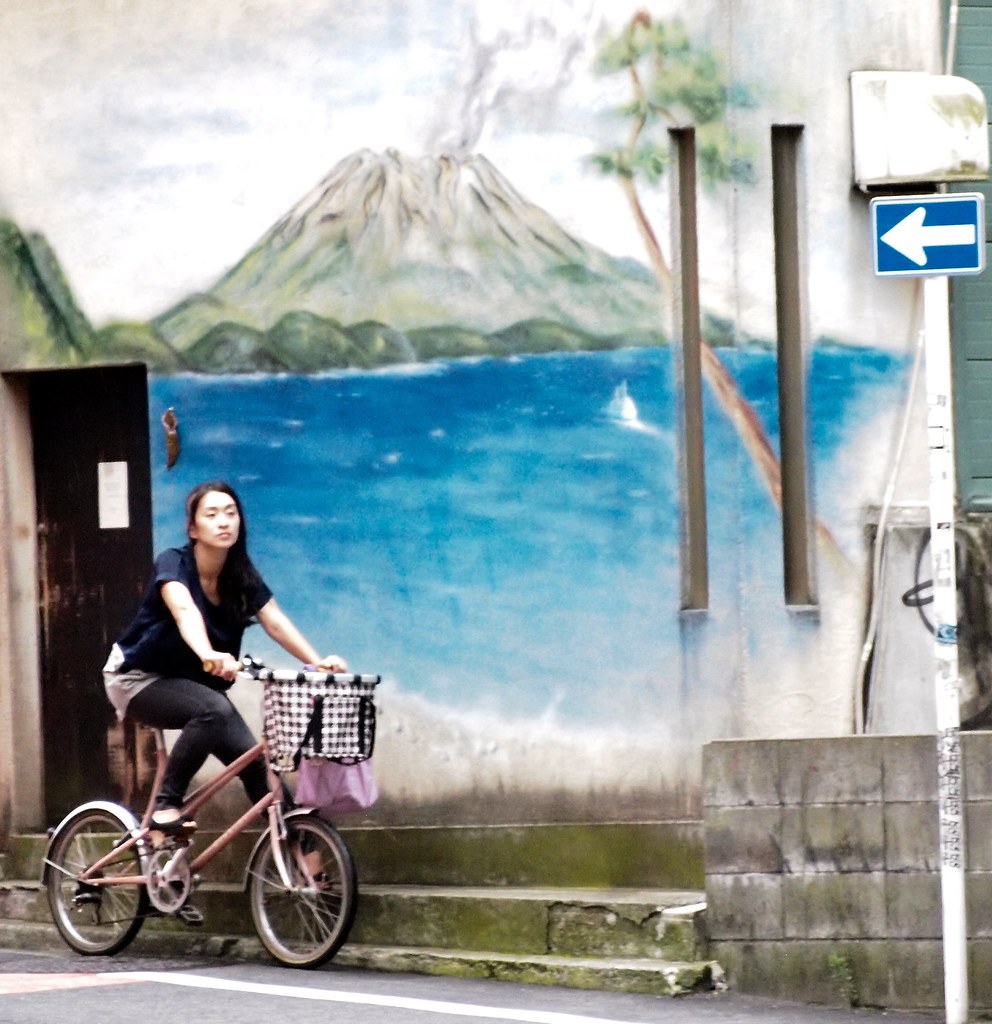
Some of Tokyo’s most memorable cycling moments happen within neighborhood streets rather than major routes.
Asakusa and Traditional Streets
Asakusa offers an excellent starting point for cycling through historic Tokyo. Small streets extend outward from the famous temple district.
Cyclists encounter traditional snack stalls, craft shops, and quiet residential blocks. Lanterns hang above narrow alleyways and give the streets a distinctive atmosphere.
The area feels lively yet welcoming.
Asakusa Travel Guide: Tokyo’s Historic District
Yanaka’s Old Tokyo Atmosphere
Yanaka preserves the feeling of older Tokyo neighborhoods. The streets wind through temple grounds and traditional homes.
Cats rest along stone stairways and quiet gardens appear behind wooden gates. Small bakeries and cafés add to the relaxed character of the district.
Cycling here feels slow and reflective.
Shimokitazawa Creative Streets
Shimokitazawa presents a completely different energy. The district attracts artists, musicians, and vintage fashion enthusiasts.
Cyclists pass record shops, independent theaters, secondhand clothing stores, and colorful murals.
The creative atmosphere makes riding through the area especially engaging.
Tokyo’s Waterfront Cycling Areas
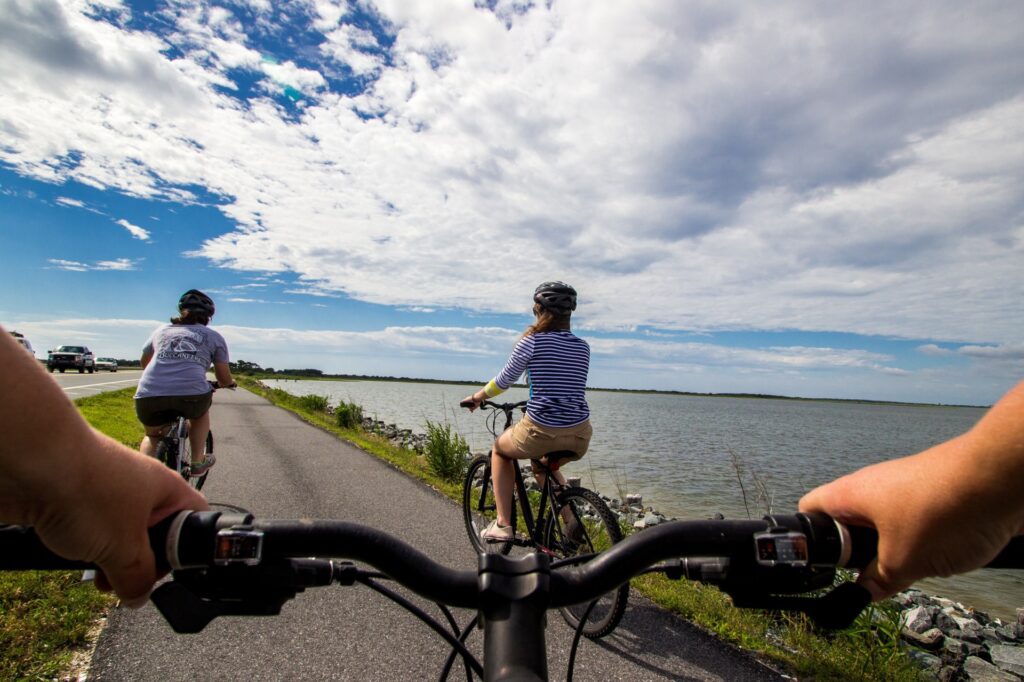
Tokyo’s waterfront districts provide some of the most relaxing cycling environments in the city.
Odaiba Seaside Ride
Odaiba sits directly on Tokyo Bay and features wide promenades designed for walking and cycling. Riders pass sandy beach areas and waterfront observation points.
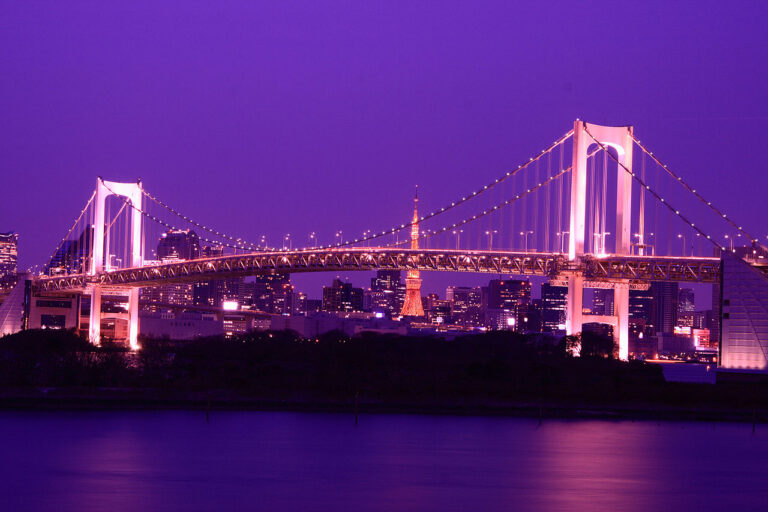
Rainbow Bridge dominates the skyline. Boats glide across the harbor while the city stretches across the horizon.
Sunset creates dramatic reflections across the water.
You got 6 results. Please press Tab to select one.
Toyosu Waterfront Paths
Toyosu offers modern cycling routes along clean marina promenades. Residential towers rise behind the paths while open water views extend across the bay.
Locals often jog or walk dogs along the same waterfront routes.
Kasai Rinkai Coastal Ride
Kasai Rinkai Park provides one of the most nature-focused rides in Tokyo. The route passes grassy fields, coastal wetlands, and bird habitats.
A large observation wheel rises above the shoreline and becomes visible throughout the park.
Sea breezes make riding here especially refreshing.
Related Experience: Small Group Cycling Tour in Tokyo
Best Time for a Tokyo Cycling Experience
Tokyo cycling feels different depending on the time of day and season.
Morning
Morning rides offer the calmest streets. Traffic remains light and temperatures stay comfortable during warmer months.
Clear air often creates excellent skyline views.
Sunset
Sunset produces some of the most beautiful riding conditions in Tokyo. Warm light reflects off buildings while river paths glow with soft evening colors.
Waterfront routes become especially scenic.
Seasonal Considerations
| Season | Riding Experience |
|---|---|
| Spring | Mild weather and blooming cherry trees |
| Summer | Early morning rides are most comfortable |
| Autumn | Cool air and clear skies |
| Winter | Crisp conditions with excellent visibility |
Who Tokyo Cycling Is Best For
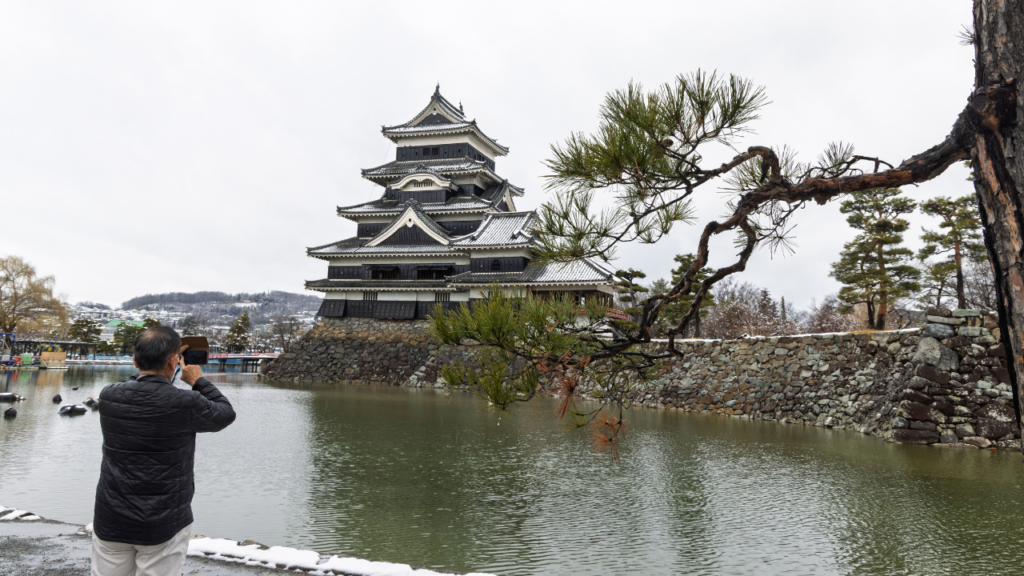
Tokyo cycling appeals to several types of travelers.
Casual Explorers
Short rides through neighborhoods reveal temples, cafés, and quiet residential streets.
Photographers
Riverside paths offer dramatic skyline perspectives, especially near the Sumida River and Tokyo Bay.
Outdoor Enthusiasts
Long routes such as the Arakawa River path allow extended rides without heavy traffic.
Repeat Visitors
Travelers who have already visited major attractions often enjoy discovering lesser-known neighborhoods by bike.
Slow Travelers
Cycling encourages spontaneous stops and detours that lead to unexpected discoveries.
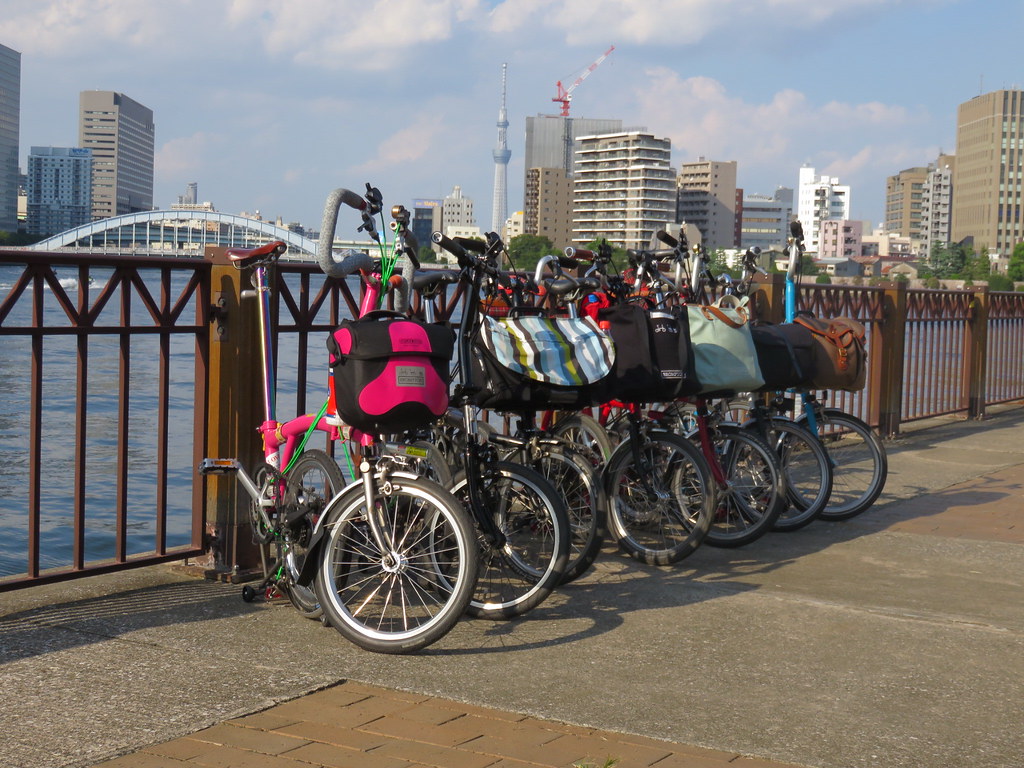
Cycling reveals a side of Tokyo that many travelers never experience. Instead of moving through stations and train platforms, riders interact directly with the city’s streets and neighborhoods.
Every ride brings small discoveries. Quiet temples appear behind apartment buildings. Riverside paths open wide views of the skyline. Waterfront parks offer space and fresh air beside the busy urban core.
The structure of Tokyo makes these experiences easy to combine. Historic districts, creative neighborhoods, and coastal landscapes all sit within cycling distance.
For travelers seeking a deeper connection with Tokyo’s daily rhythm, few activities offer as much freedom and perspective as exploring the city by bicycle.
Start planning your trip with this Tokyo itinerary (1–7 days)
FAQ
Do visitors need an international permit to rent bicycles in Tokyo?
Most rental shops in Tokyo allow tourists to rent bicycles without an international permit. Shops may request a valid passport as identification. Casual city bikes and e-bikes are widely available for short-term use.
Are there cycling events or community rides in Tokyo?
Yes, Tokyo hosts casual and organized rides. Weekend community rides and seasonal events occur along river paths, waterfront areas, and parks. Participation is generally open to all skill levels, and these rides emphasize sightseeing and enjoyment rather than competition.
Which Tokyo neighborhoods have the most bike parking areas?
Neighborhoods like Shibuya, Shinjuku, Ueno, and Odaiba have the densest bike parking. Train stations and major parks provide structured parking, often with paid and free options. Riverside paths usually include bike racks for short stops.
Are guided cycling experiences available for first-time visitors?
Yes, local operators offer structured group rides with English-speaking guides. These rides often combine sightseeing, food stops, and cultural exploration. They provide safe routes and context about the neighborhoods.
Can travelers cycle between Tokyo districts in a single day?
Absolutely. Many districts are only a few kilometers apart. Routes along river paths and quieter streets make multiple-district rides comfortable. A full-day ride can include historic, cultural, and waterfront areas with manageable distances and scenic breaks.een Tokyo districts in a single day?