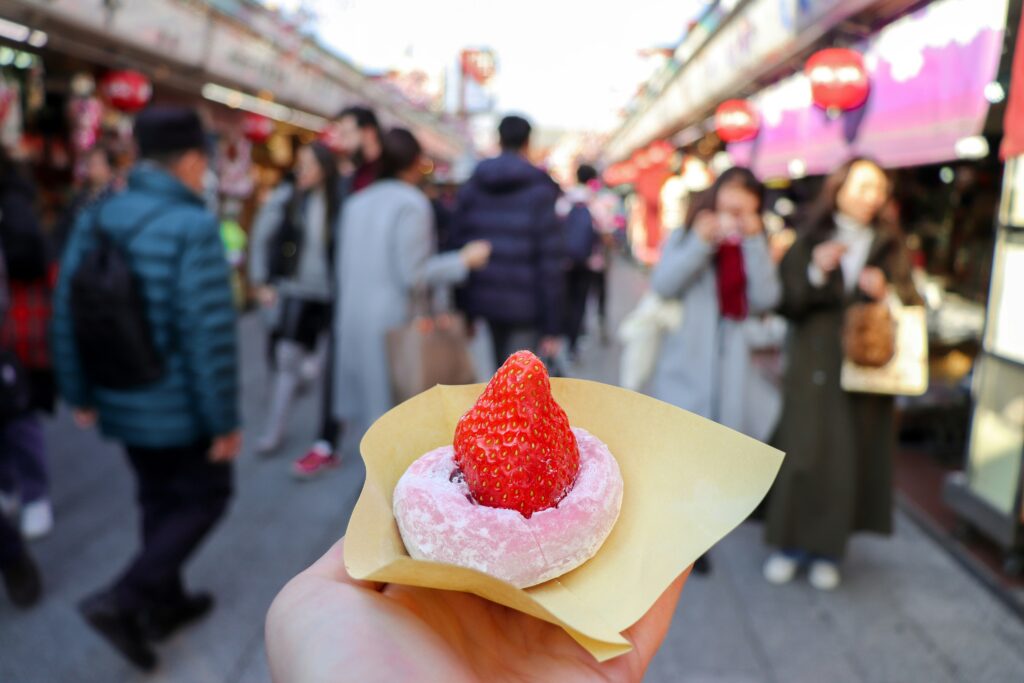
In Tokyo, dessert is not just an afterthought. It is a dedicated craft, an art form, and a cultural obsession. The city’s sweet landscape is a fascinating journey.
It moves from centuries-old traditions to cutting-edge pastry innovations. Exploring this world reveals a deep appreciation for seasonality, texture, and visual perfection.
You might find yourself in a serene tearoom contemplating a single, perfect piece of mochi. Or you could be in a bustling café, watching a soufflé pancake jiggle on the plate.
Each offers a unique and delicious insight into the soul of Japanese cuisine. This is a city that takes its sweets very seriously.
Plan your trip with this Tokyo itinerary (1–7 days)
For more ideas, explore: 15 Best Things To Do in Tokyo
Experience Snapshot Table
| Experience | Exploring Tokyo’s Dessert Culture |
| Location | Cafés, patisseries, and markets across Tokyo |
| Best For | Culinary Exploration, Café Culture, Artistic Food |
| Price | ¥500 – ¥3,000 per person |
| Time Commitment | 1-2 hours per location |
The World of Wagashi: Traditional Japanese Sweets
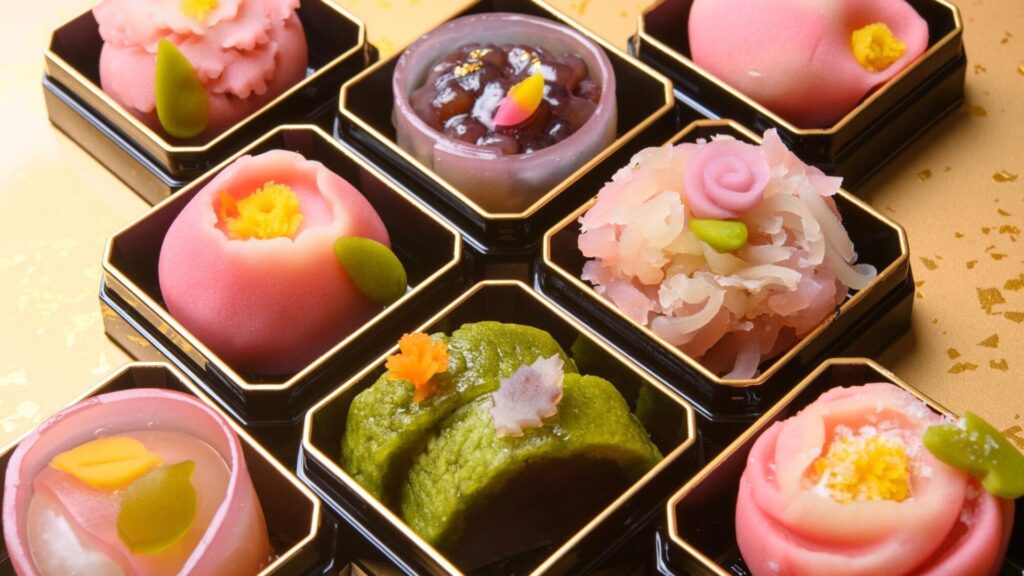
The Art of Anko
At the heart of many traditional Japanese sweets, or wagashi, is anko. This is a paste made from azuki beans that have been boiled and sweetened.
The taste of high-quality anko is a revelation. It is not overly sugary. Instead, it has a complex, earthy sweetness and a satisfying texture. You will find it in two main forms.
Tsubuan is a chunky paste where the beans are partially intact. Koshian is a perfectly smooth paste where the beans have been passed through a fine sieve.
Anko is the soul of countless wagashi, providing a taste that is deeply rooted in Japanese culinary history.
Mochi and Dango
The texture of mochi is unique and central to the wagashi experience. It is a soft, chewy cake made from glutinous rice that has been pounded into a paste.
Daifuku is a popular variety. It consists of a soft mochi shell surrounding a ball of anko. Another favorite is sakura mochi, a pink-colored sweet wrapped in a pickled cherry blossom leaf.
This treat offers a wonderful combination of sweet and salty flavors. Dango are smaller, chewy dumplings made from rice flour. They are usually served on a skewer and enjoyed with different toppings. The most common is a sweet soy sauce glaze called mitarashi.
Where to Experience Wagashi
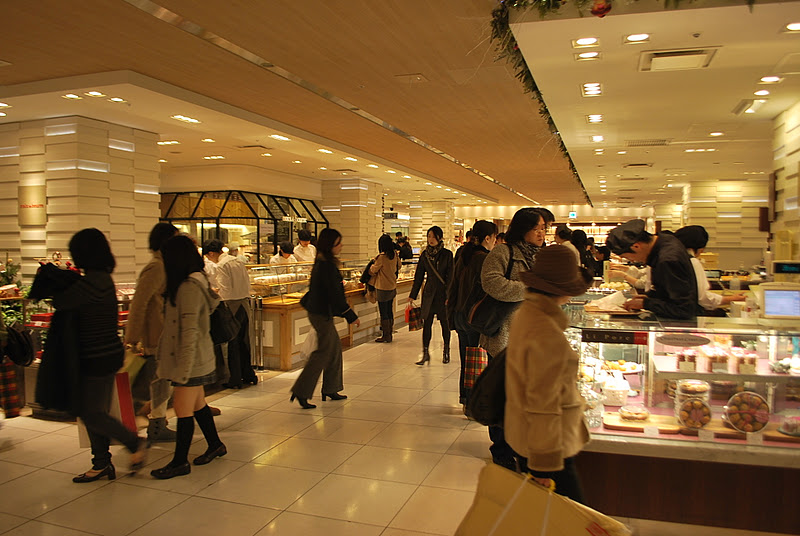
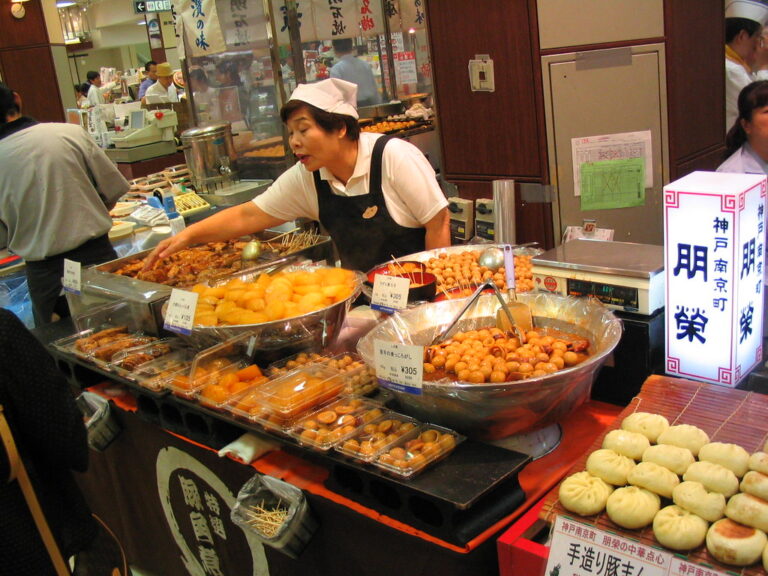
Your wagashi journey can start in a depachika. These are the sprawling food halls found in the basements of major department stores like Mitsukoshi or Isetan.
Here, you will find dozens of stalls from famous wagashi makers, all displaying their creations like precious jewels. For a more traditional setting, visit the neighborhood of Asakusa.
The streets around the Senso-ji Temple are filled with long-standing shops. Many have been operated by the same family for generations.
Related Experience: Senso-ji Temple and Old Tokyo Walking Tour
Patisseries and the Japanese Pursuit of Pastry Perfection
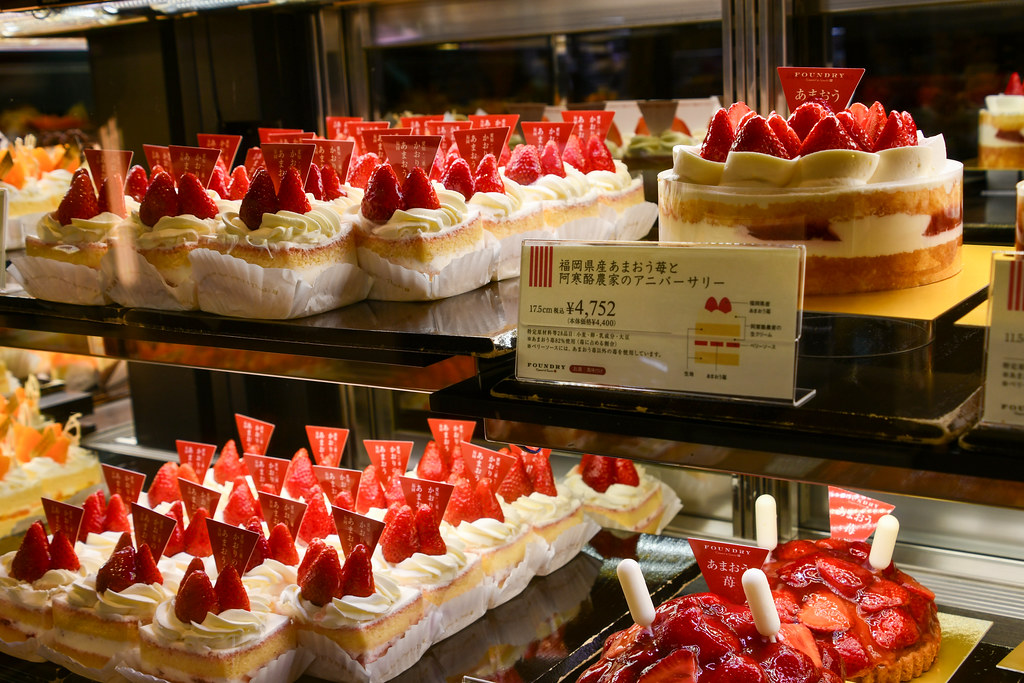
The Japanese Strawberry Shortcake
The Japanese strawberry shortcake, or ichigo shotokeki, is a national icon. It is a study in texture and balance. Forget dense, heavy cakes.
This version features an incredibly light and airy sponge called a castella sponge. Layers of this delicate cake are separated by a cloud-like whipped cream that is fresh and not overly sweet.
In between are perfectly ripe, beautiful strawberries. Every element is chosen and placed with precision. The experience of eating it is one of pure, simple delight.
It is a testament to the Japanese culinary philosophy of perfecting a seemingly simple dish until it is sublime.
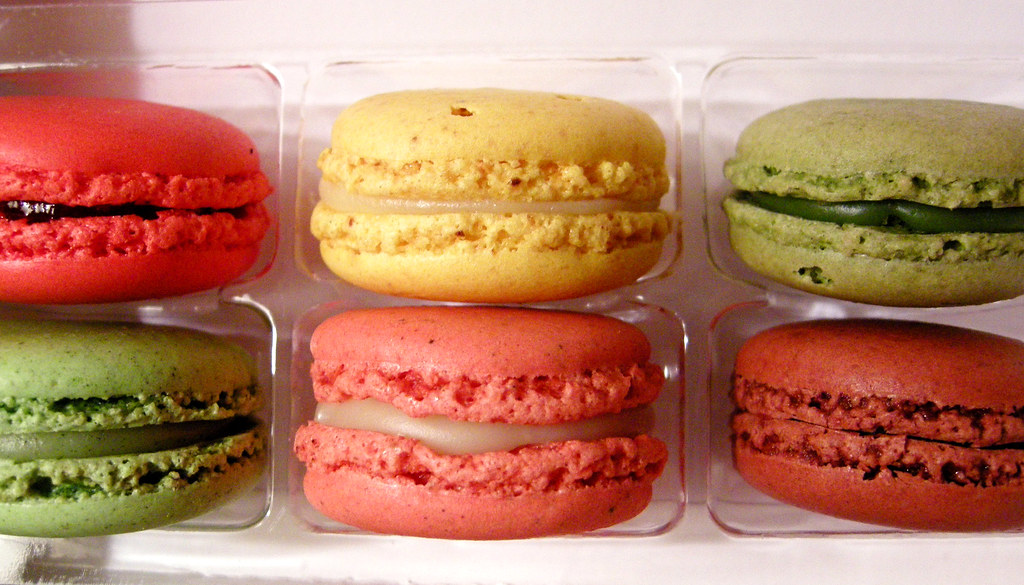
The Rise of the Soufflé Pancake
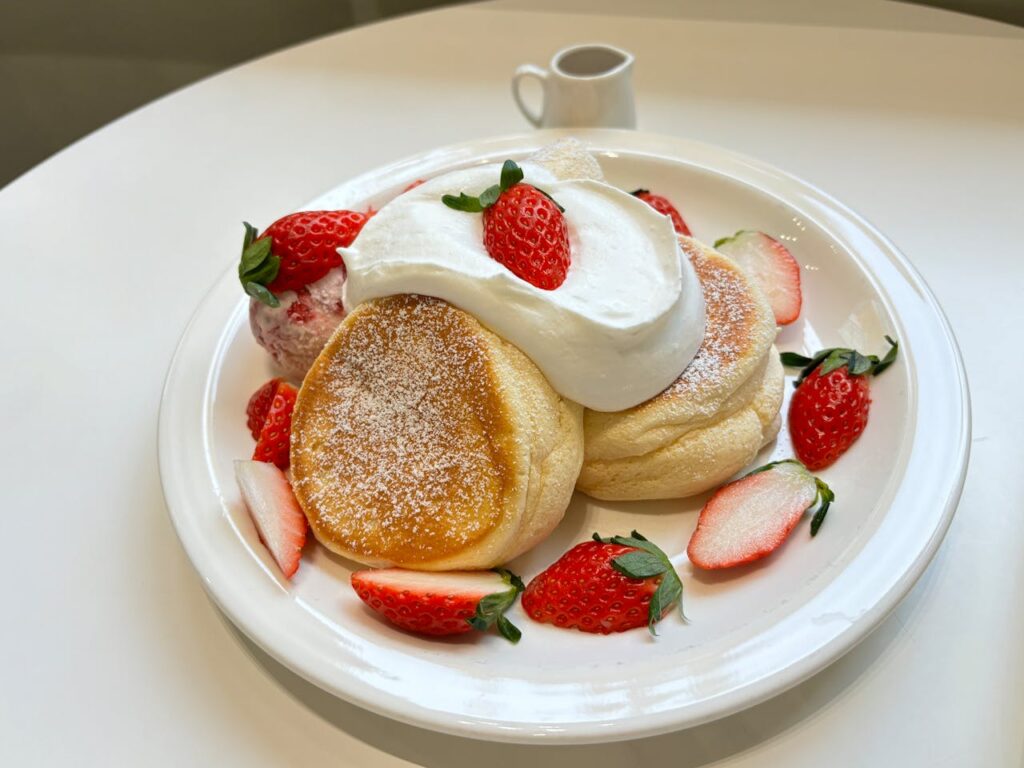
Soufflé pancakes have become a global phenomenon, but their home is in Tokyo. These are not your average breakfast flapjacks. They are incredibly thick, fluffy, and so light they jiggle with the slightest movement.
The secret is in the meringue-based batter, which is cooked slowly at a low temperature. They are often served in tall stacks. Toppings are usually simple, like fresh cream, maple syrup, and seasonal fruits.
The experience is magical. Cutting into one feels like slicing through a cloud. The taste is light and eggy. They dissolve in your mouth.
Fruit-Forward Creations
Japanese patisseries celebrate fruit like nowhere else. The country produces some of the world’s most perfect and expensive fruits. These pristine ingredients are the stars of many desserts.
A classic example is the fruit parfait. It is served in a tall glass. The parfait features intricate layers of fruit, cream, ice cream, sponge cake, and sauces.
Every spoonful offers a new combination of flavors and textures. Another unique creation is the fruit sando.
This is a sandwich made with fluffy white bread (shokupan), whipped cream, and precisely cut seasonal fruits. The cross-section reveals a beautiful mosaic pattern.
Best Food Experiences in Tokyo
Modern and Trendy Tokyo Desserts
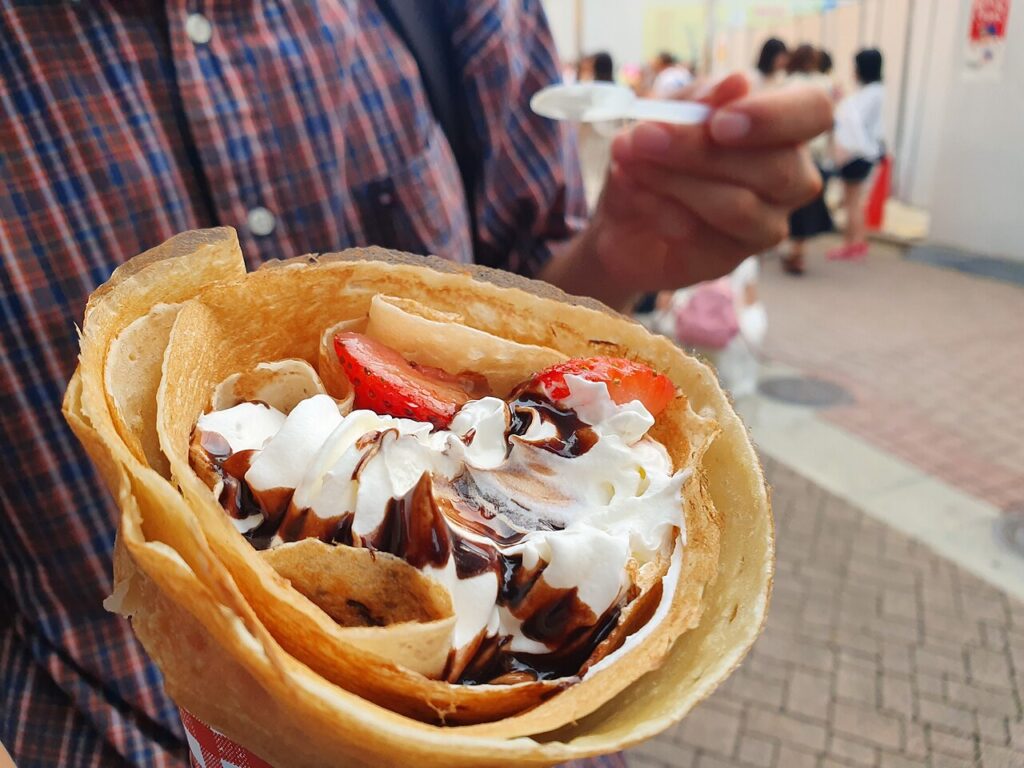
Crêpes in Harajuku
A visit to Harajuku’s Takeshita Street is incomplete without experiencing a Japanese-style crêpe. These are very different from their delicate French counterparts.
The crêpe itself is a thin pancake. It serves as a cone-shaped wrapper for an extravagant amount of fillings. The menus at the small stalls are dizzying.
They feature dozens of combinations. You can choose from whipped cream, ice cream, fresh fruit, brownies, and even whole slices of cheesecake.
We’re talking pure fun and indulgence. You receive your creation wrapped in paper. It is a delicious and photogenic part of the vibrant street culture.
The Matcha Obsession
Matcha is a finely ground powder of specially grown green tea leaves. Its distinct, slightly bitter flavor is used in countless modern desserts.
You can find matcha-flavored everything in Tokyo. This goes far beyond a simple cup of tea. Cafés specialize in intense matcha soft-serve ice cream.
Others create elaborate matcha parfaits with layers of matcha jelly, matcha cake, and anko. You might try a matcha tiramisu or a rich matcha lava cake.
The experience is about enjoying the deep, complex flavor of high-quality matcha. It is expertly balanced with sweetness to create a uniquely Japanese dessert profile.
Related Experience: Wagashi (Japanese Sweets) Experience Tour
Themed Cafés and Character Sweets
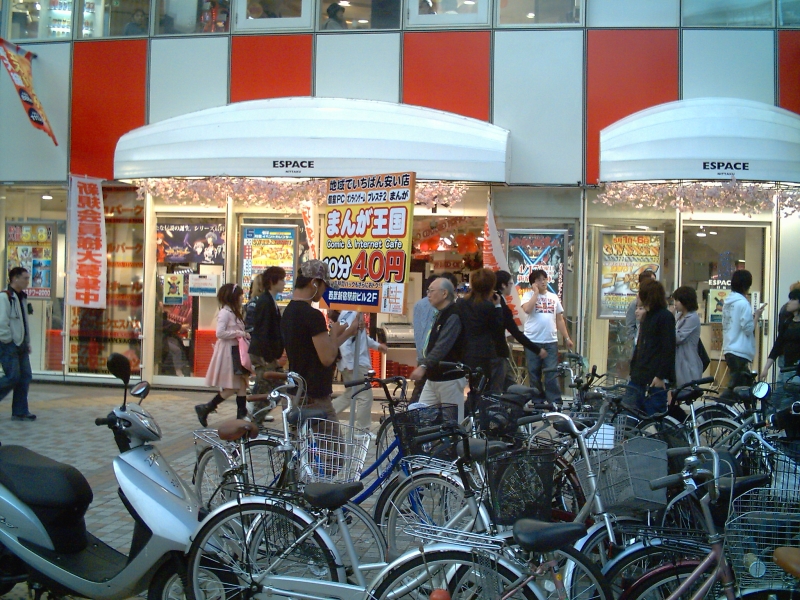
Tokyo is famous for its themed cafés. Many are dedicated to popular characters like Pokémon, Hello Kitty, or Studio Ghibli’s Totoro.
The main attraction at these cafés is the food itself. The desserts are incredibly creative and visually driven.
You might eat a parfait designed to look like Pikachu. You could order a slice of cake shaped like Totoro.
These sweets are crafted for visual appeal and are a huge part of “kawaii” (cute) culture. It is about immersing yourself in a fantasy world where the food is part of the fun.
Best Time for This Experience
The best way to experience Tokyo’s dessert culture is to embrace seasonality. In spring, look for desserts featuring sakura (cherry blossom) and strawberries.
Summer is the season for kakigori, a shaved ice dessert with delicate syrups, and sweets made with juicy peaches and melons.
Autumn brings desserts flavored with kuri (chestnut), sweet potato, and pumpkin. Winter is a time for richer cakes and warm sweets.
On a daily basis, the ideal time to visit a café or patisserie is in the mid-afternoon, between 2:00 PM and 5:00 PM. This is when you can relax and enjoy the local custom of an afternoon treat.
Tokyo’s dessert scene is a delicious reflection of its broader culture. It is a world of deep respect for tradition, an unwavering pursuit of perfection, and a playful spirit of innovation.
A single day could include a centuries-old mochi recipe and a gravity-defying soufflé pancake. Each sweet tells a story about craftsmanship, seasonal ingredients, and the simple joy of a perfectly executed treat.
To explore the cafés, patisseries, and traditional shops of Tokyo is to engage with the city on its most delightful level.
Start planning your trip with this Tokyo itinerary (1–7 days)
FAQ
Do I need to make reservations for cafés?
For most casual cafés, reservations are not necessary. However, for very famous or popular places, especially those known for soufflé pancakes or themed experiences, a reservation is highly recommended to avoid long waits.
Is it okay to eat desserts while walking on the street?
While you can buy many desserts from street-side windows, walking and eating is generally frowned upon in Japan. It is considered better manners to stand to the side, near the shop where you bought the item, finish it, and dispose of the wrapper there.
What is a good gift-able dessert to bring home?
Many beautifully packaged sweets are designed for gifting. Look for boxes of cookies, baumkuchen (a layered German-style cake popular in Japan), or vacuum-sealed wagashi. These are widely available in depachika and major train stations.