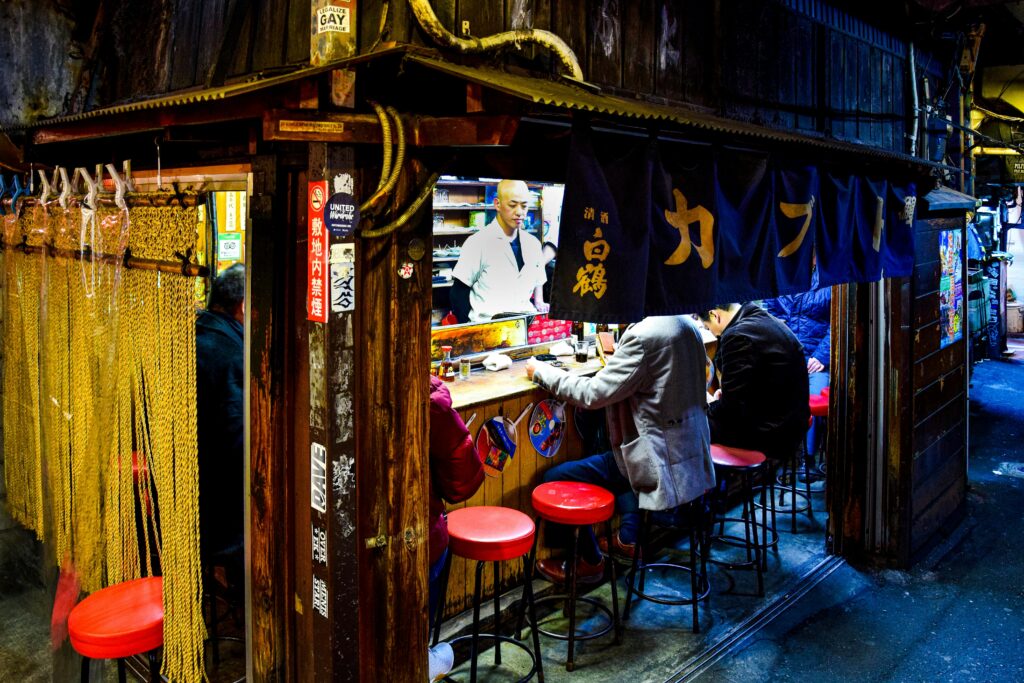
The workday ends in Tokyo. Millions of people pour out of towering office buildings. Their commute home often includes a vital detour. Many follow the warm glow of a red paper lantern, an akachochin, hanging above a modest doorway.
This lantern marks the entrance to an izakaya, Japan’s beloved version of a pub or gastropub. It is a place for sharing small plates of hearty food. It is a space for pouring drinks and easing into conversation.
Entering an izakaya is stepping directly into the city’s social heartbeat after the sun goes down. This is where you will discover the real, unfiltered spirit of Tokyo.
Plan your trip with this Tokyo itinerary (1–7 days)
For more ideas, explore: 15 Best Things To Do in Tokyo
Experience Snapshot Table
| Experience | Japanese Gastropub Culture |
| Location | Tokyo, Japan |
| Best For | Social Dining, Culinary Exploration |
| Price | ¥3,000 – ¥7,000 per person |
| Time Commitment | 2-3 hours |
Understanding the Izakaya Experience
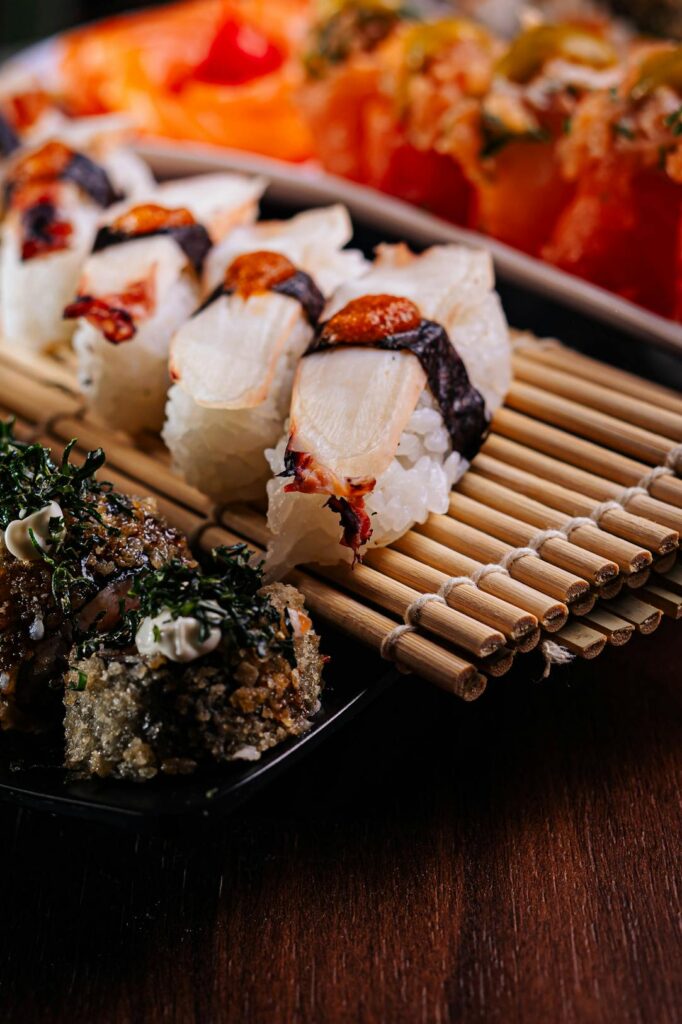
More Than Just a Bar
An izakaya is fundamentally a social space. It functions as a communal living room for the neighborhood and its workers.
Friends gather here to reconnect. Colleagues come to decompress after a long day in a formal office environment. The atmosphere inside is deliberately casual and energetic. It’s filled with the constant buzz of conversation, the clinking of glasses, and the sizzle of food coming from an open kitchen.
The core concept is sharing. People order a wide variety of dishes that are placed in the center of the table for everyone to enjoy.
This creates a collective dining experience that is both relaxed and deeply social. When you participate, you are engaging in a custom that strengthens bonds between people.
The Flow of an Evening
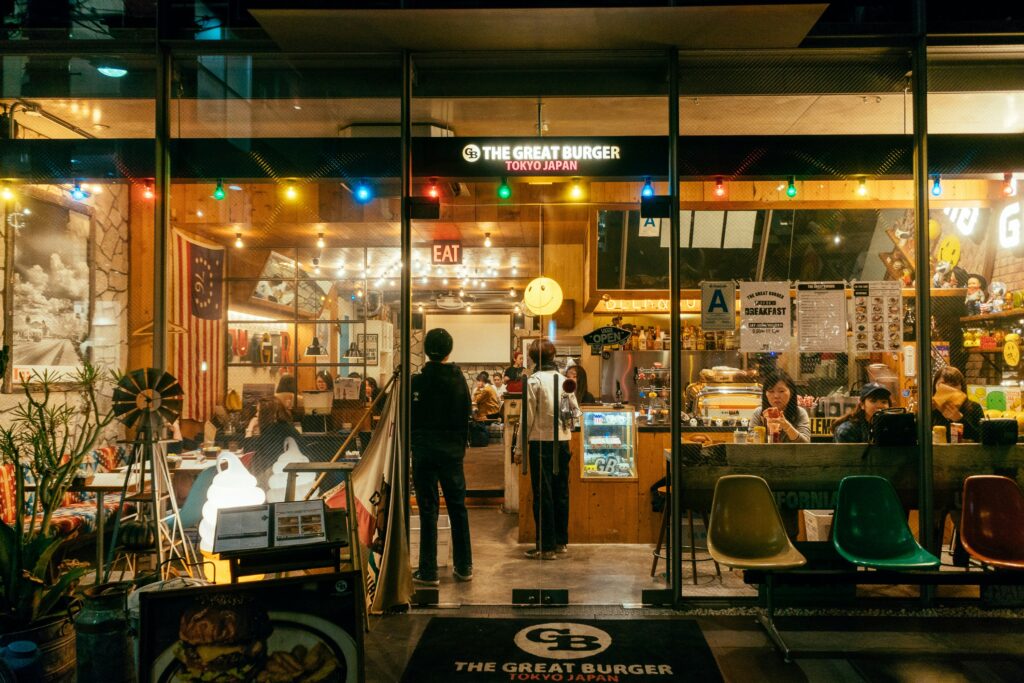
Your izakaya experience begins the moment you slide open the door. A spirited chorus of “Irasshaimase!” (Welcome! Come on in!) greets you from the entire staff.
You will be shown to a seat, which could be at the counter, a low table, or on a tatami mat. The first step is always to order a drink. A cold draft beer or a refreshing highball is a common way to begin. Shortly after your drink arrives, a small appetizer called an otoshi will appear.
This is a compulsory dish that also acts as your seating charge, a standard practice in most izakayas. After this initial round, you can begin exploring the food menu. The offerings are designed for grazing.
Order just a few plates at a time. Enjoy them at a leisurely pace. You can continue ordering more food and drinks as the evening progresses, with no set structure.
Key Customs to Know
Navigating an izakaya is simple with a few pieces of cultural knowledge. The otoshi is not optional, so it’s best to view it as part of the overall experience.
When you need service, you can softly call out “Sumimasen” (Excuse me) to get the staff’s attention. A fundamental custom is to pour drinks for your companions, and they will in turn fill your glass. This reciprocal act is a gesture of friendship and respect.
If you are drinking sake from a shared tokkuri (flask), hold your small ochoko cup up with one or two hands to receive it. These small gestures are integral to the communal spirit. The most important thing is to relax, observe, and soak in the lively environment.
What to Eat and Drink
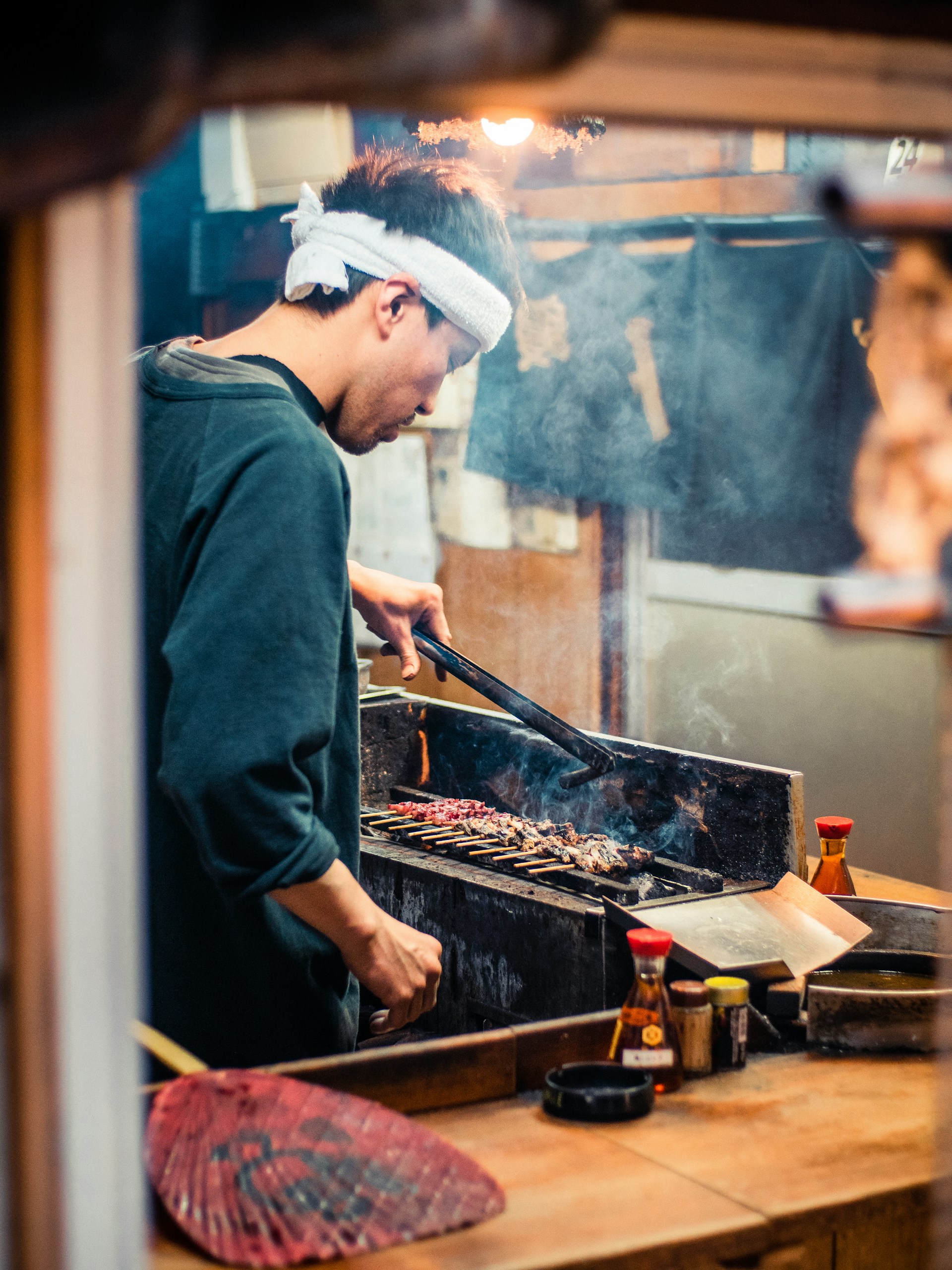
Classic Izakaya Dishes
The food menu at an izakaya is a delicious journey through Japanese comfort food. Dishes are intensely flavorful, satisfying, and perfectly designed for sharing. Exploring the menu and trying new things is a core part of the fun.
- Yakitori: These grilled chicken skewers are a quintessential izakaya staple. You can find every part of the chicken, from succulent thigh meat (momo) to crispy skin (kawa) and even cartilage (nankotsu). They are expertly cooked over charcoal and seasoned with either salt (shio) or a sweet soy-based glaze (tare).
- Karaage: This is Japanese-style fried chicken, and it is exceptional. Bite-sized pieces of chicken are marinated in soy sauce, ginger, and garlic before being coated and fried to a perfect crisp. The result is an incredibly juicy and flavorful dish.
- Edamame: These lightly salted, boiled soybean pods are the perfect starter. They are simple, addictive, and pair wonderfully with a cold beer.
- Agedashi Tofu: Soft tofu is lightly dusted with starch and deep-fried until golden. It is then served in a hot, savory dashi broth and often garnished with green onions and grated daikon. The contrast of textures is fantastic.
- Sashimi Moriawase: Many izakayas offer plates of assorted fresh, raw fish. The quality is often surprisingly high. A platter of sashimi provides a clean, refreshing counterpoint to the heavier fried and grilled dishes.
- Tsukemono: A small dish of assorted Japanese pickles offers a tangy and crunchy element. It is excellent for cleansing the palate between different plates.
- Gyoza: These pan-fried dumplings, typically filled with pork and vegetables, are a crowd-pleasing favorite. They arrive sizzling hot with a crispy bottom and a tender, steamed top.
Essential Drinks to Try
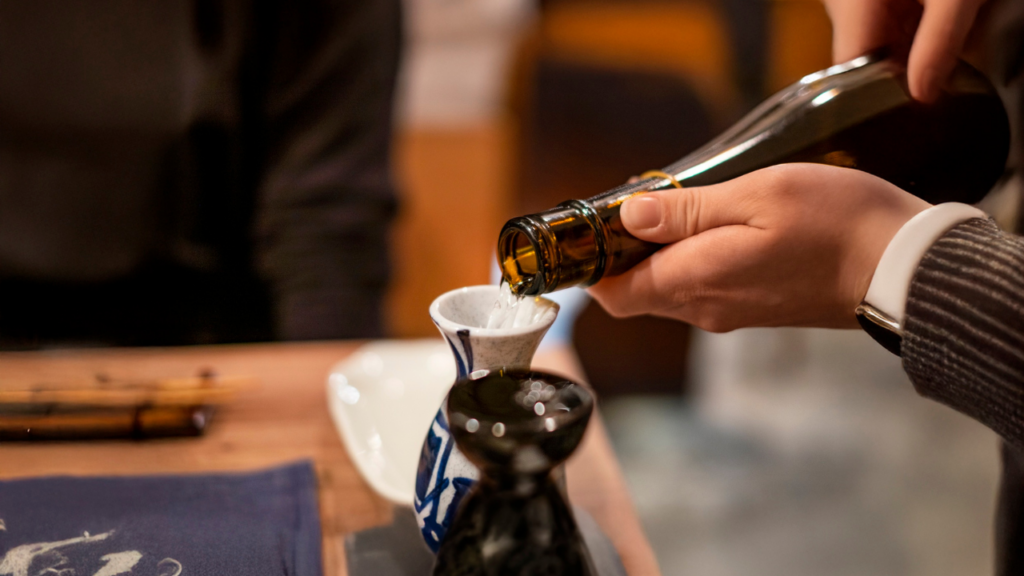
Drinks are co-stars of the izakaya show. The selection is typically vast, with something to suit every preference. The best approach is to try a few different types throughout the evening.
- Nama Biru (Draft Beer): Ordering a “toriaezu, nama” (a draft beer for now) is the classic way to begin. Japanese lagers are famously crisp, cold, and perfect for washing down salty snacks.
- Sake (Nihonshu): Japan’s national beverage is a must-try. You can order it hot (atsukan), which is common in winter, or cold (reishu), which allows its delicate flavors to shine. It is served in a ceramic flask (tokkuri) with small cups (ochoko) for sipping.
- Highball: This simple yet perfect mix of Japanese whisky and super-carbonated soda water is incredibly popular. It is light, bubbly, and a refreshing choice that you can drink throughout the evening.
- Chuhai: A chuhai is a highball made with shochu (a Japanese distilled spirit, often from barley or sweet potatoes). It comes in countless fruit flavors like lemon, grapefruit, and yuzu, making it a very accessible and popular choice.
Best Sushi Spots in Tokyo for Every Budget
Related Experience: Sushi Making Class with Professional Chef
How to Order Like a Local
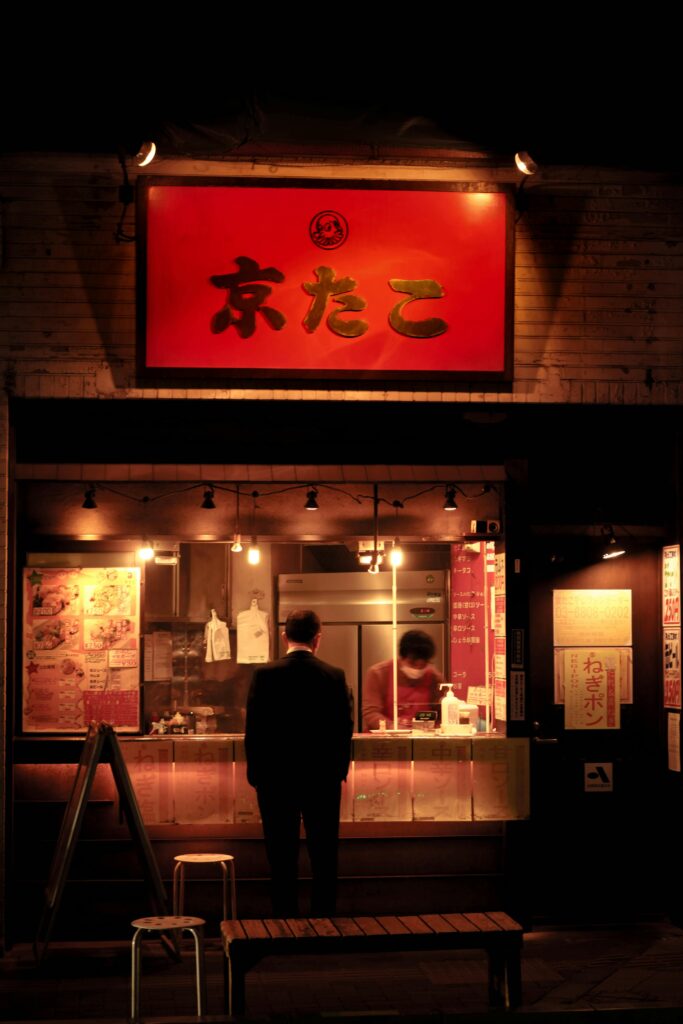
Decoding the Menu
When you first sit down, you might be handed a menu entirely in Japanese. Do not feel intimidated. This is part of the authentic experience. Many places, especially in high-traffic areas, will have an English menu available if you ask.
If not, technology is your friend. A simple photo translation app on your phone can work wonders for deciphering dish names.
Alternatively, you can look around at what other tables are eating. If something looks delicious, you can simply point and say “Kore, kudasai” (This one, please).
Pacing Your Meal
The beauty of izakaya dining lies in its relaxed pace. There is no concept of ordering starters, mains, and desserts all at once. The proper way is to order in waves. Start with your drinks and one or two quick dishes like edamame or a plate of pickles.
Once you have finished those, order a few more substantial items like karaage or some yakitori skewers. Continue this pattern throughout the night. This approach allows you to gauge your hunger and try a wider variety of dishes without getting overwhelmed.
The staff will never rush you. The table is yours for as long as you are ordering.
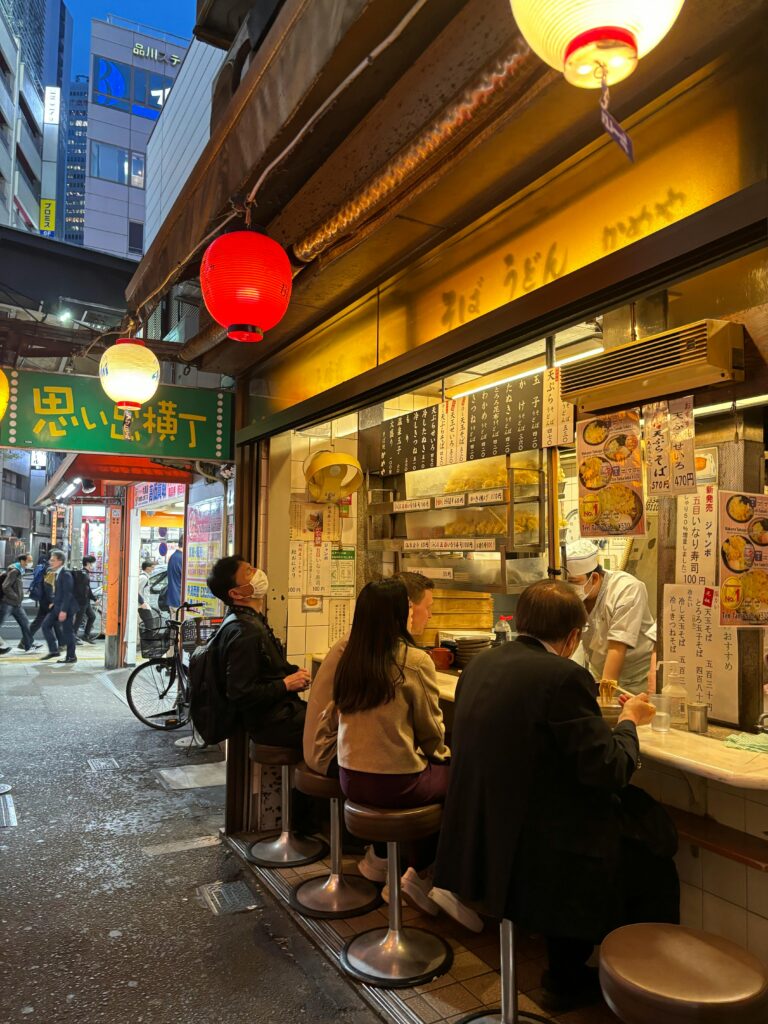
Shinjuku’s Atmospheric Alleys
Shinjuku is ground zero for some of Tokyo’s most iconic and photogenic izakaya experiences. The area is a labyrinth of tiny streets packed with immense character.
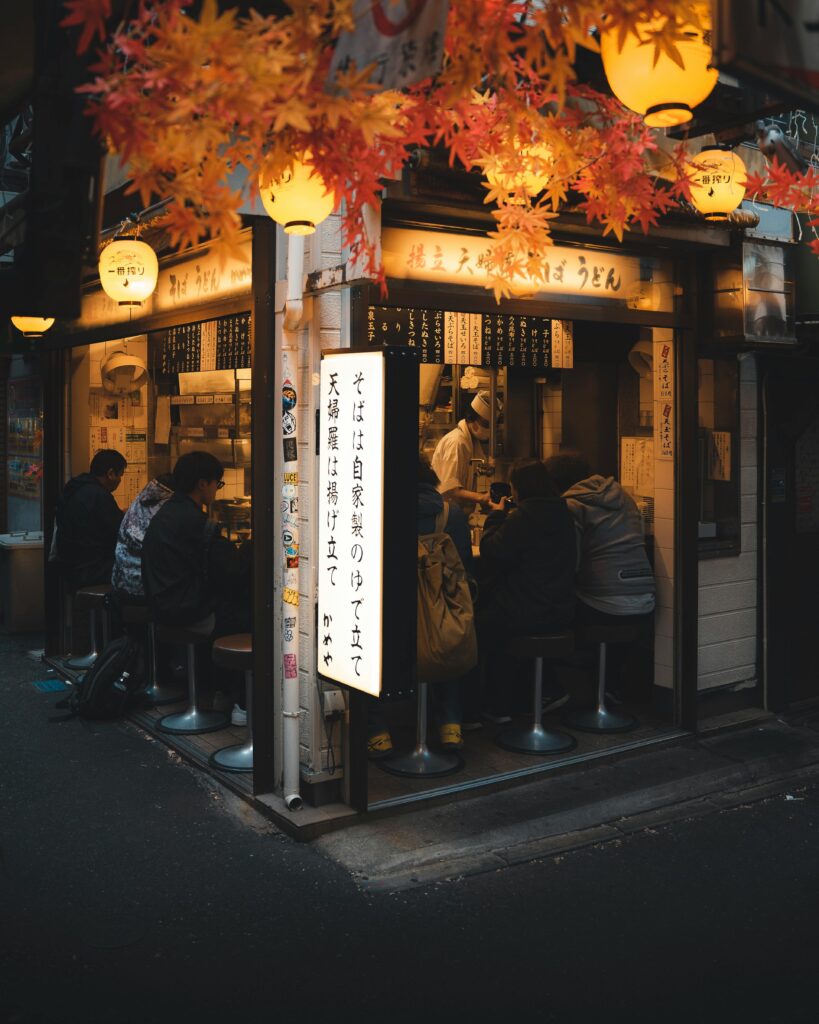
Omoide Yokocho: Known affectionately as “Memory Lane” (or more crudely, “Piss Alley”), this network of narrow lanes is a step back into the Showa era. The air is thick with the delicious smoke from countless yakitori grills. Tiny, open-fronted stalls are crammed together.
Patrons sit shoulder-to-shoulder on small stools, inches from the chefs. The experience is intimate, wonderfully gritty, and incredibly atmospheric. You are here for the delicious skewers, cold beer, and the time-capsule ambiance.
Golden Gai: This nearby area consists of six tiny, interconnected alleys. It houses over 200 minuscule bars, each with its own unique personality. While more focused on drinking, many of these spots serve simple food.
Each bar has a distinct theme, and most have a cover charge. The experience is about finding a spot that intrigues you, squeezing in, and sharing a drink with the owner and a handful of other patrons.
Yurakucho’s Salaryman Paradise
For a truly unfiltered local experience, head to Yurakucho after work hours. This area is a favorite haunt for the city’s office workers, known as salarymen.
Gado-shita: This term translates to “below the girders.” Here you will find a long, vibrant collection of izakayas built directly into the brick arches under the elevated train tracks of the JR line.
The constant, rhythmic rumbling of trains passing overhead becomes a unique urban soundtrack to your meal. The atmosphere is boisterous, unpretentious, and full of life.
It is a fantastic place to observe Tokyo’s after-work rituals in their most natural environment.
Related Experience: Best of Shinjuku: Izakaya Food Tour
Asakusa’s Old Tokyo Charm
Asakusa, home to the famous Senso-ji Temple, offers a different flavor of izakaya culture. The vibe is more relaxed and deeply rooted in the area’s old-town history.
Hoppy Dori: This street, translating to “Hoppy Street,” is famous for its namesake drink. Hoppy is a low-alcohol, beer-flavored beverage that you mix yourself with a shot of shochu.
Most establishments along this road feature outdoor seating. This makes it a hugely popular spot for day drinking, especially on sunny weekends. The feel is open, festive, and a bit retro.
You can enjoy classic simmered dishes (nikomi) while watching the world go by.
Best Time for This Experience
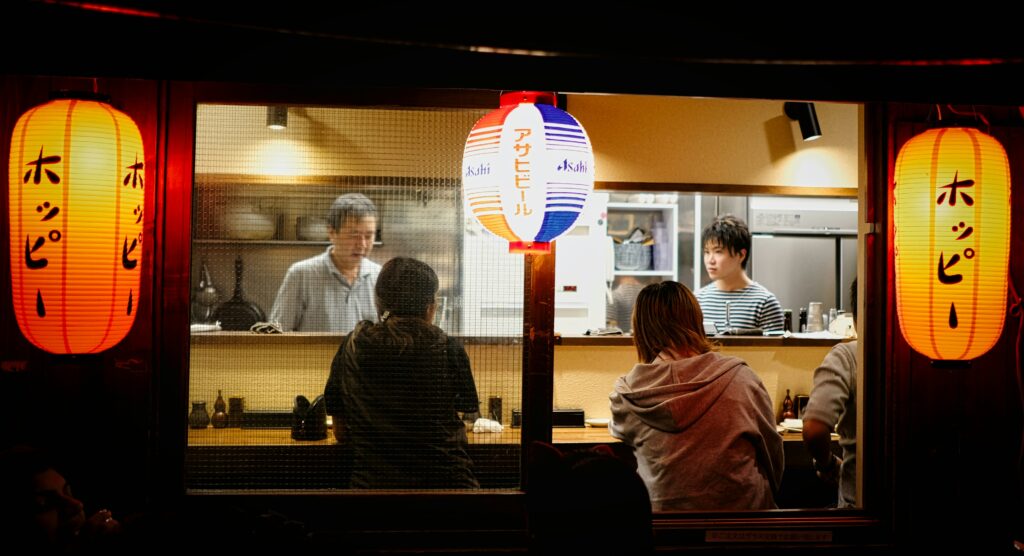
The absolute prime time to visit an izakaya is on a weekday evening, starting around 6:00 PM.
This is when you will find them at their most vibrant, filled with the classic “salaryman” crowd unwinding after a long day at the office. The atmosphere is at its most energetic and authentic during these hours.
Weekends are also busy, but the crowd tends to be more varied, including younger groups, couples, and sometimes families. Visiting during different seasons also offers unique culinary rewards.
Look for seasonal menu items that highlight the freshest ingredients, such as sanma (pacific saury) in the autumn or hearty nabe (hot pot) dishes in the winter.
Best Food Experiences in Tokyo
The izakaya is far more than just a restaurant or a bar. It is an essential pillar of Tokyo’s social fabric, a place where the formal masks of the workday come off. It is where friendships are reaffirmed and the stresses of city life are washed away with good food and drink.
Each izakaya offers a unique portal into Japanese culture. Stepping inside, ordering a drink, and sharing a few plates is one of the most direct, enjoyable, and rewarding ways to connect with the authentic, everyday rhythm of the city.
Plan your trip with this Tokyo itinerary (1–7 days)
FAQ
How do I find a good izakaya?
Look for places with red lanterns (akachochin) hanging outside. A bustling atmosphere with lots of local patrons inside is usually a great sign of quality and authenticity. Do not be afraid to explore the small alleys and side streets near major train stations.
Is it expensive to visit an izakaya?
Costs can vary widely depending on the establishment and how much you order. Standing bars (tachinomi) are generally more budget-friendly.
Do I need to speak Japanese?
While it is certainly helpful, it is not always necessary. Many izakayas in central Tokyo have English or picture menus. You can often just point to what you want. Learning a few basic phrases like “Sumimasen” (Excuse me) and “Arigato” (Thank you) will be greatly appreciated.
What is the smoking policy in izakayas?
Traditionally, smoking was very common in izakayas. However, due to recent city-wide laws, many establishments are now completely non-smoking or have designated smoking areas. It is best to check for a sign at the entrance or ask the staff before being seated.
Can I go to an izakaya alone?
Absolutely. Going to an izakaya alone is very common in Japan. Sitting at the counter is a perfect option for solo diners. It provides a fantastic view of the chefs at work and can even lead to interesting interactions with the staff or fellow patrons.
Tokyo food guide, Japanese culture, izakaya experience