
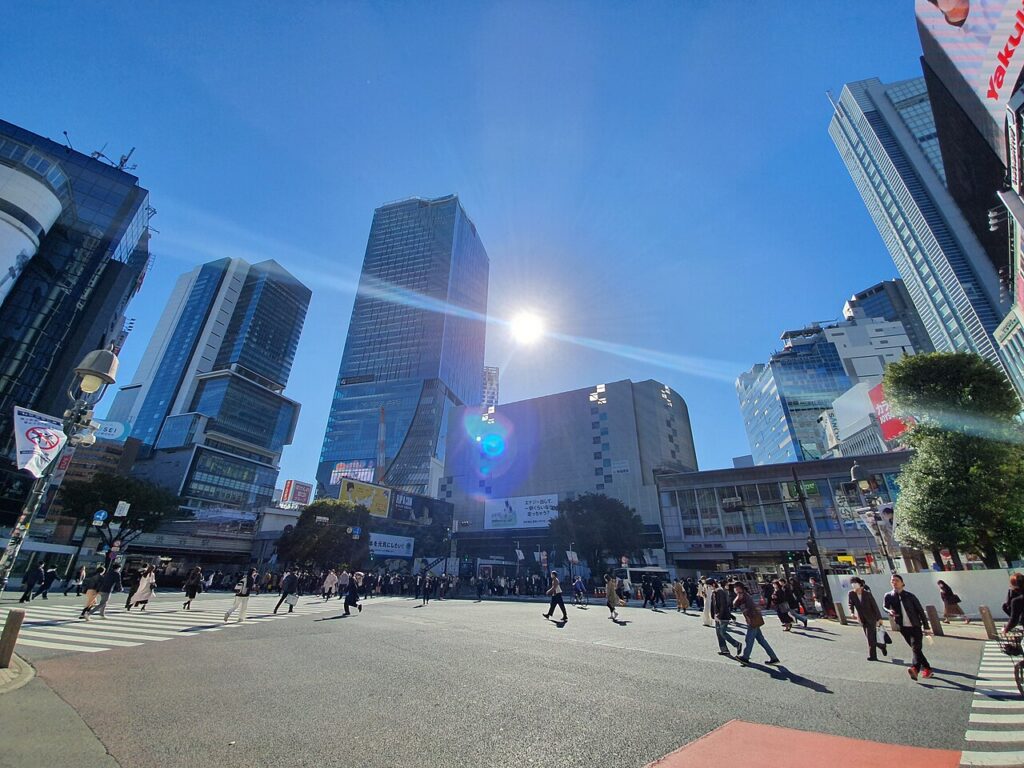
Tokyo is one of the safest major cities in the world, but safety here extends far beyond crime statistics. The city operates on a foundation of social awareness, unspoken rules, and shared responsibility. Etiquette shapes daily life. Movement through public spaces follows a rhythm. Photography has boundaries. Public behavior carries expectations. Understanding these norms allows travelers to move through the city with confidence and respect.
This guide breaks down the essential safety considerations, cultural expectations, and etiquette rules that define Tokyo. It covers public transportation behavior, dining customs, photography guidelines, neighborhood awareness, and the subtle social cues that shape interactions. The goal is to help travelers navigate the city smoothly, avoid misunderstandings, and engage with Tokyo in a way that aligns with local expectations.
FEATURED: 15 Best Things To Do in Tokyo →
Understanding Safety in Tokyo
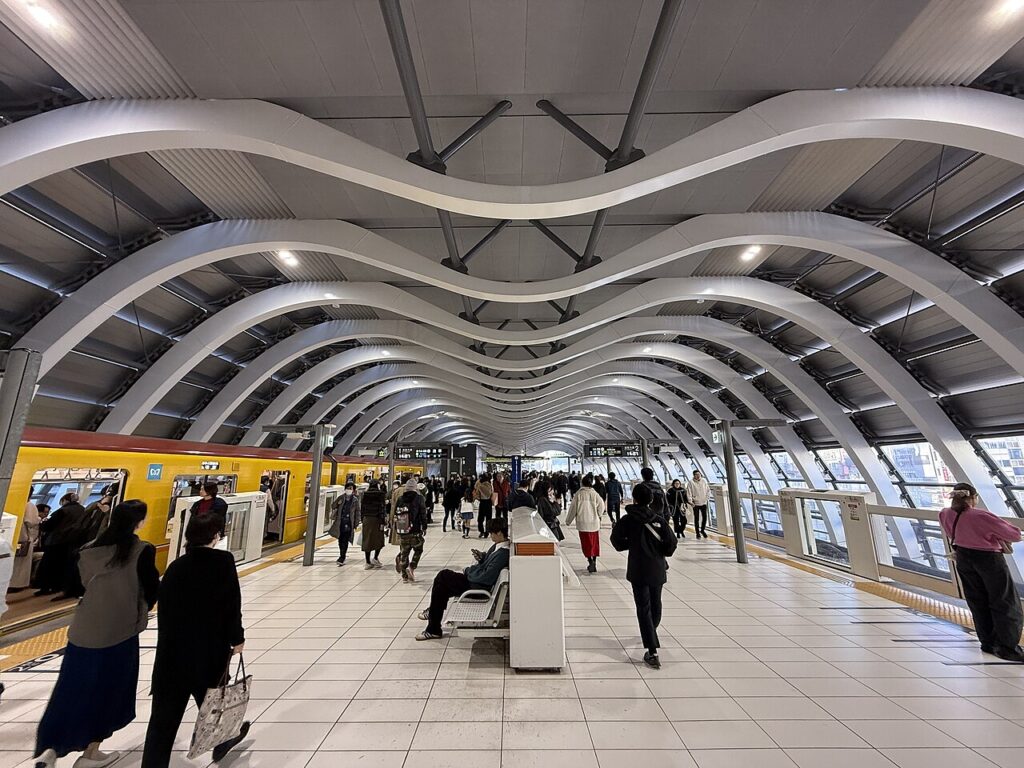
Tokyo’s safety reputation is built on consistency. Crime rates remain low, public spaces are monitored, and social norms discourage disruptive behavior. Still, safety in Tokyo is not just about avoiding danger — it’s about understanding how the city functions and how people interact with their environment.
Low Crime, High Social Responsibility
Tokyo’s low crime rate is supported by a culture of accountability. Lost items are often returned. Wallets, phones, and bags left behind on trains frequently make their way to lost-and-found counters. Police boxes, known as koban, are scattered throughout the city and staffed around the clock. Officers assist with directions, lost property, and minor incidents. Their presence reinforces a sense of security across neighborhoods.
Public Transportation Safety
Trains and subways are safe at all hours. Stations are well-lit, monitored, and staffed. Late-night services remain orderly. Women-only cars operate during morning rush hours to prevent harassment. Platform safety lines and automated announcements guide movement and reduce accidents. Even during peak congestion, commuters maintain a calm, predictable flow.
Natural Disaster Preparedness
Tokyo is highly prepared for earthquakes. Buildings follow strict safety codes. Public announcements provide instructions during tremors. Convenience stores and vending machines remain stocked during disruptions. Travelers should familiarize themselves with basic earthquake procedures, such as moving away from shelves and staying clear of glass. Emergency kits are common in homes, offices, and public buildings.
Public Space Awareness
Tokyo’s public spaces are designed for shared use. Sidewalks, parks, and plazas operate on unspoken rules that prioritize order and respect. Travelers who understand these expectations move through the city more comfortably and avoid unintentional disruptions.
Book a Tokyo safety & culture experience (Viator) → #
Backup: Klook → #
Related: Tokyo Travel Tips → #
Public Transportation Etiquette
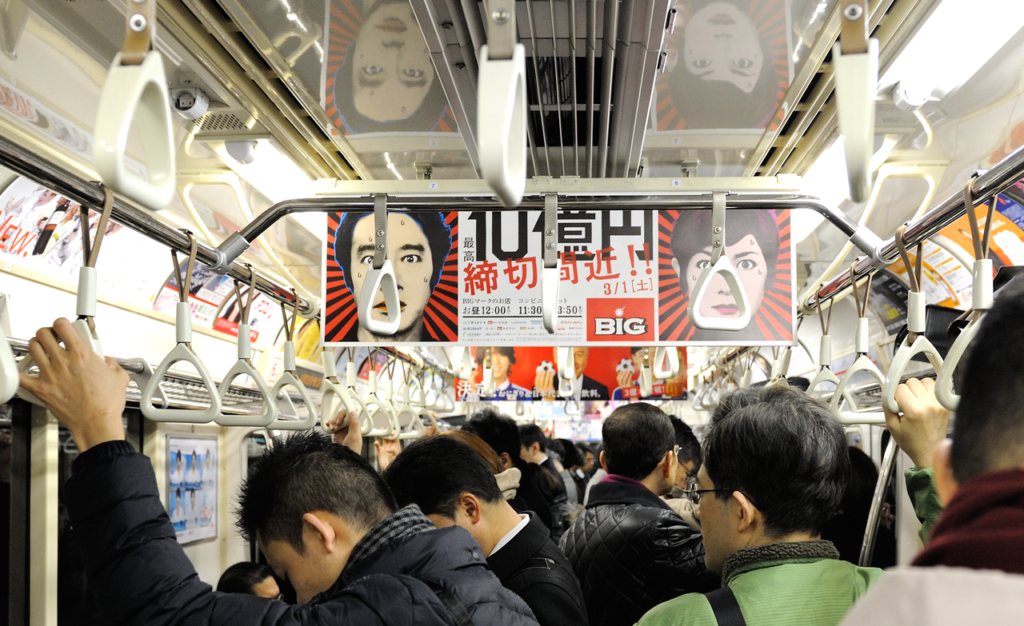
Tokyo’s transportation system is efficient because passengers follow a shared code of conduct. Understanding these expectations ensures smooth movement through stations and trains.
Boarding and Exiting
Passengers line up in designated areas. Boarding occurs after all exiting passengers have cleared the train. This system keeps movement efficient and prevents congestion. During rush hours, trains fill to capacity, but the process remains orderly. Commuters adjust their positions to maximize space, and movement inside the train remains controlled.
Priority Seating
Priority seats are reserved for the elderly, pregnant individuals, people with disabilities, and those with injuries. Even if these seats appear empty, travelers should avoid using them unless necessary. Giving up a seat is expected and appreciated. Signs and announcements reinforce the importance of these seats.
Noise and Conversation
Trains are quiet. Phone calls are discouraged. Conversations remain low. Many passengers use headphones, read, or rest. Maintaining a calm environment is part of the shared commuting culture. Travelers who speak loudly or play audio without headphones stand out immediately.
Bags and Backpacks
Backpacks should be worn on the front or placed on the floor during crowded times. This reduces space usage and prevents accidental contact with other passengers. Large luggage should be stored in designated areas or kept close to the traveler’s body to avoid blocking aisles.
Escalator Behavior
Escalator etiquette varies by region, but in Tokyo, standing on the left and walking on the right is common. Travelers should follow the flow of the crowd to avoid disrupting movement.
Book a Tokyo transit etiquette experience (Viator) → #
Backup: Klook → #
Related: Tokyo Travel Tips → #
Dining Etiquette and Restaurant Behavior
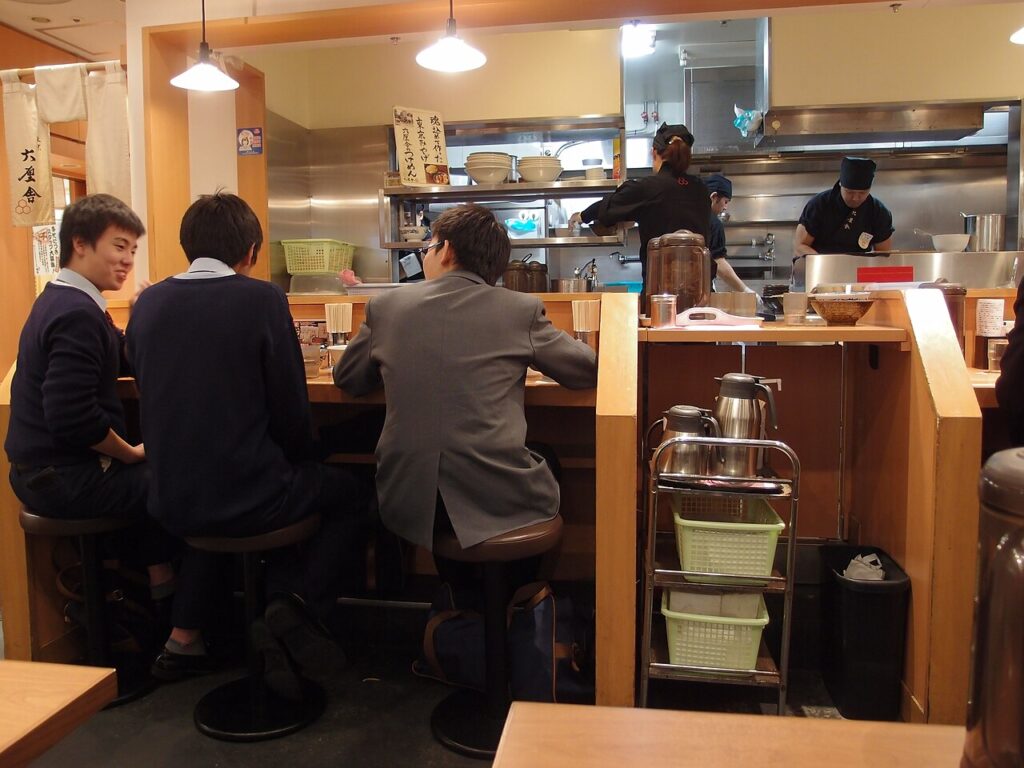
Tokyo’s dining culture emphasizes respect, efficiency, and awareness of shared space. Restaurants range from high-end establishments to small counter shops, each with its own expectations.
Entering and Ordering
Many casual restaurants use ticket machines. Customers purchase meal tickets before sitting down. Staff collect the tickets and prepare the food. This system reduces wait times and simplifies ordering. In restaurants without ticket machines, staff greet customers with “irasshaimase,” a standard welcome phrase.
Counter Seating
Counter seating is common in ramen shops, sushi counters, and izakaya. Seats are close together, and personal space is limited. Diners eat efficiently and avoid lingering after finishing their meal. This allows staff to serve more customers during busy periods.
Payment and Tipping
Tipping is not practiced in Japan. Attempting to tip can cause confusion. Payment occurs at the register, not at the table. Cash is widely accepted, and trays are used to exchange money. Credit cards are increasingly common, but small shops may prefer cash.
Chopstick Etiquette
Chopsticks should not be pointed at others, stuck upright in rice, or used to pass food directly from one pair to another. These actions have cultural associations and should be avoided. Resting chopsticks on the provided holder is standard practice.
In izakaya and family-style restaurants, shared dishes are common. Using the opposite end of chopsticks to take food from shared plates is considered polite. Staff may provide serving utensils for this purpose.
Book a Tokyo food etiquette experience (Viator) → #
Backup: Klook → #
Related: Tokyo Travel Tips → #
Photography Rules and Respectful Shooting

Photography in Tokyo is generally welcomed, but boundaries exist. Respecting these boundaries ensures positive interactions and protects cultural spaces.
Shrines and Temples
Many shrines and temples allow photography in outdoor areas but restrict it inside halls or near altars. Signs indicate where photography is prohibited. Travelers should observe these signs and avoid using flash in sacred spaces. Some temples charge small fees for photography in designated areas.
People and Privacy
Taking photos of strangers without permission is discouraged. This is especially important for children, performers, and individuals in traditional clothing. Asking for permission is polite and often appreciated. Street photography is common, but discretion is expected.
Shops and Markets
Some shops prohibit photography to protect products or maintain customer privacy. Markets like Tsukiji Outer Market may restrict photos in certain stalls. Signs are common, and staff will indicate if photography is not allowed. Travelers should avoid blocking walkways while taking photos.
Public Transportation
Photography on platforms is generally allowed, but taking photos inside crowded trains can be intrusive. Travelers should avoid capturing identifiable faces without consent. Tripods are discouraged in busy areas due to safety concerns.
Cultural Sensitivity
Certain neighborhoods, such as Kabukicho, have restrictions on photography due to privacy concerns. Signs clearly indicate these rules. Travelers should respect these boundaries to avoid confrontation.
Book a Tokyo photography walk (Viator) → #
Backup: Klook → #
Related: Tokyo Travel Tips → #
Neighborhood Awareness and Local Sensitivity
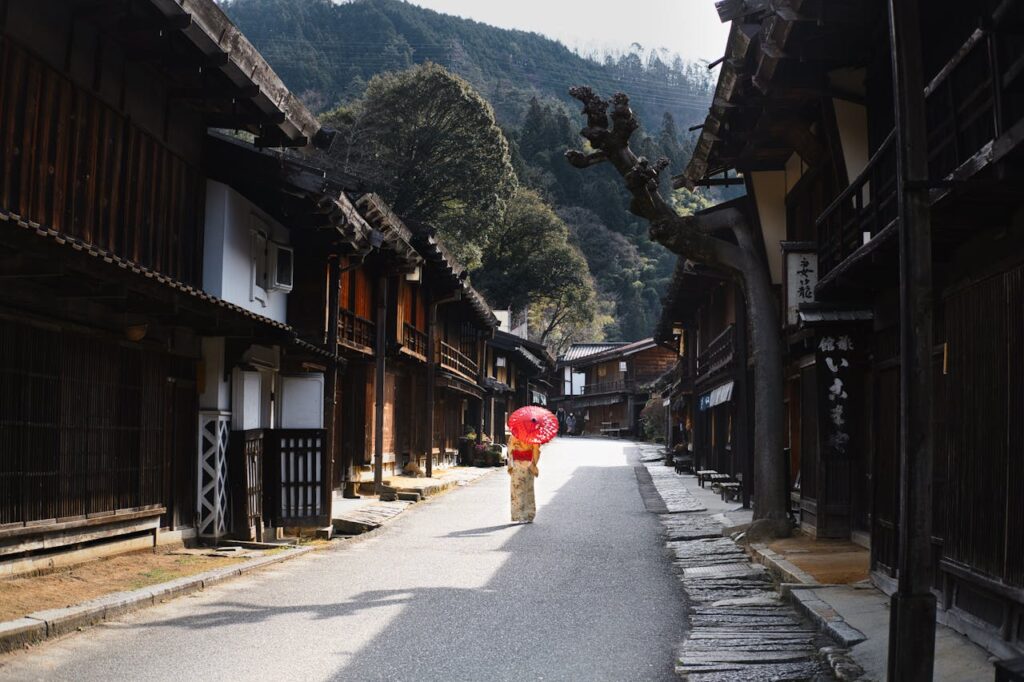
Tokyo’s neighborhoods vary widely in atmosphere. Understanding these differences helps travelers navigate respectfully.
Residential Areas
Residential neighborhoods are quiet, especially at night. Loud conversations, music, and gatherings can disturb residents. Travelers should move quietly and avoid blocking narrow sidewalks. Many homes have minimal sound insulation, making noise control important.
Tourist Districts
Areas like Shibuya, Shinjuku, and Asakusa attract large crowds. These districts tolerate more noise and activity, but travelers should still avoid obstructing walkways or taking photos in ways that disrupt foot traffic. Street performers and vendors add to the atmosphere, but space remains limited.
Nightlife Zones
Kabukicho and Roppongi offer nightlife but require awareness. While generally safe, these areas include aggressive touts and overpriced bars. Travelers should avoid following strangers into establishments and verify prices before entering. Staying on main streets reduces risk.
River Paths and Parks
Parks and river paths are shared spaces for exercise, relaxation, and seasonal viewing. Travelers should avoid occupying large areas during busy times and respect picnicking groups. Seasonal events, such as cherry blossom viewing, increase foot traffic.
Traditional Districts
Neighborhoods like Yanaka, Kagurazaka, and Asakusa preserve traditional architecture and slower rhythms. Travelers should walk carefully through narrow lanes and avoid touching private property.
Book a Tokyo neighborhood tour (Viator) → #
Backup: Klook → #
Related: Tokyo Travel Tips → #
Shopping Etiquette and Store Behavior
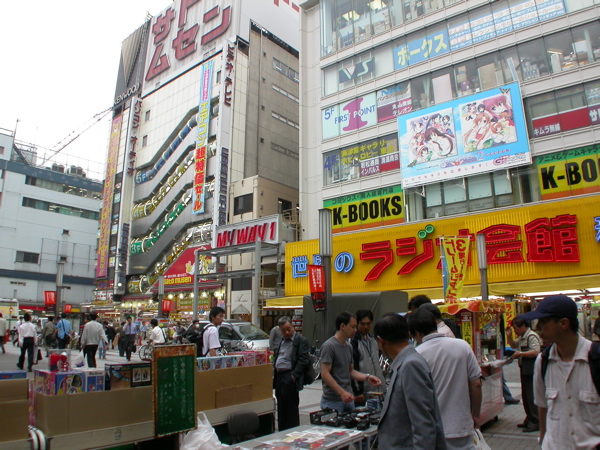
Shopping in Tokyo is efficient and polite. Stores follow clear procedures that travelers should understand.
Handling Merchandise
Items should be handled carefully. Returning items to their original position is expected. Staff may offer assistance, but browsing is generally self-guided. Many stores provide baskets for carrying items.
Trying On Clothing
Fitting rooms have specific rules. Shoes must be removed before entering. Face covers may be provided to protect clothing from makeup. Staff guide customers through the process. Photography inside fitting rooms is prohibited.
Payment Procedures
Cashiers use trays for money exchange. Customers place cash or cards on the tray rather than handing them directly to staff. Receipts are offered automatically. Bagging is often self-service at convenience stores.
Tax-Free Shopping
Foreign visitors can make tax-free purchases at participating stores. Passports are required, and minimum spending thresholds apply. Tax-free counters process paperwork efficiently. Some stores attach receipts to passports, which must remain intact until departure.
Specialty Stores
Stores like Muji and Uniqlo offer high-quality items at reasonable prices. These brands provide durable clothing and household goods without premium pricing. Electronics stores like Yodobashi Camera and Bic Camera offer tax-free options and multilingual support.
Book a Tokyo shopping etiquette experience (Viator) → #
Backup: Klook → #
Related: Tokyo Travel Tips → #
Street Etiquette and Public Behavior
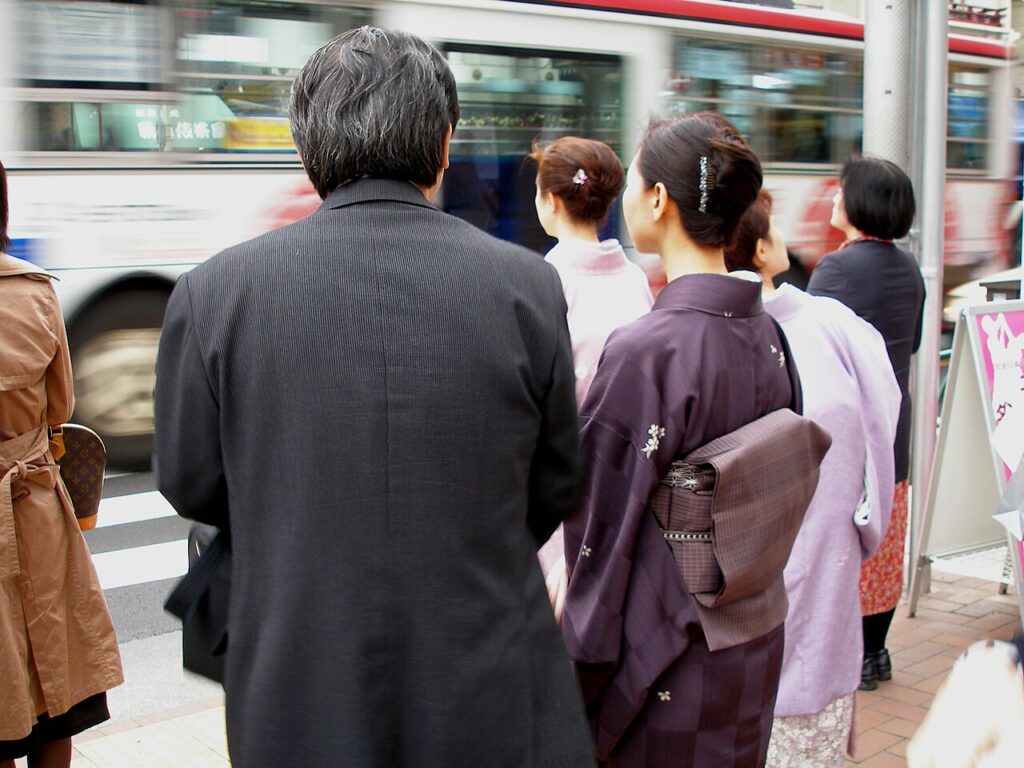
Tokyo’s streets operate on unspoken rules that maintain order and efficiency.
Walking Flow
Pedestrians generally keep to the left on sidewalks and escalators. This flow varies by district, but following the crowd’s movement prevents collisions. Travelers should avoid stopping suddenly in busy areas.
Eating While Walking
Eating while walking is discouraged. Food is typically consumed near the place of purchase. This reduces litter and maintains cleanliness. Street food areas often provide standing tables.
Smoking Areas
Smoking is restricted to designated areas. Many streets prohibit smoking entirely. Travelers should look for marked smoking zones to avoid fines. These zones are common near train stations.
Trash Disposal
Public trash cans are limited. Travelers often carry small bags to store trash until reaching a disposal point. Convenience stores and train stations sometimes offer bins. Recycling rules are strict, and sorting is expected.
Bicycle Awareness
Cyclists share sidewalks in some areas. Travelers should remain aware of approaching bicycles and avoid blocking paths. Bicycle parking rules are enforced, and illegally parked bikes may be removed.
Book a Tokyo street etiquette experience (Viator) → #
Backup: Klook → #
Related: Tokyo Travel Tips → #
Emergency Awareness and Practical Safety Tips
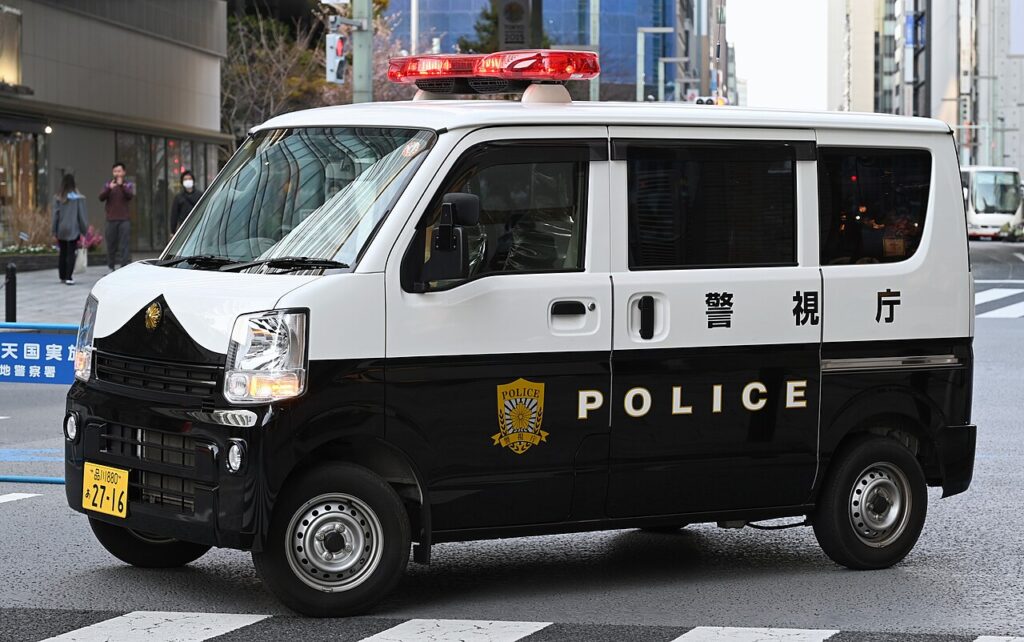
Tokyo’s emergency systems are efficient and accessible. Understanding basic procedures enhances safety.
Police Boxes (Koban)
Koban are small police stations located throughout the city. Officers assist with lost items, directions, and minor incidents. They are approachable and accustomed to helping travelers. Maps and local information are often available.
Lost and Found Culture
Lost items are frequently returned. Train stations, police boxes, and stores maintain organized lost-and-found systems. Reporting lost items promptly increases the chance of recovery. Travelers should note the train line, car number, and time when reporting items lost on public transportation.
Medical Assistance
Hospitals and clinics are widely available. Many have English-speaking staff or translation services. Pharmacies offer over-the-counter medications and basic supplies. Travelers should carry insurance information and know the location of nearby clinics.
Earthquake Protocols
During tremors, travelers should stay calm, move away from shelves, and avoid standing near windows. Public announcements provide guidance. Most buildings are designed to withstand earthquakes. Elevators may stop temporarily as a safety measure.
Emergency Alerts
Japan’s emergency alert system sends notifications to mobile phones during earthquakes, severe weather, or other emergencies. Alerts are loud and immediate. Travelers should read the instructions and follow local guidance.
Book a Tokyo safety briefing (Viator) → #
Backup: Klook → #
Related: Tokyo Travel Tips → #
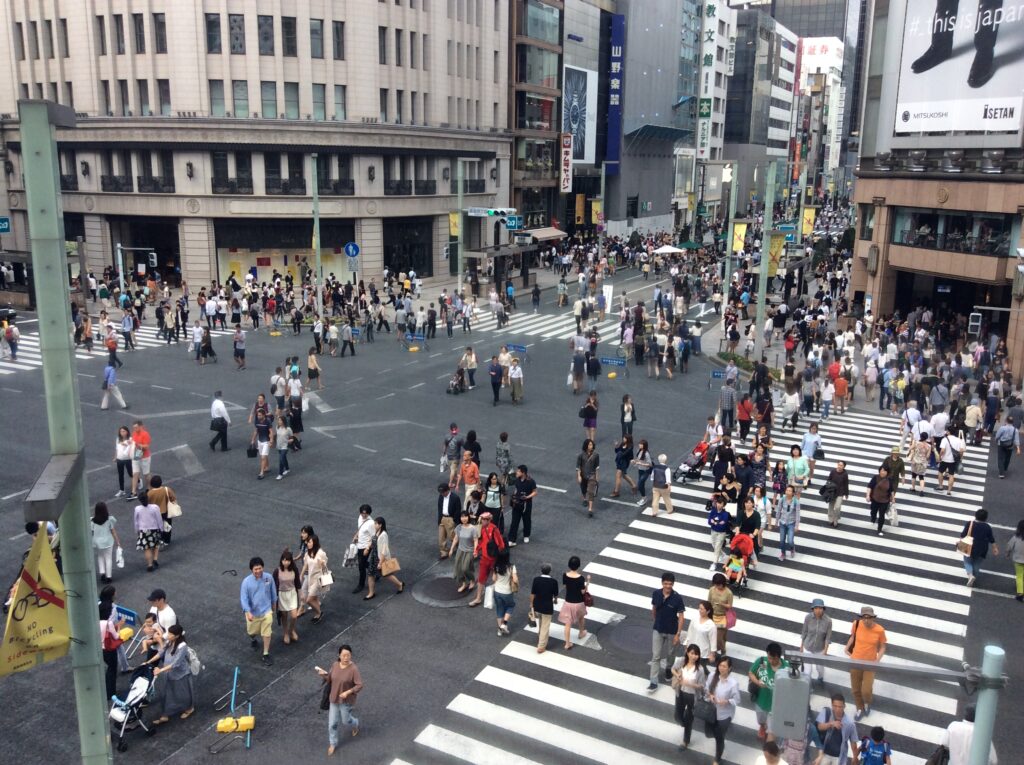
Tokyo’s safety and etiquette systems create a city that feels orderly, respectful, and welcoming. Understanding these norms enhances the travel experience and ensures smooth interactions. From transportation etiquette to photography rules, each aspect contributes to the city’s unique rhythm. Travelers who align with these expectations move through Tokyo with ease and confidence. The city rewards awareness, respect, and curiosity — qualities that deepen the connection to its culture and people.