
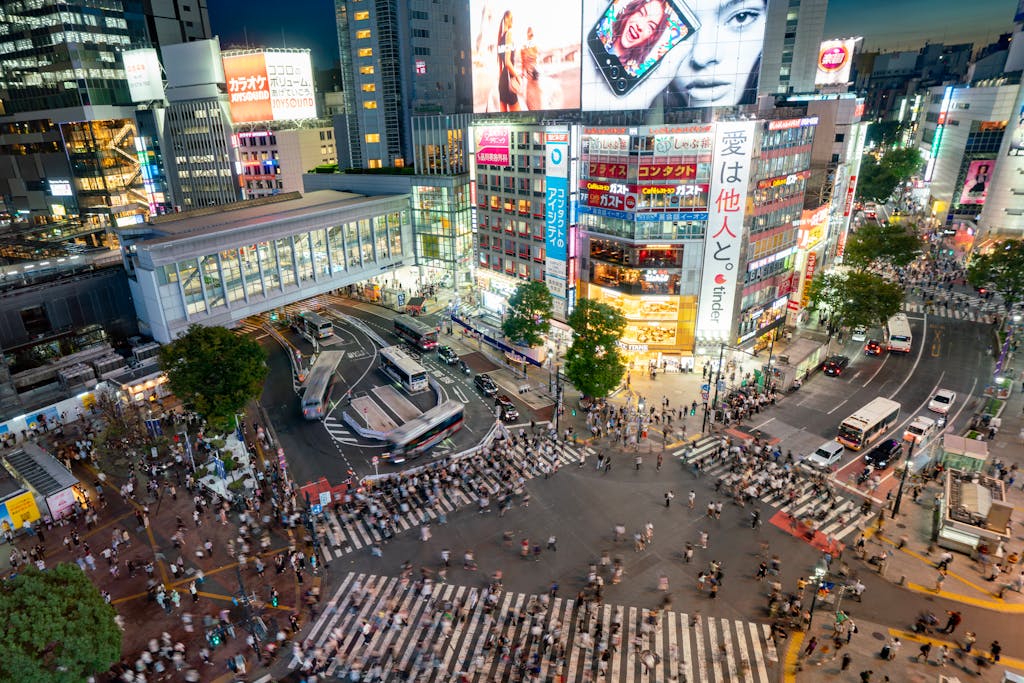
Tokyo presents a retail landscape unlike anywhere else. The city creates an intense sensory environment where commerce meets art. Every district offers a distinct personality. You might find silence in a high-end paper store or sensory overload in a discount emporium. This complexity makes a structured approach necessary.
Navigating the capital requires an understanding of its geography. Specific neighborhoods cater to specific interests. Luxury brands cluster in wide avenues. Youth fashion dominates narrow backstreets. Electronics fill multi-story towers. This Tokyo Shopping Guide prioritizes the atmosphere and discovery of these diverse areas. It focuses on the tactile reality of buying goods in Japan.
Shopping here goes beyond the transaction. It involves immaculate wrapping services and polite greetings. Staff treat every item with immense respect. The visual merchandising often rivals museum exhibits. Understanding these nuances elevates the entire walking experience. Prepare to explore the distinct rhythm of Tokyo’s retail world.
FEATURED: 15 Best Things To Do in Tokyo →
Iconic Districts in Your Tokyo Shopping Guide
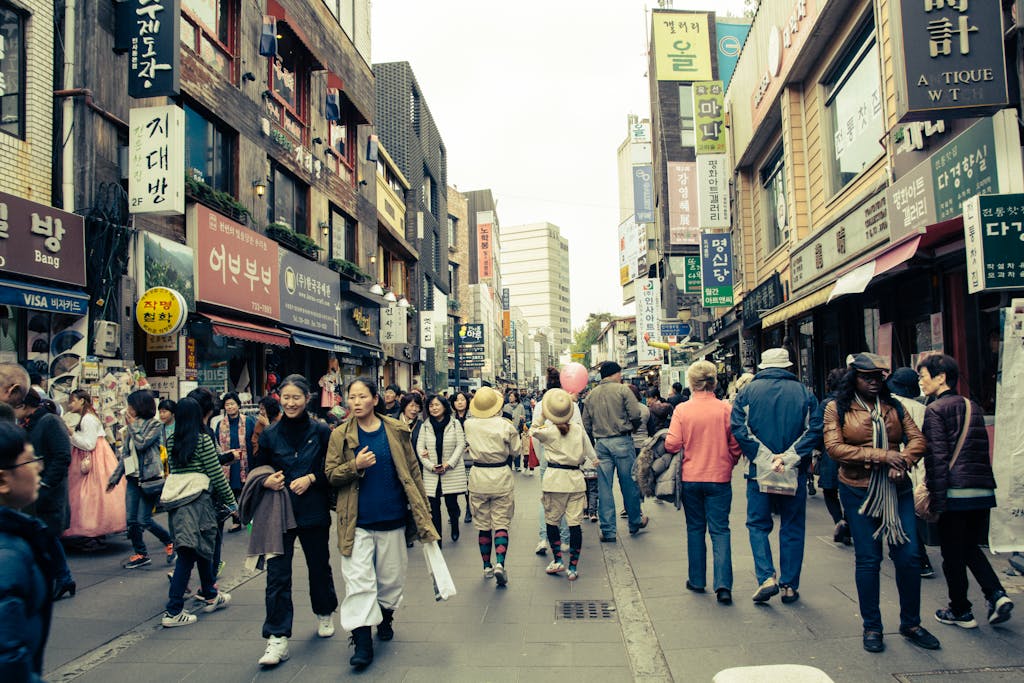
Tokyo divides its retail experiences by neighborhood. Each area maintains a specific focus and energy. Moving between them feels like visiting different cities.
Ginza
Ginza represents the pinnacle of polish and prestige. The streets feel wider here. Luxury flagships dominate the skyline with distinct architectural facades.
The Atmosphere:
Walk down Chuo-dori to see gleaming glass structures. The area feels sophisticated and adult. Weekend afternoons see the main street closed to vehicles. Pedestrians take over the asphalt. This creates a relaxed promenade vibe despite the high prices.
Key Locations:
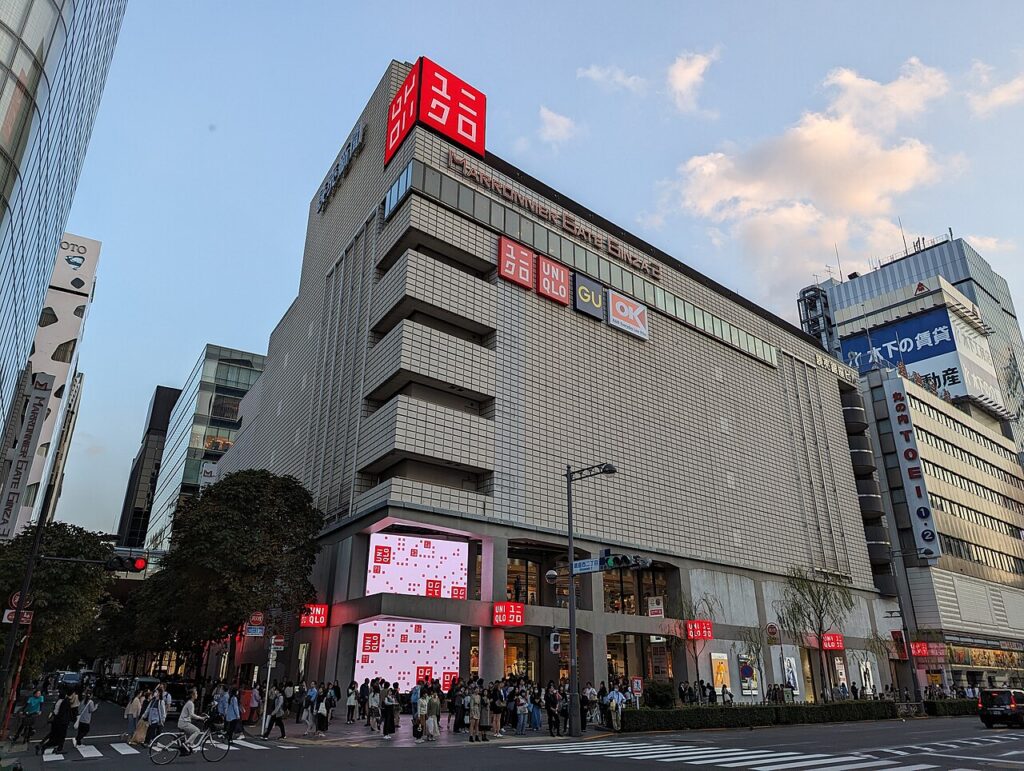
Visit Ginza Six for art installations mixed with high fashion. Enter Uniqlo Ginza to see the 12-story moving mannequins. Stop by Itoya for a mesmerizing selection of stationery. The red paper clip sign marks the entrance.
Related: Ginza Neighborhood Guide →
Shibuya
Shibuya vibrates with youth energy and constant motion. Trends start here. The noise levels are higher, and the lights are brighter.
The Scramble:
Crossing the intersection immerses you in the sheer scale of Tokyo crowds. Screens blast advertisements. Fashion buildings line every corner.
Retail Focus:
Explore Shibuya 101 for iconic teenage trends. Visit Shibuya Parco for a modern mix of luxury, anime, and rooftop views. The Nintendo Store resides here. It draws massive crowds of fans daily.
Related: Best Things To Do in Shibuya →
Shinjuku
Shinjuku offers chaotic abundance. It houses the world’s busiest train station. The shopping options mirror this intensity.
Department Store Hub:
The massive buildings surrounding the station act as fortresses of commerce. They connect directly to the train lines. You can shop for hours without stepping outside.
Electronics and Cameras:
West Shinjuku hosts massive electronics retailers. Yodobashi Camera occupies multiple buildings. Each building specializes in different categories. You walk between them to find games, watches, or lenses.
Related: Best Things To Do in Shinjuku →
Harajuku
Harajuku splits into two distinct personalities. It offers extreme contrast within a few blocks.
Takeshita Street:
Walk down this narrow slope for sensory saturation. Cotton candy shops and crepe stands fill the air with sugar. Stores sell colorful accessories and budget trend items. The crowd density here is physically intense.
Related: Best Things To Do in Harajuku →
Omotesando:
Parallel to Takeshita lies Omotesando. It functions as the Champs-Élysées of Tokyo. Zelkova trees line the avenue. Concrete and glass masterpieces house high-end brands. The pace slows down significantly here.
Akihabara
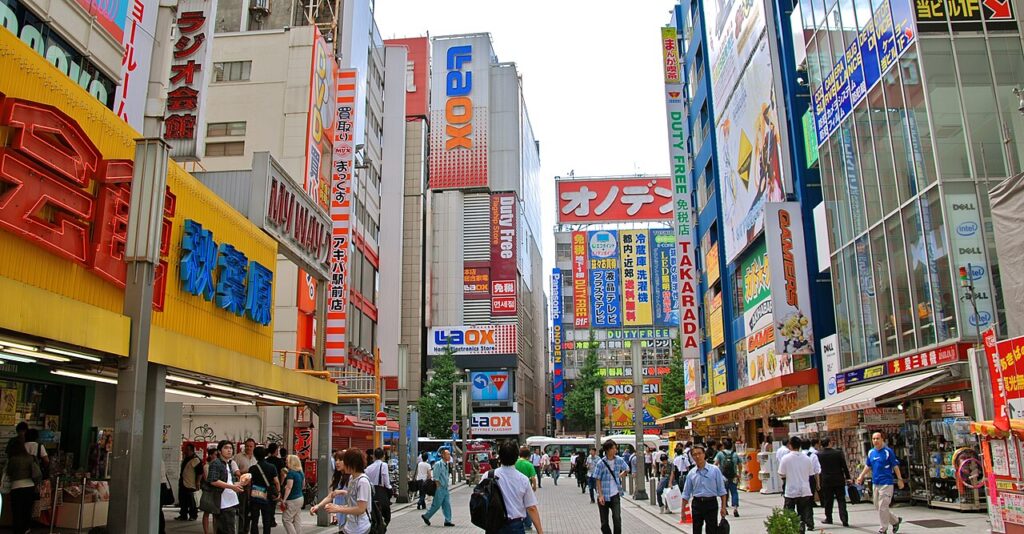
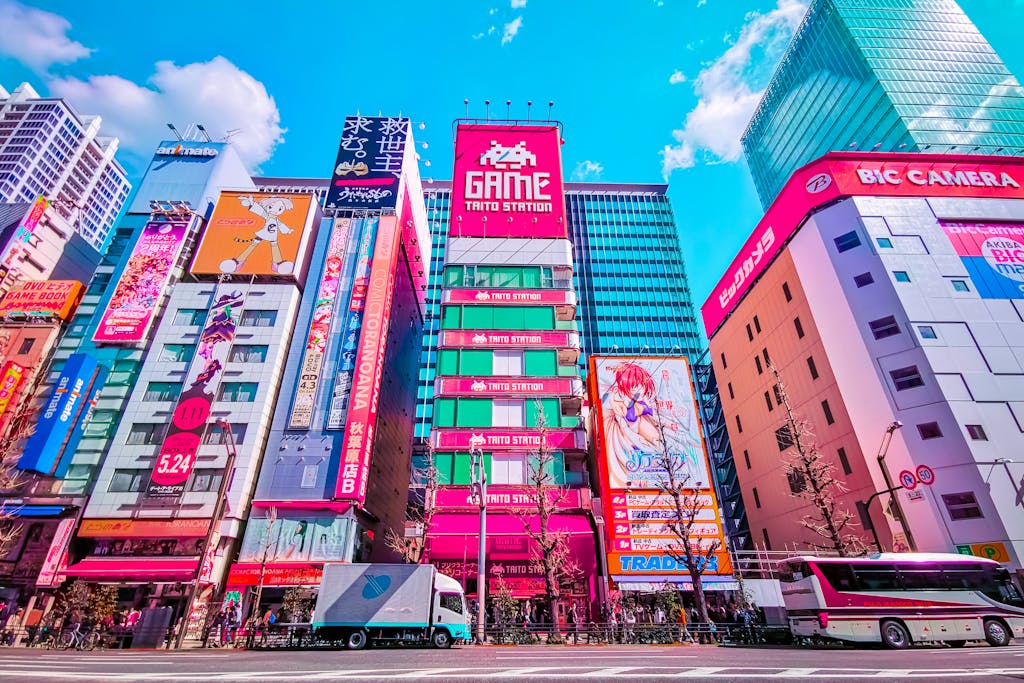
Electric Town serves as the headquarters for otaku culture. Neon signs advertise anime, games, and maid cafes.
The Tech Vibe:
Small stalls sell individual computer chips and wires. Multi-story complexes sell the latest figures. The sound of arcade games spills onto the sidewalks.
Collectibles:
Visit Radio Kaikan for floors of glass cases. These cases hold second-hand figures and cards. Collectors inspect items closely for quality. The inventory changes daily.
Related: Akihabara Neighborhood Guide →
Shimokitazawa
Shimokitazawa provides a break from the neon. It feels like a bohemian neighborhood. The streets are narrow and pedestrian-focused.
Vintage Culture:
Thrift stores dominate this area. You smell old leather and denim. Shops range from curated American vintage to chaotic piles of used clothing.
The Pace:
Coffee stands and curry shops sit between clothing racks. Musicians often play on corners. It feels organic and less corporate than Shibuya.
Kappabashi
Kitchen Town caters to restaurant owners and serious home cooks. Huge chef heads adorn building rooftops.
Plastic Food:
Stores display hyper-realistic plastic food samples. You can buy fake sushi or ramen as souvenirs. The craftsmanship is remarkably detailed.
Culinary Tools:
Knives form a major draw. Specialized shops offer hundreds of blade types. Staff sharpen them on-site. You also find lacquerware and ceramics stacked floor-to-ceiling.
Department Stores and Vertical Retail
Japanese department stores, or depato, offer a total lifestyle experience. They are cultural institutions.
The Depachika Phenomenon
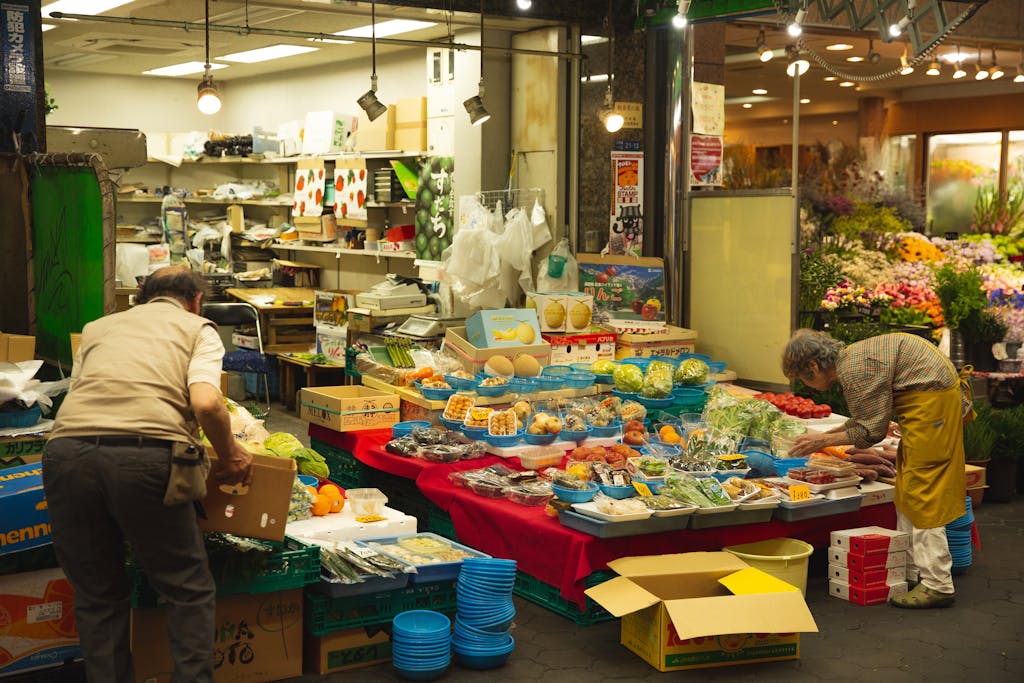
The basement floor always houses food. This is the depachika. It is a visual feast.
Visual Presentation:
Glass cases display jewel-like cakes. Bento boxes feature precise arrangements of seasonal ingredients. The colors are vibrant.
Tasting and Buying:
Staff often offer small samples. You hear enthusiastic shouts welcoming customers. Buying a bento here is a common ritual for travelers. It offers high quality at reasonable prices.
Isetan Shinjuku
Isetan Shinjuku sets the standard for fashion retail. It creates trends rather than following them.
The Building:
The architecture blends historic elements with modern renovation. The layout encourages discovery. Pop-up spaces change frequently.
Service Levels:
The elevator attendants bow deeply. Wrapping constitutes an art form. Buying a simple handkerchief results in a beautifully packaged gift.
Ginza Mitsukoshi
This store sits at the heart of the Ginza district. A stone lion guards the entrance.
Tradition:
Mitsukoshi feels steeped in history. It attracts an older, wealthier demographic. The kimono section displays breathtaking fabrics.
The Rooftop:
A garden on the roof offers a quiet escape. You can eat your basement-bought food here. It provides a rare view of the Ginza skyline.
Sunshine City
Located in Ikebukuro, this complex is a city within a city. It targets families and anime fans.
Entertainment:
The complex includes an aquarium and a planetarium. It also houses the Pokémon Center Mega Tokyo.
Shopping Experience:
The corridors feel endless. It lacks the luxury pretension of Ginza. The focus is on accessibility and character goods. Crowds here are domestic and energetic.
Culture and Niche Interests
Tokyo excels at specialized retail. Entire buildings dedicate themselves to single hobbies.
Anime and Manga
Fans of Japanese pop culture find endless resources. The sheer volume of merchandise is staggering.
Animate:
The Ikebukuro flagship store offers seven floors of goods. It sells comics, character files, and audio dramas. The aisles are tight. Fans browse with intense focus.
Mandarake:
This chain specializes in second-hand goods. The Shibuya branch requires walking down deep stairs. It feels like a secret bunker. You find rare items behind glass.
Traditional Crafts
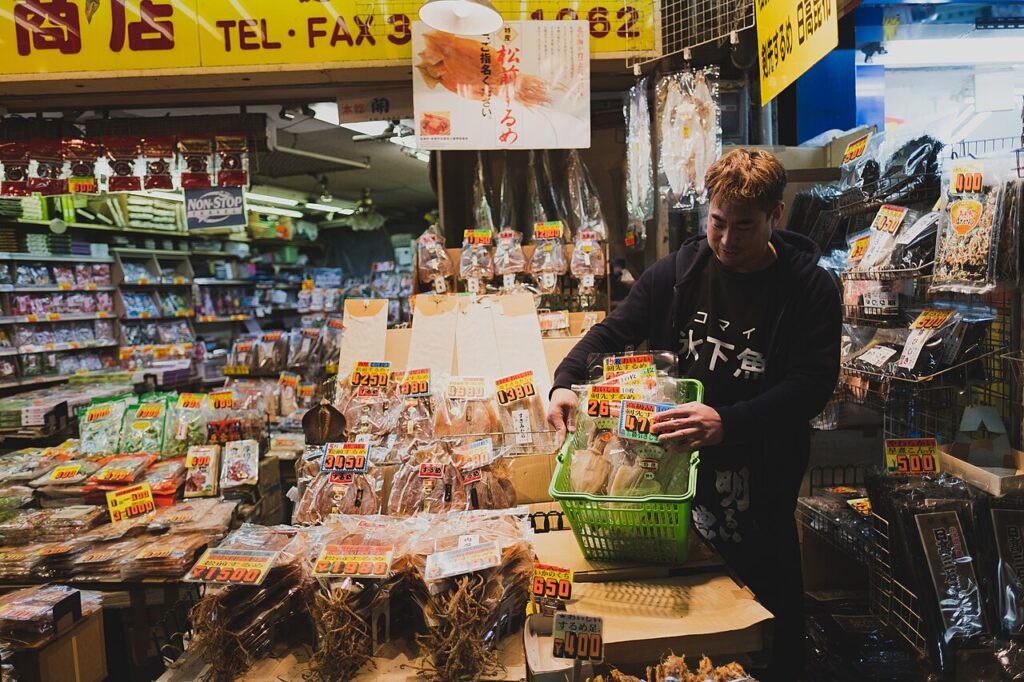
Nihonbashi preserves the atmosphere of old Edo. Shops here have operated for centuries.
Washi Paper:
Specialty stores sell handmade paper. You feel the texture of mulberry fibers. Patterns range from gold leaf to subtle florals.
Knives and Brushes:
Artisans explain the production process. Watching a name engraved into a knife adds to the value. These items serve as functional souvenirs.
Stationery Havens
Japanese stationery combines cuteness with extreme functionality. It is a massive industry.
Loft:
The Shibuya Loft creates a maze of yellow shelves. You find stickers, planners, and pens. The pen aisle allows you to test ink flow.
Traveler’s Factory:
Located in Nakameguro, this shop focuses on travel notebooks. The smell of leather fills the room. You can stamp your notebook with custom designs.
Vinyl Records
Tokyo creates a paradise for audiophiles. Shibuya and Shimokitazawa house hundreds of record shops.
Disc Union:
This chain separates stores by genre. One building sells jazz. Another sells metal. The organization is obsessive.
Tower Records:
The Shibuya location remains a landmark. Nine floors celebrate physical media. Listening stations allow you to sample new releases. The yellow bag is an iconic sight.
Budget Friendly Finds in this Tokyo Shopping Guide
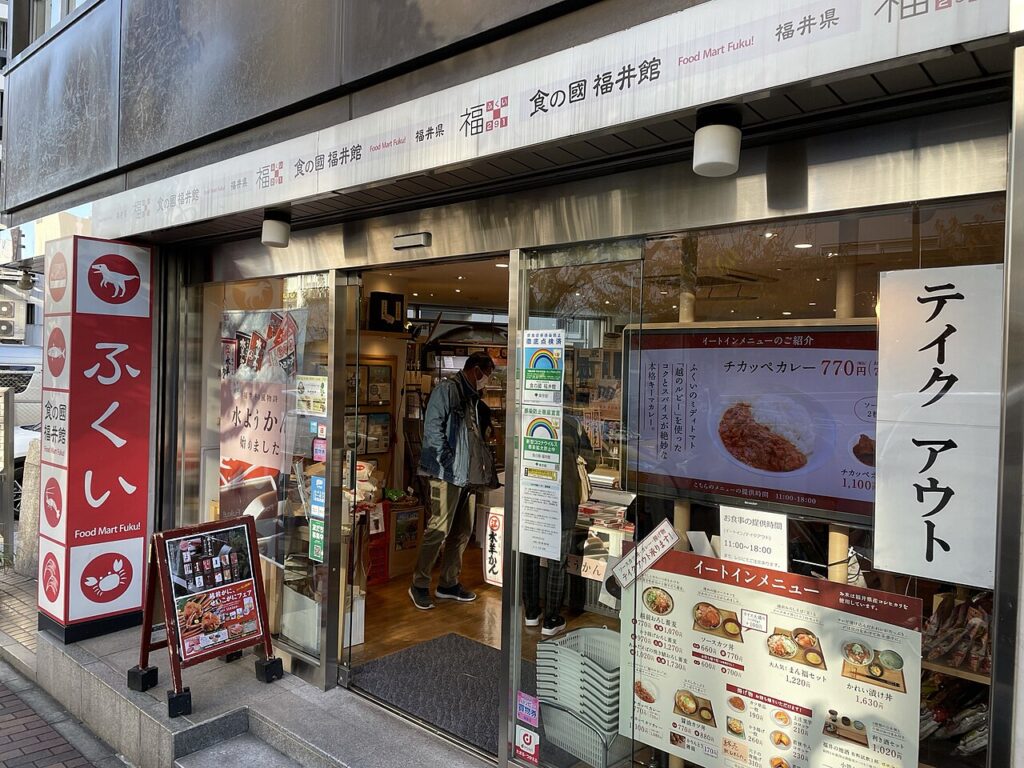
Spending less does not mean sacrificing quality. Tokyo offers incredible value at the lower end of the price spectrum.
100 Yen Shops
These stores offer thousands of items for a single coin. The quality often surprises new visitors.
Daiso:
The Harajuku location spans multiple floors. You find ceramics, gardening tools, and snacks. It is perfect for bulk souvenirs.
Seria:
Seria focuses on design and aesthetics. The products look more expensive than they are. Many items feature traditional Japanese patterns.
Don Quijote
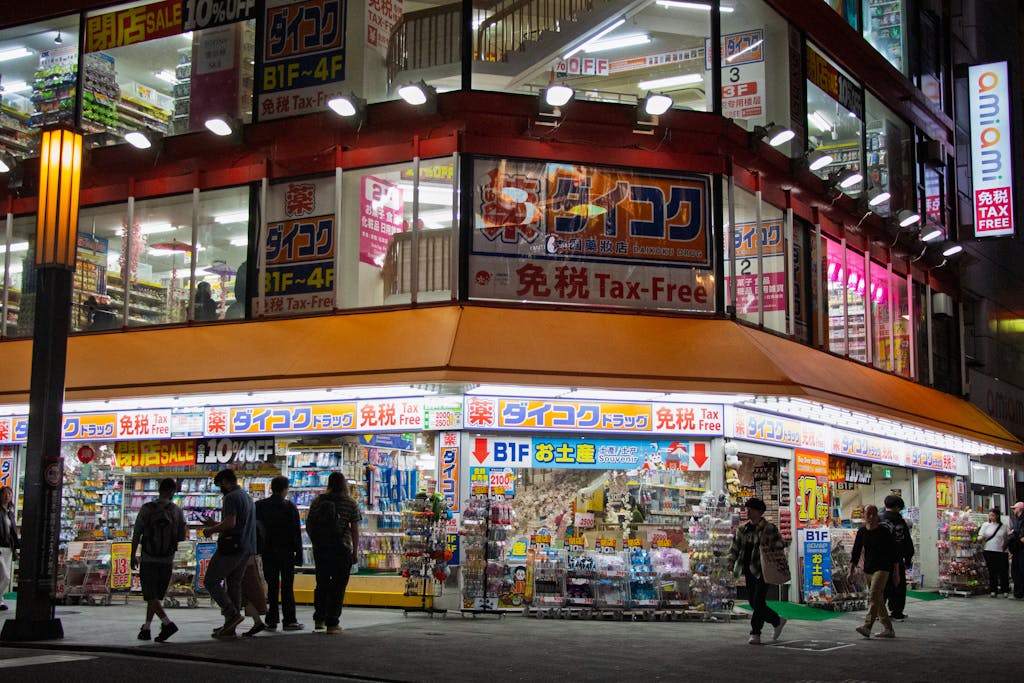
“Donki” assaults the senses. It is open late, sometimes 24 hours.
The Layout:
Shelves reach the ceiling. Items hang from every surface. The path winds like a maze. You hear a catchy theme song on loop.
Product Range:
You find KitKats next to luxury watches. They sell costumes, suitcases, and cosmetics. It is a chaotic treasure hunt.
Second-Hand Fashion
Japan keeps used clothing in pristine condition. “Recycle shops” offer high value.
Kindal and 2nd Street:
These chains sell designer labels. You might find Comme des Garçons for a fraction of retail. The clothes are clean and well-organized.
Hard Off:
These stores often sit further from the center. They sell hardware, instruments, and games. Digging here rewards the patient.
Planning Your Tokyo Shopping Guide Itinerary
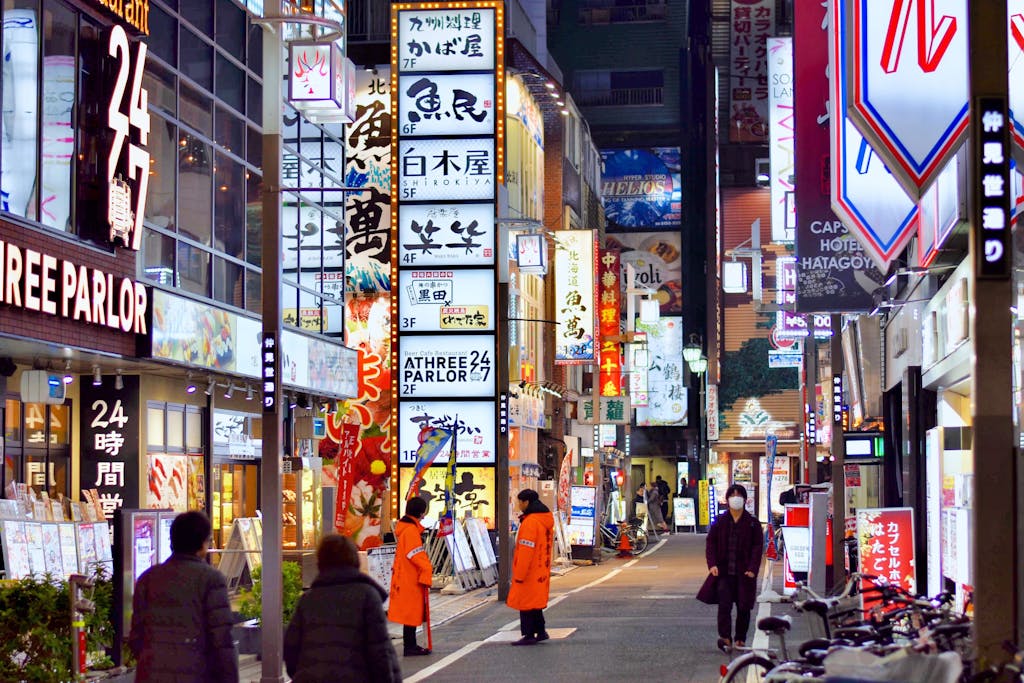
Logistics play a key role. Knowing the rules saves time and money.
Tax-Free Shopping
Tourists can save the consumption tax. The current rate is 10%.
The Process:
Look for the “Tax-Free” symbol. You must spend over 5,500 yen. You need your actual passport. Photos of the passport usually do not work.
Consumables:
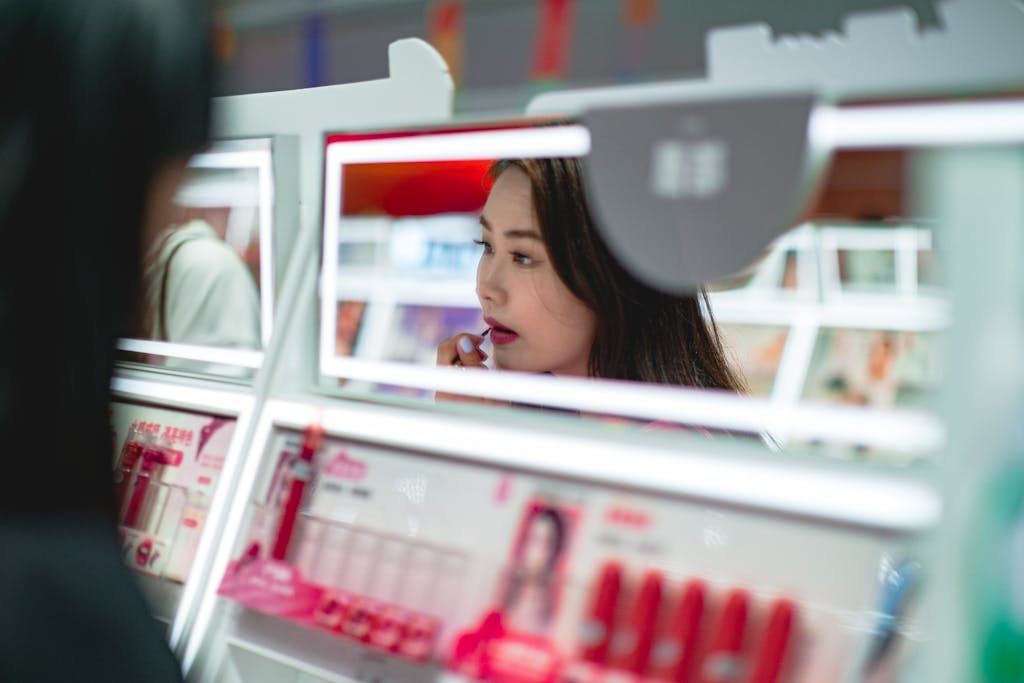
Food and cosmetics get sealed in special bags. You cannot open them until you leave Japan. Breaking the seal voids the exemption.
Opening Hours and Timing
Tokyo starts later than many Western cities. Morning hours are for commuting, not buying.
Morning Delays:
Most shops open at 10:00 AM or 11:00 AM. Do not arrive at 9:00 AM expecting to shop. Use mornings for shrines or parks.
Evening Crowds:
Shops stay open until 8:00 PM or 9:00 PM. Weekends create massive density. Monday mornings offer the quietest experience.
Etiquette in Fitting Rooms
Japanese retailers value cleanliness. Specific rules apply when trying on clothes.
Shoes Off:
Remove your shoes before stepping on the fitting room carpet. Leave them outside the curtain or door.
Face Covers:
Staff provide a sheer face cover. Wear this to prevent makeup transfer. It protects the garment.
Payment Methods
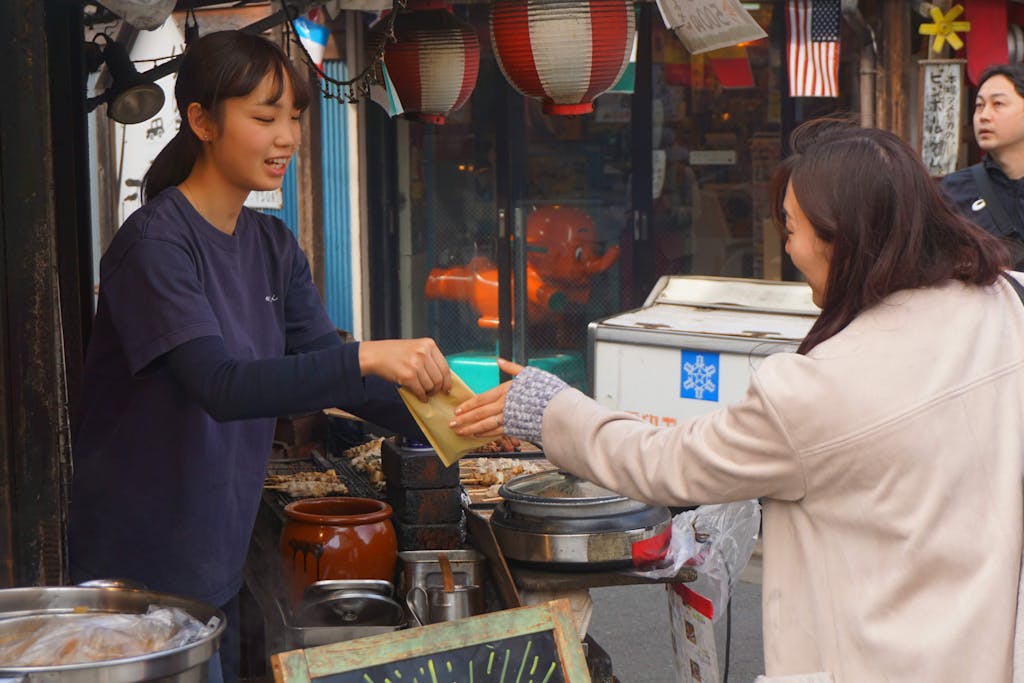
Cash remains important, though digital payments are growing.
IC Cards:
Suica and Pasmo cards work in vending machines and convenience stores. They speed up small transactions.
Credit Cards:
Major department stores accept foreign cards. Small vintage shops or ramen ticket machines might not. Always carry some yen.
Related: Tokyo Travel Tips & Essentials →
Coin Lockers
Shopping bags become heavy. Coin lockers exist at almost every station.
Usage:
Use your IC card to pay. This acts as your key. It frees you to continue walking without burden.
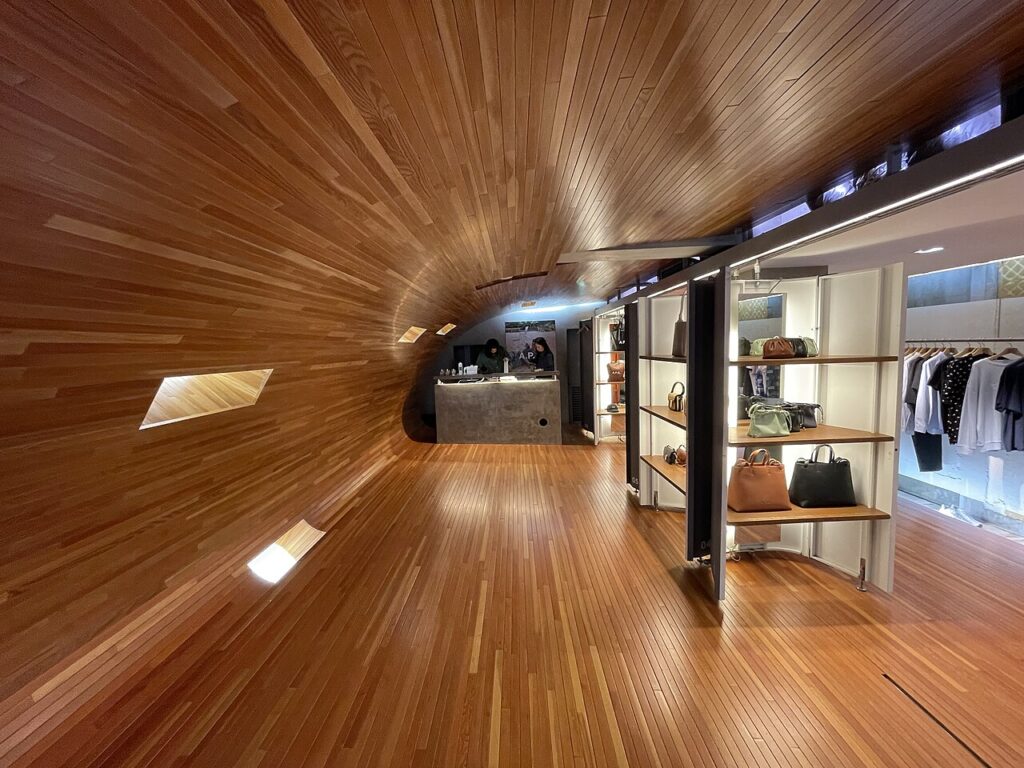
This Tokyo Shopping Guide outlines a retail landscape defined by variety and depth. The city accommodates every desire, from the silence of a craft workshop to the roar of an electronics hall. The experience lies in the details. It is the bow of the clerk, the texture of the wrapping paper, and the discovery of a hidden shop down a back alley.
Allow time for wandering. The best finds often appear when you deviate from the plan. Focus on the distinct atmosphere of each district. Let the sensory details guide your decisions. Tokyo rewards curiosity with high-quality goods and impeccable service. The memories of the search often outlast the items themselves.
FAQ
What is the best area for first-time shoppers in Tokyo?
Shibuya and Shinjuku offer the most comprehensive variety. Both districts contain department stores, electronics retailers, and fashion boutiques within walking distance. They provide a complete cross-section of Tokyo retail in one location.
Can I bargain or haggle in Tokyo shops?
Haggling is generally not practiced in Japan. Fixed prices apply in department stores, boutiques, and convenience stores. Minor exceptions exist at some electronics counters or flea markets, but attempting to bargain elsewhere is considered rude.
Do staff in Tokyo shops speak English?
English proficiency varies by district. Staff in major department stores and tax-free counters usually speak basic English. In smaller local shops, communication may rely on gestures or translation apps. Staff remain polite and helpful regardless of language barriers.
What should I do with my trash while shopping?
Public trash cans are rare in Tokyo. Carry a small plastic bag to hold your rubbish. You must hold onto it until you find a bin at a convenience store, train station, or back at your hotel.
Is it safe to carry large amounts of cash for shopping?
Tokyo is one of the safest cities in the world. Carrying significant amounts of cash is common and safe. Many locals pay for expensive items with cash. Standard awareness of your surroundings is sufficient.