
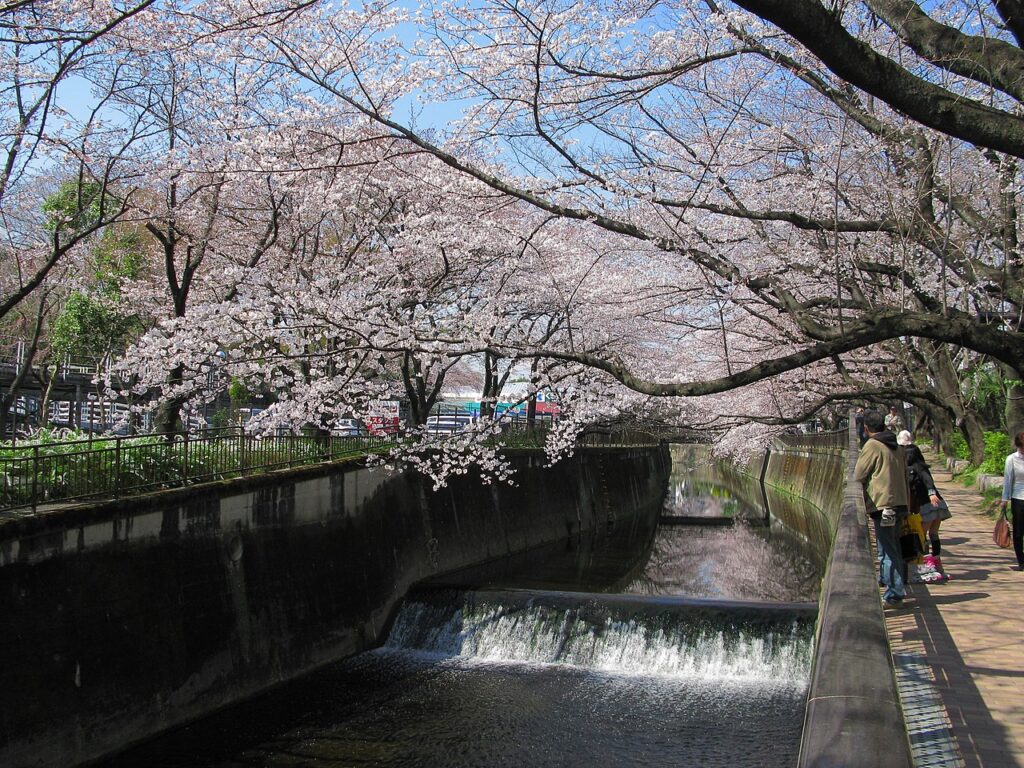
Choosing the right moment to visit Tokyo defines the entire tone of your journey. The Japanese capital transforms radically with the seasons. A trip in April feels entirely different from one in September. One offers delicate pink petals and cool breezes. The other brings humid heat and the buzzing energy of cicadas. Understanding these shifts allows you to align the city’s rhythm with your personal travel style.
This metropolis operates on a distinct seasonal clock. Nature weaves itself into the concrete jungle. Parks erupt with color or fade into stark, beautiful lines. Festivals take over the streets, changing traffic patterns and local energy. Even the food on convenience store shelves changes to match the temperature outside.
There is no single “perfect” time for everyone. Some travelers seek the visual spectacle of spring. Others prefer the crisp visibility of winter. Budget-conscious visitors might aim for the quiet weeks in late January. This guide breaks down the atmospheric and cultural reality of the city. It provides the necessary details to plan your arrival. You will find information on weather patterns, major cultural events, and the flow of crowds. This ensures you know exactly what to expect when you land in Japan.
FEATURED: 15 Best Things To Do in Tokyo →
Spring: The Season of Cherry Blossoms
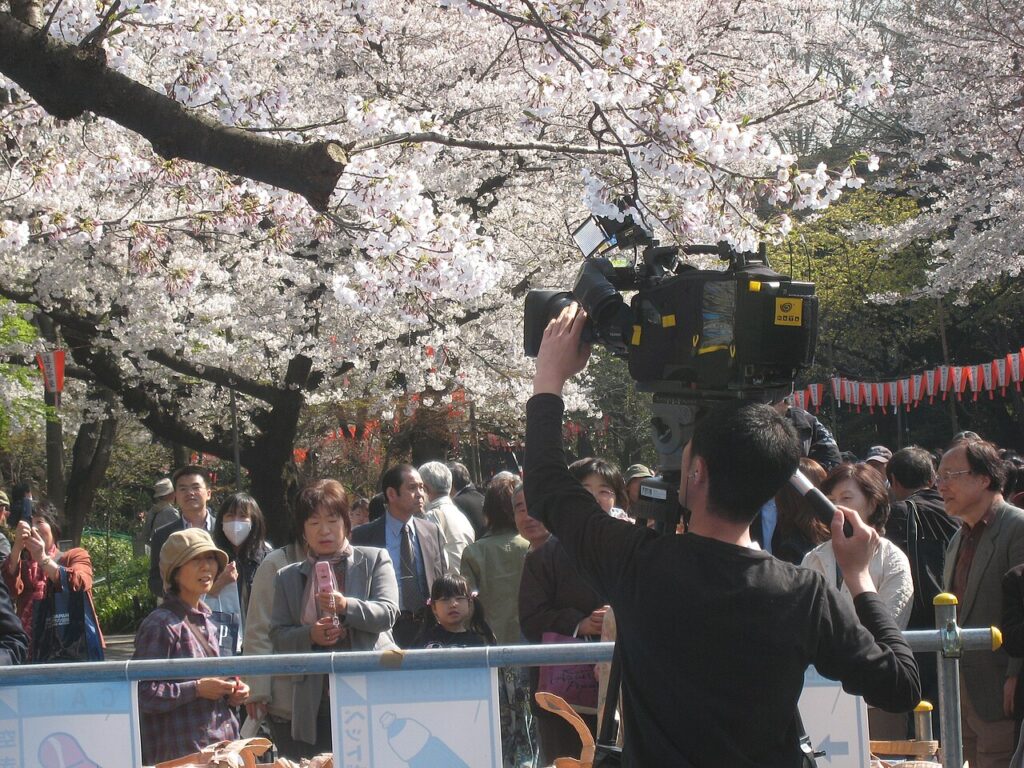
Spring is arguably the most famous window for international arrivals. The city shakes off the winter chill. The atmosphere becomes electric with anticipation for the bloom. This season offers a mix of breathtaking visuals and intense social energy.
The Sakura Experience
The arrival of cherry blossoms, or sakura, is a national event. Hanami parties dominate public spaces. Locals gather in parks like Yoyogi and Ueno. They spread blue tarps under the trees to eat, drink, and socialize. The flowers usually bloom in late March and peak in early April. The scenery is stunning but transient. Petals fall within a week, creating pink carpets on the asphalt. Walking through Nakameguro along the canal becomes a dense, shoulder-to-shoulder experience. The lanterns reflect off the water at night. It creates a glowing pink tunnel.
Spring Weather Conditions
Temperatures in March remain brisk. You will need a coat. By April, days become milder. Highs reach around 19°C (66°F). May offers perhaps the most comfortable climate of the year. The air is warm but lacks the suffocating humidity of summer. Rain is possible but usually passes quickly. It is an ideal time for a walking experience across the city’s scattered neighborhoods.
Crowd Density in Spring
Expect maximum density. This is peak season. Hotels fill up months in advance. Prices surge to their highest levels. Popular spots like Asakusa’s Senso-ji Temple become oceans of people. Lines for restaurants can stretch for hours. Travelers seeking solitude may find this season challenging. Those who thrive on communal energy will love it.
Book a seasonal Tokyo experience (Viator) → #
Backup: Klook → #
Related: Tokyo Travel Tips → #
Summer: Festivals, Fireworks, and Humidity
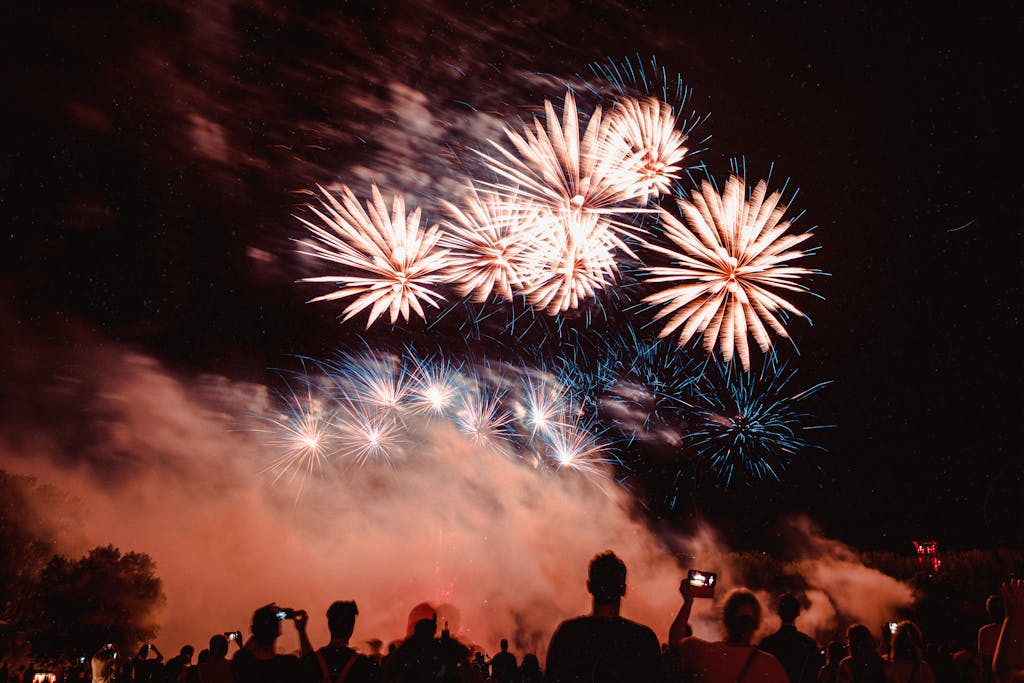
Summer in Tokyo is a test of endurance and a celebration of life. The energy is high, loud, and vibrant. The weather, however, demands respect and preparation.
Traditional Festivals
Summer is the season of Matsuri. The Sanja Matsuri in May kicks off the warm season, but July and August hold the peak events. Neighborhoods carry portable shrines, called mikoshi, through the streets. Chanting fills the air. Drums beat a constant rhythm. Participants wear traditional happi coats. Spectators throw water on the shrine bearers to cool them down. Fireworks festivals are massive events. The Sumida River fireworks attract nearly a million viewers. Locals wear yukata, light cotton kimono, to these events. It creates a distinct, traditional visual against the modern skyline.
The Heat Intensity
Tokyo summers are notoriously difficult. Humidity levels spike in late June and stay high until September. Temperatures often exceed 35°C (95°F). The heat island effect traps warmth in the concrete. Walking outside can feel like stepping into a sauna. You must stay hydrated. Convenience stores sell cooling wipes and salt tablets. Sightseeing requires a slower pace. Mid-day breaks in air-conditioned cafes are essential.
Summer Food Experiences
The culinary landscape shifts to cool you down. Cold noodles, such as soba and udon, become staples. Hiyashi chuka, a chilled ramen salad, appears on menus. Kakigori, shaved ice with fruit syrup, is the favorite dessert. It is sold everywhere from street stalls to high-end cafes. Unagi (eel) is traditionally eaten to build stamina against the heat. These seasonal flavors are distinct to the hot months.
Book a summer Tokyo experience (Viator) → #
Backup: Klook → #
Related: Tokyo Travel Tips → #
Autumn: Foliage and Culinary Delights
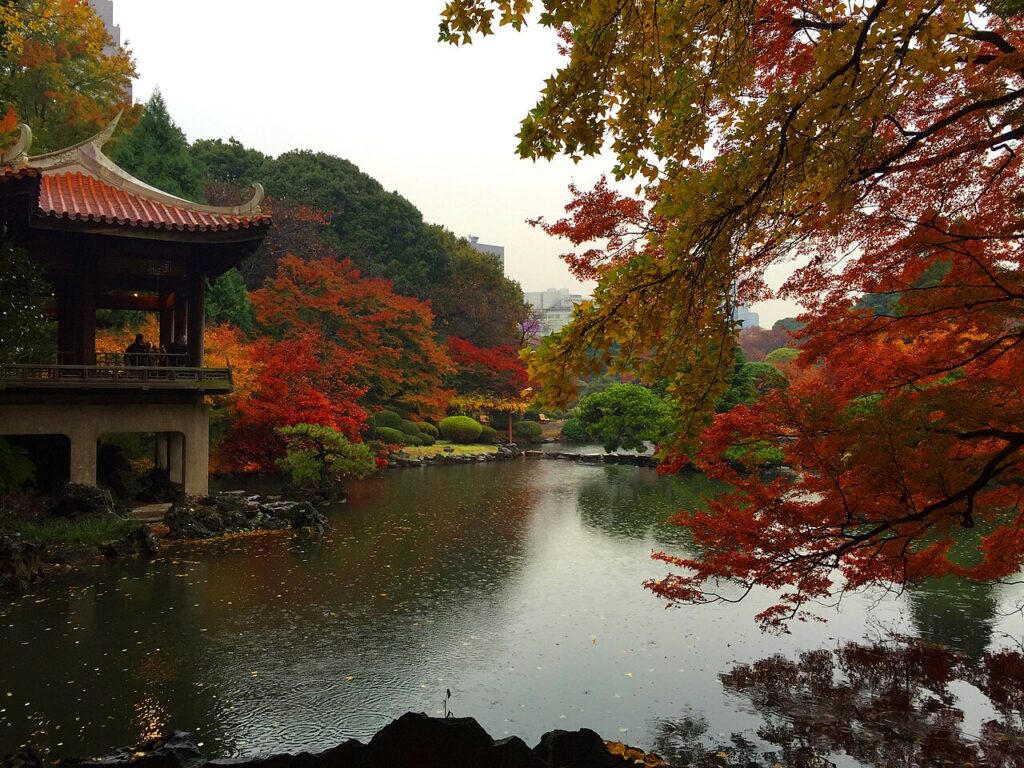
Many seasoned travelers consider autumn the superior time to visit Tokyo. The weather stabilizes. The humidity breaks. The city transforms into a palette of warm colors.
Koyo (Autumn Leaves)
The “autumn foliage” front moves slowly south. Ginkgo trees turn a brilliant gold in late November. The Icho Namiki avenue in Meiji Jingu Gaien is the premier spot for this. Maple trees turn deep red. Rikugien Garden offers night illuminations of the foliage. The contrast of red leaves against dark temple wood is striking. The viewing season lasts longer than the cherry blossoms. It usually spans from late November to early December.
Comfortable Exploration
October and November offer ideal walking conditions. The air is crisp. The sky is often clear. Outdoor exploration becomes effortless again. You can walk from Harajuku to Shibuya without sweating. Parks are busy but less chaotic than during sakura season. It is the perfect time for hiking nearby Mount Takao.
Seasonal Flavors
Autumn is known as “shokuyoku no aki,” or “autumn of appetite.” Sweet potatoes are roasted and sold from trucks. Pacific saury (sanma) is grilled and served with radish. Persimmons hang in shop windows. Chestnut-flavored desserts take over bakeries. The food focus shifts to warmth and harvest. Exploring depachika (department store food halls) reveals this shift instantly.
Book an autumn Tokyo experience (Viator) → #
Backup: Klook → #
Related: Tokyo Travel Tips → #
Winter: Crisp Air and Illuminations During Your Visit to Tokyo
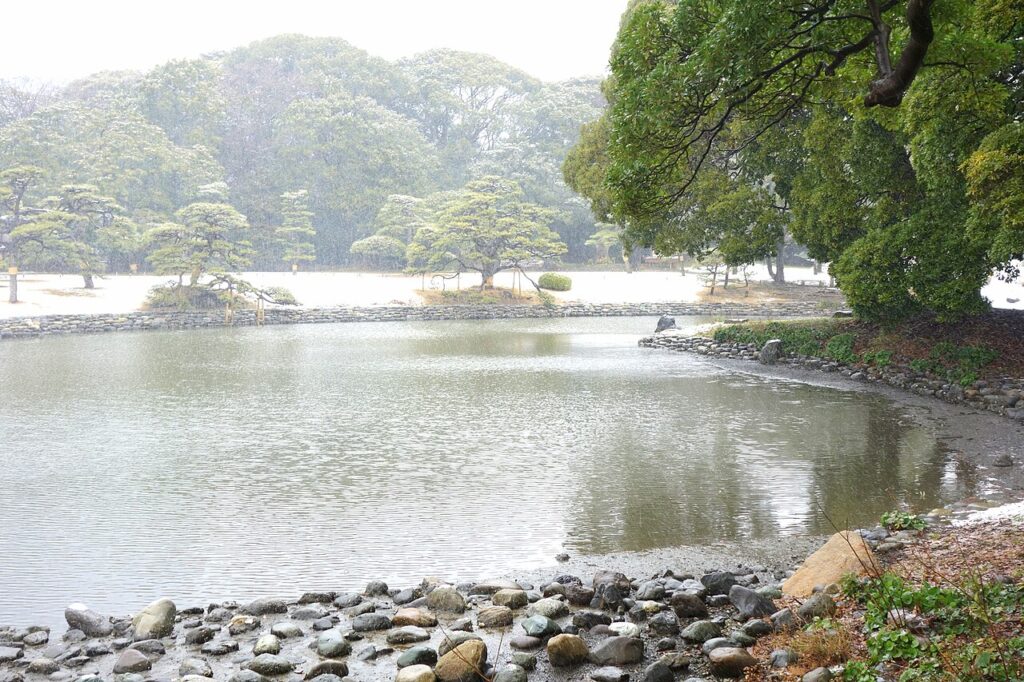
Winter offers a different kind of beauty. The city is quieter. The air is cleaner. It is a time for urban clarity and light.
Winter Illuminations
The city aggressively counters the early sunsets with light. Illumination displays are elaborate. Roppongi Hills, Shibuya, and Marunouchi compete with massive LED installations. Entire streets turn into tunnels of blue, gold, or white light. These displays often start in November and run through February. They turn night walks into spectacular visual experiences.
Clear Skies and Views
Winter brings the driest air of the year. Mount Fuji visibility is highest in January and February. You can often see the volcano clearly from the Tokyo Skytree or the Metropolitan Government Building. The sunsets are sharp and vibrant. Photographers often prefer this season for the lack of haze.
New Year Traditions
New Year’s, or Oshogatsu, is the most significant holiday. Hatsumode is the first shrine visit of the year. Meiji Jingu receives millions of visitors in the first three days of January. The atmosphere is solemn yet celebratory. Visitors buy charms for luck. Department stores sell “fukubukuro” or lucky bags. It is a rare chance to see traditional customs practiced by the entire population.
Book a winter Tokyo experience (Viator) → #
Backup: Klook → #
Related: Tokyo Travel Tips → #
Understanding Crowd Patterns and Public Holidays
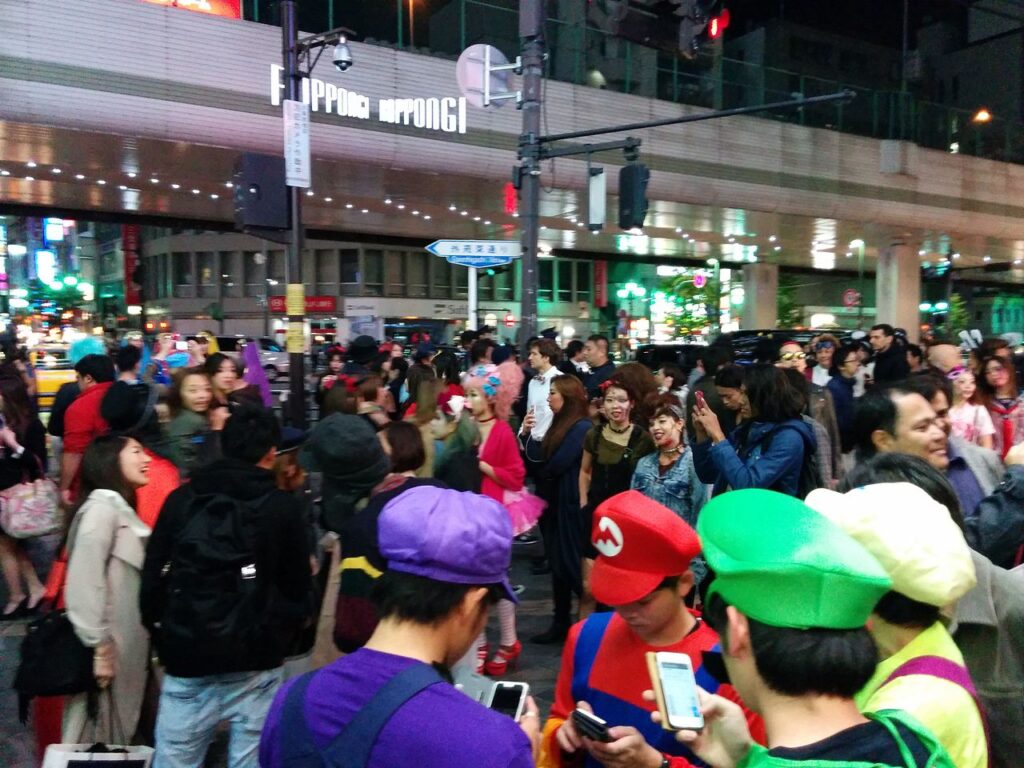
Crowds are a constant in Tokyo. However, certain weeks create specific spikes that can disrupt travel plans. Knowing these dates helps you avoid logistical nightmares.
Golden Week
This runs from late April to early May. Four national holidays occur within one week. Locals travel extensively. Shinkansen trains are booked out. Domestic flights are full. Tokyo itself can actually feel slightly emptier as residents leave. However, major tourist spots remain packed. Accommodation prices spike significantly.
Obon Week
This occurs in mid-August. Ancestral spirits are honored. Many Tokyo residents return to their hometowns. Transportation out of the city is chaotic. Many family-run shops and restaurants in Tokyo close for the week. The city feels different. It is hot and slightly slower-paced in residential areas.
Silver Week
This happens every few years in September. Public holidays align to create a long weekend. Similar to Golden Week, domestic travel surges. Crowds at popular destinations increase. It is worth checking the calendar for September holidays before booking.
Book a Tokyo planning experience (Viator) → #
Backup: Klook → #
Related: Tokyo Travel Tips → #
Month-by-Month Experience Breakdown
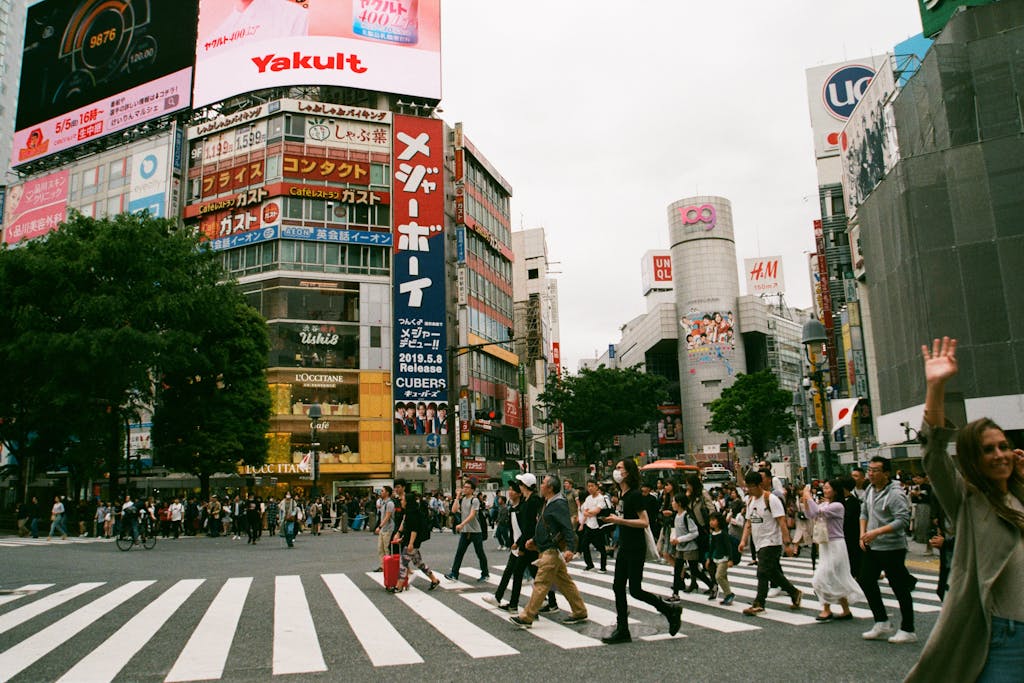
Detailed planning requires looking at specific months. Each holds unique pros and cons.
January to March
January is cold but sunny. Sales season attracts shoppers. Crowds are lowest after the New Year rush. February remains cold. Plum blossoms (ume) begin to bloom. They are less famous than sakura but smell sweeter. March brings unpredictable weather. Warmer days alternate with cold snaps. The end of March sees the start of cherry blossom mania.
April to June
April is visually stunning but expensive. School years start. Fresh energy fills the streets. May is calm and pleasant. It is often the “sweet spot” for weather. June brings “Tsuyu,” the rainy season. Hydrangeas bloom in brilliant blues and purples. It rains frequently but rarely all day. You need an umbrella constantly.
July to September
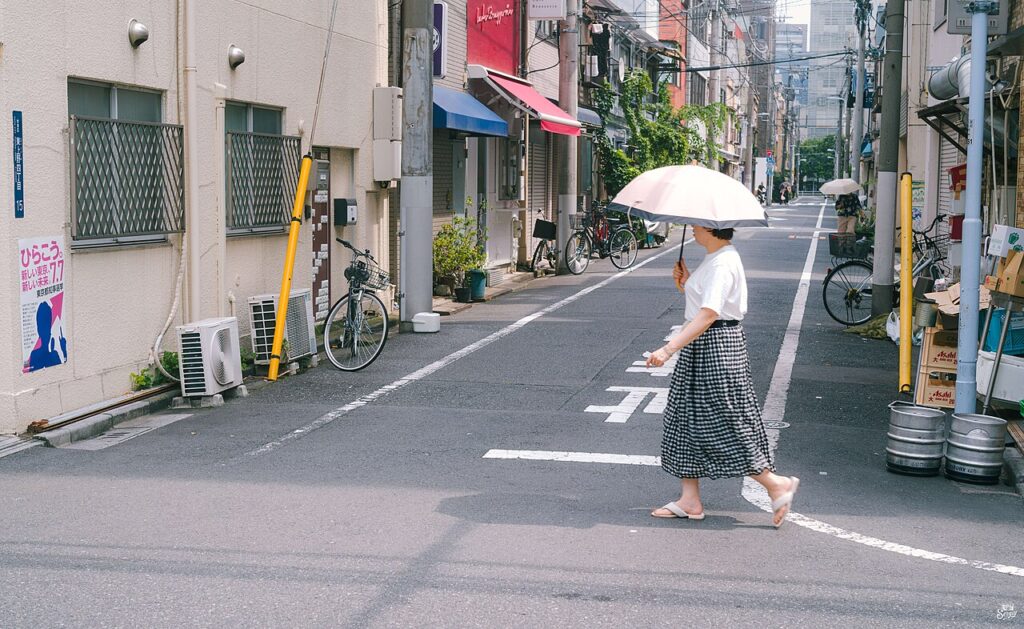
July sees the end of the rain and the start of heat. Cicadas begin their loud chorus. August is the peak of summer intensity. September brings typhoons. Strong winds and heavy rain can occur. Transportation may pause during a typhoon. The heat begins to recede by late September.
October to December
October is comfortable and dry. Halloween has become a massive street party in Shibuya. November is peak autumn foliage. The weather is cool and reliable. December is festive. Christmas is a romantic holiday here, not a family one. Couples fill the restaurants. Illuminations are at their peak.
Book a seasonal Tokyo experience (Viator) → #
Backup: Klook → #
Related: Tokyo Travel Tips → #
Planning Your Budget and Costs to Visit Tokyo
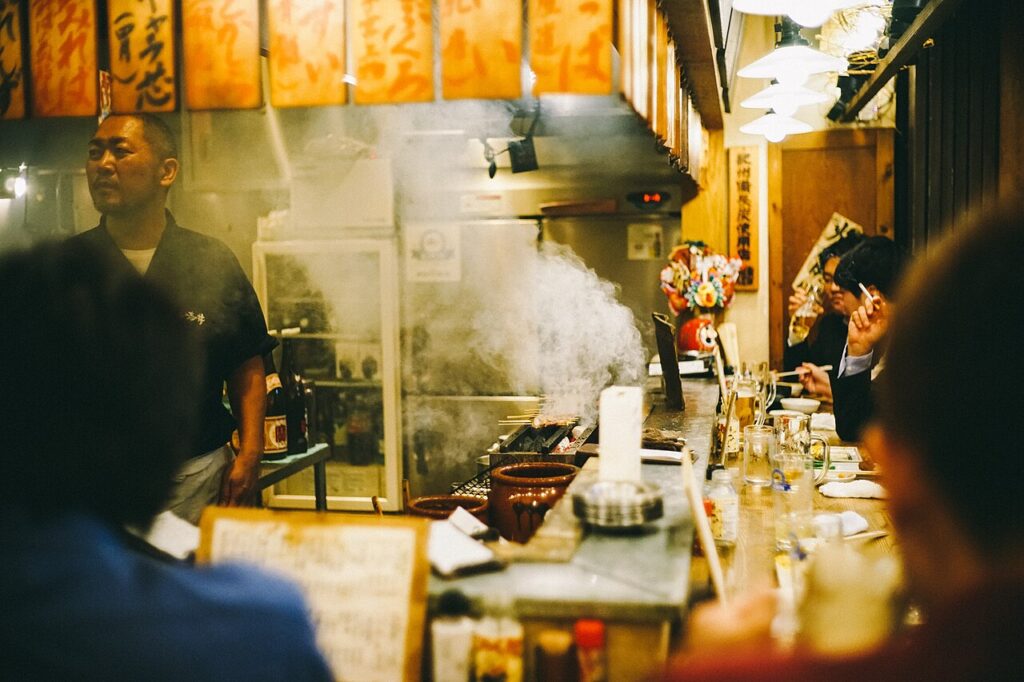
Tokyo has a reputation for being expensive. Strategic timing significantly impacts the cost of your trip.
High Season Pricing
Late March, early April, and mid-November are premium times. Hotel rates can double. Flights are more expensive. You pay for the scenery. Golden Week also sees a spike in costs. Booking six months in advance is necessary for these windows.
Low Season Opportunities
Mid-January to early March offers the best value. Business hotels lower their rates. Flights are often cheaper. Late May and June also offer lower prices due to the rainy season. If you do not mind carrying an umbrella, you can save significantly. Late August can also be cheaper as the heat deters some travelers.
Book a budget-friendly Tokyo experience (Viator) → #
Backup: Klook → #
Related: Tokyo Travel Tips → #
Weather Considerations and Packing Essentials
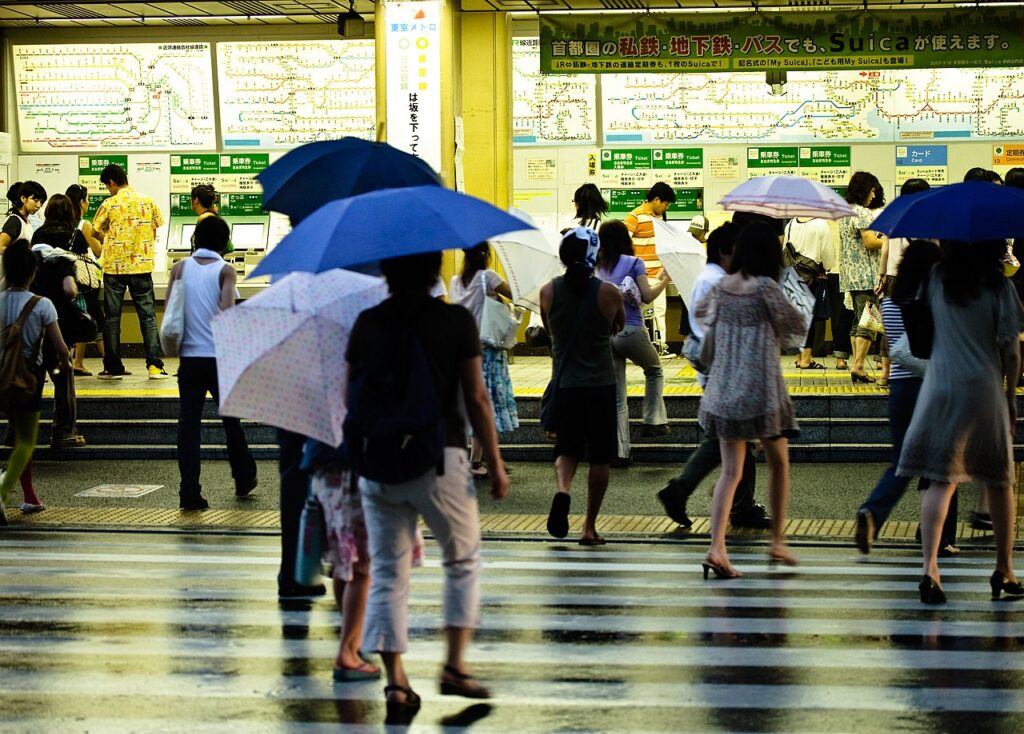
Comfort in Tokyo relies on appropriate clothing. You will walk more than you expect.
Dealing with Rain
June and September are wet. Waterproof shoes are vital. Convenience stores sell clear plastic umbrellas for cheap. They are ubiquitous. A light rain jacket is better than a heavy coat. The humidity makes heavy waterproof gear uncomfortable.
Dressing for Heat
Summer requires breathable fabrics. Linen and cotton are best. Avoid heavy denim. Handkerchiefs are essential. Locals carry them to wipe sweat. A portable fan is a common accessory. You will see people using them on trains and streets.
Winter Layers
Winter is cold but buildings are overheated. Layering is key. You will freeze outside and sweat on the subway. A warm coat that is easy to remove is best. Thermal underwear like Uniqlo’s Heattech is a standard local strategy. It keeps you warm without bulk.
Book a Tokyo essentials experience (Viator) → #
Backup: Klook → #
Related: Tokyo Travel Tips → #
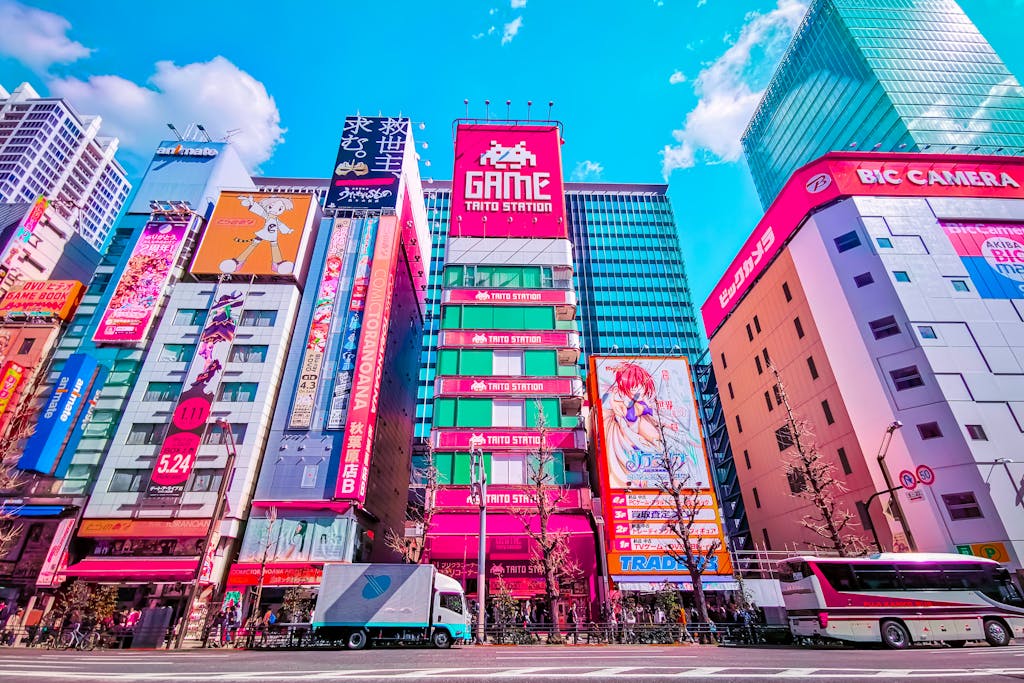
Deciding when to visit Tokyo depends on what you value most. The city changes its skin with every season. Spring offers the romanticized view of falling petals and lively parks. Summer brings a raw, energetic intensity with festivals and fireworks. Autumn provides the most comfortable climate for endless urban walking. Winter delivers crisp views and dazzling lights.
There is no wrong time to go, only different experiences. A rainy June day in Shinjuku has a cyberpunk charm. A sweltering August night in Asakusa feels alive with tradition. By aligning your trip with the specific atmosphere you desire, you ensure a deeper connection to the metropolis. Tokyo is always moving. The best time to join its rhythm is whenever you are ready to keep up.
FAQ
Q: What is the absolute best month for good weather?
A: May and November generally offer the most comfortable conditions. The temperatures are mild, humidity is low, and rainfall is relatively scarce, making outdoor exploration pleasant.
Q: Is Tokyo worth visiting during the rainy season?
A: Yes, if you dislike crowds. The rain is usually intermittent rather than constant. Hydrangeas are in bloom, and temples look beautiful and atmospheric in the wet weather.
Q: How bad is the summer heat really?
A: It is intense. The combination of high temperatures and extreme humidity creates a “sauna” effect. You must plan for frequent indoor breaks and constant hydration.
Q: When is the cheapest time to fly to Tokyo?
A: Late January through February is typically the most affordable window. The cold weather deters average tourists, resulting in lower flight and accommodation prices.
Q: Do I need to worry about typhoons?
A: Typhoons are most common in August and September. While they can cause transportation delays for a day, the city is well-prepared, and severe disruptions are usually brief.