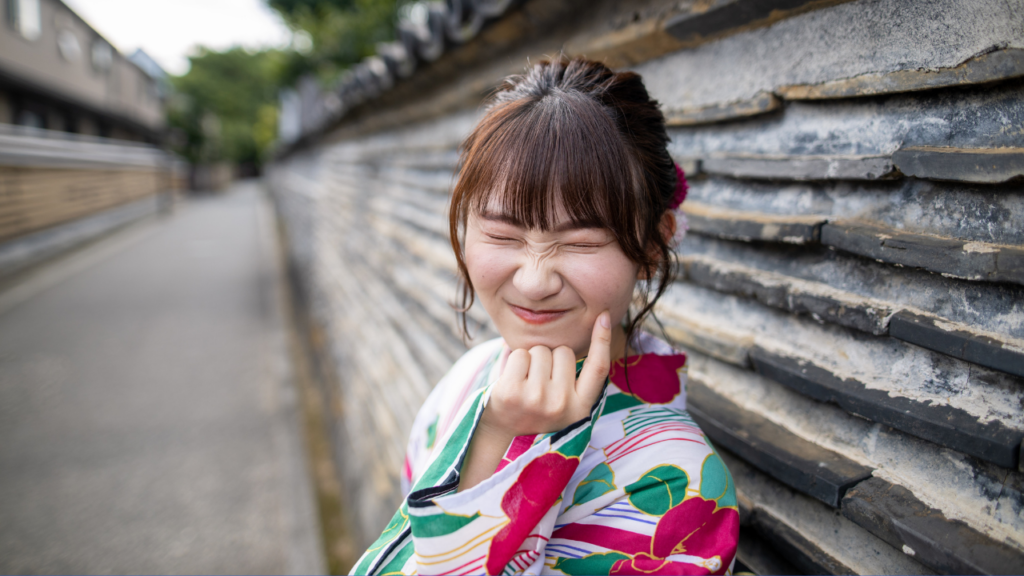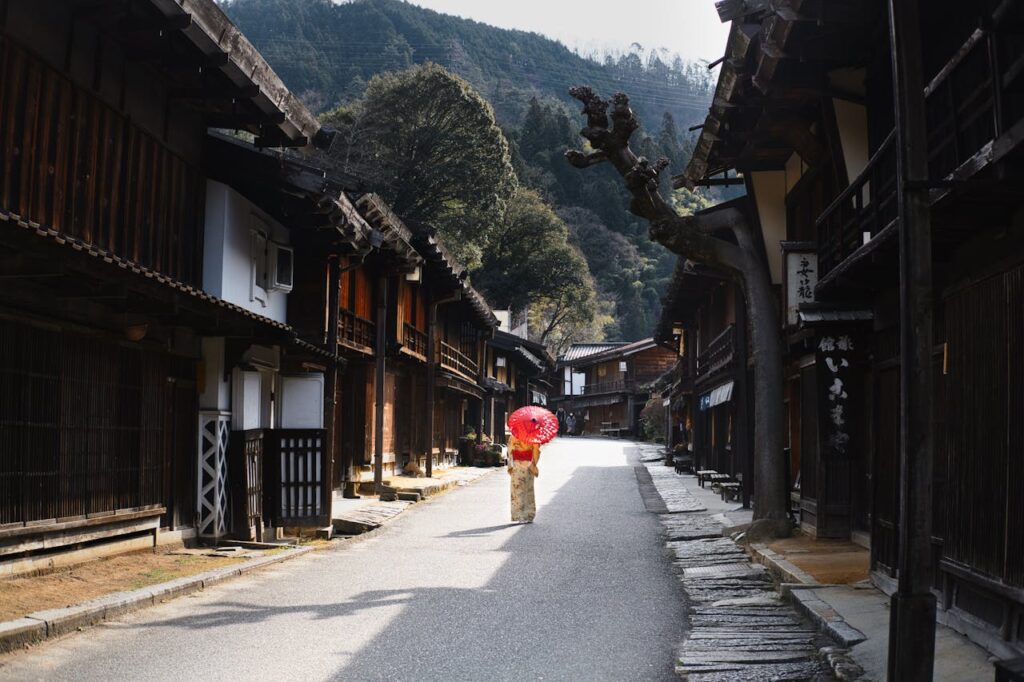
Yanaka is one of Tokyo’s last remaining pockets of old‑town charm — a district where wooden houses, narrow lanes, family‑run shops, and temple grounds create a calm, nostalgic atmosphere that feels worlds away from the city’s neon‑lit centers. Located in the northeast of Tokyo near Ueno, Yanaka is part of the “Yanesen” trio (Yanaka, Nezu, Sendagi), an area that survived the Great Kanto Earthquake and WWII bombings, preserving a rare glimpse of pre‑modern Tokyo.
Unlike Shinjuku’s skyscrapers or Shibuya’s crowds, Yanaka offers a slower rhythm: temple bells, cats lounging on stone walls, shopkeepers chatting with locals, and streets that encourage wandering rather than rushing. It is a district built on craft, community, and continuity, where everyday life unfolds at a human scale.
This guide provides a complete, practical overview of Yanaka’s structure, temples, cultural landmarks, shopping streets, cafés, walking routes, accommodations, and practical considerations — all written in a calm, grounded tone that reflects the district’s character.
FEATURED: 15 Best Things To Do in Tokyo →
1. District Structure
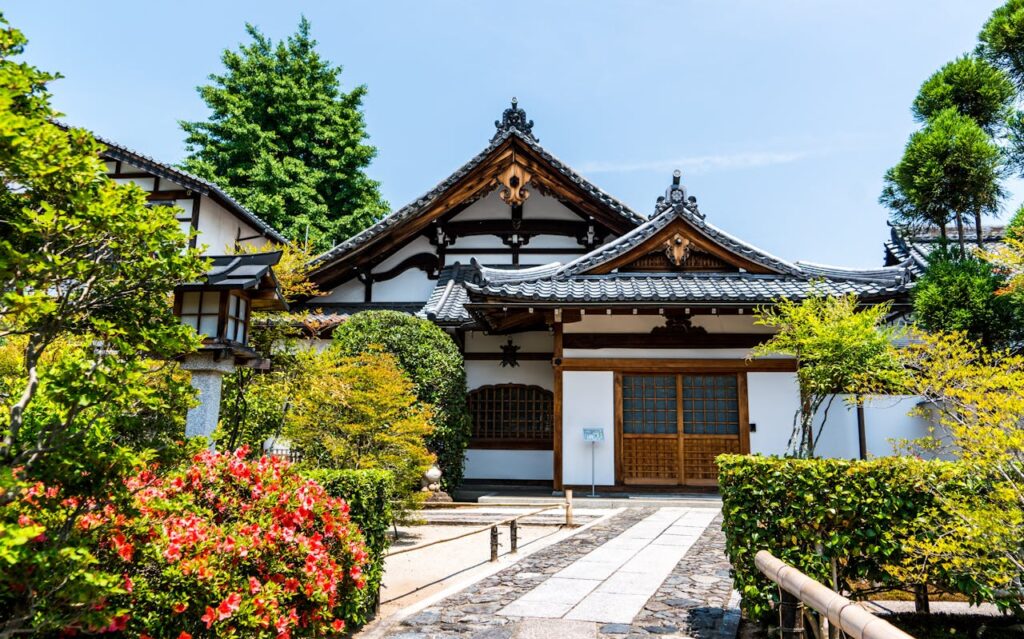
Yanaka is a compact district, but its structure is layered and nuanced. The area is defined by three elements: temple districts, residential lanes, and local shopping streets. These components blend seamlessly, creating a neighborhood that feels both lived‑in and historically rich.
1.1 Yanaka Ginza Shopping Street
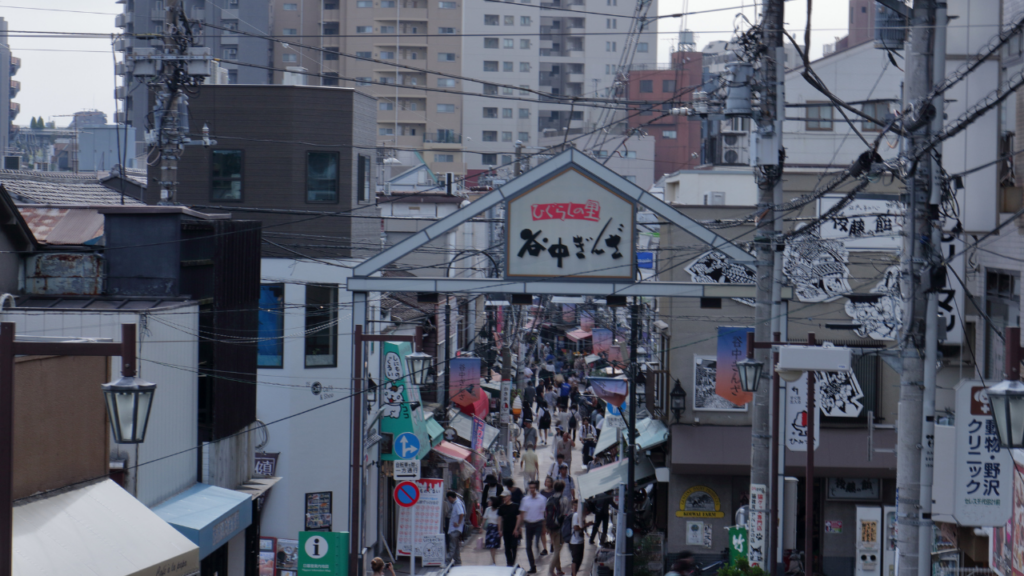
Yanaka Ginza is the district’s central artery — a short but lively shopping street lined with small shops, snack stalls, craft stores, and family‑run businesses. The street slopes gently downward, offering a clear view of the neighborhood’s rooftops and creating a sense of openness unusual for Tokyo’s older districts. Despite its popularity with visitors, Yanaka Ginza retains a local feel: shopkeepers greet regulars by name, children walk home from school, and elderly residents sit outside chatting in the afternoon sun.
The street’s charm lies in its simplicity. There are no large chains, no neon signs, and no aggressive marketing. Instead, Yanaka Ginza offers a curated slice of everyday Tokyo life — a place where traditional snacks, handmade goods, and small eateries coexist naturally.
1.2 Temple Districts & Historical Lanes
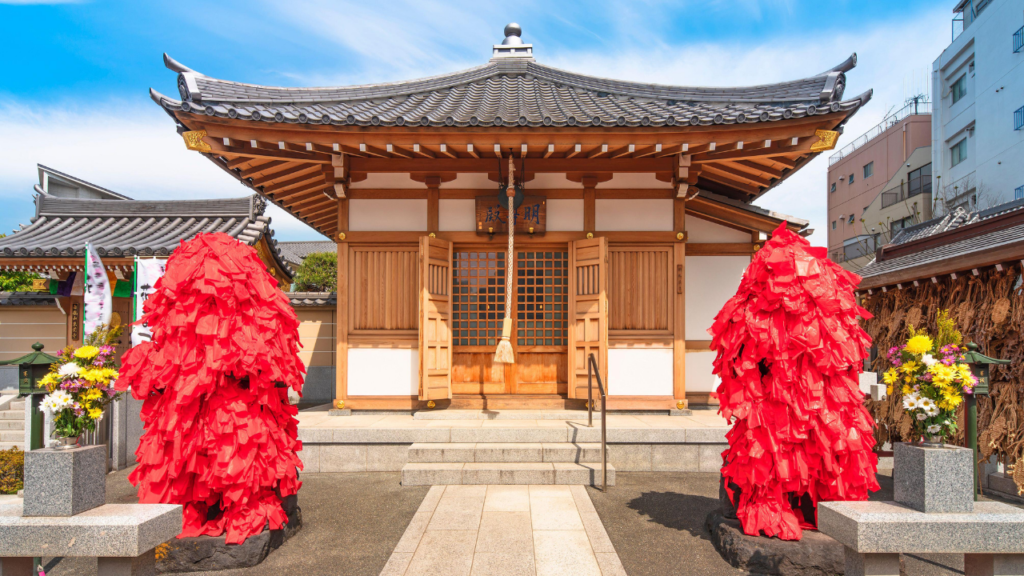
Yanaka is home to more than 60 temples, many of which date back centuries. These temples are not clustered in a single area but spread throughout the district, creating a landscape where religious architecture blends with residential streets. Walking through Yanaka means encountering temple gates, stone lanterns, and quiet courtyards at unexpected turns.
The lanes connecting these temples are narrow and winding, often lined with wooden houses, small gardens, and stone walls. These streets preserve the scale and atmosphere of old Tokyo, offering a rare sense of continuity in a city known for constant reinvention.
1.3 Yanaka Cemetery & Sakura Avenue
Yanaka Cemetery is one of Tokyo’s most atmospheric green spaces — a vast, tree‑lined cemetery that feels more like a park than a burial ground. The main avenue, known as Sakura Avenue, is lined with cherry trees that form a tunnel of blossoms in spring. The cemetery is peaceful year‑round, offering quiet paths, historical graves, and views of temple roofs rising above the trees.
Unlike many cemeteries, Yanaka Cemetery is integrated into daily life. Locals walk their dogs here, families visit graves, and visitors stroll through the grounds to appreciate the calm environment.
1.4 Nezu & Sendagi (Yanesen Area)
Yanaka blends seamlessly into the neighboring districts of Nezu and Sendagi, forming the “Yanesen” area. Nezu is known for Nezu Shrine and its famous azalea garden, while Sendagi offers residential streets, small cafés, and traditional shops. Together, these districts create a cohesive old‑town environment that rewards slow exploration.
Book a Yanaka walking tour (Viator) → #
Backup: Klook → #
Related: Tokyo Travel Tips → #
2. Major Attractions

Yanaka’s attractions are subtle, atmospheric, and deeply tied to the district’s history. Rather than large-scale entertainment complexes, Yanaka offers temples, shrines, cemeteries, and cultural landmarks that reveal the area’s heritage.
2.1 Yanaka Ginza Shopping Street
Yanaka Ginza is the district’s most famous attraction, but its appeal goes beyond shopping. The street reflects the rhythms of local life, with shops that have been passed down through generations. Visitors can find traditional snacks, handmade crafts, ceramics, textiles, and specialty foods. The street’s “Sunset Stairs” at the western end offer a popular viewpoint where locals gather to watch the evening light.
2.2 Yanaka Cemetery
Yanaka Cemetery is one of Tokyo’s most atmospheric walking areas. The wide paths, tall trees, and historical graves create a serene environment that feels far removed from the city’s intensity. The cemetery is especially beautiful during cherry blossom season, when Sakura Avenue becomes a tunnel of pink petals. Notable graves include those of artists, writers, and historical figures, adding cultural depth to the landscape.
2.3 Nezu Shrine
Nezu Shrine is one of Tokyo’s oldest and most beautiful Shinto shrines. The complex includes vermilion torii gates, a pond, wooden bridges, and a hillside garden famous for its azalea blooms in spring. The shrine’s architecture reflects the elegance of the Edo period, and its grounds offer a peaceful retreat from the surrounding streets.
2.4 Tennoji Temple & the Great Buddha
Tennoji Temple is one of Yanaka’s most significant temples, known for its large bronze Buddha statue and spacious grounds. The temple’s cemetery predates the larger Yanaka Cemetery and offers a glimpse into the area’s religious history. The atmosphere is quiet and contemplative, making it a meaningful stop for visitors interested in Buddhist culture.
2.5 Asakura Museum of Sculpture
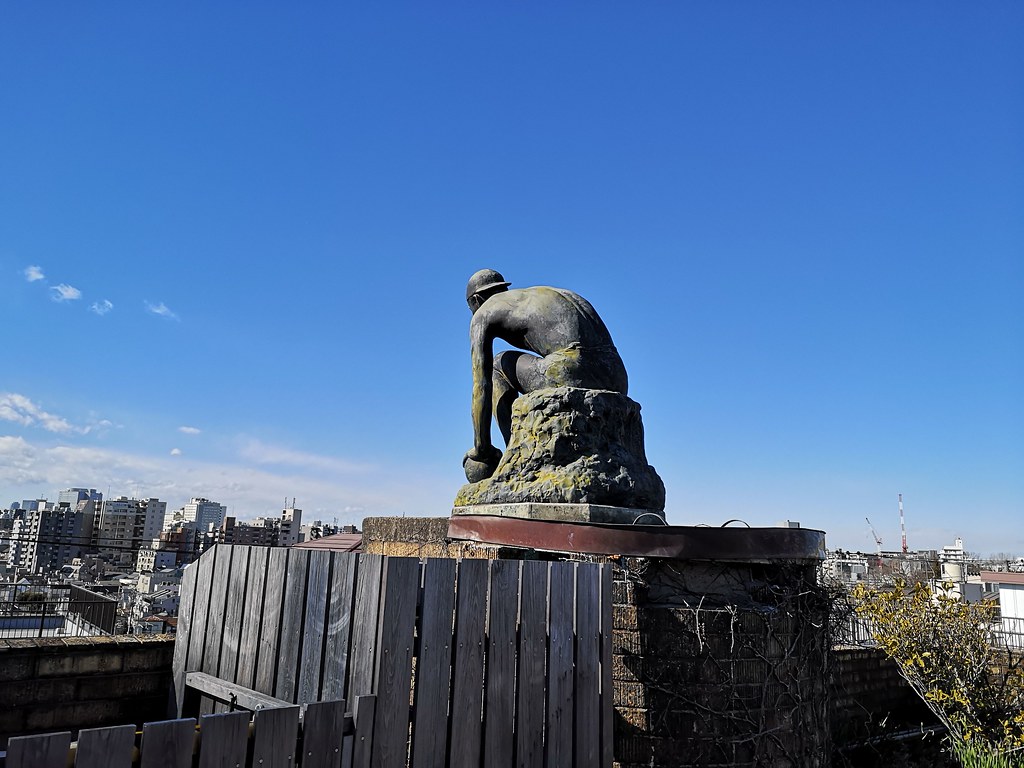
This small museum showcases the work of Fumio Asakura, a prominent Japanese sculptor. The museum is housed in Asakura’s former residence and studio, which includes a beautiful courtyard garden and rooftop spaces. The building itself is a masterpiece of early 20th‑century design, blending Japanese and Western architectural elements.
Book Yanaka cultural experiences (Viator) → #
Backup: Klook → #
Related: Best Things to Do in Tokyo → #
3. Shopping in Yanaka
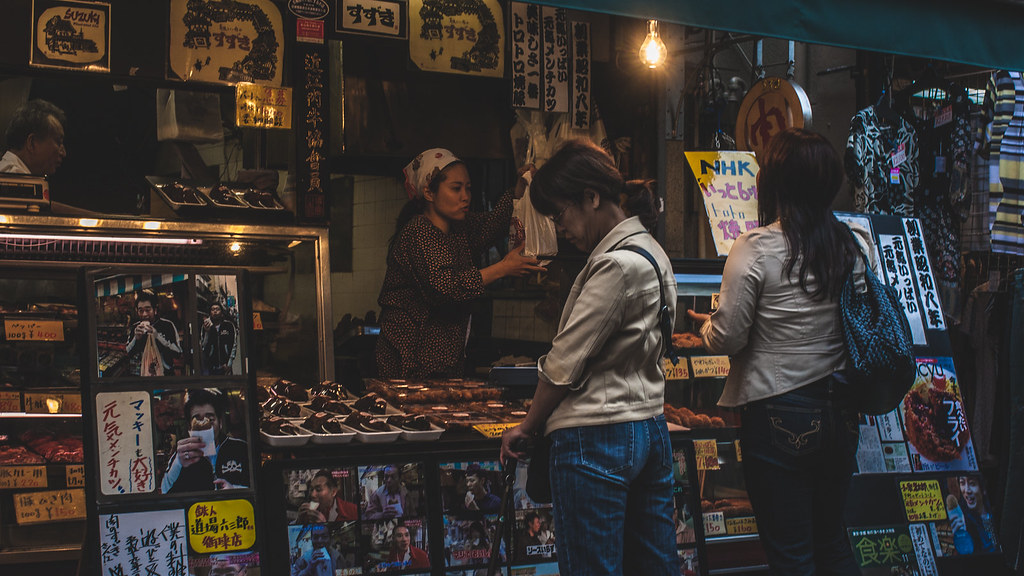
Yanaka’s shopping scene is defined by small, independent shops that emphasize craftsmanship, tradition, and local culture. Unlike Tokyo’s major shopping districts, Yanaka offers a curated, intimate retail experience.
3.1 Traditional Crafts & Handmade Goods
Many shops in Yanaka specialize in handmade crafts, including ceramics, textiles, woodwork, and stationery. These items reflect the district’s emphasis on craftsmanship and offer visitors a chance to purchase meaningful, locally made souvenirs. The quality is high, and the prices are often reasonable, making Yanaka an excellent place for thoughtful shopping.
3.2 Snack Shops & Local Foods
Yanaka Ginza is known for its traditional snacks, including croquettes, taiyaki, senbei, and seasonal sweets. These snacks are often made on-site and sold fresh, creating a lively street‑food atmosphere. The food reflects the district’s everyday culture rather than tourist trends.
3.3 Vintage & Secondhand Shops

Yanaka has a growing number of vintage shops that sell clothing, accessories, and household items. These shops often focus on Japanese vintage styles, offering unique pieces that reflect the country’s fashion history. The selection is curated and often more affordable than vintage shops in central Tokyo.
Book a Yanaka shopping tour (Viator) → #
Backup: Klook → #
Related: Tokyo Shopping Guide → #
4. Dining in Yanaka
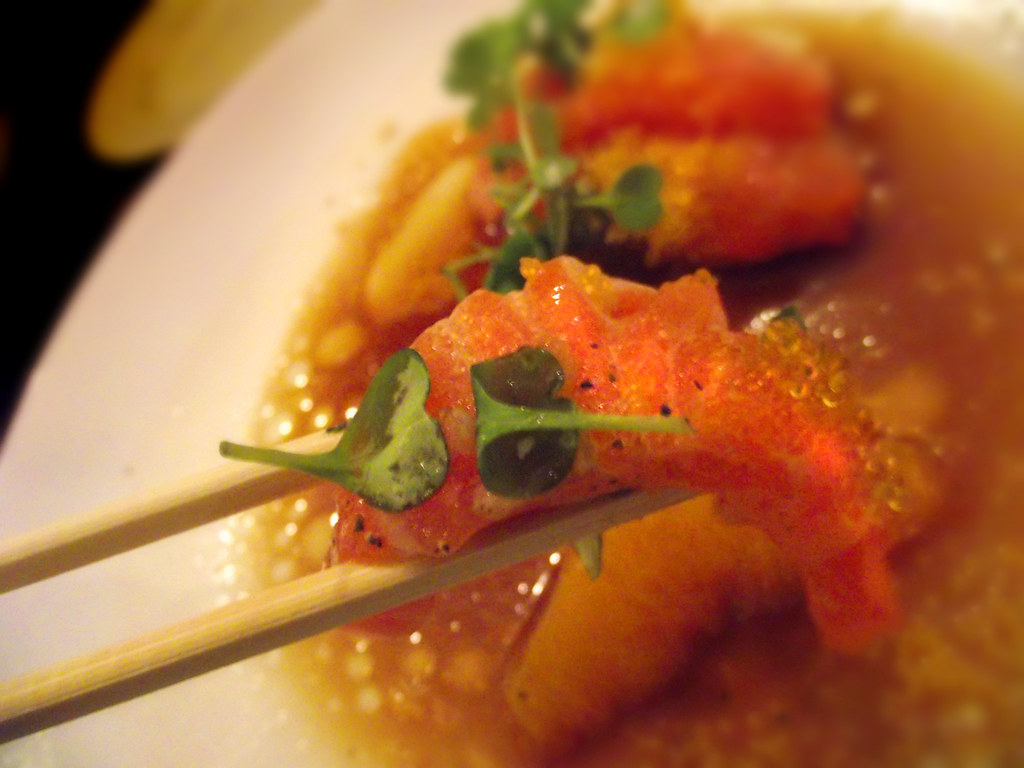
Yanaka’s dining scene is understated and deeply tied to the district’s slow‑living culture. Rather than large restaurants or chains, the area offers small cafés, family‑run eateries, and traditional snack shops.
4.1 Local Cafés & Coffee Shops
Yanaka’s cafés are cozy, intimate spaces that reflect the district’s calm atmosphere. Many are housed in renovated wooden buildings, with interiors that blend vintage décor and modern design. These cafés often serve specialty coffee, homemade desserts, and light meals. The pace is slow, and the atmosphere encourages lingering.
4.2 Traditional Japanese Eateries
Small restaurants in Yanaka serve dishes such as soba, udon, donburi, and grilled fish. These eateries are often run by families who have operated in the area for decades. The food is simple, comforting, and reflective of everyday Japanese cuisine.
4.3 Street Snacks & Quick Bites
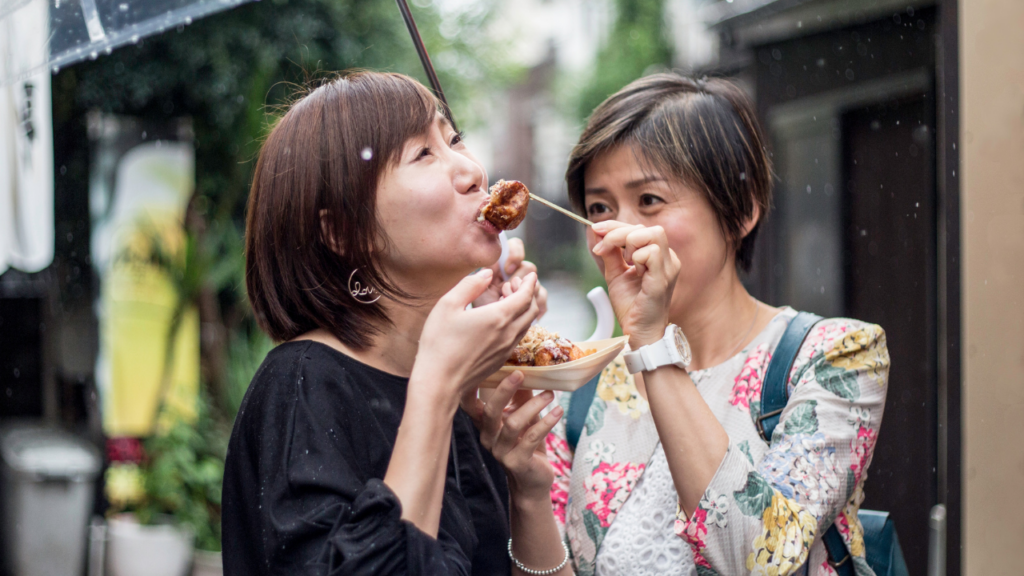
Yanaka Ginza offers a variety of street snacks that are perfect for grazing while exploring. Popular items include croquettes, yakitori, taiyaki, and seasonal sweets. These snacks are inexpensive and offer a taste of local flavor.
Book a Yanaka food tour (Viator) → #
Backup: Klook → #
Related: Best Food in Tokyo → #
5. Culture, Atmosphere & Everyday Life
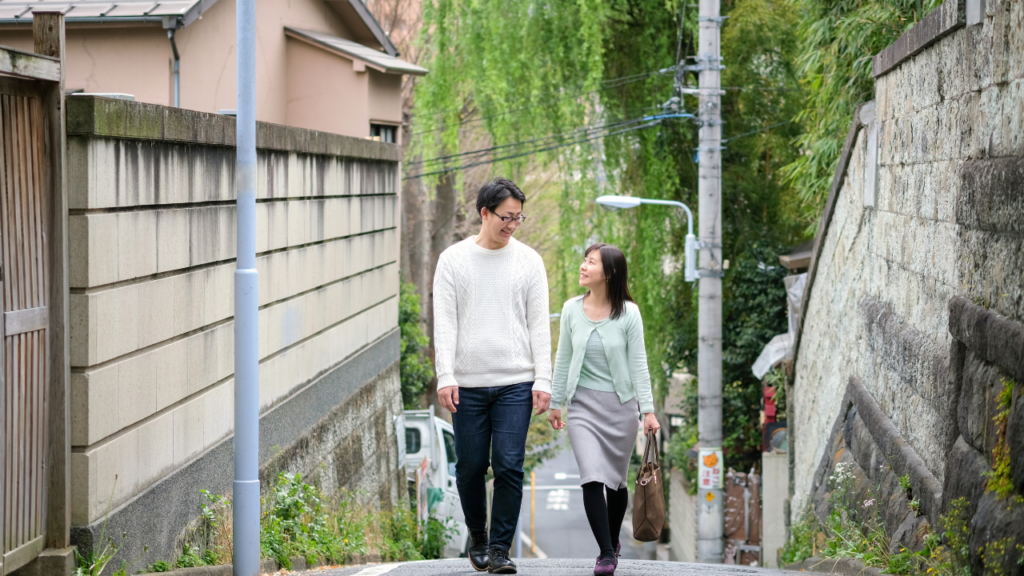
Yanaka’s culture is defined by its slow pace, community spirit, and emphasis on tradition. The district offers a rare glimpse into everyday Tokyo life that has remained largely unchanged for decades.
5.1 Slow‑Living Culture
Yanaka’s atmosphere encourages slow exploration. The narrow lanes, small shops, and quiet temples create a rhythm that contrasts sharply with central Tokyo. Visitors often find themselves wandering without a specific destination, discovering hidden corners and unexpected details.
5.2 Cats of Yanaka
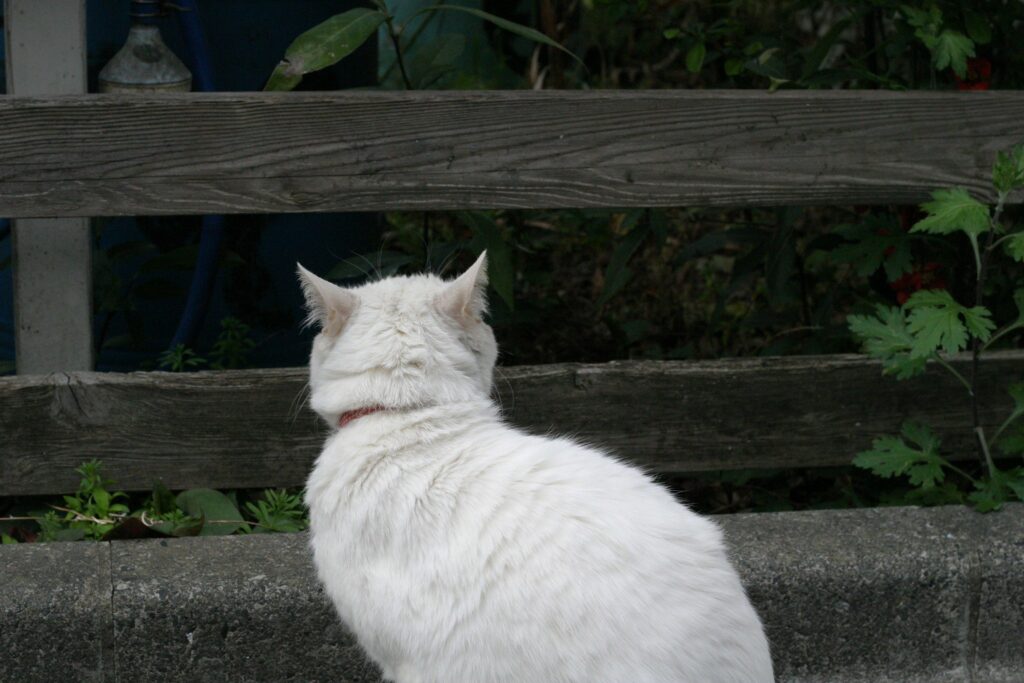
Yanaka is known for its cat population, which has become part of the district’s identity. Cats can be found lounging on stone walls, temple steps, and shopfronts. Many local shops sell cat‑themed goods, reflecting the animals’ cultural significance in the neighborhood.
5.3 Community & Local Life
Yanaka’s residents maintain a strong sense of community. Local festivals, neighborhood events, and seasonal markets bring people together. The district’s small scale fosters familiarity, and visitors often notice the warmth and friendliness of shopkeepers and residents.
Book Yanaka cultural experiences (Viator) → #
Backup: Klook → #
Related: Tokyo Cultural Guide → #
6.1 How to Get Around
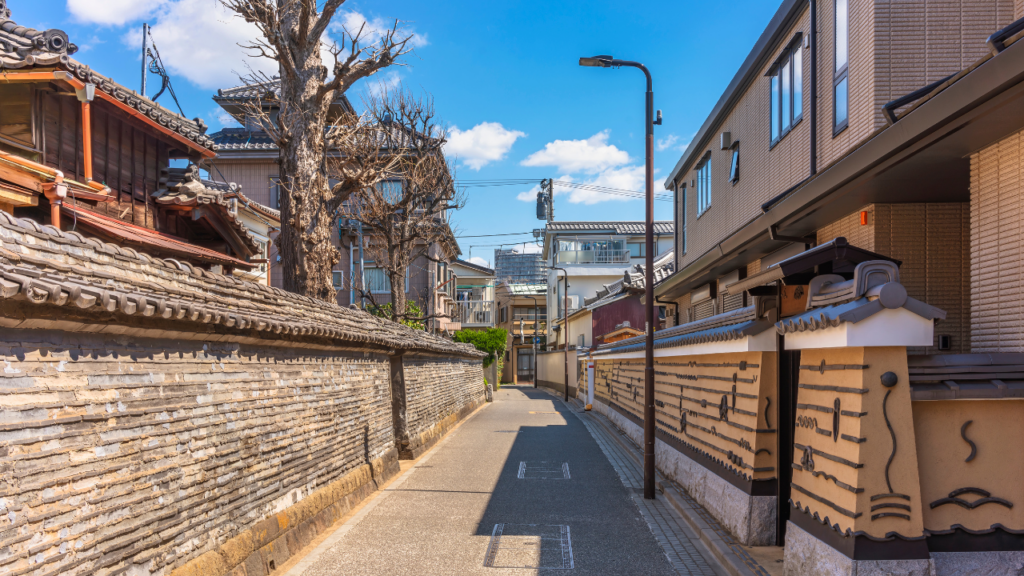
Yanaka is best explored on foot. The district’s narrow lanes, temple paths, and residential streets are designed for walking, and the compact layout makes navigation easy. The area is served by Nippori, Sendagi, and Nezu Stations, all within walking distance of major attractions.
6.2 Suggested Walking Route
A recommended walking route begins at Nippori Station, continues through Yanaka Cemetery, passes Tennoji Temple, explores Yanaka Ginza, and ends at Nezu Shrine. This route covers the district’s major attractions and offers a balanced introduction to its cultural and historical landscape.
6.3 Accessibility
Yanaka’s narrow lanes and uneven surfaces can be challenging for travelers with mobility needs, but major areas like Yanaka Ginza and Nezu Shrine are accessible. The cemetery paths are wide and flat, making them suitable for most visitors.
Book Yanaka walking tours (Viator) → #
Backup: Klook → #
Related: Tokyo Transportation Guide → #
7. Where to Stay in Yanaka
7.1 Why Stay in Yanaka?
Yanaka offers a calm, atmospheric base for travelers who want to experience a slower side of Tokyo. The district’s proximity to Ueno, Asakusa, and central Tokyo makes it convenient, while its quiet streets provide a peaceful retreat after a day of sightseeing.
7.2 Best Areas to Stay
The best areas include the streets around Yanaka Ginza, the residential lanes near Sendagi Station, and the area between Nezu Shrine and Ueno Park. These locations offer easy access to attractions while maintaining the district’s calm atmosphere.
7.3 Accommodation Types
Yanaka offers boutique inns, renovated machiya‑style guesthouses, small hotels, and traditional lodgings. Many accommodations emphasize design, craftsmanship, and a sense of place, reflecting the district’s cultural identity.
Find Yanaka hotels on Booking.com → #
Related: Where to Stay in Tokyo → #
8. Practical Tips

8.1 Best Time to Visit
Yanaka is beautiful year‑round, but spring and autumn offer the most comfortable weather. Cherry blossom season is especially popular due to the blooms in Yanaka Cemetery and around Nezu Shrine.
8.2 Budget Considerations
Yanaka is more affordable than central Tokyo. Street snacks, cafés, and small eateries offer excellent value, and many attractions — including temples and the cemetery — are free to visit.
8.3 Etiquette & Local Culture
Yanaka is a residential district, so visitors should be mindful of noise and respect private property. Photography is welcome in most areas, but some temples and shops may have restrictions.
Book Yanaka essentials tour (Viator) → #
Backup: Klook → #
Related: Tokyo Travel Tips → #
Conclusion
Yanaka is one of Tokyo’s most atmospheric districts — a place where history, community, and everyday life blend seamlessly. Its wooden houses, temple paths, quiet lanes, and small shops create a sense of continuity that is increasingly rare in modern Tokyo. Whether you’re exploring Yanaka Ginza, wandering through the cemetery, visiting Nezu Shrine, or simply enjoying the district’s slow pace, Yanaka offers a meaningful and memorable experience.