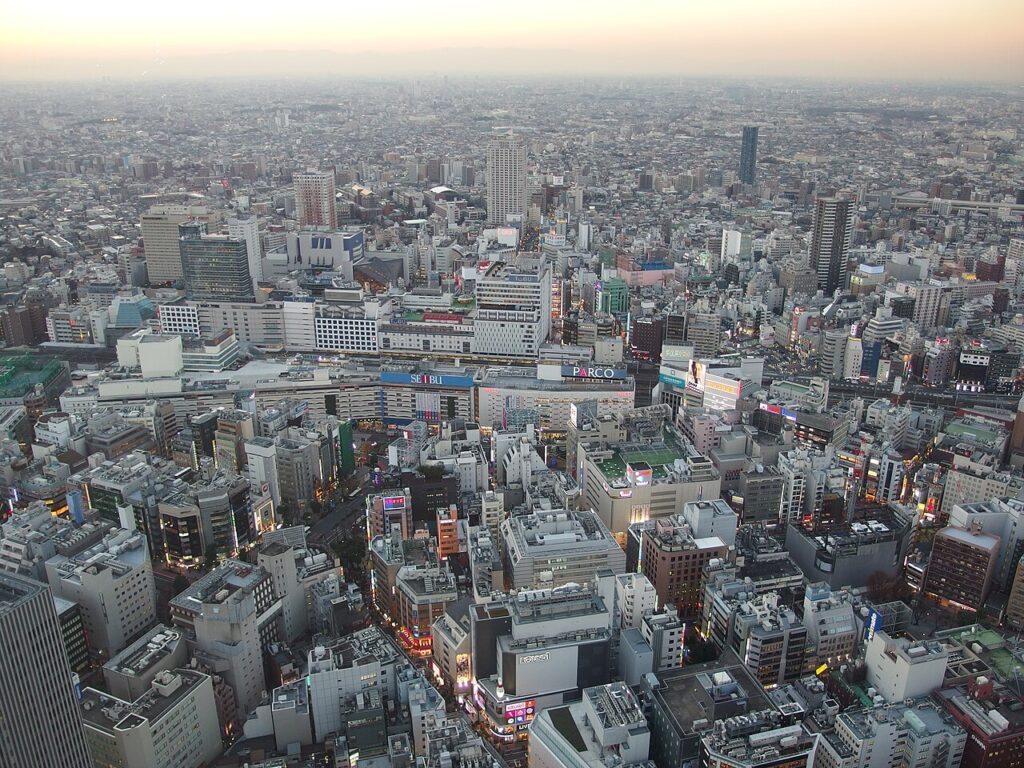
Tokyo is a city of striking contrasts — ancient temples beside futuristic skyscrapers, quiet gardens hidden behind neon-lit streets. For first-time visitors, the scale and pace can feel overwhelming.
But with a little preparation, navigating Tokyo becomes surprisingly simple. These essential Tokyo travel tips will help you move confidently through the city and make the most of your experience.
Spring and autumn are generally considered the most popular times to visit thanks to mild weather, cherry blossoms, and colorful fall foliage.
Plan your trip with this Tokyo itinerary (1–7 days)
For more ideas, explore: 15 Best Things To Do in Tokyo
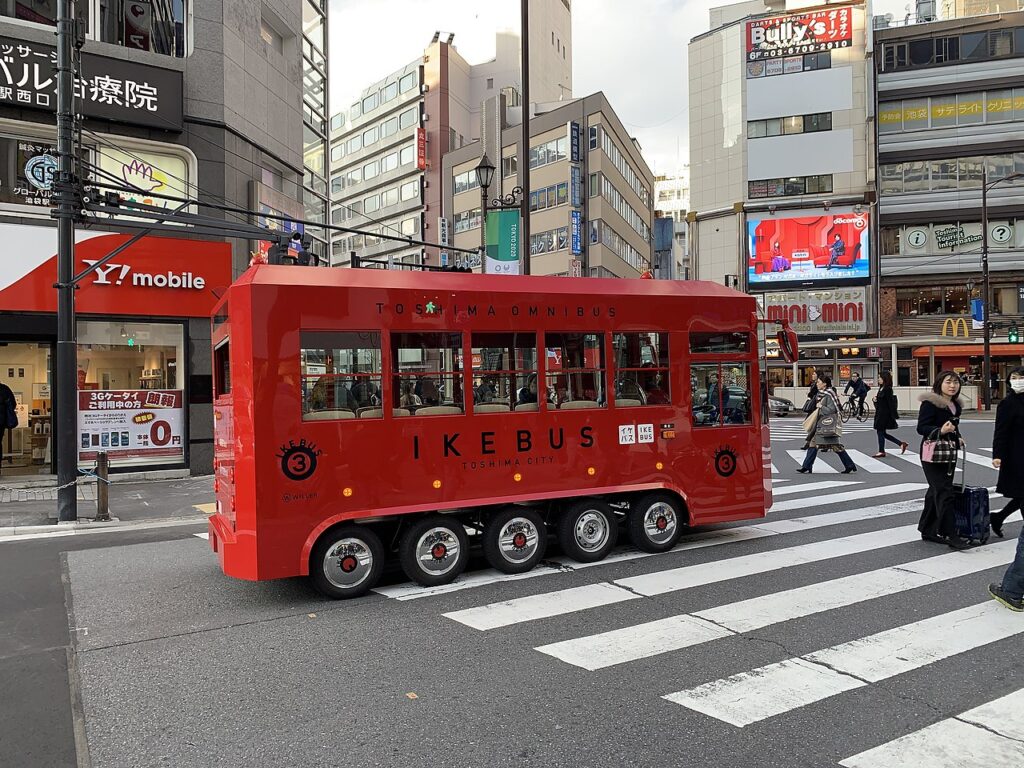
Tokyo’s public transportation system is one of the most efficient in the world. Understanding a few basics will make your trip smoother and more enjoyable.
Get a Suica or Pasmo Card
A Suica or Pasmo card is one of the most useful tools for getting around Tokyo. These rechargeable smart cards work on nearly all trains, subways, and buses. Just tap at the ticket gate to enter and exit — the fare is deducted automatically.
You can also use these cards at convenience stores, vending machines, lockers, and some restaurants.
Tourists can use both physical and compatible mobile versions of Suica and Pasmo cards. These cards simplify travel throughout Tokyo and reduce the need to purchase individual tickets.
Understand the Train System
The JR Yamanote Line is the most useful rail line for visitors. It forms a loop connecting major areas including Shinjuku, Shibuya, Ueno, Ikebukuro, and Tokyo Station.
The Tokyo Metro and Toei Subway systems cover destinations throughout the city. Rather than trying to memorize the entire network, focus on the route to your next destination. Navigation apps make finding the correct train remarkably simple.
Although Tokyo’s rail network appears complex at first glance, clear station signage and navigation apps make it surprisingly manageable for visitors.
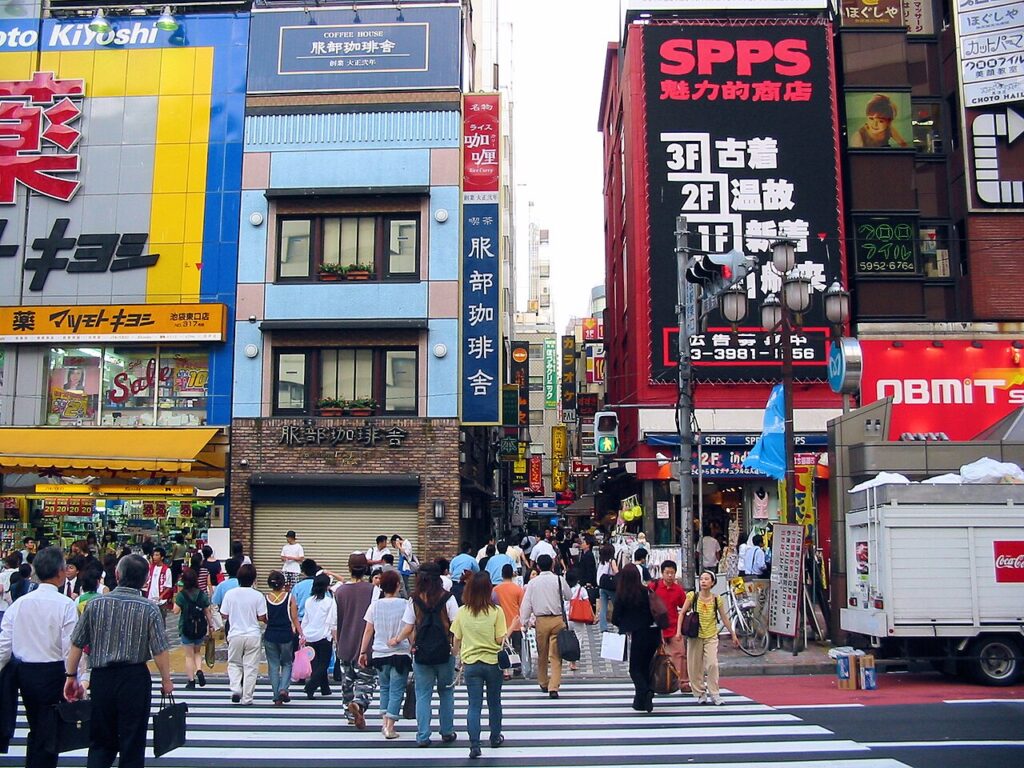
Embrace Walking
Even with excellent public transportation, you’ll walk a lot in Tokyo. Many of the city’s most fascinating districts — including Asakusa, Harajuku, Yanaka, and Shibuya — are best explored on foot.
Tokyo is also a highly walkable city. Exploring on foot allows visitors to discover local shops, cafés, shrines, and hidden side streets that are easy to miss when traveling solely by train.
Comfortable walking shoes are essential.
Check Last Train Times
Unlike some major cities, many Tokyo train and subway lines stop operating around midnight. Missing the final train can leave you with an expensive taxi ride back to your hotel.
If you plan to stay out late, especially in entertainment districts like Shinjuku or Shibuya, check return schedules in advance.
Essential Tokyo Travel Tips for Accommodation
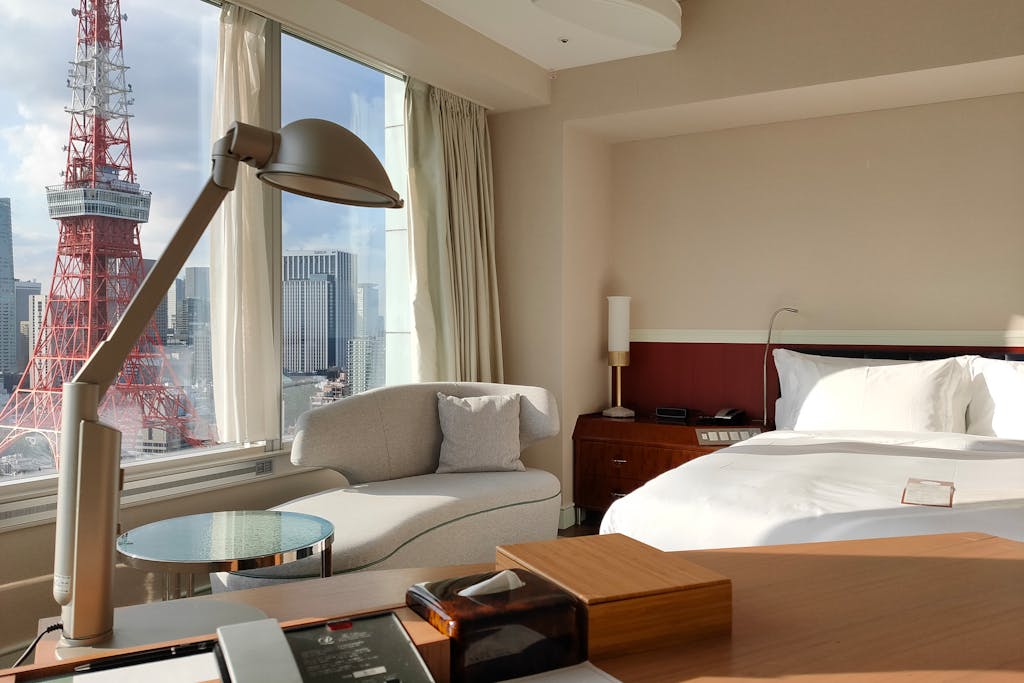
Where you stay can shape your entire Tokyo experience. Each neighborhood offers a different atmosphere and level of convenience.
Book in Advance
Tokyo remains busy throughout the year, especially during cherry blossom season in spring and autumn foliage season. Booking accommodations early generally provides better rates and a wider selection of hotels.
Consider Your Neighborhood
For first-time visitors, staying near a major station on or near the JR Yamanote Line provides convenient access to many of Tokyo’s most popular attractions.
- Shinjuku — energetic, central, perfect for day trips
- Shibuya — youthful, trendy, great for shopping
- Asakusa — traditional, atmospheric, budget‑friendly
- Ueno — museums, parks, and convenient rail access
- Tokyo Station Area — ideal for day trips and Shinkansen travel
- Ginza — upscale shopping, dining, and easy access to central Tokyo
Understand Room Sizes
Hotel rooms in Tokyo are often smaller than many travelers expect. This reflects the city’s density and efficient use of space.
While rooms may be compact, they are typically clean, comfortable, and thoughtfully designed to maximize functionality.
Managing Money and Connectivity

Tokyo blends advanced technology with long-standing traditions. A little preparation can make daily travel much easier.
Carry Some Cash
Credit cards, contactless payments, and mobile wallets are widely accepted throughout Tokyo. However, carrying some cash is still useful for smaller restaurants, local markets, temples, shrines, and certain independent businesses.
ATMs at 7-Eleven convenience stores are widely available and generally accept most international cards.
Stay Connected with an eSIM, SIM Card, or Pocket Wi-Fi
Reliable internet access makes navigating Tokyo much easier.
Travelers have several options:
- eSIMs for compatible smartphones
- Local prepaid SIM cards
- Pocket Wi-Fi devices for multiple connected devices
Pocket Wi-Fi remains popular for families and groups, while eSIMs are often the simplest solution for solo travelers.
Get and Stay Connected Anywhere In The World
Cultural Etiquette and Customs
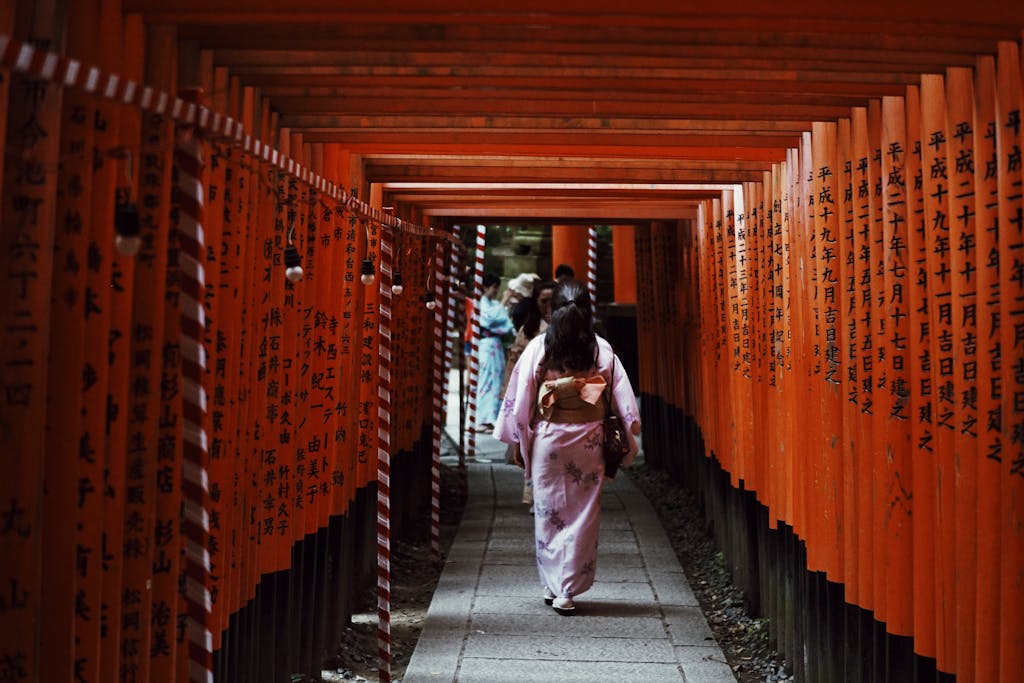
Japan places a strong emphasis on courtesy and consideration. Following a few basic customs helps visitors travel respectfully.
Be Mindful of Noise Levels
Public transportation and shared spaces are generally very quiet. Keep conversations at a reasonable volume and set your phone to silent mode when riding trains.
Respecting this quiet atmosphere is an important part of daily life in Tokyo.
Follow Temple and Shrine Etiquette
Many shrines and temples have a purification basin near the entrance. Visitors traditionally rinse their hands and mouth before approaching the main hall.
Observe posted signs, remain respectful, and always check photography rules before taking pictures.
Understand Escalator Etiquette
In Tokyo, people generally stand on the left side of escalators and leave the right side open for those who wish to walk.
Following local customs helps keep busy stations moving efficiently during peak hours.
Practical Everyday Tips
Small details can make a big difference during your trip.
Convenience Stores Are Your Best Friend
Convenience stores such as 7-Eleven, FamilyMart, and Lawson are found throughout Tokyo.
They offer surprisingly high-quality meals, snacks, drinks, ATM access, ticket services, and everyday necessities.
Tokyo Convenience Stores Guide
Be Prepared for Limited Public Trash Cans
One surprise for many visitors is the limited number of public trash cans.
After security measures were introduced years ago, many public bins were removed. It is common to carry a small bag for your trash until you find a disposal location at a station, convenience store, or attraction.
Remember Basic Dining Manners
Before eating, it is customary to say itadakimasu (“I gratefully receive”).
Slurping noodles is perfectly acceptable and is often viewed as a sign of enjoyment.
Avoid sticking chopsticks upright into a bowl of rice, as this resembles a ritual associated with funerals.
Being aware of these simple customs demonstrates respect and helps create a more comfortable dining experience.
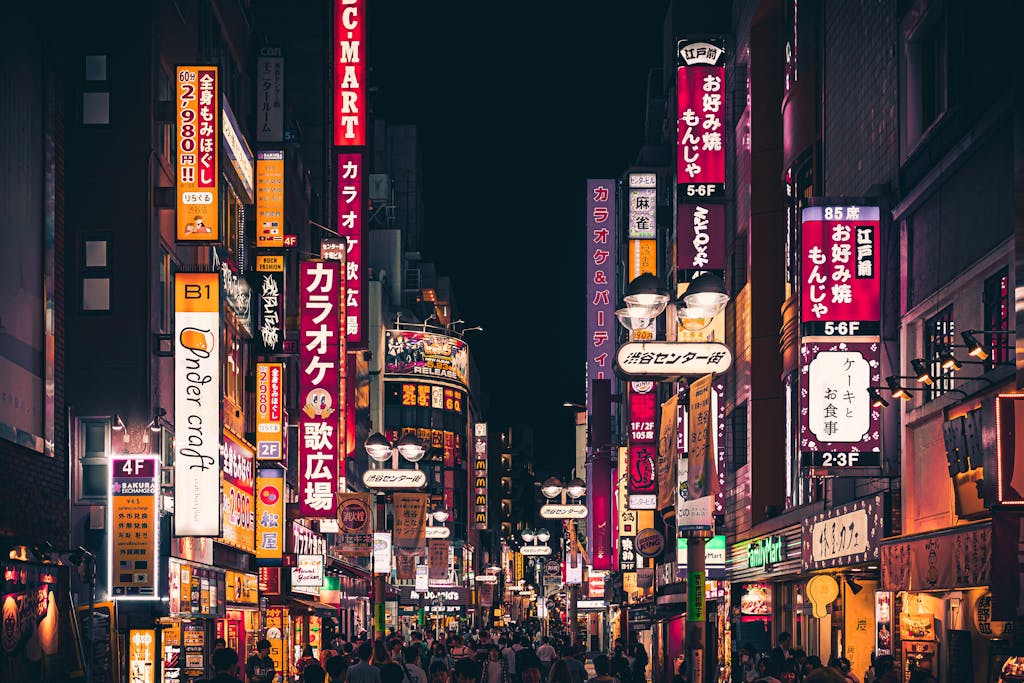
A trip to Tokyo is an immersion into a culture that balances tradition and innovation. While the city’s size may seem intimidating at first, it is remarkably organized, safe, and welcoming.
Understanding transportation, local customs, and everyday practicalities will help you travel with confidence and focus on the experiences that make Tokyo one of the world’s most fascinating destinations.
Now that you understand Tokyo’s transportation, neighborhoods, etiquette, and travel essentials, use this Tokyo itinerary (1–7 days) to build the perfect Tokyo trip for your schedule.
FAQ
Is Tokyo expensive to visit?
Tokyo can be as affordable or as luxurious as you make it. Convenience stores, ramen shops, casual restaurants, and business hotels offer excellent value for budget-conscious travelers.
Do people in Tokyo speak English?
English proficiency varies, but major stations, airports, and popular tourist areas often provide English signage. A translation app can be helpful for everyday interactions.
What is the best time of year to visit Tokyo?
Spring and autumn are generally considered the best seasons due to comfortable weather, cherry blossoms, and fall foliage.
Should I tip in Tokyo?
No. Tipping is not customary in Japan and may even cause confusion. Good service is generally included as part of the experience.
Is Tokyo safe for travelers?
Tokyo is widely regarded as one of the safest major cities in the world. Basic travel awareness is still recommended, but most visitors find the city exceptionally safe and welcoming.