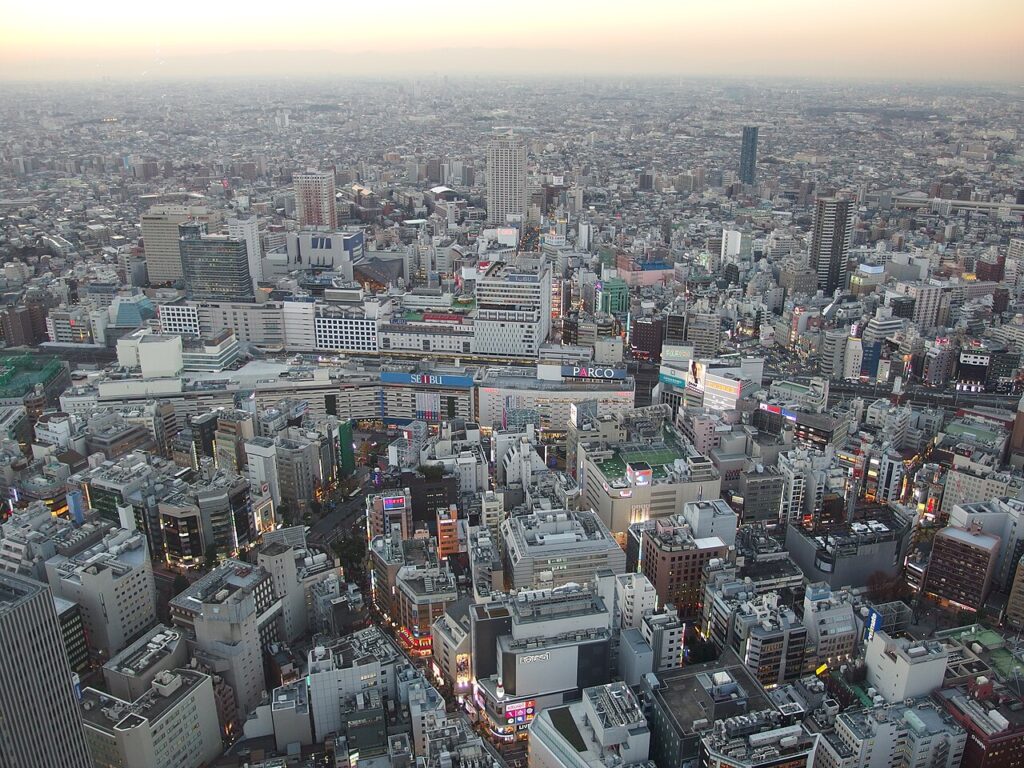
Ikebukuro is one of Tokyo’s most important northern hubs — a district defined by massive train lines, department stores, entertainment complexes, and a surprising amount of greenery tucked between skyscrapers.
It is a place where commuters, students, families, and subculture fans all converge, creating a district that feels lived‑in, practical, and deeply connected to everyday Tokyo life.
Unlike Shinjuku’s vertical chaos or Shibuya’s youth‑driven spectacle, Ikebukuro blends commercial density with pockets of calm, offering a balanced urban experience that appeals to travelers seeking both convenience and authenticity.
Ikebukuro’s identity is built on four pillars: transportation, shopping megastructures, family‑friendly entertainment, and green spaces.
This combination makes it one of Tokyo’s most versatile districts — a place where you can spend an entire day indoors, outdoors, or somewhere in between.
Plan your trip with this Tokyo itinerary (1–7 days)
For more ideas, explore: 15 Best Things To Do in Tokyo
1. District Structure
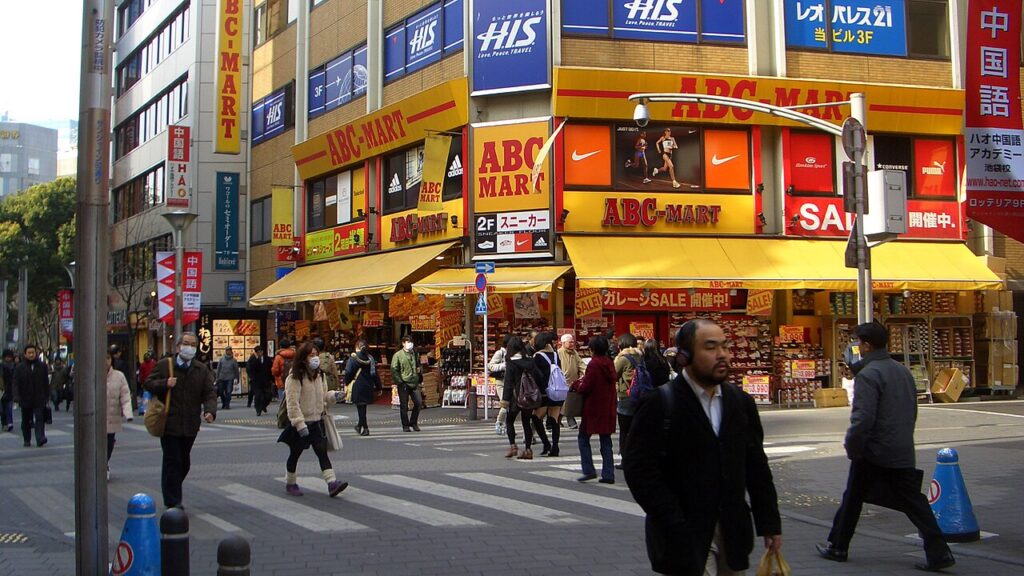
Ikebukuro is centered around Ikebukuro Station, one of the busiest train stations in the world. The district radiates outward in two major directions — East Ikebukuro and West Ikebukuro — each with its own atmosphere, commercial focus, and rhythm.
The station itself is a labyrinth of interconnected department stores, underground malls, and passageways, making it both a transit point and a shopping destination.
Public Transit in Tokyo How to Navigate
1.1 East Ikebukuro (Sunshine City Side)
East Ikebukuro is the district’s entertainment and lifestyle core. The streets leading from the East Exit toward Sunshine City are lined with cafés, bookstores, fashion boutiques, and character shops.
The area feels youthful but not chaotic, with a steady flow of students, families, and office workers moving between the station and the Sunshine City complex.
The architecture here is a mix of mid‑rise commercial buildings and modern developments, with wide sidewalks and clear signage that make navigation straightforward.
Despite the density, the area feels open and accessible, especially as you approach Minami‑Ikebukuro Park, which acts as a green anchor for the neighborhood.
1.2 West Ikebukuro (Department Store & Business Side)
The west side of Ikebukuro is more structured and business‑oriented. It is dominated by large department stores — Tobu, Lumine, and Marui — as well as office buildings, bookstores, and family restaurants.
The streets are wider, the signage more subdued, and the overall atmosphere more organized than the east side. This area is popular with commuters and families who come for shopping, dining, and everyday errands.
It feels less like a tourist zone and more like a functional part of Tokyo where people live and work.
1.3 Sunshine City Complex
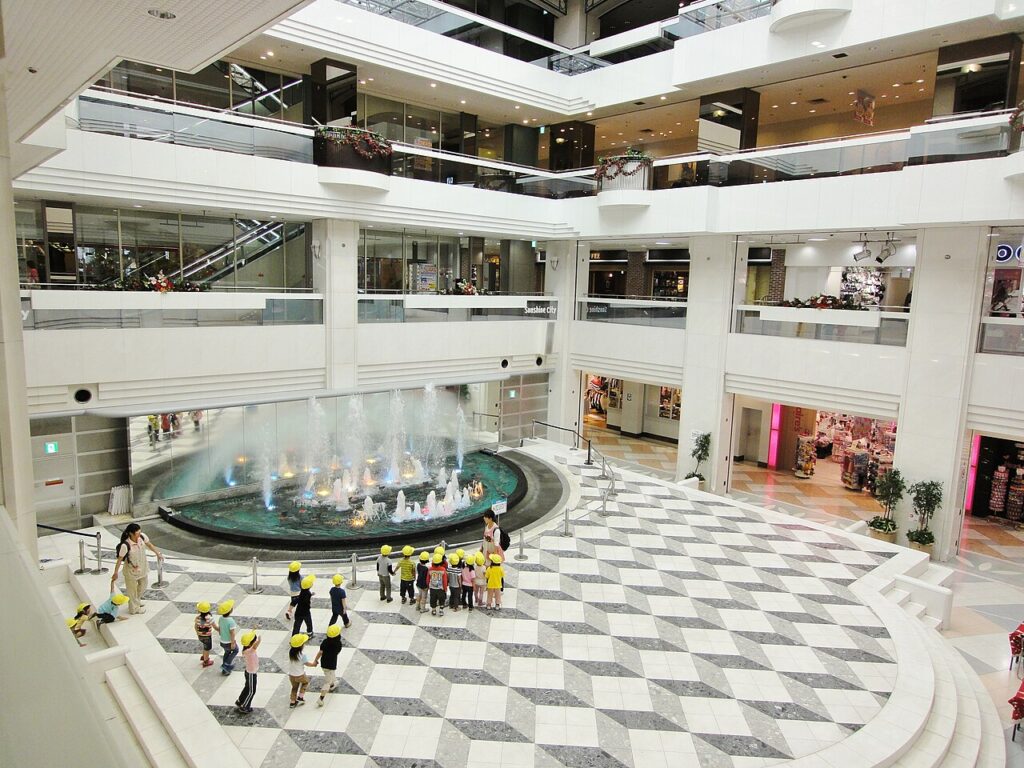
Sunshine City is a massive multi‑building complex that serves as Ikebukuro’s entertainment and commercial anchor. It includes the Sunshine 60 Observatory, Sunshine Aquarium, Namja Town, shopping malls, hotels, and event spaces.
The complex is designed to be a self‑contained urban environment, offering everything from family attractions to business facilities. Its scale and variety make it one of Tokyo’s most versatile indoor destinations.
1.4 Minami‑Ikebukuro Park
Minami‑Ikebukuro Park is one of the district’s most important green spaces. Recently renovated, it features a large central lawn, outdoor seating, a modern café, and shaded areas for relaxation.
The park provides a peaceful contrast to the surrounding commercial density and is popular with students, families, and remote workers. It is one of the best places in Ikebukuro to take a break, enjoy a coffee, or simply observe daily life.
1.5 Ikebukuro’s Residential Backstreets
Beyond the major commercial zones, Ikebukuro contains a network of quieter backstreets filled with local cafés, small restaurants, independent shops, and residential buildings.
These areas reveal a more intimate, neighborhood‑like side of Ikebukuro. The contrast between the station’s intensity and the calm of these streets is one of the district’s defining characteristics.
2. Major Attractions
2.1 Sunshine 60 Observatory (Sky Circus)
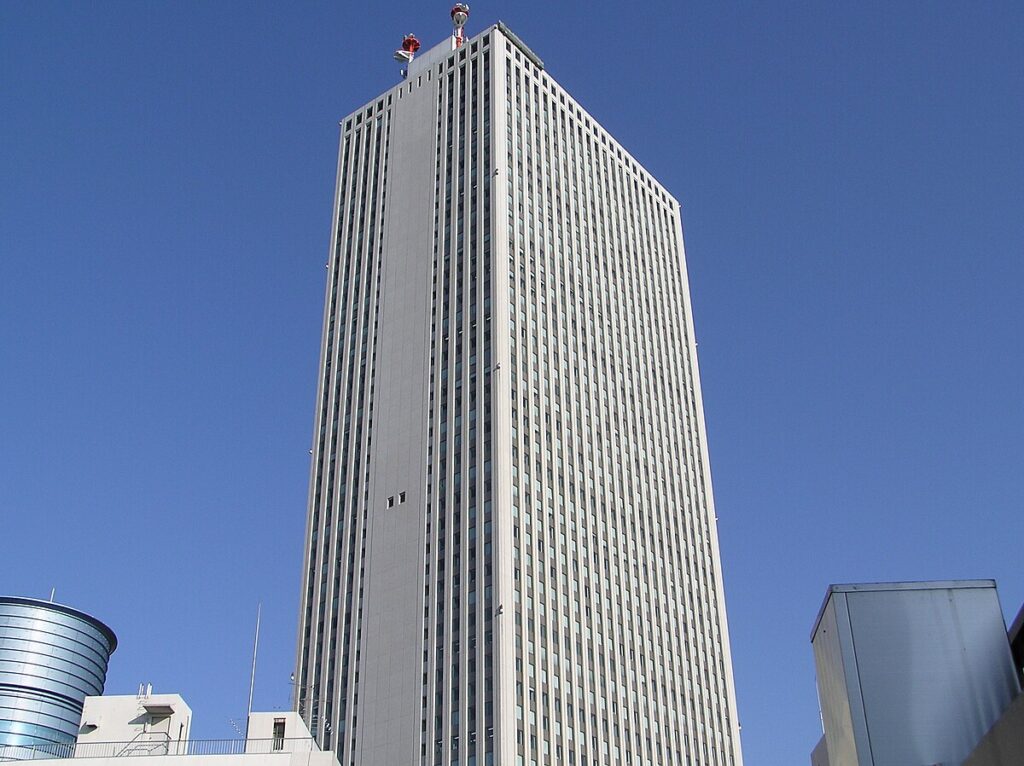
The Sunshine 60 Observatory offers panoramic views of Tokyo from one of the city’s earliest skyscrapers. The observatory features 360‑degree views, interactive exhibits, VR experiences, and seasonal events.
The atmosphere is calm and spacious, making it a pleasant alternative to more crowded observation decks like Shibuya Sky or Tokyo Skytree.
Because Sunshine City is a multi‑purpose complex, the observatory naturally fits into a full day of shopping, dining, and entertainment.
2.2 Sunshine Aquarium
Located on the rooftop of Sunshine City, Sunshine Aquarium is one of Tokyo’s most unique aquariums. It features an outdoor sky pool for sea lions, jellyfish displays, tropical fish exhibits, and family‑friendly attractions.
The rooftop setting creates a distinctive blend of nature and urban design, offering a refreshing break from the district’s commercial intensity.
2.3 Namja Town
Namja Town is an indoor theme park offering retro‑themed streets, regional dumpling stalls, dessert alleys, and seasonal events.
The park’s design blends nostalgia with playful creativity, making it a popular destination for families and couples. Because it is located inside Sunshine City, it is easy to combine with other attractions.
2.4 Pokémon Center Mega Tokyo
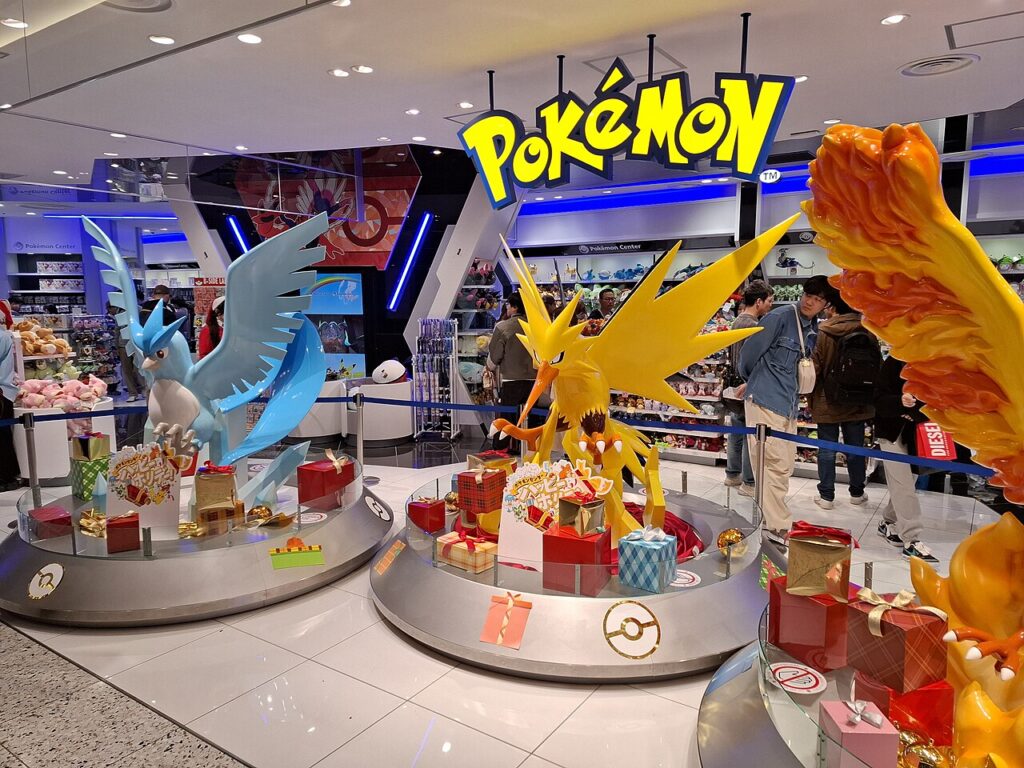
Located inside Sunshine City, this is one of Japan’s largest Pokémon Centers. It includes exclusive merchandise, game stations, themed displays, and event spaces. The store attracts fans of all ages and is one of the district’s busiest attractions.
2.5 Ikebukuro Life Safety Learning Center
This free facility offers earthquake simulations, fire safety training, and emergency preparedness exhibits.
It provides insight into Japan’s disaster‑preparedness culture and offers a unique educational experience that contrasts with the district’s entertainment‑heavy attractions.
Related Experience: Ikebukuro Culture & Local Life Tour
3. Shopping in Ikebukuro
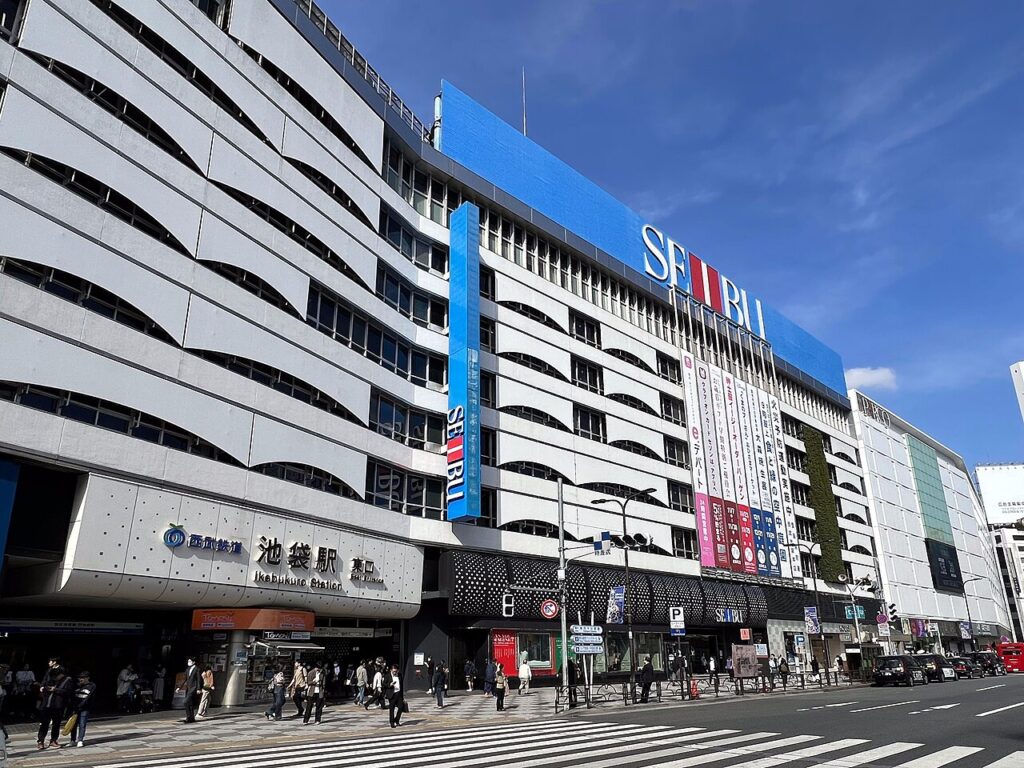
3.1 Seibu Department Store
Seibu Ikebukuro is one of Tokyo’s largest and most comprehensive department stores, functioning as a full ecosystem rather than a simple retail building.
The store spans multiple floors, each dedicated to a specific lifestyle category, and the layout is designed to encourage slow browsing rather than quick transactions.
Fashion floors include both international brands and Japanese designers, while the home and lifestyle sections offer everything from premium kitchenware to stationery and interior goods.
The basement food hall is one of the most impressive in Tokyo, with rows of confectioners, bento counters, bakeries, and specialty shops that showcase the depth of Japanese food culture.
Seibu is not just a place to shop — it’s a place to understand how Tokyoites live, eat, and spend their daily lives.
3.2 Tobu Department Store
Tobu is Seibu’s counterpart on the west side of the station, and together they form one of the largest department store complexes in the country. Tobu’s layout is more structured and traditional, with clear divisions between fashion, home goods, and dining.
The upper floors house a wide range of restaurants, making it a popular lunch destination for office workers and families.
The store’s selection of Japanese brands is particularly strong, offering travelers a chance to explore local fashion labels, craft goods, and specialty items that are harder to find in other districts.
Tobu’s scale and variety make it a reliable stop for practical shopping as well as browsing.
3.3 Sunshine City Shopping Mall
Sunshine City’s shopping mall is designed as a multi‑purpose retail environment that caters to families, tourists, and casual shoppers.
The mall includes fashion boutiques, character shops, lifestyle stores, and dessert cafés, all arranged around wide corridors and open atriums that make the space feel airy despite its size.
The mall’s strength lies in its variety — you can find everything from affordable fashion to niche hobby shops, making it a convenient one‑stop destination.
Because Sunshine City is also home to major attractions like the aquarium and observatory, the mall naturally becomes part of the visitor flow, creating a lively but manageable atmosphere.
3.4 Parco & P’Parco
Parco is Ikebukuro’s trend‑driven shopping complex, offering a curated mix of fashion, art, and lifestyle brands that appeal to younger shoppers and design‑conscious visitors.
The building includes galleries, pop‑up spaces, and concept stores that rotate seasonally, giving the mall a sense of constant renewal.
P’Parco, located nearby, focuses on anime, gaming, and pop culture, making it a key destination for fans seeking exclusive merchandise or themed experiences.
Together, Parco and P’Parco represent Ikebukuro’s modern, creative side — a contrast to the more traditional department stores connected to the station.
4. Dining in Ikebukuro
4.1 Ramen in Ikebukuro
Ikebukuro is one of Tokyo’s most competitive ramen districts, with shops that specialize in everything from rich tonkotsu broth to thick tsukemen dipping noodles.
The area around the station is packed with both famous chains and independent shops, each with its own loyal following.
Many restaurants operate late into the night, making ramen a natural part of the district’s rhythm. What sets Ikebukuro apart is the diversity of styles available within a short walk — visitors can try multiple regional variations without leaving the neighborhood.
For travelers who want to explore Japanese ramen culture in depth, Ikebukuro offers an accessible and concentrated introduction.
4.2 Sunshine City Dining
Dining inside Sunshine City is designed to accommodate a wide range of visitors, from families with young children to couples looking for a casual meal.
The complex includes international restaurants, Japanese comfort food, dessert cafés, and themed eateries tied to the attractions inside the building.
Because Sunshine City is a self‑contained environment, the dining options are intentionally varied and easy to navigate, with clear signage and menus available in multiple languages.
This makes it one of the most convenient places in Ikebukuro to eat, especially for travelers who want a straightforward dining experience without navigating busy streets.
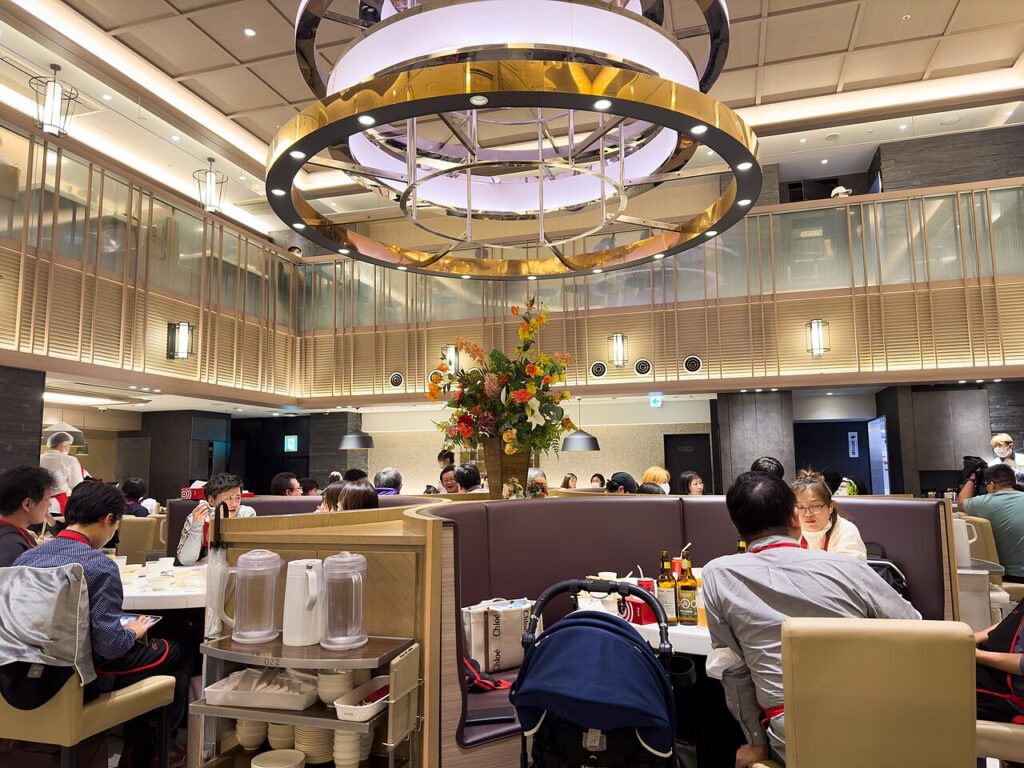
Related Experience: Chinese Supermarket and Local Gourmet Tour
4.3 Café Culture
Ikebukuro’s café scene reflects the district’s mix of students, office workers, and creative communities. Large study‑friendly cafés sit alongside small independent coffee shops, each offering a different atmosphere.
Some cafés are designed for long stays, with ample seating and power outlets, while others focus on specialty coffee or elaborate desserts.
The area around Minami‑Ikebukuro Park has become a hub for modern cafés that blend indoor and outdoor seating, creating a relaxed environment that contrasts with the district’s commercial intensity.
These cafés play an important role in Ikebukuro’s daily life, serving as meeting spots, study spaces, and quiet retreats.
4.4 Izakayas & Casual Dining
Ikebukuro’s casual dining scene is shaped by its role as a commuter hub. The streets around the station are filled with izakayas, yakitori shops, and small restaurants that cater to office workers and students looking for affordable meals.
These venues offer a glimpse into everyday Tokyo dining culture, with menus that emphasize comfort food, shared dishes, and seasonal ingredients.
Many restaurants stay open late, making Ikebukuro a reliable district for evening meals and casual drinks. The atmosphere is lively but approachable, offering travelers an authentic experience without the intensity of nightlife districts like Shinjuku.
5. Entertainment & Everyday Culture
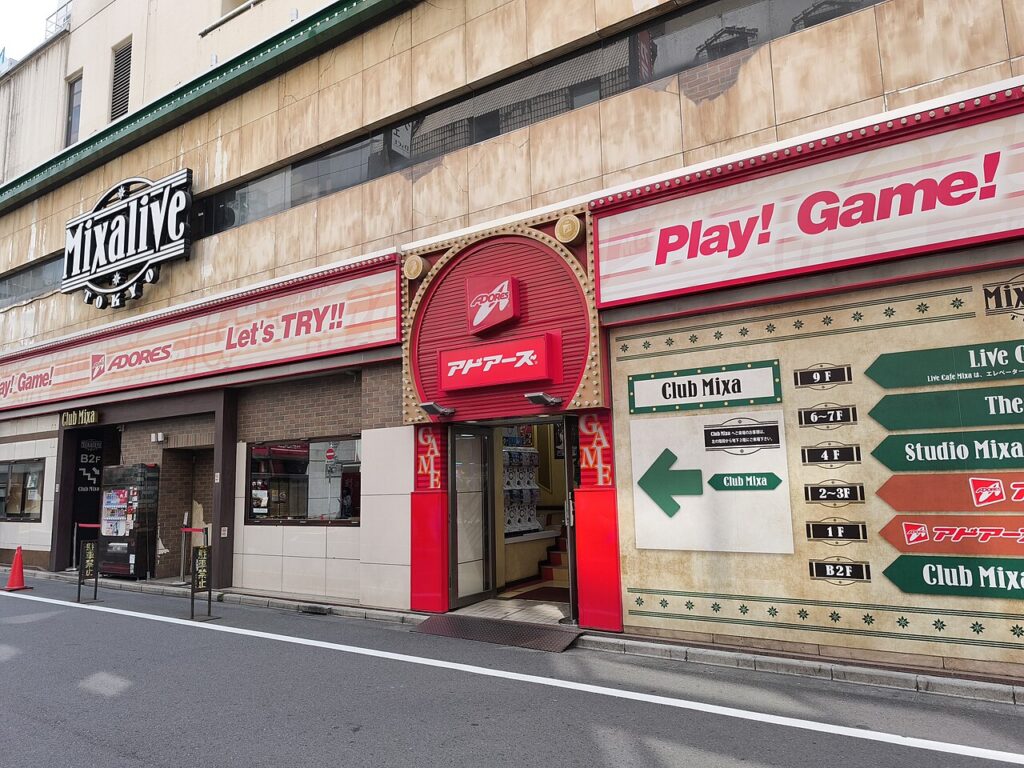
5.1 Game Centers & Arcades
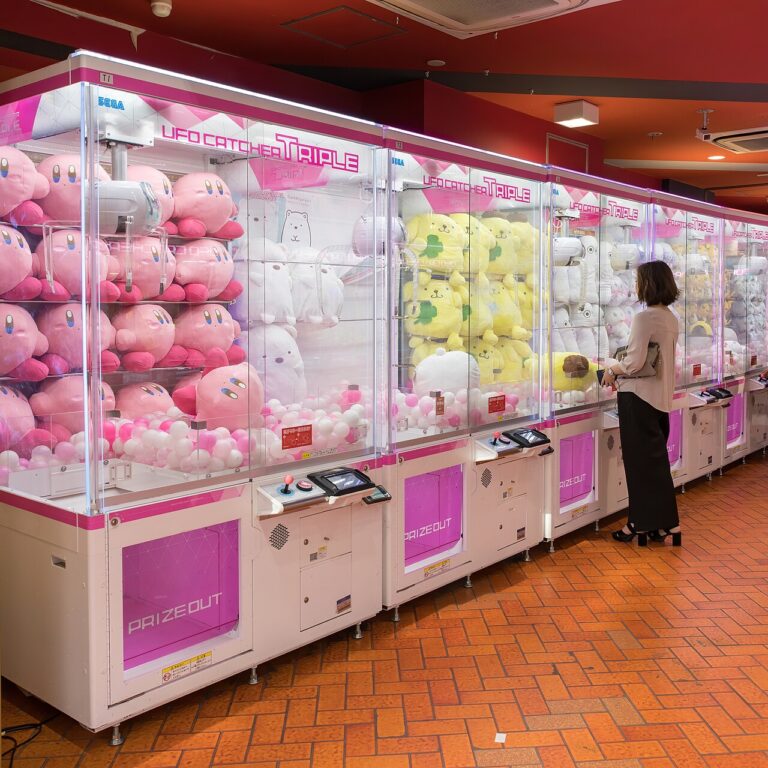
Ikebukuro’s arcades are more than entertainment venues — they are cultural spaces where rhythm games, crane machines, and competitive gaming coexist. SEGA and Taito Station operate multi‑floor arcades that attract both casual players and dedicated fans.
The rhythm game floors are particularly popular, with players practicing complex routines that draw small crowds. These arcades contribute to Ikebukuro’s youthful energy and serve as social hubs for students and hobbyists.
Related Experience: Ikebukuro Anime & Game Culture Tour →
5.2 VR & Indoor Entertainment
Ikebukuro offers a variety of indoor entertainment options, including VR centers, escape rooms, karaoke complexes, and indoor theme parks. These venues provide year‑round entertainment and are especially popular during rainy or hot weather.
The district’s emphasis on indoor attractions reflects its role as a practical, all‑weather destination for families and groups.
5.3 Minami‑Ikebukuro Park Culture
Minami‑Ikebukuro Park has become a central gathering place for the community. The park’s open lawn, modern café, and shaded seating areas create a relaxed environment that contrasts with the surrounding commercial density.
Students study outdoors, families enjoy picnics, and remote workers use the café as an outdoor office. The park hosts seasonal events and markets, adding to its role as a cultural hub.
5.4 Local Streets & Everyday Life
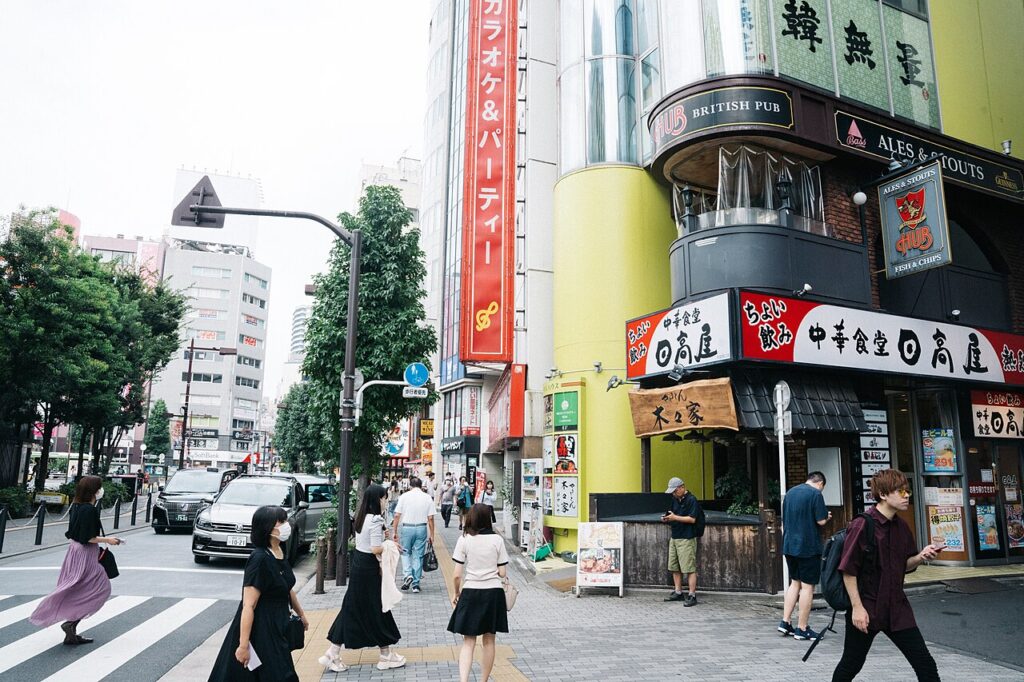
Ikebukuro’s backstreets reveal a quieter, more intimate side of the district. These streets are lined with independent cafés, small restaurants, vintage shops, and residential buildings.
The atmosphere is calm and welcoming, offering a glimpse into everyday Tokyo life. These areas are ideal for travelers who want to explore beyond the major attractions and experience the district’s local character.
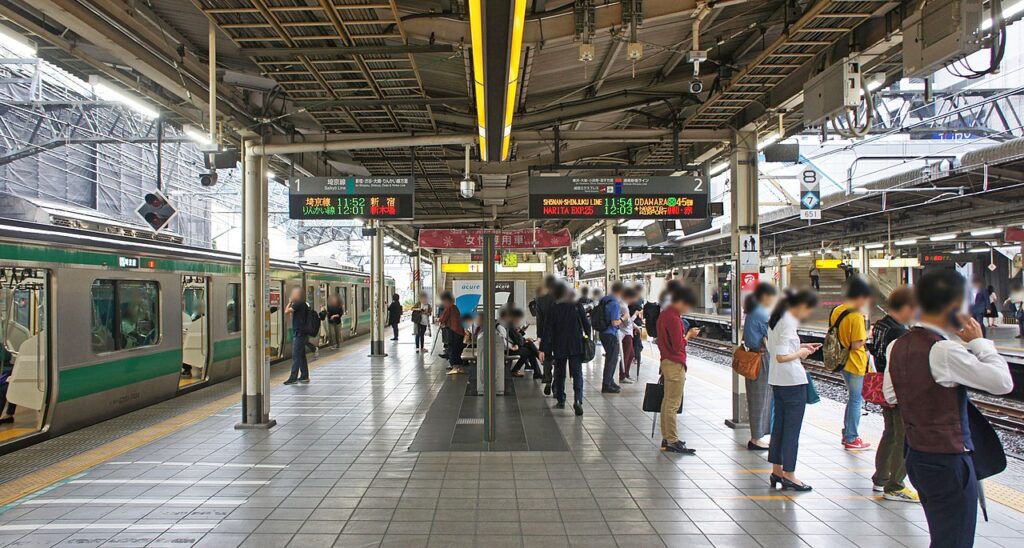
6.1 Ikebukuro Station
Ikebukuro Station is served by the JR Yamanote Line, JR Saikyo Line, JR Shonan‑Shinjuku Line, Tokyo Metro Marunouchi Line, Tokyo Metro Yurakucho Line, Tokyo Metro Fukutoshin Line, Tobu Tojo Line, and Seibu Ikebukuro Line.
This makes Ikebukuro a major transit hub for northern Tokyo and Saitama. The station’s layout can be complex, but clear signage and multiple exits make navigation manageable.
6.2 Walking Routes
A simple walking route for first‑time visitors begins at the East Exit, continues to Sunshine City, explores Otome Road, visits Minami‑Ikebukuro Park, and returns to the West Exit to explore Tobu and Seibu.
The route covers the district’s major attractions and provides a balanced introduction to Ikebukuro’s commercial and cultural landscape.
6.3 Accessibility
Ikebukuro is highly accessible, with elevators, wide sidewalks, barrier‑free entrances, and clear signage. The district is easy to navigate for families and travelers with mobility needs.
7. Where to Stay in Ikebukuro
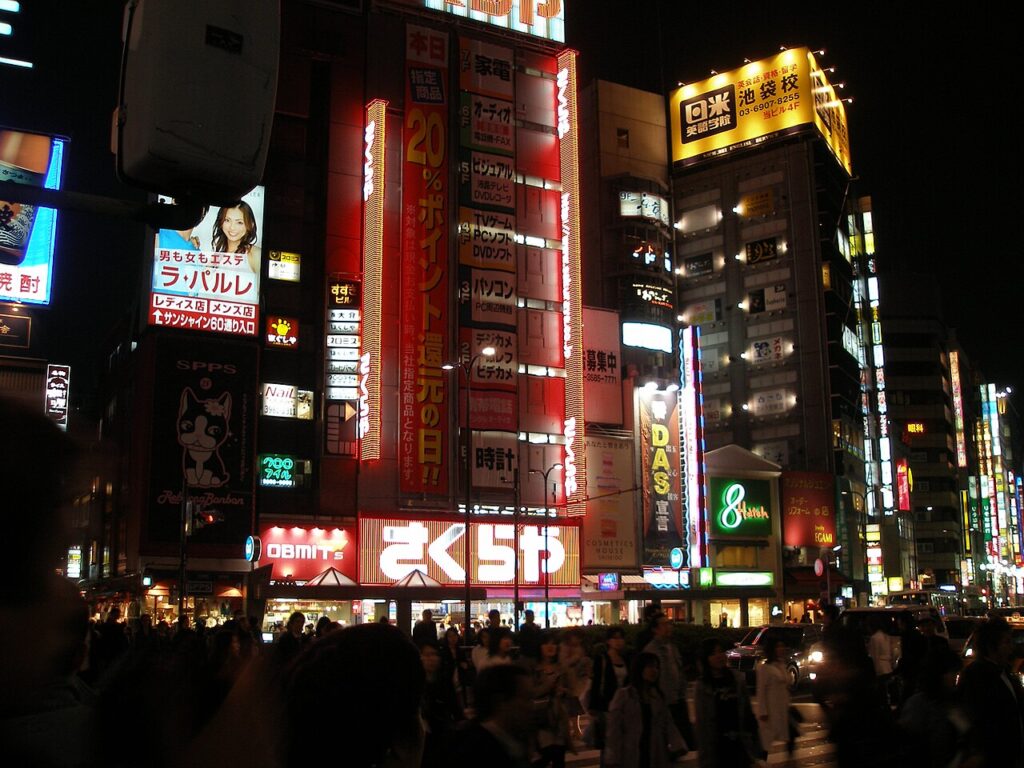
7.1 Why Stay in Ikebukuro?
Ikebukuro offers excellent transportation, affordable hotels, family‑friendly attractions, a balanced urban atmosphere, and a wide range of shopping and dining options. It is ideal for travelers who want a lively district without the intensity of Shinjuku.
7.2 Best Areas to Stay
The best areas include East Ikebukuro (close to Sunshine City), West Ikebukuro (near department stores and dining), and the station perimeter (most convenient for transit). Each area offers different advantages depending on your travel style.
7.3 Hotel Types
Ikebukuro offers business hotels, mid‑range hotels, family hotels, and capsule hotels. Prices are generally more affordable than Shinjuku or Shibuya, making Ikebukuro a practical choice for budget‑conscious travelers.
Find A Place To Stay in Ikebukuro
8. Practical Tips
Budget Considerations
Ikebukuro is one of Tokyo’s most affordable major districts. Ramen and casual dining are inexpensive, hotels offer good value, and shopping ranges from budget to mid‑range.
Ikebukuro is one of Tokyo’s most balanced districts — a place where commercial density, family‑friendly attractions, and quiet green spaces coexist in a way that feels authentic and lived‑in.
Start planning your trip with this Tokyo itinerary (1–7 days)