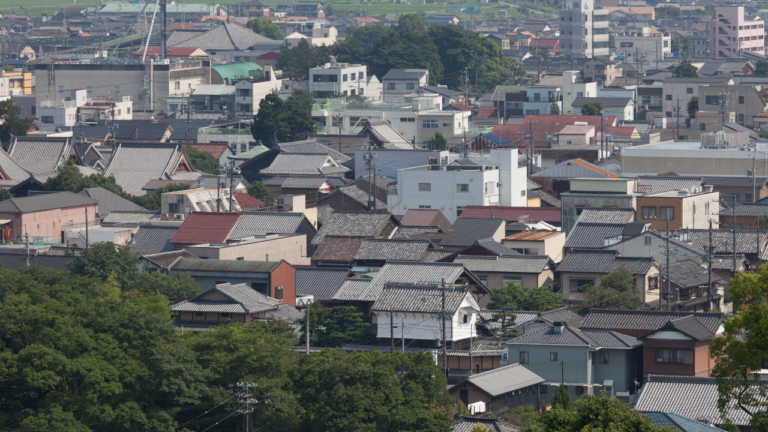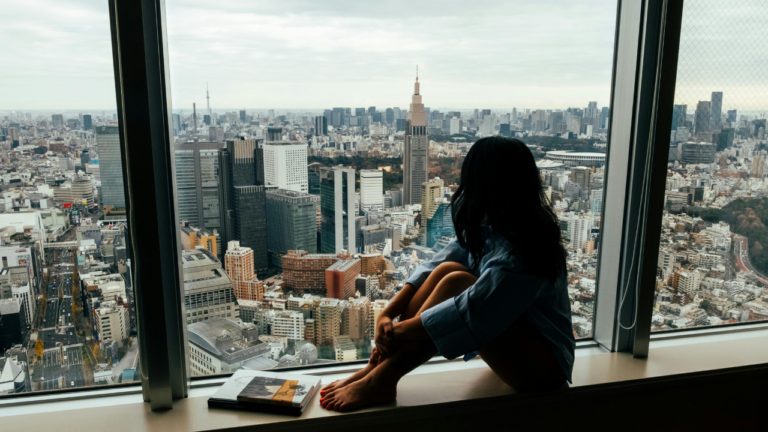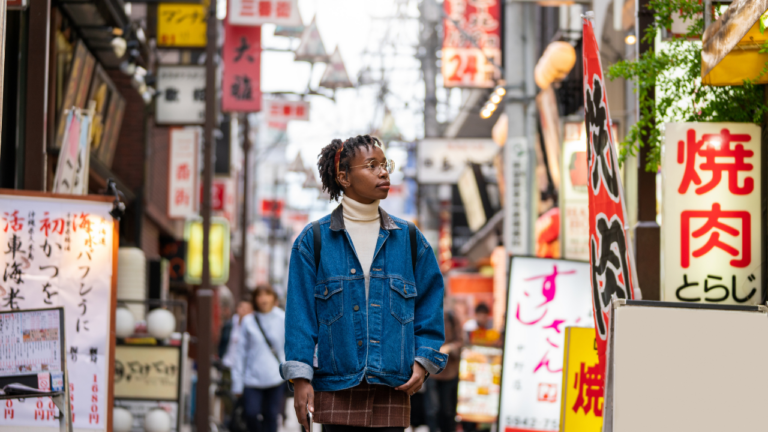
Tokyo is a city that engages every one of your senses. The scent of incense from a temple can mix with the aroma of grilled street food. The roar of a train can give way to the serene crunch of gravel in a garden.
To truly understand this city, you must do more than just see it. You must taste, hear, feel, and smell it.
This five-day guide offers a novel way to explore Tokyo. Each day is dedicated to a specific sense. This framework creates a rich tapestry of experiences.
You will go from culinary delights and urban soundscapes to stunning visuals and tactile crafts. This approach encourages you to be present in the moment. It helps you build a more profound connection to the city’s vibrant culture.
For this journey, carrying some cash is useful for smaller food stalls and craft shops. A portable Wi-Fi device will also be invaluable for navigating to these unique locations.
Plan your trip with this Tokyo itinerary (1–7 days)
For more ideas, explore: 15 Best Things To Do in Tokyo
5-Day Tokyo Itinerary Overview
| Day | Focus | Key Locations |
| 1 | Food & Markets | Tsukiji, Nihonbashi, Kappabashi, Shinjuku |
| 2 | Sound & Culture | Meiji Jingu, Akihabara, Shimokitazawa |
| 3 | Visual Experiences | Gotokuji Temple, teamLab Planets, Roppongi |
| 4 | Hands-On Tokyo | Yanaka, Asakusa, Sumida |
| 5 | Gardens & Atmosphere | Kiyosumi Gardens, Ginza, Ebisu |
Best Time for This Experience
This itinerary is fantastic in the spring (March-May) and autumn (October-November). The weather is mild and pleasant, which is perfect for days with extensive walking.
Spring offers the delicate scent of cherry blossoms in parks. Autumn provides the earthy smell of fallen leaves in gardens. These seasons enhance the sensory focus of the trip.
Who This Experience Is Best For
This guide is for the immersive traveler. It suits anyone who believes the soul of a city is found in its everyday details. If you enjoy hands-on workshops, culinary adventures, and exploring contrasting neighborhoods, this plan is for you.
See Where to Stay in Tokyo to choose the best area.
Day 1: The Sense of Taste
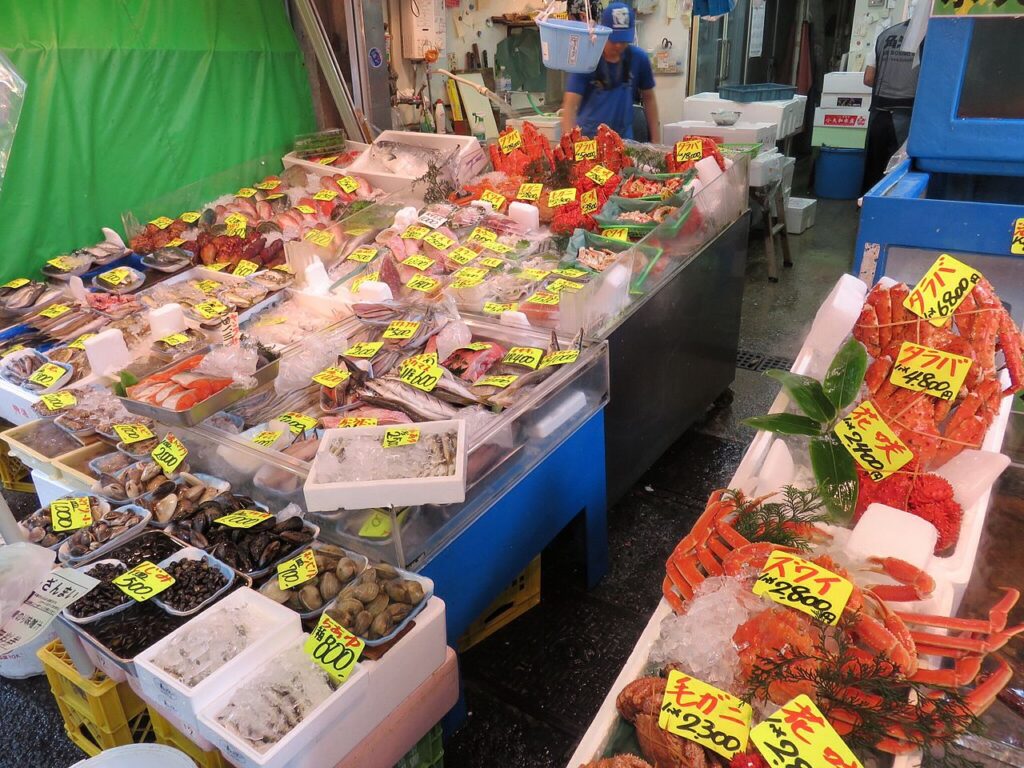
Your first day is a full immersion into Tokyo’s legendary food scene. This is a journey through the city’s culinary heart. Taste the freshness of the sea, the elegance of gourmet sweets, and the smoky flavor of street-side grills.
Day 1 is about understanding Tokyo through its incredible variety of flavors and the culture that surrounds them.
Morning at Tsukiji Outer Market
Highlights:
- Street food stalls
- Fresh seafood tastings
- Tamagoyaki vendors
Begin your day where Tokyo’s chefs once gathered. While the inner wholesale market has moved, the Tsukiji Outer Market remains a vibrant hub for food lovers.
The energy is palpable as vendors sell fresh produce, seafood, and kitchen tools. Start with breakfast from one of the many stalls. Try the tamagoyaki (sweet rolled omelet) from a famous shop like Marutake.
You can watch them make it fresh in rectangular pans. Or, sample a fresh oyster from Saito Suisan. It is a pure, simple taste of the ocean.
Lunch in Nihonbashi
Highlights:
- Department store food halls
- Bento and wagashi
- Gourmet food counters
Next, travel to the historic Nihonbashi district. Here you will explore a depachika, the dazzling food hall in the basement of a luxury department store.
Visit the historic Mitsukoshi or Takashimaya. The experience is a feast for the eyes and the palate. You will find an incredible variety of gourmet foods.
There are perfectly crafted bento boxes, delicate Japanese sweets (wagashi), and high-end fruits. It is a showcase of Japanese culinary artistry. Assembling your own lunch from different counters is a fun and delicious activity.
Afternoon in Kappabashi
Highlights:
- Kitchenware shops
- Japanese knives
- Food replica displays
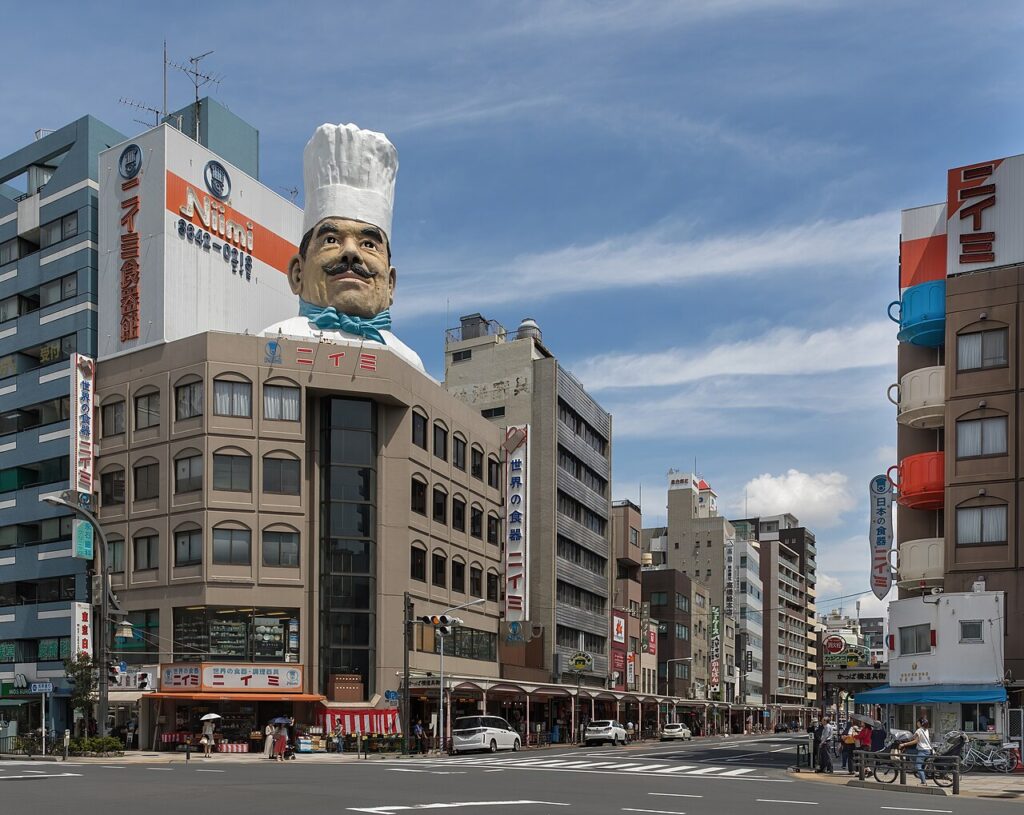
After lunch, walk down Kappabashi, also known as “Kitchen Town.” This is where Tokyo’s restaurant owners buy their supplies. The street is lined with shops selling everything from pottery to paper lanterns.
Find a store specializing in high-quality Japanese knives, like Kamata Hakensha. The craftsmanship is amazing to see. You cannot miss the shops selling hyper-realistic food models, or sampuru.
At a place like Ganso Shokuhin Sample-ya, you can even try a workshop to make your own wax tempura. It’s a quirky and uniquely Japanese experience.
Evening in Omoide Yokocho
Highlights:
- Yakitori alley dining
- Narrow local lanes
- Traditional street atmosphere
For dinner, travel to Shinjuku and find Omoide Yokocho. The name translates to “Memory Lane.” This narrow alley is packed with tiny yakitori stalls.
The air is thick with the scent of grilling meat and charcoal smoke. It is filled with the sound of chatter from after-work crowds. Squeeze into a small counter and order skewers of grilled chicken and vegetables.
This is a flavorful and atmospheric dining experience. It is the perfect, rustic end to your day of taste.
Join a guided Tokyo food tour to explore local specialties with expert insight.
Day 2: The Sense of Sound
Day two is dedicated to the contrasting soundscapes of Tokyo. You will experience the city’s incredible dynamic range. It moves from profound silence to a joyful cacophony in the space of a single train ride.
This is a day to close your eyes and listen. You will hear the sounds of nature, prayer, technology, and music. These sounds define the rhythm of life in the city.
Morning at Meiji Jingu & Yoyogi Park
Highlights:
- Forest shrine paths
- Ambient nature sounds
- Street performances nearby
Start your day with an experience of serene silence. Step through the giant torii gate at Meiji Jingu. The sounds of the bustling city immediately fade away.
They are replaced by the crunch of gravel under your feet on the wide path. The dense forest canopy muffles all outside noise.
Listen for the sound of birds and the rustle of leaves. Near the main hall, you might hear the soft sound of a priest’s prayer or the clinking of coins tossed as offerings.
Next, walk to the adjacent Yoyogi Park. Here, the silence gives way to the sounds of the city at play. You might hear the music of aspiring bands practicing their songs.
You could encounter the rhythmic clapping and shouts of dance crews rehearsing. It is a lively, creative soundscape that shows Tokyo’s vibrant youth culture.
Afternoon in Akihabara
Highlights:
- Arcade game sounds
- Electronics store jingles
- Neon street energy
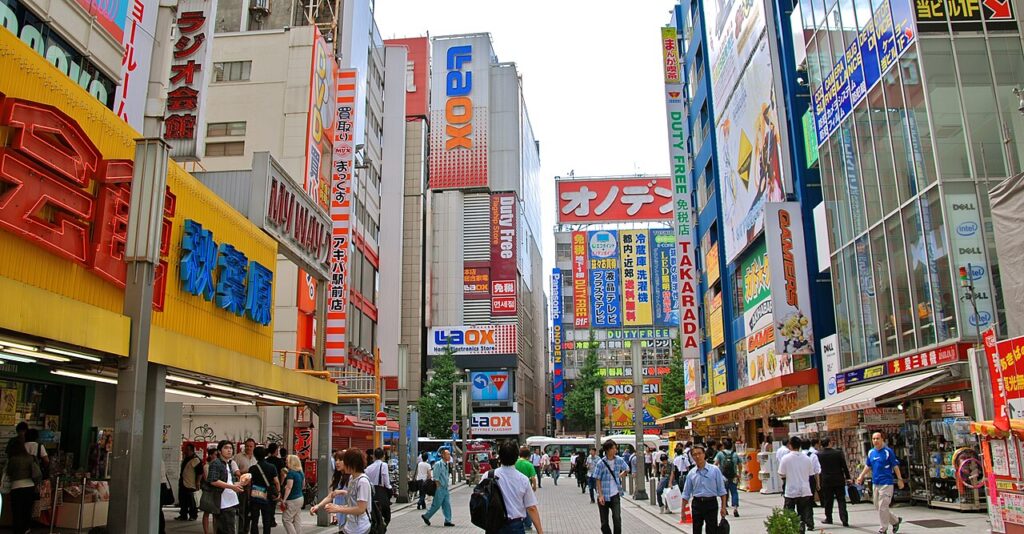
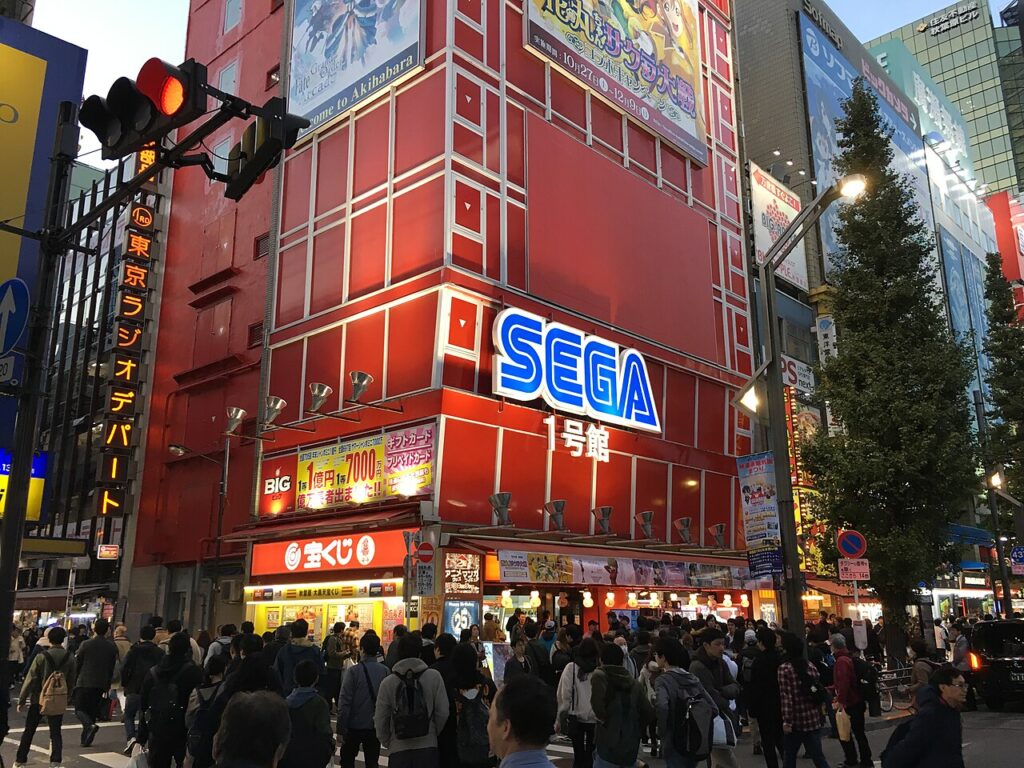
Prepare for a sensory overload as you travel to Akihabara, the “Electric Town.” The soundscape here is a complex symphony of technology and commerce.
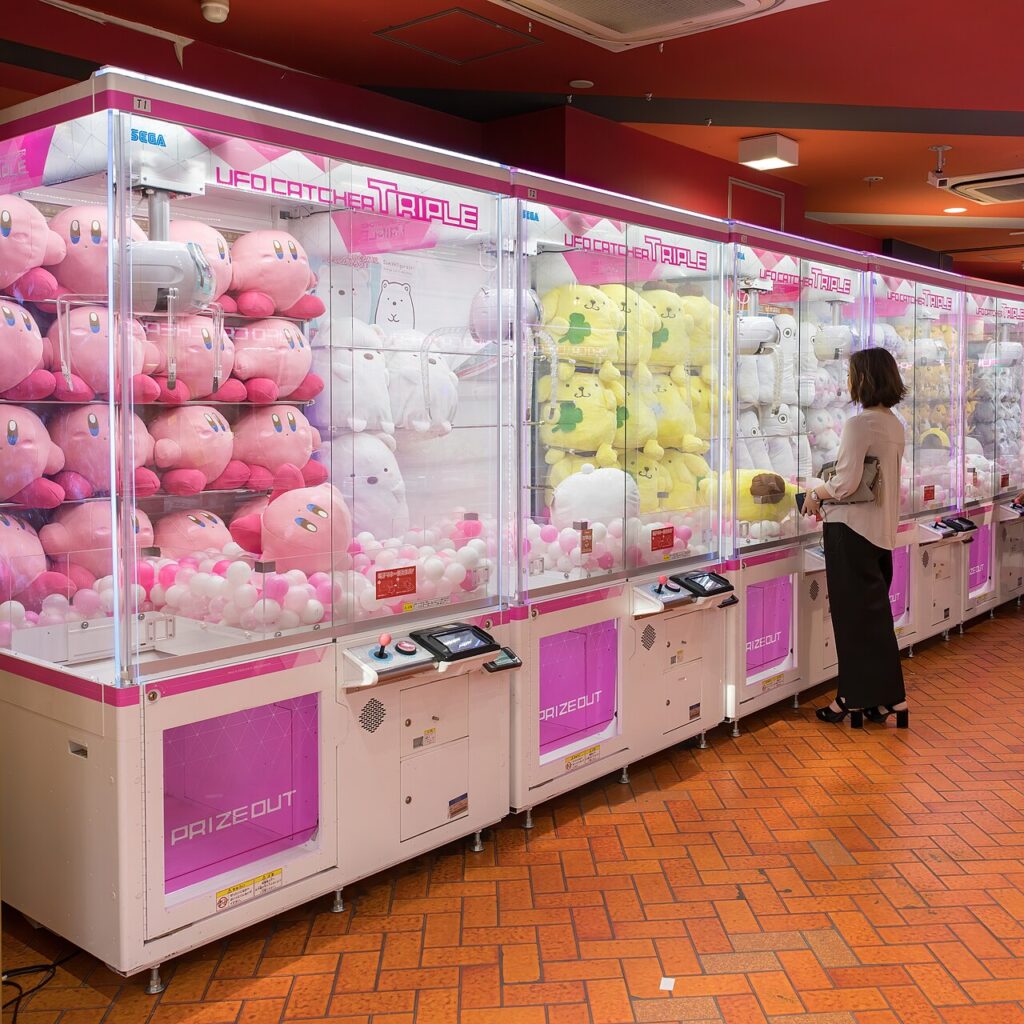
The streets are filled with the competing jingles and announcements from massive electronics stores like Yodobashi Camera. Step into a multi-story arcade like GiGO.
The overwhelming sound of hundreds of video games playing at once is an intense experience. The clicks, explosions, and music all blend into a uniquely exhilarating wall of sound.
Evening in Shimokitazawa
Highlights:
- Live music venues
- Indie record shops
- Underground music scene
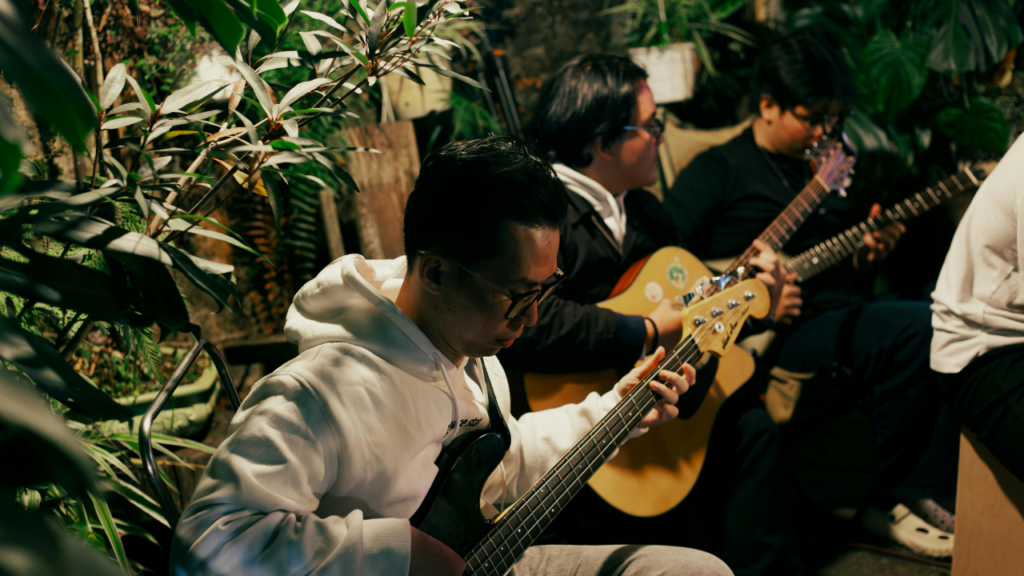
End your day in the hip neighborhood of Shimokitazawa. This area is the heart of Tokyo’s indie music scene. The soundscape here is more intimate and curated. Browse for vinyl records at a shop like Disk Union.
You can listen to different genres and discover new Japanese artists. As night falls, find an intimate “live house,” a small music venue like Shelter or Shimokitazawa THREE.
Catching a show here is a fantastic way to experience local music up close. The passionate sound of a live band in a small room is a powerful end to the day.
Day 3: The Sense of Sight
Today is a feast for the eyes.
Explore Tokyo through its most stunning visual experiences. The journey covers the charming sight of thousands of lucky cats.
It includes the mind-bending world of digital art. The day finishes with one of the most breathtaking urban views on the planet.
This is a day to truly keep your camera ready. You will see things that challenge your perception of beauty and art.
Morning at Gotokuji Temple
Highlights:
- Lucky cat statues
- Quiet temple grounds
- Photogenic displays
Your visual journey begins at a truly unique location. Travel to the quiet Setagaya ward to find Gotokuji Temple. According to legend, this is the birthplace of the maneki-neko, or beckoning lucky cat.
The temple grounds are peaceful and beautiful. The main attraction is a designated area filled with thousands of white cat figurines. Worshippers leave them as offerings of gratitude when their wishes come true.
The sight of so many identical statues, from tiny to large, is a charming and highly photogenic experience.
Afternoon at teamLab Planets TOYOSU
Highlights:
- Immersive digital art
- Interactive exhibits
- Light and water displays
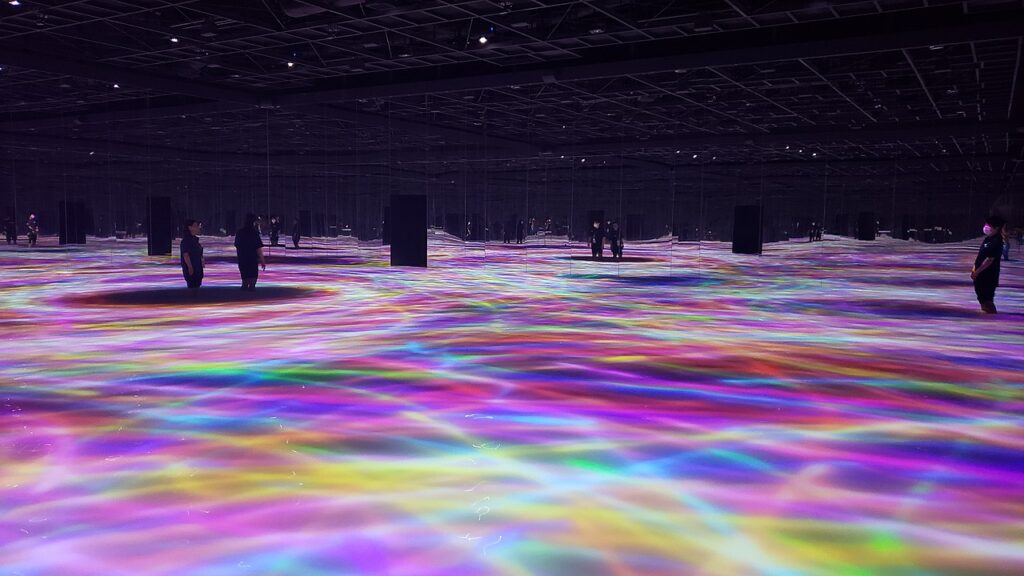
Next, prepare to have your senses completely immersed in digital art. At teamLab Planets, you remove your shoes and walk barefoot through the exhibits.
Wade through knee-deep water as digital koi fish swim around your legs. You will walk through a room of infinite, hanging crystal lights that respond to your presence.
This is not a traditional museum where you look at art. It is a place where you become part of the art itself. The stunning, ever-changing visuals create a powerful and memorable experience.
Tip: If you do book teamLab Planets tickets do it well in advance to secure your entry time, especially for evenings and weekends.
Evening at Roppongi Hills Mori Tower
Highlights:
- City skyline views
- Tokyo Tower at night
- Observation deck experience
For the day’s final visual spectacle, head to the Roppongi Hills Mori Tower.
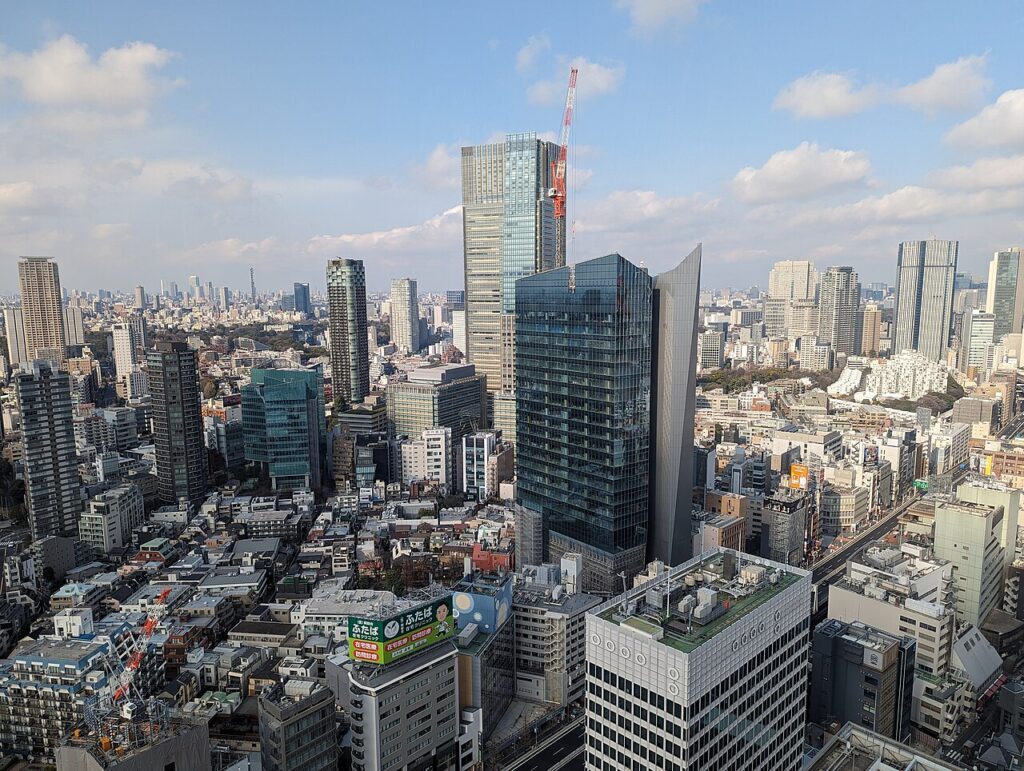
The “Tokyo City View” observation deck on the 52nd floor offers what many consider the best panoramic view of the city.
The floor-to-ceiling glass windows provide a stunning, unobstructed vista. You get a perfect view of the iconic, illuminated Tokyo Tower.
Watching the sprawling city lights glitter to the horizon is a breathtaking sight.
Your ticket often includes access to the Mori Art Museum, adding another layer of visual stimulation to your evening.
Short on time? Follow the Tokyo 3-Day Itinerary for a faster plan.
Day 4: The Sense of Touch
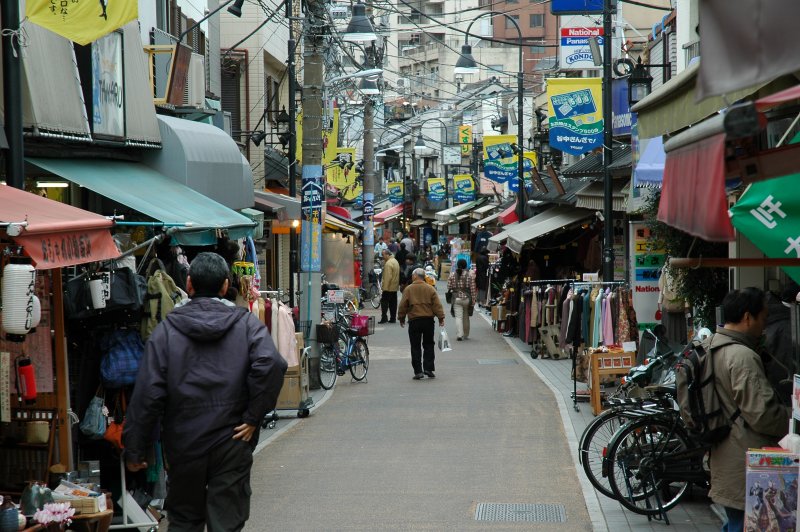
Day four is about engaging with Tokyo through hands-on experiences. Getting a real understanding of the city’s culture through its textures and traditions.
The day ends with the deeply relaxing and tactile experience of Japanese bathing culture. This is a day to connect with Tokyo in a physical, tangible way.
Morning in Yanaka
Highlights:
- Craft workshops
- Indigo dyeing
- Traditional studios
Return to the traditional neighborhood of Yanaka to participate in a craft workshop. The area has many small studios where you can learn from local artisans.
Find a studio offering an experience in aizome, or traditional indigo dyeing. FYou will feel the cool texture of the dye on your hands. Learn to twist and fold fabric to create patterns. It is a rewarding, hands-on process.
Alternatively, try a pottery class. Feeling the cool, smooth clay take shape in your hands is a grounding and memorable experience.
Afternoon in Asakusa
Highlights:
- Kimono rental experience
- Senso-ji Temple walk
- Traditional streets
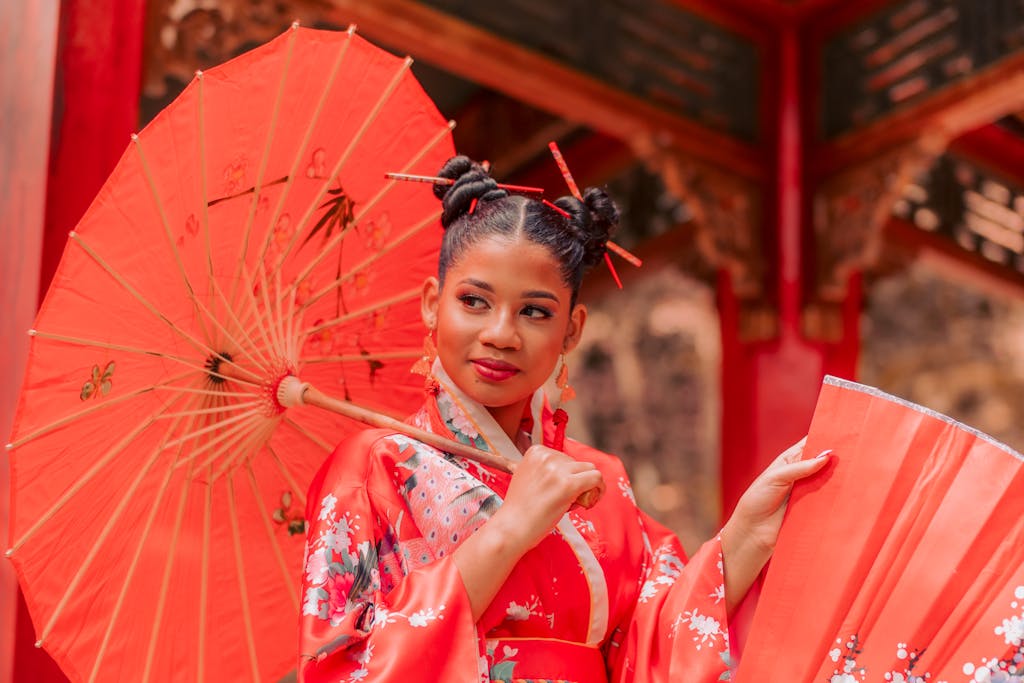
Next, travel to the historic district of Asakusa. Here, you will rent a kimono or a lighter summer yukata.
Choose a shop like Kimono Rental Wargo. The staff will help you get dressed. The experience is incredibly tactile.
Walking through the grounds of the famous Senso-ji Temple while wearing these traditional garments is a unique and immersive experience.
You can book a kimono rental experience in Asakusa for a simple and seamless way to explore the area in traditional dress.
Evening Sento Experience
Highlights:
- Public bathhouses
- Hot soaking baths
- Local bathing culture
End your day of touch with a truly local tradition.
Visit a sento, a neighborhood public bathhouse. Try a classic bathhouse like Daikokuyu in Sumida, which has murals of Mount Fuji and a view of the Skytree.
Or, visit the more modern Koganeyu. The bathing process is a ritual of textures and temperatures.
Soaking in the bath is a deeply relaxing and authentically Japanese cultural experience.
Explore more areas in the Tokyo Neighborhoods Guide to find what fits your travel style.
Day 5: The Sense of Scent
Your final day is a journey through the unique aromas of Tokyo. Scent is powerfully tied to memory.
Discover the city through its most evocative fragrances such as the earthy smell of a traditional garden. Learn about the complex art of incense.
The day concludes with the comforting aromas of beer and grilled food. These scents will create lasting memories of your trip.
Morning at Kiyosumi Gardens
Highlights:
- Traditional garden paths
- Fresh natural scents
- Pond and stone landscapes
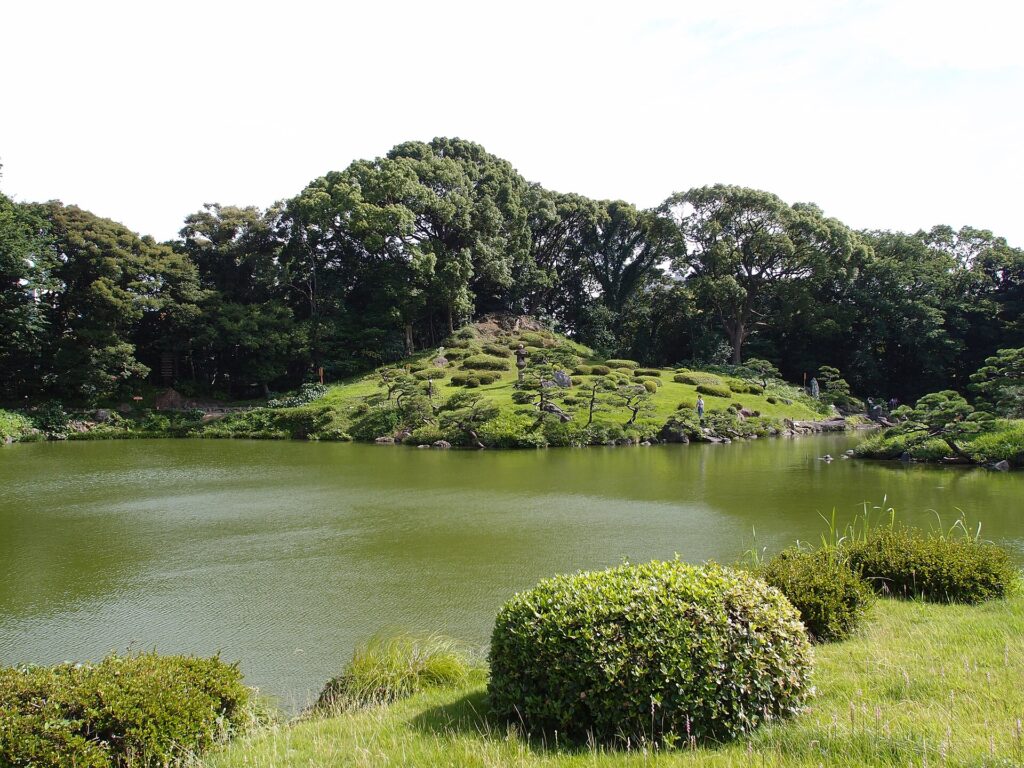
Start the day with the clean, fresh scent of nature at Kiyosumi Gardens. This is a beautiful example of a traditional Japanese strolling garden.
As you walk the stone paths, you will notice the distinct aromas. Anywhere from the smell of damp moss after a morning dew to the sharp, clean scent of pine needles. It is a serene and cleansing sensory experience.
Afternoon of Incense Appreciation in Ginza
Highlights:
- Incense shops
- Traditional fragrances
- Refined retail spaces
From the natural world, move to the refined art of fragrance in the upscale Ginza district.
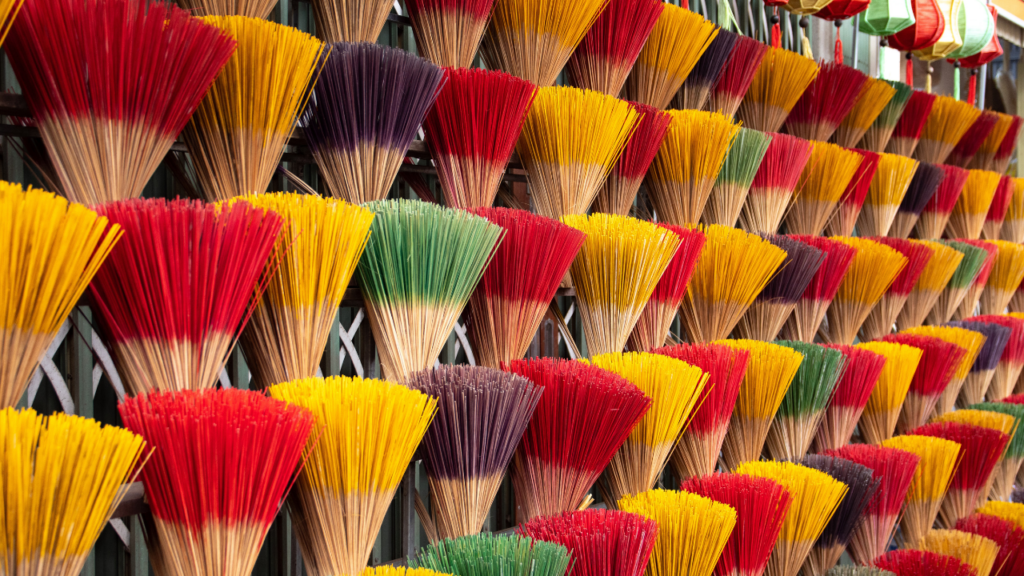
Visit a traditional incense shop, or koh-do, like Shoyeido or Kyukyodo. These shops have been practicing the art of incense for centuries. The air inside is filled with subtle and complex scents.
This is a core part of traditional Japanese culture.
Evening in Ebisu
Highlights:
- Beer museum aromas
- Food alley dining
- Lively evening atmosphere
Conclude your five-day sensory journey in the sophisticated neighborhood of Ebisu.
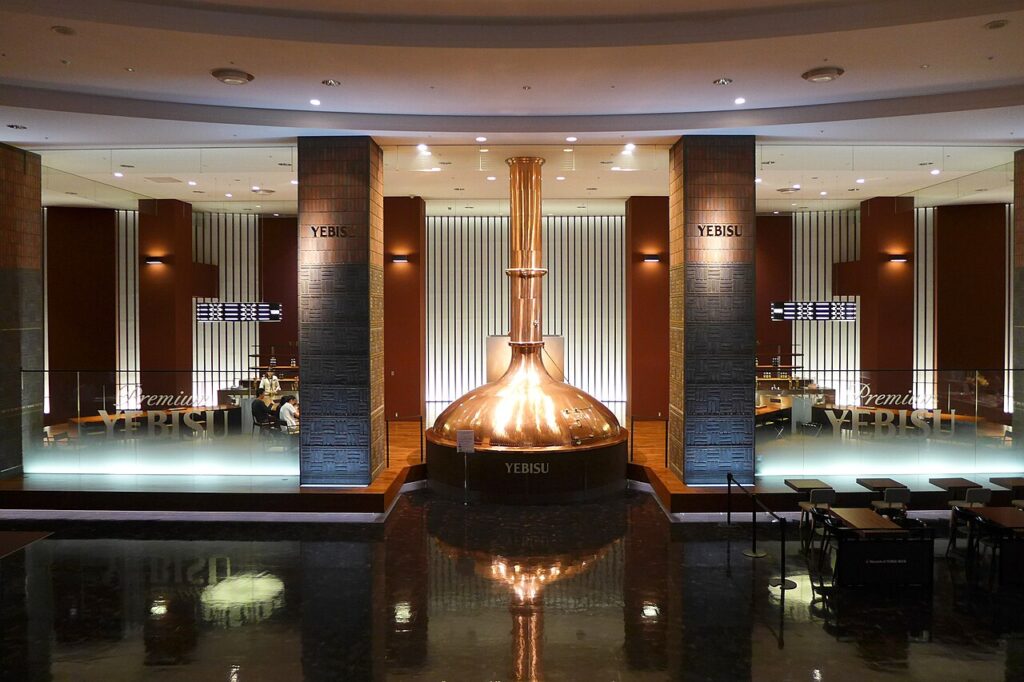
Begin at the Museum of Yebisu Beer. The tour takes you through the brewing process filled with the aroma of roasted malt and hops.
For dinner, find the lively Ebisu Yokocho. This is a narrow indoor alley packed with small food stalls.
Smell sizzling okonomiyaki, grilled fish, and other Japanese delicacies compliment a cheerful atmosphere thereby adding to the lasting memories of your Tokyo itinerary.
Choose the best area for your trip with Where to Stay in Tokyo.
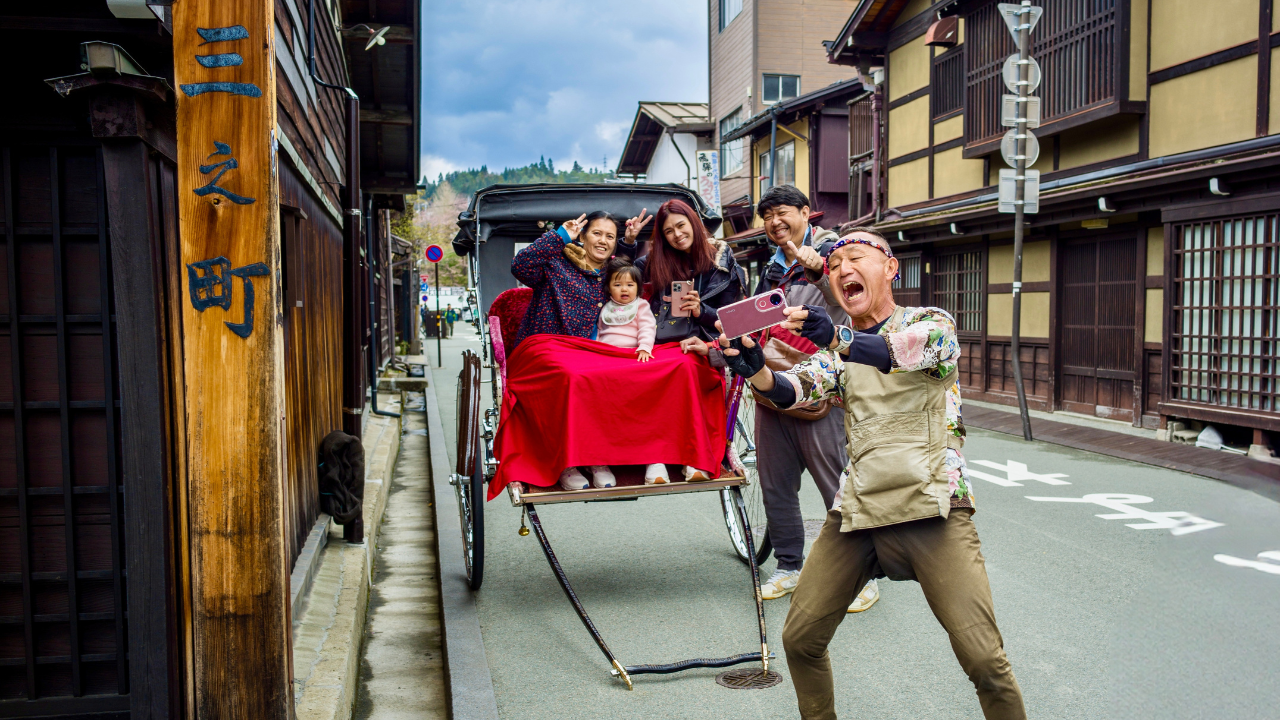
This approach of exploring Tokyo through your five senses encourages you to slow down and notice the details.
It reveals the deep cultural richness that makes Tokyo such a special place. You leave not just with pictures, but with a true feeling for the city.
Start planning your trip with this Tokyo itinerary (1–7 days)
FAQ
Is this itinerary physically demanding?
Yes, it involves a significant amount of walking and standing each day. Comfortable shoes are essential. The days are full, so be prepared for a fast pace. However, you can always adjust the schedule based on your energy levels.
How much should I budget for the activities?
This itinerary has a mix of free and paid activities. Budgeting for museum tickets (like teamLab and Mori Tower), workshop fees, and food is important. Carrying cash is recommended, especially for smaller food stalls, temples, and some bars.
Is this itinerary suitable for solo travelers?
Absolutely. This itinerary is excellent for solo travelers. All the locations are safe and easy to navigate with public transport. The variety of activities, from quiet gardens to lively food alleys, offers a great balance for someone exploring on their own.
Tokyo’s train and subway system is incredibly efficient. A prepaid IC card (Suica or Pasmo) is the easiest way to pay for fares. Apps like Google Maps provide excellent, real-time transit directions that make navigating the complex system simple.
Are reservations needed for these activities?
It is highly recommended to book tickets online in advance for popular attractions like teamLab Planets and the Shibuya Sky observation deck. This will save you time and guarantee entry. For workshops, it is also best to book ahead to secure a spot.