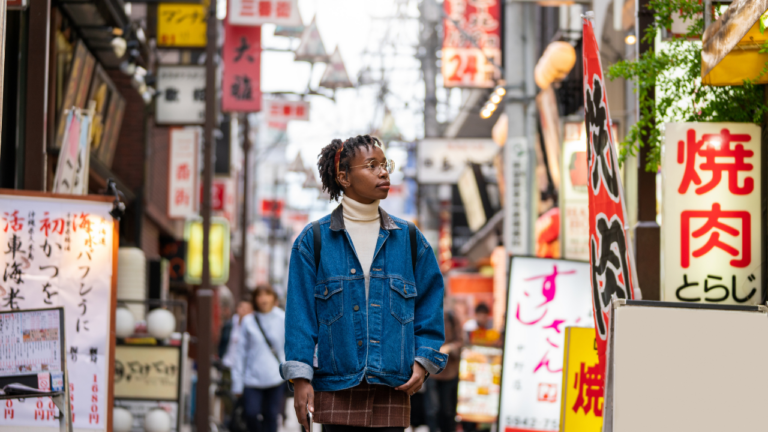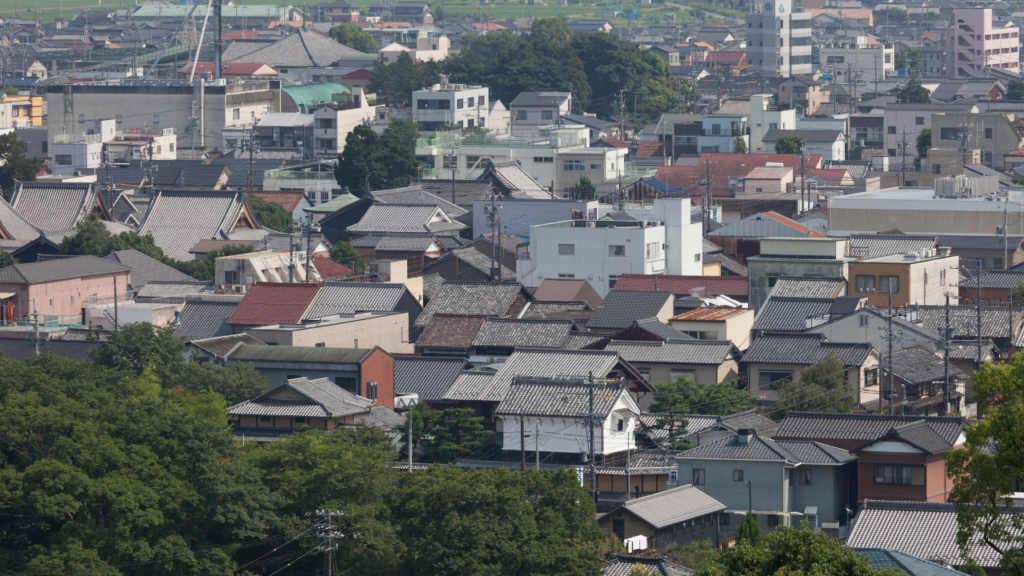
Just minutes from Shibuya and Shinjuku, Shimokitazawa offers a completely different side of Tokyo. High-rise buildings give way to narrow streets filled with vintage stores, small music venues, and independent cafés.
Often called “Shimokita,” this neighborhood is known for its laid-back atmosphere, creative culture, and secondhand fashion scene. It’s one of the best places in Tokyo to slow down, explore on foot, and experience a more local, less commercial side of the city.
Plan your trip with this Tokyo itinerary (1–7 days)
For more ideas, explore: 15 Best Things To Do in Tokyo
Quick Snapshot
| Category | Details |
|---|---|
| Best For | Vintage shopping, music, local culture |
| Vibe | Indie, relaxed, creative |
| Top Experiences | Thrift shopping, live music, cafés |
| Pace | Slow, walkable, best explored midday onward |
Why Visit Shimokitazawa
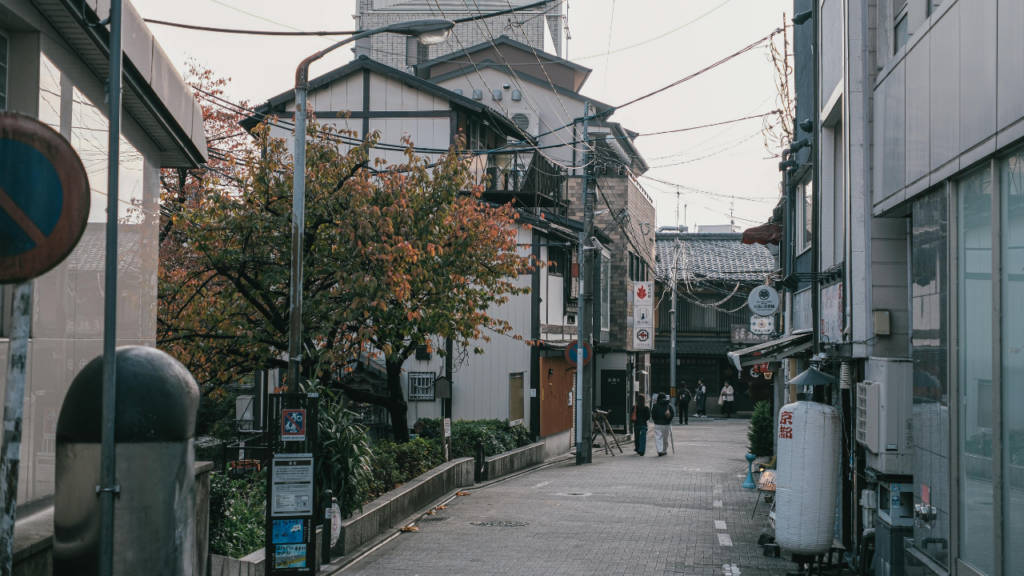
Shimokitazawa stands out for its independence. Unlike major districts built around large malls and chains, this area is dominated by small businesses, niche shops, and local creators.
It’s ideal for:
- Travelers who prefer neighborhood exploration over major landmarks
- Anyone interested in fashion, music, or subculture
- Visitors looking for a break from crowded tourist zones
Vintage Shopping in Shimokitazawa
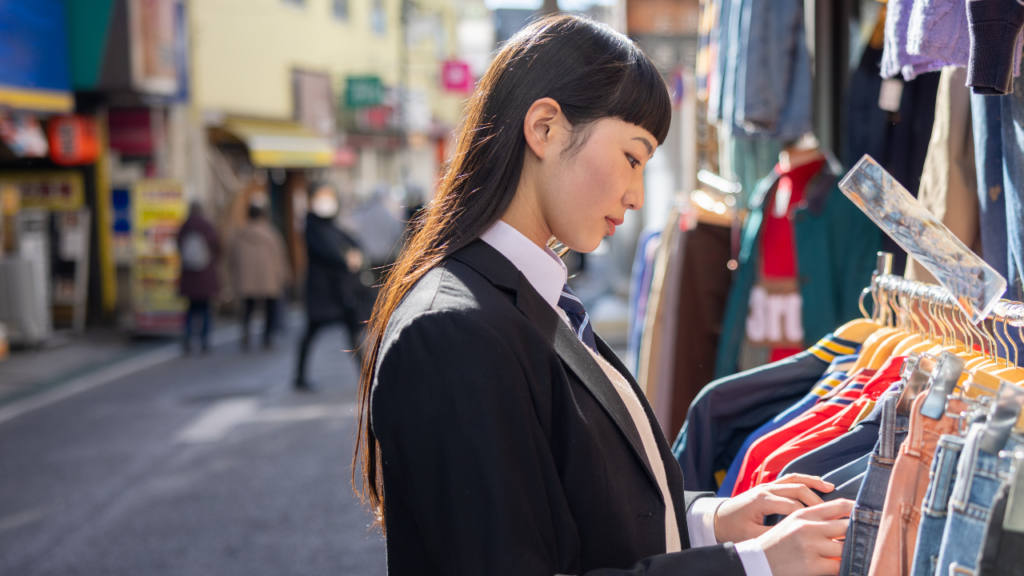
Shimokitazawa is Tokyo’s top destination for secondhand and vintage clothing. Shops range from affordable thrift stores to curated boutiques with designer pieces.
What You’ll Find
- American and European vintage (1950s–1990s)
- Streetwear and Japanese brands
- Vintage kimonos and accessories
- Retro home goods and collectibles
Notable Shops
- New York Joe Exchange – budget-friendly, constantly rotating stock
- Flamingo – easy to spot, wide selection
- BIG TIME – curated vintage collections
- RagTag / 2nd STREET – secondhand designer items
How to Explore Efficiently
Most shops are spread across side streets, upper floors, and basements. Start near the station, then branch out. The best finds are rarely on the main road.
Music, Arts, and Indie Culture
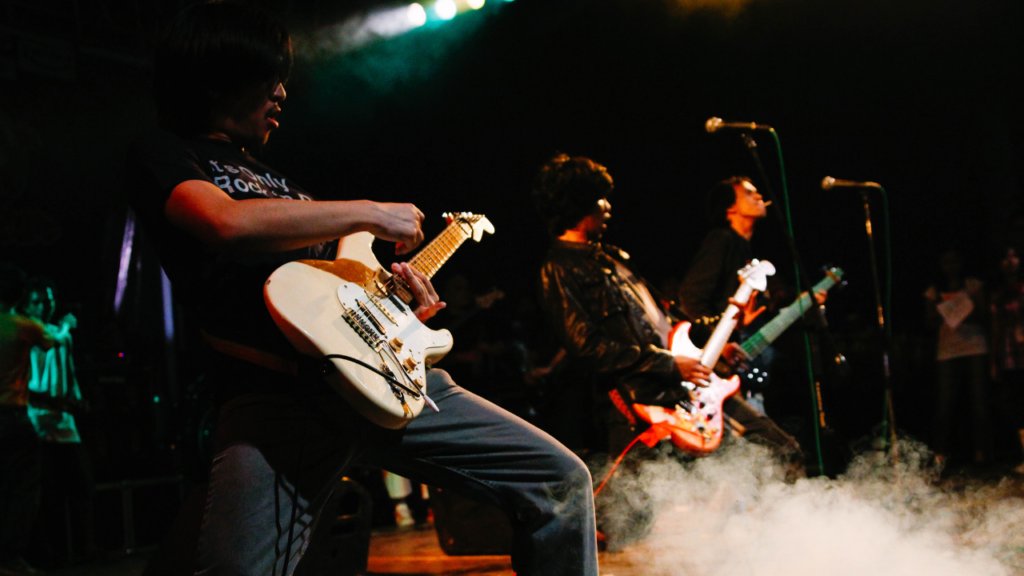
Shimokitazawa has one of the highest concentrations of small live music venues in Tokyo. The focus is on intimate performances rather than large concerts.
Live Music
- Shelter – well-known indie venue
- Club Que – long-running live house
- 440 – smaller, acoustic-focused shows
Theater and Creative Spaces
- Small experimental theaters
- Independent galleries and pop-ups
- Street art throughout the neighborhood
This area has long been a base for Tokyo’s creative community, and that influence is still visible today.
Food, Cafés, and Local Dining
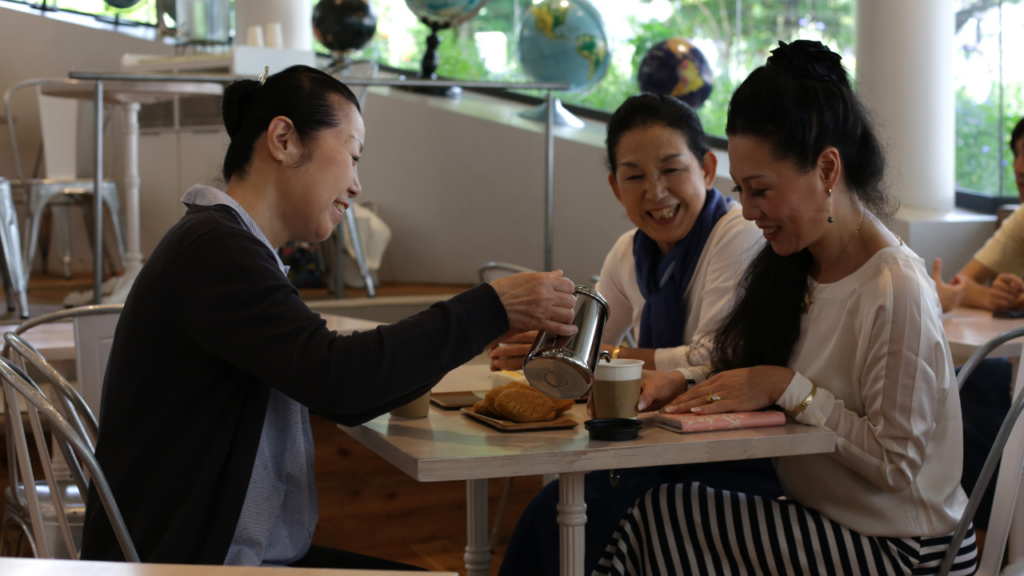
Shimokitazawa’s food scene is built around small, independent spots rather than chains.
What to Try
- Soup curry (local specialty)
- Specialty coffee
- Casual izakayas
- International comfort food
Popular Spots
- Rojiura Curry Samurai – well-known soup curry
- Bear Pond Espresso – strong specialty coffee
- Frankie Melbourne Espresso – Australian-style café
Many cafés open late morning, making this a midday-to-evening neighborhood.
Exploring the Streets
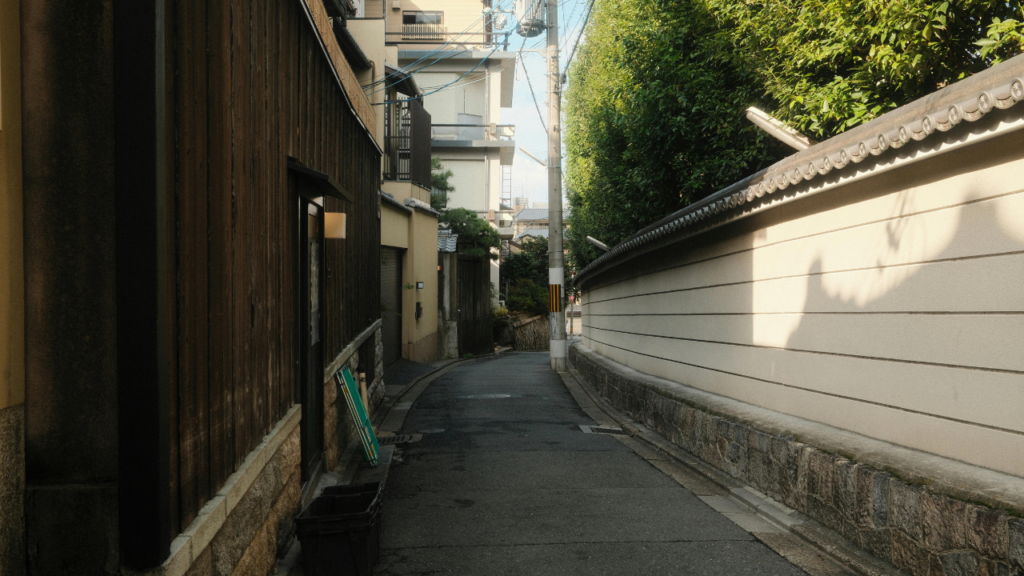
The layout is part of the experience. Streets are narrow, winding, and highly walkable.
Key Areas
- Shimokitazawa Ichibangai – main shopping street
- Reload – modern complex with shops and cafés
- Mikan Shimokita – under-track dining and retail
Unlike central Tokyo, this area is designed for wandering rather than direct routes.
Check availability for a private Shimokitazawa café and culture tour
How to Get There
Shimokitazawa Station is easily accessible from major hubs:
- From Shinjuku: Odakyu Line (~7 minutes)
- From Shibuya: Keio Inokashira Line (~5 minutes)
Plan your route with the Tokyo Transportation Guide
How to Fit Shimokitazawa Into Your Trip
Shimokitazawa works best as a half-day or evening stop.
It pairs well with:
- Shibuya (same line, very close)
- Shinjuku (easy access)
See how to include it in your Tokyo 3-Day Itinerary
Or plan a slower day in the Tokyo 5-Day Itinerary
Where to Stay
Shimokitazawa has limited hotel options compared to major districts. Most travelers stay in nearby hubs like Shinjuku or Shibuya and visit Shimokitazawa during the day.
Find the best base in the Where to Stay in Tokyo guide
Practical Tips
- Shops typically open late (11 AM or later)
- Best explored without a strict plan
- Cash is useful for smaller shops
- Evenings are ideal for music and dining
- Weekends are busier but more lively
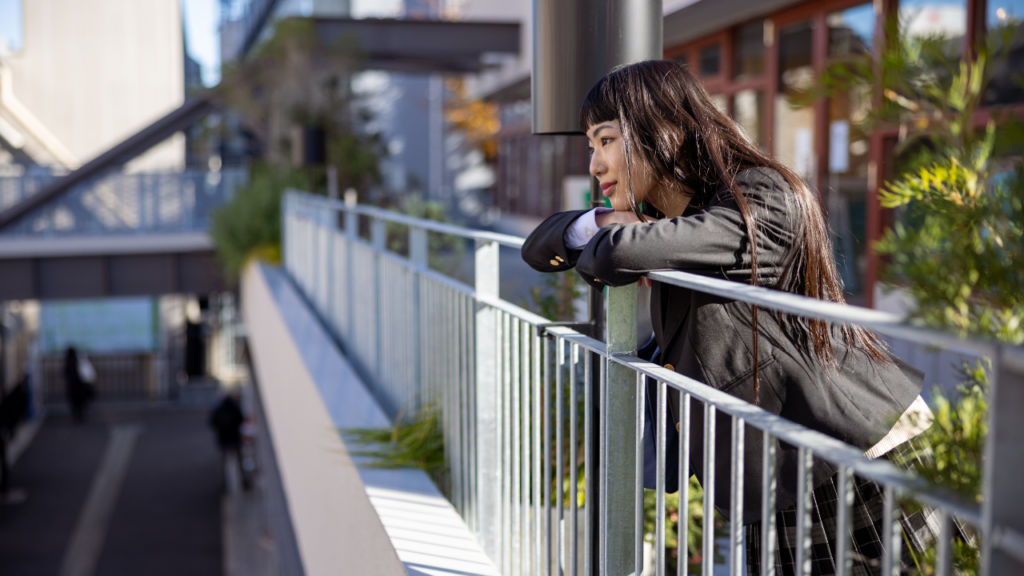
Shimokitazawa offers a slower, more personal version of Tokyo. It’s a place defined by creativity, independence, and everyday culture rather than major landmarks.
Instead of rushing between attractions, this is where you take your time—browsing shops, discovering music, and exploring side streets.
FAQ
How much time do you need in Shimokitazawa?
A half day is enough for shopping and cafés. Stay into the evening for live music.
Is Shimokitazawa good for first-time visitors?
Yes, but it works best combined with major areas like Shibuya or Shinjuku.
Is it expensive?
No. It’s one of the more budget-friendly areas in Tokyo, especially for food and shopping.
When is the best time to visit?
Afternoon to evening, when shops are open and the area is most active.