Tokyo is an incredible city to explore. The food, shopping, temples, neon streets, quiet neighborhoods, and endless things to see make it one of the most exciting destinations in the world.
But there is one thing many first-time visitors don’t fully expect until they arrive:
You are going to walk. A lot.
Tokyo’s public transportation system is excellent, and trains make it possible to get around the enormous city quickly. But taking the train doesn’t mean you’ll spend the day sitting down. You’ll walk to the station, through the station, between platforms, to the correct exit, and then to wherever you’re actually trying to go.
Then you’ll probably walk around that neighborhood for several hours before doing it all over again.
For some travelers, this is one of the best parts of visiting Tokyo. For others, it can be one of the biggest surprises of the trip.
If you’re planning your first visit, here’s what you should realistically expect — and how to make all that walking much easier.
Plan your trip with this Tokyo itinerary (1–7 days)
For more ideas, explore: 15 Best Things To Do in Tokyo
Tokyo Is Bigger Than It Looks
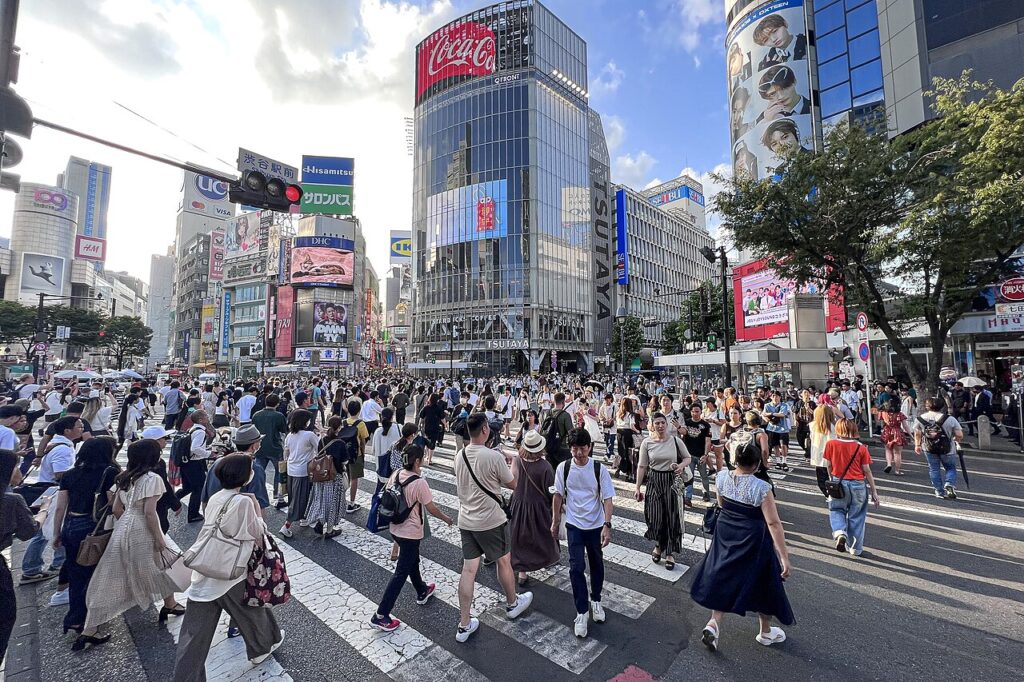
Tokyo can look surprisingly manageable on a map. Two places may appear relatively close together, making you think you’ll simply walk between them.
The reality can be different.
Tokyo is made up of huge neighborhoods, shopping districts, parks, residential streets, temples, restaurants, and attractions. Even within a single neighborhood, there can be a lot of ground to cover.
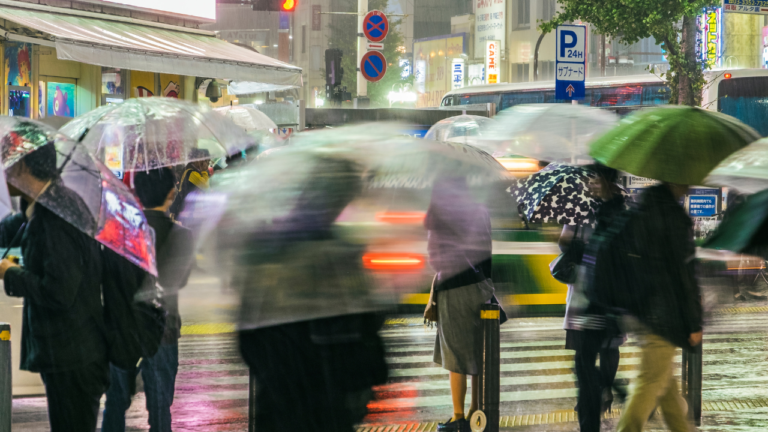
Take Shibuya. You might want to see the famous crossing, explore the shops, visit a viewpoint, grab lunch, and then continue toward another attraction. What looks like a simple stop on your itinerary can easily turn into several hours of walking.
And you’re not necessarily walking because public transportation isn’t available. You’re walking because Tokyo itself is meant to be explored on foot.
A small street catches your attention. You see a restaurant you’d like to try. You notice a shrine tucked between buildings. You find a shop that wasn’t on your itinerary.
Before you know it, you’ve walked much farther than planned.
The Train Doesn’t Mean You Get to Stop Walking
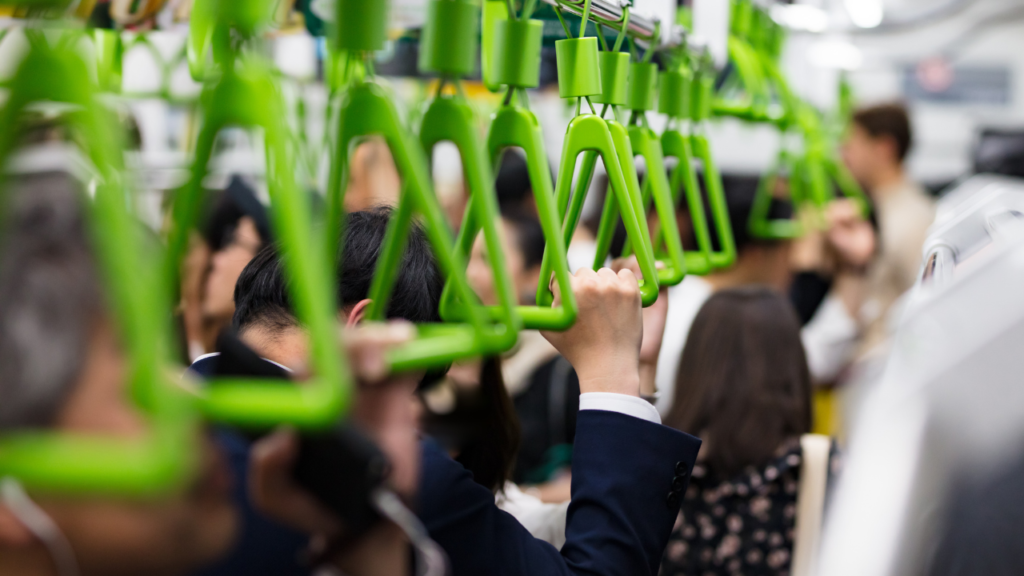
Tokyo’s train system is one of the city’s greatest advantages for tourists. But there’s an important reality that first-time visitors often discover quickly:
Tokyo train stations can involve a surprising amount of walking.
Some stations are enormous. Getting from the street to your platform can mean walking through corridors, going up and down stairs or escalators, passing through ticket gates, and navigating multiple levels.
Transfers can involve even more walking.
Then, once you arrive at your destination, you have to find the correct exit.
Choosing the wrong exit can easily add another 10 or 15 minutes to your journey. And after you’ve already spent much of the day walking, those extra minutes can feel significant.
Tip: When using a navigation app, pay attention not only to the station name but also to the recommended exit number. Choosing the right exit can save both time and energy.
Public Transit in Tokyo How to Navigate
A Sightseeing Day Can Add Up Quickly
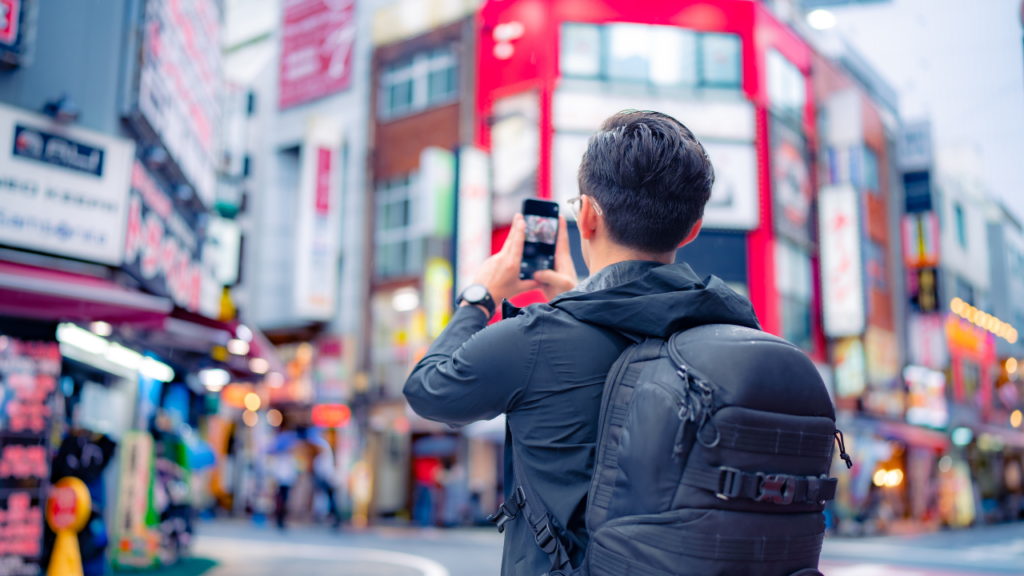
One of the biggest surprises for tourists is how quickly the walking adds up.
You might start the morning thinking you’re going to have a relaxed day. Then you walk from your hotel to the station, through the station, and from the station to your first attraction.
You explore for a couple of hours, walk to lunch, continue through the neighborhood, return to the station, and head somewhere else.
By evening, you’ve been on your feet for most of the day.
The funny thing is that the walking doesn’t always feel tiring while you’re doing it. You’re distracted by the sights, taking pictures, shopping, eating, and exploring.
The fatigue often arrives later.
You might feel completely fine at 2 p.m. and then realize at 8 p.m. that your feet are exhausted.
You don’t need to worry about reaching a specific step count, but you should mentally prepare for many hours of walking and standing.
Tokyo’s Attractions Often Mean More Walking Than Expected
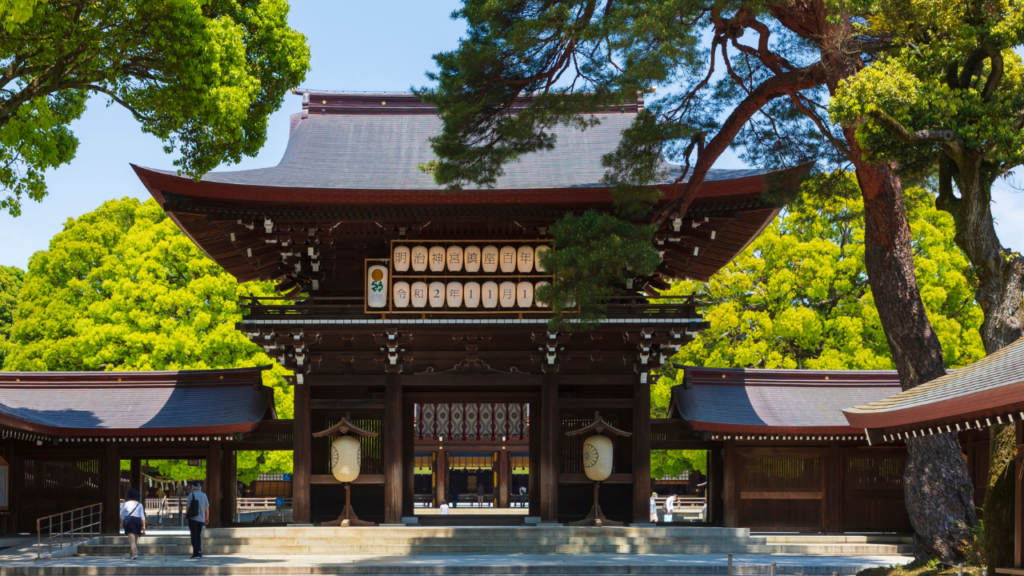
Another thing to remember is that many Tokyo attractions aren’t just one building where you arrive, take a few pictures, and leave.
A temple may have large grounds and long paths. A shrine may require a considerable walk before you reach the main area. Shopping districts can stretch for several blocks, and parks can be much larger than they appear on a map.
This means your itinerary needs to account for the walking inside an attraction, not just the distance between attractions.
For example, you might plan to visit three places that are relatively close together. On paper, it looks like an easy day.
But if you spend an hour walking around each location, plus the time between them, you’ve suddenly spent several hours on your feet.
That’s why a realistic Tokyo itinerary should leave some breathing room.
The Weather Can Make Walking Much Harder
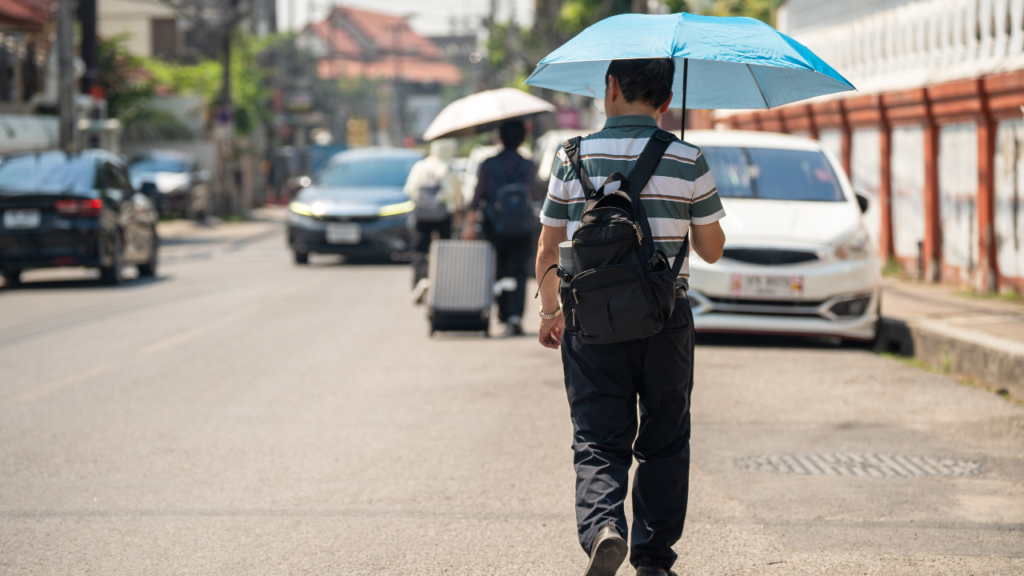
The amount of walking isn’t the only thing that matters. The weather can make a huge difference.
Walking several miles through Tokyo in comfortable spring or autumn weather can be enjoyable.
Doing the same thing in hot, humid weather is a completely different experience.
During the warmer months, you may find yourself looking for an air-conditioned café or convenience store more often than you expected. Heat, humidity, crowds, and constant walking can drain your energy quickly.
Tip: Carry water, take regular breaks, and avoid scheduling an entire day outdoors during the hottest part of the day.
Tokyo gives you plenty of opportunities to cool down, so don’t feel like you have to keep moving continuously.
Comfortable Shoes Are Essential

If there is one thing you should take seriously before your trip, it’s your shoes.
Tokyo is not the place to test out a brand-new pair of fashionable shoes.
Choose footwear that you’ve already worn and know you can comfortably walk in for hours. You don’t necessarily need hiking boots or expensive walking shoes. You simply need something supportive and comfortable.
And don’t forget about socks. A small irritation that wouldn’t bother you during a normal day can become a major problem after hours of walking.
If you’re staying in Tokyo for several days, bringing a second comfortable pair of shoes can also be helpful. Alternating between pairs can give your feet a welcome break.
Don’t Try to See Everything in One Day
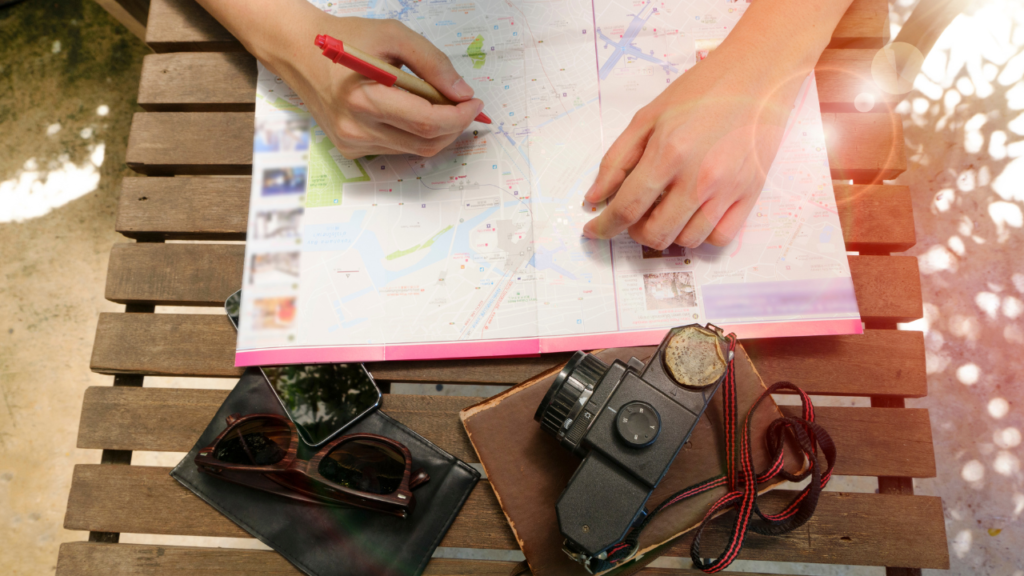
This is one of the biggest mistakes first-time visitors make.
Tokyo has so much to offer that it’s tempting to create an itinerary packed with attractions:
Shibuya → Harajuku → Shinjuku → Asakusa → Ginza → Tokyo Station
Technically, you might be able to do it.
But that doesn’t mean you should.
Constantly moving between neighborhoods creates more transportation time, more walking, and more fatigue. Instead of enjoying each place, you can end up thinking about where you have to go next.
A better approach is to group places by neighborhood.
Spend a significant part of the day exploring one area rather than crossing the city repeatedly. You’ll probably see fewer attractions, but you’ll have more time to actually experience each place.
Where to Stay in Tokyo: A Guide to the Best Neighborhoods and Hotels
Leave Time to Wander
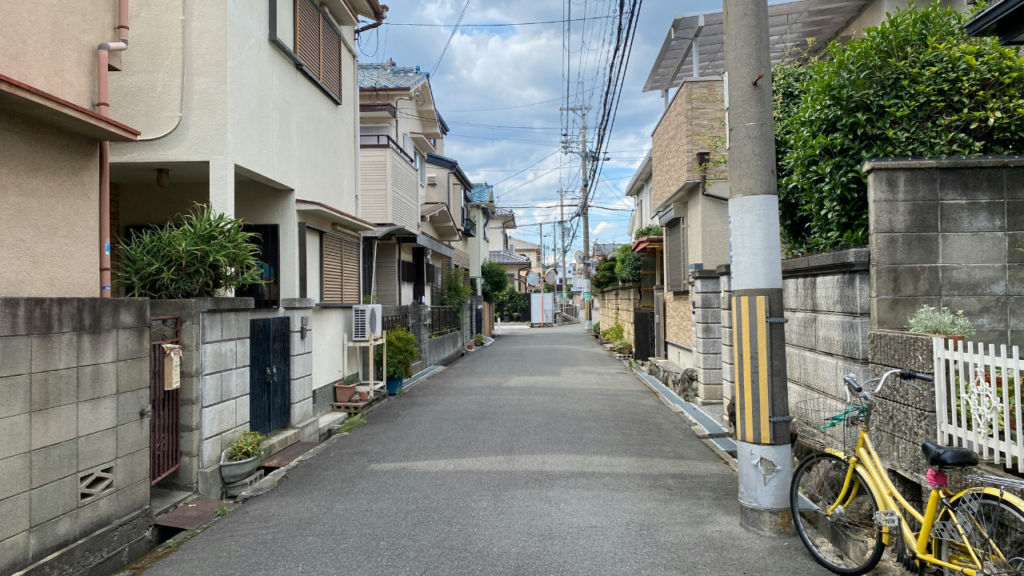
One of the best things about walking around Tokyo is that you don’t always need a destination.
Some of your favorite memories may come from places that weren’t on your itinerary at all.
You might find a tiny restaurant, a beautiful side street, a small shrine, a traditional shop, or a café you would never have discovered from a train.
Tokyo rewards people who slow down and look around.
So while the amount of walking can be tiring, it can also be one of the most rewarding parts of the trip.
Don’t make every minute of your day about getting from one attraction to another. Leave some room to wander.
Take Breaks Before You’re Exhausted

It’s easy to forget you’re on vacation when you’re excited about everything Tokyo has to offer.
You may have five more things on your list and think, “I’ll rest later.”
That’s when you can get into trouble.
Take breaks before you’re completely exhausted.
Stop for coffee. Have lunch somewhere comfortable. Sit in a park. Browse a department store. Find a café and spend 20 minutes doing absolutely nothing.
A break isn’t wasted sightseeing time. It can actually give you enough energy to enjoy the next part of your day.
Don’t Be Afraid to Take a Taxi

Tokyo’s trains are convenient, but you don’t have to use them for every journey.
After a full day of sightseeing, you may look at your map and realize that another 20-minute walk is the last thing you want.
That’s when a taxi can be worth it.
You don’t need to use taxis throughout your trip. Think of them as an energy-saving option for those moments when your feet have had enough.
They’re particularly useful if you’re carrying luggage or shopping bags, traveling with children, dealing with bad weather, or simply heading back to your hotel after a long day.
Sometimes spending a little extra money to save your feet is completely worth it.
Plan Around Your Energy, Not Just Your Map

When planning your Tokyo trip, don’t only ask, “How many places can I fit into this day?”
Ask, “How much can I comfortably do in one day?”
Those are very different questions.
You might technically have enough time to visit six places, but if doing so involves constant walking and transportation, you’ll probably enjoy the experience less.
Consider alternating busy sightseeing days with slower ones.
After a full day of temples and neighborhoods, spend another day shopping, eating, visiting museums, or doing activities where you can sit down more frequently.
Your trip doesn’t need to be a race.
The Walking Is Part of the Experience
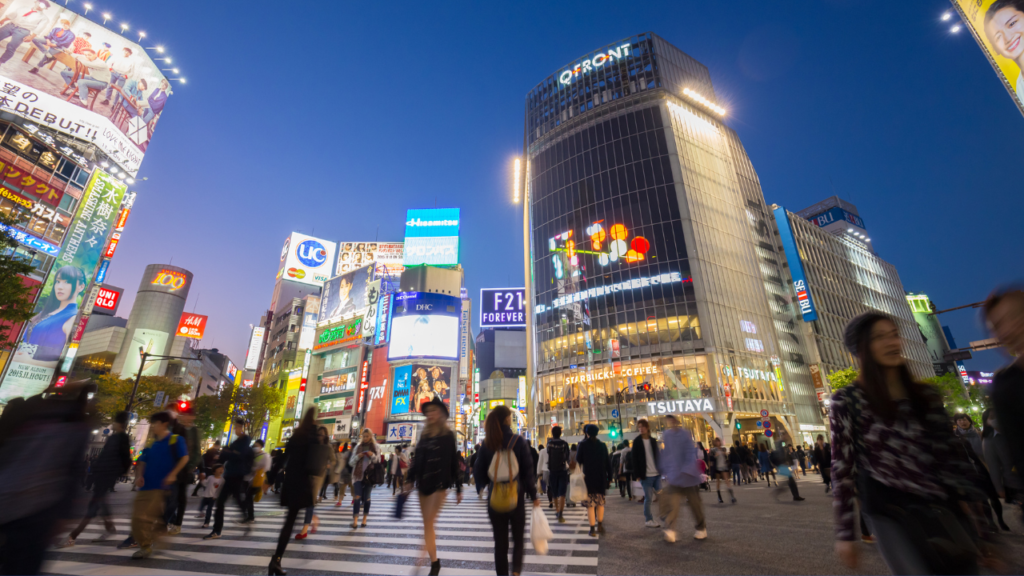
After all the warnings about walking, there’s an important point to remember:
Walking around Tokyo is not necessarily a bad thing.
In fact, it’s one of the best ways to experience the city.
The train gets you from one neighborhood to another. Walking lets you experience everything in between.
You see how the streets change. You notice tiny restaurants. You discover unexpected shops. You find quiet residential areas beside busy commercial districts.
Some of the most memorable moments of your trip may happen when you’re simply walking without a strict destination.
The key is finding a balance between exploring and exhausting yourself.
The Bottom Line

If you’re planning your first trip to Tokyo, prepare for walking.
Tokyo is a city best experienced at street level.
So bring comfortable shoes, give yourself enough time, and be prepared to discover something wonderful on the street you didn’t originally plan to walk down.
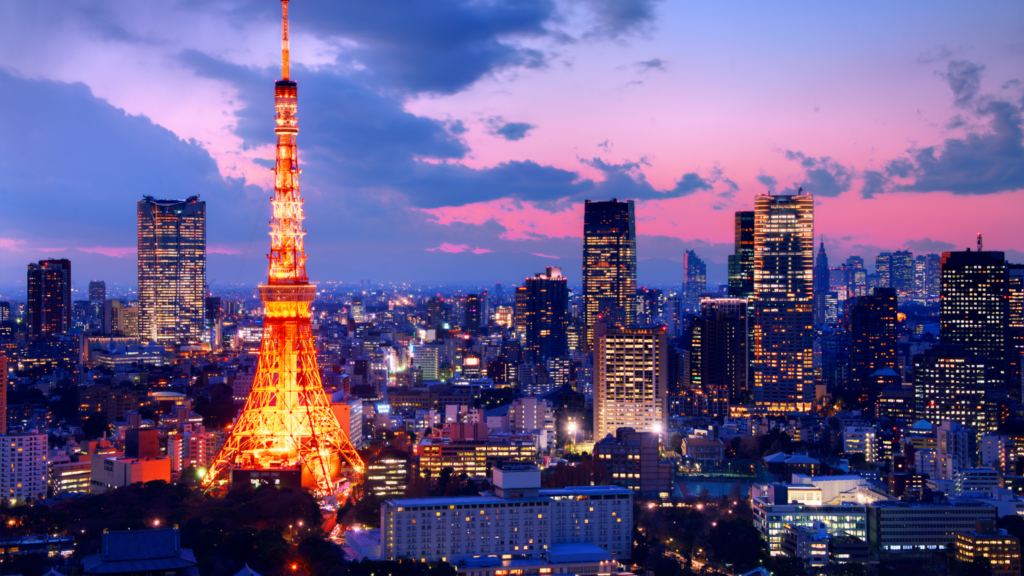
Start planning your trip with this Tokyo itinerary (1–7 days)
See The Full Tokyo Travel Guide
Frequently Asked Questions
1. How many miles do tourists typically walk in Tokyo each day?
There isn’t one standard distance because it depends heavily on your itinerary, but a full day of sightseeing can easily involve several miles of walking. The important thing is to plan around how much time you’ll actually spend on your feet rather than relying only on the distances shown between destinations.
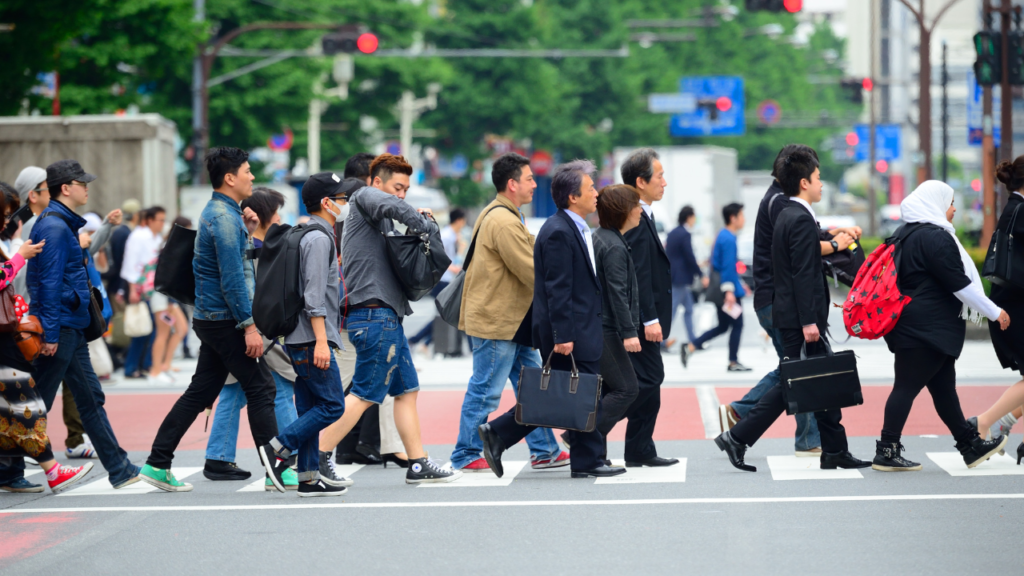
Most major crossings are straightforward, but Tokyo’s busiest intersections can be overwhelming at first because of the number of pedestrians moving in different directions. Follow the pedestrian signals, stay aware of the flow around you, and don’t be surprised if crossing a busy intersection takes longer than expected.
3. Do Tokyo neighborhoods have different walking experiences?
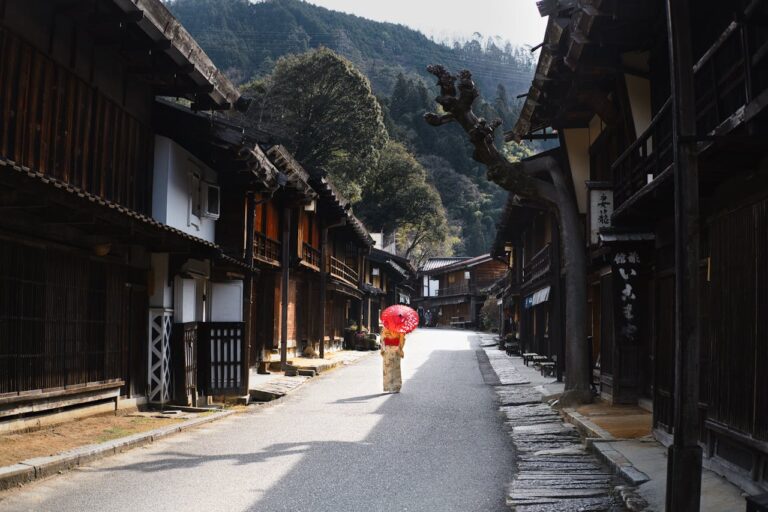
Absolutely. Walking through Shibuya or Shinjuku can mean crowds, major intersections, and busy commercial streets, while areas such as Yanaka or parts of eastern Tokyo can feel considerably quieter. The character of the neighborhood can make a big difference in how relaxing or demanding a walking day feels.
4. Is Tokyo a good city for walking at night?
Yes, many parts of Tokyo are lively well into the evening, with illuminated streets, restaurants, shops, and plenty of pedestrians. However, the experience varies considerably by neighborhood. Stick to well-lit areas, remain aware of your surroundings, and use normal precautions when exploring after dark.
5. What should you do if your feet start hurting during a Tokyo sightseeing day?
Don’t wait until you’re completely exhausted to deal with it. Stop somewhere comfortable, rest, hydrate, and consider changing your plans for the remainder of the day. Taking a taxi or returning to your hotel early can be a better choice than pushing through and making the next few days of your trip uncomfortable.