Japan has a wildlife problem that many tourists probably aren’t thinking about when they book their trip: bears.
Bear sightings have increased significantly in recent years, and encounters are happening closer to populated areas. In some parts of the country, authorities have increased patrols, issued warnings, and temporarily closed trails when bears have been spotted.
For someone planning a trip to Japan, that raises an obvious question: Should tourists be worried about bears?
If you’re spending most of your vacation in central Tokyo, probably not. But if you’re planning to leave the city for hiking, mountain areas, forests, or rural day trips, the situation deserves a little more attention.
You don’t need to cancel those plans. You simply need to understand where the risk is, what precautions to take, and why a little awareness can make your experience safer.
Plan your trip with this Tokyo itinerary (1–7 days)
For more ideas, explore: 15 Best Things To Do in Tokyo
Japan’s Bear Problem Is Real
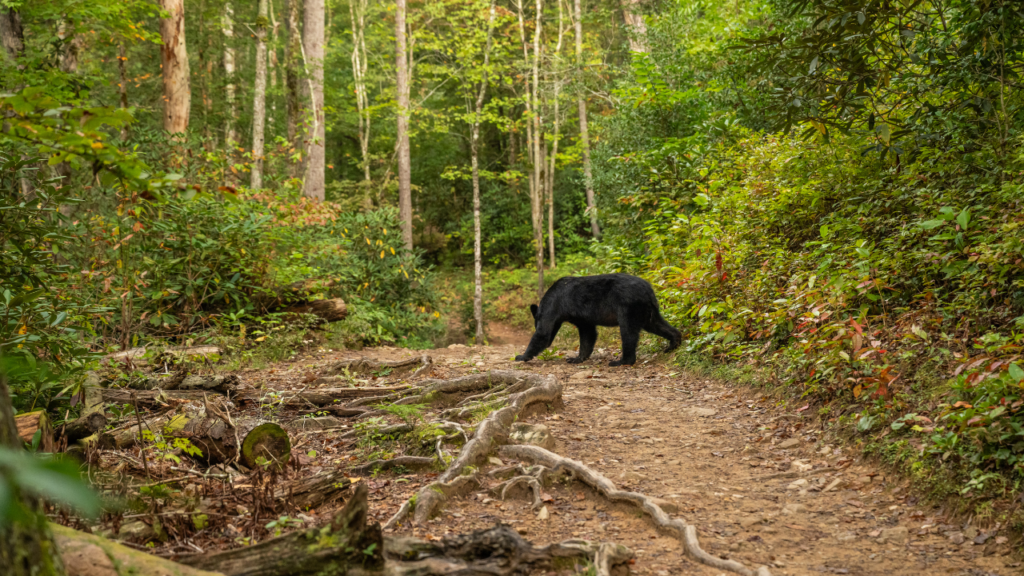
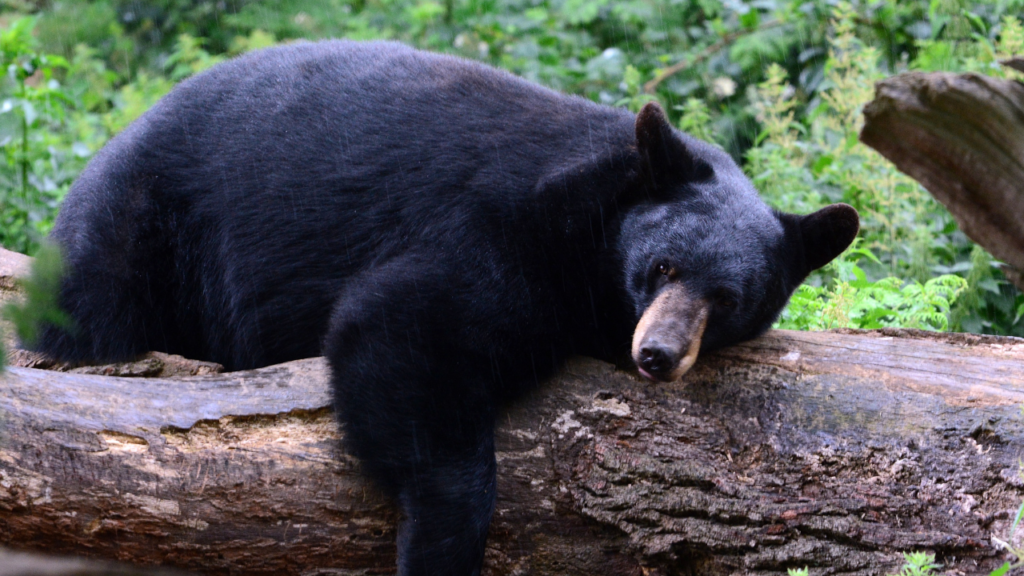
Japan is home to two species of bear: the Japanese black bear and the brown bear. Brown bears are found primarily in Hokkaido, while Japanese black bears live across parts of Honshu and Shikoku.
The recent concern is largely about the increasing number of encounters between bears and people.
Several factors are believed to be contributing to the problem, including changes in food availability in forests, shrinking and aging rural populations, and changes in land use. When natural food sources are scarce, bears can move closer to human settlements looking for something to eat.
That creates a dangerous situation for both people and bears.
The issue isn’t simply that there are bears living in the mountains. It’s that some bears are increasingly turning up closer to places where people live, work, hike, and travel.
And that includes parts of Tokyo Prefecture.
Yes, There Are Bears in Tokyo Prefecture
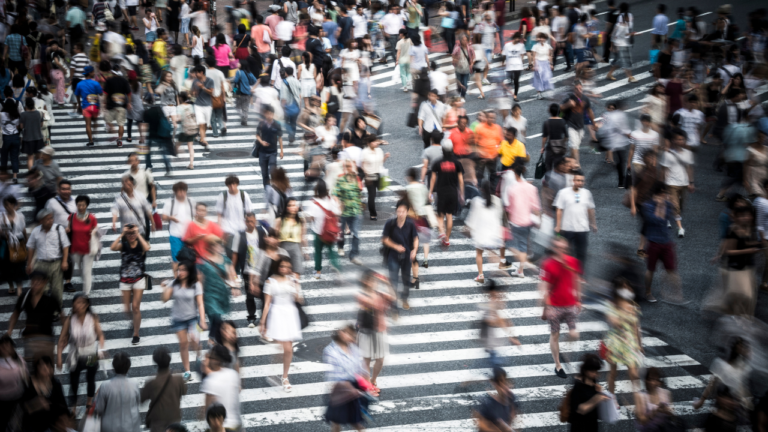
When most people hear “Tokyo,” they picture Shibuya Crossing, skyscrapers, shopping districts, restaurants, and crowded train stations.
You’re not going to walk out of a restaurant in Shibuya and find a black bear wandering down the street.
But Tokyo is much larger geographically than its famous central districts.
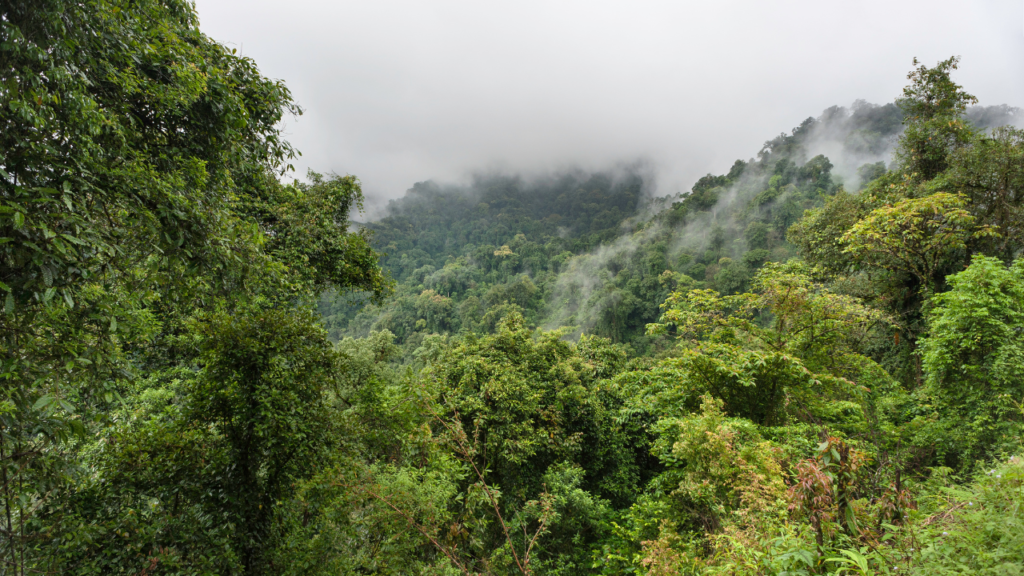
Western Tokyo extends into mountainous, heavily forested areas, including places such as Okutama and Hinohara. These areas are popular with people looking for hiking, nature, and an escape from the city.
And bears are present there.
In May 2026, the Tokyo Metropolitan Government announced that black-bear sightings in Tokyo had increased and began patrols by hunters in areas including Hachioji, Ome, Akiruno, Okutama, Hinode, and Hinohara.
That’s an important distinction for tourists:
Tokyo’s central urban area and Tokyo’s mountain country are two very different environments.
Day Trips Are Where Tourists Need to Be More Alert
This is probably the most important message in the entire article.
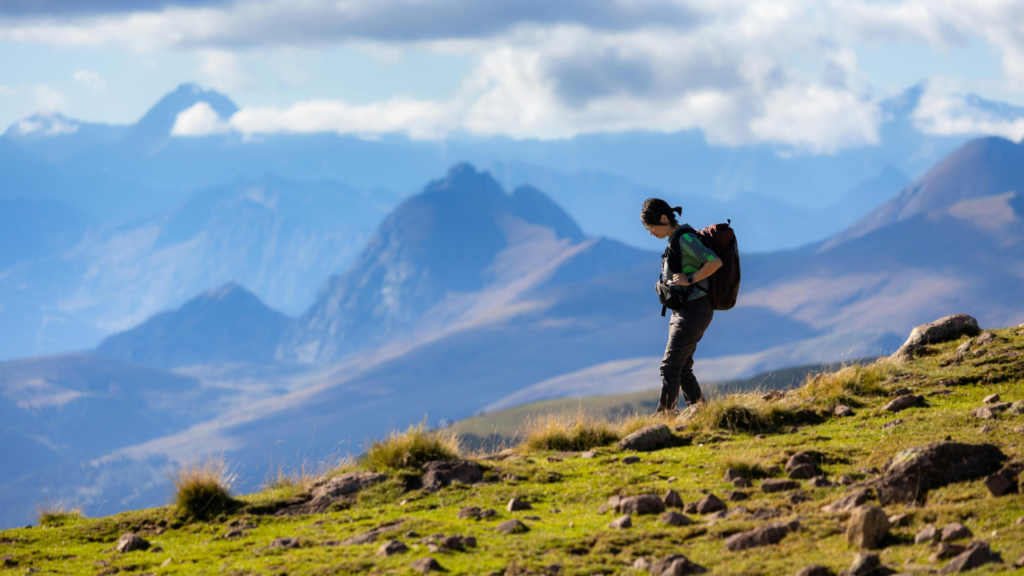
You might spend several days exploring Tokyo and then decide to take a day trip into the countryside. Perhaps you want to hike Mount Takao, explore Okutama, visit a mountain temple, or simply see a side of Japan that you won’t find among the skyscrapers.
That’s when you should start paying attention to bear activity.
The moment you move from dense urban areas into forests and mountains, you’re entering a different environment.
Before a hiking or nature excursion, check recent bear-sighting information for the area you’re visiting. If authorities have issued warnings or closed trails, take them seriously.
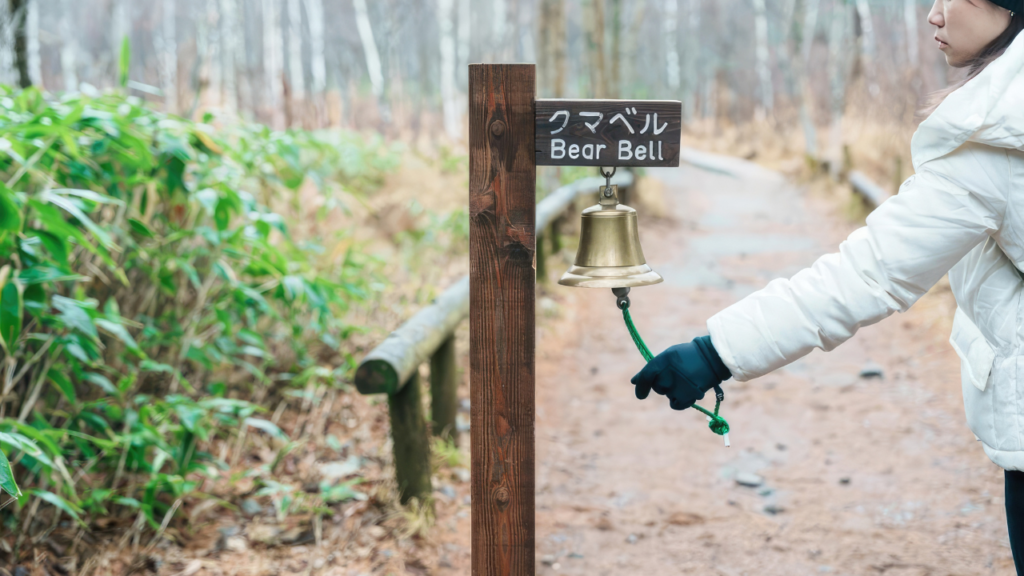
Tokyo now specifically advises visitors to its natural parks to take precautions against bears. The guidance includes carrying something that makes noise, such as a bear bell, whistle, or radio; traveling with other people rather than alone; avoiding the mountains around dawn and dusk; and turning back if you see bear tracks or droppings.
Those precautions may sound excessive if you’re accustomed to hiking in places where large wildlife isn’t a concern.
In Japan, they’re simply part of being a smart visitor.
Don’t Hike Alone in Bear Country
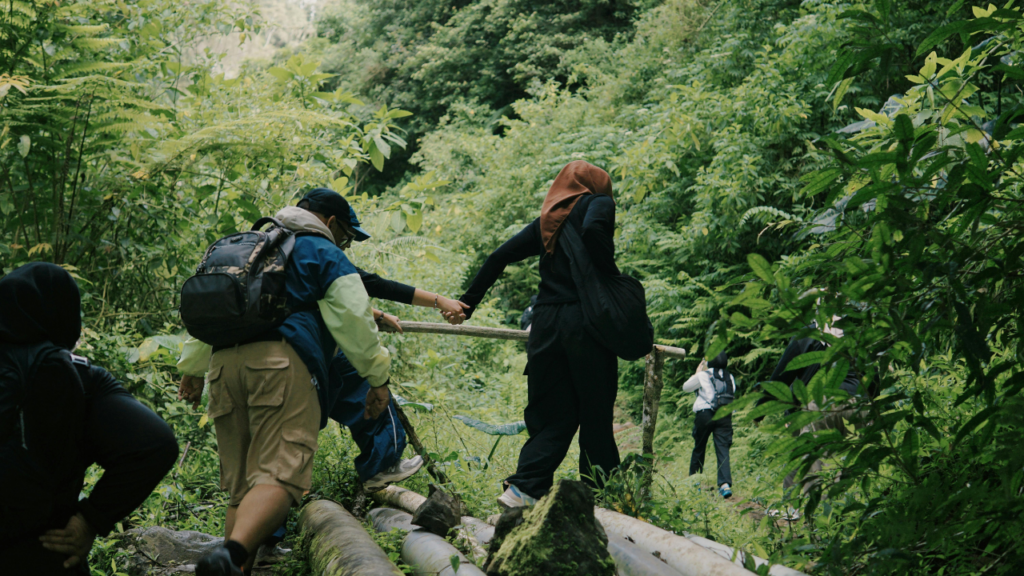
If you’re planning a serious hike outside Tokyo, consider going with other people rather than heading into the forest alone.
Groups make more noise, are easier to locate in an emergency, and reduce the chance of a completely unexpected encounter.
Making your presence known is also important in areas where bears may be present. Talking, using a whistle, or carrying a bear bell can help prevent surprising a bear.
The goal isn’t to attract bears. It’s the opposite: you want a bear to know you’re there before you suddenly meet face-to-face on a trail.
Tokyo’s current guidance specifically recommends making noise and traveling in groups in areas where bears may be present.
What If You Actually See a Bear?
This is something worth knowing before you head into the mountains.
If you see a bear, don’t approach it for a photograph. Don’t try to get closer, follow it, or assume it will simply wander away because you’re a tourist.
Tokyo’s guidance advises people who encounter a bear to avoid turning their backs, calmly move away, and not run.
The best encounter with a wild bear is one where the bear continues in one direction and you go in another.
Your vacation photograph isn’t worth taking a risk.
Food Can Be Part of the Problem
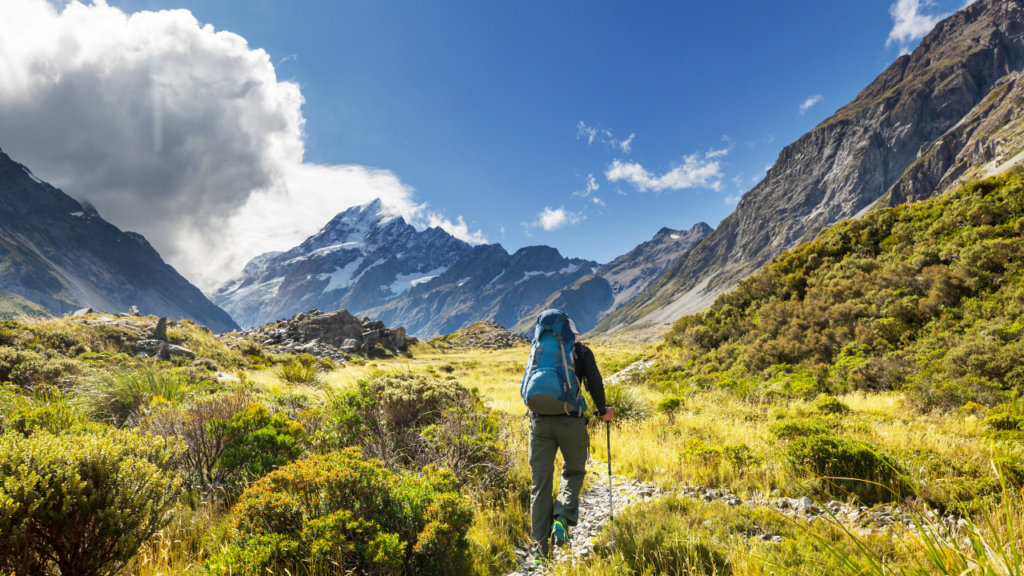
Visitors should also understand that human food can make wildlife encounters worse.
Don’t leave food, garbage, or other attractive smells behind on hiking trails or at campsites. A bear that learns that humans mean an easy meal can become increasingly comfortable approaching people.
Keep food secured, dispose of trash properly, and follow the rules of the park or trail you’re visiting.
This isn’t just about protecting yourself. It’s also about preventing bears from becoming accustomed to human food and human environments.
What About Popular Day Trips?
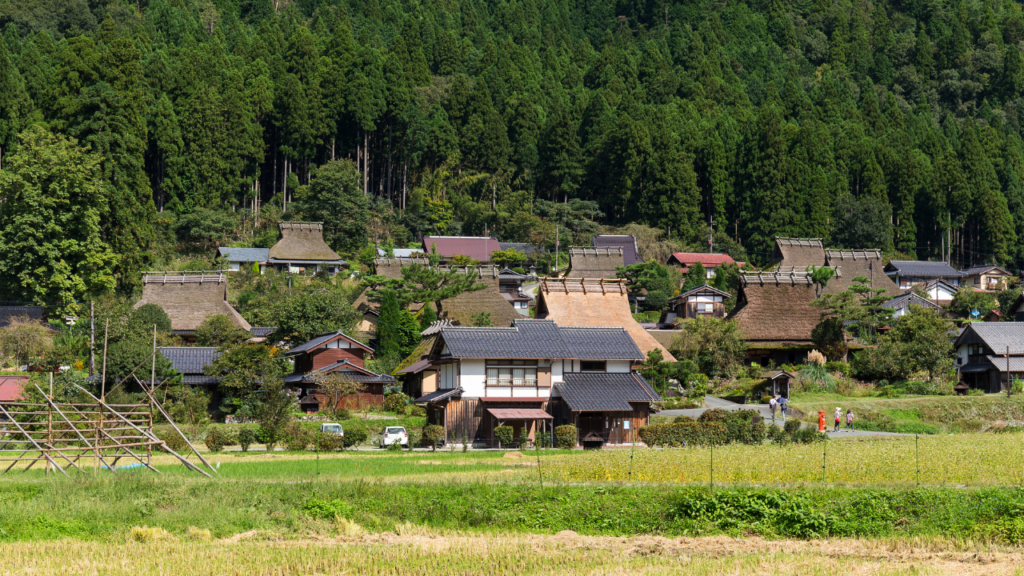
This is where I’d encourage tourists to use some common sense rather than fear.
Popular destinations don’t automatically mean there is no wildlife risk. A famous hiking area is still a mountain or forest, and conditions can change quickly.
If you’re considering a day trip to places such as Mount Takao, Okutama, Nikko, the Fuji area, or other wooded and mountainous destinations, check local information before you leave Tokyo.
That doesn’t mean you should cross these places off your itinerary.
It means you shouldn’t assume that a destination being popular with tourists makes it completely free of wildlife concerns.
The city and the countryside require different levels of awareness.
Check Before You Go

One of the most useful habits for tourists traveling around Japan is simple: check current conditions before heading out.
Don’t rely solely on an old blog post written several years ago. Don’t assume a trail is safe because a friend visited it last year. And don’t assume a popular destination couldn’t have a wildlife problem.
Conditions change.
Tokyo has an official bear-sighting map, known as TOKYOくまっぷ, and the city’s wildlife information has expanded to include neighboring areas such as parts of Yamanashi Prefecture.
If you’re heading into the mountains, check the latest local information before leaving.
And if a trail has been closed because of a bear sighting, don’t try to find another way around the closure.
There is almost certainly a reason it was closed.
Japan’s Bear Problem Doesn’t Define Japan
It’s easy for stories about bears to become sensational.
A headline saying “Japan Has a Bear Problem” can make it sound as though bears are roaming everywhere.
That’s not the reality for most tourists.
Japan remains an extraordinary travel destination, and millions of people visit without ever encountering a bear.
The risk becomes much more relevant when you’re deliberately entering the animals’ habitat, particularly forested and mountainous areas.
That’s the distinction worth remembering.
You shouldn’t be afraid of Japan. You should simply understand where the risks are.
The Countryside Is Still Worth Seeing
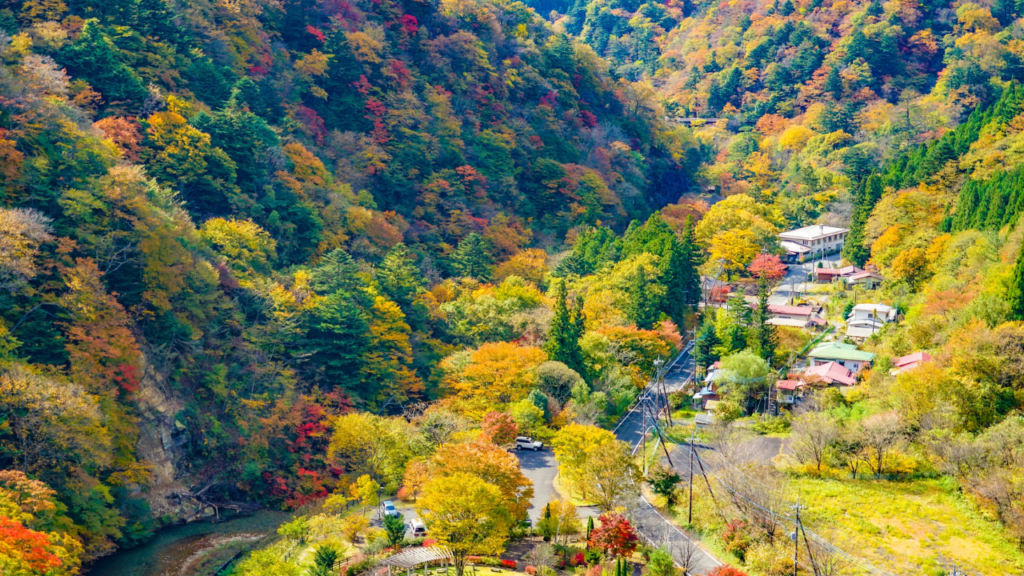
One of the worst reactions to hearing about Japan’s bear problem would be deciding to spend your entire vacation inside Tokyo.
The countryside is part of what makes Japan so interesting.
There are mountains covered in forests, quiet temples, traditional villages, hot springs, lakes, hiking trails, waterfalls, and spectacular scenery.
You just need to approach those places differently.
The same country that has sophisticated trains and crowded urban centers also has vast areas of wilderness. And wilderness comes with wildlife.
That’s not a reason to avoid it altogether. It’s just means you have to respect it.
The Bottom Line
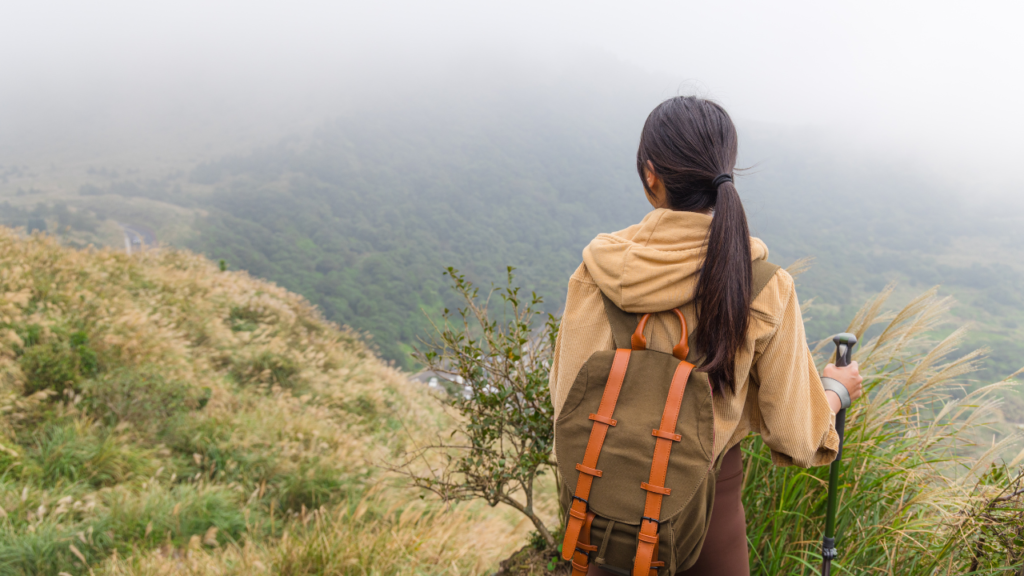
Yes, Japan has a bear problem. And yes, it’s something tourists should know about, particularly if they’re planning to leave Tokyo for hiking, mountains, forests, or rural day trips.
But there’s no reason to panic.
If you’re spending your days in central Tokyo, bears are unlikely to be part of your vacation. If you’re heading into the countryside, check recent sightings, follow local warnings, hike with others when possible, make your presence known on trails, and never approach wildlife.
Tokyo itself can be an enormous urban adventure. But if you decide to venture beyond the skyscrapers, you’re entering a different Japan, one where nature is much closer and deserves a little more respect.
And that’s actually part of the appeal.
See the countryside. Take the day trip. Go hiking. Explore beyond Tokyo. Just know where you are, pay attention, and remember that you’re a visitor in the bears’ backyard.
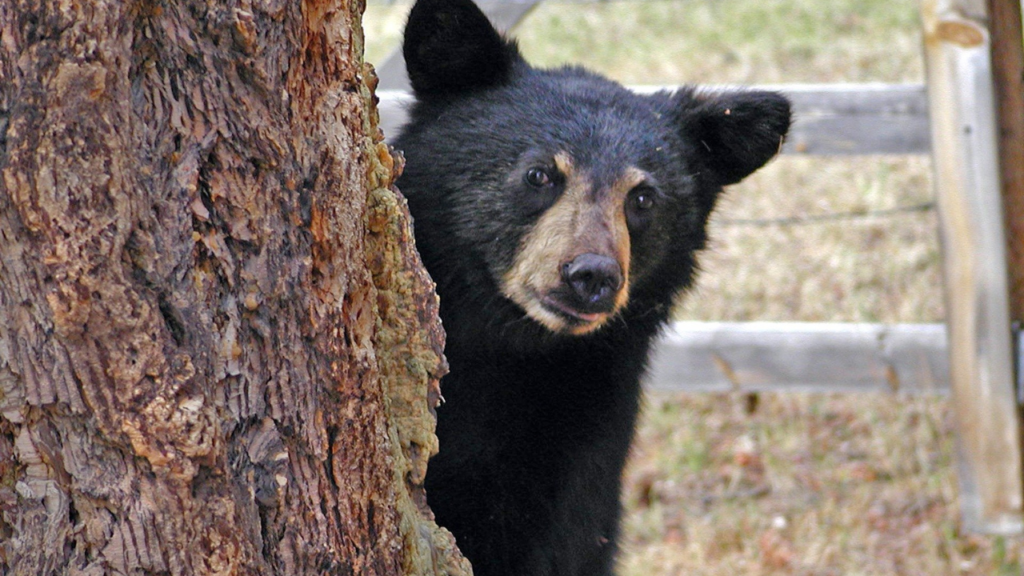
Start planning your trip with this Tokyo itinerary (1–7 days)
See The Full Tokyo Travel Guide
Frequently Asked Questions
1. Are bears a concern around Japan’s popular mountain temples and shrines?
They can be, particularly when a temple or shrine is located in a forested or mountainous area. The fact that a site is a popular tourist attraction does not mean wildlife is absent. Check local notices and recent bear-sighting information before visiting outdoor sites in areas where bears are known to live.
2. Can a bear sighting affect a planned day trip or train journey?
Yes. A bear sighting can result in hiking trails, roads, or access routes being temporarily restricted while authorities investigate the situation. Train service itself is generally a separate issue, but a sighting near a destination could affect your plans for reaching or exploring that area. Always check current local conditions before setting out.
3. What should tourists know about bear sightings near hot spring towns?
Some hot spring towns are located in mountainous areas that are also bear habitat. A town may feel developed and tourist-friendly while surrounding forests and trails remain wild. Visitors should pay attention to local warnings, particularly when walking beyond the main developed areas.
4. Does Japan have a way for tourists to report a bear sighting?
Yes. If you encounter a bear, report the sighting to local authorities or the relevant municipal office so other people can be warned. Avoid approaching the animal or attempting to photograph it at close range. If there is an immediate danger to people, contact the appropriate emergency authorities.
5. Are bear sightings more likely after heavy rain or other bad weather?
Bear activity can vary with weather and seasonal conditions, particularly when weather affects the availability or movement of their natural food sources. Travelers planning hikes or other outdoor activities should pay attention to current local conditions rather than assuming a trail is equally safe every day.