Japan is an extraordinary country to visit.
The food is incredible. The trains are remarkably efficient. The culture is fascinating. And Tokyo seems to have an endless supply of things to see, eat, explore, and experience.
But Japan also has a side that travelers need to take seriously.
Earthquakes happen. Tsunamis are a real possibility. Typhoons can disrupt travel. Heavy rain can cause flooding and landslides. Japan has more than 100 active volcanoes, and Tokyo’s summers can be brutally hot and humid.
That may leave some potential visitors wondering:
Is Tokyo really worth visiting when Japan has so many natural hazards?
Yes.
But that doesn’t mean you should ignore the risks.
The better approach is to understand them, prepare for them, and then go enjoy everything Tokyo has to offer.
Plan your trip with this Tokyo itinerary (1–7 days)
For more ideas, explore: 15 Best Things To Do in Tokyo
Japan Really Is Prone to Natural Disasters
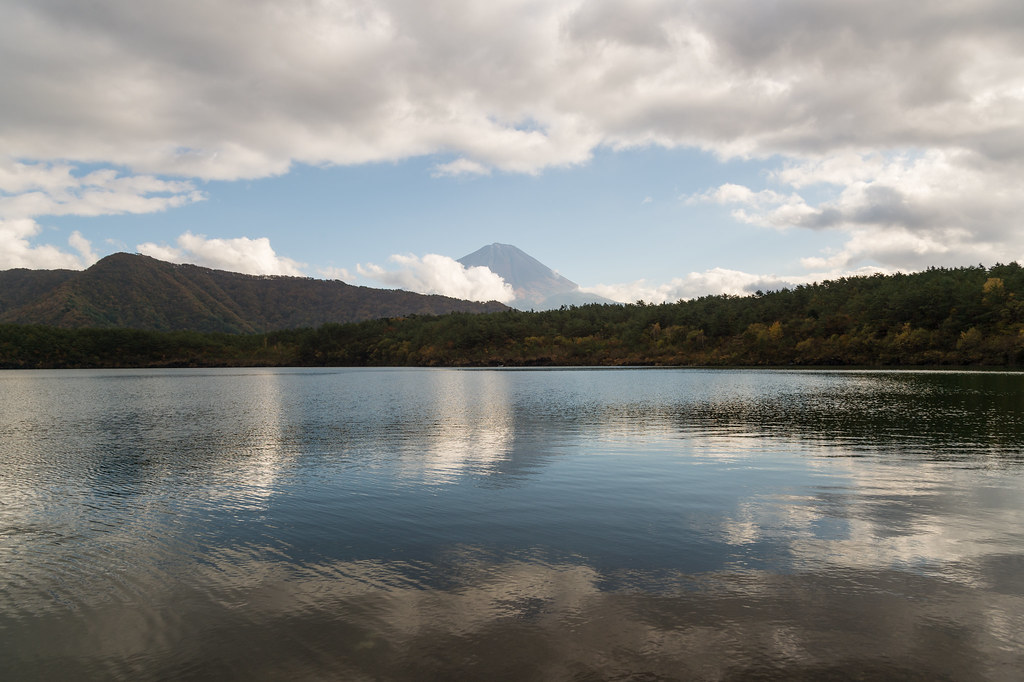
Let’s start with the uncomfortable truth.
Japan is located in a part of the world where earthquakes and volcanic activity are relatively common. The country is also exposed to typhoons, heavy rainfall, flooding, and other natural hazards.
So this isn’t something travel writers should pretend doesn’t exist.
But there’s an important distinction between living in a country where natural disasters can occur and being in constant danger as a tourist.
Those aren’t the same thing.
Most earthquakes are small. Most visitors will never experience a major disaster during their trip. Japan has also spent decades developing warning systems, infrastructure, emergency procedures, and public awareness around these risks.
In other words, Japan doesn’t simply accept that disasters happen.
Japan prepares for them.
Earthquakes Are Part of Life in Japan
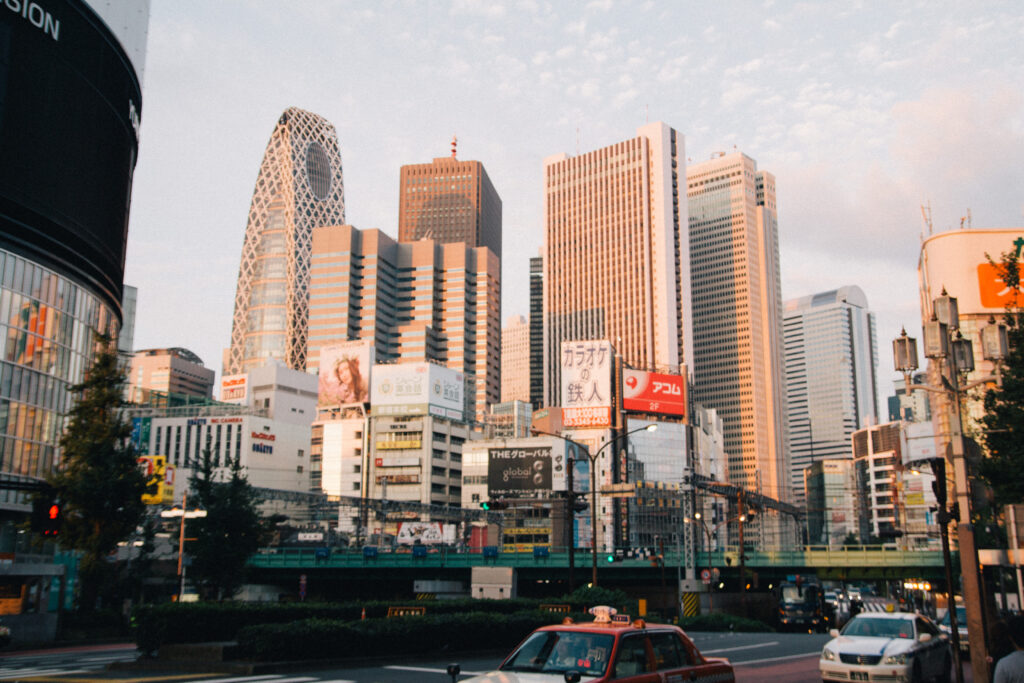
Earthquakes are probably the first thing people think about when they hear about natural disasters in Japan.
Japan sits in a highly active tectonic region, and earthquakes occur frequently. Many are small enough that people barely notice them, while larger earthquakes can cause serious damage.
If you’re visiting Tokyo, you don’t need to spend every day wondering whether the ground is going to move.
But you should know what to do if it does.
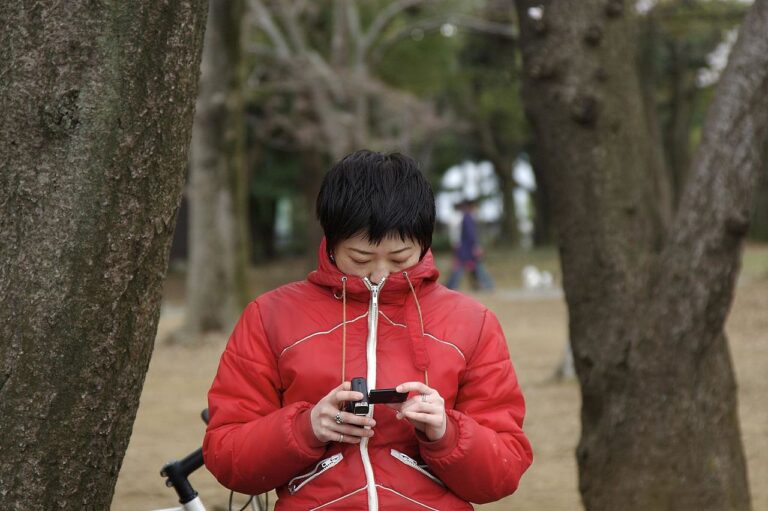
If you’re inside a hotel, restaurant, or other building during an earthquake, the general advice is to protect yourself, stay calm, and follow staff instructions. It’s also sensible to check the emergency exits when you arrive at your hotel and keep your phone charged.
That’s the right mindset for visiting Japan:
Don’t panic. Prepare.
Tsunamis Are a Real Risk, But Don’t Let Fear Control Your Trip
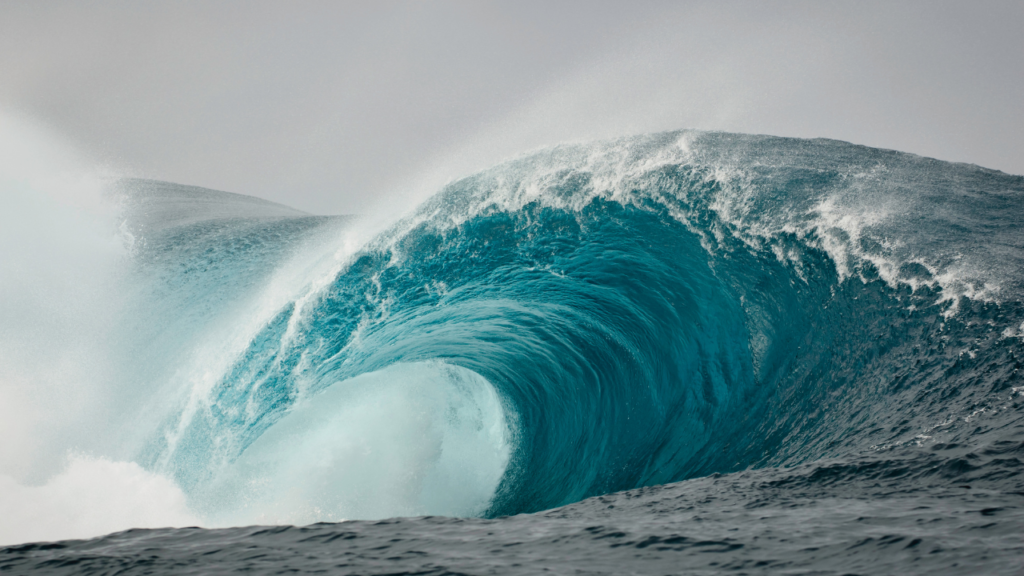
Tsunamis are another legitimate concern, particularly following major offshore earthquakes.
Japan has experienced devastating tsunami events, so this isn’t a risk that should be dismissed. But tourists don’t need to spend their vacation worrying about a tsunami appearing without warning.
Japan has official warning systems, and the basic response is straightforward.
If a tsunami warning or advisory is issued, move away from the waterfront and toward higher ground or a designated evacuation area. Do not approach the coast or rivers to watch the waves.
The important lesson is simple:
If authorities tell you to move, move.
You don’t need to become a disaster expert before visiting Tokyo. Know where to find reliable information, understand the basic warnings, and follow official instructions.
Tokyo’s Heat May Affect Your Vacation More Than an Earthquake
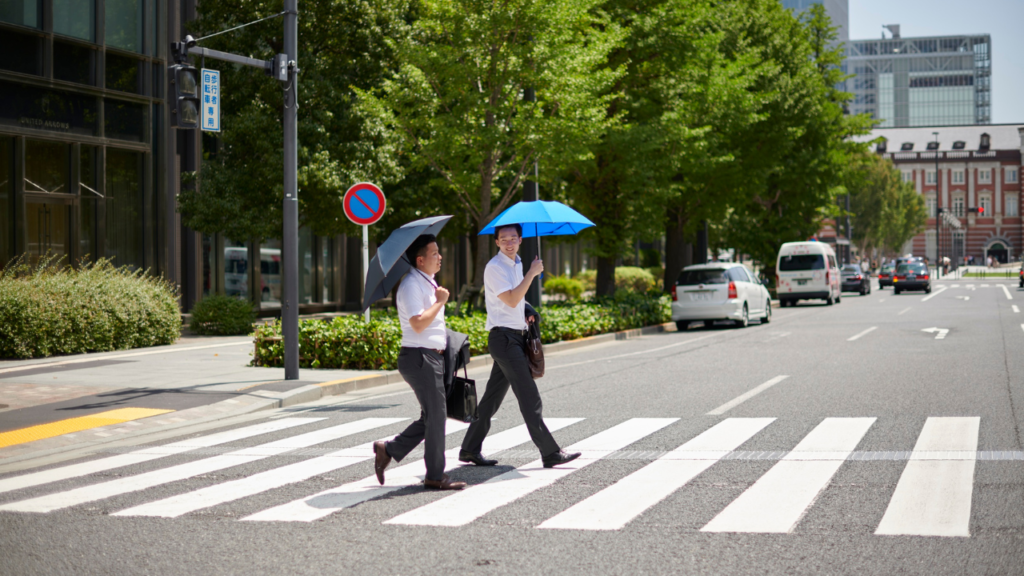
Here’s something that may actually affect far more tourists than an earthquake:
The heat.
Tokyo summers can be extremely hot and humid. And if you’ve read my article about walking around Tokyo, you’ll know why this matters.
Tokyo sightseeing often means spending hours on your feet.
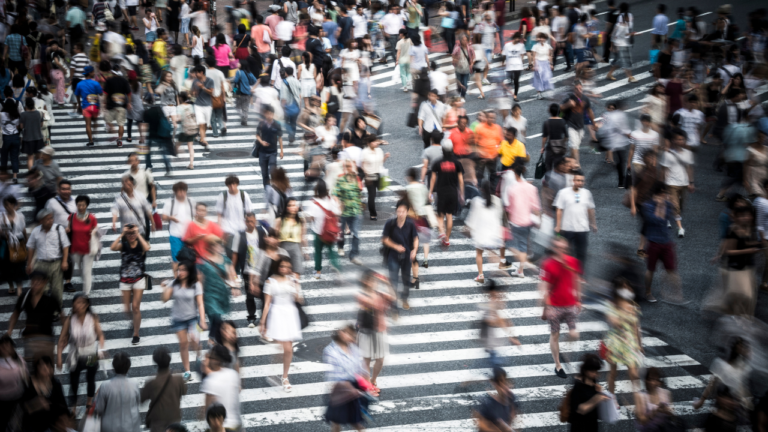
Walking through Shibuya for hours in comfortable spring weather can be wonderful. Doing the same thing in intense summer humidity is a completely different experience.
If you’re visiting during the hottest months, adjust your expectations.
Start outdoor sightseeing earlier in the day. Drink plenty of water. Take breaks. Use cafés, shopping centers, museums, and other indoor spaces to escape the heat.
And don’t wait until you feel sick to take a break.
The heat is a genuine travel consideration, but it is manageable if you plan around it.
Walking Around Tokyo: What You Should Know Before You Go
Typhoons Can Change Your Plans
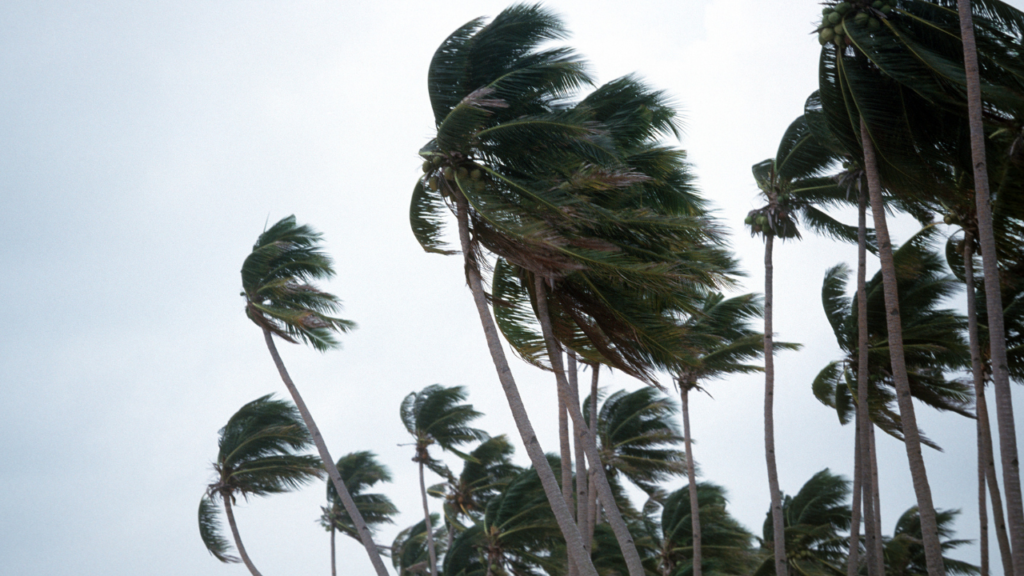
Typhoons are another reality of visiting Japan, particularly during late summer and early autumn.
A strong typhoon can bring heavy rain and powerful winds and can affect trains, flights, outdoor attractions, and other travel plans.
But here’s the good news:
A typhoon doesn’t have to ruin your vacation.
If an outdoor attraction isn’t practical, change your plans. Visit a museum, go shopping or find a café and watch the rain.
Tokyo is an enormous city with so many indoor activities that you can easily build a Plan B.
The important thing is to monitor official weather and transportation information rather than trying to force your original itinerary.
Heavy Rain and Flooding Are Worth Knowing About
As of this writing Japan is getting hit.
The Land of The Rising Sun can experience periods of extremely heavy rainfall which often lead to flooding and landslides.
For tourists, the lesson is simple: pay attention to weather warnings.
If severe rain is expected, don’t insist on following an outdoor itinerary simply because you planned it months ago.
Travel plans are not contracts. Change them.
One of the advantages of visiting a massive city like Tokyo is that you have plenty of alternatives indoors when the weather turns bad.
Japan Has Volcanoes Too
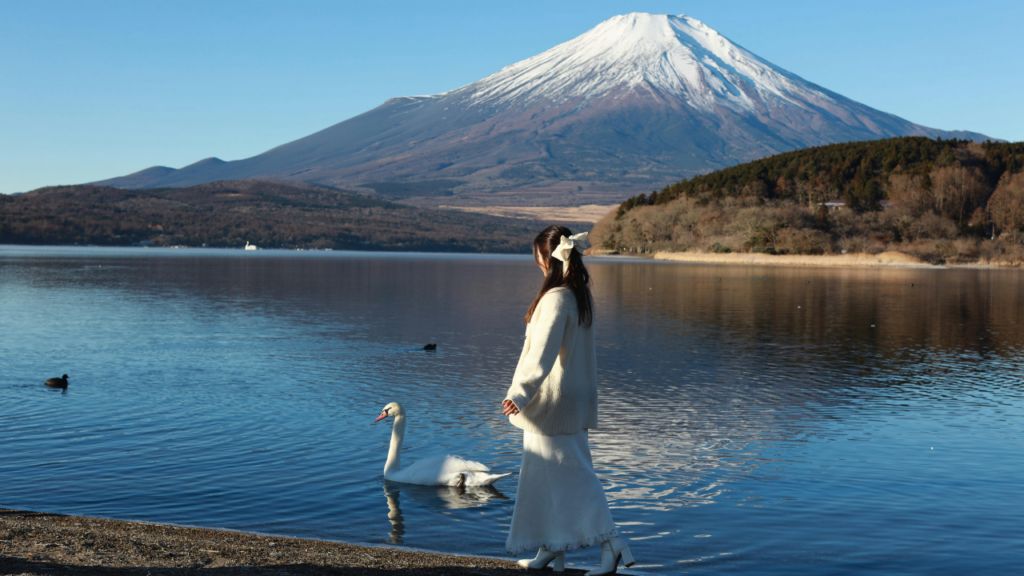
Japan’s dramatic landscapes are partly the result of the same geological forces that create some of its natural hazards.
The country has more than 100 active volcanoes. Most aren’t a concern for ordinary visitors, but volcanic activity can result in restricted areas or changes to travel plans.
For someone visiting Tokyo, this probably isn’t something you’ll think about every day.
If you’re planning a trip to a volcanic area or mountain, simply check current conditions before you go and respect any access restrictions.
There’s no reason to turn a relatively minor possibility into a major source of anxiety.
Here’s Why You Should Still Visit Still
After reading all of this, you might reasonably ask:
Why go?
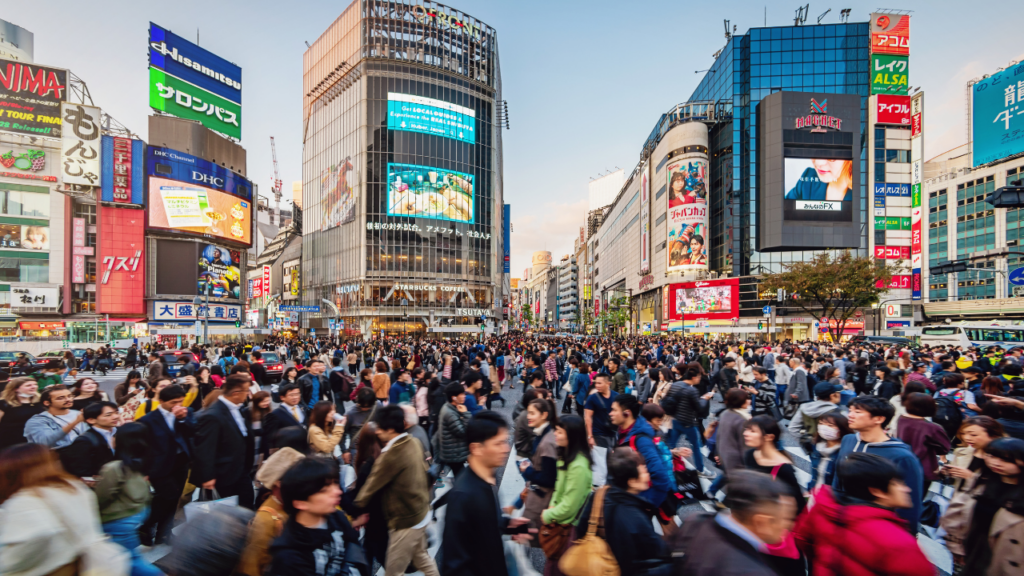
Because Tokyo is extraordinary.
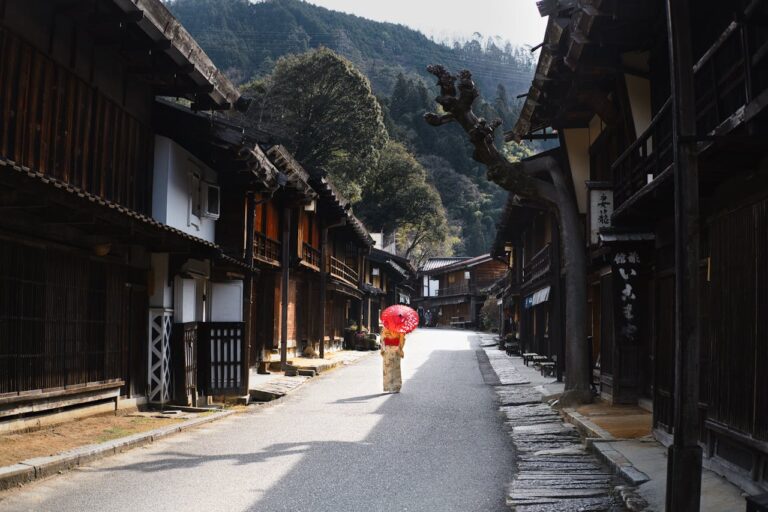
There are very few cities where you can experience such a remarkable combination of ancient tradition and modern life.
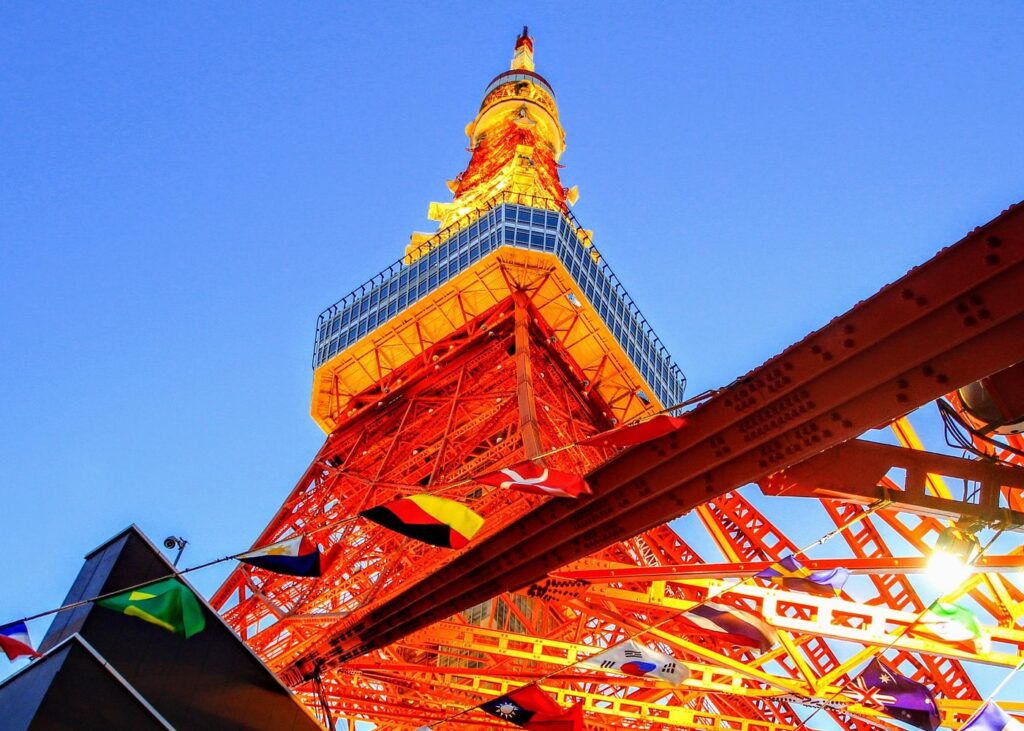
- You can visit a centuries-old temple in the morning and find yourself surrounded by skyscrapers and neon that evening.
- You can eat incredible food in a tiny neighborhood restaurant.
- You can spend hours exploring shopping districts.
- You can wander through quiet residential streets.
- You can visit shrines tucked between modern buildings.
And you can do all of this while knowing there are still countless neighborhoods, restaurants, shops, temples, and streets you’ve never seen.
That’s the magic of Tokyo.
The Seasons Are Part of the Experience
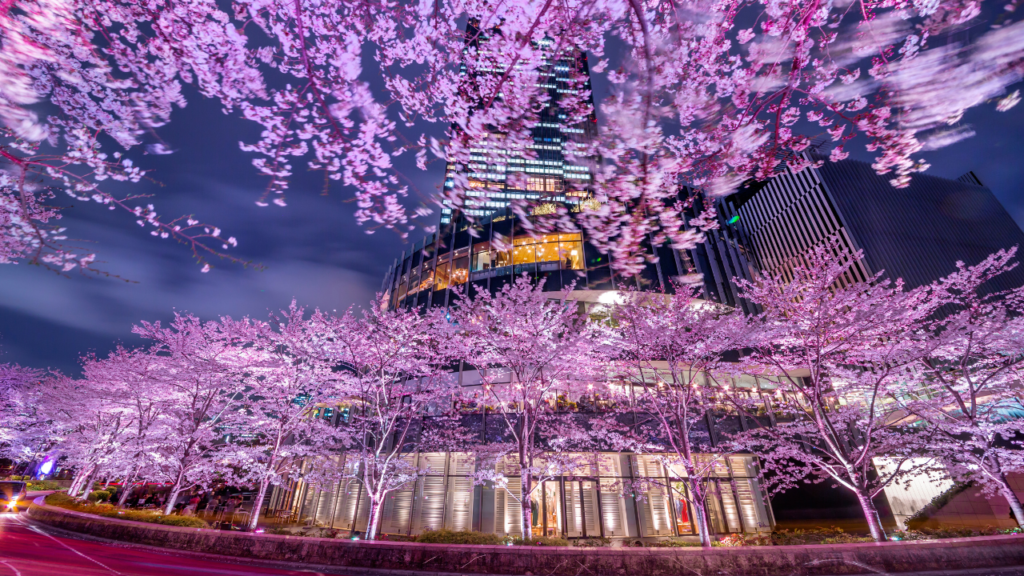
It’s easy to focus on the negative side of Japan’s climate but the country’s changing seasons are also part of its appeal.
- Spring brings cherry blossoms and comfortable days for exploring.
- Summer brings festivals, fireworks, and a completely different energy.
- Autumn brings cooler temperatures and beautiful foliage.
- Winter brings crisp air, seasonal food, illuminations, and fewer crowds in many places.
Japan’s weather isn’t simply something you have to tolerate.
If you’re worried about the heat, consider spring or autumn. If summer festivals are important to you, you may decide the heat is worth it.
There isn’t one perfect time to visit Tokyo. There’s only the time that works best for what you want to experience.
Japan Takes Disaster Preparedness Seriously
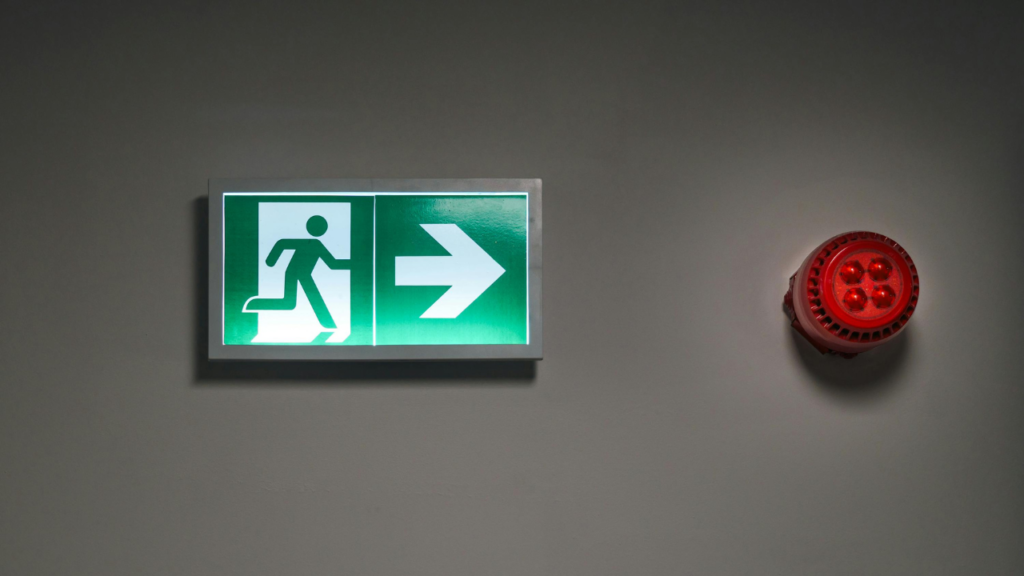
Perhaps one of the most reassuring things about visiting Japan is how seriously disaster preparedness is taken.
Japan provides official information for earthquakes, tsunamis, typhoons, volcanic activity, and other emergencies. Tokyo also provides disaster-preparedness information and resources for visitors.
This doesn’t eliminate risk. Nothing can but being prepared is very different from being helpless.
Before your trip, know your hotel’s emergency procedures, keep your phone charged, pay attention to official alerts, and know where to find reliable information.
Then go enjoy your vacation.
Don’t Let Fear Take the Trip Away From You
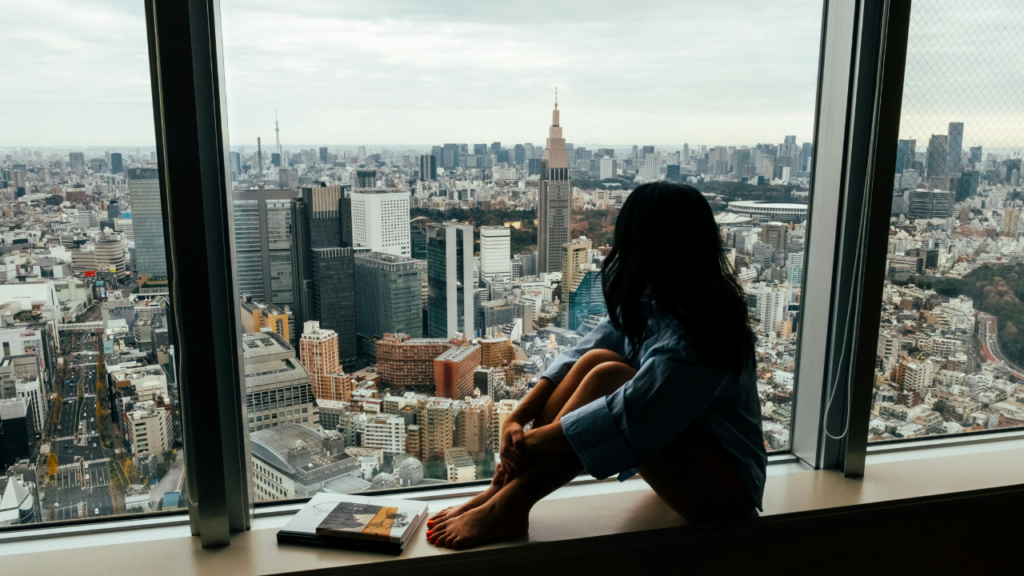
There is no completely risk-free destination.
The question isn’t whether something could happen. The question is whether the risk is something you can reasonably prepare for while still enjoying the destination.
For Tokyo, the answer is a resounding yes.
- Know the major hazards
- Check the weather.
- Pay attention to official warnings.
- Keep your phone charged.
- Know the emergency exits at your hotel.
- If you’re near the coast and a tsunami warning is issued, move to safety.
- If a typhoon is approaching, change your plans.
- If it’s dangerously hot, slow down.
That’s simply being a smart traveler.
And once you’ve done those things, go experience Tokyo..
The Bottom Line
Japan’s natural hazards are real.
Earthquakes happen. Tsunamis are possible. Typhoons can disrupt travel. Heavy rain can create dangerous conditions. Volcanic activity exists. And Tokyo’s summer heat deserves genuine respect.
But none of that means you shouldn’t visit Tokyo.
It means you should visit prepared.
Don’t travel to Japan pretending nothing can happen.
Travel there understanding that something could happen — and knowing what you would do if it did.
Because the possibility of an earthquake, a typhoon, or a brutally hot afternoon shouldn’t be the thing you remember.
The memories you should take away from your visit are the magnificent city of Tokyo itself and the people who call it home.
Start planning your trip with this Tokyo itinerary (1–7 days)
See The Full Tokyo Travel Guide
Frequently Asked Questions About Visiting Tokyo and Natural Disasters
Is travel insurance worth having for a trip to Tokyo?
Yes. Travel insurance can provide useful protection against unexpected trip disruptions, medical emergencies, cancellations, or delays. It is especially worth considering for travelers concerned about weather-related disruptions or other unforeseen events.
Should travelers register their trip before visiting Japan?
Registering your trip with your country’s travel registration service can be a useful precaution. It may make it easier for your government to provide important updates or assistance during a major emergency.
What should I keep in my hotel room in case of an emergency?
A few basic items can make an unexpected situation easier to manage, including comfortable shoes, a small flashlight, essential medications, identification, and a portable phone charger. Keeping these items together means you won’t have to search for them during a stressful situation.
Can natural disasters cause Tokyo attractions to close?
Yes. Major earthquakes, typhoons, severe weather, or other emergencies can result in temporary closures of attractions, transportation disruptions, or changes to operating hours. Checking an attraction’s current status before heading out can prevent unnecessary trips.
What should tourists do if public transportation stops during an emergency?
Don’t assume you need to immediately walk long distances. Follow instructions from transportation staff and local authorities, remain in a safe location when appropriate, and monitor official announcements for information about service interruptions and reopening. If you are in a station or other public facility, staff can also provide guidance.