Go‑karting in Tokyo is one of the city’s most recognizable high‑energy activities. The experience is structured, easy to book, and designed for visitors who want a fast, controlled ride through organized routes.
This guide focuses on the essential details: how the experience works, what to expect, and how to prepare before booking.
Plan your trip with this Tokyo itinerary (1–7 days)
For more ideas, explore: 15 Best Things To Do in Tokyo
What Go‑Karting in Tokyo Actually Is
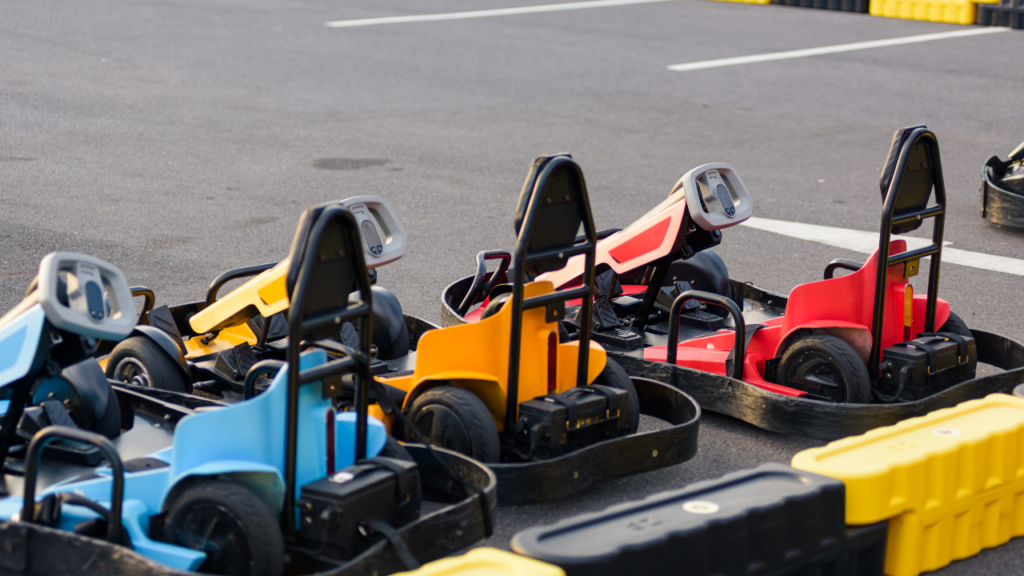
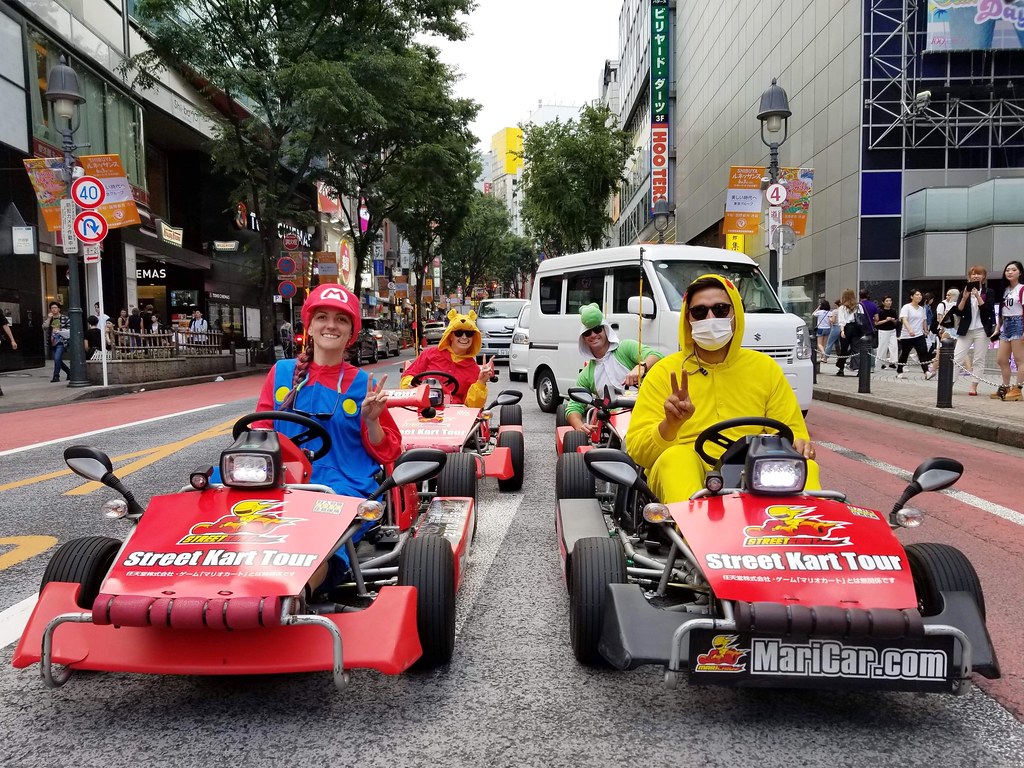
Tokyo’s go‑karting experiences use small, road‑legal vehicles that follow predetermined routes led by a guide. The pace is steady, the environment is controlled, and the routes are designed to keep the experience safe and predictable.
Participants drive in a single‑file line behind the guide, who manages speed, spacing, and traffic flow.
How the Experience Works
Each session begins with a short briefing that covers basic controls, hand signals, and route expectations. Participants receive helmets and optional costumes.
The guide leads the group through a planned route that passes major landmarks and wide roads with consistent traffic patterns.
What to expect:
- Single‑file driving behind a guide
- Clear hand signals
- Steady pacing
- Road‑legal karts
- Structured routes
Who It’s For
Travelers who want a fast, controlled outdoor activity with clear guidance. Works well for small groups and confident solo drivers.
License Requirements
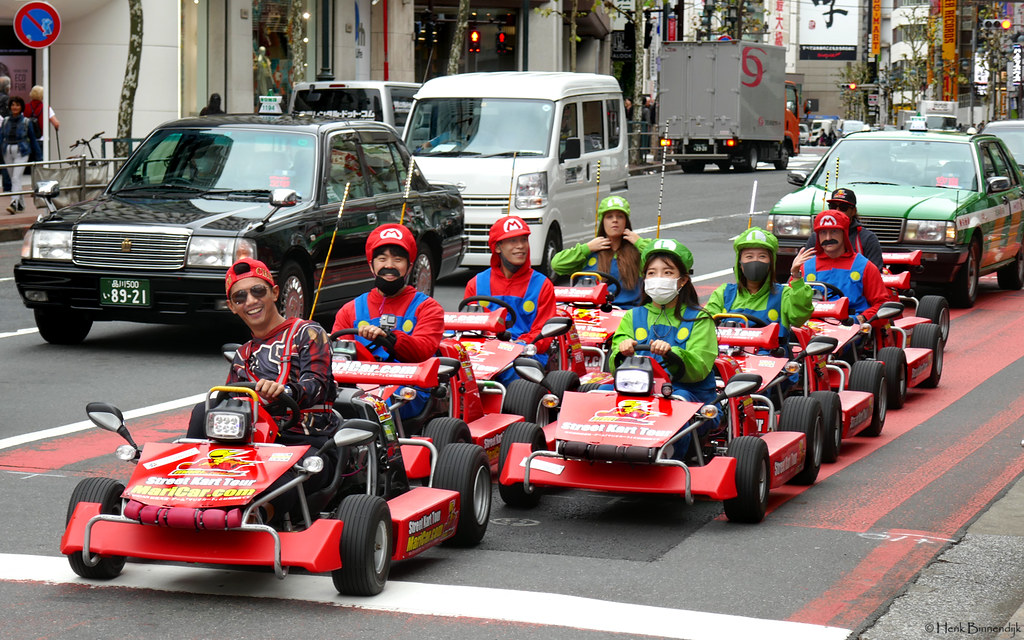
Go‑karting in Tokyo requires a valid driving license that meets Japanese road regulations. This is the most important part of the experience, and it must be prepared before arrival.
Accepted Licenses
Participants must have one of the following:
- An International Driving Permit based on the 1949 Geneva Convention
- A Japanese driving license
- A license from a country with a recognized translation (handled by authorized agencies)
The permit must be presented in person. Digital copies are not accepted.
Why This Matters
The karts are classified as road‑legal vehicles. Without the correct license, participation is not allowed.
Safety Rules
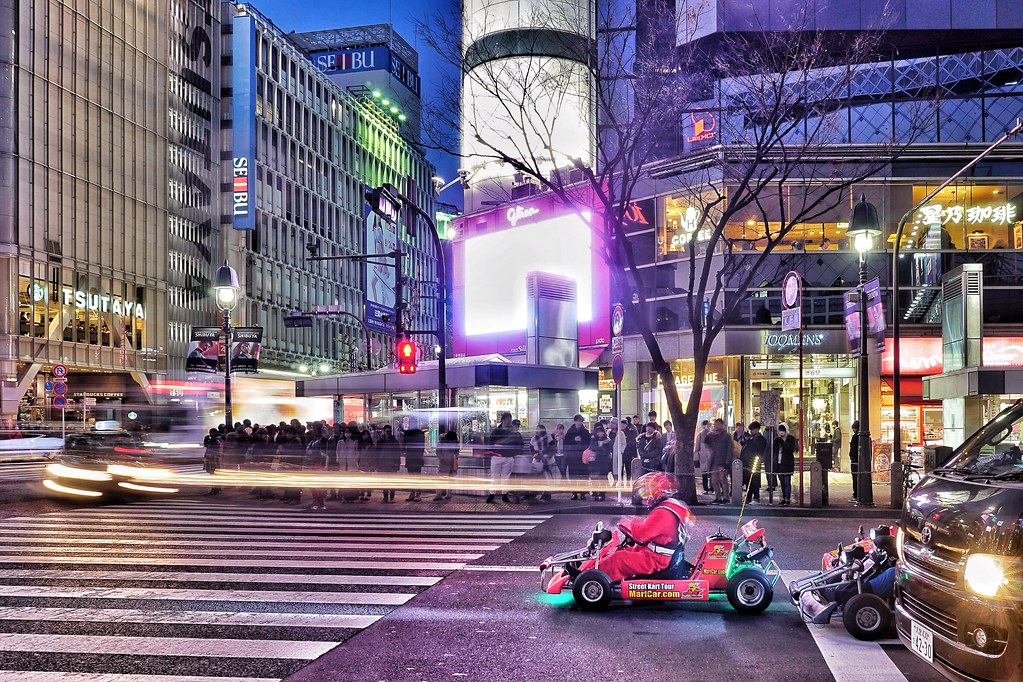
Safety rules are consistent across operators and are designed to keep the experience controlled. The guide manages speed, spacing, and route flow, and participants must follow instructions at all times.
Core Safety Expectations
- Follow the guide’s hand signals
- Maintain steady spacing
- Keep both hands on the wheel
- No sudden lane changes
- No racing within the group
- Helmets must remain on during the ride
The environment is structured, and the guide adjusts the pace based on traffic conditions.
What to Wear
Tokyo’s go‑karting routes are outdoors, so clothing should match the weather. The karts are open, and wind exposure is consistent throughout the ride.
Recommended clothing:
- Light jacket or windbreaker
- Closed‑toe shoes
- Gloves in cooler months
- Sunglasses for daytime routes
Costumes are optional and provided by some operators, but they are not required.
What the Experience Includes
Most sessions include:
- Safety briefing
- Helmet
- Guide‑led route
- Photo stops at designated points
- Optional costume use
The experience is designed to be straightforward and accessible, even for first‑time drivers.
Thrill-Seekers’ Tokyo: High-Energy Adventures
Popular Go‑Karting Routes in Tokyo
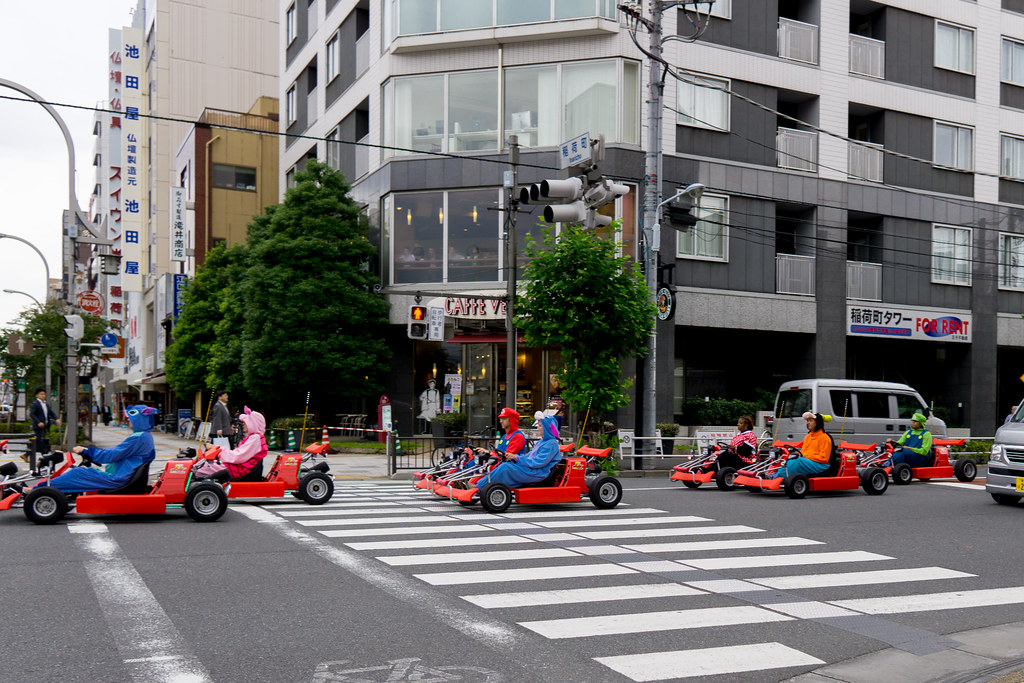
Go‑karting routes in Tokyo are designed to be steady, scenic, and easy to follow. Each route is led by a guide who manages speed and spacing. The paths avoid narrow streets and focus on wide roads with predictable traffic patterns.
The exact routes vary by operator, but most follow similar structures built around major landmarks and open areas.
City Landmark Route
This route passes several well‑known districts and uses wide roads with consistent traffic flow. The pace is steady, and the guide makes short stops at designated points for photos.
What to expect:
- Broad city roads
- Clear sightlines
- Predictable traffic patterns
- Short photo stops
Bay Area Route
This route focuses on the waterfront districts. The roads are open, the views are wide, and the pacing is smooth. It is one of the most popular options due to its consistent visibility and calm traffic.
What to expect:
- Waterfront views
- Open roads
- Smooth pacing
- Scenic stops
Evening Route
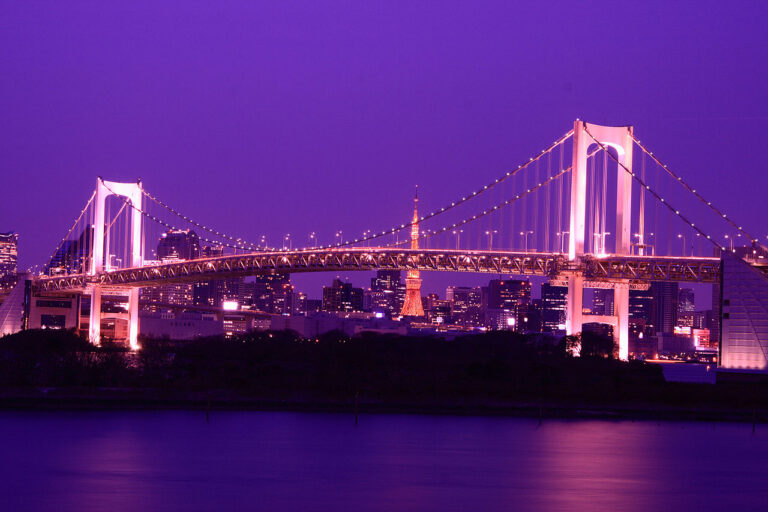
Some operators offer evening sessions that highlight illuminated districts. The roads are calmer, and the visibility of major landmarks is strong. The guide adjusts the pace to match nighttime conditions.
What to expect:
- Clear nighttime views
- Calmer traffic
- Steady pacing
- Structured stops
Timing & Duration
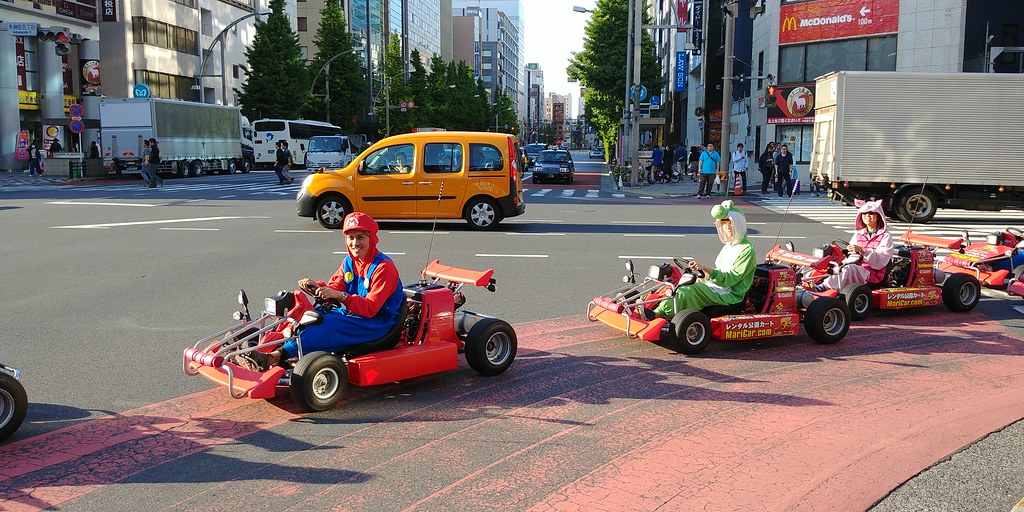
Most go‑karting sessions last between one and two hours. The duration depends on the route, traffic conditions, and the number of stops. The pacing is controlled, and the guide adjusts timing to keep the experience smooth.
Typical Session Lengths
- Short route: 60 minutes
- Standard route: 90 minutes
- Extended route: 120 minutes
Best Times to Go
Morning and early afternoon sessions offer the most consistent traffic conditions. Evening sessions provide strong visibility of illuminated districts but require slightly slower pacing.
How to Prepare Before Booking
Preparation is straightforward, but the license requirement is the most important part. Without the correct permit, participation is not allowed. The rest of the preparation focuses on comfort and timing.
Before Booking
- Confirm your license meets Japanese regulations
- Choose a route that matches your comfort level
- Check weather conditions for outdoor exposure
- Review the meeting point and timing
Before Arrival
- Bring your physical license and passport
- Wear closed‑toe shoes
- Bring a light jacket for wind exposure
- Arrive early for the safety briefing
Related Experience: Tokyo Street Kart Tour
What Happens at the Meeting Point
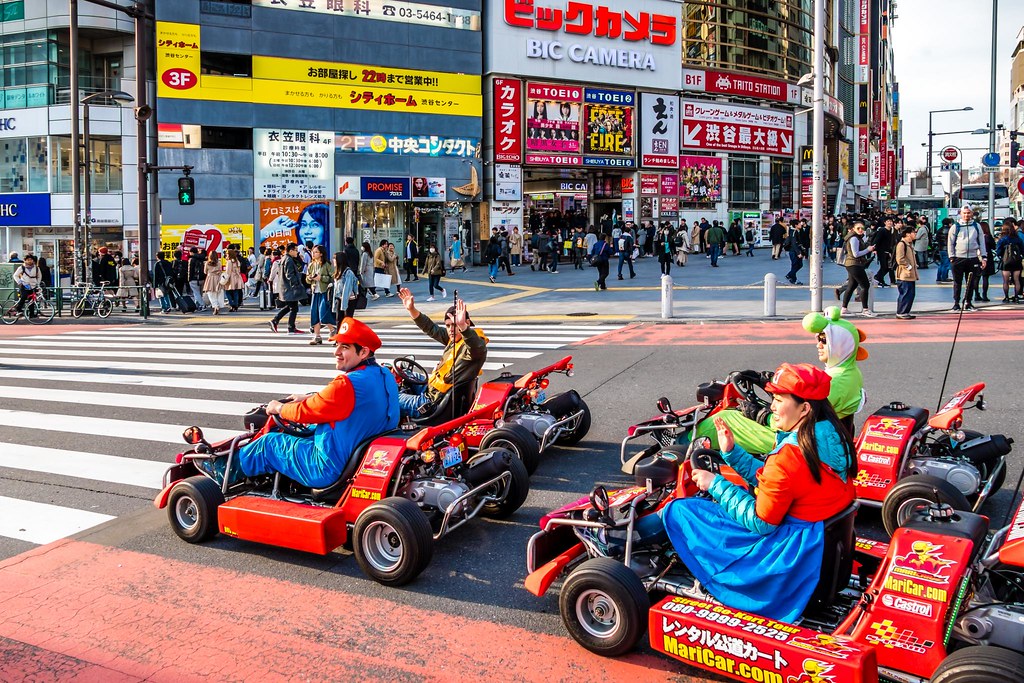
The meeting point is where the session begins. Staff verify licenses, provide helmets, and explain the route. The briefing is clear and covers all essential signals and expectations.
What to expect:
- License check
- Helmet fitting
- Safety briefing
- Route overview
- Group lineup
The guide sets the tone for the session and ensures everyone understands the structure before departure.
How to Book the Experience
Booking a go‑karting session in Tokyo is straightforward. Operators use clear reservation systems with fixed time slots, structured routes, and consistent safety briefings.
The most important part of the booking process is confirming that your license meets Japanese regulations before selecting a time.
What You’ll Choose During Booking
- Route length
- Start time
- Meeting point
- Optional costume use
- Group size
The reservation confirms your slot and provides instructions for arrival, license presentation, and preparation.
What to Bring on the Day
- Physical driving license
- International Driving Permit (if required)
- Passport
- Closed‑toe shoes
- Light jacket for wind exposure
Digital copies of licenses are not accepted.
What Happens During the Ride
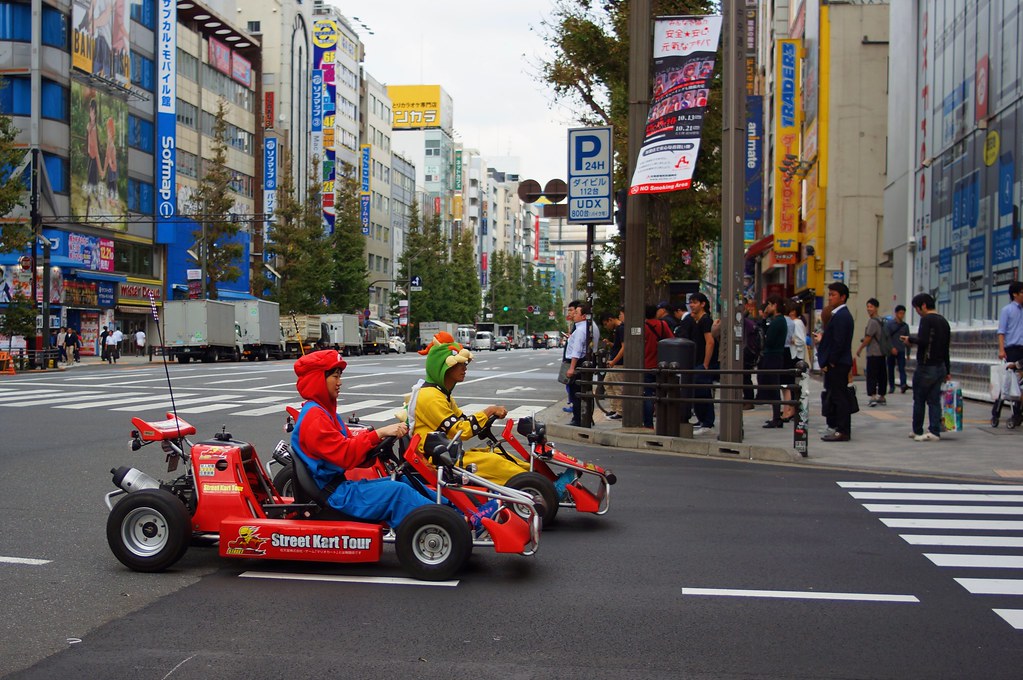
The ride follows a clear structure. The guide sets the pace, manages spacing, and communicates through hand signals. The group stays in a single‑file line, and the route includes short stops for photos and regrouping.
During the Session
- Follow the guide’s signals
- Maintain steady spacing
- Keep both hands on the wheel
- Stay within the group line
- Adjust speed based on traffic
The experience is designed to be smooth and predictable, even for first‑time drivers.
After the Session
Most operators offer a short cooldown period after the ride. Participants return helmets, take group photos, and receive any images captured during the session. The guide reviews the route and answers questions before the session ends.
What to expect:
- Group photo
- Helmet return
- Route recap
- Smooth wrap‑up
A Structured, High‑Energy Tokyo Experience
Go‑karting in Tokyo delivers a fast, controlled outdoor experience that fits naturally into the city’s high‑energy activity scene. The routes are organized, the pacing is steady, and the safety systems are clear. The experience works for travelers who want movement, structure, and a direct way to see the city’s streets with guidance.
It’s a simple, memorable way to add more fun from start to finish to any Tokyo itinerary.
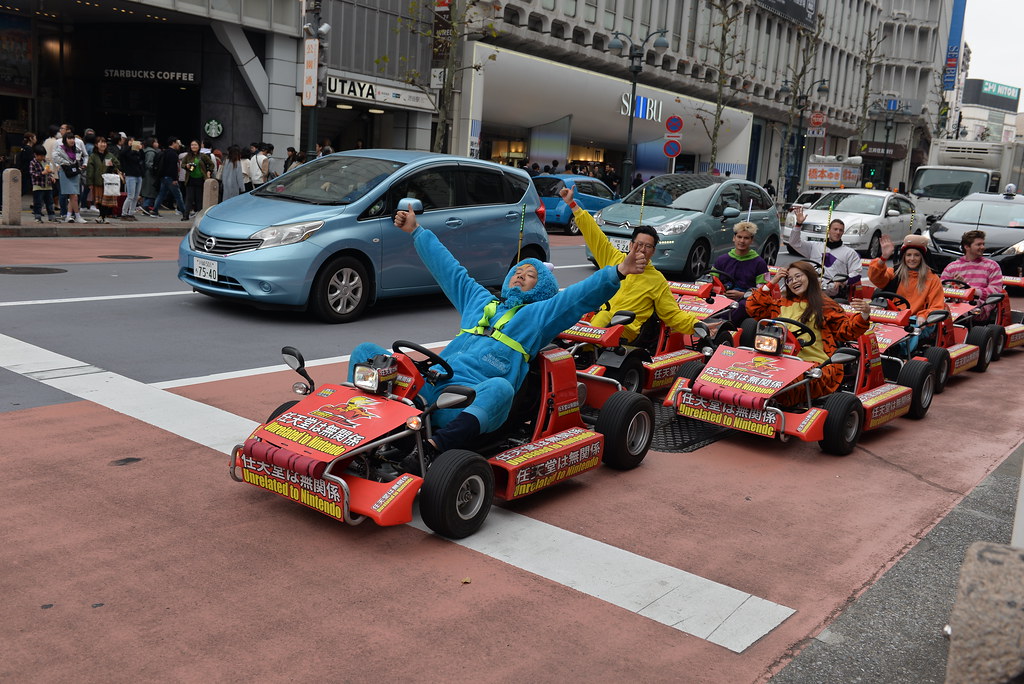
Start planning your trip with this Tokyo itinerary (1–7 days)