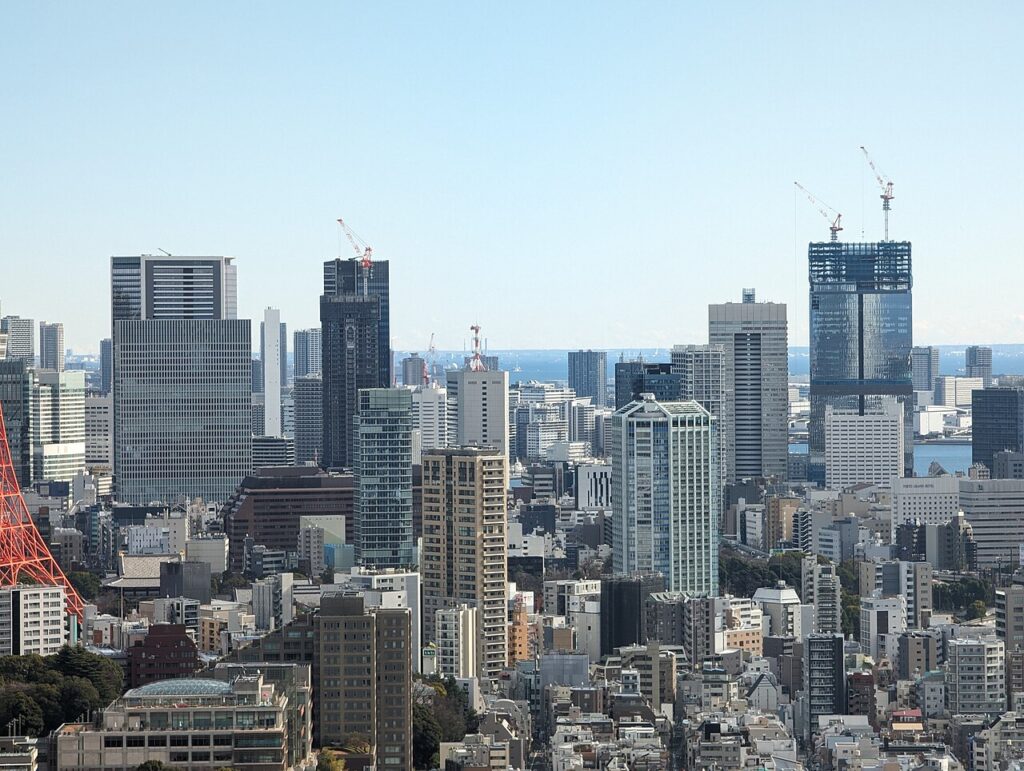
Roppongi is one of Tokyo’s most complex districts, functioning simultaneously as an international hub, a nightlife center, a contemporary art zone, and a major mixed‑use development corridor.
Unlike Shibuya or Shinjuku, which grew organically, Roppongi’s modern identity is the result of deliberate urban planning, large‑scale redevelopment, and the integration of cultural institutions into commercial environments.
This guide provides an authoritative overview of Roppongi as a complete urban system, focusing on district structure, major attractions, art institutions, dining, nightlife, shopping, transportation, accommodations, and practical considerations.
Plan your trip with this Tokyo itinerary (1–7 days)
For more ideas, explore: 15 Best Things To Do in Tokyo
District Structure
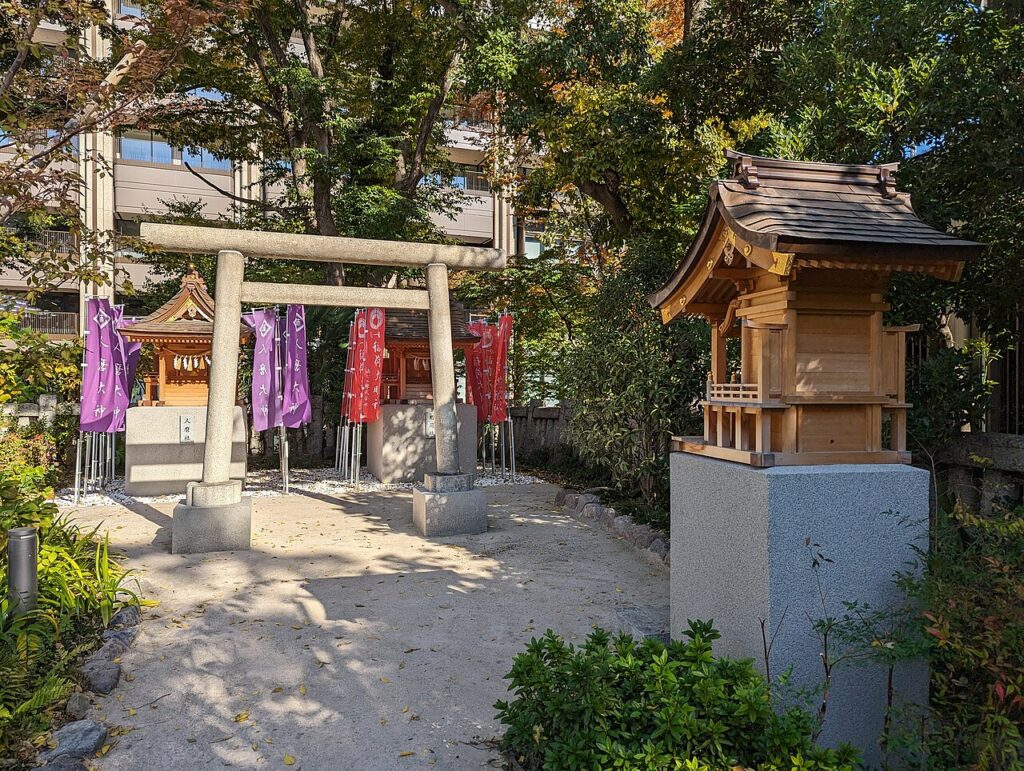
Roppongi is organized around two major mixed‑use developments—Roppongi Hills and Tokyo Midtown—connected by Roppongi Crossing and a network of pedestrian streets.
The district’s structure reflects Tokyo’s shift toward integrated urban design, where residential, commercial, cultural, and public spaces coexist within single developments.
Roppongi Hills (Mori Building Development)
Roppongi Hills is a large mixed‑use complex developed by the Mori Building Company. It contains the Mori Tower, Mori Art Museum, Tokyo City View observation deck, retail spaces, restaurants, a cinema, a TV studio, and residential towers.
The complex is designed to function as a self‑contained urban environment, with multiple levels, escalators, plazas, and pedestrian pathways. Roppongi Hills serves as the district’s cultural and commercial anchor.
Tokyo Midtown (Mitsui Fudosan Development)
Tokyo Midtown is a modern development containing offices, luxury hotels, retail spaces, restaurants, and the Suntory Museum of Art. The complex emphasizes clean design, open spaces, and structured navigation.
Midtown complements Roppongi Hills and forms the district’s second major hub. The two developments represent different architectural philosophies but serve similar functions.
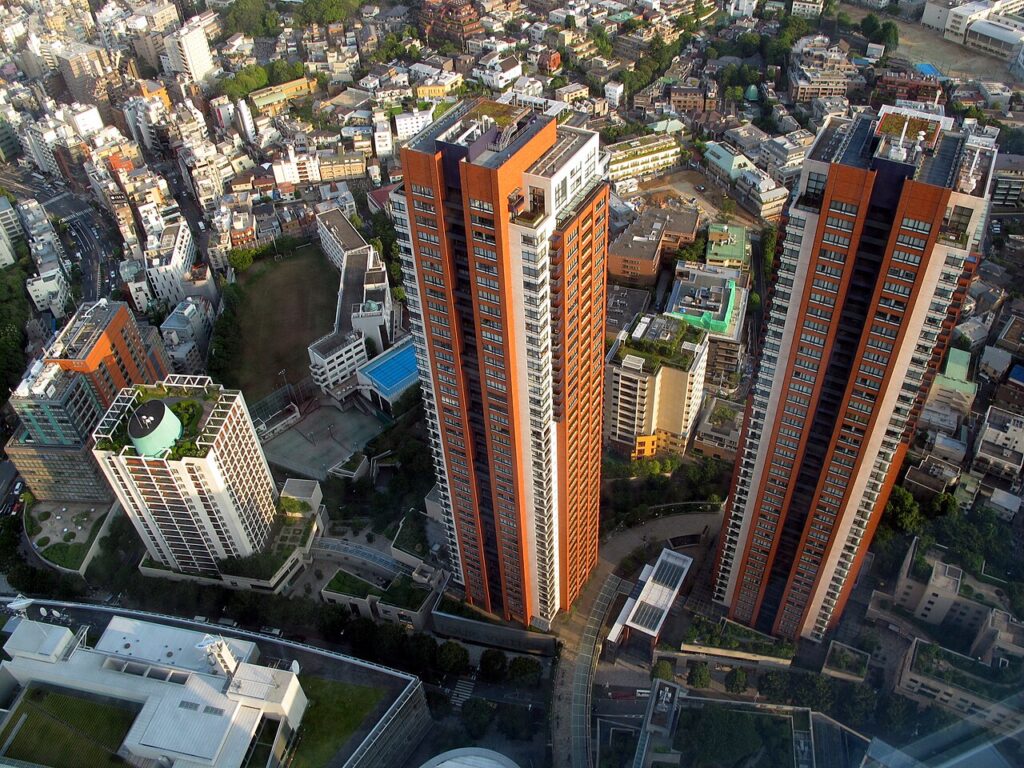
Roppongi Crossing
Roppongi Crossing is the district’s central intersection. The area around the crossing contains bars, clubs, restaurants, and retail shops.
The crossing serves as a major orientation point and a gateway to the district’s nightlife. The surrounding streets are dense and active, especially during evenings and weekends.
Art Triangle Roppongi
The Art Triangle consists of three major institutions: the Mori Art Museum, the Suntory Museum of Art, and the National Art Center.
These institutions are connected by pedestrian pathways and form one of Tokyo’s most important cultural zones.
The triangle provides a structured progression from contemporary art to traditional Japanese art to large‑scale exhibitions.
Embassy & Expat Zone
Roppongi contains numerous embassies and international offices. This contributes to the district’s diverse population and global dining scene.
The presence of embassies also influences the district’s infrastructure, safety, and services.
Related Experience: Private Custom Tokyo Tour VIP
Major Attractions
Roppongi’s attractions are centered around art, modern architecture, and nightlife. The district’s compact layout allows travelers to visit multiple sites efficiently.
Roppongi Hills Mori Tower
The Mori Tower is one of Roppongi’s most recognizable landmarks. The building contains offices, restaurants, retail spaces, and cultural institutions.
The tower’s design emphasizes clean lines and modern architecture. The surrounding complex includes plazas, gardens, and public art installations. It serves as a central orientation point and a gateway to the district’s cultural offerings.
Tokyo City View (Observation Deck)
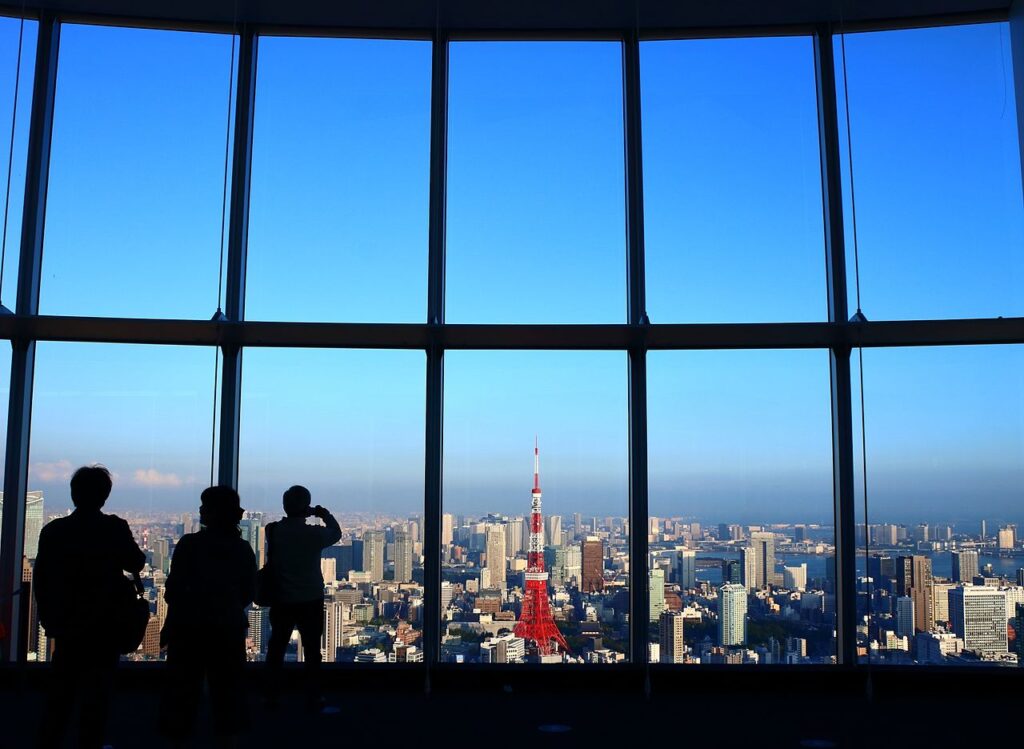
Tokyo City View offers panoramic views of Tokyo from the upper floors of the Mori Tower. The observation deck includes indoor and outdoor viewing areas.
The facility provides clear sightlines of Tokyo Tower, Shinjuku, and Tokyo Bay. The deck is designed for structured visitor flow and provides educational displays.
Tokyo Skytree & Oshiage Travel Guide
Mori Art Museum
The Mori Art Museum is located inside the Mori Tower and focuses on contemporary art. The museum hosts rotating exhibitions featuring international and Japanese artists.
The museum’s layout supports structured visitor flow and clear navigation. The museum’s exhibitions often explore global themes and reflect Roppongi’s international identity.
Tokyo Midtown
Tokyo Midtown contains retail spaces, restaurants, offices, and the Ritz‑Carlton Tokyo. The complex emphasizes open spaces and modern design. Midtown’s layout includes gardens, plazas, and pedestrian pathways.
The complex serves as a counterbalance to Roppongi Hills and provides additional cultural and commercial offerings.
Suntory Museum of Art
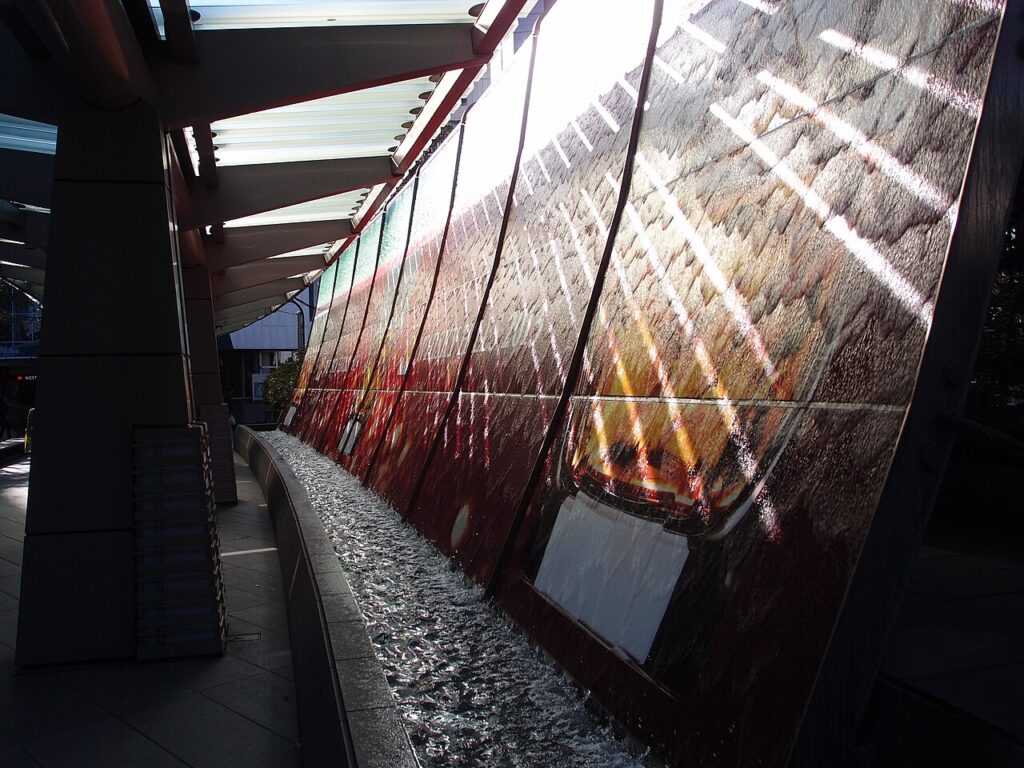
The Suntory Museum of Art is located inside Tokyo Midtown and focuses on traditional Japanese art. The museum’s exhibitions include ceramics, lacquerware, textiles, and paintings.
The museum provides cultural context that complements the contemporary focus of the Mori Art Museum.
National Art Center, Tokyo
The National Art Center is one of Japan’s largest exhibition spaces. The building’s wave‑like glass façade is a major architectural landmark.
The center hosts rotating exhibitions and does not maintain a permanent collection. The design emphasizes open spaces and natural light.
Art & Culture Overview
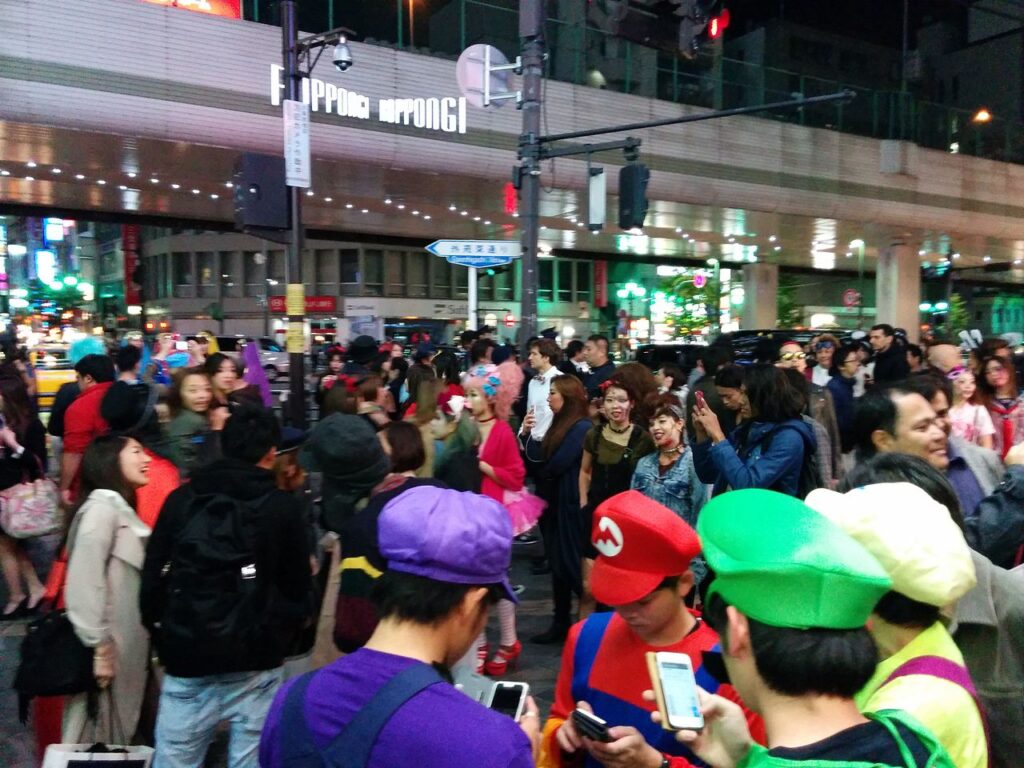
Roppongi is one of Tokyo’s most important cultural districts. The area contains several major art institutions and hosts numerous exhibitions and events.
Art Triangle Roppongi
The Art Triangle consists of the Mori Art Museum, the Suntory Museum of Art, and the National Art Center. These institutions are connected by pedestrian pathways and form a cohesive cultural zone.
The triangle offers a structured progression from contemporary art to traditional Japanese art to large‑scale exhibitions. The institutions complement each other and provide a comprehensive cultural experience.
Asakusa Travel Guide: Tokyo’s Historic District
Public Art Installations
Roppongi Hills and Tokyo Midtown contain numerous public art installations. These works are integrated into plazas, walkways, and building exteriors.
The installations provide additional cultural depth and reflect the district’s emphasis on creativity. The public art is designed to be accessible and engaging.
Seasonal Events & Exhibitions
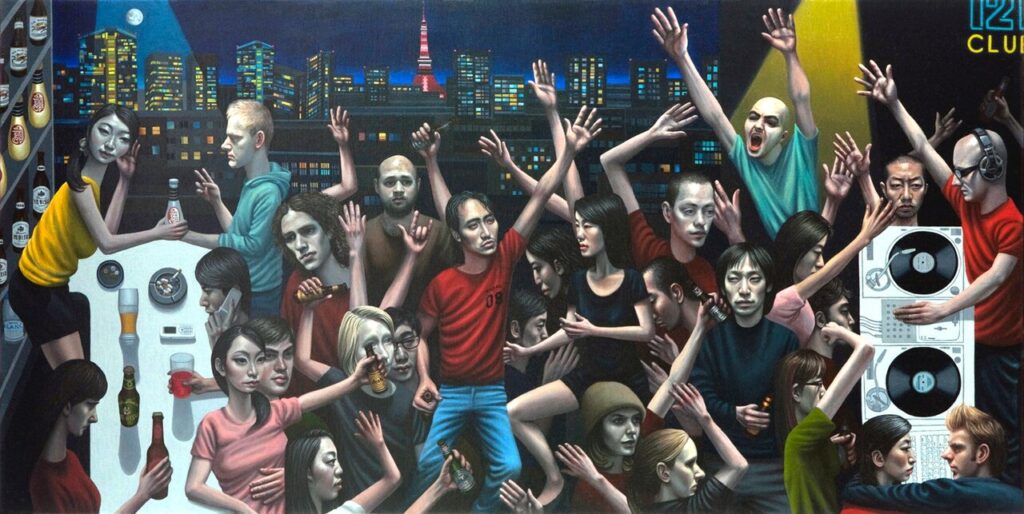
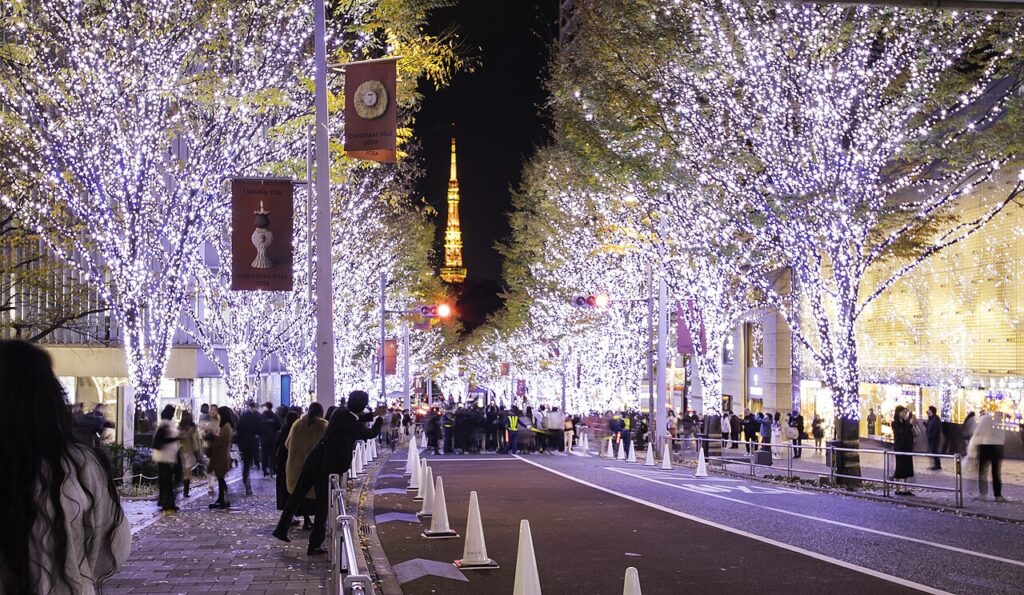
Roppongi hosts seasonal events such as art festivals, light installations, and cultural performances.
These events attract large crowds and provide additional context for the district’s cultural identity. Their designed to complement the district’s permanent cultural offerings.
Related Experience: Daytime Roppongi Walk, Art, Food and Views
Dining Overview
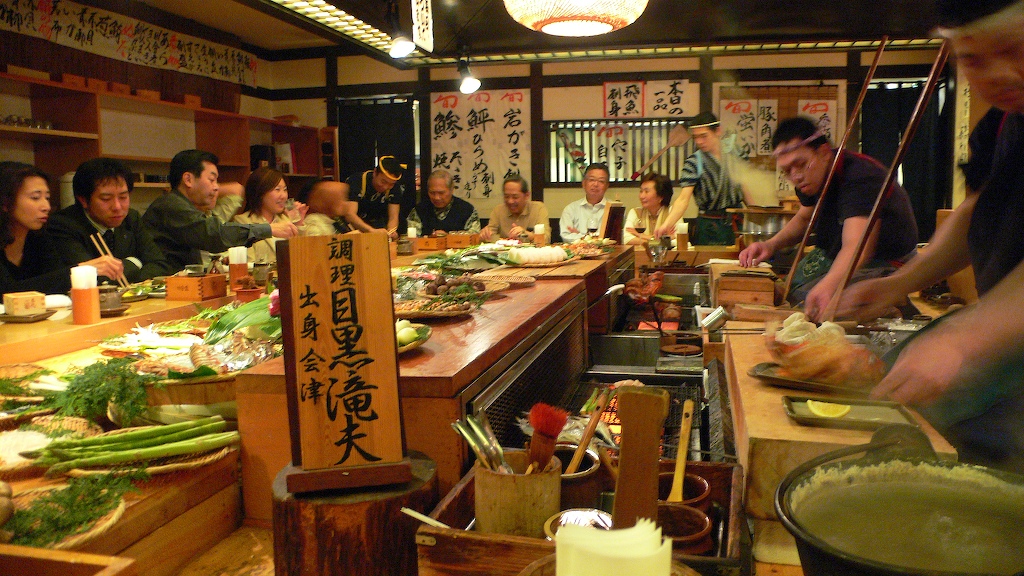
Roppongi’s dining environment is diverse and designed to accommodate international visitors. The district contains high‑end restaurants, casual dining, and global cuisine.
High‑End Dining
Roppongi contains numerous high‑end restaurants specializing in sushi, kaiseki, steak, and international cuisine. The district’s luxury hotels and mixed‑use developments support a structured dining environment. The restaurants emphasize quality, precision, and service.
International Cuisine
Roppongi is known for its international dining options. The district contains restaurants specializing in Italian, French, American, Middle Eastern, and Southeast Asian cuisine. These venues reflect Roppongi’s diverse population and global identity.
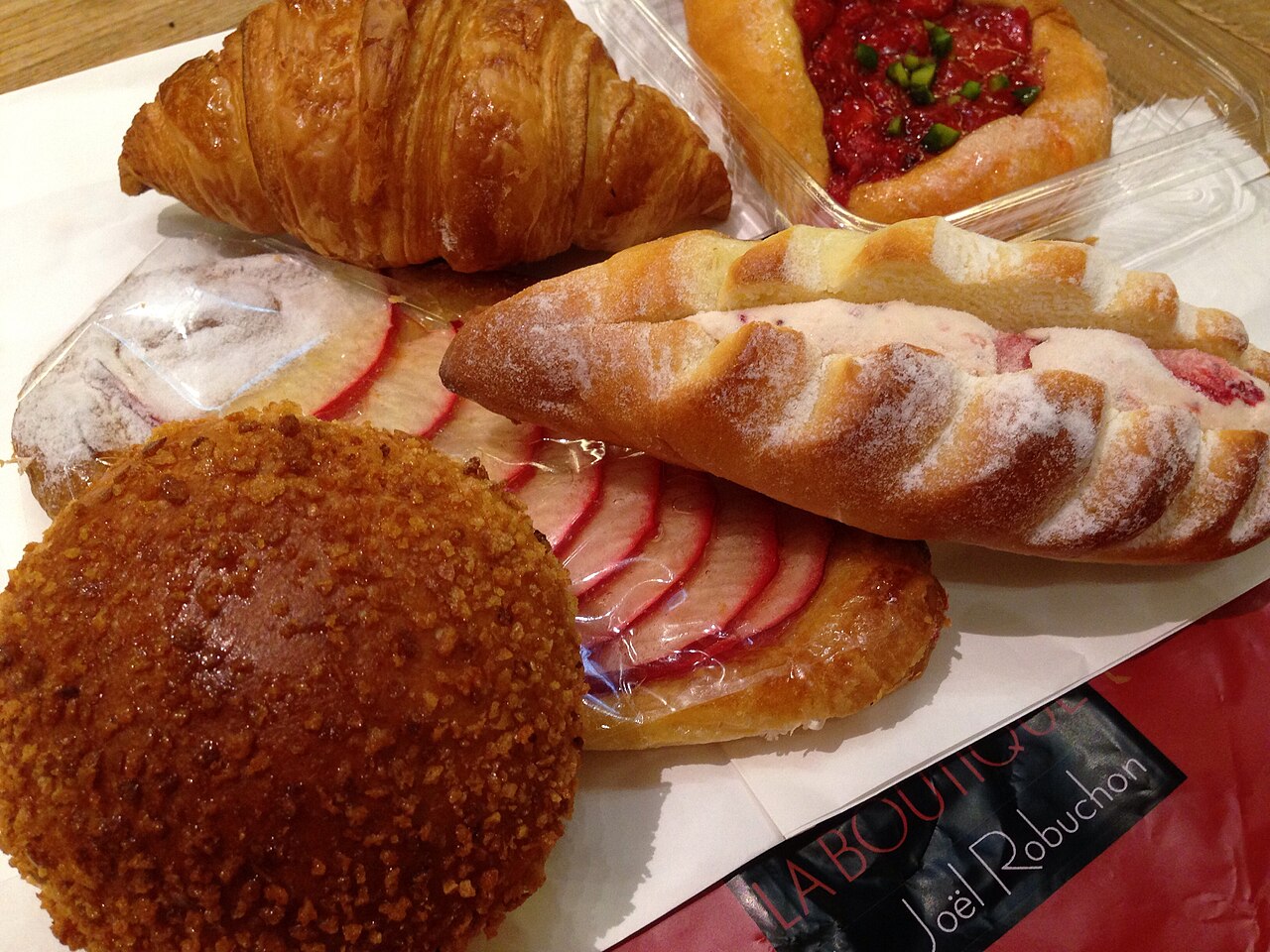
Casual Dining
The district contains numerous casual dining options, including ramen shops, curry restaurants, and fast‑casual chains. These venues provide reliable meals and are suitable for travelers seeking quick service.
Tokyo Midtown & Roppongi Hills Dining
These complexes contain curated dining options ranging from casual cafés to high‑end restaurants. The dining environments are structured and designed for comfort. The complexes provide a wide range of options within a single location.
Nightlife Overview
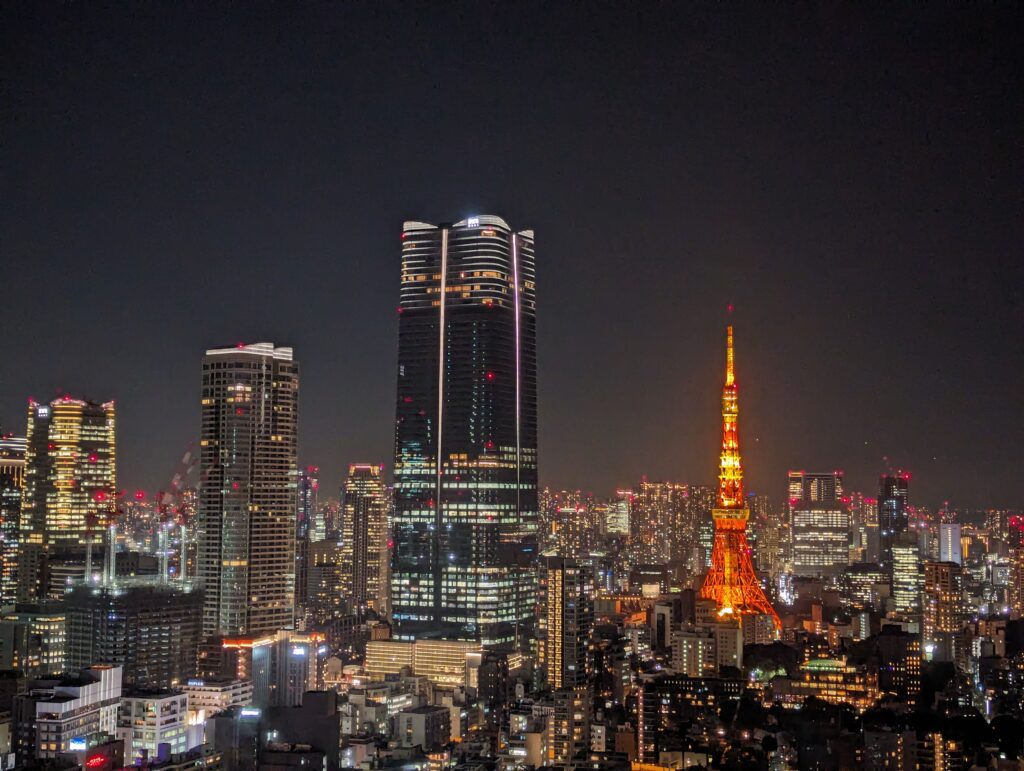
Roppongi is one of Tokyo’s most active nightlife districts. The area contains bars, clubs, lounges, and entertainment venues.
Bars & Lounges
Roppongi contains numerous bars ranging from casual venues to upscale lounges. The bars are concentrated around Roppongi Crossing and the surrounding streets. The venues cater to both locals and international visitors.
Best Rooftop Bars & Skyline Views in Tokyo
Clubs
Roppongi is known for its club scene. The district contains several large clubs offering electronic music, hip‑hop, and live performances. The clubs attract a diverse crowd and operate late into the night.
Izakayas
Roppongi contains a mix of chain izakayas and local establishments. These venues offer grilled dishes, shared plates, and drinks. The izakayas provide a more traditional dining and drinking experience.
Late‑Night Dining
The district offers numerous late‑night dining options, including ramen shops, curry restaurants, and convenience stores. These venues are practical for travelers exploring the district’s nightlife.
Shopping Overview
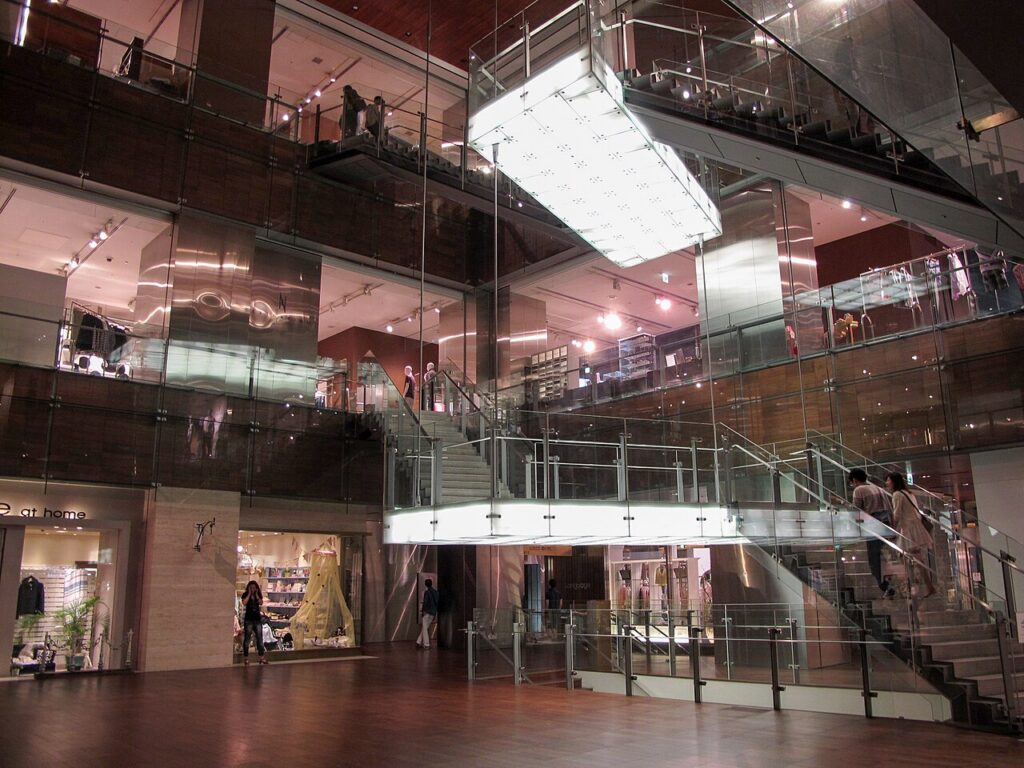
Roppongi’s shopping environment is modern and curated. The district contains a mix of luxury brands, lifestyle shops, and specialty stores.
Roppongi Hills Retail
Roppongi Hills contains fashion boutiques, lifestyle shops, and specialty stores. The retail environment is structured and designed for efficient movement. The shops reflect the district’s modern identity.
Tokyo Midtown Retail
Tokyo Midtown contains mid‑range and luxury brands, lifestyle shops, and specialty stores. The building’s design emphasizes open spaces and clear navigation. The retail environment complements the district’s cultural offerings.
Specialty Shops
Roppongi contains specialty shops selling art supplies, design goods, and high‑quality Japanese products. These shops reflect the district’s cultural identity and provide unique items.
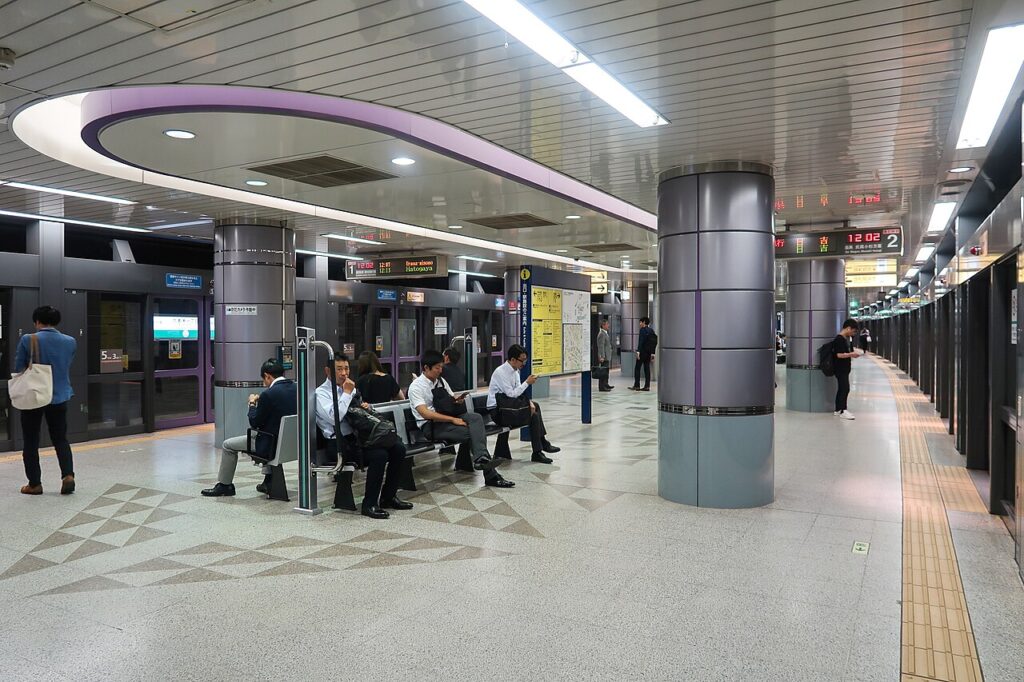
Roppongi is compact and easy to navigate. The district’s modern infrastructure supports efficient movement.
Rail Lines
Roppongi Station is served by the Hibiya Line and Oedo Line. Nearby stations such as Nogizaka and Azabu‑Juban provide additional access. These lines connect Roppongi to Shibuya, Ginza, and central Tokyo.
Public Transit in Tokyo How to Navigate
Walking Routes
The district’s layout is straightforward. Roppongi Hills and Tokyo Midtown are connected by pedestrian pathways. The sidewalks are wide and well‑maintained.
Crowd Management
Roppongi is busiest during evenings and weekends. Travelers should expect higher foot traffic around Roppongi Crossing and nightlife areas.
Where to Stay in Roppongi
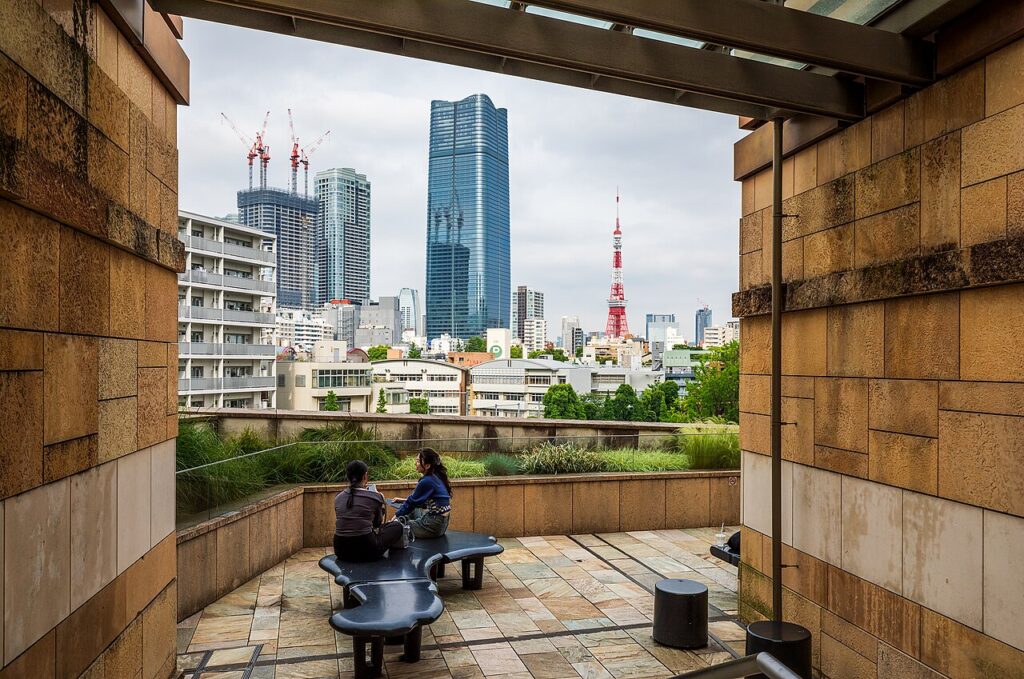
Roppongi is a practical base for travelers seeking a central location with strong cultural and nightlife offerings.
Best Areas to Stay
Hotels near Roppongi Hills provide immediate access to cultural institutions. The area near Tokyo Midtown offers quieter streets and luxury accommodations. The zone around Roppongi Crossing provides access to nightlife and dining.
Hotel Types
Roppongi offers luxury hotels, business hotels, and mid‑range accommodations. Prices are comparable to Shibuya and Ginza.
Related Stay: Hotels in Roppongi
Practical Tips
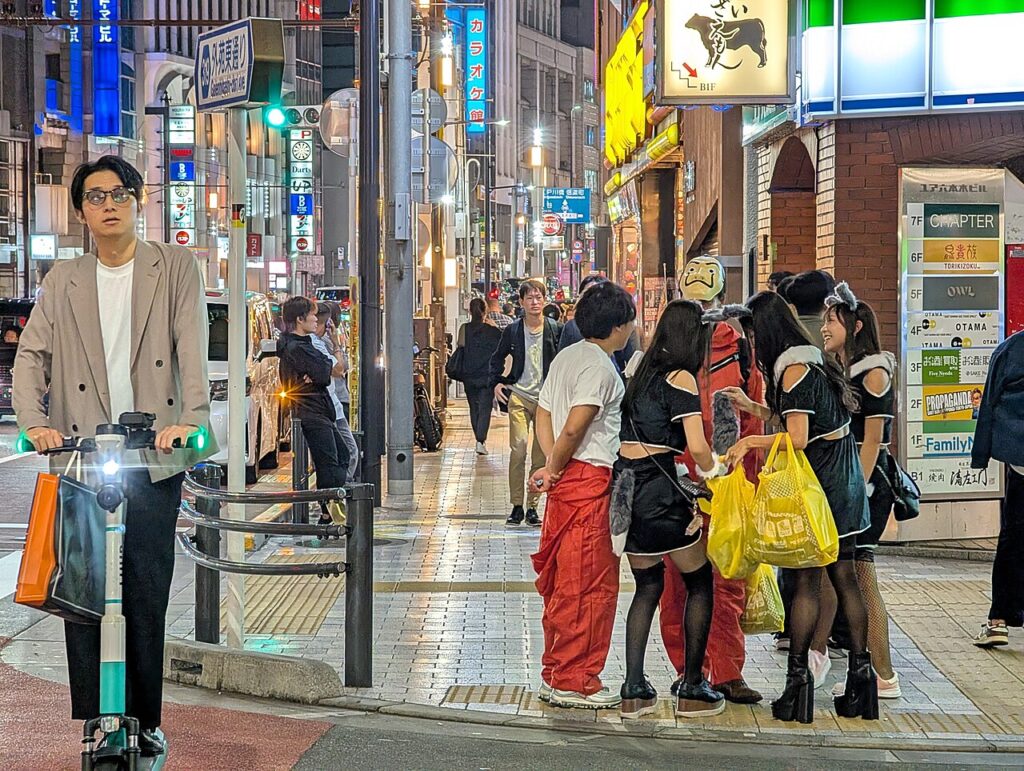
Roppongi is consistently busy but remains one of Tokyo’s most organized districts. Travelers should expect structured environments, clear signage, and consistent service.
The district is safe and easy to navigate. Many restaurants and shops accept cash and card. Nightlife areas can become crowded during weekends.
Roppongi is one of Tokyo’s most dynamic districts, offering a concentrated mix of art, dining, shopping, and nightlife. Its compact layout and modern infrastructure make it a practical and rewarding destination for travelers.
Start planning your trip with this Tokyo itinerary (1–7 days)