Explore beyond Tokyo’s vibrant, neon-lit streets with these carefully curated day trips. We’ve partnered with Viator to offer you seamless booking options for a completely hassle-free experience. Step away from the metropolis and dive into the diverse soul of Japan!
Affiliate Disclosure: This post contains affiliate links. We earn a commission if you make a purchase, at no extra cost to you.
Plan your trip with this Tokyo itinerary (1–7 days)
For more ideas, explore: 15 Best Things To Do in Tokyo
Why Day Trips from Tokyo are Essential for Every Traveler
While Tokyo could keep you mesmerized for weeks, venturing outside the metropolis offers a crucial dimension to your Japan journey. It’s an opportunity to escape what some travelers call “Tokyo fatigue”—the glorious sensory overload of constant activity—and gain a deeper appreciation for the country’s diverse landscapes and rich cultural heritage.
These excursions allow you to witness Japan’s quieter, more introspective side, often within just an hour or two from the city center.
Essential Planning Tips for Your Tokyo Day Trip

Planning is key to maximizing your adventures. Here is everything you need to know to get started:
1. Transportation Options: Trains, Buses, and Travel Passes
- Trains: The absolute lifeline of Japanese travel. They are clean, incredibly punctual, and lightning-fast. Keep a digital Suica or Pasmo card on your phone for seamless tap-and-go travel.
- Shinkansen (Bullet Train): Perfect for reaching further destinations like Karuizawa, Odawara, or even Kyoto in record time.
- Buses: Often the most direct and budget-friendly option for mountainous destinations like the Fuji Five Lakes.
- Special Passes: Check if the regional JR Passes or the Hakone Free Pass fit your route. They can save you a bundle on transit fees!
Public Transit in Tokyo How to Navigate
2. Best Time to Visit: Seasonal Highlights
- Spring (March–May): Perfect for cherry blossoms (sakura), especially around Odawara Castle and the Fuji Five Lakes.
- Summer (June–August): Great for coastal breezes in Kamakura and Enoshima, though you should prepare for warm, humid weather.
- Autumn (September–November): A breathtaking season of fiery red and gold foliage in Nikko, Hakone, and Karuizawa.
- Winter (December–February): Crisp, clear skies offer the absolute best views of Mount Fuji, plus gorgeous winter illuminations.
When to Visit Tokyo: Weather, Seasons, Festivals & Crowd Patterns
3. Guided Tours vs. Independent Travel
- Going Solo: Offers complete freedom and flexibility to set your own pace.
- Booking a Tour: Bypasses all language barriers and transit confusion. Guided tours are highly recommended for complex, multi-stop routes like Nikko or Mount Fuji where logistics can get tricky. Viator offers excellent, fully curated packages that let you simply sit back and enjoy the ride.
Top 10 Day Trip Destinations from Tokyo
1. Kamakura: Temples, Beaches, and Culinary Delights
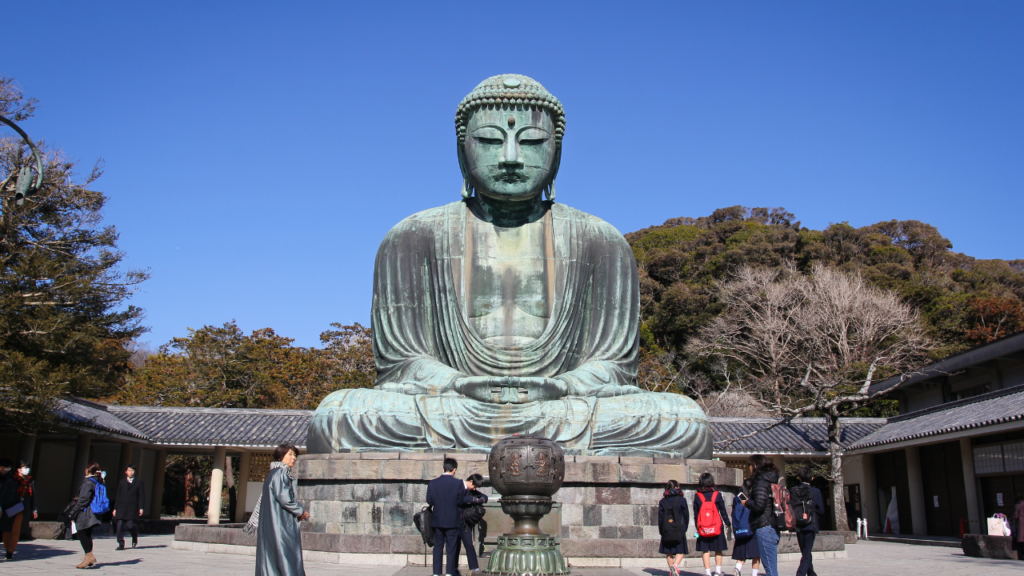
Travel Time from Tokyo: Approximately 50 to 60 minutes via the JR Yokosuka Line or Shonan-Shinjuku Line directly from Tokyo or Shinjuku Station.
The Experience:
Imagine the gentle sound of temple bells echoing through forested hills, mingling with the fresh scent of the Pacific Ocean. Fondly known as “Little Kyoto,” Kamakura is a seaside haven of historical treasures.
Here, you can stand in awe before the monumental Great Buddha at Kotoku-in, stroll through the bamboo pathways of Hokokuji, and enjoy local delicacies like fresh shirasu (whitebait) over rice.
- Cultural Context: Kamakura was the political capital of Japan in the late 12th century, establishing a powerful samurai culture that still defines its architectural landscape today.
Local Perspective:
“Many tourists only visit the Great Buddha, but the real magic of Kamakura lies in walking the quiet Daibutsu Hiking Trail that connects the temples through the woods.”
— Kenji, Kamakura Local Guide
- Your Journey Made Easy: Maximize your time and uncover hidden samurai history by reserving a spot on this Kamakura Guided Day Tour.
2. Hakone: Hot Springs, Art, and Mountain Views
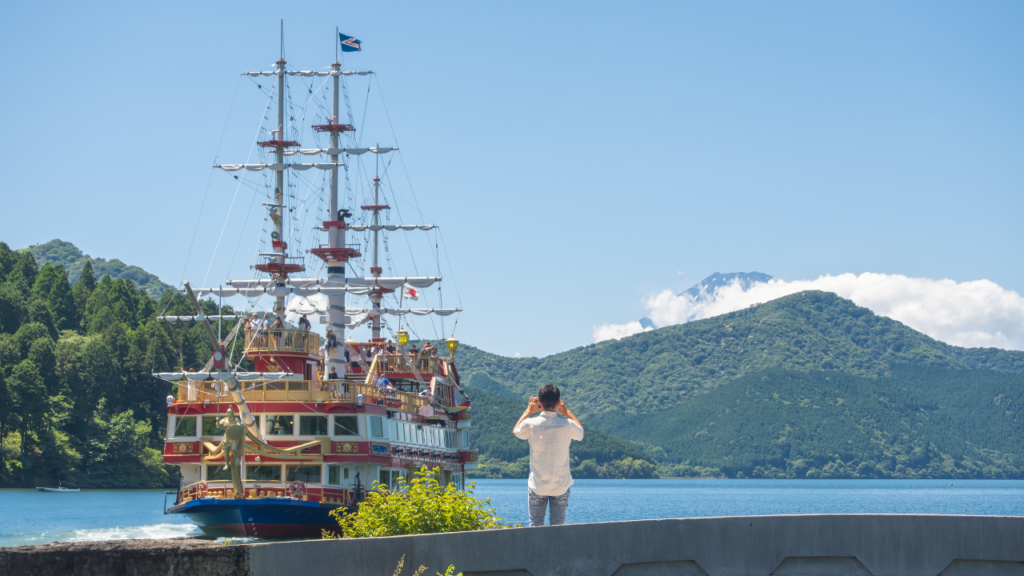
Travel Time from Tokyo: Approximately 75 to 85 minutes from Shinjuku Station via the Odakyu “Romancecar” limited express train, or around 35 minutes via Shinkansen (bullet train) to Odawara followed by a short local train.
The Experience:
Picture yourself soaking in a steaming, mineral-rich thermal bath (onsen) as a crisp mountain breeze sweeps through the valley. Hakone is Tokyo’s favorite mountain escape.
Ride the Hakone Ropeway over volcanic valleys, sail across Lake Ashi on a whimsical pirate ship, and explore the world-class Hakone Open-Air Museum, where grand sculptures harmonize with the surrounding nature.
- Unique Feature: On clear days, the view of Mount Fuji framing the red Torii gate of Hakone Shrine on Lake Ashi is absolutely legendary.
Customer Testimonial:
“The views of Mount Fuji from the lake cruise were spectacular. Our Viator tour took care of all the train and boat transfers seamlessly!”
— Sarah M., Traveler
- Your Journey Made Easy: Treat yourself by booking a Hakone Private Custom Tour.
3. Nikko: World Heritage Shrines and Natural Beauty
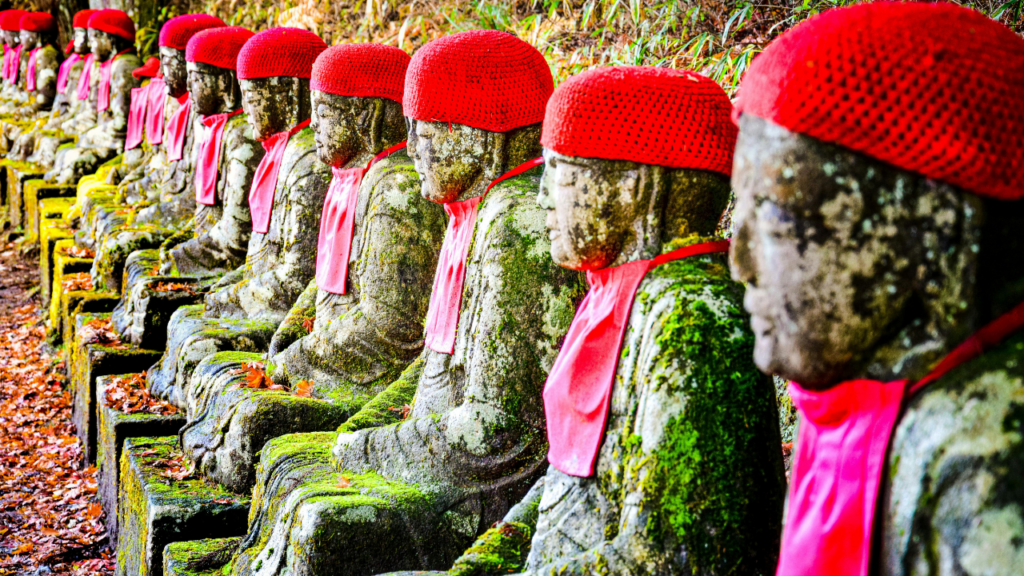
Travel Time from Tokyo: Approximately 1 hour and 50 minutes using the Tobu Railway limited express train from Asakusa Station, or by taking the Shinkansen to Utsunomiya and transferring to the JR Nikko Line.
The Experience:
Step into a world of spiritual wonder. Nikko’s UNESCO-listed temples are nestled deep within ancient cedar forests, where mist rolls off roaring waterfalls. The architectural detail of the Toshogu Shrine—covered in gold leaf and intricate wood carvings—is unlike anything else in Japan. It is a stunning blend of spirituality, history, and dramatic natural beauty.
- What It Feels Like: Inhaling the scent of damp earth and moss as you stand before the towering, roaring wall of water at Kegon Falls, feeling a cool, refreshing mist on your skin.
- Cultural Context: Toshogu Shrine is the final resting place of Tokugawa Ieyasu, the founder of the Shogunate that ruled Japan for over 250 years.
Customer Testimonial:
“Nikko is incredibly beautiful but has so much history. Having a guide explain the carvings at Toshogu Shrine made the experience ten times more meaningful than going alone.”
— Marcus V., Traveler
- Your Journey Made Easy: Navigate this mountainous cultural wonderland effortlessly with a Nikko UNESCO World Heritage Site Tour.
4. Yokohama: Modern Harbor City with a Cultural Twist
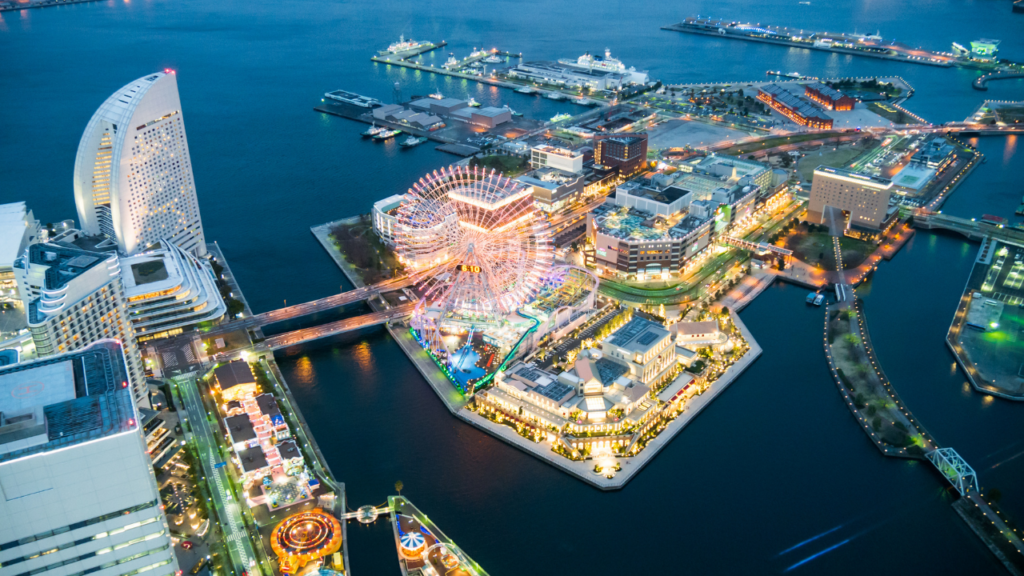
Travel Time from Tokyo: A very quick 25 to 30 minutes via the JR Tokaido or Yokosuka lines from Tokyo Station, or via the Tokyu Toyoko Line from Shibuya.
The Experience:
Just a short train ride south of Tokyo, Yokohama offers a breezy, international atmosphere. Walk along the futuristic waterfront of Minato Mirai, experience the vibrant colors and savory aromas of the largest Chinatown in Japan, and explore quirky spots like the interactive Cup Noodles Museum.
- Unique Feature: Yokohama was one of the first ports opened to foreign trade in 1859, creating a fascinating architectural blend of Western brick buildings and traditional Japanese heritage.
Local Perspective:
“For the best evening view, skip the crowded towers and walk along the Osanbashi Pier. The city lights reflecting on the bay are spectacular.”
— Mai, Yokohama Resident
- Your Journey Made Easy: Discover the best of this harbor city with a Yokohama Custom Guided Day Trip.
5. Mount Fuji and Fuji Five Lakes: Japan’s Iconic Peak
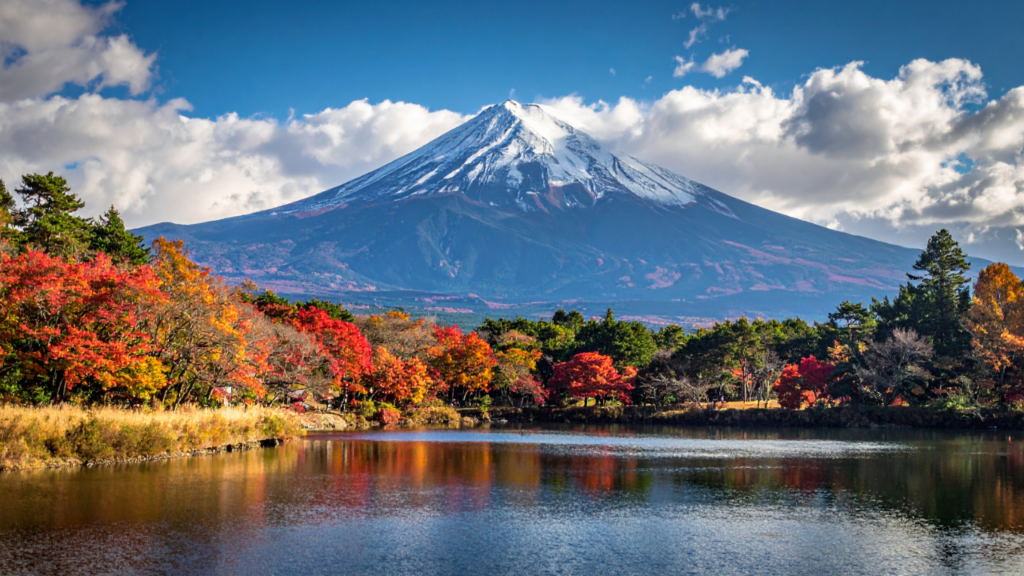
Travel Time from Tokyo: Approximately 1 hour and 45 minutes to 2 hours via the direct highway express buses from Shinjuku Station, or via the JR Fuji Excursion limited express train.
The Experience:
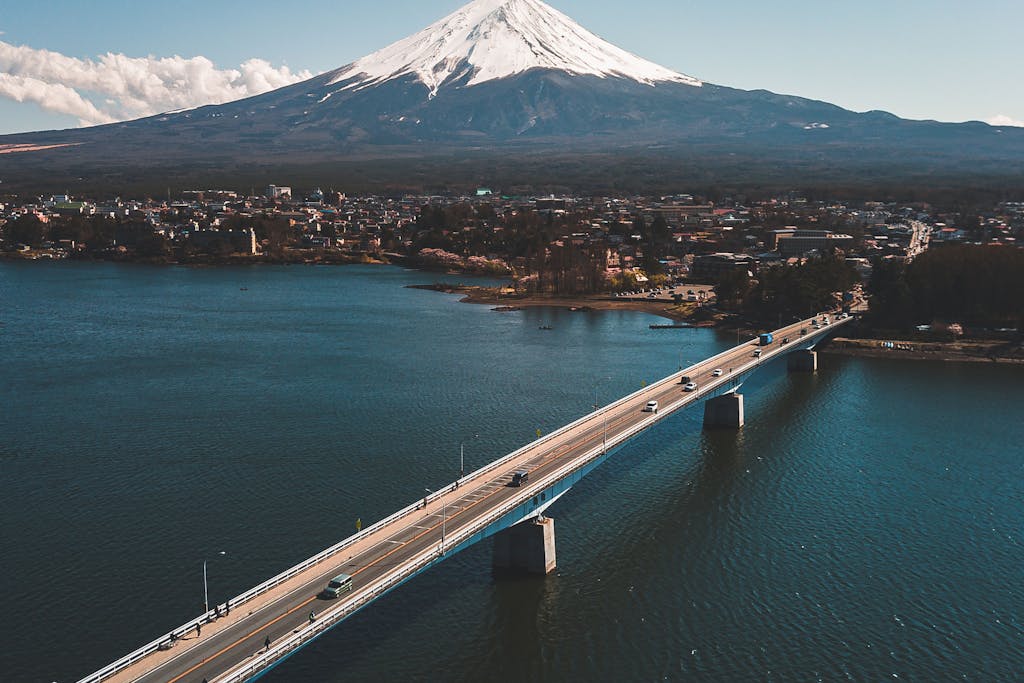
Nothing compares to the thrill of seeing Japan’s most sacred peak rise into the sky. The Fuji Five Lakes region offers pristine shoreline viewpoints, peaceful traditional villages like Oshino Hakkai, and postcard-perfect framing at the Chureito Pagoda.
- What It Feels Like: Waking up early to stand by the glass-calm waters of Lake Kawaguchiko, sipping hot tea as the rising sun paints the snow-capped peak of Mount Fuji in glowing shades of pink and gold.
Customer Testimonial:
“Standing in front of Mount Fuji was a bucket-list dream come true. The tour guide knew the exact spots to take us for the best photos!”
— David L., Traveler
- Your Journey Made Easy: Guarantee your perfect viewing spot by reserving a Mount Fuji and Kawaguchi Panoramic Day Tour.
6. Chichibu: Nature, Festivals, and Rural Charm
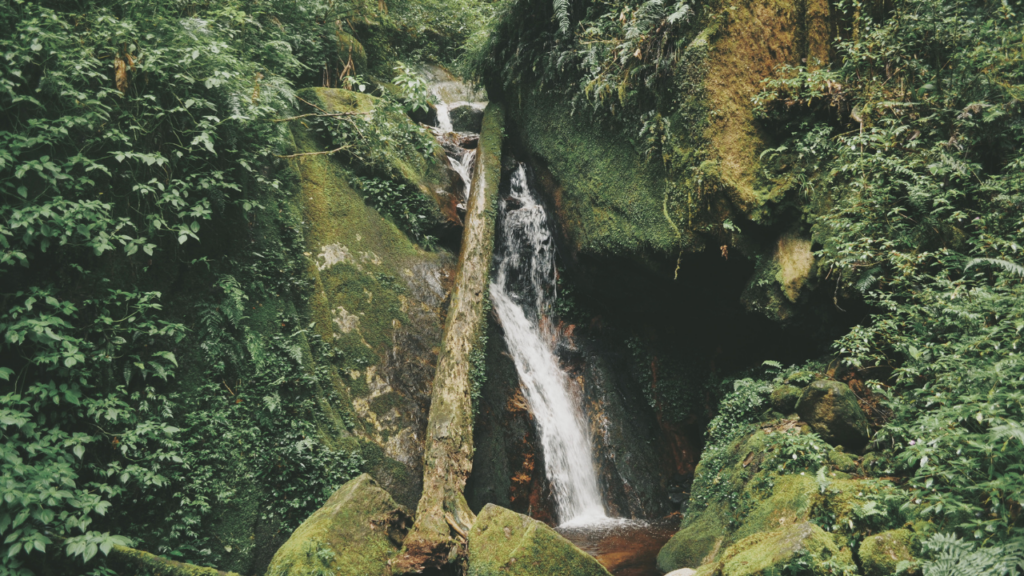
Travel Time from Tokyo: Approximately 80 minutes from Ikebukuro Station using the Seibu Railway limited express train (Laview).
The Experience:
For an authentic taste of rural Japan, escape to Chichibu. This peaceful valley is famous for its stunning river gorges, dramatic mountain backdrops, and vibrant seasonal landscapes—most notably the pink carpets of shibazakura (moss phlox) in the spring.
- Unique Feature: The Nagatoro River in Chichibu features dramatic rock formations called Iwadatami, which resemble layered tatami mats made of natural stone.
- Your Journey Made Easy: Experience the charm of rural Japan by booking a Chichibu Valley Driving Tour
7. Kawagoe: “Little Edo” and Historical Streets
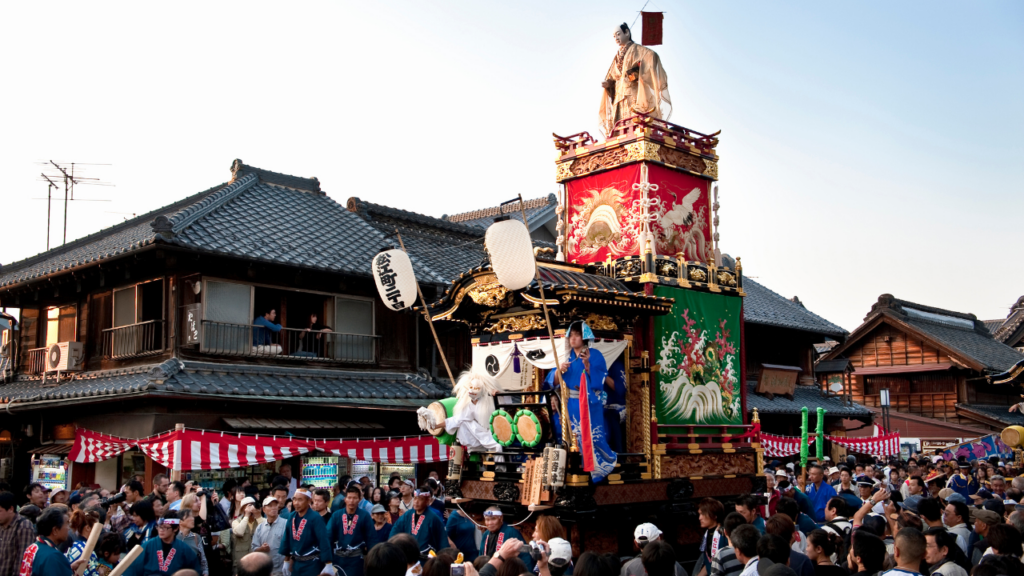
Travel Time from Tokyo: A short 30 minutes from Ikebukuro Station via the Tobu Tojo Line, or about 45 minutes from Shinjuku via the Seibu Shinjuku Line.
The Experience:
Take a literal step back in time. Kawagoe preserves the look and feel of old Tokyo (Edo) with its clay-walled warehouse buildings, traditional clay-tile roofs, and the iconic Bell of Time tower that still rings across the town.
- What It Feels Like: Walking along paved stone paths lined with black-plastered merchant houses, holding a warm, freshly steamed sweet potato cake, and listening to the deep, historic chime of the ancient town bell.
Local Perspective:
“While everyone visits Candy Alley, don’t miss the local sweet potato beer (Coedo) brewed right here in Kawagoe. It pairs perfectly with our traditional street food!”
— Yumi, Kawagoe Shop Owner
- Your Journey Made Easy: Uncover the stories behind this historic town by securing your Kawagoe Historical Walking Tour.
8. Odawara: Castles and Blossoms
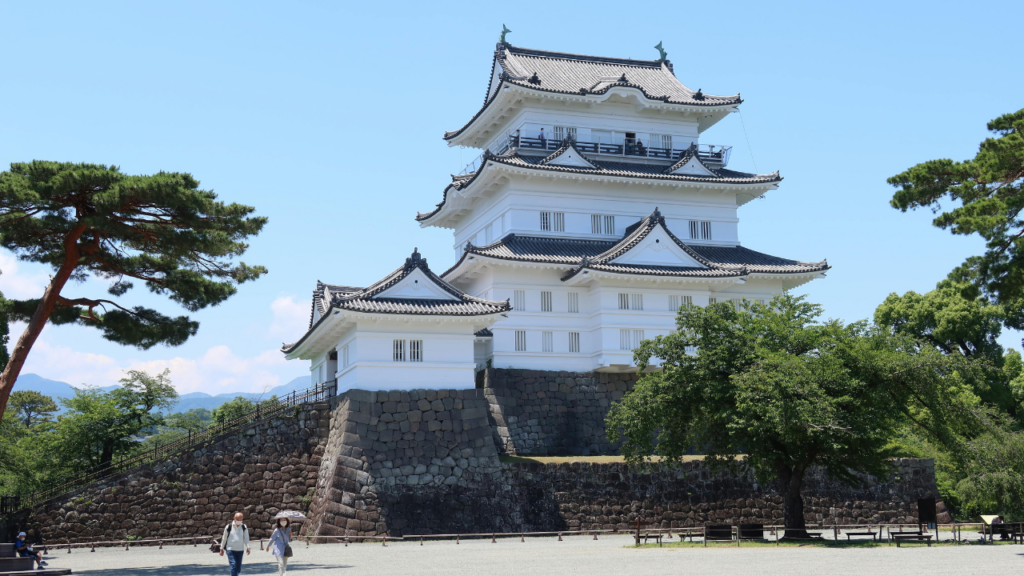
Travel Time from Tokyo: Approximately 35 minutes using the Tokaido Shinkansen (bullet train) from Tokyo Station, or around 70 to 90 minutes via the local JR Tokaido Line or Odakyu Line.
The Experience:
Odawara is home to the closest traditional castle to Tokyo. Tour the grand keep, explore the samurai armor museums inside, and enjoy the surrounding gardens which burst into color with cherry blossoms in spring and hydrangeas in summer.
- Cultural Context: In the 15th century, Odawara Castle was an impregnable stronghold belonging to the legendary Hojo clan, ruling over the surrounding Kanto plain.
- Your Journey Made Easy: Combine history with ease by choosing a curated Odawara Castle and Town Tour.
9. Karuizawa: Mountain Retreat and Art Scene
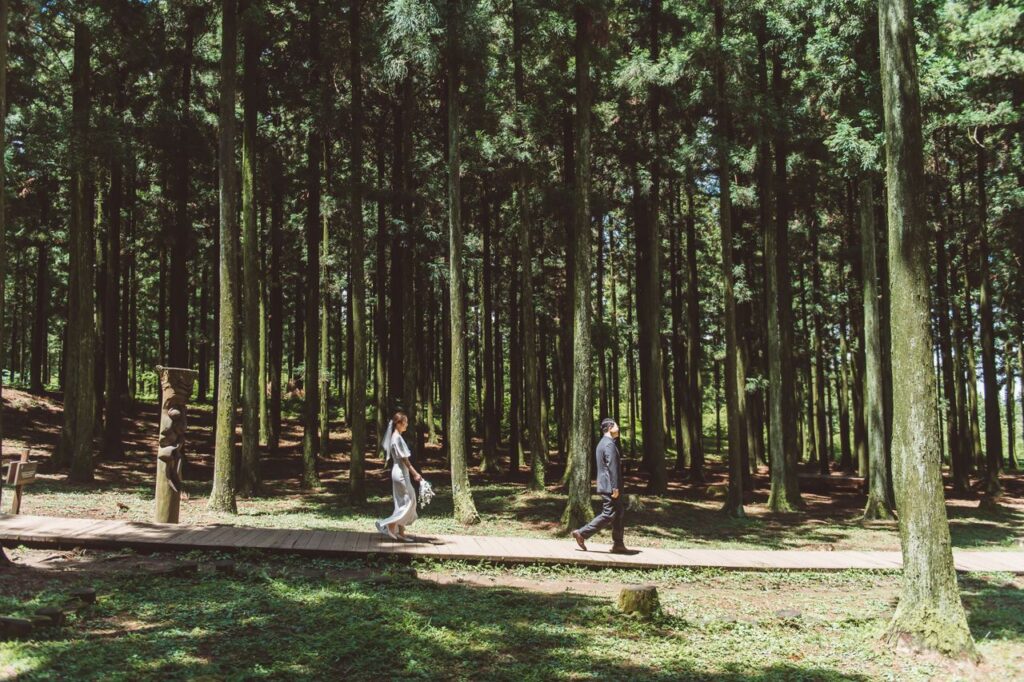
Travel Time from Tokyo: Just 65 to 75 minutes via the Hokuriku Shinkansen directly from Tokyo Station.
The Experience:
Nestled in the highlands, Karuizawa is a chic, leafy mountain resort town. Known for its cool summer climate, beautiful autumn foliage, cozy cafes, and modern art museums, it is the perfect spot for a leisurely day of bicycling and relaxation.
- Unique Feature: This resort town is so scenic that it has historically served as a summer getaway for Japan’s Imperial Family.
- Your Journey Made Easy: Enjoy a customized, relaxing day in the mountains by booking a Karuizawa Private Day Tour.
10. Mt. Nokogiri: Hiking and Panoramic Views
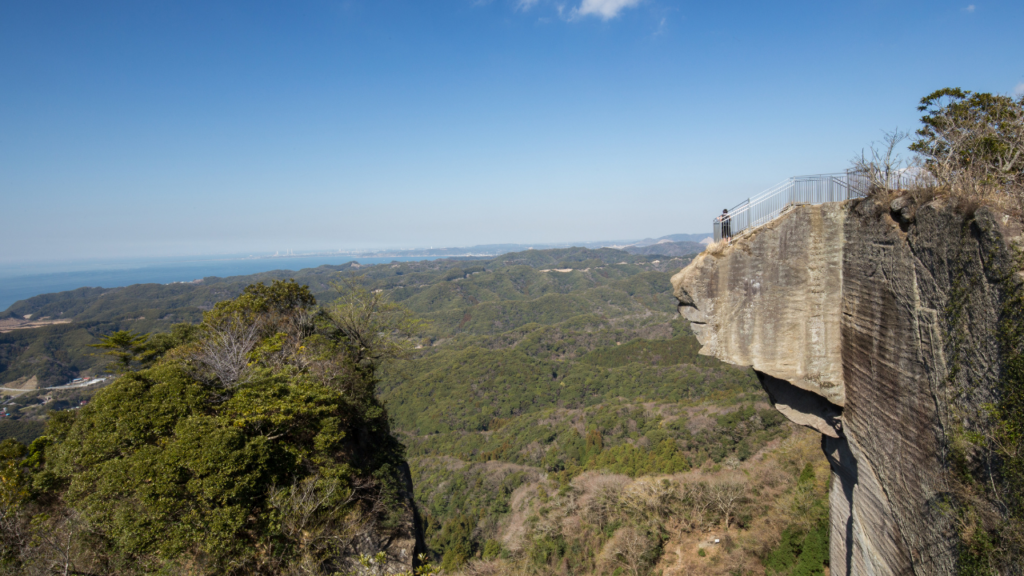
Travel Time from Tokyo: Approximately 90 minutes to 2 hours. Take the JR Uchibo Line to Hamakanaya Station, or enjoy a scenic drive/bus across the Tokyo Bay Aqua-Line highway.
The Experience:
For travelers seeking a thrilling physical adventure, Mt. Nokogiri features dramatic, jagged cliff faces, ancient stone carvings of Buddhist deities, and the famous “View to Hell” (Jigoku Nozoki)—a lookout point that juts directly out over a sheer drop.
- What It Feels Like: Feeling a sudden rush of adrenaline as you step onto a narrow, rocky ledge suspended high in the air, looking down at a vast, green forest canopy that rolls right into the deep blue of Tokyo Bay.
- Your Journey Made Easy: Ensure a safe, thrilling, and highly rewarding hike by joining a Mt. Nokogiri Guided Hiking Adventure.
Adventure & Nature Day Trips Near Tokyo
If you want to dive even deeper into natural wonders and outdoor thrills, consider these popular scenic alternatives:
Mount Takao: An Easy Hiking Escape
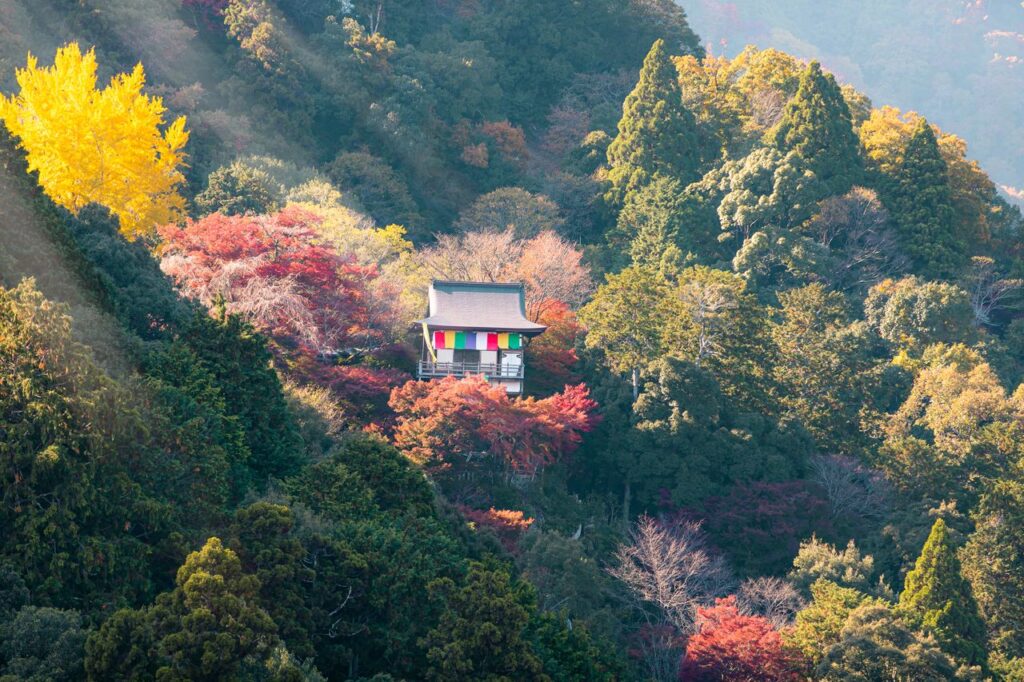
- Travel Time from Tokyo: Approximately 50 minutes from Shinjuku Station via the Keio Line.
- The Experience: Perfect for a spontaneous nature break. Walk paved, lush trails up to the ancient Yakuo-in Temple, taste delicious dango (sweet rice dumplings) along the way, or ride the steep, scenic cable car to catch sweeping views of Tokyo and—on a clear day—Mount Fuji.
- Your Journey Made Easy: Bypass navigation issues by booking a convenient Mount Takao Guided Day Hike.
Enoshima: A Tranquil Island Retreat with Ocean Air and Shrines
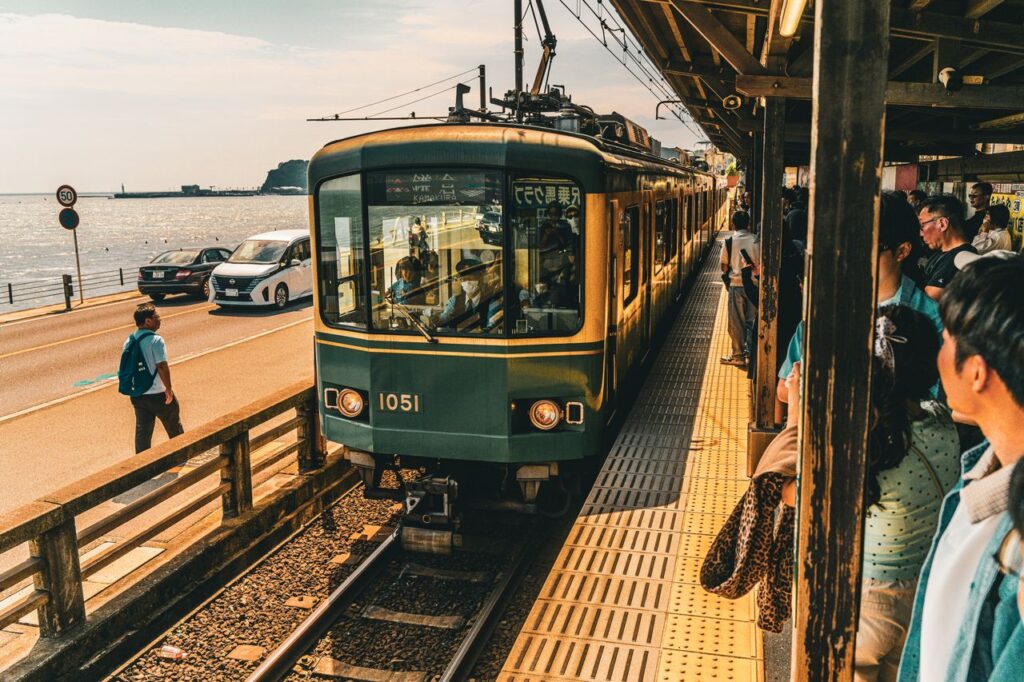
- Travel Time from Tokyo: Approximately 60 to 70 minutes from Shinjuku via the Odakyu Line, or via JR to Kamakura followed by the coastal Enoden train.
- The Experience: An enchanting tidal island connected to the mainland by a walking bridge. Explore mystical cliffside caves, visit shrines dedicated to the goddess of music and water, and climb the Enoshima Sea Candle lighthouse for breathtaking 360-degree ocean views.
- Your Journey Made Easy: Combine the absolute best of land and sea by booking a Kamakura and Enoshima Coastal Day Tour
Longer Day Trip Options: Beyond the Standard Limits
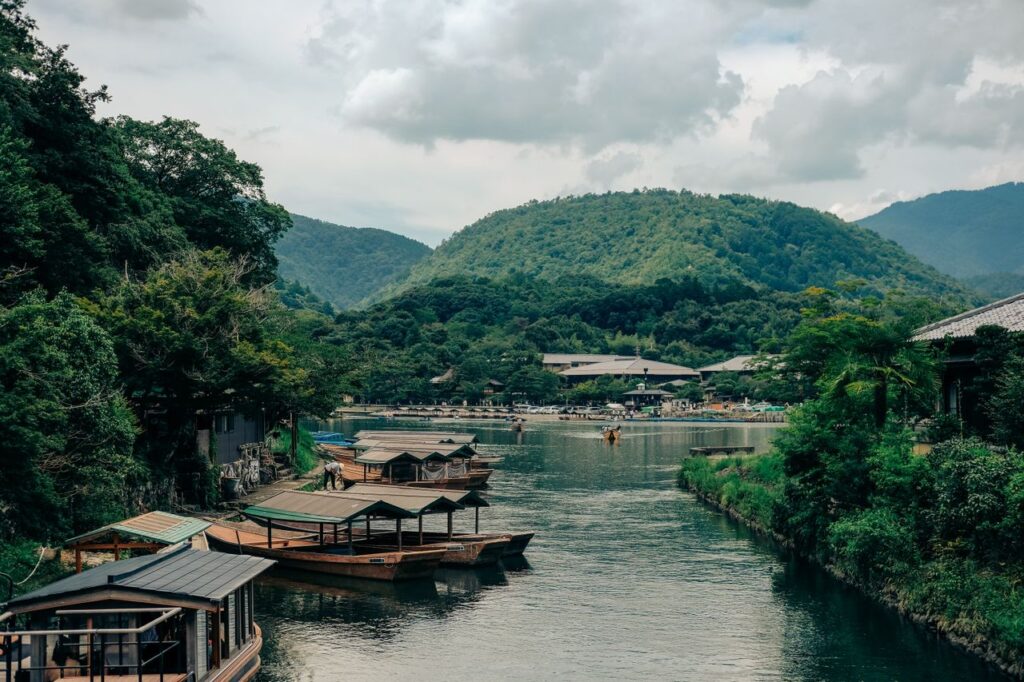
For ambitious travelers with a rail pass and an early start, Japan’s high-speed Shinkansen makes it possible to visit these legendary destinations in a single, action-packed day:
- Kyoto: (Approx. 2 hours 15 minutes via Nozomi Shinkansen). Witness the iconic orange torii gates of Fushimi Inari and the brilliant Golden Pavilion before returning to Tokyo for dinner.
- Nara: (Approx. 3 hours via Shinkansen to Kyoto/Shin-Osaka, then local train). Bow to the free-roaming deer of Nara Park and stand before the colossal bronze Buddha at Todai-ji Temple.
- Universal Studios Japan in Osaka: (Approx. 3 hours via Shinkansen). Tap into your inner child and visit Super Nintendo World or the Wizarding World of Harry Potter on an epic whirlwind trip.
How to Choose Your Perfect Tokyo Day Trip
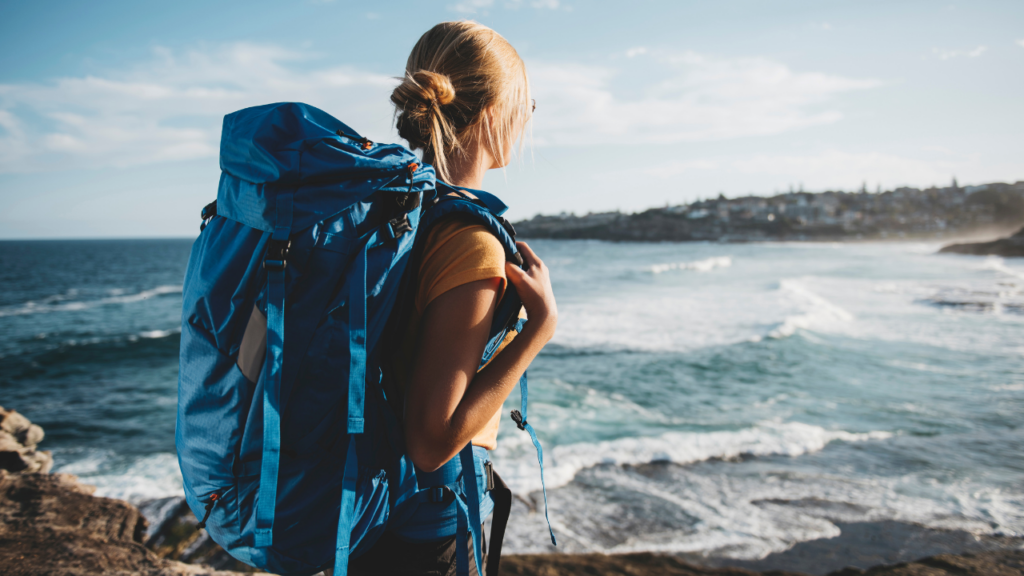
To make sure your itinerary matches your personal style, here is a quick cheat-sheet:
- For History Buffs: Kamakura, Nikko, Kawagoe, Odawara.
- For Nature Lovers: Mount Fuji, Hakone, Chichibu, Mount Takao, Mt. Nokogiri.
- For Foodies: Yokohama (Chinatown), Kamakura (street food), Kawagoe (sweet potato treats).
- For Art & Relaxation: Hakone (onsen and museums), Karuizawa (highland boutiques).
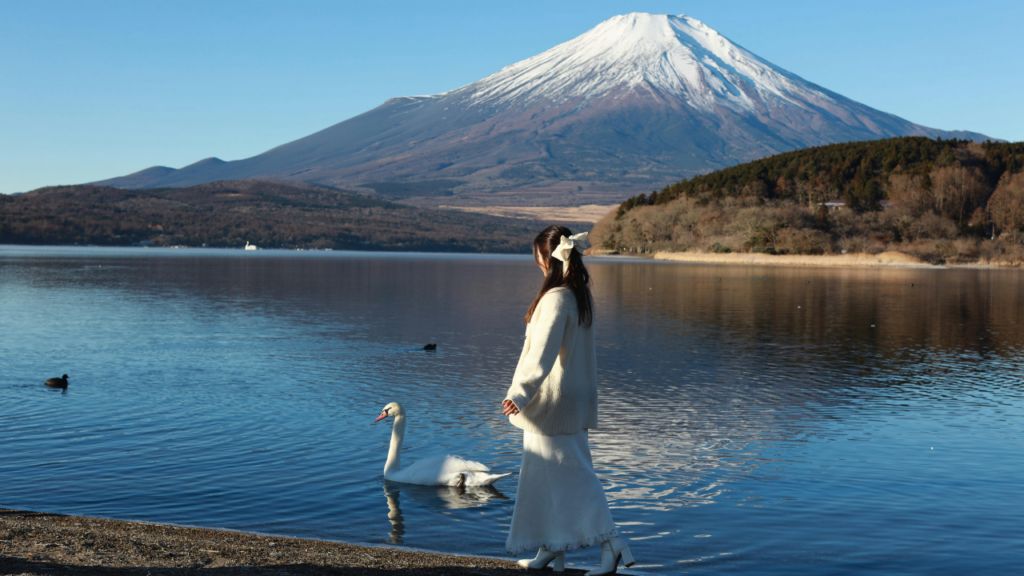
The perfect escape from Tokyo is just a short train ride away.
Simplify your travel logistics, bypass language barriers, and maximize your vacation by booking a curated excursion with Viator.
Ready to start your adventure? Use the links above to book your perfect day trip and make memories that will last a lifetime!
FAQ
1. Do I need to reserve day trip transportation in advance?
It depends on the destination and the season. For popular routes like Hakone, Nikko, or Mount Fuji, booking train tickets, limited express seats, or guided tours in advance is a smart move—especially on weekends, holidays, and during cherry blossom or autumn foliage season.
2. Are these Tokyo day trips suitable for families with children?
Yes, many of them are. Yokohama, Kawagoe, Enoshima, and Hakone are especially family-friendly because they offer easy transportation, relaxed pacing, and a mix of food, scenery, and attractions. More active destinations like Mt. Nokogiri or Mount Takao may be better for families with older children.
3. What should I pack for a day trip from Tokyo?
Comfortable walking shoes are essential. You should also bring a portable charger, cash or a transit card, water, a light jacket, and weather-appropriate items like sunscreen or an umbrella. If you’re heading to mountain areas or the coast, layering is especially helpful.
4. Can I visit more than one destination in a single day?
Yes, but only if the locations are close together and your itinerary is realistic. Good combinations include Kamakura and Enoshima, or Hakone with nearby Odawara. For farther destinations like Nikko, Karuizawa, or Mount Fuji, it’s usually better to focus on one main area so you can enjoy it without rushing.
5. Is it better to travel on weekdays or weekends?
Weekdays are generally better if you want fewer crowds and a more relaxed experience. Weekends and public holidays can be much busier on trains, at popular attractions, and at scenic viewpoints, especially in places like Hakone, Kamakura, and Mount Fuji.